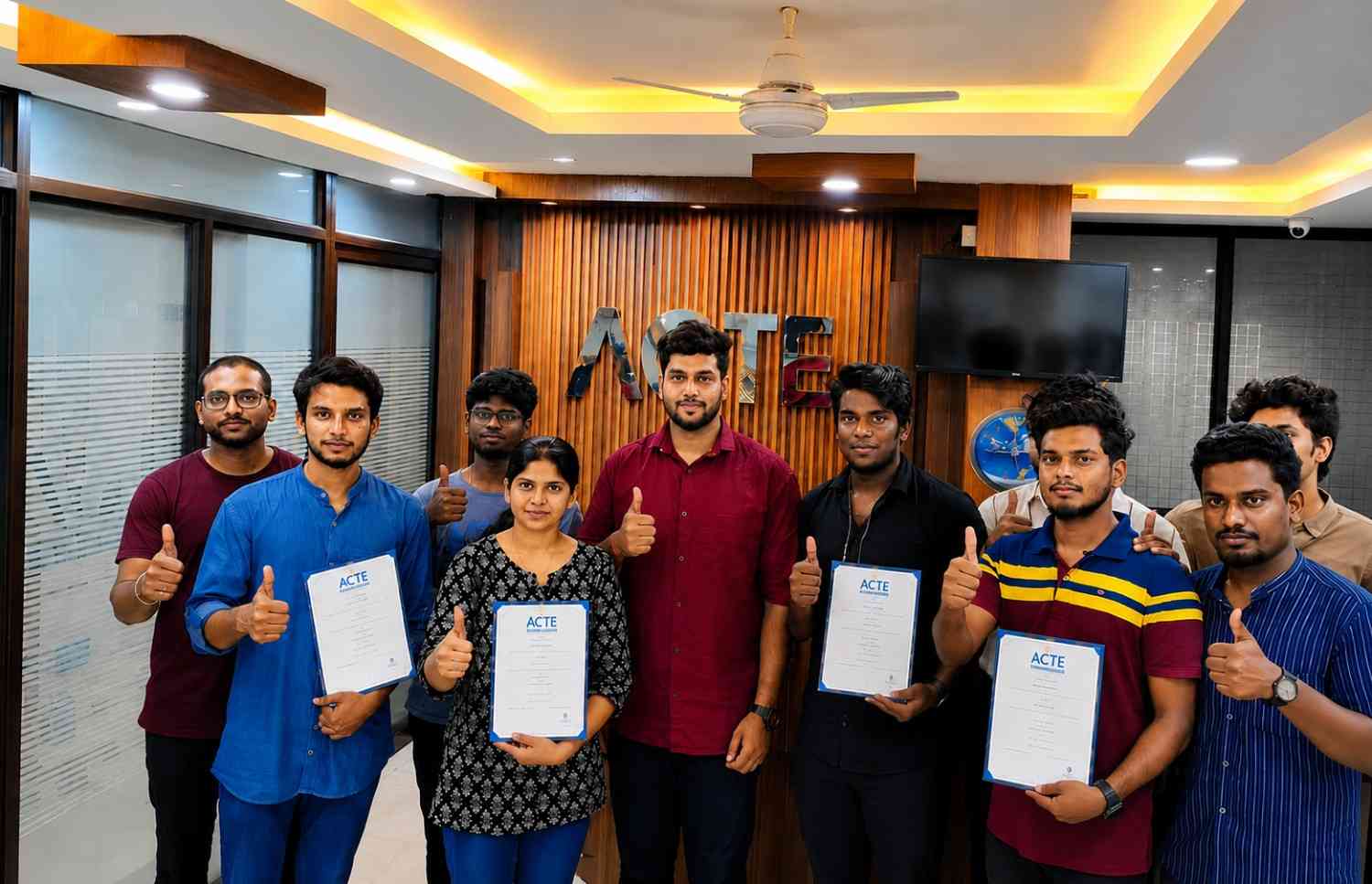
Overview of Graphic Design Certification Course
This Graphic Design Training is perfect for beginners, creative enthusiasts, aspiring designers, and professionals aiming to strengthen their visual design skills. The course covers essential concepts such as color theory, typography, layout composition, branding, UI/UX design, vector and raster graphics, and motion graphics. Training is delivered through flexible online and classroom sessions, focusing on hands-on exercises and practical learning. Participants gain real-world experience by creating professional designs, digital illustrations, marketing visuals, interactive prototypes, and complete visual identity projects.
Additional Info
Key Roles and Responsibilities of Graphic Design Profession
- Graphic Designer :
Graphic Designers are responsible for creating visual content for digital and print media. They develop layouts, select colors and fonts, and combine images and text to communicate messages effectively. Their work includes designing brochures, posters, social media graphics, and marketing materials. Attention to detail and creativity is crucial to producing visually appealing designs that meet client or brand objectives.
- UI/UX Designer :
UI/UX Designers focus on the user experience and interface design of websites and applications. They create wireframes, prototypes, and interactive layouts that make digital products intuitive and user-friendly. Conducting user research and testing is a key part of refining designs to meet user needs. Strong knowledge of usability principles and design software is essential for crafting engaging interfaces.
- Motion Graphics Designer :
Motion Graphics Designers develop animated visuals and video content for advertising, films, and digital platforms. They combine graphics, typography, and animation techniques to bring stories to life. Tools like After Effects and Cinema 4D are commonly used to create dynamic visuals. Their role often involves collaborating with marketing teams to produce impactful visual campaigns.
- Branding Designer :
Branding Designers are tasked with creating cohesive visual identities for companies and products. They design logos, color schemes, typography, and brand guidelines that reflect the brand’s personality. Consistency across digital and print materials is essential to establish brand recognition. Collaboration with marketing and product teams ensures designs align with strategic goals.
- Web Designer :
Web Designers focus on creating visually appealing and functional website layouts. They design pages that are responsive, easy to navigate, and aligned with brand aesthetics. Knowledge of HTML, CSS, and design tools helps in bridging visual design with development. Maintaining usability and visual coherence across devices is a key responsibility.
- Illustrator :
Illustrators create custom artwork for books, advertisements, social media, and product packaging. They use both digital and traditional media to produce creative illustrations that convey ideas visually. Strong artistic skills and proficiency in software like Illustrator or CorelDRAW are essential. Illustrations must align with client requirements and enhance the overall visual experience.
Popular Tools Taught in Graphic Design Certification Training
- Adobe Photoshop :
Adobe Photoshop is a popular tool used for editing and enhancing images. It allows designers to adjust colors, remove backgrounds, and create visual effects. Photomanipulation, digital painting, and photo retouching are easily done with this software. It is widely used for both web and print design projects.
- Adobe Illustrator :
Adobe Illustrator is mainly used for creating vector graphics, which can be scaled without losing quality. Designers use it to make logos, icons, and illustrations. The software offers tools for shapes, pen strokes, and typography. It is ideal for designs that need to be printed or displayed at any size.
- Adobe InDesign :
Adobe InDesign is a tool for designing layouts for print and digital publications. It is commonly used for brochures, magazines, posters, and books. Designers can arrange text and images in organized templates. It helps create professional-looking layouts with precise alignment and spacing.
- Figma :
Figma is a cloud-based tool used for designing user interfaces and website layouts. It allows multiple designers to work together in real time. Designers can create wireframes, prototypes, and interactive designs. It is very useful for UI/UX design and collaborative projects.
- CorelDRAW :
CorelDRAW is a graphic design software used for creating vector illustrations and layouts. It provides tools for drawing, coloring, and editing images. Designers often use it for logos, product packaging, and marketing materials. Its user-friendly interface makes it suitable for beginners as well as professionals.
- After Effects :
Adobe After Effects is used for motion graphics and animation. Designers can create animated text, video effects, and dynamic visuals for digital media. It allows combining video, images, and graphics into creative animations. This tool is essential for motion graphics, advertisements, and video content.
Essential Skills You’ll Learn in a Graphic Design Certification Course
- Creativity and Visual Thinking :
Graphic Design training helps develop strong creativity and the ability to think visually. Designers learn to generate unique ideas and turn them into compelling visuals. It trains the mind to combine colors, shapes, and typography effectively. This skill is essential for producing engaging designs for brands, websites, and marketing campaigns.
- Mastery of Design Software :
Students gain hands-on experience with popular design tools like Photoshop, Illustrator, InDesign, and Figma. Learning these tools helps in creating professional digital and print designs efficiently. Designers can manipulate images, create illustrations, and layout projects with precision. Mastery of software ensures the ability to work on real-world projects confidently.
- Typography and Layout Skills :
Graphic Design courses teach the proper use of fonts, text styles, and layouts. Designers learn to arrange text and images to make content readable and visually appealing. Understanding hierarchy and spacing ensures that designs communicate messages clearly. Strong typography and layout skills are crucial for branding, advertising, and web design.
- Color Theory and Visual Harmony :
Color theory is an essential skill learned during Graphic Design training. Designers understand how colors affect emotions, brand perception, and readability. They learn to create balanced color palettes for digital and print media. This skill helps in designing visually appealing and professional-looking graphics.
- UI/UX and User-Centered Design :
Graphic Design courses provide knowledge of user interface (UI) and user experience (UX) design. Designers learn to create interfaces that are easy to use and visually attractive. They gain skills in wireframing, prototyping, and designing interactive layouts. Understanding user needs ensures designs are functional and engaging.
- Branding and Visual Identity Skills :
Students learn to develop strong brand identities through logos, color schemes, and consistent visuals. Designers understand how to communicate a brand’s personality and message effectively. Creating cohesive visual branding builds recognition and trust for clients or businesses. This skill is vital for working in marketing, advertising, and corporate design.
Future Scope of Graphic Design Certification Training
- Digital Marketing Design :
Graphic designers will play a key role in creating visuals for online marketing campaigns. Social media posts, ads, and website graphics will require creative design skills. Brands will continue to need eye-catching visuals to engage audiences. Designers with digital marketing knowledge will have strong career opportunities.
- UI/UX Design Growth :
The demand for user-friendly apps and websites is increasing rapidly. UI/UX designers create interfaces that are easy to use and visually appealing. Designers with knowledge of interaction design and prototyping will be highly sought. This field is expected to grow as more businesses go digital.
- Motion Graphics & Animation :
Motion graphics and animation are becoming popular in advertising, videos, and social media. Designers can create animated logos, explainer videos, and interactive visuals. This trend opens opportunities for designers to work in film, digital marketing, and online content. Learning animation tools will boost employability in this area.
- Branding & Identity Design :
Companies always need professionals to build strong brand identities. Graphic designers create logos, packaging, and brand visuals to maintain consistency. Designers who can communicate a brand’s message visually will remain in demand. Branding skills are essential across industries from startups to large corporations.
- Freelancing & Entrepreneurship :
Graphic design offers opportunities for freelance work and starting your own business. Skilled designers can work with clients worldwide on websites, marketing, and branding projects. Flexible work options and multiple income streams make it attractive for creative professionals. Freelancing allows designers to explore diverse projects and grow independently.
- AR/VR & Emerging Tech Design :
With augmented reality (AR) and virtual reality (VR) gaining popularity, designers are needed to create immersive experiences. Designing for AR apps, VR games, and interactive media will be a growing field. Graphic designers with knowledge of 3D design and animation will have a competitive edge. Emerging technologies will open innovative career paths in design.
Show More

 LMS
LMS