
 LMS
LMS- Enroll in the Best Scrum Master Training Institute to Learn Agile and Scrum Frameworks.
- Our Scrum Master Certification Course Covers Scrum Roles, Events, Artifacts Principles.
- Gain Hands-On Experience by Working on Real-World Projects and Agile Simulations.
- Boost Your Career With Scrum Certification and Strong Placement Support.
- Receive Expert Guidance for Resume Preparation, Interview Coaching.
- Flexible Learning Options Available Weekday, Weekend and Fast-Track Batches.
Join Our 100% Job Guaranteed
Best Scrum Master Certification Training
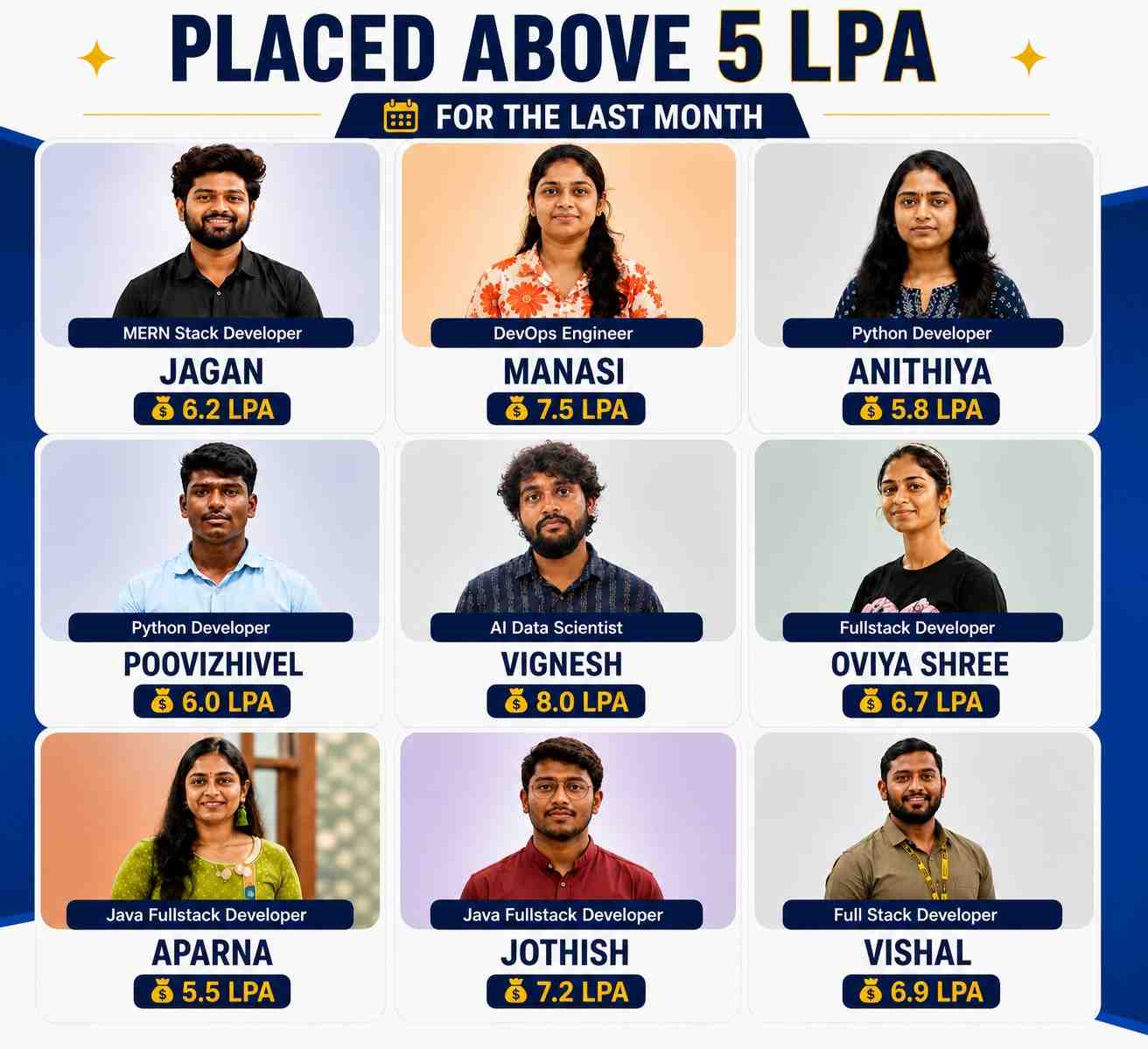
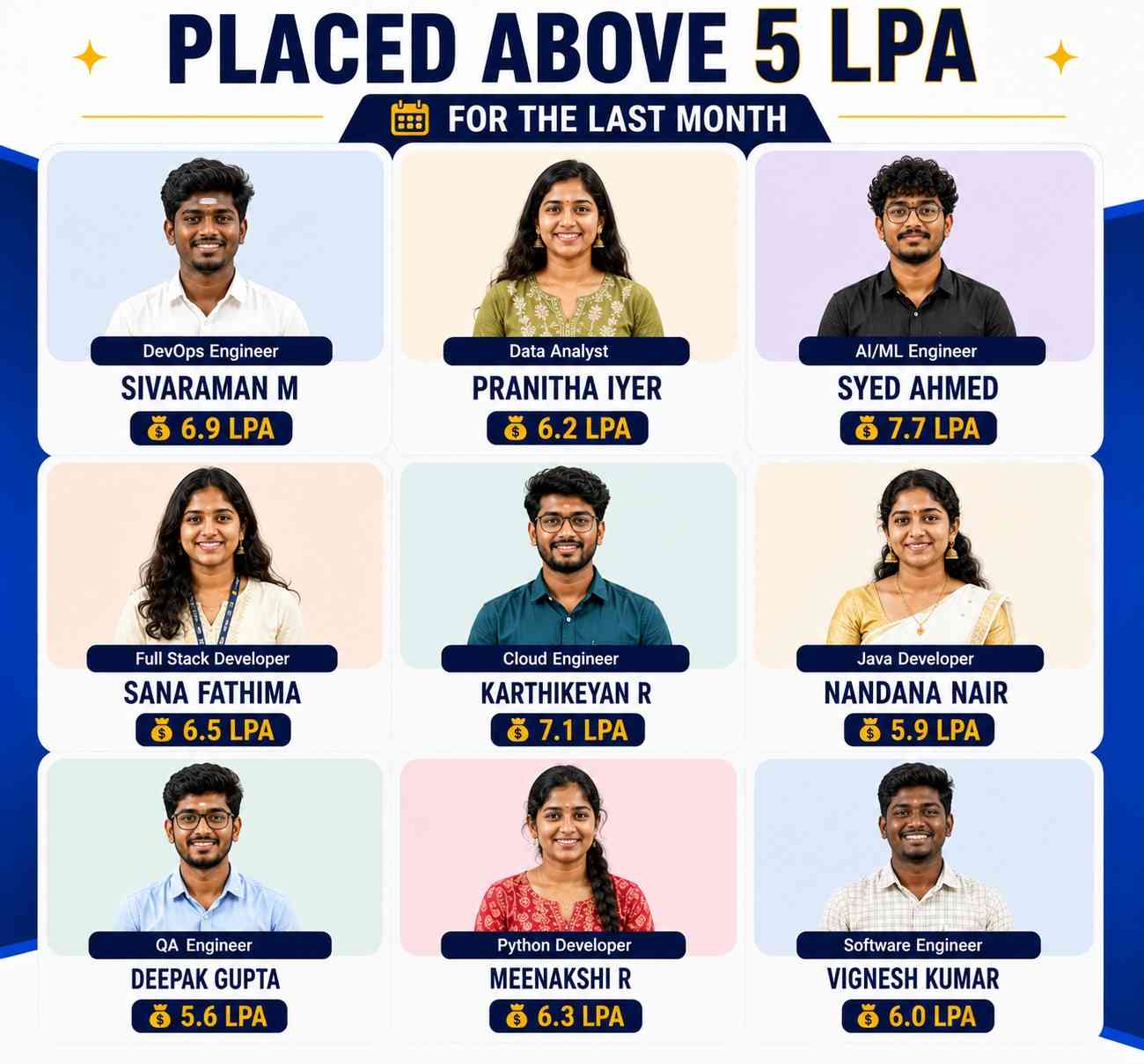
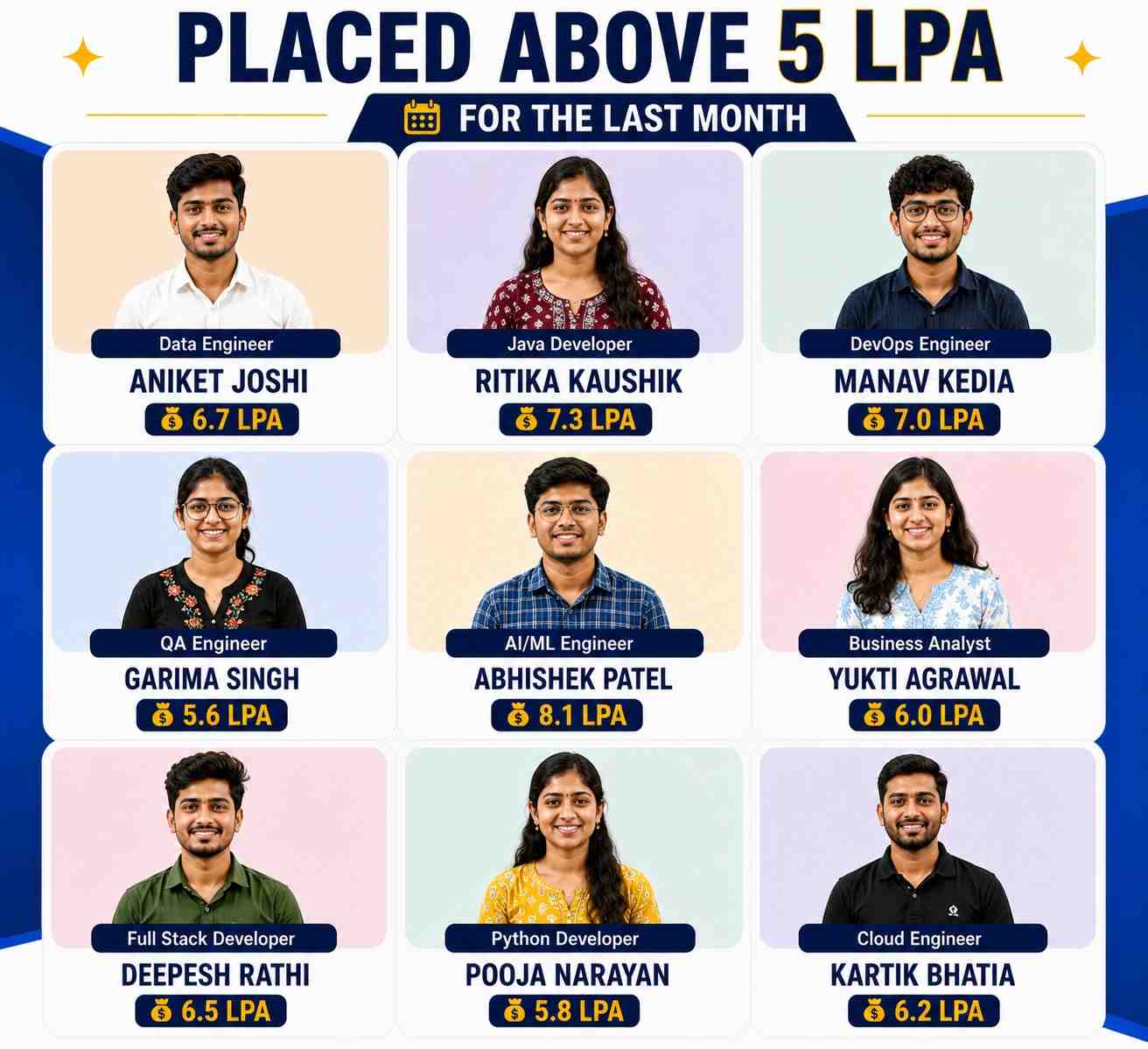
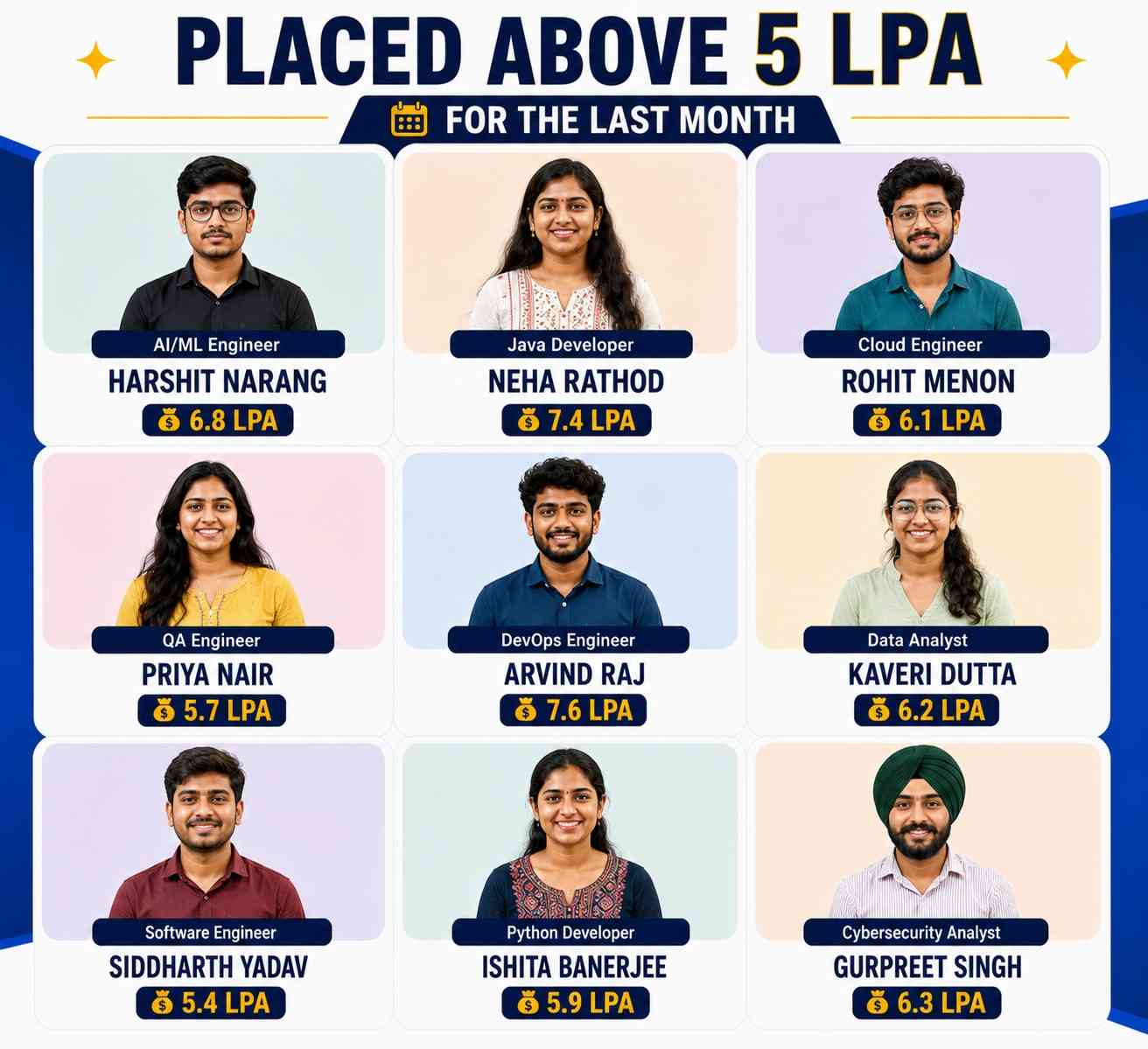
Explore Active Opportunities on
 by ACTE
Live
1000+
Jobs and Internships
Quality Training With Affordable Fees!
 Fees Starts From
INR
36,000
INR 16,500

9868+
(Placed)
4897+
(Placed)
7586+
(Placed)
3215+
(Placed)We Offer Both Online and Classroom Training in Chennai & Bangalore.
Our Hiring Partners

Overview of Scrum Master Course
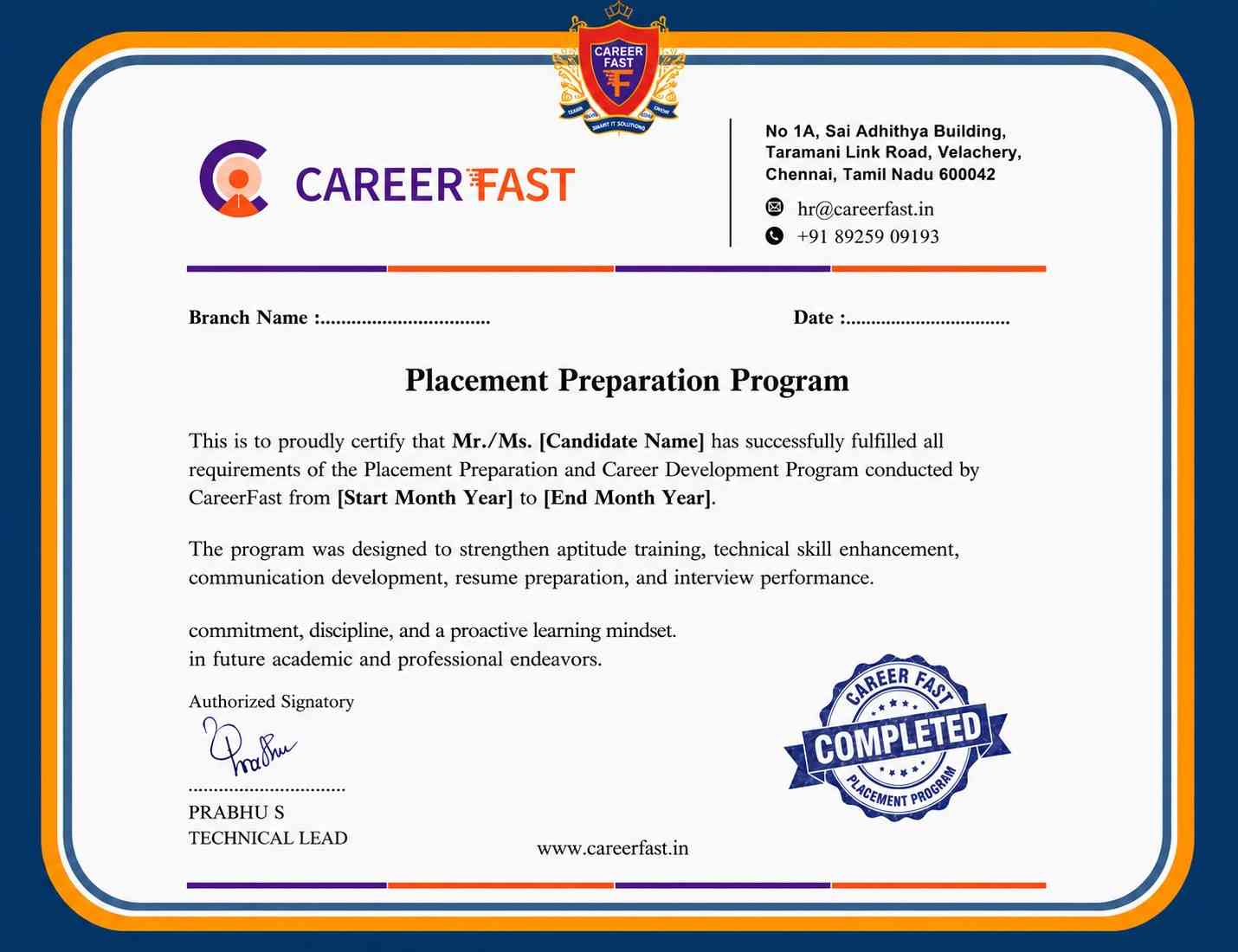
The Scrum Master Certification Course is designed to help freshers understand Agile and the Scrum framework in a simple and practical way. This Scrum Master Training covers key topics like Scrum roles, sprint planning, backlog management, daily stand-ups, and project delivery. It helps you build strong knowledge for real-world work and prepares you for Scrum Master Internships and job opportunities. The program also supports your career growth with Scrum Master Placement guidance and interview preparation. A dedicated 30-day placement preparation program is included, which focuses on resume building, mock interviews, and soft skills training to boost your confidence. This course is beginner-friendly and perfect for students and freshers who want to start their career as a Scrum Master.
What You’ll Learn From Scrum Master Certification Course
- Develop a strong foundation in Scrum framework concepts, including roles, ceremonies, artifacts, and Agile principles for effective team collaboration.
- Gain practical expertise through Scrum Master Certification Training that focuses on real-time scenarios, team facilitation techniques, and Agile implementation strategies.
- Enhance leadership and communication skills to guide cross-functional teams toward continuous improvement and successful sprint delivery.
- Understand how to remove project impediments, manage workflow efficiently, and support teams in achieving consistent productivity.
- Enroll in the Scrum Master Certification Course to master advanced Agile methodologies, performance tracking, and stakeholder engagement practices.
- Build confidence in handling project challenges by working on case-based learning, interactive activities, and industry-aligned simulations.
Additional Info
Course Highlights
- Build strong expertise in Agile principles, Scrum framework, sprint planning, backlog management, and team collaboration techniques.
- Receive comprehensive career assistance with structured guidance, interview preparation, and placement support for aspiring Scrum professionals.
- Learn from experienced industry mentors who bring practical knowledge and real-world project insights into every session.
- Gain hands-on experience through live projects, interactive workshops, and scenario-based learning activities.
- Access beginner-friendly modules, step-by-step guidance, and continuous mentorship designed to support learners at every stage.
- Benefit from convenient scheduling options, cost-effective programs, and practical internship exposure to strengthen real-time skills.
- Earn a recognized Scrum Master Training credential that validates your expertise and enhances your professional growth opportunities.
Benefits You Gain from a Scrum Master Training
- Team Guidance : A Scrum Master helps the team understand Agile and Scrum principles in a simple way. They guide the team to follow the correct process during each sprint. They support collaboration and encourage everyone to work together. They also make sure roles and responsibilities are clear. This helps the team stay organized and focused on goals.
- Remove Blockers : A Scrum Master identifies issues that slow down the team’s progress. They work to remove obstacles so the team can complete tasks smoothly. They help solve misunderstandings and reduce conflicts. They also protect the team from unnecessary interruptions. This ensures steady progress and timely delivery of work.
- Better Communication : A Scrum Master improves communication within the team and with stakeholders. They make sure meetings are clear, structured, and productive. They encourage open discussion and honest feedback. They help everyone understand project updates and expectations. This builds trust and improves teamwork.
- Continuous Improvement : A Scrum Master supports regular reviews to improve team performance. They encourage the team to learn from each sprint and apply improvements. They promote better working methods and positive changes. They help the team identify strengths and areas for growth. This leads to better quality and long-term success.
- Higher Productivity : A Scrum Master helps the team stay focused on important tasks. They organize Scrum events like daily stand-ups and sprint planning. They ensure work is well planned and clearly assigned. They support proper time management and workflow. This increases efficiency and helps achieve project goals successfully.
Popular Tools Taught in Scrum Master Training
- Jira : Jira is a popular tool used to manage Scrum projects. It helps the team create, track, and update tasks easily. Scrum Masters use it to monitor sprint progress and team performance. It shows work status in boards like To Do, In Progress, and Done. This makes project tracking simple and clear for everyone.
- Trello : Trello is a simple project management tool based on boards and cards. It helps teams organize tasks in an easy visual format. Scrum Masters use it to plan sprints and assign work. Team members can move tasks across columns as they complete them. It improves teamwork and keeps work organized.
- Slack : Slack is a communication tool used for team discussions. It allows instant messaging, file sharing, and group channels. Scrum Masters use it to improve team communication. It helps teams stay connected during daily work. This tool makes communication fast and simple.
- Microsoft Teams : Microsoft Teams is a collaboration tool for meetings and messaging. It supports video calls, chat, and document sharing. Scrum Masters use it to conduct daily stand-ups and sprint meetings. It helps teams work together even from different locations. This tool improves coordination and teamwork.
- Miro : Miro is an online whiteboard tool for collaboration. It helps teams brainstorm ideas and plan visually. Scrum Masters use it for sprint planning and retrospectives. Team members can add notes, diagrams, and ideas in real time. It makes meetings interactive and more productive.
Must-Know Frameworks for Aspiring Scrum Master
- Scrum Framework : Scrum is the main framework used by Scrum Masters. It helps teams work in short cycles called sprints. Scrum includes roles like Scrum Master, Product Owner, and Development Team. It also has events like daily stand-ups and sprint reviews. This framework helps teams deliver work in a simple and organized way.
- Kanban Framework : Kanban is a visual framework used to manage workflow. It uses boards to show tasks in different stages. Scrum Masters use it to improve transparency and reduce delays. It focuses on continuous work instead of fixed sprints. This helps teams manage tasks smoothly and efficiently.
- SAFe (Scaled Agile Framework) : SAFe is used for large organizations with many teams. It helps multiple teams work together in an organized way. Scrum Masters use it to support coordination across departments. It combines Agile and Lean principles for better results. This framework improves alignment and teamwork in big projects.
- Lean Framework : Lean focuses on reducing waste and improving value. It helps teams remove unnecessary steps in the process. Scrum Masters use Lean ideas to improve efficiency. It encourages continuous improvement and better quality work. This framework helps deliver more value with less effort.
- XP (Extreme Programming) : Extreme Programming, or XP, focuses on high-quality software development. It includes practices like testing, feedback, and teamwork. Scrum Masters support teams in following XP principles. It improves communication and technical excellence. This framework helps build reliable and well-tested products.
Essential Skills You’ll Learn in a Scrum Master Certification Course
- Leadership Skills : As a Scrum Master, you learn how to lead a team in a supportive way. You guide the team without controlling their work. You help members stay focused on project goals. You encourage teamwork and positive behavior. This skill helps you build trust and confidence in the team.
- Communication Skills : A Scrum Master must communicate clearly with the team and stakeholders. You learn how to explain ideas in simple words. You also listen carefully to team members. Good communication helps avoid confusion and misunderstandings. This skill improves teamwork and project success.
- Problem-Solving Skills : Scrum Masters help remove obstacles that affect team progress. You learn how to identify problems quickly. You find practical solutions to keep the project moving. You also handle conflicts in a calm way. This skill ensures smooth workflow and timely delivery.
- Time Management Skills : A Scrum Master helps the team manage time effectively. You learn how to plan sprints and meetings properly. You ensure tasks are completed within deadlines. You also help the team focus on priority work. This skill increases productivity and efficiency.
- Facilitation Skills : Scrum Masters conduct meetings like daily stand-ups and sprint reviews. You learn how to guide discussions in an organized way. You make sure everyone gets a chance to share ideas. You keep meetings focused and productive. This skill helps teams collaborate better and achieve goals.
Key Roles and Responsibilities of Scrum Master Professionals
- Sprint Planning Management : The Scrum Master supports and facilitates sprint planning meetings. The team is guided to define clear sprint goals and select suitable tasks. Timeboxing is maintained to keep the meeting focused. Any doubts about the process are clarified. This responsibility ensures the team starts each sprint with proper direction.
- Daily Stand-Up Facilitation : The Scrum Master ensures daily stand-up meetings are conducted regularly. Team members share progress, plans, and challenges during the meeting. Discussions are kept short and productive. Any issues raised are tracked for resolution. This role helps maintain transparency and daily alignment.
- Backlog Support : The Scrum Master works closely with the Product Owner to support backlog management. Tasks are reviewed to ensure clarity and priority. The team understands the requirements before starting work. Changes are handled in an organized manner. This responsibility improves planning and smooth task execution.
- Conflict Resolution : The Scrum Master helps manage conflicts within the team when they arise. Problems are addressed in a calm and professional way. Open communication is encouraged to find solutions. Team harmony and cooperation are maintained. This role supports a positive and productive work environment.
- Continuous Improvement Leadership : The Scrum Master leads retrospective meetings to identify improvements. Team performance and processes are regularly reviewed. Feedback is collected and action items are created. Better working methods are encouraged for future sprints. This responsibility helps the team grow and improve continuously.
Why Scrum Master is the Smart Choice for Freshers
- High Demand in the Job Market : Scrum Masters are needed in many industries like IT, banking, and healthcare. Companies are adopting Agile methods to improve project success. This creates more job opportunities for freshers. Organizations look for trained professionals with Scrum knowledge. This makes it a stable and growing career choice.
- Good Salary Growth : Scrum Master roles offer attractive salary packages. With experience and skills, income can increase quickly. Many companies value certified Scrum professionals. Performance and leadership abilities improve career growth. This makes it a rewarding profession financially.
- Easy Entry into Agile Careers : A Scrum Master Course provides clear understanding of Agile and Scrum basics. Freshers can start learning without advanced technical skills. The course builds knowledge step by step. It prepares candidates for real project environments. This helps beginners enter the industry confidently.
- Leadership Development : The role helps develop strong leadership and communication skills. Team coordination and problem-solving abilities are improved. Confidence grows through managing meetings and discussions. These skills are useful in many career paths. This makes the course valuable for personal growth.
- Career Flexibility and Growth : Scrum Master skills are useful across different domains and companies. Opportunities exist in startups and large organizations. Career progression can lead to senior Agile roles. Continuous learning is part of this profession. This makes it a long-term and flexible career option.
Landing Remote Jobs with Scrum Master Skills
- Strong Communication Skills : Clear communication is very important for remote work. Scrum Master skills improve the ability to share ideas in meetings and chats. Regular updates and reports become easier to manage. Good listening skills help understand team needs. This makes collaboration smooth in virtual environments.
- Team Coordination Ability : Remote jobs require working with teams in different locations. Scrum Master training teaches how to coordinate tasks effectively. Proper planning keeps everyone aligned with goals. Meetings like daily stand-ups help track progress. This ensures teamwork works well even online.
- Leadership and Responsibility : Remote employers look for self-driven professionals. Scrum Master skills build leadership qualities and accountability. Tasks are managed in an organized way. Teams are guided without direct supervision. This increases trust in remote job roles.
- Problem-Solving Skills : Remote teams may face communication or workflow challenges. Scrum Master training improves the ability to identify and solve problems quickly. Conflicts are handled calmly and professionally. Obstacles are removed to maintain productivity. This helps maintain smooth remote operations.
- Knowledge of Agile Tools : Remote work depends on digital collaboration tools. Scrum Master skills include using tools like boards, tracking systems, and communication platforms. Work progress can be monitored easily online. Documentation and transparency are maintained. This makes remote project management simple and effective.
What to Expect in Your First Scrum Master Job
- Working with an Agile Team : The first Scrum Master job involves working closely with an Agile team. Daily collaboration becomes part of the routine. Meetings like stand-ups and sprint planning are conducted regularly. Team members share updates and discuss progress. This helps maintain clear communication and alignment.
- Facilitating Scrum Meetings : Regular Scrum events are an important responsibility. Meetings such as sprint reviews and retrospectives are organized and guided. Discussions are kept focused and productive. Participation from all team members is encouraged. This ensures smooth project workflow.
- Removing Team Blockers : Challenges and obstacles may appear during projects. Identifying and resolving these issues becomes a key task. Support is provided to help the team continue work without delays. Conflicts are handled in a professional manner. This keeps the sprint moving forward successfully.
- Learning Company Processes : Every organization follows different working styles. Understanding internal processes and tools is necessary. Adaptation to team culture takes place gradually. Communication with stakeholders becomes part of daily work. This helps in fitting smoothly into the new environment.
- Continuous Improvement Focus : Improvement of team performance is always encouraged. Retrospective meetings help identify strengths and areas for growth. Feedback is collected and analyzed carefully. Better practices are introduced for future sprints. This supports long-term success and team development.
Leading Companies are Hiring for Scrum Master Professionals
- Tata Consultancy Services (TCS) : TCS is one of the largest IT service companies in the world. It works with clients across many countries and industries. The company regularly hires Scrum Masters for agile project management roles. Scrum professionals help manage teams and improve project delivery. TCS offers strong career growth and global exposure.
- Infosys : Infosys is a leading global technology and consulting company. It supports digital transformation projects for international clients. Scrum Masters are hired to guide Agile teams and manage sprint activities. The company focuses on innovation and modern development practices. It provides good opportunities for learning and professional growth.
- Wipro : Wipro is a well-known multinational IT services company. It delivers technology solutions, consulting, and business services. Scrum Masters are required to coordinate teams and support Agile implementation. The role helps improve collaboration and project efficiency. Wipro offers roles in both domestic and international projects.
- Accenture : Accenture is a global professional services company. It provides consulting, technology, and digital services to clients worldwide. Scrum Masters are hired to manage Agile teams and ensure smooth project execution. The company focuses on large transformation programs. It provides exposure to diverse industries and advanced technologies.
- SAP : SAP is a multinational software company known for enterprise solutions. It develops business software used by organizations globally. Scrum Masters support development teams working on software products. The company invests in innovation and digital growth. SAP offers strong opportunities in Agile and product-based environments.
Show More
Tools Covered For Scrum Master Certification Training







Upcoming Batches For Classroom and Online
Weekdays
12 - Oct - 2026
08:00 AM & 10:00 AM
Weekdays
14 - Oct - 2026
08:00 AM & 10:00 AM
Weekends
17 - Oct - 2026
(10:00 AM - 01:30 PM)
Weekends
18 - Oct - 2026
(09:00 AM - 02:00 PM)
Can't find a batch you were looking for?
What’s included ?

📊 Free Aptitude and Technical Skills Training
- Learn basic maths and logical thinking to solve problems easily.
- Understand simple coding and technical concepts step by step.
- Get ready for exams and interviews with regular practice.

🛠️ Hands-On Projects
- Work on real-time projects to apply what you learn.
- Build mini apps and tools daily to enhance your coding skills.
- Gain practical experience just like in real jobs.

🧠 Launch Your Career in Top MNC Companies
- Master technical and HR interview rounds.
- Gain confidence with expert mock interview practice.
- Improve your chances of getting hired faster.

🎯 Interview Preparation For Freshers
- Practice company-based interview questions.
- Take online assessment tests to crack interviews
- Practice confidently with real-world interview and project-based questions.

🧪 LMS Self Learning Platform
- Explore expert trainer videos and documents to boost your learning.
- Study anytime with on-demand videos and detailed documents.
- Top MNC interview questions & self coding practice.
Scrum Master Course Syllabus
- 🏫 Classroom Training
- 💻 Online Training
- 🚫 No Pre Request (Any Vertical)
- 🏭 Industrial Expert
The Scrum Master Certification Training is designed to provide complete knowledge of the Scrum framework, Agile principles, sprint planning, and team collaboration in a simple and practical way. This program helps beginners build strong fundamentals and prepares them for certification success. Through Scrum Master Internships and hands-on projects, learners gain real-world experience in managing teams, facilitating meetings, and handling project tasks effectively. The Scrum Master Certification Course also includes guidance on tools, leadership skills, resume preparation, and interview support, helping build confidence and career readiness for professional growth.
- Introduction to Scrum Master – Learn Agile basics, Scrum roles, and sprint processes to build a strong foundation.
- Advanced Concepts – Understand scaling, team management, and continuous improvement practices.
- Practical Experience – Work on real projects and practice Scrum events for hands-on learning.
- Tools & Implementation – Use Agile tools for tracking tasks, managing workflows, and improving teamwork.
Scrum Master Fundamentals
Control Structures and Functions
Team-Centered Practices in Scrum
Issue Handling and Continuous Improvement
Frameworks, Tools, and Agile Environments
Working with Agile Tools and Resources
Agile Facilitation for Projects and Teams
These basics help you build a strong foundation in Scrum Master practices:
- Agile Tools – Use platforms like Jira, Trello, and Confluence to plan, track, and manage sprints effectively.
- Scrum Principles – Understand Agile values, Scrum framework, roles, events, and artifacts for smooth project delivery.
- Sprint Planning & Execution – Learn to organize sprint backlogs, facilitate daily stand-ups, and track progress.
- Collaboration & Communication – Enhance team coordination through retrospectives, sprint reviews, and stakeholder engagement.
- Agile Workspace Setup – Configure project boards, workflows, and dashboards for an efficient Agile environment.
Learn to Create effective and efficient Scrum workflows:
- Scrum Ceremonies – Facilitate sprint planning, daily stand-ups, sprint reviews, and retrospectives for smooth delivery.
- Workflow Mapping – Structure product backlogs, sprint boards, and task flows to track team progress.
- Agile Tools & Boards – Use Jira, Trello, or Confluence to organize tasks, monitor velocity, and manage sprints.
- Roles & Responsibilities – Align Product Owners, Developers, and Scrum Masters to ensure collaboration and accountability.
- Continuous Improvement – Implement feedback loops and inspect-adapt practices to enhance team performance.
Learn team-centered principles to structure effective and collaborative Agile workflows:
- Team Roles and Responsibilities – Define the roles of Scrum Master, Product Owner, and Development Team clearly.
- Sprint Workflows – Map out step-by-step sprint activities from planning to delivery.
- Backlog Refinement – Structure and prioritize the product backlog for clarity and usability.
- Transparency and Inclusiveness – Ensure all team members and stakeholders are engaged in the process.
- Sprint Reviews and Retrospectives – Validate outcomes, gather feedback, and refine processes for continuous improvement.
Handle project challenges and streamline team collaboration:
- Team Feedback – Collect and analyze input from developers, Product Owners, and stakeholders during retrospectives.
- Process Issues – Identify and resolve common bottlenecks or blockers affecting sprint progress.
- Iteration and Adaptation – Refine workflows and sprint practices based on feedback and performance metrics.
- Agile Compliance Checks – Ensure the team follows Scrum principles, roles, and ceremonies effectively.
- Risk & Impediment Management – Provide clear guidance and remove obstacles to keep the team on track.
Organize Scrum workflows and manage projects efficiently:
- Agile Tools – Use platforms like Jira, Trello, and Confluence to plan, track, and manage work.
- Scrum Framework – Establish and maintain roles, events, and artifacts for effective collaboration.
- Agile Plugins & Integrations – Configure add-ons and integrations to enhance project tracking and reporting.
- Agile Practices – Set up consistent sprint cycles, ceremonies, and workflows for scalability.
- Project Structure – Maintain organized backlogs, sprint boards, and documentation for smooth collaboration.
Use Scrum tools to facilitate and manage Agile practices:
- Trello – Plan, track, and manage sprint tasks and user stories.
- Scrum Boards – Utilize backlogs, sprint boards, and dashboards for workflow visibility.
- Sprint Flows – Visualize task progress and team activities across each sprint cycle.
- Reports and Metrics – Generate burndown charts, velocity reports, and team performance insights.
- Workflow Structures – Organize ceremonies, roles, and artifacts for efficient Scrum implementation.
Guide effective Scrum practices for managing Agile projects:
- Jira – Set up sprint boards, workflows, and project documentation.
- Scrum Ceremonies – Facilitate sprint planning, daily stand-ups, reviews, and retrospectives.
- Agile Adaptability – Adjust sprint goals and workflows to meet changing priorities and team needs.
- Workflow Mapping – Define clear sprint cycles, task ownership, and delivery paths.
- Progress Validation – Use reports, metrics, and feedback sessions to track and validate sprint outcomes.
🎁 Free Addon Programs
Aptitude, Spoken English.
🎯 Our Placement Activities
Daily Task, Soft Skills, Projects, Group Discussions, Resume Preparation, Mock Interview.
Gain Practical Experience With Scrum Master Projects
Project 1
Agile Sprint Simulation
Create a complete Scrum project plan using Jira or Trello to manage sprints, backlog, and tasks. Apply sprint planning, daily stand-ups, and retrospectives to improve teamwork and delivery efficiency.
Project 2
Sprint Dashboard
Design a sprint tracking dashboard using Excel or Power BI. Use burndown charts and velocity tracking techniques to monitor team progress, productivity, performance, and efficiency clearly.
Project 3
Workflow Management Setup
Build a structured workflow using Kanban boards in Jira or Trello. Apply task prioritization and continuous feedback methods to improve transparency and team coordination.
Project 4
Process Improvement Analysis
Develop a project improvement plan using retrospective meetings and performance analysis. Use root cause analysis techniques to identify issues and create action plans for better results.
Project 5
Stakeholder Communication Plan
Design a communication strategy using Agile practices and collaboration tools like Confluence or Teams. Create structured reporting methods to ensure clear updates and alignment.
Who Should Take a Scrum Master Certification Course
IT Professionals
Non-IT Career Switchers
Fresh Graduates
Working Professionals
Diploma Holders
Professionals from Other Fields
Salary Hike
Graduates with Less Than 60%
Show More
Job Roles For Scrum Master Certification Training
Scrum Master
Agile Coach
Agile Project Manager
Delivery Manager
Agile Program Manager
Release Train Engineer (RTE)
Product Owner
Agile Transformation Lead
Show More
Scrum Master Course Offered Classroom (Chennai & Bangalore) and Online.
No Coding
8 Lakhs+ CTC
No Work Pressure
WFH Jobs (Remote)
Why Scrum Master is the Ultimate Career Choice
High Demand
Companies prefer multi-skilled professionals who can handle entire project cycles.
Global Opportunities
Open doors to remote and international job markets.
High Salary
Enjoy competitive salaries and rapid career advancement.
Flexible Career Path
Explore roles such as developer, architect, freelancer, or entrepreneur.
Future-Proof Career
Stay relevant with skills that are consistently in demand in the evolving tech landscape.
Versatility Across Industries
Work in various domains like e-commerce, healthcare, finance, and more.
Career Support
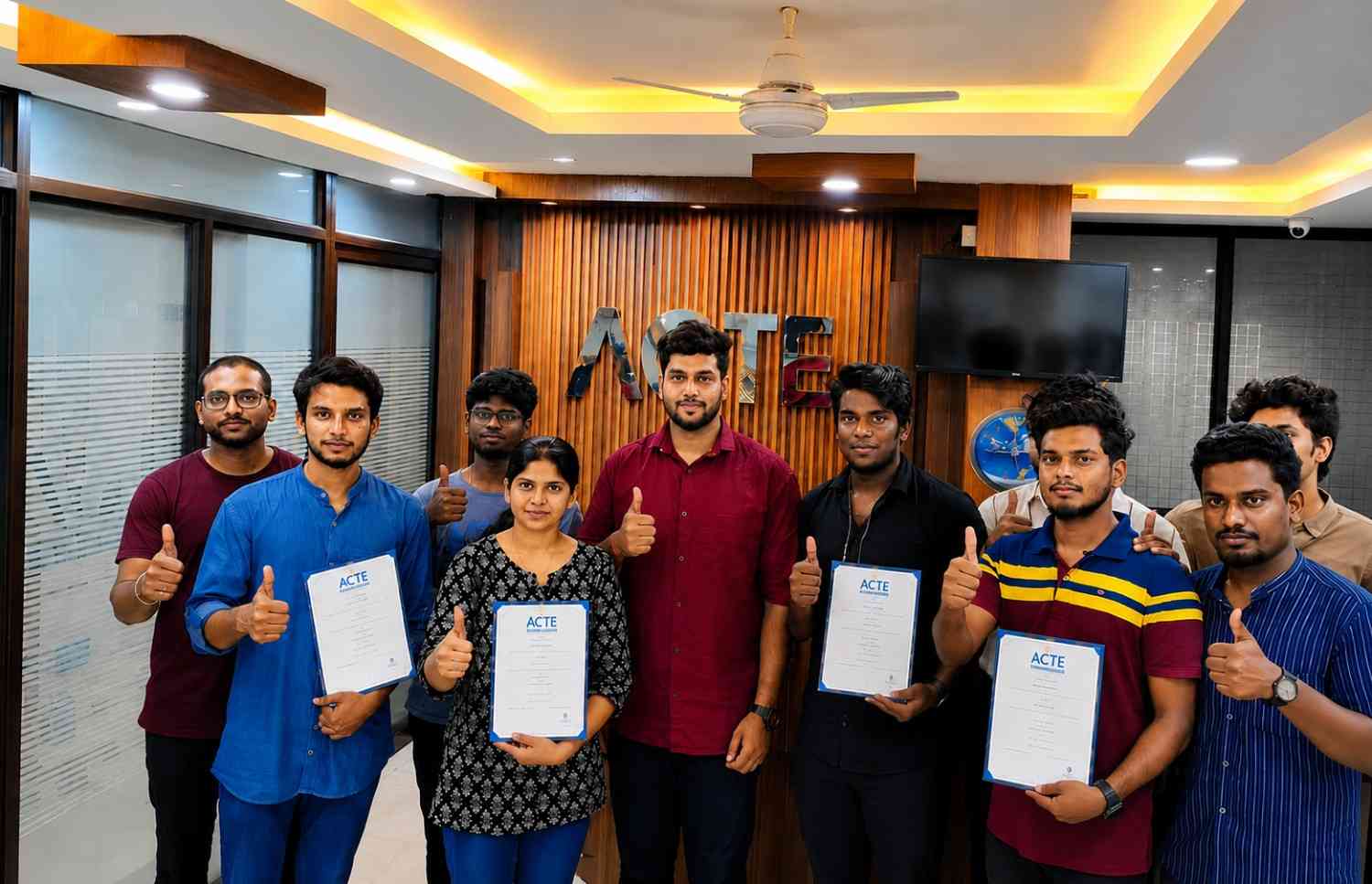

Placement Assistance

Exclusive access to ACTE Job portal

Mock Interview Preparation

1 on 1 Career Mentoring Sessions

Career Oriented Sessions

Resume & LinkedIn Profile Building
Get Advanced Scrum Master Certification
You'll receive a certificate proving your industry readiness.Just complete your projects and pass the pre-placement assessment.This certification validates your skills and prepares you for real-world roles.
📜 Industry-Recognized Certification
Earn official, shareable certifications recognized by top companies — a powerful proof of your job-ready skills.
🚀 Get Discovered by Top Employers
Let recruiters come to you with your verified profile — focus on learning while we connect you to real opportunities.
💼 Real-World Project Experience
Work on real-world projects to sharpen your skills and build a portfolio that impresses employers instantly.

Lowest Scrum Master Course Fees
Affordable, Quality Training for Freshers to Launch IT Careers & Land Top Placements.
Scrum Master Course FAQs
1. What Foundational Knowledge Is Needed to Start Scrum Master Training?
A basic understanding of computers, clear communication skills, and logical thinking are enough to begin learning. No advanced technical background is required. The program starts with fundamental Agile and Scrum concepts and gradually moves to advanced practices.
2. Why Is Scrum Master Expertise Highly Valued in the Industry?
Many organizations use Agile methods to improve project delivery and team performance. Scrum Masters help teams follow structured workflows and achieve sprint goals efficiently. Companies seek professionals who can guide teams, remove obstacles, and improve collaboration.
3. What Topics and Skills Are Included in the Program?
The course covers Agile principles, Scrum framework structure, and team roles. It includes sprint planning, backlog management, and facilitation techniques. Learners study meeting management, performance tracking, and continuous improvement methods.
4. Does the Training Include Practical Learning?
Yes, the program provides hands-on activities and scenario-based exercises. Learners practice conducting Scrum events and managing project workflows. Real-time case studies help in understanding team challenges. Interactive assignments strengthen problem-solving abilities.
5. Is Career Support Provided in the Program?
Yes, the training includes resume preparation guidance and interview practice sessions. Learners receive support in presenting their skills effectively. Career counseling helps in understanding job opportunities in Agile environments. Mock interviews improve communication and confidence.
1. Who Is Eligible to Enroll in Scrum Master Certification Training?
Individuals interested in Agile project management can join the program. Students, fresh graduates, working professionals, and career changers are welcome. Both technical and non-technical candidates can participate.
2. Is a Specific Educational Qualification Required?
No strict academic qualification is necessary to begin the course. Practical understanding and willingness to learn are more important. The training focuses on skill development rather than formal degrees.
3. What Skills Are Helpful Before Starting the Course?
Basic communication ability and problem-solving mindset are beneficial. Understanding teamwork concepts can be an advantage. Technical background is not mandatory. Interest in Agile methods is sufficient to begin learning.
4. Is Technical Programming Experience Required?
Programming knowledge is not essential for this certification. The course explains Scrum concepts and Agile processes clearly. Technical tools are introduced in a simple manner when needed. Focus is mainly on leadership and team coordination skills.
5. Can Individuals Without Technical Background Join?
Yes, non-technical learners can enroll without difficulty. The course starts with basic Agile principles. Concepts are explained in an easy-to-understand format. Gradual progression helps in building confidence.
1. What Career Assistance Is Available After Training?
Comprehensive job support is included in the program. Resume development guidance and interview preparation sessions are provided. Learners receive assistance in understanding job roles. Career advice helps in exploring Agile-related opportunities.
2. Are Practical Projects Part of the Curriculum?
Yes, learners participate in real-time simulations and project-based learning. Activities include sprint planning and retrospective exercises. These experiences reflect actual workplace scenarios. Practical involvement strengthens understanding of Scrum processes.
3. Can Learners Apply for Roles in Leading Organizations?
Certification combined with practical knowledge increases job opportunities. Candidates can explore roles in IT companies and Agile-driven firms. Many organizations prefer trained Scrum professionals. Project experience adds value to applications.
4. Is Job Guidance Available for Beginners?
Yes, special support is provided for freshers and newcomers. Training includes interview preparation and skill presentation techniques. Confidence-building sessions are part of the program. Guidance helps in understanding industry expectations.
5. Does the Course Help Build Professional Experience?
The program includes practical exercises and workflow management activities. Learners create project documentation and practice Scrum events. These experiences demonstrate applied knowledge. Portfolio development is encouraged.
1. Is a Certificate Awarded After Completion?
Yes, participants receive a certification upon successful course completion. The certificate confirms knowledge of Scrum practices. It reflects understanding of Agile methodologies. This recognition adds value to professional profiles.
2. Is Scrum Master Certification Beneficial for Career Growth?
Yes, this certification improves professional credibility. It opens opportunities in Agile project environments. Many companies prefer certified candidates. It can lead to leadership and coordination roles.
3. Are There Entry Conditions for Certification?
There are no strict prerequisites for enrolling. Completion of the training and required assessments is sufficient. Basic understanding and dedication are important. The course prepares learners thoroughly.
4. How Does Certification Support Professional Development?
Certification strengthens job applications and industry recognition. It demonstrates knowledge of Scrum principles. Employers value certified Agile professionals. It may enhance salary prospects and career progression.
5. What Competencies Will Be Developed?
Learners gain expertise in Agile frameworks and Scrum practices. Skills include sprint management and team facilitation. Knowledge of backlog handling and performance tracking is developed. Communication and leadership abilities improve significantly.
1. Are Career Support Services Included in the Program Cost?
Yes, job-related assistance such as interview preparation and resume guidance is included. Learners receive structured career counseling. Practical support is part of the training package. Guidance continues until course completion.
2. Why Do Program Costs Differ Between Institutes?
Training fees may vary based on faculty experience and course duration. Learning mode such as online or classroom also influences pricing. Additional services like mentorship and projects affect cost structure. Infrastructure and support facilities contribute as well.
3. Is the Course Budget-Friendly for Beginners?
Yes, many institutes offer flexible payment plans. Affordable options are available for students and professionals. The investment provides long-term career benefits. EMI facilities may also be provided. Overall value is high compared to career opportunities.
4. Is Pricing Uniform Across Different Locations?
Generally, training fees follow a standard structure. Institutes aim to maintain consistent quality. Location does not significantly change the curriculum. Learners receive similar content and support. This ensures equal learning opportunities across regions.
100% Job Guarantee
Global Quality Training At The Lowest Fees & Expert Trainer
Available in:










