 LMS
LMS- Join the Best Ruby Training Institute to Master Ruby Programming Skills.
- Our Ruby course Covers Ruby on Rails, OOP, RSpec, Bundler, Git, and MVC Architecture.
- Gain Hands-on Experience by Working on Real-World Projects Guided by Experts.
- Earn a Globally Recognized Ruby Certification with placement support.
- Receive Expert Guidance in Building a Winning Resume and Excelling in Job Interviews.
- Learn on Your Terms with Flexible Weekday, Weekend, and Accelerated Batches.
Ruby Training
- Join the Best Ruby Training Institute to Master Ruby Programming Skills.
- Our Ruby course Covers Ruby on Rails, OOP, RSpec, Bundler, Git, and MVC Architecture.
- Gain Hands-on Experience by Working on Real-World Projects Guided by Experts.
- Earn a Globally Recognized Ruby Certification with placement support.
Job Assistance

4.7/5

4.8/5

4.8/5

1,200+ Enrolled
In collaboration with

65+ Hrs.
Duration
Online/Offline
Format
LMS
Life Time Access
Quality Training With Affordable Fee
⭐ Fees Starts From
INR
36,000
INR 16,500
Our Hiring Partners

Advanced Your Career with Ruby Skills
- Our Ruby Course offers complete training on the essential concepts and features of Ruby, empowering students to build, debug.
- Through practical exercises, real-world projects, and hands-on coding challenges, students gain the skills to develop Ruby programs, work with frameworks.
- Our Career Support Team provides interview preparation, resume guidance, and career mentoring, helping students gain confidence and secure opportunities.
- Stay ahead in the tech industry by mastering Ruby fundamentals, coding best practices, application development, and modern frameworks.
- The course is designed with industry insights and is regularly updated to include the latest Ruby tools, libraries, and frameworks.
- Key topics covered include Ruby syntax, object-oriented programming (OOP), Rails, gems, modules, debugging, testing, APIs, MVC architecture, and automation techniques.
- After completing the course, students are prepared for roles such as Ruby Developer, Web Developer, Backend Developer, Junior Software Engineer.
What You'll Learn From Ruby Certification Training
Build a strong foundation in Ruby programming, starting from basics like syntax, variables, and control statements.
Learn to create dynamic applications using Ruby on Rails, understanding MVC structure and web workflows.
Get hands-on practice through real-time assignments and mini projects designed for beginners.
Complete the Ruby Course with expert guidance and earn an industry-recognized certification to grow your career.

Your IT Career Starts Here
550+ Students Placed Every Month!
Get inspired by their progress in the Career Growth Report.
Other Categories Placements
- Non-IT to IT (Career Transition) 2371+
- Diploma Candidates3001+
- Non-Engineering Students (Arts & Science)3419+
- Engineering Students3571+
- CTC Greater than 5 LPA4542+
- Academic Percentage Less than 60%5583+
- Career Break / Gap Students2588+
Upcoming Batches For Classroom and Online
Weekdays
19 - Oct - 2026
08:00 AM & 10:00 AM
Weekdays
21 - Oct - 2026
08:00 AM & 10:00 AM
Weekends
24 - Oct - 2026
(10:00 AM - 01:30 PM)
Weekends
25 - Oct - 2026
(09:00 AM - 02:00 PM)
Can't find a batch you were looking for?
Who Should Take a Ruby Certification Course
IT Professionals
Non-IT Career Switchers
Fresh Graduates
Working Professionals
Diploma Holders
Professionals from Other Fields
Salary Hike
Graduates with Less Than 60%
Show More
Job Roles For Ruby Course
Ruby Developer
Rails Developer
Web Developer
Backend Developer
Full-Stack Developer
Software Developer
API Developer
Programmer
Show More
What’s included ?

📊 Free Aptitude and Technical Skills Training
- Learn basic maths and logical thinking to solve problems easily.
- Understand simple coding and technical concepts step by step.
- Get ready for exams and interviews with regular practice.

🛠️ Hands-On Projects
- Work on real-time projects to apply what you learn.
- Build mini apps and tools daily to enhance your coding skills.
- Gain practical experience just like in real jobs.

🧠 Launch Your Career in Top MNC Companies
- Master technical and HR interview rounds.
- Gain confidence with expert mock interview practice.
- Improve your chances of getting hired faster.

🎯 Interview Preparation For Freshers
- Practice company-based interview questions.
- Take online assessment tests to crack interviews
- Practice confidently with real-world interview and project-based questions.
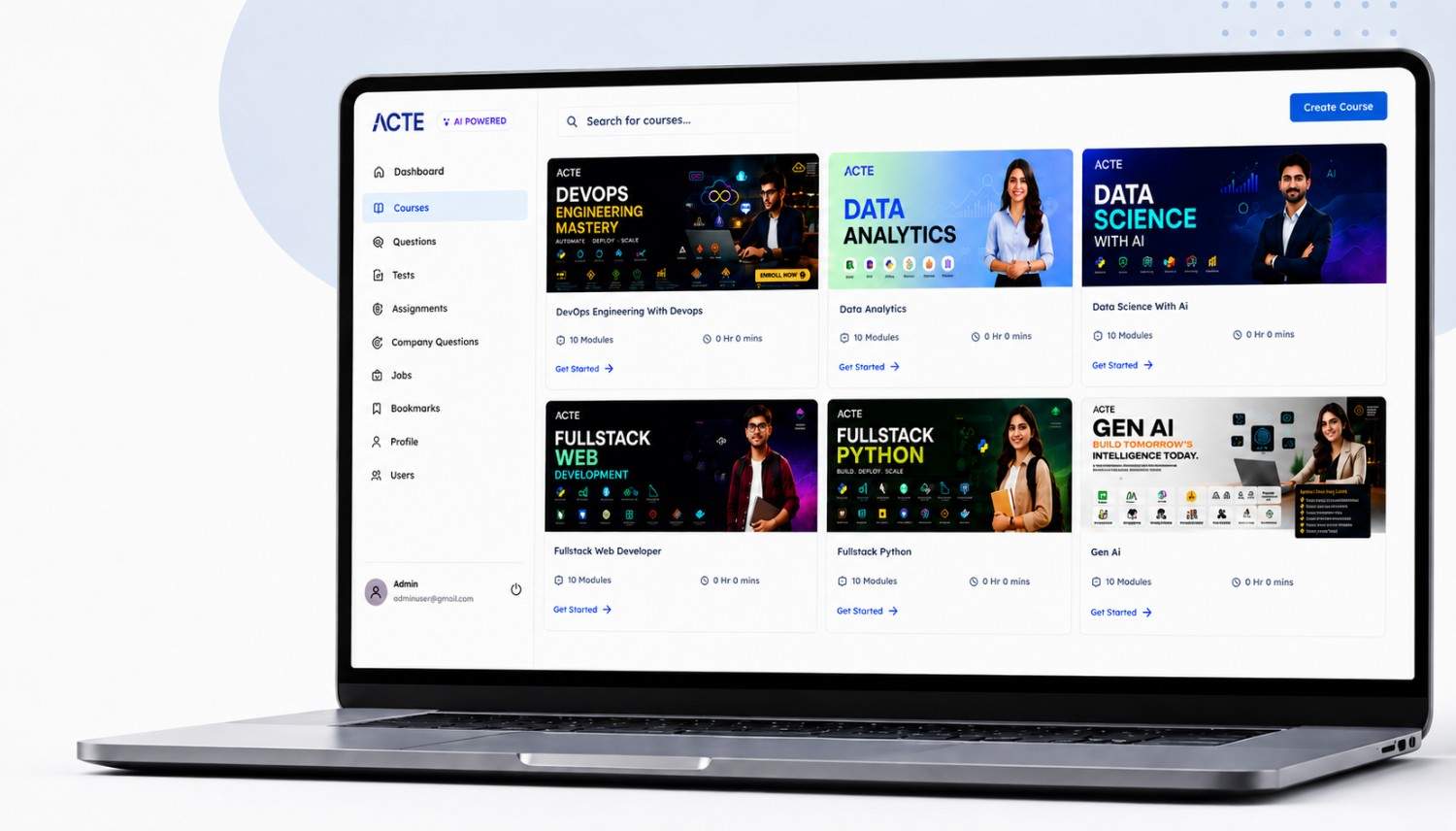
🧪 LMS Self Learning Platform
- Explore expert trainer videos and documents to boost your learning.
- Study anytime with on-demand videos and detailed documents.
- Top MNC interview questions & self coding practice.
Curriculum
Syllabus For Ruby Certification Training
Module 1: Introduction to Ruby- Understand Ruby syntax and structure
- Learn about variables, constants, and data types
- Use arithmetic, relational, and logical operators
- Explore Ruby’s standard input/output methods
- Practice basic code execution in IRB (Interactive Ruby)
- Introduction to Ruby documentation and resources
Module 2: Control Structures
- If, else, and elsif statements
- Unless statements
- Case and switch statements
- Loops: while, until, for loops
- Iterators and loop control keywords (break, next, redo)
Module 3: Methods and Functions
- Define and call methods
- Method parameters and return values
- Default arguments and variable-length arguments
- Scope of variables
- Using built-in Ruby methods effectively
Module 4: Arrays and Hashes
- Work with collections of data in Ruby.
- Create and manipulate arrays
- Array methods: push, pop, shift, unshift, map, select
- Create and manipulate hashes
- Hash methods: keys, values, merge, delete
- Nested arrays and hashes handling
Module 5: Strings and Regular Expressions
- String creation and manipulation
- String methods: length, upcase, downcase, strip, split, join
- Introduction to Regular Expressions (Regex)
- Pattern matching, search, and replace using Regex
- Practical examples with string processing
Module 6: Object-Oriented Programming (OOP) in Ruby
- Classes and objects
- Instance variables and methods
- Class variables and class methods
- Inheritance, encapsulation, and polymorphism
- Working with modules and mixins
Module 7: Exception Handling
- Learn how to handle errors and exceptions effectively.
- Introduction to errors and exceptions
- begin…rescue…ensure blocks
- Raising exceptions manually
- Using retry and custom exception classes
- Best practices for error handling in Ruby
Module 8: File Handling
- Open, read, and write files
- File modes: read, write, append
- File existence and directory handling
- Using blocks for file operations
- Practical file handling techniques
Module 9: Ruby Gems and Libraries
- Introduction to RubyGems package manager
- Installing and managing gems
- Using standard libraries: JSON, Date, Net::HTTP
- Exploring third-party gems for utilities
- Practical examples of gem usage in scripts
Module 10: Blocks, Procs, and Lambdas
- Understanding blocks and their usage
- Using yield with blocks
- Procs: creating and calling
- Lambdas and differences from Procs
- Practical scenarios for using blocks, procs, and lambdas
Module 11: Enumerable and Iterators
- Introduction to Enumerable module
- Common methods: each, map, select, reject, reduce
- Chaining enumerable methods
- Iterating over arrays, hashes, and ranges
- Writing custom iterators
Module 12: Advanced Ruby Concepts
- Symbols and their advantages
- Singleton methods and classes
- Metaprogramming basics
- Memory management and garbage collection
Show More
Show Less
Course Objectives
How much Ruby professionals get paid?
Ruby professionals in India earn competitive salaries, ranging from ₹5,00,000 to ₹15,00,000 annually, depending on experience. Our Ruby training can help you gain the skills needed to secure these high-paying roles and enhance your career prospects.
How Difficult Is Ruby?
Ruby is known for its straightforward and readable syntax, which makes it relatively easy to learn and use, especially for beginners. Its design emphasizes simplicity and productivity, which means that most developers find it intuitive and less complex compared to some other programming languages.
What are the prerequisites for joining a Ruby course?
- It helps to have a basic understanding of programming ideas but only sometimes necessary.
- Knowledge of general programming principles and logic can be advantageous.
- Some experience with other programming languages is beneficial but optional.
What kind of practical experience can you expect from a Ruby course?
- Developing and maintaining Ruby applications and scripts.
- Creating web applications using Ruby on Rails.
- Applying object-oriented programming concepts in Ruby.
- Debugging and testing Ruby code.
- Integrating Ruby with databases and external APIs.
Who is this course suitable for?
- Individuals interested in becoming Ruby developers.
- Web developers looking to enhance their skills with Ruby on Rails.
- Software engineers aiming to expand their skill set with Ruby.
- Programmers seeking to learn a new language to broaden their expertise.
Which abilities are necessary to succeed in a Ruby course?
- A basic grasp of programming concepts.
- Familiarity with general software development practices.
- A readiness to study and work with code.
- Problem-solving abilities and attention to detail.
Can this course help beginners learn Ruby from the ground up?
Yes, this course offers structured lessons and practical exercises to help beginners build foundational skills in Ruby.
What tools are utilized in Ruby training?
- Ruby interpreter.
- Integrated development environments.
- Version control systems .
- Ruby on Rails framework.
- RSpec and MiniTest.
Is Ruby in high demand?
Yes, Ruby continues to be in demand, especially for web development roles, particularly with Ruby on Rails. However, demand may differ depending on the sector and area. The emergence of new technologies and frameworks can affect job market trends.
What is the future outlook for Ruby technology in terms of career prospects?
Ruby, especially Ruby on Rails, remains a valuable asset for web development positions. Although newer technologies are emerging, Ruby maintains its relevance in specific sectors, making it a solid choice for developers.
Is learning Ruby easy?
Yes, Ruby is often regarded as an easy language to learn due to its straightforward and readable syntax. However, the ease of learning can differ based on an individual's programming background and experience.
Show More
Overview of Ruby Certification Training
Our Ruby Training in Online and Classroom is designed especially for freshers who want to build a strong programming foundation from scratch. This Ruby Course teaches core Ruby concepts, Ruby on Rails basics, and real-world coding practices. You will work on live projects and practical exercises to gain hands-on experience. We also provide Ruby Internships to help you understand how Ruby is used in real industry projects. A focused 30-day placement preparation program supports you with resume creation, mock interviews, and soft-skills coaching to build confidence. With expert guidance and dedicated Ruby Placement support, you will be job-ready for entry-level Ruby developer roles.
Additional Info
Key Roles and Responsibilities Ruby Profession:
- Ruby on Rails Developer: A Ruby on Rails Developer is responsible for designing, building, and maintaining web applications using the Ruby on Rails framework. They focus on writing clean, scalable, and efficient code while collaborating with front-end developers to implement user interfaces. They also handle database management and optimize application performance. Ensuring security, testing code, and troubleshooting issues are key parts of this role.
- Backend Developer: Backend Developers using Ruby manage server-side logic, database interactions, and application functionality. They develop APIs that allow front-end and mobile applications to communicate with servers efficiently. Performance optimization and data integrity are central to this role. Additionally, they work on debugging, monitoring, and maintaining system reliability.
- Full-Stack Developer: Full-Stack Developers handle both front-end and back-end development, integrating Ruby applications with user interfaces and databases. They ensure seamless functionality across platforms and maintain end-to-end application performance. Collaboration with designers and other developers is crucial to deliver user-friendly solutions. Testing, debugging, and continuous deployment are also part of their daily tasks.
- Software Engineer: A Software Engineer specializing in Ruby focuses on designing, developing, and deploying software solutions that solve business problems. Writing maintainable and efficient code is a primary responsibility. They analyze requirements, implement features, and ensure applications run smoothly across environments. Regular updates, performance monitoring, and bug fixes are included in their role.
- Web Application Developer: Web Application Developers use Ruby to create interactive, secure, and responsive web applications. They implement features based on client requirements and maintain application functionality. Performance optimization and database management are essential. Testing, troubleshooting, and maintaining code quality are also key responsibilities.
- Automation Engineer: Automation Engineers use Ruby to build scripts and tools that automate repetitive tasks and workflows. They design and implement test automation frameworks for software quality assurance. Maintaining efficiency, accuracy, and reliability in automated processes is crucial. They also collaborate with development teams to integrate automation solutions effectively.
- DevOps Engineer: Ruby DevOps Engineers focus on deploying, monitoring, and managing applications in production environments. They automate server configurations, manage cloud infrastructure, and ensure continuous integration and deployment pipelines run smoothly. Performance tuning, system reliability, and security management are important aspects. Collaboration with development teams ensures smooth application delivery.
Popular Tools Taught in Ruby Course
- Ruby on Rails: Ruby on Rails (RoR) is a popular web development framework built with Ruby. It helps developers create web applications quickly and efficiently. RoR follows the MVC (Model-View-Controller) architecture, making the code organized and easy to maintain. It is beginner-friendly and widely used in startups and companies for real-world projects.
- IRB (Interactive Ruby): IRB is a command-line tool that allows you to run Ruby code interactively. It is great for testing small code snippets and learning Ruby basics without creating a full program. Beginners can experiment and see immediate results. IRB helps understand Ruby concepts faster and improves coding practice.
- RSpec: RSpec is a testing tool for Ruby applications. It allows developers to write tests to check if their code works correctly. Using RSpec helps find bugs early and ensures that applications run smoothly. It is widely used in professional projects for quality and reliability.
- Bundler: Bundler is a tool for managing Ruby project dependencies. It keeps track of all the gems (libraries) your project needs and installs them automatically. This prevents version conflicts and ensures your project runs correctly on any system. Bundler makes project management easier and saves time.
- Git: Git is a version control tool that works well with projects. It helps developers track changes in code, collaborate with teams, and revert to earlier versions if needed. Using Git ensures safe and organized project development. It is essential for real-world Ruby programming and team projects.
Essential Skills You’ll Learn in a Ruby Training:
- Proficient Ruby Programming: Learning Ruby helps develop the ability to write clean, readable, and efficient code. It focuses on understanding Ruby syntax, object-oriented concepts, and common programming patterns. Writing scripts, solving problems, and building applications become easier with this skill. It forms the foundation for all other Ruby-related development tasks.
- Web Development with Ruby on Rails: This skill allows building dynamic, scalable, and secure web applications using the Ruby on Rails framework. It covers server-side programming, database integration, and routing. Learners understand how to connect front-end interfaces with backend logic. This knowledge is essential for creating fully functional websites and web apps.
- Database Management: Working with databases is a key part of Ruby development. This skill involves creating, managing, and querying databases efficiently using tools like SQL and ActiveRecord in Rails. It ensures data is stored, retrieved, and updated correctly. Strong database skills are crucial for building applications that handle large amounts of information.
- Debugging and Problem Solving: Debugging skills help identify and fix errors in Ruby programs effectively. It involves understanding error messages, analyzing code behavior, and finding solutions quickly. Problem-solving also includes optimizing code for better performance. These skills ensure applications run smoothly and meet user requirements.
- Version Control with Git: Learning Git helps manage code changes and collaborate with other developers efficiently. It includes tracking revisions, creating branches, and merging code safely. This skill is essential for teamwork and maintaining project history. Version control prevents data loss and improves workflow in software development projects.
- Understanding APIs and Integration: This skill involves working with external services and connecting different applications through APIs. Learners gain knowledge of sending requests, receiving responses, and handling data. Integration skills are vital for building modern web and mobile applications. They allow apps to communicate with other systems smoothly and securely.
Future Trends of Ruby Certification Course:
- Web App Growth: Ruby, especially with Ruby on Rails, will continue to power modern web applications. More startups and businesses prefer it for building scalable and fast apps. Its simplicity allows developers to launch products quickly. This trend will keep Ruby in demand for web development projects.
- Cloud Integration: Ruby will increasingly be used with cloud platforms like AWS and Azure. Developers can build cloud-ready applications and manage servers easily. Cloud integration allows apps to scale efficiently and handle more users. This makes Ruby a strong choice for future cloud-based solutions.
- API-Driven Development: APIs are becoming essential for connecting apps and services. Ruby developers will focus on building and integrating APIs for web and mobile apps. This helps applications communicate smoothly with other platforms. Demand for API expertise in Ruby will continue to rise.
- Automation and DevOps: Ruby will play a bigger role in automation and DevOps processes. Writing scripts to automate repetitive tasks will save time and reduce errors. Developers will use Ruby for deployment pipelines and server management. This trend strengthens Ruby’s place in modern software development.
- Focus on Security: As online applications grow, security becomes more important. Ruby will continue evolving with tools and frameworks to protect apps from threats. Developers will focus on building secure and reliable software. This trend ensures Ruby remains trusted for web and business applications.
Show More
Need customized curriculum?
Gain Practical Experience in Ruby Projects
Project 1
E-commerce Web App
Create a full-featured online store using Ruby on Rails, integrating database management, RESTful APIs, and user authentication.
Project 2
Blog Management System
Make a dynamic blog platform with Rails, using CRUD operations, file uploads, and database-driven content management.
Project 3
Task Automation Tool
Build a tool to automate repetitive tasks using Ruby scripts, file handling, and scheduler libraries like rufus-scheduler.
Project 4
Social Media Dashboard
Develop a dashboard with Rails, APIs, and JSON parsing, integrating real-time data visualization and interactive UI components.
Project 5
Inventory Management System
Make a system to track products using Ruby on Rails, ActiveRecord, and database operations, with search, filter.
Develop Advanced Ruby Skills with Professional Career Guidance
- Our Ruby Course workshops are designed to build confidence and strengthen practical coding skills. Learners practice common programming questions and work on real-world coding scenarios.
- The Ruby Job Support program offers guidance and mentorship from experienced software developers. Participants get hands-on exposure to real coding tasks and application development.
- Personalized career advice helps learners match their skills and goals with opportunities in web development, backend programming, and software engineering roles. This support helps make informed career decisions and grow in Ruby-focused positions.
- Completing the program enhances resumes by highlighting Ruby programming expertise, practical coding experience, and skills in application development and debugging.
- Through focused learning, hands-on practice, and professional connections, participants can interact with development teams and tech companies, expanding their professional network.
- Additionally, placement support helps learners explore job opportunities with leading IT companies like Accenture, IBM, TCS, Wipro, Capgemini, and other organizations.












Get Certified in Ruby with an Industry-Recognized Credential:
Our Ruby Certification Course is recognized by top IT companies worldwide, making it suitable for professionals at any experience level. This certification is highly valued in software development, web development, and backend programming, helping boost career opportunities and strengthen your resume. The course offers complete training with practical exercises and real-world coding tasks, enabling learners to gain a strong understanding of Ruby programming, object-oriented concepts, application development, working with gems and frameworks.
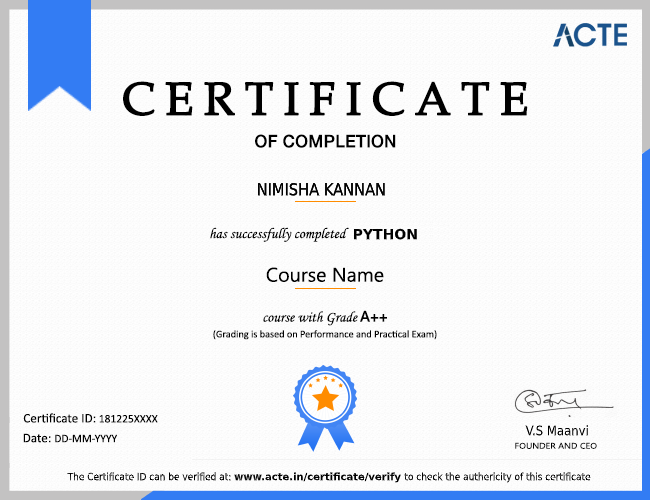
Complete Your Course
a downloadable Certificate in PDF format, immediately available to you when you complete your CourseGet Certified
a physical version of your officially branded and security-marked Certificate.About Our Ruby Trainer
- Our mentors guide learners using real-world Ruby programming examples and help with coding tasks while teaching industry best practices.
- We have strong connections with IT and software development teams worldwide to support learners in exploring job opportunities.
- Our trainers are experienced developers who focus on practical, industry-relevant Ruby skills.
- They bring hands-on experience from real projects, including application development, debugging, object-oriented programming, working with gems and frameworks, and building Ruby programs.
- The program combines online lessons with live virtual classes, mentorship, and practical coding labs to ensure effective and engaging learning.
- From basic Ruby concepts to advanced programming techniques and hands-on exercises, the course is designed to fully prepare learners for a successful career in software development, web development, and backend programming.
Authorized Partners
ACTE TRAINING INSTITUTE PVT LTD is the unique Authorised Oracle Partner, Authorised Microsoft Partner, Authorised Pearson Vue Exam Center, Authorised PSI Exam Center, Authorised Partner Of AWS .




Career Support


Placement Assistance

Exclusive access to ACTE Job portal

Mock Interview Preparation

1 on 1 Career Mentoring Sessions

Career Oriented Sessions

Resume & LinkedIn Profile Building
We Offer High-Quality Training at The Lowest Prices.
Affordable, Quality Training for Freshers to Launch IT Careers & Land Top Placements.
What Makes ACTE Training Different?
Feature
ACTE Technologies
Other Institutes
Affordable Fees
Competitive Pricing With Flexible Payment Options.
Higher Fees With Limited Payment Options.
Industry Experts
Well Experienced Trainer From a Relevant Field With Practical Training
Theoretical Class With Limited Practical
Updated Syllabus
Updated and Industry-relevant Course Curriculum With Hands-on Learning.
Outdated Curriculum With Limited Practical Training.
Hands-on projects
Real-world Projects With Live Case Studies and Collaboration With Companies.
Basic Projects With Limited Real-world Application.
Certification
Industry-recognized Certifications With Global Validity.
Basic Certifications With Limited Recognition.
Placement Support
Strong Placement Support With Tie-ups With Top Companies and Mock Interviews.
Basic Placement Support
Industry Partnerships
Strong Ties With Top Tech Companies for Internships and Placements
No Partnerships, Limited Opportunities
Batch Size
Small Batch Sizes for Personalized Attention.
Large Batch Sizes With Limited Individual Focus.
LMS Features
Lifetime Access Course video Materials in LMS, Online Interview Practice, upload resumes in Placement Portal.
No LMS Features or Perks.
Training Support
Dedicated Mentors, 24/7 Doubt Resolution, and Personalized Guidance.
Limited Mentor Support and No After-hours Assistance.
Ruby Course FAQs
Looking for better Discount Price?
Call now: +91-7669 100 251 and know the exciting offers available for you!
Does ACTE provide placement?
- ACTE is the Legend in offering placement to the students. Please visit our Placed Students List on our website
- We have strong relationship with over 700+ Top MNCs like SAP, Oracle, Amazon, HCL, Wipro, Dell, Accenture, Google, CTS, TCS, IBM etc.
- More than 3500+ students placed in last year in India & Globally
- ACTE conducts development sessions including mock interviews, presentation skills to prepare students to face a challenging interview situation with ease.
- 85% percent placement record
- Our Placement Cell support you till you get placed in better MNC
- Please Visit Your Student Portal | Here FREE Lifetime Online Student Portal help you to access the Job Openings, Study Materials, Videos, Recorded Section & Top MNC interview Questions
Is ACTE certification good?
-
ACTE Gives Certificate For Completing A Course:
- Certification is Accredited by all major Global Companies
- ACTE is the unique Authorized Oracle Partner, Authorized Microsoft Partner, Authorized Pearson Vue Exam Center, Authorized PSI Exam Center, Authorized Partner Of AWS.
Work On Live Projects?
- The entire Ruby training has been built around Real Time Implementation
- You Get Hands-on Experience with Industry Projects, Hackathons & lab sessions which will help you to Build your Project Portfolio
- GitHub repository and Showcase to Recruiters in Interviews & Get Placed
Who are the Trainers?
All the instructors at ACTE are practitioners from the Industry with minimum 9-12 yrs of relevant IT experience. They are subject matter experts and are trained by ACTE for providing an awesome learning experience.
What if I miss one (or) more class?
No worries. ACTE assure that no one misses single lectures topics. We will reschedule the classes as per your convenience within the stipulated course duration with all such possibilities. If required you can even attend that topic with any other batches.
What are the modes of training offered for this Ruby Course?
We offer this course in “Class Room, One to One Training, Fast Track, Customized Training & Online Training” mode. Through this way you won’t mess anything in your real-life schedule.
Why Should I Learn Ruby Course At ACTE?
- Ruby Course in ACTE is designed & conducted by Ruby experts with 10+ years of experience in the Ruby domain
- Only institution in India with the right blend of theory & practical sessions
- In-depth Course coverage for 60+ Hours
- More than 50,000+ students trust ACTE
- Affordable fees keeping students and IT working professionals in mind
- Course timings designed to suit working professionals and students
- Interview tips and training
- Resume building support
- Real-time projects and case studies
Can I Access the Course Material in Online?
Yes We Provide Lifetime Access for Student’s Portal Study Materials, Videos & Top MNC Interview Question.
What certification will I receive after course completion?
Earn an ACTE globally recognized course completion certificate, gain real-world project experience, receive job support, and enjoy lifetime access to resources.
How Old Is ACTE?
We have been in the training field for close to a decade now. We set up our operations in the year 2009 by a group of IT veterans to offer world class IT training & we have trained over 50,000+ aspirants to well-employed IT professionals in various IT companies.
What Will Be The Size Of A Ruby Batch At ACTE?
We at ACTE believe in giving individual attention to students so that they will be in a position to clarify all the doubts that arise in complex and difficult topics. Therefore, we restrict the size of each Ruby batch to 5 or 6 members
Will I Be Given Sufficient Practical Training In Ruby?
Our courseware is designed to give a hands-on approach to the students in Ruby. The course is made up of theoretical classes that teach the basics of each module followed by high-intensity practical sessions reflecting the current challenges and needs of the industry that will demand the students’ time and commitment.
How Do I Enroll For The Ruby Course At ACTE?
You can contact our support number at +91 76691 00251 / Directly can do by ACTE.in's E-commerce payment system Login or directly walk-in to one of the ACTE branches in India
Show More
Job Opportunities in Ruby
More Than 35% Prefer Ruby. Ruby is One of the Most Popular and In-Demand Technologies in the Tech World.
Salary In Ruby
- Junior Ruby Developer ₹2 LPA to ₹2.5 LPA
- Ruby on Rails Developer ₹2.5 LPA to ₹3.5 LPA
- Ruby Backend Developer ₹4 LPA to ₹5 LPA
- Ruby Full Stack Developer ₹5 LPA to ₹6 LPA
- Ruby DevOps Engineer ₹6.5 LPA to ₹7.5 LPA
- Ruby Software Engineer ₹7.5 LPA to ₹8.5 LPA
- Ruby Data Engineer ₹8.5 LPA to ₹9.510 LPA
