No.1 Scrum Master Training in BTM Layout| Scrum Master Course in BTM Layout With Certification | Updated 2025

Scrum Master Training for All Graduates, NON-IT, Diploma & Career Gaps — 31,860/- only.

Download Brochure
Join Our 100% Job Guaranteed

Scrum Master Training in BTM Layout

  • Join a Leading Scrum Master Institute in BTM Layout for Agile Training with Experts.
  • Our Scrum Master Course In BTM Layout Covers Advanced Agile Skills For Real Projects.
  • Flexible Learning Schedules With Weekday And Weekend Batches Designed For Pros.
  • Work On Real-Time Agile And Scrum Projects With Industry Mentors For Career Growth.
  • Get Scrum Master Certification With Placement Assistance For Better Job Roles.
  • Expert Support To Build a Strong Resume and Crack Interviews with Confidence & Skills.

WANT IT JOB

Become a Scrum Master in 3 Months

Freshers Salary

3 LPA

To

8 LPA

Quality Training With Affordable Fees in BTM Layout!

⭐ Fees Starts From

INR 36,000
INR 16,500

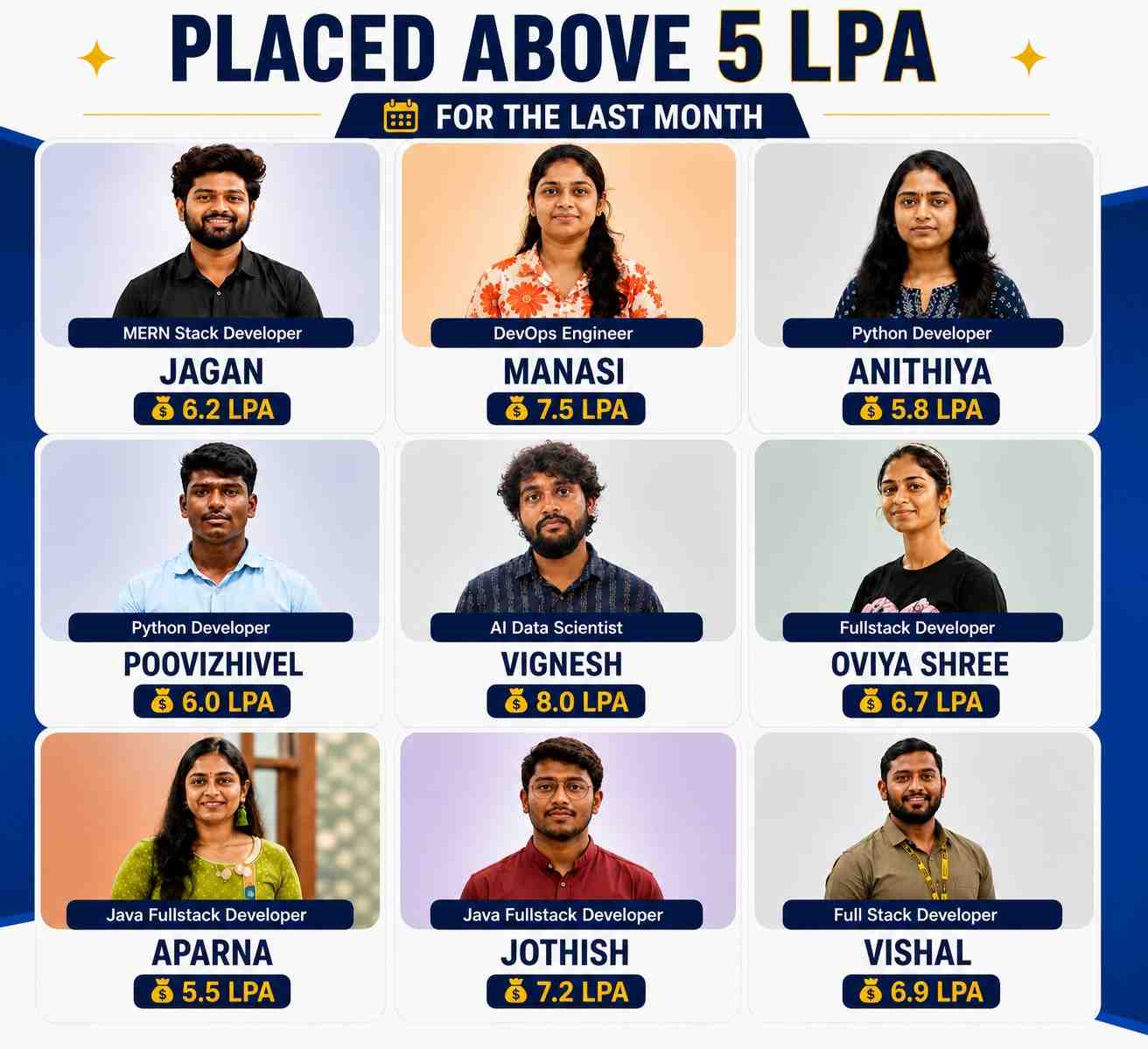
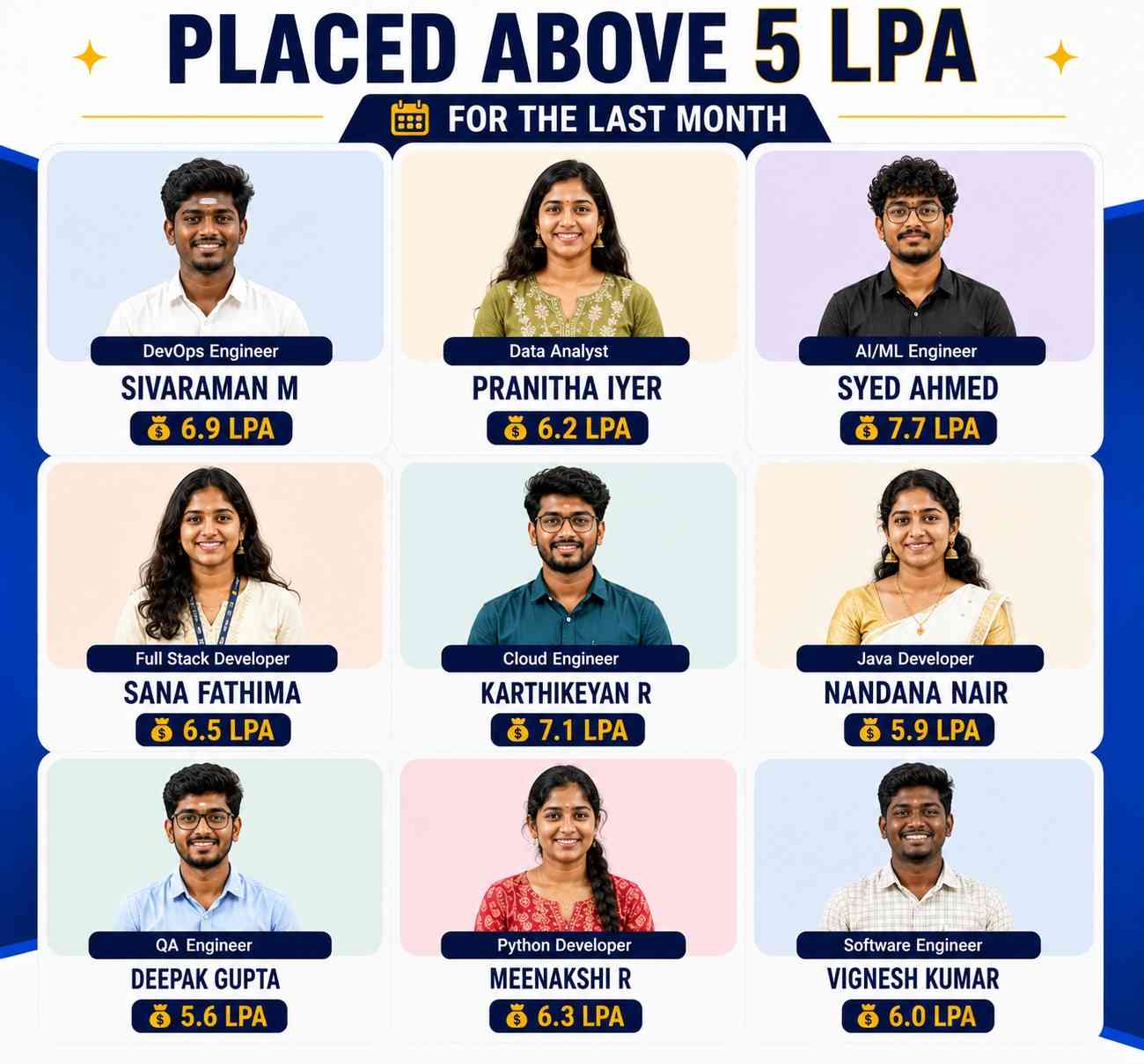
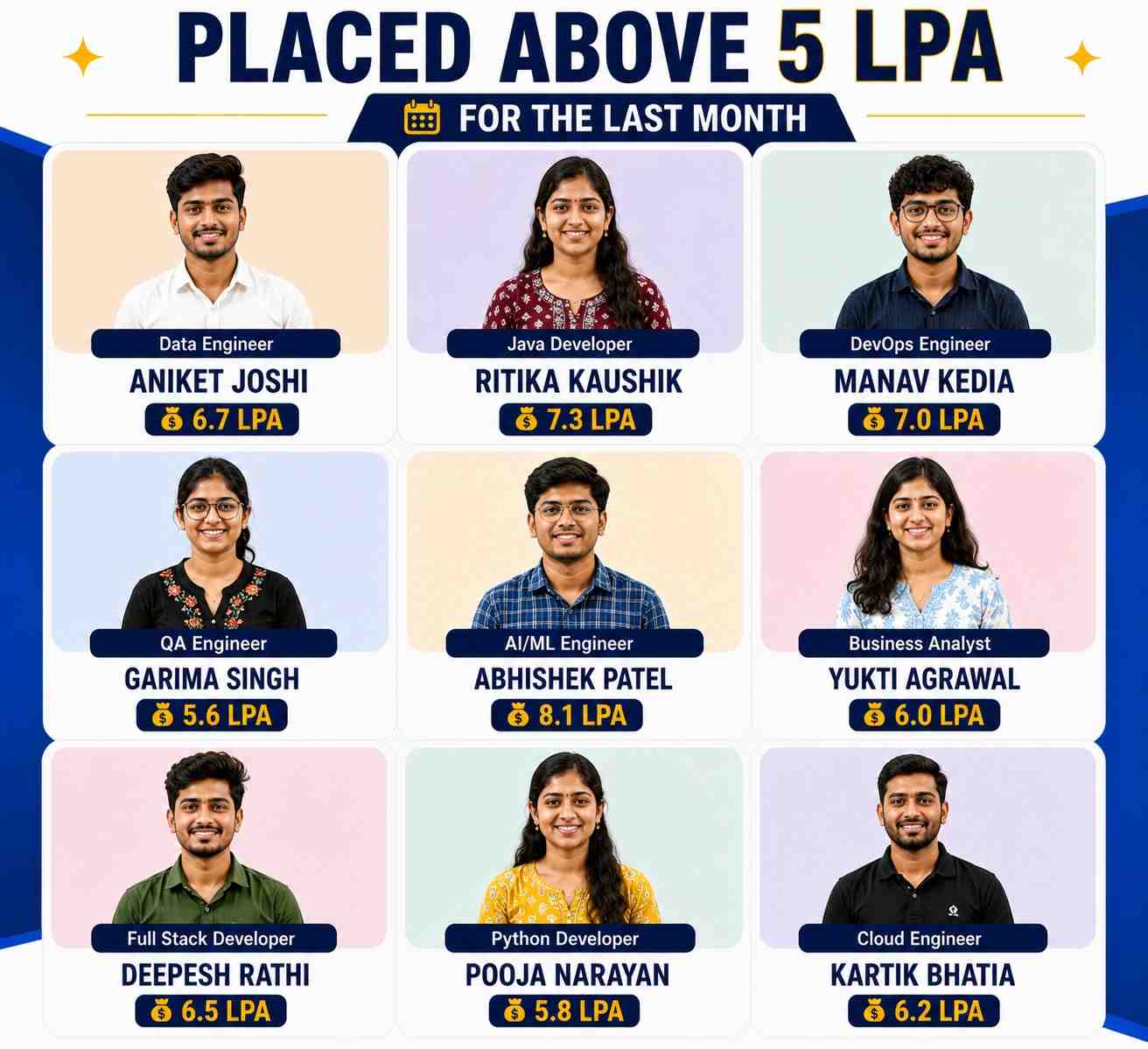
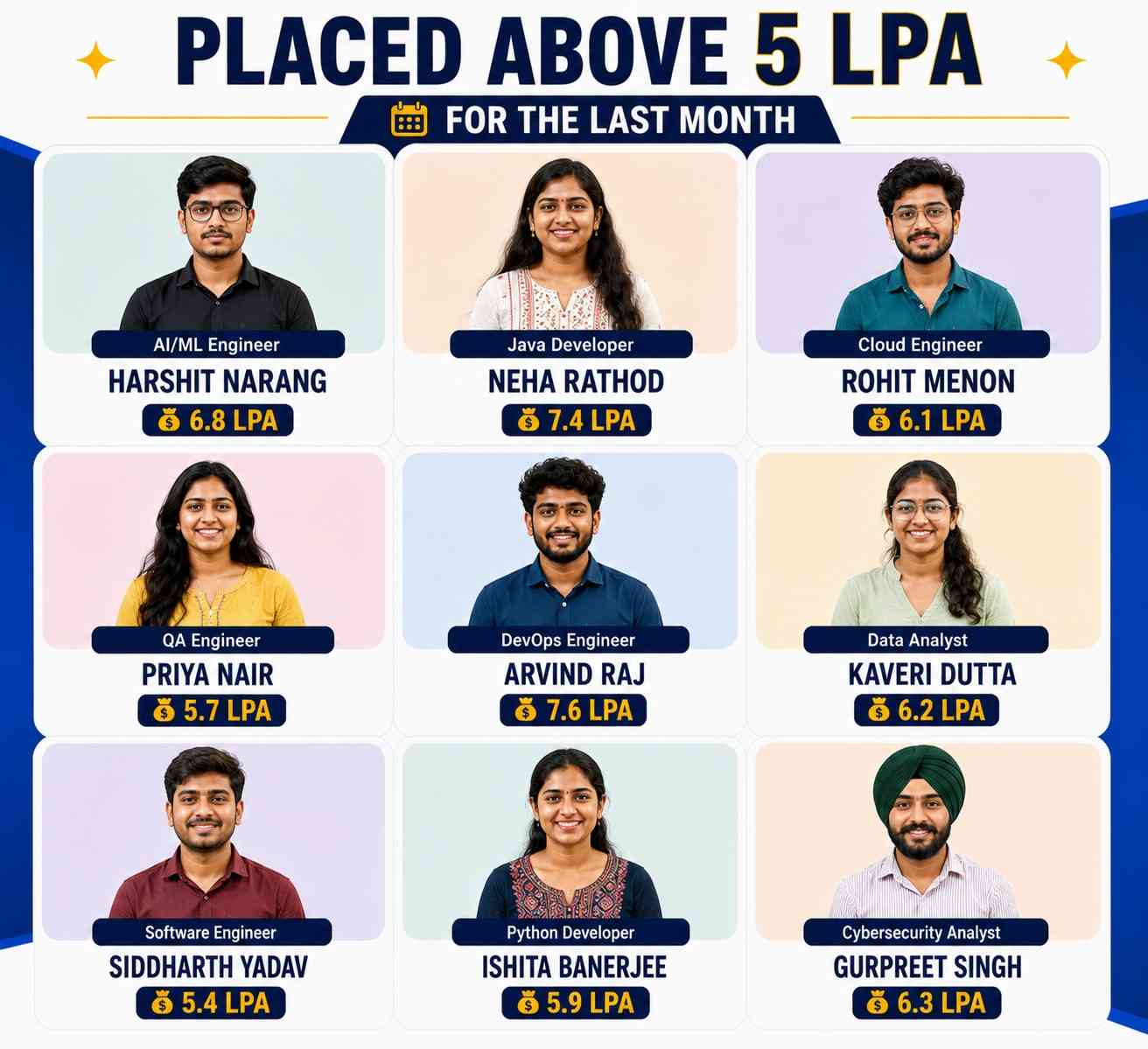
11789+

(Placed)
Freshers To IT

6189+

(Placed)
NON-IT To IT

8568+

(Placed)
Career Gap

4179+

(Placed)
Less Then 60%

Our Hiring Partners

Overview of the Scrum Master Course

Our Scrum Master Course in BTM Layout is perfect for freshers to learn Agile and Scrum from scratch. Gain hands-on experience through Scrum Master Internships on real-world projects. The training covers all Scrum roles, ceremonies, and tools to help you manage teams effectively. We also provide guidance for Scrum Master placement opportunities to kickstart your career. Learn essential skills like teamwork, communication, and problem-solving, and finish the course ready to confidently work as a Scrum Master in any industry.

What You'll Learn From Scrum Master Certification Course

Learn Scrum and Agile fundamentals in our Scrum Master Training in BTM Layout, including sprint planning, backlog grooming, and teamwork strategies.

Get hands-on experience managing real-world Scrum projects and applying your learning in practical scenarios.

Learn Scrum roles, ceremonies, and artifacts to lead teams effectively and ensure project success.

Master advanced Scrum strategies, including risk management, metrics tracking, and continuous improvement practices.

Develop the leadership, communication, and problem-solving skills needed for Scrum Master certification.

Prepare for industry-recognized certification and boost your career prospects with expert mentor guidance.

Additional Info

Course Highlights

  • Start your Scrum Master journey: Master Agile principles, Scrum framework, sprint planning, backlog management, and project tracking.
  • Access dedicated job support and Scrum Master placement opportunities with leading companies.
  • Join 11,000+ students trained and placed through our network of 350+ hiring partners.
  • Learn from industry experts with 10+ years of experience in Scrum Master and Agile project management.
  • Benefit from beginner-friendly lessons, live projects, and comprehensive career guidance throughout your learning journey.
  • Choose flexible batches, affordable fees, and Scrum Master internships in BTM Layout, tailored for freshers and career switchers.

Key Benefits of Joining a Scrum Master Course in BTM Layout

  • Better Team Collaboration – A Scrum Master ensures smooth teamwork by organizing meetings, tracking progress, and removing obstacles. This boosts communication, clarifies responsibilities, and enables teams to complete tasks faster and with fewer errors, fostering a productive and positive work environment.
  • Faster Project Delivery – By guiding teams through short sprints, Scrum Masters enable incremental progress and early issue detection. Breaking tasks into manageable chunks helps teams deliver results quickly and efficiently, improving client satisfaction and overall project success.
  • Clear Goal Setting – Scrum Masters help teams define clear, achievable sprint goals so everyone knows their tasks and deadlines. This reduces confusion, keeps focus on priorities, tracks progress, and ensures higher quality work and timely delivery.
  • Continuous Improvement – Scrum Masters promote regular reviews and reflection, allowing teams to learn from successes and mistakes. This encourages skill growth, boosts confidence, and enhances project outcomes, helping teams consistently perform better over time.
  • Career Growth – Becoming a Scrum Master opens doors in Agile-driven industries. Employers value the leadership, communication, and project management skills you gain. Certified Scrum Masters often enjoy promotions, greater responsibilities, long-term job satisfaction, and higher earning potential.

Popular Tools Taught in Scrum Master Training

  • Jira – Jira is a leading Agile project management tool that helps Scrum Masters track tasks, sprints, and team progress in real time. Assign work, monitor deadlines, and identify bottlenecks effortlessly to keep projects organized and running smoothly.
  • Trello – Trello is a visual task management tool using boards and cards. Scrum Masters can create to-do lists, assign tasks, and track progress at a glance. It simplifies collaboration for both in-office and remote teams, helping prioritize work effectively.
  • Asana – Asana allows Scrum Masters to plan, organize, and monitor tasks efficiently. It helps set deadlines, track milestones, and maintain team accountability. Teams can communicate directly on tasks, share updates, and ensure projects are delivered on time.
  • Microsoft Teams – Microsoft Teams is a communication and collaboration platform for Scrum teams. Host meetings, share files, and chat with team members seamlessly. It keeps both remote and on-site teams connected, making daily stand-ups and discussions quick and organized.
  • Confluence – Confluence is a knowledge management tool that helps Scrum Masters document project information in one place. Store meeting notes, project plans, and guidelines while enabling easy collaboration. It ensures everyone stays informed and reduces miscommunication.

Top Frameworks Every Scrum Master Should Know

  • Scrum Framework – The Scrum Framework is essential for any Scrum Master. It organizes work into short sprints, defines clear roles like Product Owner, Scrum Master, and Development Team, and helps teams communicate better, stay organized, and complete projects efficiently.
  • Kanban – Kanban is a visual workflow framework that uses boards and cards to manage tasks. Scrum Masters track work in progress, identify bottlenecks, and ensure smooth, continuous delivery without overloading the team, boosting overall productivity.
  • SAFe (Scaled Agile Framework) – SAFe applies Agile practices to large organizations with multiple teams. Scrum Masters use it to coordinate work, align projects with business goals, and implement planning, delivery, and scaling techniques. SAFe ensures consistent processes and better collaboration at scale.
  • Lean – Lean focuses on delivering value quickly while minimizing waste. Scrum Masters apply Lean principles to optimize processes, improve efficiency, and encourage continuous improvement, helping teams deliver high-quality work faster.
  • XP (Extreme Programming) – XP emphasizes software quality and team collaboration. Scrum Masters use practices like pair programming, test-driven development, and frequent feedback to promote teamwork, rapid problem-solving, and reliable product delivery while adapting quickly to changes.

Essential Skills You’ll Learn in a Scrum Master Training

  • Leadership Skills – Scrum Masters learn to lead teams effectively without being controlling. By guiding the team, removing obstacles, and aligning everyone with project goals, they build trust, motivate members, and ensure high-quality, timely delivery.
  • Communication Skills – Effective communication helps Scrum Masters share ideas clearly and resolve misunderstandings. Facilitating meetings, providing updates, and encouraging open dialogue keeps teams informed, engaged, and strengthens stakeholder relationships.
  • Problem-Solving Skills – Scrum Masters develop the ability to quickly identify challenges and implement practical solutions. Analyzing issues, managing risks, and supporting the team ensures projects stay on schedule and builds confidence in handling complex situations.
  • Time Management Skills – Managing sprints and project timelines is key for Scrum Masters. Prioritizing tasks, allocating resources efficiently, and meeting deadlines helps complete projects faster, more effectively, and reduces stress for the team.
  • Adaptability – Scrum Masters learn to adjust to changing project requirements and team dynamics. Staying flexible when priorities shift ensures smooth handling of unexpected challenges and positions you as a reliable leader in a fast-paced environment.

Key Roles and Responsibilities of Scrum Master Profession

  • Facilitating Scrum Events – Scrum Masters plan and lead all Scrum rituals, including daily stand-ups, sprint planning, reviews, and retrospectives. By guiding discussions and keeping sessions focused, they ensure transparency, enhance team productivity, and improve project outcomes.
  • Removing Obstacles – Scrum Masters identify and eliminate barriers that slow team progress, whether technical, communication-related, or process-based. Resolving issues quickly keeps the team efficient, maintains momentum, and ensures deadlines are met.
  • Coaching the Team – Scrum Masters mentor teams on Agile principles, Scrum practices, and project management techniques. Coaching helps team members understand their roles, improve skills, foster collaboration, and promote continuous learning, resulting in higher efficiency and quality work.
  • Monitoring Progress – Scrum Masters track team progress using tools like Jira, Trello, or Kanban boards. They identify areas needing attention, ensure timely task completion, maintain accountability, and provide clear updates to stakeholders to keep projects on track.
  • Ensuring Continuous Improvement – Through feedback sessions and retrospectives, Scrum Masters encourage regular reflection and process enhancements. This promotes efficiency, reduces errors, strengthens team performance, and ensures tasks are completed successfully over time.

Why Scrum Master is the Smart Choice for Freshers

  • High Demand in IT and Business – With the rise of Agile methodology, Scrum Masters are in high demand across business, IT, and software industries. Qualified professionals are needed to manage teams and projects effectively, offering stability and opportunities for growth.
  • Fast Career Growth – Scrum Master roles provide rapid career advancement. Learning Agile and Scrum early helps freshers develop leadership and project management skills, while experienced Scrum Masters can move into senior management or Agile coaching positions.
  • Skill Development – Scrum Master training builds key professional skills, including leadership, communication, problem-solving, and team management. Hands-on projects and internships enhance real-world readiness, boosting employability and career success.
  • Attractive Salary Packages – Scrum Masters often earn competitive salaries, even at entry level, due to their specialized knowledge and responsibilities. Salary grows with experience and certifications, making it a financially rewarding career path for freshers.
  • Versatility Across Industries – Scrum Masters can work across IT, finance, healthcare, manufacturing, and more. Agile skills are transferable, increasing job opportunities and allowing professionals to explore roles aligned with their interests.

Landing Remote Jobs with Scrum Master Skills

  • Strong Team Collaboration – Scrum Master skills help coordinate and communicate effectively with team members, even remotely. Clear communication and tools like Jira and Teams ensure tasks are understood, deadlines are met, and teamwork is smooth and productive.
  • Effective Time Management – Scrum Masters learn to plan sprints, prioritize tasks, and track progress efficiently. Good time management keeps remote projects on schedule, boosts productivity, and is highly valued by employers.
  • Problem-Solving Ability – Scrum Master training develops the ability to quickly identify obstacles and implement solutions. Strong problem-solving skills ensure remote teams overcome challenges efficiently and keep projects on track.
  • Proficiency in Agile Tools – Hands-on experience with Jira, Trello, and Confluence allows Scrum Masters to manage remote projects effectively. Tool proficiency ensures seamless coordination and tracking of team progress from anywhere.
  • Adaptability and Flexibility – Scrum Masters learn to adjust to changing project requirements and team dynamics. Flexibility helps remote teams handle shifting priorities and unexpected challenges while completing tasks efficiently.

What to Expect in Your First Scrum Master Job

  • Learning Agile Practices – Hands-on experience with Agile and Scrum methodologies is key in the first Scrum Master role. Daily stand-ups, sprint planning, and retrospectives build a solid foundation for managing projects effectively.
  • Facilitating Team Meetings – Leading daily stand-ups, sprint reviews, and other meetings ensures discussions are productive and teams stay aligned. This develops strong coordination and communication skills while tracking progress and addressing issues early.
  • Removing Obstacles – Identifying and resolving technical, process, or requirement-related challenges keeps the team on track. Quick problem-solving improves productivity and strengthens team performance.
  • Coordinating with Stakeholders – Sharing progress updates with managers, clients, or product owners ensures transparency and alignment. Clear communication helps manage expectations and enhances professional communication skills.
  • Continuous Improvement – Encouraging retrospectives and feedback sessions helps the team adopt better practices. Implementing improvements strengthens performance and fosters a mindset of continuous growth, crucial for career development.

Leading Companies are Hiring for Scrum Master Professionals

  • Tata Consultancy Services (TCS) – TCS is a leading IT services and consulting firm hiring Scrum Masters for large projects across banking, telecom, and retail. Freshers gain hands-on Agile experience on real projects, with stable growth and exposure to large-scale project delivery.
  • Infosys – Infosys recruits Scrum Masters for software development and consulting projects using Agile practices. Structured training and global project opportunities allow freshers to apply Scrum best practices and gain practical experience, building a strong Agile foundation.
  • Wipro – Wipro hires Scrum Masters for international IT projects across various sectors. Entry-level professionals get hands-on exposure to ceremonies, teamwork, and project cycles, enhancing skills, adaptability, and understanding of diverse technologies and project types.
  • Accenture – Accenture, a global consulting and professional services firm, employs Scrum Masters on multi-domain projects across finance, healthcare, and technology. Beginners develop leadership, communication, and Agile implementation skills while experiencing Scrum in real corporate settings.
  • Capgemini – Capgemini hires Scrum Masters for Agile project management across industries like finance, insurance, and retail. Early-career professionals receive mentorship and training while working with cross-functional teams, building strong project management and Agile skills.
Show More

Upcoming Batches For Classroom and Online

Weekdays
02 - Feb - 2026
08:00 AM & 10:00 AM
Weekdays
04 - Feb - 2026
08:00 AM & 10:00 AM
Weekends
07 - Feb - 2026
(10:00 AM - 01:30 PM)
Weekends
08 - Feb - 2026
(09:00 AM - 02:00 PM)
Can't find a batch you were looking for?
INR ₹16500
INR ₹36000

OFF Expires in

Who Should Take a Scrum Master Training

IT Professionals

Non-IT Career Switchers

Fresh Graduates

Working Professionals

Diploma Holders

Professionals from Other Fields

Salary Hike

Graduates with Less Than 60%

Show More

Job Roles For Scrum Master Course

Scrum Master

Agile Coach

Agile Project Manager

Delivery Manager

Agile Program Manager

Release Train Engineer (RTE)

Product Owner

Agile Transformation Lead

Show More

Tools Covered For Scrum Master Course in Offline

Jira Trello Confluence Slack Miro Azure-DevOps ClickUp VersionOne

What’s included ?

Convenient learning format

📊 Free Aptitude and Technical Skills Training

  • Learn basic maths and logical thinking to solve problems easily.
  • Understand simple coding and technical concepts step by step.
  • Get ready for exams and interviews with regular practice.
Dedicated career services

🛠️ Hands-On Projects

  • Work on real-time projects to apply what you learn.
  • Build mini apps and tools daily to enhance your coding skills.
  • Gain practical experience just like in real jobs.
Learn from the best

🧠 AI Powered Self Interview Practice Portal

  • Practice interview questions with instant AI feedback.
  • Improve your answers by speaking and reviewing them.
  • Build confidence with real-time mock interview sessions.
Learn from the best

🎯 Interview Preparation For Freshers

  • Practice company-based interview questions.
  • Take online assessment tests to crack interviews
  • Practice confidently with real-world interview and project-based questions.
Learn from the best

🧪 LMS Online Learning Platform

  • Explore expert trainer videos and documents to boost your learning.
  • Study anytime with on-demand videos and detailed documents.
  • Quickly find topics with organized learning materials.

Scrum Master Course Syllabus

  • 🏫 Classroom Training
  • 💻 Online Training
  • 🚫 No Pre Request (Any Vertical)
  • 🏭 Industrial Expert

Our Scrum Master Training in BTM Layout provides a comprehensive program for beginners and aspiring Agile professionals. Learn core Scrum concepts, Agile principles, sprint planning, backlog management, and effective team collaboration. Gain hands-on experience through real-time Agile projects and Scrum Master internships. The course also covers Scrum ceremonies, metrics tracking, and project reporting. With dedicated placement support, including resume building and interview preparation, you’re fully equipped to launch your Scrum Master career.

  • Introduction to Scrum Master Fundamentals – Start with the essentials of Scrum and Agile, covering Scrum roles, ceremonies, artifacts and key principles.
  • Advanced Agile Concepts – Deepen your knowledge with advanced topics like sprint planning, backlog management, metrics tracking and scaling Agile practices.
  • Hands-On Project Experience – Apply your learning through real-time projects such as managing Agile sprints, team collaboration and workflow optimization.
  • Tools and Deployment – Learn how to effectively use Scrum tools like Jira, Trello, Confluence and other Agile project management platforms.
Scrum Master Fundamentals
Control Structures and Functions
Team-Centered Practices in Scrum
Issue Handling and Continuous Improvement
Frameworks, Tools, and Agile Environments
Working with Agile Tools and Resources
Agile Facilitation for Projects and Teams

These basics help you build a strong foundation in Scrum Master practices:

  • Agile Tools – Use platforms like Jira, Trello, and Confluence to plan, track, and manage sprints effectively.
  • Scrum Principles – Understand Agile values, Scrum framework, roles, events, and artifacts for smooth project delivery.
  • Sprint Planning & Execution – Learn to organize sprint backlogs, facilitate daily stand-ups, and track progress.
  • Collaboration & Communication – Enhance team coordination through retrospectives, sprint reviews, and stakeholder engagement.
  • Agile Workspace Setup – Configure project boards, workflows, and dashboards for an efficient Agile environment.

Learn to Create effective and efficient Scrum workflows:

  • Scrum Ceremonies – Facilitate sprint planning, daily stand-ups, sprint reviews, and retrospectives for smooth delivery.
  • Workflow Mapping – Structure product backlogs, sprint boards, and task flows to track team progress.
  • Agile Tools & Boards – Use Jira, Trello, or Confluence to organize tasks, monitor velocity, and manage sprints.
  • Roles & Responsibilities – Align Product Owners, Developers, and Scrum Masters to ensure collaboration and accountability.
  • Continuous Improvement – Implement feedback loops and inspect-adapt practices to enhance team performance.

Learn team-centered principles to structure effective and collaborative Agile workflows:

  • Team Roles and Responsibilities – Define the roles of Scrum Master, Product Owner, and Development Team clearly.
  • Sprint Workflows – Map out step-by-step sprint activities from planning to delivery.
  • Backlog Refinement – Structure and prioritize the product backlog for clarity and usability.
  • Transparency and Inclusiveness – Ensure all team members and stakeholders are engaged in the process.
  • Sprint Reviews and Retrospectives – Validate outcomes, gather feedback, and refine processes for continuous improvement.

Handle project challenges and streamline team collaboration:

  • Team Feedback – Collect and analyze input from developers, Product Owners, and stakeholders during retrospectives.
  • Process Issues – Identify and resolve common bottlenecks or blockers affecting sprint progress.
  • Iteration and Adaptation – Refine workflows and sprint practices based on feedback and performance metrics.
  • Agile Compliance Checks – Ensure the team follows Scrum principles, roles, and ceremonies effectively.
  • Risk & Impediment Management – Provide clear guidance and remove obstacles to keep the team on track.

Organize Scrum workflows and manage projects efficiently:

  • Agile Tools – Use platforms like Jira, Trello, and Confluence to plan, track, and manage work.
  • Scrum Framework – Establish and maintain roles, events, and artifacts for effective collaboration.
  • Agile Plugins & Integrations – Configure add-ons and integrations to enhance project tracking and reporting.
  • Agile Practices – Set up consistent sprint cycles, ceremonies, and workflows for scalability.
  • Project Structure – Maintain organized backlogs, sprint boards, and documentation for smooth collaboration.

Use Scrum tools to facilitate and manage Agile practices:

  • Trello – Plan, track, and manage sprint tasks and user stories.
  • Scrum Boards – Utilize backlogs, sprint boards, and dashboards for workflow visibility.
  • Sprint Flows – Visualize task progress and team activities across each sprint cycle.
  • Reports and Metrics – Generate burndown charts, velocity reports, and team performance insights.
  • Workflow Structures – Organize ceremonies, roles, and artifacts for efficient Scrum implementation.

Guide effective Scrum practices for managing Agile projects:

  • Jira – Set up sprint boards, workflows, and project documentation.
  • Scrum Ceremonies – Facilitate sprint planning, daily stand-ups, reviews, and retrospectives.
  • Agile Adaptability – Adjust sprint goals and workflows to meet changing priorities and team needs.
  • Workflow Mapping – Define clear sprint cycles, task ownership, and delivery paths.
  • Progress Validation – Use reports, metrics, and feedback sessions to track and validate sprint outcomes.

🎁 Free Addon Programs

Aptitude, Spoken English.

🎯 Our Placement Activities

Daily Task, Soft Skills, Projects, Group Discussions, Resume Preparation, Mock Interview.

Gain Practical Experience in Scrum Master Projects

Placement Support Overview

Today's Top Job Openings for Scrum Master Professionals

Junior Scrum Master

Company Code: ALX518

Bangalore, Karnataka

₹20,000 – ₹25,000 per month

B.E./B.Tech / B.Sc / BCA

Exp 0-1 years

  • Now accepting applications for Junior Scrum Master role to assist our Agile teams in managing sprints, coordinating daily stand-ups, and ensuring smooth project delivery. The role involves helping track sprint progress, resolving impediments and supporting coordination between Product Owner and development team.
  • Easy Apply

    Associate Scrum Master

    Company Code: SSA183

    Bangalore, Karnataka

    ₹30,000 – ₹40,000 per month

    B.E. / B.Tech / BCA / B.Sc (CS / IT) or equivalent

    Exp 0–1 years

  • Seeking freshers to coordinate Agile ceremonies such as sprint planning and retrospectives, assist in backlog grooming and help the team maintain sprint commitments. This role helps you learn Agile workflow coordination and supports smooth team collaboration.
  • Easy Apply

    Scrum Coordinator

    Company Code: WWS920

    Bangalore, Karnataka

    ₹4.8 – ₹6 LPA

    BCA / B.Sc (IT) / B.E. / B.Tech or equivalent

    Exp 0–1 year

  • We are hiring a Scrum Coordinator to help organise scrum ceremonies, maintain sprint backlogs, assist with daily standups and support communication between cross‑functional teams. This role offers exposure to Agile process management and real‑world project teamwork which builds strong foundational skills.
  • Easy Apply

    Agile Team Facilitator

    Company Code: STB136

    Bangalore, Karnataka

    ₹45,000 – ₹55,000 per month

    B.E./B.Tech / BCA / B.Com / B.Sc

    Exp 0–2 years

  • Looking for a motivated fresher to facilitate Agile team activities, help resolve team impediments, and support continuous improvement efforts. The role involves working closely with developers and stakeholders to ensure smooth sprint workflows and timely deliveries.
  • Easy Apply

    Scrum Master – Entry Level

    Company Code: JKS197

    Bangalore, Karnataka

    ₹50,000 – ₹60,000 per month

    B.E./B.Tech / BCA / B.Sc / MBA (any graduation accepted)

    Exp 0–2 years

  • Now hiring an entry-level Scrum Master responsible for supporting sprint planning, backlog management, facilitating daily standups and retrospectives, and helping the team adapt to Agile best practices. This position provides good exposure to real client projects and teamwork dynamics.
  • Easy Apply

    Junior Agile Coordinator

    Company Code: VVS421

    Bangalore, Karnataka

    ₹35,000 – ₹45,000 per month

    B.Sc / BCA / B.E. / B.Tech or equivalent

    Exp 0–2 year

  • We are looking for a Junior Agile Coordinator to assist in managing sprint backlogs, coordinate communication across team members, track project progress and support project documentation. The role offers hands-on learning in Agile workflows and team coordination.
  • Easy Apply

    Scrum Support Specialist

    Company Code: HIJ346

    Bangalore, Karnataka

    ₹55,000 – ₹65,000 per month

    B.E./B.Tech / BCA / B.Sc (IT / CS)

    Exp 0–2 years

  • Looking for a fresher to support Agile and Scrum activities, coordinate sprint tasks, help maintain project documentation, liaise with development and QA teams and assist in project tracking. This role is ideal for someone keen to learn Agile project management in a dynamic product‑development setting.
  • Easy Apply

    Agile Delivery Associate

    Company Code: BOT897

    Bangalore, Karnataka

    ₹35,000 – ₹40,000 per month

    B.E./B.Tech / BCA / B.Sc / MBA or equivalent

    Exp 0-2 years

  • We are looking for a motivated Agile Delivery Associate to assist in managing sprint schedules, coordinate with cross-functional teams, track project progress, and help prepare reports for stakeholders. This role offers hands-on exposure to Agile workflows and practical Scrum practices under guidance from experienced professionals.
  • Easy Apply

    Highlights for Scrum Master Internship

    Real Time Projects

    • 1. Gain hands-on experience by working on live Agile and Scrum-based projects across diverse domains.
    • 2. Apply Scrum principles and Agile practices to solve real-world challenges in project management, team collaboration, and product delivery.
    Book Session

    Skill Development Workshops

    • 1.Participate in interactive workshops on the latest Agile and Scrum practices, frameworks, and methodologies.
    • 2.Learn directly from industry experts through practical sessions on sprint planning, backlog refinement, and retrospective facilitation.
    Book Session

    Employee Welfare

    • 1. Enjoy benefits such as flexible work culture, continuous learning opportunities, and professional development programs.
    • 2. Organizations emphasize team collaboration, mentorship support, and maintaining a balanced work-life environment.
    Book Session

    Mentorship & Peer Learning

    • 1. Learn under the guidance of experienced Scrum mentors who support your growth in Agile practices and career development.
    • 2. Collaborate with peers during sprint activities, retrospective discussions, and group projects for a richer learning experience.
    Book Session

    Soft Skills & Career Readiness

    • 1.Develop strong leadership, facilitation, and collaboration skills essential for Scrum Master roles.
    • 2.Get interview-ready through mock sessions, Agile scenario discussions, and career coaching.
    Book Session

    Certification

    • 1.Earn recognized Agile and Scrum certifications to showcase your project management proficiency.
    • 2. Strengthen your resume with internship experience and project-based credentials from reputed organizations.
    Book Session

    Sample Resume for Scrum Master (Fresher)

    • 1. Simple and Neat Resume Format

      Use a clean layout with clear sections like career objective, skills, education, certifications, and projects.

    • 2. List of Technologies You Know

      Mention skills such as Agile Methodologies, Scrum Framework, Sprint Planning, Backlog Refinement, Retrospectives, Jira, Confluence, and team facilitation.

    • 3. Real-Time Projects and Achievements

      Add 1–2 Agile/Scrum-based projects with a short description, highlighting your role in facilitating ceremonies, ensuring collaboration, and driving project outcomes.

    Top Scrum Master Interview Questions and Answers (2026 Guide)

    Ans:

    A Scrum sprint typically lasts 2 to 4 weeks, depending on the project size and team capacity. Most sprints average around 4 weeks, providing enough time to plan, execute, and review tasks while delivering incremental value consistently.

    Ans:

    Velocity measures the amount of work a team completes during a single sprint. It helps with sprint planning and progress tracking. Since velocity depends on the team’s size and capability, it is unique to each team and should not be compared across teams.

    Ans:

    An increment is the total of all completed product backlog items at the end of a sprint. It includes previous increments and must be ready for release. Increments show tangible progress toward the project goal.

    Ans:

    A build-breaker happens when a software defect prevents the application from compiling or running correctly. It interrupts the workflow, and the development or testing team must fix it promptly to resume normal project progress.

    Ans:

    Scrum-ban combines Scrum and Kanban practices. It is ideal for projects with frequent changes or ongoing maintenance. This hybrid approach helps teams manage workflow efficiently, prioritize work, and deliver tasks quickly while remaining flexible.

    Ans:

    Burn-up charts show the total work completed, while burn-down charts display the remaining work. Both are used to monitor project progress, track milestones, identify delays, and make informed adjustments to stay on schedule.

    Ans:

    A story point is a unit for estimating the effort required to complete a task or user story. It measures complexity and workload rather than exact time, helping teams plan sprints and allocate resources effectively.

    Ans:

    Sashimi is a technique to ensure all functions developed in a sprint are complete. It verifies that analysis, design, coding, testing, and documentation meet standards before the product is ready for review or release.

    Ans:

    The main Scrum ceremonies are sprint planning, daily stand-ups, sprint review, and sprint retrospective. Each serves to plan work, track progress, review outcomes, and identify improvements, keeping sprints structured, focused, and efficient.

    Ans:

    Agile testing is an iterative and collaborative software testing approach aligned with Agile principles. It validates software continuously against evolving requirements, enabling fast delivery of high-quality, functional products.

    Company-Specific Interview Questions from Top MNCs

    1. What are the main responsibilities of a Scrum Master?

    Ans:

    A Scrum Master guides the team in following Agile principles and the Scrum framework. Responsibilities include facilitating Scrum events, coaching the team on best practices, removing obstacles that hinder progress and shielding the team from external distractions to ensure smooth delivery of work.

    2. How should a Scrum Master manage a Product Owner who is frequently unavailable?

    Ans:

    When a Product Owner is unavailable, it is important to communicate the significance of their involvement and suggest regular check-ins. Collaborating to find practical solutions ensures that backlog refinement continues smoothly and that stakeholder expectations are consistently aligned with the team’s progress.

    3. What strategies are used to resolve conflicts within a Scrum team?

    Ans:

    Conflicts within a Scrum team are resolved by promoting open communication and encouraging all members to share their perspectives. Facilitating discussions and fostering a collaborative environment helps the team reach consensus and maintain productive working relationships.

    4. Can you differentiate between a Sprint Goal and a Product Goal?

    Ans:

    A Sprint Goal provides a short-term focus for the team, guiding them on what to accomplish during a single sprint. In contrast, a Product Goal defines the long-term objective of the product increment and serves as the overarching vision that aligns all sprints toward delivering meaningful value.

    5. How should a Scrum Master handle a new team member who is falling behind on tasks?

    Ans:

    When a new joiner struggles with deliverables, the root cause should be assessed and necessary support or training should be provided. Pairing them with a mentor and clarifying expectations ensures they understand their responsibilities and have the resources needed to perform effectively.

    6. What methods are effective for estimating user stories?

    Ans:

    User stories can be estimated using techniques such as Planning Poker, T-Shirt Sizing or the Fibonacci Sequence. These approaches promote team consensus, provide a shared understanding of the work involved and help in planning sprints realistically.

    7. How can continuous improvement be fostered within a Scrum team?

    Ans:

    Continuous improvement is achieved by conducting regular retrospectives, encouraging constructive feedback and implementing actionable changes. Building a culture of learning and adaptation ensures that the team constantly evolves and enhances its performance over time.

    8. Can you describe a challenging situation as a Scrum Master and how it was addressed?

    Ans:

    In situations where the team resists Agile practices, education and open dialogue are key. Organizing workshops to explain Agile concepts and addressing concerns gradually helps integrate Agile methods, resulting in better collaboration, smoother processes and improved delivery outcomes.

    9. How should metrics like velocity and burndown charts be used effectively?

    Ans:

    Metrics like burndown charts and velocity are used to monitor team work and spot possible problems early. They serve as tools for improvement rather than performance evaluation, helping teams make informed decisions and optimize workflows for better results.

    10. How can Scrum practices be aligned with a client-centric delivery approach?

    Ans:

    Scrum practices can be aligned with client-centric models by closely understanding client needs and tailoring Scrum methods to fit the project context. Transparent communication and regular delivery of value ensure that the team meets client expectations while maintaining Agile principles throughout the engagement.

    1. What is Scrum and how does it differ from Agile?

    Ans:

    Scrum is an Agile framework designed to deliver work in structured iterations known as sprints. Unlike Agile, which is a set of guiding principles, Scrum provides a concrete process with defined roles, events and artifacts that help teams implement Agile practices effectively and achieve consistent results.

    2. What are the main roles in Scrum?

    Ans:

    Scrum's core positions are Scrum Master, Product Owner and Development Team members. Because the Scrum Master facilitates the process, the team follows Scrum practices. While the Development Team works on delivering the product increment, the Product Owner prioritizes tasks and maintains the product backlog.

    3. Can you explain the key Scrum events?

    Ans:

    Scrum events consist of Sprint Planning, Daily Scrum, Sprint Review and Sprint Retrospective. Throughout the sprint, these activities encourage cooperation, openness and ongoing development, keeping the team cohesive and committed to providing value.

    4. How are conflicts managed within a Scrum team?

    Ans:

    Conflicts are addressed by encouraging open communication, facilitating discussion and using techniques like mediation or collaborative problem-solving. The Scrum Master ensures the team focuses on solutions rather than assigning blame, maintaining a productive and harmonious work environment.

    5. What are Scrum artifacts and why are they important?

    Ans:

    The main Scrum artifacts are the Product Backlog, Sprint Backlog and Increment. These artifacts offer transparency, monitor development and guarantee that all team members are aware of the tasks that must be completed. They serve as the backbone for organizing work and measuring progress.

    6. How is high-quality work ensured within the team?

    Ans:

    Quality is maintained through practices such as Test-Driven Development, Continuous Integration, code reviews and regular retrospectives. The Scrum Master supports the team in following these practices, ensuring that quality is upheld while sprint goals are met.

    7. What is a burndown chart and how is it used?

    Ans:

    A burndown chart tracks the remaining work in a sprint or project over time. It helps teams visualize progress, identify potential bottlenecks early and maintain a steady pace to ensure that sprint goals are achieved within the planned timeframe.

    8. How are changes handled during a sprint?

    Ans:

    Changes are managed by collaborating with the Product Owner and the team. Critical changes may be incorporated into the current sprint with proper replanning, while non-critical changes are added to the product backlog for future sprints, ensuring minimal disruption to ongoing work.

    9. How are effective daily stand-ups facilitated?

    Ans:

    Daily stand-ups are conducted by encouraging team members to briefly share their progress, plans and any blockers. The Scrum Master ensures the meeting is time-boxed, focused and inclusive allowing every team member to participate actively and stay aligned.

    10. How is the success of a Scrum team measured?

    Ans:

    Success is evaluated based on sprint goal achievement, quality of product increments, team collaboration, customer satisfaction and continuous improvement over time. These factors together reflect the team’s ability to deliver value consistently and adapt effectively to changing requirements.

    1. Can you describe your experience as a Scrum Master?

    Ans:

    Working as a Scrum Master involves guiding Agile teams through sprint planning, daily stand-ups, sprint reviews and retrospectives. Removing obstacles, encouraging teamwork, guaranteeing the regular delivery of high-quality increments and encouraging a culture of ongoing learning and development within the team are all part of the job.

    2. How would you explain Scrum and how it differs from Agile?

    Ans:

    Scrum is a well-defined Agile framework that delivers work in structured, time-boxed iterations known as sprints. Unlike Agile which is a set of principles, Scrum provides specific roles, ceremonies and artifacts to implement these principles practically, ensuring predictable progress and delivery of value.

    3. What are the key responsibilities of a Scrum Master?

    Ans:

    A Scrum Master organizes and facilitates Scrum events, resolves obstacles, supports the Product Owner and mentors the team on Agile practices. Ensuring collaboration, promoting continuous improvement and keeping the team aligned with project goals are essential to achieving successful outcomes.

    4. How should conflicts be managed within a Scrum team?

    Ans:

    Conflicts are handled by promoting transparent communication, encouraging discussions and fostering empathy among team members. The aim is to reach mutually agreeable solutions, maintain collaboration and prevent disputes from disrupting project progress.

    5. What are Scrum artifacts and why are they essential?

    Ans:

    The primary Scrum artifacts include the Product Backlog, Sprint Backlog and Increment. These tools ensure visibility, help monitor progress and keep the team aware of the work that needs to be completed. They are critical for planning, tracking and achieving sprint objectives.

    6. How is quality maintained within a Scrum team?

    Ans:

    High-quality work is ensured through practices like Test-Driven Development, Continuous Integration, peer reviews and regular retrospectives. Following these practices helps the team maintain standards without compromising sprint goals, while also encouraging continuous improvement and learning.

    7. What is a burndown chart and how is it applied?

    Ans:

    A burndown chart displays the remaining work over the course of a sprint. It is used to track progress, highlight potential bottlenecks and ensure that the team remains on schedule to meet sprint objectives. This visual tool supports effective planning and timely delivery.

    8. How are mid-sprint changes managed?

    Ans:

    Changes during a sprint are evaluated collaboratively with the Product Owner and the team. Critical updates may be incorporated immediately with adjusted planning, while less urgent items are added to the product backlog for future sprints, ensuring minimal disruption to ongoing work.

    9. What is the best approach to conducting daily stand-up meetings?

    Ans:

    Daily stand-ups are run by having team members briefly share updates on progress, plans and blockers. Keeping the meeting concise, focused and interactive ensures team alignment, quick problem resolution and a clear understanding of priorities for the day.

    10. How can the performance of a Scrum team be measured?

    Ans:

    The performance of a Scrum team is evaluated by achievement of sprint goals, quality of delivered work, team collaboration and stakeholder satisfaction. Continuous improvement and the team’s ability to adapt to feedback are also key indicators of overall success and value delivery.


    1. How can Agile transformation be introduced in a team resistant to change?

    Ans:

    Facilitating Agile transformation starts by understanding the team’s concerns and highlighting the benefits of Agile practices. Gradual introduction through workshops, mentoring and continuous feedback helps the team adapt while leading by example ensures a smoother adoption process.

    2. Can you describe a situation where a sprint goal was missed and how it was handled?

    Ans:

    When a sprint goal is not achieved, analyzing the root cause and conducting a retrospective helps identify areas for improvement. Reprioritizing the backlog with the Product Owner and implementing corrective actions ensures similar issues are avoided in future sprints.

    3. How are stakeholder expectations balanced with team capacity?

    Ans:

    Balancing stakeholder expectations involves maintaining clear and transparent communication, setting realistic commitments and using tools like velocity tracking and capacity planning. Ensuring stakeholders understand what can be delivered without overburdening the team is crucial for sustainable progress.

    4. Which metrics are used to evaluate Scrum team performance?

    Ans:

    Key metrics include sprint velocity, burndown charts, cycle time, lead time, defect density and team satisfaction. Monitoring these indicators helps track progress, uncover bottlenecks and guide the team toward continuous improvement.

    5. How are team members who are disengaged from Scrum practices managed?

    Ans:

    Disengaged team members can be supported by identifying the reasons behind their lack of participation, providing coaching and assigning responsibilities that match their strengths. Encouraging involvement during meetings and offering positive reinforcement promotes engagement and productivity.

    6. How is cross-functional collaboration facilitated in Agile teams?

    Ans:

    Collaboration is fostered by promoting open communication, arranging knowledge-sharing sessions, encouraging pairing and peer reviews and creating a supportive environment where team members assist each other in achieving shared objectives.

    7. Can you describe a situation where major impediments were removed for the team?

    Ans:

    When blockers hindered project delivery, collaborating with stakeholders, escalating issues appropriately, arranging necessary resources and maintaining daily follow-ups ensured the team could continue working without delays and meet deadlines efficiently.

    8. How is continuous improvement encouraged within the team?

    Ans:

    Continuous improvement is promoted through regular retrospectives, encouraging team feedback, recognizing achievements and gradually implementing process enhancements. The team's overall performance is strengthened by fostering a culture that encourages learning from mistakes.

    9. How are distributed or remote Scrum teams effectively managed?

    Ans:

    Managing distributed teams involves using collaboration tools, scheduling meetings that accommodate multiple time zones, documenting processes clearly and maintaining regular check-ins. Virtual team-building activities help sustain engagement and cohesion among team members.

    10. How are Scrum practices aligned with organizational goals at HCL?

    Ans:

    Aligning Scrum with organizational objectives involves ensuring that each sprint delivers measurable value aligned with business priorities. Transparent communication with stakeholders, focusing on strategic deliverables and maintaining team alignment ensures that Agile practices contribute directly to organizational success.

    1. Could you share your professional background and experience working as a Scrum Master?

    Ans:

    Experience as a Scrum Master involves facilitating Agile teams through sprint planning, daily stand-ups, sprint reviews and retrospectives. The position's main goals are to eliminate barriers, improve teamwork and guarantee the prompt delivery of superior product increments that satisfy project goals.

    2. What key duties does a Scrum Master perform?

    Ans:

    A Scrum Master guides Scrum events, supports the Product Owner, coaches the team on Agile principles, removes impediments, monitors progress and encourages continuous improvement. The focus is on creating a productive environment where the team can consistently deliver value.

    3. Can you provide an example of how a team’s performance was improved?

    Ans:

    When a team faced challenges with meeting sprint goals, retrospectives were conducted to identify bottlenecks. Targeted coaching on Agile practices and facilitating structured improvements helped the team enhance productivity and deliver value more consistently in subsequent sprints.

    4. How are conflicts handled within a Scrum team?

    Ans:

    Conflicts are addressed by promoting open communication, understanding different viewpoints, encouraging collaboration and guiding the team toward consensus. The aim is to resolve issues constructively without affecting team morale or slowing down progress.

    5. Which metrics are useful to track the success of a Scrum team?

    Ans:

    Metrics such as sprint velocity, burndown charts, lead time, cycle time, defect density and team satisfaction are used to evaluate performance. These indicators help detect bottlenecks, monitor ongoing progress and support continuous improvement initiatives.

    6. How are stakeholder expectations managed while keeping the team focused?

    Ans:

    Transparent communication and regular updates help manage expectations effectively. Aligning sprint goals with business priorities and clarifying the team’s capacity ensures that stakeholders have realistic expectations while the team stays focused on delivering value.

    7. How should daily stand-up meetings be effectively conducted?

    Ans:

    Daily stand-ups are kept concise, focused on progress, upcoming plans and blockers. Encouraging everyone on the team to participate and making sure that problems are resolved quickly keeps everyone in sync and keeps these meetings from turning into status reports.

    8. How are changes during a sprint handled effectively?

    Ans:

    Changes are assessed in collaboration with the Product Owner and the team. Critical changes are incorporated with proper replanning, while non-urgent requests are added to the product backlog for future sprints to maintain focus and minimize disruption.

    9. How is continuous improvement encouraged within a Scrum team?

    Ans:

    Continuous improvement is fostered through regular retrospectives, encouraging feedback, implementing incremental process enhancements, recognizing achievements and cultivating a culture where learning from mistakes and experimenting with new approaches is valued.

    10. How is Scrum aligned with business objectives?

    Ans:

    Scrum practices are aligned with business goals by ensuring each sprint delivers measurable value. Transparent progress tracking, regular stakeholder communication and focus on strategic objectives ensure that the team’s efforts contribute directly to organizational priorities.

    Disclaimer Note:

    The details mentioned here are for supportive purposes only. There are no tie-ups or links with the corresponding PGs.

    Ladies PG Accommodation

      Electronic City
    • 7 Hills PG for Ladies : 79752 78904
    • Sanjeeva PG for Ladies : 94937 94737
    • BTM Layout
    • GRACE Ladies Paying Guest : 99029 46624
    • The princess Luxury pg for ladies : 85534 06098
    • Marathahalli
    • Amaravate ladies pg : 81234 23355
    • Royal Luxury PG for Ladies : 97402 91555
    • Rajaji Nagar
    • Shree Kalika P.G For Ladies : 74061 02629
    • N M Ladies PG : 91084 46056
    • Jaya Nagar
    • Shreeniketana Luxurious Ladies P.G : 96202 49962
    • Aashirwad ladies pg : 77600 55115

    Mens PG Accommodation

      Electronic City
    • SRI SAI BALAJI PG : 77608 88889
    • VSL PG FOR GENTS : 93536 53275
    • BTM Layout
    • Atithi executive Pg for Gents : 97393 07626
    • Fine Stay PG for Gents : 74111 13997
    • Marathahalli
    • Sri Vasavi Kanyaka Pg : 90667 40874
    • GVS PG FOR GENTS : 88805 82244
    • Rajaji Nagar
    • Sri Guru P.G For Men : 70197 67606
    • Sri Siddaganga mens Pg : 99456 41316
    • Jaya Nagar
    • Sri Manjunatheshwara Men's Luxury PG : 93804 14376
    • Sri Lakshmi pg for men's : 91582 44933

    Top Scrum Master Job Opportunities for Freshers

    • 1. Scrum Master Jobs at Startups and IT Companies
    • 2. Campus Placements and IT Service Jobs
    • 3. Internship-to-Job Programs
    • 4. Apply Through Job Portals
    • 5. Skills That Help You Get Hired

    Getting Started With Scrum Master Training in BTM Layout

    No Coding
    8 Lakhs+ CTC
    No Work Pressure
    WFH Jobs (Remote)

    Why Scrum Master is the Ultimate Career Choice

    High Demand

    Companies prefer multi-skilled professionals who can handle entire project cycles.

    Global Opportunities

    Open doors to remote and international job markets.

    High Salary

    Enjoy competitive salaries and rapid career advancement.

    Flexible Career Path

    Explore roles such as developer, architect, freelancer, or entrepreneur.

    Future-Proof Career

    Stay relevant with skills that are consistently in demand in the evolving tech landscape.

    Versatility Across Industries

    Work in various domains like e-commerce, healthcare, finance, and more.

    Career Support

    Placement Assistance

    Exclusive access to ACTE Job portal

    Mock Interview Preparation

    1 on 1 Career Mentoring Sessions

    Career Oriented Sessions

    Resume & LinkedIn Profile Building

    Get Advanced Scrum Master Certification

    You'll receive a certificate proving your industry readiness.Just complete your projects and pass the pre-placement assessment.This certification validates your skills and prepares you for real-world roles.

    • Certified ScrumMaster (CSM)
    • Professional Scrum Master (PSM I & II)
    • SAFe Scrum Master (SSM)
    • Agile Certified Practitioner (PMI-ACP)
    • Advanced Certified ScrumMaster (A-CSM)

    A Scrum Master certification greatly enhances employability and increases your chances of landing a Scrum Master or Agile-related role. While skills and hands-on experience matter, this credential is widely recognized by employers and can open doors to numerous career opportunities.

    The duration depends on the learning format and program chosen. Short online courses typically take 2–4 weeks, intensive bootcamps last 1–2 weeks, and comprehensive programs can run 1–3 months. Overall preparation may range from a few days to several months, depending on course depth.

    • Serves as recognized validation of Agile and Scrum knowledge
    • Broadens career options within project management and Agile teams
    • Increases credibility and confidence with employers and stakeholders
    • Strengthens resume visibility during recruitment processes
    • Provides hands-on learning through simulations, practical exercises and case studies

    Effective preparation methods include:

    • Join a structured Scrum Master or Agile training program
    • Gain practical experience with Scrum events, roles and artifacts in real or mock projects
    • Study official guides and practice sample exam questions
    • Participate in team exercises or observe experienced Scrum Masters
    • Engage with Agile communities to discuss ideas, ask questions and stay current with industry trends

    Complete Your Course

    A Downloadable Certificate in PDF Format, Immediately Available to You When You Complete Your Course.

    Get Certified

    A Physical Version of Your Officially Branded and Security-Marked Certificate.

    Get Certified

    Lowest Scrum Master Course Fees in BTM Layout

    Affordable, Quality Training for Freshers to Launch IT Careers & Land Top Placements.

    Call Course Advisor

    How is ACTE's Scrum Master Course in BTM Layout Different?

    Feature

    ACTE Technologies

    Other Institutes

    Affordable Fees

    Competitive Pricing With Flexible Payment Options.

    Higher Scrum Master Fees With Limited Payment Options.

    Industry Experts

    Well Experienced Trainer From a Relevant Field With Practical Scrum Master Training

    Theoretical Class With Limited Practical

    Updated Syllabus

    Updated and Industry-relevant Scrum Master Course Curriculum With Hands-on Learning.

    Outdated Curriculum With Limited Practical Training.

    Hands-on projects

    Real-world Scrum Master Projects With Live Case Studies and Collaboration With Companies.

    Basic Projects With Limited Real-world Application.

    Certification

    Industry-recognized Scrum Master Certifications With Global Validity.

    Basic Scrum Master Certifications With Limited Recognition.

    Placement Support

    Strong Placement Support With Tie-ups With Top Companies and Mock Interviews.

    Basic Placement Support

    Industry Partnerships

    Strong Ties With Top Tech Companies for Internships and Placements

    No Partnerships, Limited Opportunities

    Batch Size

    Small Batch Sizes for Personalized Attention.

    Large Batch Sizes With Limited Individual Focus.

    LMS Features

    Lifetime Access Course video Materials in LMS, Online Interview Practice, upload resumes in Placement Portal.

    No LMS Features or Perks.

    Training Support

    Dedicated Mentors, 24/7 Doubt Resolution, and Personalized Guidance.

    Limited Mentor Support and No After-hours Assistance.

    Scrum Master Course FAQs

    1. What qualifications are required to begin a Scrum Master career?

    Basic computer skills, logical thinking, and problem-solving are sufficient to begin a Scrum Master journey. A keen interest in Agile, strong communication, and teamwork skills are valuable. Prior project management or software development experience helps but is not required, as most programs start with foundational concepts.
    Scrum Masters are in high demand across IT, banking, healthcare, retail, and other Agile-driven industries. They manage sprints, facilitate Agile ceremonies, remove obstacles, and ensure timely delivery of quality products. This steady demand provides strong career growth and opportunities for trained professionals.
    Training programs usually cover Agile principles, the Scrum framework, sprint planning, backlog management, daily stand-ups, sprint reviews, and retrospectives. Additional modules often include tools like Jira, Confluence, and Trello, as well as techniques for risk management, team collaboration, and communication. Participants gain both theoretical knowledge and hands-on experience with real-world Scrum practices.
    Practical projects are a key part of the training. Participants engage in sprint planning simulations, backlog refinement, stakeholder communication, and Agile project execution. These exercises enhance problem-solving skills, boost confidence, and prepare learners for real-world organizational challenges.
    Comprehensive career support includes resume building, mock interviews, and guidance on presenting Scrum projects and certifications. This preparation boosts job readiness, helps candidates stand out to recruiters, and increases the likelihood of securing roles in Agile-focused organizations.
    Scrum Master courses are ideal for students, freshers, IT professionals, and even individuals from non-technical backgrounds. Anyone interested in Agile and Scrum can enroll, as the program begins with fundamental concepts and requires no prior technical or project management experience.
    A formal degree is not required to pursue a Scrum Master career. Professional certification, practical experience, and a solid understanding of Agile practices are far more important. Many learners successfully enter Scrum Master roles through structured training and hands-on projects.
    Basic computer literacy, logical reasoning, and effective communication skills are enough to start. An interest in Agile, teamwork, and problem-solving will help learners excel and gain practical insights into Scrum practices.
    Prior project management experience is helpful but not mandatory. The course gradually introduces key Agile concepts, Scrum roles, and project management practices, enabling even beginners to confidently manage sprints and collaborate with teams.

    1. What placement assistance is offered after completing Scrum Master training?

    Institutes provide extensive support, including resume reviews, mock interviews, job referrals and career mentoring. Learners often get opportunities to connect with companies looking for Agile professionals, ensuring smooth entry into the job market.

    2. Are real-time projects included for resume building?

    Yes, live projects such as sprint simulations, backlog management exercises and Agile workflow management are part of the training. These projects offer practical exposure, strengthen resumes and prepare candidates for interviews effectively.

    3. Can graduates apply to leading IT firms after completing the course?

    Absolutely. Certified Scrum Masters with hands-on training can approach top IT companies, MNCs and consulting firms. Organizations actively seek professionals who can facilitate Agile teams, manage sprints and ensure project delivery.

    4. Is placement support available for freshers with no prior experience?

    Yes, the support is designed to help beginners build strong resumes, gain confidence in Agile practices and connect with recruiters. Hands-on training ensures that even those without IT or project experience are prepared for entry-level Scrum Master roles.
    Yes, students receive a course completion certificate upon finishing the training. This certificate validates learning, enhances resumes and provides guidance for pursuing globally recognized Scrum certifications such as CSM, PSM or SAFe Scrum Master.
    Scrum Master training offers excellent career opportunities due to the high demand for Agile professionals. Certified Scrum Masters enjoy competitive salaries, job security and global career prospects in IT, consulting and other industries.
    There are no strict prerequisites. Basic computer literacy and logical thinking are sufficient. Beginners as well as professionals looking to advance their Agile knowledge can take advantage of these courses.
    Certification demonstrates expertise in Scrum practices, Agile frameworks and team facilitation. It improves employability, enhances earning potential and opens doors to positions like project manager, agile coach or scrum master.
    Training develops abilities in sprint planning, backlog management, Agile ceremonies, team facilitation, risk management and using Scrum tools. Participants also gain real-time project experience and practical knowledge to handle Scrum teams effectively.

    1. Is job placement support included after Scrum Master training?

    Yes, most programs provide dedicated placement assistance, including resume guidance, mock interviews, portfolio preparation and connections with hiring partners. This ensures access to real job opportunities for learners.
    Course fees may differ between institutes depending on the comprehensiveness of the curriculum, instructional approach, availability of learning resources and extra support services. Programs that provide extensive practical training, updated tools and well-organized learning paths often come at a higher cost than standard courses.
    Yes, programs are designed to be budget-friendly. Flexible payment plans, EMI options and student discounts make training accessible while providing significant returns in terms of career growth and earning potential.
    Fees are generally consistent to ensure equal accessibility. Whether the course is conducted in Bangalore, Chennai or Hyderabad learners can expect similar pricing and quality of training.
    Learn (Jira + Trello + Confluence + Miro + Slack + Azure DevOps + Rally) at 31,860/- Only.
    Acte Technologies WhatsApp

    Scrum Master Training for All Graduates, NON-IT, Diploma & Career Gaps — 31,860/- only.

    Download Brochure