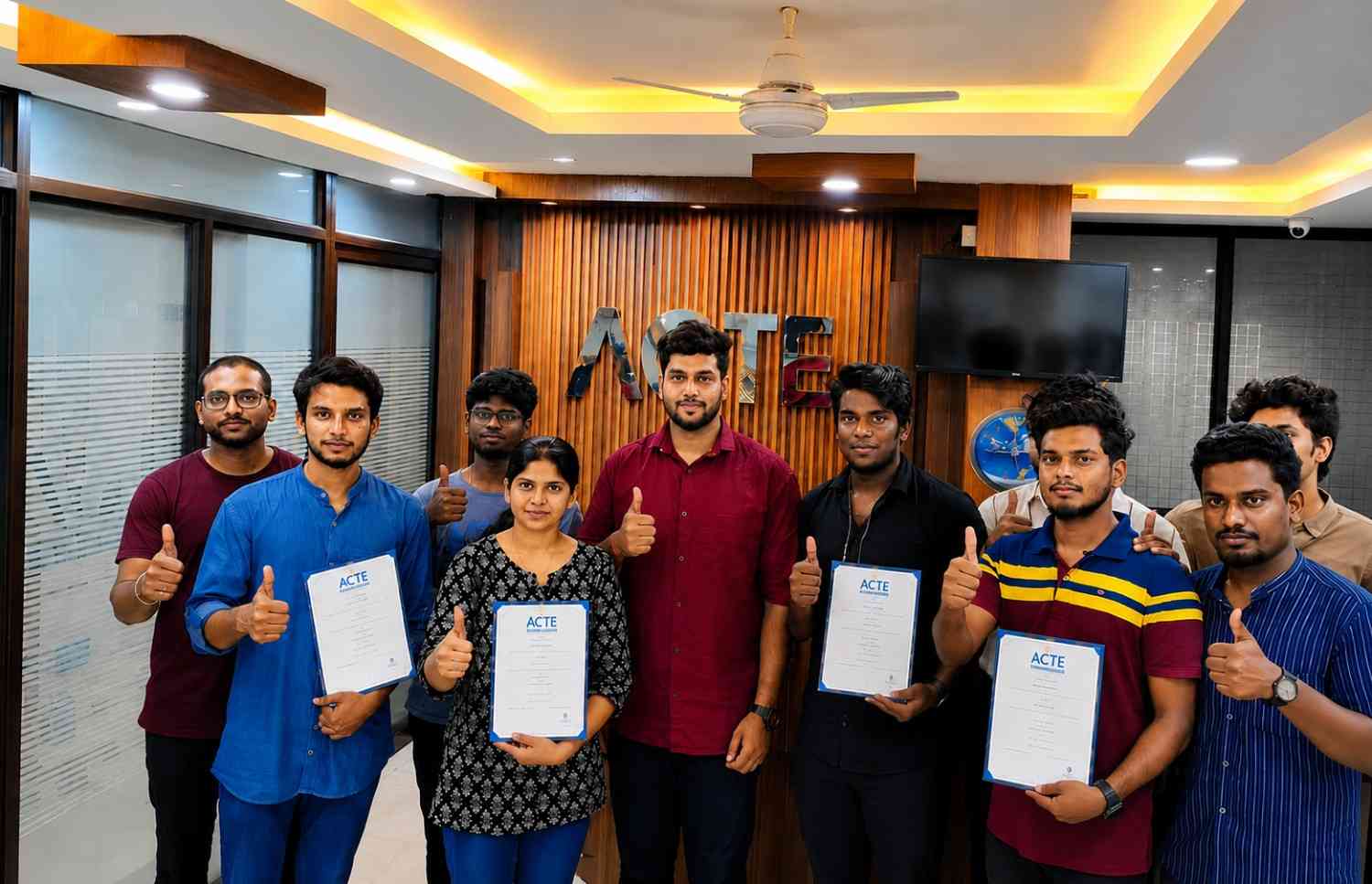
Overview of Java Course in Ahmedabad
Java Course in Ahmedabad delivers practical training in Java programming, object-oriented development, exception management, collections, multithreading, database integration, web technologies, and application development. The training combines conceptual learning with hands-on implementation to help participants understand current Java development methodologies and coding practices. The syllabus explores Java fundamentals, OOP concepts, JDBC, Java APIs, database handling, web application development, Spring Framework, Hibernate, RESTful services, and enterprise software development using practical industry-oriented examples. Learners strengthen their technical abilities by writing Java programs, developing applications, integrating databases, designing APIs, managing exceptions, implementing application logic, and enhancing software solutions for different business requirements. Skilled trainers conduct engaging learning sessions through live coding demonstrations, practical exercises, programming activities, debugging practices, troubleshooting workshops, and project-based assignments that improve coding knowledge, logical thinking, Java proficiency, and development confidence. Industry-oriented projects and case studies offer practical exposure to backend development, application engineering, database connectivity, web services, and enterprise Java implementation. Java Course in Ahmedabad also supports certification preparation, professional resume development, interview preparation, placement guidance, and ongoing career mentoring to help learners become more employment-ready. The training prepares participants for opportunities such as Software Engineer, Backend Developer, Java Application Developer, and Java Full Stack Developer.
Additional Information
Career Roles and Responsibilities for Java Professionals
-
Java Developer: Creates Java-based applications, develops software solutions, writes optimized programs, integrates databases, and contributes to dependable application development for business requirements.
-
Java Full Stack Developer: Builds interactive frontend interfaces and robust backend systems, conducts testing, and creates scalable web applications using contemporary Java technologies and frameworks.
-
Backend Developer: Builds server-side applications, manages business logic, connects relational databases, develops APIs and maintains core application functionality for reliable software performance.
-
Software Engineer: Develops software architectures and application components, writes clean and maintainable Java programs and conducts software testing activities.
-
Java Application Developer: Reviews business needs, develops Java-powered applications, assists with deployment, and troubleshoots technical concerns associated with application development.
-
Java Technical Consultant: Studies technical and business requirements, suggests suitable Java-based approaches, assists teams with implementation and helps resolve application-related challenges.
Popular Tools and Technologies Used in Java Training
-
Java Development Kit: Offers the core utilities required to compile, execute, debug, test, and develop Java programs across various development environments.
-
Eclipse IDE: Provides an integrated environment for Java programming, debugging, project organization, testing, code management, application development, and identifying programming errors.
-
IntelliJ IDEA: Enables developers to build, debug, test, organize, and maintain Java applications while supporting efficient coding practices and productive software development workflows.
-
Spring Framework: Helps developers create enterprise-grade applications, build REST APIs, implement business functionality, and deliver scalable Java applications.
-
Hibernate: Facilitates database operations through object-relational mapping, simplifies persistence management, minimizes repetitive database code, and supports efficient Java application development.
-
Java Database Connectivity: Allows Java applications to communicate with databases while supporting SQL operations, transaction management, data processing, secure connections.
Essential Skills Gained Through Java Training in Ahmedabad
-
Java Programming: Learn Java syntax, programming structures, and object-oriented concepts while developing practical coding abilities for different software applications and business use cases.
-
Object-Oriented Programming: Gain practical knowledge of classes, objects, inheritance, polymorphism, abstraction, and encapsulation to design organized, reusable, and maintainable Java applications.
-
Database Integration: Develop the ability to connect Java applications with databases through JDBC and related technologies while performing secure and efficient data management.
-
Web Application Development: Build, enhance, and maintain Java-based web applications, backend components, and services while creating dependable solutions for organizational.
-
Java Troubleshooting: Improve problem-solving skills by identifying programming defects, application errors, database issues, and performance concerns to maintain stable and reliable software applications.
-
API Development: Learn how to design, integrate, and consume REST APIs while connecting applications, databases, and backend services for effective data exchange and service communication.
Career Outlook for Java Professionals
-
Strong Industry Demand: Java professionals continue to find opportunities as businesses rely on Java for enterprise applications, web solutions, backend platforms, and digital transformation initiatives.
-
Diverse Career Paths: Java skills can lead to roles such as Java Developer, Software Engineer, Backend Developer, Full Stack Developer, and Java Consultant across various technology-driven industries.
-
Professional Earnings: Skilled Java developers can pursue attractive compensation packages, while accumulated experience and technical expertise can support progression into senior positions.
-
International Opportunities: Java is widely adopted across global technology markets, allowing professionals to explore international projects and gain experience with worldwide software development.
-
Continuous Technology Advancement: Java keeps developing through updated frameworks, APIs, libraries, and enterprise technologies, enabling professionals to expand their knowledges.
-
Long-Term Career Development: The continuous evolution of Java technologies provides opportunities for ongoing skill enhancement and advancement within software development careers.
Show More

 LMS
LMS