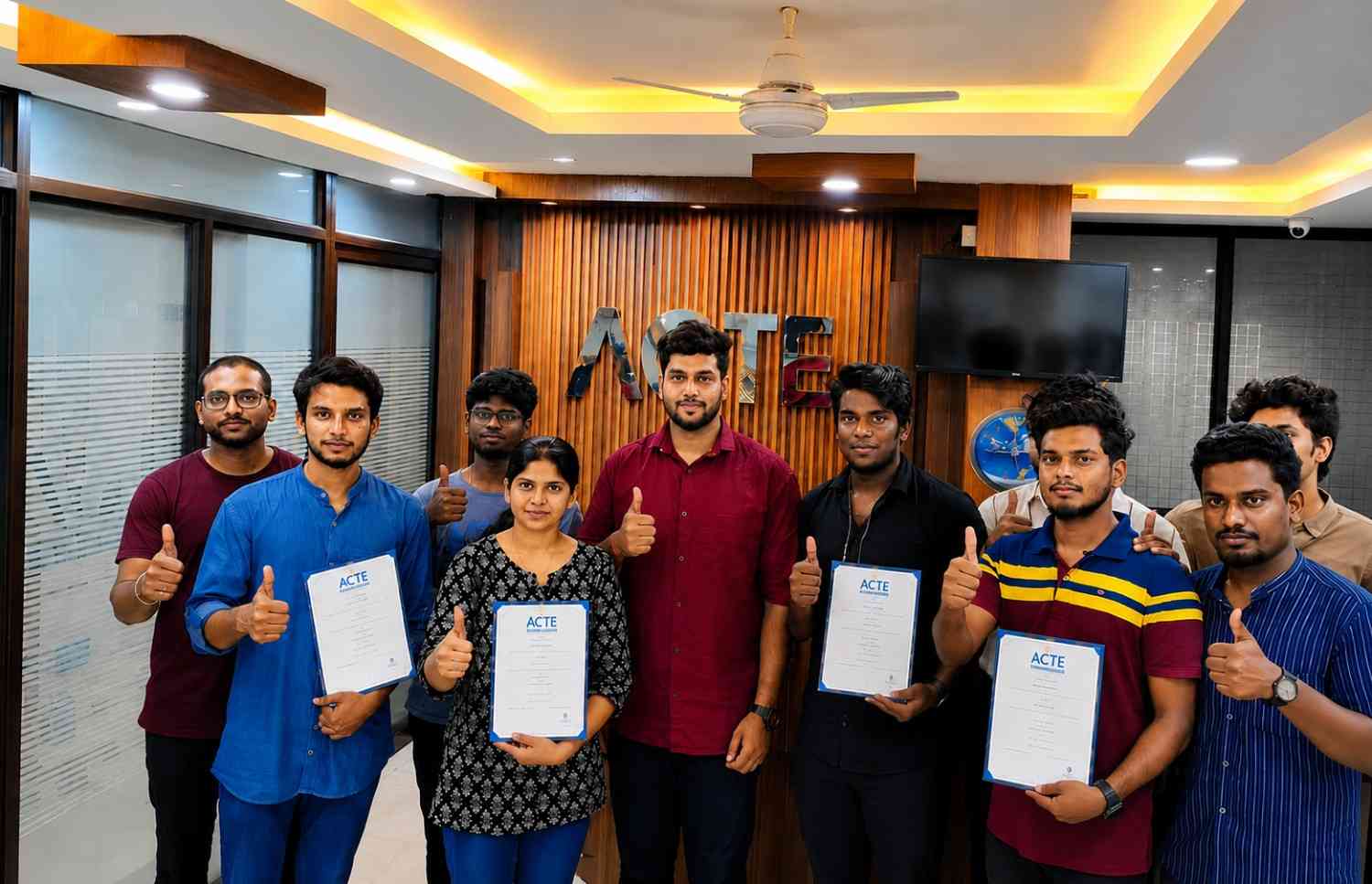
Overview of Java Course in Vadapalani
The Java Course in Vadapalani is a career-focused learning program designed to help participants develop professional knowledge in Java programming, software development, object-oriented concepts, database connectivity, and enterprise application creation. The Java Course in Vadapalani provides a strong understanding of Core Java, Object-Oriented Programming, Collections, JDBC, Spring, Spring Boot, Hibernate, REST API development, database handling, application testing, and software engineering practices. The program also includes a Java Training Internship, offering practical exposure through real-time projects, coding assignments, application development tasks, and industry-based scenarios. Learners gain hands-on practice in Java programming, database integration, REST APIs, Spring Boot applications, Hibernate implementation, debugging, testing, code enhancement, and enterprise software development. The curriculum incorporates modern Java technologies, development frameworks, database concepts, cloud-based application technologies, and current software engineering approaches. Along with technical learning, participants receive certification guidance, resume preparation, mock interview training, placement assistance, and personalized career mentoring to improve professional preparedness. After completing the training and internship, learners can explore career opportunities as Java Developers, Java Full Stack Developers, Backend Developers, Spring Boot Developers, Application Developers, and Software Engineers across organizations worldwide.
Job Roles and Responsibilities for Java Professionals
- Java Programmer: Creates Java applications, writes efficient code, connects databases and APIs, fixes errors, tests programs, and maintains dependable software for business needs.
- Java Full Stack Engineer: Develops complete web applications using Java backends and frontend interfaces, connects databases, builds APIs, and supports integrated application development.
- Software Engineer: Plans, builds, tests, debugs, and maintains software solutions while converting business requirements into reliable applications and following coding practices.
- Backend Engineer: Builds server-side applications, develops REST APIs, manages databases, applies business logic, and creates secure, scalable backend services for modern products.
- Spring Boot Engineer: Creates web and enterprise applications with Spring Boot, develops REST APIs, connects databases, implements business rules, and maintains efficient backend services.
- Application Engineer: Develops business applications, connects software components, performs testing and debugging, resolves issues, and supports deployment, maintenance, and updates.
Widely Used Tools and Platforms in Java Training in Vadapalani
- Java Development Tools: Assist with coding, compiling, debugging, testing, profiling, version management, and maintaining Java applications across different development stages.
- Spring Framework: Supports Java application development through dependency injection, configuration, modular design, transaction handling, and integration of enterprise application components.
- Spring Boot: Enables faster Java application and REST API development with auto-configuration, embedded servers, reusable components, and production-ready application features.
- Hibernate ORM: Connects Java applications with relational databases through object-relational mapping while simplifying data persistence, queries, transactions, and database interactions.
- JDBC Connectivity: Connects Java programs with databases, executes SQL statements, retrieves and updates records, handles transactions, and supports efficient database operations.
- Database Systems: Enable Java applications to store, organize, retrieve, modify, and manage information while supporting reliable database connectivity for enterprise software development.
Essential Skills You Will Learn in Java Training in Vadapalani
- Java Coding: Create Java programs using correct syntax, control flow, methods, and logical structures while building efficient, reusable, and dependable application solutions.
- Object-Oriented Design: Apply classes, objects, inheritance, polymorphism, encapsulation, abstraction, and interfaces to build organized, reusable, scalable, and maintainable Java applications.
- Software Development: Plan, create, test, debug, and maintain Java applications by applying structured development approaches, coding standards, and software engineering practices.
- Data Management: Link Java applications with databases, execute SQL statements, perform CRUD operations, organize records, and handle application data efficiently for business needs.
- REST API Development: Build REST APIs, handle HTTP requests and responses, connect backend services, exchange application data, and create scalable solutions for modern web systems.
- Software Testing: Detect coding issues, troubleshoot application errors, conduct functional tests, improve performance, and strengthen the stability, quality, and reliability of Java software.
Future Scope of Java Training
- Career Demand: Java professionals are needed in banking, healthcare, retail, manufacturing, IT, e-commerce, and telecom sectors for developing and maintaining business applications.
- International Opportunities: Java expertise supports global and remote career options, competitive salaries, and diverse employment opportunities with organizations across different regions.
- Enterprise Usage: Cloud adoption and digital transformation increase the use of Java for scalable applications, backend systems, APIs, and enterprise software development.
- Cloud Development: Java works with cloud platforms, microservices, APIs, automation, and modern architectures, creating opportunities for developers with advanced technical knowledge.
- Skill Enhancement: New Java releases, frameworks, architectures, and development methods encourage professionals to improve their knowledge through projects, courses, and certifications.
- Professional Advancement: Experienced Java developers can progress into positions such as Senior Developer, Technical Lead, Backend Architect, Software Architect, or Engineering Manager.
Show More

 LMS
LMS