Best SAP ABAP Training in Hyderabad ⭐ SAP ABAP Course in Hyderabad | Updated 2026
Join Our 100% Job Guaranteed

Best SAP ABAP Training in Coimbatore

  • Join a Best SAP ABAP Training Institute in Hyderabad to Master Advanced ABAP Skills.
  • Our SAP ABAP Course in Hyderabad Covers Core to Advanced Topics & Enhancements.
  • Flexible Learning Options Available With Weekday, Weekend, and Fast-Track Batches.
  • Work on Real-Time SAP ABAP Projects With Guidance From Certified Experts.
  • Get Expert Guidance to Build a Strong Resume and Excel in Interview Preparation.
  • Earn an Industry-Recognized SAP ABAP Certification With Dedicated Placement Assistance.

WANT IT JOB

Become an SAP ABAP Consultant in 3 Months

Freshers Salary

3 LPA

To

8 LPA

Quality Training With Affordable Fees in Hyderabad!

⭐ Fees Starts From

INR 36,000
INR 16,500

10569+

(Placed)
Freshers To IT

5556+

(Placed)
NON-IT to IT

7894+

(Placed)
Career Gap

4220+

(Placed)
Less Then 60%

Our Hiring Partners

Overview of SAP ABAP Course

Our SAP ABAP training in Hyderabad offers a comprehensive learning journey from basic programming concepts to advanced development techniques, helping you build strong expertise in SAP technical skills. Through real-time scenarios and hands-on practice, you will gain experience in core ABAP areas such as Data Dictionary, Reports, Module Pool Programming, Enhancements, Forms, and Object-Oriented ABAP. This course enables you to design, develop, and customize SAP applications efficiently to meet business requirements while improving your ability to create optimized and scalable solutions within SAP systems. By the end of the program, you will be well-prepared for roles like SAP ABAP Developer, Technical Consultant, or SAP Programmer, and the industry-recognized certification will further enhance your profile and open up diverse career opportunities in the SAP domain.

What You'll Learn From SAP ABAP Training in Hyderabad

The SAP ABAP course in Hyderabad is tailored for freshers and working professionals, helping them build a strong foundation in SAP programming and real-time practices.

Gain hands-on experience in key SAP ABAP areas such as Data Dictionary, Report Programming, Enhancements, Smart Forms, and Object-Oriented ABAP concepts.

Work extensively on core SAP ABAP modules to develop strong practical skills in coding, debugging and optimizing SAP programs for real-world business applications.

Participate in interactive training sessions, real-time projects, and hands-on assignments under the guidance of experienced SAP professionals with industry expertise.

Develop the ability to design, create, and customize SAP ABAP applications that align with real-world business requirements and organizational needs.

Earn an industry-recognized certification and prepare for roles such as SAP ABAP Developer, SAP Technical Consultant and SAP Application Developer.

Additional Info

Course Highlights

  • Launch your SAP ABAP career with expert-led training covering programming, Data Dictionary, Reports, Module Pool and Object-Oriented ABAP.
  • Get dedicated placement assistance with access to top companies actively hiring skilled SAP ABAP professionals.
  • Become part of a strong network of 11,000+ learners trained and placed through 350+ reliable hiring partners.
  • Learn from experienced trainers with over a decade of hands-on expertise in SAP ABAP development and technical implementation.
  • Benefit from beginner-friendly sessions, practical project experience, and continuous career guidance throughout the course.
  • Take advantage of cost-effective training, flexible learning schedules, and guaranteed placement support suitable for both freshers and professionals.
  • Build strong SAP ABAP expertise with real-time industry exposure to confidently pursue roles in SAP technical and development domains.

Benefits of SAP ABAP Offline Training

  • Easy and Beginner-Friendly Learning : SAP ABAP focuses on structured programming and development concepts that are easy for beginners to understand, even without prior coding experience. With guided practice sessions, real-time examples, students can quickly grasp syntax, logic building, and core development skills, helping them build a strong technical foundation confidently.
  • Applicable Across Multiple Industries : SAP ABAP is widely used across industries such as manufacturing, IT, retail, finance, telecom, and logistics, making it a highly versatile skill. This widespread adoption allows professionals to explore diverse career paths and work on enterprise-level projects, providing opportunities in global organizations and various business domains.
  • Strong Learning Ecosystem and Support : SAP provides a vast ecosystem of learning resources including SAP Learning Hub, community forums, tutorials, webinars, and technical documentation. This strong support network helps learners stay updated with the latest technologies, continuously improve their skills, and follow industry best practices for long-term career growth.
  • High Demand with Competitive Salaries : SAP ABAP professionals are highly sought after as organizations depend on skilled developers to build, customize, and maintain SAP applications. This growing demand leads to strong job opportunities, career advancement, and attractive salary packages in both domestic and international job markets.
  • Enhances Problem-Solving and Development Skills : SAP ABAP training enhances your ability to solve real-world business challenges by developing reports, customizing applications, and optimizing system performance. These skills improve efficiency, support business operations, and make you a valuable technical resource in enterprise environments.

Top Tools Used in SAP ABAP Training in Hyderabad

  • SAP ABAP Workbench : The SAP ABAP Workbench is a comprehensive development environment that includes tools like Data Dictionary, ABAP Editor, Function Modules, and debugging utilities. It allows developers to build, test, and optimize SAP applications efficiently while following coding standards and best practices used in real-world enterprise systems.
  • Development and Configuration Tools : Tools such as SE80, SE38, and SE11 are essential for creating, modifying, and managing SAP programs. These tools help developers design applications, perform debugging, handle configurations, and understand system architecture, making them crucial for efficient SAP development and customization.
  • Reporting and Forms : SAP ABAP includes tools like ALV Reports, Smart Forms, and SAP Scripts for generating structured reports and documents. These tools help in managing large data sets, creating user-friendly layouts, and producing business documents such as invoices and reports with high accuracy.
  • Integration Tools : SAP ABAP supports integration with other SAP modules like MM and SD using technologies such as BAPIs, RFCs, and IDocs. These tools enable smooth data exchange, improve workflow automation, and ensure seamless communication between different systems and business processes.
  • Real-Time Projects and Practical Development : Working on real-time projects involving reports, interfaces, enhancements, and forms helps learners gain practical exposure. This experience improves problem-solving skills, debugging capabilities, and prepares them to handle real business scenarios effectively in SAP environments.

Important Frameworks for SAP ABAP Course in Hyderabad

  • ABAP Fundamentals : ABAP fundamentals form the base of SAP programming, covering concepts such as data types, internal tables, loops, and modularization. These concepts help developers write efficient code, understand program structure, and prepare for advanced development tasks in real-time project environments.
  • Reports and Module Pool Programming : This module focuses on creating both classical and interactive reports along with module pool programming for dynamic screen development. It helps developers design user-friendly interfaces and manage data processing effectively within SAP systems.
  • Data Dictionary and Enhancements : The SAP Data Dictionary allows developers to define and manage tables, views, and data elements. Enhancement techniques like user exits and BADIs enable customization of standard SAP functionalities, helping meet specific business requirements.
  • Forms and Interfaces : This module focuses on creating structured outputs using Smart Forms and SAP Scripts, along with handling data exchange between SAP and external systems. It ensures seamless integration and efficient communication across enterprise applications.
  • Object-Oriented ABAP and Performance Optimization : This framework covers object-oriented programming concepts and performance tuning techniques. It helps improve application efficiency, maintainability, and scalability while ensuring optimized performance in modern SAP development environments.

Top Companies Hiring SAP FICO Professionals

  • Strong ABAP Programming Knowledge : Develop a solid understanding of ABAP programming concepts including data types, internal tables, loops, and modularization techniques. You will learn to write clean and efficient code, debug errors effectively, and optimize performance to ensure SAP applications run smoothly, accurately, and meet real-time business requirements.
  • Advanced Development and Customization Skills : Gain hands-on experience in developing reports, module pool programs, enhancements, and forms within SAP environments. You will learn how to customize and extend standard SAP applications based on business requirements, ensuring improved functionality, better user experience, and efficient handling of complex enterprise processes.
  • Experience with Real-Time Projects : Work on real-world SAP scenarios involving reports, interfaces, enhancements, and application development tasks. This practical exposure helps you understand how businesses operate, strengthens your problem-solving skills, and prepares you to handle enterprise-level SAP ABAP development projects with confidence and efficiency.
  • Debugging and Performance Optimization : Learn advanced debugging techniques to identify and resolve issues in SAP programs efficiently. You will also gain expertise in performance tuning methods to improve application speed, reduce system load, and ensure stable performance, helping organizations maintain reliable and optimized SAP environments.
  • Integration and Collaboration Skills : Understand how SAP ABAP integrates with other modules like MM and SD to enable seamless data flow across systems. You will also develop strong collaboration skills by working with cross-functional teams, ensuring smooth communication, consistent system performance, and successful project execution in real-world environments.

Key Roles and Responsibilities of SAP ABAP Professionals

  • SAP ABAP Developer : Responsible for designing, developing, and customizing SAP programs, creating reports, and enhancing existing applications based on business requirements. You work closely with functional consultants to deliver efficient technical solutions while ensuring optimal system performance, maintainability, and scalability across enterprise-level SAP environments.
  • Technical Consultant : A technical consultant analyzes business requirements and translates them into effective technical solutions using ABAP. You work on enhancements, reports, interfaces, and forms while ensuring smooth integration across SAP modules, maintaining system performance, and supporting organizations in achieving their business objectives efficiently.
  • SAP End-User Support : This role involves providing technical support to users by resolving system issues, debugging programs, and maintaining daily SAP operations. You ensure system stability, data accuracy, and smooth functionality by troubleshooting problems effectively and applying timely solutions in real-time business scenarios.
  • Interface Developer : An interface developer is responsible for building and managing integrations between SAP and external systems. You ensure seamless data flow, maintain system connectivity, and support business processes by enabling effective communication across platforms using integration technologies like IDocs, RFCs, and APIs.
  • Performance and Quality Analyst : This role focuses on monitoring system performance, analyzing code efficiency, and maintaining quality standards. You identify performance bottlenecks, optimize applications, and improve scalability and reliability, ensuring that SAP systems run smoothly and meet enterprise performance expectations.

Why SAP ABAP is a Good Choice for Freshers

  • Easy to Understand and Implement : SAP ABAP uses a structured programming approach that is beginner-friendly and easy to learn, even for those without coding experience. With hands-on training, real-time examples, and guided practice, freshers can quickly build confidence and develop strong technical skills required for SAP development roles.
  • High Demand Across Industries : SAP ABAP professionals are required across industries such as IT, manufacturing, finance, retail, and logistics. This strong demand creates excellent job opportunities, offers career stability, and provides attractive salary packages in both domestic and international markets.
  • Extensive Learning Resources and Community Support : SAP ABAP offers access to a wide range of learning resources including official documentation, forums, tutorials, and webinars. Active community support helps freshers stay updated, improve their skills continuously, and adapt to evolving industry trends and technologies.
  • Relevance in Enterprise Technology : ABAP integrates with key SAP modules like MM, SD, and HCM, making it highly relevant in modern enterprise environments. Freshers gain exposure to real-time business processes and integrated ERP systems, enhancing their technical and functional understanding.
  • Opportunities for Freelance and Remote Work : With SAP ABAP skills, freshers can explore freelance and remote work opportunities. This flexibility allows them to work with global clients, gain diverse experience, and expand their professional network while building a strong and dynamic career path.

Opportunities for Remote Work with SAP ABAP Skills

  • Opportunities in Remote-Friendly Roles : SAP ABAP professionals can design, develop, and support SAP applications remotely, allowing them to work from any location. Many global organizations hire remote developers, providing flexibility and opportunities to work across different industries and international projects.
  • High Demand on Freelance Platforms : SAP ABAP experts are in demand on platforms such as Upwork, Freelancer, and Toptal. By building a strong portfolio and demonstrating expertise, professionals can attract global clients, secure long-term projects, and earn competitive income through freelance engagements.
  • Supports Seamless Virtual Collaboration : SAP ABAP supports efficient remote collaboration through advanced development tools, version control systems, and real-time system access. Teams can coordinate effectively, debug issues quickly, and complete projects successfully without being restricted by geographical boundaries.
  • Improved Efficiency Through Optimization : With strong coding practices, reusable components, and performance tuning techniques, SAP ABAP professionals can develop efficient applications. This leads to faster system performance, reduced errors, and improved productivity in remote working environments.
  • Access to Global Learning Communities : SAP ABAP professionals can connect with international developer communities, forums, and webinars. This global exposure helps expand professional networks, improve knowledge, and discover new remote job opportunities across different industries worldwide.

What to Expect in Your First SAP FICO Job

  • Hands-On Development Experience : You will actively work on core SAP ABAP components such as Reports, Data Dictionary, Module Pool Programming, Enhancements, and Object-Oriented Programming within real-time project environments. This involves understanding functional requirements, writing and ensuring solutions align with business needs while gaining strong practical exposure.
  • Exposure to Tools and Development Processes : You will gain practical experience using essential SAP tools like SE80, SE38, and debugging utilities while understanding development workflows. This includes managing program creation, enhancements and version control processes, helping you understand how development is structured and maintained across enterprise SAP landscapes.
  • Code Reviews and Continuous Feedback : Your code will be regularly reviewed by senior developers to ensure it meets quality, performance, and coding standards. Continuous feedback will help you improve your logic building, debugging techniques, and efficiency, enabling you to gradually enhance your development skills and produce more reliable and optimized SAP applications.
  • Collaborative Work Environment : You will work closely with functional consultants, business analysts, and other technical team members to deliver effective SAP solutions. This collaboration improves your communication, teamwork, and problem-solving abilities while giving you exposure to real-world project execution and cross-functional coordination in enterprise environments.
  • Gradual Skill Growth : You will begin with fundamental ABAP concepts and gradually move towards advanced topics such as enhancements, interfaces, performance tuning, and object-oriented programming. Over time, this structured learning approach prepares you for handling complex tasks and advancing into senior technical roles within SAP development projects.

Top Companies Hiring SAP FICO Professionals

  • Google : Google hires SAP ABAP professionals to design, develop, and enhance large-scale enterprise applications that support global ERP systems. Working here provides exposure to advanced technologies, automation, and cloud-based solutions, allowing professionals to gain experience in handling complex, high-performance SAP environments.
  • Microsoft : Microsoft recruits SAP ABAP developers to build customized enterprise solutions, improve system performance, and support integrated SAP applications. Employees gain exposure to cloud-based ERP systems, modern development practices, and global projects while benefiting from strong career growth and learning opportunities.
  • Accenture : Accenture engages SAP ABAP professionals in developing, customizing, and integrating SAP solutions for global clients across multiple industries. This role offers hands-on experience in consulting projects, exposure to digital transformation initiatives, and opportunities to earn certifications while working on enterprise-level implementations.
  • Infosys : Infosys employs SAP ABAP developers for application development, system enhancements, and integration projects within large-scale SAP environments. Professionals gain valuable experience working on complex enterprise solutions, collaborating with global teams, and building strong technical and problem-solving skills.
  • Tata Consultancy Services (TCS) : TCS offers opportunities for SAP ABAP professionals to work on enterprise-level SAP development, customization, and performance optimization projects. Employees gain exposure to international clients, large ERP systems, and structured project environments that support continuous learning and career growth.
Show More

Upcoming Batches For Classroom and Online

Weekdays
04 - May - 2026
08:00 AM & 10:00 AM
Weekdays
06 - May - 2026
08:00 AM & 10:00 AM
Weekends
09 - May - 2026
(10:00 AM - 01:30 PM)
Weekends
10 - May - 2026
(09:00 AM - 02:00 PM)
Can't find a batch you were looking for?
INR ₹16500
INR ₹36000

OFF Expires in

Who Should Take a SAP ABAP Certification Course

IT Professionals

Non-IT Career Switchers

Fresh Graduates

Working Professionals

Diploma Holders

Professionals from Other Fields

Salary Hike

Graduates with Less Than 60%

Show More

Job Roles For SAP ABAP Certification Training

SAP ABAP Developer

ABAP Technical Consultant

SAP Reports Developer

Interface Developer

Data Migration Specialist

SAP Workflow Developer

Forms Develope

SAP Technical Consultant

Show More

Tools Covered For SAP ABAP Course in Offline

OpenAI GPT Models Google Gemini Anthropic Claude Microsoft Copilot Amazon Bedrock Hugging Face Transformers Stability AI MidJourney

What’s included ?

Convenient learning format

📊 Free Aptitude and Technical Skills Training

  • Learn basic maths and logical thinking to solve problems easily.
  • Understand simple coding and technical concepts step by step.
  • Get ready for exams and interviews with regular practice.
Dedicated career services

🛠️ Hands-On Projects

  • Work on real-time projects to apply what you learn.
  • Build mini apps and tools daily to enhance your coding skills.
  • Gain practical experience just like in real jobs.
Learn from the best

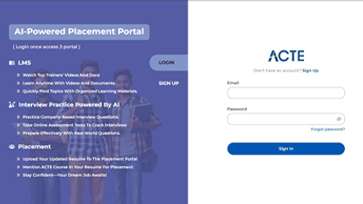
🧠 AI Powered Self Interview Practice Portal

  • Practice interview questions with instant AI feedback.
  • Improve your answers by speaking and reviewing them.
  • Build confidence with real-time mock interview sessions.
Learn from the best

🎯 Interview Preparation For Freshers

  • Practice company-based interview questions.
  • Take online assessment tests to crack interviews
  • Practice confidently with real-world interview and project-based questions.
Learn from the best

🧪 LMS Online Learning Platform

  • Explore expert trainer videos and documents to boost your learning.
  • Study anytime with on-demand videos and detailed documents.
  • Quickly find topics with organized learning materials.

SAP ABAP Course Syllabus

  • 🏫 Classroom Training
  • 💻 Online Training
  • 🚫 No Pre Request (Any Vertical)
  • 🏭 Industrial Expert

Enrolling in an SAP ABAP course in Hyderabad helps learners build the essential skills needed for a successful career in SAP programming and development, aligned with their career goals. This course creates opportunities to enter high-demand roles in leading companies across various industries and global markets, while gaining exposure to modern enterprise environments and advanced SAP technologies. With flexible learning options, students can focus on specialized areas such as Reports, Data Dictionary, Module Pool Programming, Enhancements, or Object-Oriented ABAP, while developing a strong foundation in creating, customizing, and optimizing SAP applications.

  • SAP ABAP Key Concepts: Understand core programming fundamentals, industry best practices, and essential SAP ABAP development concepts.
  • SAP ABAP Development & Management: Learn to build programs, manage Data Dictionary objects, and follow efficient coding standards for quality development.
  • SAP ABAP Programming & Implementation: Develop reports, module pool programs, and enhancements to support and streamline business operations within SAP.
  • SAP ABAP Tools & Debugging: Work with ABAP Workbench, debugging tools, and performance analysis techniques to ensure efficient and optimized application development.
Introduction to SAP ABAP
Core SAP ABAP Concepts
SAP ABAP Development Training
SAP ABAP Programming & Implementation
Integration & Enhancements in ABAP
ABAP Reporting & Debugging
SAP ABAP Projects & Real-Time Scenarios

This module builds a strong foundation in SAP ABAP:

  • Importance of SAP ABAP: Understand the advantages, industry usage, and business value of SAP programming and development.
  • Core Concepts: Learn key topics such as Data Dictionary, Reports, Internal Tables, Modularization, and Object-Oriented ABAP.
  • Key Platforms: Get an overview of SAP S/4HANA, SAP Fiori, and ABAP Workbench tools.
  • Career Opportunities: Explore roles like SAP ABAP Developer, Technical Consultant, Programmer, and Support Analyst.

This module focuses on essential ABAP functionalities:

  • Program Development: Create reports, module pool programs, and basic SAP applications.
  • Data Dictionary Management: Work with tables, views, data elements, and domains for structured data handling.
  • Enhancement Techniques: Implement user exits, BADIs, and enhancements to customize SAP systems.
  • Reporting & Debugging: Generate reports, analyze code, and use debugging tools to improve performance.

Learn how to effectively manage SAP ABAP development environments:

  • Development Interface: Navigate tools like ABAP Workbench, SE80, and SE38.
  • Automation Techniques: Use reusable code, function modules, and enhancements for efficient development.
  • Security & Access: Manage roles, authorizations, and follow secure coding practices.
  • Performance Monitoring: Track program execution, debug issues, and optimize code efficiency.

Gain hands-on experience in ABAP development:

  • Program Development: Build reports, interfaces, forms, and enhancements based on business needs.
  • UI & Application Components: Work with SAP Fiori apps, screens, and module pool interfaces.
  • Process Execution: Implement business logic, data processing, and workflows within SAP applications.
  • Testing & Deployment: Debug, validate, and ensure accurate and efficient application performance.

Understand how to extend and integrate SAP systems:

  • Integration Modules: Connect ABAP with modules like MM and SD for seamless operations.
  • Enhancement Techniques: Apply user exits, BADIs, and enhancements to modify standard processes.
  • Cross-System Integration: Use IDocs, RFCs, and BAPIs to link SAP with external systems.
  • Workflow Optimization: Improve efficiency using reusable code and standard development practices.

Learn to monitor and optimize SAP applications:

  • Monitoring Tools: Use SAP dashboards, logs, and runtime analysis tools to track execution.
  • Performance Optimization: Apply debugging techniques and code tuning methods.
  • KPIs & Metrics: Evaluate program efficiency, execution time, and error handling.
  • Data Management: Manage Data Dictionary objects and maintain structured data effectively.

Apply your skills in practical environments:

  • Project Planning: Define requirements, technical design, and timelines for development.
  • Live Projects: Work on real-time SAP ABAP projects including reports, interfaces, enhancements, and forms.
  • Performance Evaluation: Analyze code quality, debugging results, and system performance.
  • Capstone Project: Develop complete SAP ABAP solutions involving design, customization, and optimization.

🎁 Free Addon Programs

Aptitude, Spoken English

🎯 Our Placement Activities

Daily Task, Soft Skills, Projects, Group Discussions, Resume Preparation, Mock Interview

Gain Hands-On Experience with Real-World SAP ABAP Projects

Placement Support Overview

Today's Top Job Openings for SAP Basis

SAP ABAP Developer

Company Code: ABP452

Hyderabad, Telangana

₹25,000 – ₹40,000 a month

Any Degree

Exp 0–2 yrs

  • Design, develop, reports, and enhancements based on business requirements. Work with internal tables and performance optimization techniques while collaborating with functional teams to deliver scalable and efficient SAP solutions.
  • Easy Apply

    ABAP Technical Consultant

    Company Code: ABT739

    Hyderabad, Telangana

    ₹22,000 – ₹38,000 a month

    B.Tech / Any Degree

    Exp 1–3 yrs

  • Develop and customize SAP ABAP solutions and forms, and support system implementations. Ensure smooth integration across SAP modules while analyzing technical requirements and improving system performance through optimized coding practices.
  • Easy Apply

    SAP ABAP Analyst

    Company Code: ABA621

    Hyderabad, Telangana

    ₹28,000 – ₹42,000 a month

    Any Degree

    Exp 2–4 yrs

  • Analyze technical requirements, develop reports, and enhance SAP applications to improve system efficiency. Monitor performance, debug issues, and optimize ABAP programs while working closely with stakeholders to ensure reliable and scalable SAP solutions.
  • Easy Apply

    SAP ABAP Architect

    Company Code: ARC884

    Hyderabad, Telangana

    ₹20,000 – ₹35,000 a month

    B.E. / B.Tech

    Exp 0–2 yrs

  • Design scalable SAP ABAP architectures and technical solutions aligned with business goals. Oversee system integrations, define coding standards, and ensure high performance, security, and maintainability of SAP applications across enterprise environments.
  • Easy Apply

    SAP ABAP Business Analyst

    Company Code: BAN537

    Hyderabad, Telangana

    ₹22,000 – ₹45,000 a month

    Any Degree

    Exp 1–3 yrs

  • Gather and analyze business requirements, translate them into technical specifications, and support SAP ABAP development projects. Work with teams to document processes, improve workflows, and ensure solutions align with business and system requirements.
  • Easy Apply

    SAP ABAP Support Specialist

    Company Code: SPC269

    Hyderabad, Telangana

    ₹18,000 – ₹50,000 a month

    Any Degree

    Exp 0–4 yrs

  • Troubleshoot SAP ABAP issues, maintain programs, and ensure smooth system operations. Provide technical support, debug errors, optimize performance, and assist users in resolving issues to maintain system reliability and efficiency.
  • Easy Apply

    SAP ABAP Project Manager

    Company Code: PMG418

    Hyderabad, Telangana

    ₹25,000 – ₹48,000 a month

    Any Degree

    Exp 1–3 yrs

  • Manage SAP ABAP development projects, including planning, execution, and delivery. Coordinate between technical and functional teams, track progress, ensure deadlines are met, and maintain high-quality standards across development activities.
  • Easy Apply

    SAP ABAP Implementation Specialist

    Company Code: IMP562

    Hyderabad, Telangana

    ₹20,000 – ₹35,000 a month

    Any Degree

    Exp 0–3 yrs

  • Deploy SAP ABAP solutions, develop custom enhancements, and support implementation projects. Ensure smooth integration, conduct testing, and follow coding standards to deliver reliable and efficient SAP applications.
  • Easy Apply

    Highlights for SAP ABAP Internship

    Real-Time Projects

    • 1. Gain hands-on experience by working on live SAP ABAP development projects including reports, interfaces, and enhancements.
    • 2. Learn real-world problem-solving through data processing, custom program development, and system integration scenarios.
    Book Session

    Skill Development Workshops

    • 1. Participate in focused sessions on trending SAP ABAP tools, techniques, and development frameworks.
    • 2. Learn directly from industry experts through guided practical exercises on reports, ALV, IDocs, and enhancements.
    Book Session

    Employee Welfare

    • 1. Enjoy benefits like flexible schedules, supportive learning environments, and wellness initiatives during training.
    • 2. Organizations emphasize work-life balance and a positive culture for SAP ABAP professionals.
    Book Session

    Mentorship & Peer Learning

    • 1. Learn under experienced SAP ABAP mentors who guide your technical development and career growth.
    • 2. Collaborate with peers through real-time scenarios and group-based development projects.
    Book Session

    Soft Skills & Career Readiness

    • 1. Enhance communication, teamwork, and time management skills required for SAP technical roles.
    • 2. Prepare for interviews with mock sessions, coding challenges, and expert guidance.
    Book Session

    Certification

    • 1. Earn industry-recognized credentials to validate your SAP ABAP programming expertise.
    • 2. Strengthen your resume with certification and project completion credentials from reputed SAP training institutes.
    Book Session

    Sample Resume for SAP ABAP (Fresher)

    • 1. Clean and Professional Resume Format

      – Use a well-structured layout with sections like summary, SAP ABAP technical skills, certifications, education, and project experience.

    • 2. Highlight Your SAP ABAP Skills

      – Showcase skills such as ABAP Reports (Classical & ALV), Data Dictionary, Module Pool Programming, Enhancements, BAPIs, IDocs, SmartForms/Adobe Forms, and Debugging.

    • 3. Projects and Practical Experience

      – Include 1–2 SAP ABAP projects with brief descriptions, tools/techniques used, and key outcomes or functionalities developed.

    Top SAP Basis Tricky Interview Questions and Answers (2026 Guide)

    Ans:

    Classical Reports are basic ABAP reports where developers manually control output formatting, layout, and data display logic. ALV Reports, on the other hand, provide built-in functionalities such as sorting, filtering, and layout customization, making them more efficient, interactive, and user-friendly for handling large volumes of data.

    Ans:

    The Data Dictionary in SAP ABAP is a central repository used to define and manage database objects such as tables, views, data elements, and domains. It ensures data consistency, integrity, and structured data handling across the SAP system while supporting efficient database management and development processes.

    Ans:

    BAPIs (Business Application Programming Interfaces) are standardized interfaces that enable communication between SAP systems and external applications. They are used for secure data exchange and ensure consistent execution of business logic across different platforms, supporting seamless system integration and enterprise-level operations.

    Ans:

    Enhancements in SAP ABAP are techniques used to customize standard SAP functionality without modifying the original code. They include User Exits, Customer Exits, and BADIs, allowing developers to extend system capabilities while maintaining flexibility, upgrade compatibility, and adherence to SAP best practices.

    Ans:

    Function Modules are reusable procedures stored in function groups and can be accessed globally across SAP programs. Methods, however, belong to classes in Object-Oriented ABAP and support advanced concepts such as encapsulation, inheritance, and polymorphism, making them more flexible and suitable for modern development.

    Ans:

    IDocs (Intermediate Documents) are used for data exchange between SAP and external systems. They follow a structured format consisting of segments and are commonly used in ALE and EDI processes, enabling reliable system integration and automated data communication across enterprise environments.

    Ans:

    Modularization in SAP ABAP is the process of dividing a program into smaller, reusable components such as subroutines, function modules, or methods. This approach improves code readability, maintainability, and reusability, allowing developers to efficiently manage complex applications and reduce redundancy.

    Ans:

    SmartForms in SAP ABAP are used to design and generate formatted business documents such as invoices, purchase orders, and reports. They provide flexible layout design, improved usability, and easier maintenance compared to traditional SAP Scripts, making document generation more efficient.

    Ans:

    Performance optimization in ABAP involves writing efficient code, optimizing database queries, minimizing loops, and using internal tables effectively. Tools like SQL Trace and Runtime Analysis help identify bottlenecks, enabling developers to enhance system performance and ensure faster execution.

    Ans:

    Transparent Tables have a one-to-one relationship with database tables and store application data directly. Cluster Tables store multiple tables together in a single database cluster, while Pool Tables store small tables collectively. These structures help optimize data storage and improve system performance.

    Company-Specific Interview Questions from Top MNCs

    1. What is SAP ABAP?

    Ans:

    SAP ABAP (Advanced Business Application Programming) is a high-level programming language used within the SAP ecosystem to develop custom reports, interfaces, forms, and enhancements. It allows organizations to tailor SAP systems according to their business needs, ensuring flexibility, scalability, and efficient automation of enterprise processes.

    2. What are the key principles of good SAP ABAP development?

    Ans:

    • Write optimized and efficient code for better system performance and scalability
    • Follow modular programming practices to improve maintainability and reuse
    • Use proper naming conventions for clarity and standardization
    • Maintain readability and structured coding techniques
    • Adhere to SAP standards and best practices for reliable development

    3. How do you gather requirements for SAP ABAP development?

    Ans:

    Requirement gathering involves collaborating with functional consultants and business stakeholders to understand business processes, analyzing functional specifications, and documenting technical requirements clearly. This ensures that development aligns with business goals and minimizes rework during implementation.

    4. What factors do you consider when designing ABAP programs?

    Ans:

    • Performance optimization and efficient resource utilization
    • Efficient database access using optimized queries
    • User-friendly interface and output design
    • Proper error handling and debugging strategies
    • Scalability and maintainability for long-term use

    5. What is the role of ABAP in SAP implementations?

    Ans:

    ABAP plays a critical role in SAP implementations by enabling customization and extension of standard SAP functionalities. It supports the development of reports, interfaces, forms, and enhancements, ensuring that SAP systems meet specific business requirements and operate efficiently in real-world scenarios.

    6. How do you create effective ABAP reports?

    Ans:

    • Understand business requirements and reporting needs clearly
    • Use ALV reports for better data visualization and user interaction
    • Optimize database queries to improve performance
    • Include sorting, filtering, and layout customization features
    • Ensure accurate, real-time, and meaningful output for users

    7. What is automation in SAP ABAP?

    Ans:

    Automation in SAP ABAP refers to streamlining repetitive and manual tasks such as data processing, report generation, and system integrations using custom programs and background jobs. This improves efficiency, reduces errors, and enhances productivity within enterprise SAP environments.

    8. What are the stages of an SAP ABAP development lifecycle?

    Ans:

    • Requirement Analysis: Understand business needs and technical requirements
    • Design: Create technical specifications and program structure
    • Development: Write and implement ABAP code based on design
    • Testing: Perform unit and integration testing for validation
    • Deployment & Support: Move to production and provide ongoing maintenance

    9. How do you test and validate ABAP programs?

    Ans:

    Testing and validation involve performing unit testing, debugging the code, verifying output accuracy, and conducting user acceptance testing. These steps ensure the program meets both technical standards and business requirements while maintaining system performance and reliability.

    10. How do you ensure consistency in ABAP development?

    Ans:

    • Follow standardized coding practices and SAP guidelines
    • Maintain proper documentation for all developments
    • Use reusable components and modular design
    • Conduct regular code reviews and quality audits
    • Ensure proper transport management across SAP systems

    1. What is SAP ABAP and how is it different from other SAP modules?

    Ans:

    SAP ABAP is a technical programming language used to develop custom applications, reports, interfaces, and enhancements within SAP systems. Unlike functional modules such as MM or SD, which focus on business operations, ABAP handles development and customization tasks, enabling organizations to tailor SAP solutions to their specific needs.

    2. What are the essential skills required for an SAP ABAP developer?

    Ans:

    • Strong ABAP programming knowledge with clear understanding of syntax and logic
    • Experience with Data Dictionary and report development techniques
    • Understanding of enhancements like User Exits and BAdIs
    • Knowledge of SmartForms or Adobe Forms for document generation
    • Strong debugging, analytical thinking, and problem-solving skills

    3. How do you approach a new SAP ABAP development task?

    Ans:

    A new development task begins with understanding functional requirements and business needs. Then a technical design is prepared, followed by coding, testing, and validation. After successful testing, the solution is transported to production while ensuring performance, accuracy, and alignment with business objectives.

    4. What is the role of the Data Dictionary in SAP ABAP?

    Ans:

    • Defines and manages database objects used in SAP systems
    • Includes tables, views, data elements, and domains
    • Ensures consistency and integrity of data across applications
    • Supports structured data handling and efficient development processes

    5. How do you ensure your ABAP programs are efficient and user-friendly?

    Ans:

    Efficiency and usability are ensured by writing optimized database queries, following clean coding practices, using ALV reports for better data presentation, implementing proper error handling, and conducting thorough testing to deliver reliable and user-friendly applications.

    6. What tools and techniques do you use in SAP ABAP development?

    Ans:

    • ALV Reports for interactive and structured data display
    • Data Dictionary for managing database structures
    • BAPIs and IDocs for system integration and communication
    • Enhancements like User Exits and BAdIs for customization
    • Debugging tools for analyzing and resolving errors efficiently

    7. Why is reporting important in SAP ABAP?

    Ans:

    Reporting is crucial in SAP ABAP as it helps organizations analyze business data effectively. Well-designed reports provide structured, accurate, and interactive outputs that support decision-making, improve operational efficiency, and offer valuable insights into business performance.

    8. How do you handle issues or feedback during development?

    Ans:

    • Collect feedback from users, consultants, or stakeholders
    • Analyze issues and identify root causes
    • Implement necessary fixes or improvements
    • Perform thorough testing to validate solutions
    • Communicate updates clearly with relevant teams

    9. What methods do you use for testing ABAP programs?

    Ans:

    Testing methods include unit testing to validate individual components, integration testing to ensure smooth interaction with other modules, user acceptance testing for business validation, regression testing for stability, and debugging to identify and resolve issues efficiently.

    10. How do you stay updated with SAP ABAP trends and technologies?

    Ans:

    I stay updated by following SAP official documentation, attending webinars and training sessions, participating in SAP community forums, practicing hands-on development, and learning new advancements such as ABAP on HANA to keep skills aligned with industry trends.


    1. What is the difference between an SAP ABAP Developer and an SAP ABAP Technical Consultant?

    Ans:

    An SAP ABAP Developer primarily focuses on coding tasks such as creating reports, interfaces, and enhancements. In contrast, a Technical Consultant collaborates with functional teams to understand business requirements and design suitable technical solutions while also contributing to development and system integration.

    2. How do you gather requirements for an SAP ABAP project and why is it important?

    Ans:

    • Interact with functional consultants and stakeholders to understand needs
    • Analyze business processes and workflows in detail
    • Prepare clear and structured technical specifications
    • Ensure alignment with business requirements and goals
    • Helps in accurate, efficient, and error-free development

    3. What are some best practices for SAP ABAP development?

    Ans:

    Best practices include writing optimized and efficient code, following modular programming techniques, maintaining proper naming conventions, ensuring code reusability, performing thorough testing, and adhering to SAP development standards for consistency and reliability.

    4. What tools and components do you use in SAP ABAP development?

    Ans:

    • Data Dictionary for managing database structures and objects
    • ALV Reports for interactive and dynamic reporting
    • BAPIs and IDocs for system integration and communication
    • Enhancements like User Exits and BAdIs for customization
    • SmartForms or Adobe Forms for generating business documents

    5. Why is data security important in SAP ABAP development?

    Ans:

    Data security is essential to protect sensitive business information from unauthorized access. Implementing role-based authorizations, secure coding practices, and proper validations ensures system integrity, compliance, and safe handling of enterprise data.

    6. How do you manage data and processes efficiently in ABAP programs?

    Ans:

    • Use optimized database queries for better performance
    • Maintain structured internal tables and data handling
    • Apply proper validation and error-handling techniques
    • Automate repetitive tasks through coding and background jobs
    • Continuously monitor and improve system performance

    7. Describe your SAP ABAP development lifecycle.

    Ans:

    The SAP ABAP development lifecycle includes requirement analysis, technical design, coding and unit testing, integration and user acceptance testing, followed by deployment and continuous support to ensure system stability and performance.

    8. How do you handle feedback from multiple stakeholders?

    Ans:

    • Document all feedback clearly and systematically
    • Prioritize based on business impact and urgency
    • Implement necessary changes efficiently
    • Communicate updates transparently with stakeholders
    • Validate changes through proper testing and approvals

    9. What are key SAP ABAP best practices you follow?

    Ans:

    Key best practices include following coding standards, maintaining detailed documentation, ensuring data consistency, performing regular testing and debugging, and continuously optimizing performance for scalable and efficient applications.

    10. How do you stay updated with SAP ABAP technologies?

    Ans:

    • Follow SAP official documentation and release notes
    • Attend webinars, workshops, and technical training sessions
    • Participate in SAP community forums and discussions
    • Practice hands-on development in real-time environments
    • Learn new technologies like ABAP on HANA for advanced skills

    1. What is the difference between an SAP ABAP Developer and an SAP Functional Consultant?

    Ans:

    An SAP ABAP Developer focuses on technical development tasks such as creating reports, interfaces, enhancements, and forms using ABAP programming. In contrast, an SAP Functional Consultant works on understanding business processes, gathering requirements, and configuring SAP modules. Developers handle coding and customization, while functional consultants bridge business needs with SAP system configurations.

    2. How do you approach requirement gathering in an SAP ABAP project?

    Ans:

    • Discuss with functional consultants and stakeholders
    • Understand business workflows and objectives
    • Review technical specifications and feasibility
    • Document clear and structured requirements
    • Ensure accurate and efficient implementation

    3. What are the common components used in SAP ABAP development?

    Ans:

    Common components in SAP ABAP development include classical and ALV reports for data presentation, Data Dictionary objects such as tables and views, enhancement techniques like User Exits and BAdIs, integration tools such as BAPIs and IDocs, and form technologies like SmartForms or Adobe Forms for document generation.

    4. What is reporting in SAP ABAP and how do you use it?

    Ans:

    • Extract and process business data from SAP systems
    • Present structured and interactive outputs
    • Support analysis and decision-making
    • Develop reports using ABAP programming techniques

    5. How do you ensure your ABAP programs are secure and user-friendly?

    Ans:

    Security and usability are ensured by implementing authorization checks, validating user inputs, and following secure coding practices. Additionally, developers use tools like ALV to provide intuitive and structured outputs, ensuring clarity for end-users while maintaining system security and data integrity.

    6. What is your process for developing and optimizing ABAP reports?

    Ans:

    • Analyze functional and technical requirements
    • Design efficient database queries
    • Develop reports using ALV for better output
    • Test for data accuracy and performance
    • Optimize using performance analysis tools

    7. How do you validate your ABAP programs?

    Ans:

    Validation involves performing unit testing, debugging the code, conducting integration testing, and executing user acceptance testing. It ensures that the program produces accurate results, meets business requirements, and performs efficiently within the SAP environment.

    8. What are the key principles of good ABAP development?

    Ans:

    • Write clean, efficient, and optimized code
    • Follow modular programming techniques
    • Ensure reusability and maintainability
    • Use proper naming conventions
    • Perform thorough testing and validation

    9. How do you handle conflicting feedback from stakeholders?

    Ans:

    Handling conflicting feedback involves documenting all inputs, analyzing business priorities, evaluating technical feasibility, and communicating trade-offs clearly. The goal is to arrive at a balanced solution that aligns with project objectives and stakeholder expectations.

    10. How do you stay updated with SAP ABAP technologies?

    Ans:

    • Follow SAP official documentation and updates
    • Attend webinars and training sessions
    • Participate in SAP community forums
    • Practice hands-on development regularly
    • Learn new technologies like ABAP on HANA

    1. How do you differentiate between an SAP ABAP Developer and an SAP Functional Consultant?

    Ans:

    An SAP ABAP Developer is responsible for technical development tasks such as creating reports, interfaces, and enhancements using ABAP. In contrast, a Functional Consultant focuses on business processes, gathers requirements, and configures SAP modules, ensuring that the system aligns with organizational needs.

    2. How do you prioritize tasks in an SAP ABAP development project?

    Ans:

    • Prioritize based on business impact
    • Consider urgency and deadlines
    • Identify task dependencies
    • Handle critical processes first
    • Follow with enhancements and optimizations

    3. What process do you follow for SAP ABAP development?

    Ans:

    The development process starts with understanding functional and technical requirements, followed by designing technical specifications, developing programs and enhancements, conducting unit and integration testing, and finally transporting the solution to production with ongoing support and maintenance.

    4. How do you ensure data security and accessibility in ABAP programs?

    Ans:

    • Implement authorization checks
    • Validate user inputs
    • Follow secure coding practices
    • Provide user-friendly outputs
    • Maintain proper documentation

    5. How do you measure the success of an ABAP development project?

    Ans:

    The success of an ABAP project is measured by evaluating system performance, accuracy of outputs, user satisfaction, and the absence of major issues in production. Efficiency improvements and alignment with business requirements also indicate successful implementation.

    6. Describe a challenging ABAP issue you faced and how you resolved it.

    Ans:

    • Identified performance issues in database queries
    • Optimized SELECT statements
    • Reduced nested loops
    • Applied proper indexing
    • Improved execution time and efficiency

    7. What tools and components do you commonly use in SAP ABAP?

    Ans:

    Commonly used tools and components include Data Dictionary for database management, ALV Reports for data presentation, BAPIs and IDocs for integration, enhancement techniques such as User Exits and BAdIs, and debugging tools to analyze and resolve program issues effectively.

    8. How do you manage conflicting requirements from stakeholders?

    Ans:

    • Analyze priorities and business impact
    • Discuss trade-offs with stakeholders
    • Evaluate technical feasibility
    • Propose balanced solutions
    • Ensure alignment with project goals

    9. What role does data play in SAP ABAP development?

    Ans:

    Data plays a crucial role in SAP ABAP development as it drives reporting, processing, and application functionality. Proper data handling, validation, and consistency ensure accurate outputs and reliable system performance across business operations.

    10. How do you keep your SAP ABAP skills updated?

    Ans:

    • Follow SAP official documentation
    • Attend webinars and training sessions
    • Participate in SAP community forums
    • Practice hands-on development
    • Learn new features like ABAP on HANA

    Disclaimer Note:

    The details mentioned here are for supportive purposes only. There are no tie-ups or links with the corresponding PGs.

    Ladies PG Accommodation

      HITEC City
    • Sai Lakshmi Women's PG : 80748 13969
    • Queens Luxury PG for Women : 90599 05901
    • Madhapur
    • Qhub Living : 90444 28666
    • Signature Premier Luxury PG For Women : 77300 77033
    • Ameerpet
    • Princess Luxury Ladies Hostel : 88868 49995
    • BSR Ladies Delux PG Hostel : 81063 06864
    • Gachibowli
    • Siddhi Vinayaka Executive Women PG : 90637 39600
    • Vista Executive Ladies Hostel : 99591 71629
    • Kukatpally
    • Sri Sindhu Womens PG : 91774 71944
    • Mr Luxury Womens Hostel : 90008 42862

    Mens PG Accommodation

      HITEC City
    • Nandu Mens PG : 91331 99933
    • Zolo Quest : 88845 18010
    • Madhapur
    • Amigos Luxury Men's PG Hostel : 90309 00522
    • Prasanth Luxury Mens PG : 90000 39502
    • Ameerpet
    • KK Mens PG : 83677 77678
    • Manikanta Deluxe Men's Hostel : 95158 16581
    • Gachibowli
    • RJ Deluxe PG For Mens : 79892 49605
    • Luxury home mens PG&Hostel : 77604 45730
    • Kukatpally
    • AVR Mens PG Hoste : 97033 77712
    • DSR PG for Men : 99085 55486

    Top SAP ABAP Job Opportunities for Freshers

    • 1. SAP ABAP Roles in IT Companies and Consulting Organizations
    • 2. Entry-Level Opportunities Through Campus Placements
    • 3. Internship Programs Leading to Full-Time ABAP Roles
    • 4. Apply via Leading Job Portals and Career Platforms
    • 5. Essential Skills to Get Hired as an SAP ABAP Developer

    Getting Started With SAP ABAP Course in Hyderabad

    No Coding
    8 Lakhs+ CTC
    No Work Pressure
    WFH Jobs (Remote)

    Why SAP ABAP is the Ultimate Career Choice

    High Demand

    Companies prefer multi-skilled professionals can handle entire project cycles.

    Global Opportunities

    Open doors to remote and international job markets.

    High Salary

    Enjoy competitive salaries and rapid career advancement.

    Flexible Career Path

    Explore roles such as developer, architect, freelancer, or entrepreneur.

    Future-Proof Career

    Stay relevant with skills that are consistently in demand in the evolving tech landscape.

    Versatility Across Industries

    Work in various domains like e-commerce, healthcare, finance, and more.

    Career Support

    Placement Assistance

    Exclusive access to ACTE Job portal

    Mock Interview Preparation

    1 on 1 Career Mentoring Sessions

    Career Oriented Sessions

    Resume & LinkedIn Profile Building

    Get Advanced SAP ABAP Certification

    You will receive a certificate attesting to your industrial readiness. Pass the test by completing your SAP ABAP assignments. This qualification attests to your skills and prepares you for technical and practical development duties.

    • Certified SAP ABAP Developer
    • SAP ABAP Technical Consultant Certification
    • SAP ABAP Programming Certification
    • SAP ABAP Enhancement Specialist Certification
    • Professional SAP ABAP Architect Certification

    An SAP ABAP certification strengthens your profile by validating your technical knowledge and skills. When combined with practical project experience, problem-solving ability, and good communication skills, it significantly improves your chances of securing roles in SAP development and consulting.

    Beginner-level certifications: 4–6 weeks, Advanced certifications: 3–5 months, Bootcamp programs: 8–12 weeks, Self-paced learning duration varies based on consistency.

    • Provides global recognition of SAP ABAP skills
    • Enhances professional credibility and career growth
    • Opens opportunities in development and consulting roles
    • Improves resume visibility and job prospects
    • Offers practical exposure through real-time projects
    • Join a structured SAP ABAP training program
    • Practice consistently with hands-on exercises
    • Refer to official study materials and take mock tests
    • Work on real-time or simulated projects
    • Participate in SAP forums and communities for updates

    Complete Your Course

    A Downloadable Certificate in PDF Format, Immediately Available to You When You Complete Your SAP ABAP Course

    Get Certified

    A Physical Version of Your Officially Branded and Security-Marked SAP ABAP Certificate.

    Get Certified

    Lowest SAP ABAP Training Fees in Hyderabad

    Affordable, Quality Training for Freshers to Launch IT Careers & Land Top Placements.

    Call Course Advisor

    How is ACTE's SAP ABAP Training in Hyderabad Different?

    Feature

    ACTE Technologies

    Other Institutes

    Affordable Fees

    Budget-Friendly Fees With Flexible Payment Options.

    Higher Course Fees With Limited Flexibility.

    Expert Trainers

    Certified Professionals With Real-Time SAP ABAP Development Experience.

    Mostly Theory-Based Training With Less Industry Exposure.

    Updated Curriculum

    Industry-Aligned SAP ABAP Syllabus With Hands-on Coding Practice.

    Outdated Topics With Minimal Practical Learning.

    Hands-on Projects

    Real-Time ABAP Projects Including Reports, Enhancements, and Integrations.

    Basic Projects With Limited Real-World Exposure.

    Certification

    Recognized SAP ABAP Certification With Industry Value.

    Certifications With Limited Industry Recognition.

    Placement Support

    Dedicated Placement Support With Mock Interviews and Top Company Tie-ups.

    Basic Support With Fewer Job Opportunities.

    Industry Connections

    Strong Network With IT Companies for Internships and Placements.

    Limited or No Industry Collaborations.

    Batch Size

    Small Batches Ensuring Personalized Attention.

    Large Batches With Less Individual Focus.

    LMS Access

    Lifetime Access to Course Materials, Recordings, and Interview Resources.

    Limited or No Learning Management Support.

    Training Support

    24/7 Mentor Support, Doubt Clarification, and Career Guidance.

    Minimal Support Beyond Classroom Sessions.

    SAP ABAP Course FAQs

    1. What are the requirements to become an SAP ABAP professional?

    Basic knowledge of programming, logical thinking, and analytical ability is enough to get started. Familiarity with coding concepts and a willingness to learn SAP ABAP tools are important, while prior SAP experience is optional since most courses begin from the basics.
    • High demand across IT, finance, manufacturing, and consulting sectors
    • Roles available as developers, consultants, and programmers
    • Required for building and customizing SAP systems
    • Strong career growth opportunities
    SAP ABAP training includes fundamentals, Data Dictionary, reports, internal tables, module pool programming, enhancements, integration with modules like MM and SD, debugging, and performance optimization techniques.
    • Yes, hands-on project work is included
    • Covers report development, enhancements, and debugging
    • Builds practical coding and problem-solving skills
    • Helps create a strong technical portfolio
    Yes, most training programs offer resume and portfolio guidance tailored for SAP roles. This includes highlighting certifications, project work, and technical expertise, along with mock interviews and career counseling.
    SAP ABAP training is suitable for students, fresh graduates, IT professionals, and developers who want to build a career in SAP programming. Courses start from the basics, so prior SAP knowledge is not required.
    • No mandatory degree requirement
    • Focus is on skills and certifications
    • Hands-on experience is highly valued
    • Many professionals enter through practical training
    Basic programming knowledge, logical thinking, and problem-solving skills are sufficient. Familiarity with coding or ERP systems can be helpful but is not essential.
    • No prior SAP experience needed
    • Training starts with basic concepts
    • Gradual learning of advanced topics
    • Hands-on approach for better understanding

    1. What placement support is provided after SAP ABAP certification course?

    Training institutes typically offer end-to-end placement support, including resume preparation, interview training, job referrals, and career mentoring, along with connections to IT companies and consulting firms.

    2. Will I get access to real-time projects for my resume?

    • Yes, live projects are included
    • Covers reports, enhancements, and interfaces
    • Provides real-world experience
    • Strengthens your resume

    3. Can I apply for jobs in top IT and consulting companies after the course?

    After completing SAP ABAP training with certification and project experience, learners can apply for roles in leading IT and consulting firms such as Deloitte, Capgemini, PwC, Infosys, and Accenture.

    4. Is placement support available for freshers with no experience?

    • Yes, dedicated support for freshers
    • Includes resume building and mock interviews
    • Focus on job readiness
    • Helps secure entry-level roles
    Yes, learners receive a course completion certificate that validates their skills. Guidance is also provided for official SAP certifications recognized by global companies.
    • High demand in global industries
    • Competitive salary opportunities
    • Wide range of technical roles
    • Strong career growth potential
    No strict prerequisites are required. Basic programming knowledge and logical thinking are enough, as the course is designed for both beginners and professionals.
    SAP ABAP certification enhances technical expertise and opens up roles such as developer, technical consultant, and programmer. It improves employability and prepares learners for advanced development projects.
    • Data Dictionary and reports
    • Internal tables and module pool programming
    • Enhancements and debugging
    • Hands-on development experience
    • Real-world SAP application skills

    1. Will I receive placement support after completing the course?

    Yes, most institutes provide placement assistance including resume reviews, interview preparation, and job referrals through industry connections.
    • Trainer experience and expertise
    • Course duration and content
    • Mode of learning (online/offline)
    • Additional services like projects and placement support
    SAP ABAP training is generally affordable, with flexible payment options, EMI plans, and discounts available. Considering the career benefits, it offers strong value for learners.
    Fees are usually similar across locations, as most institutes follow standard pricing while maintaining quality training, structured curriculum, and practical learning outcomes.
    Acte Technologies WhatsApp