Best SAP SCM Training in Hyderabad ⭐ SAP SCM Course in Hyderabad | Updated 2026
Join Our 100% Job Guaranteed

Best SAP SCM Training in Hyderabad

  • Join the Best SAP SCM Training Institute in Hyderabad to Start Your Career.
  • This SAP SCM Course in Hyderabad covers to Advanced System Configuration.
  • Gain Hands-on Experience with Real-Time SAP SCM Projects Guided by Industry Experts.
  • Earn a Globally Recognized SAP SCM Certification with Complete Placement Support.
  • Flexible Learning Options Available: Weekday, Weekend, and Fast-Track Batches.
  • Get Professional Guidance to Build an Impressive Resume and Excel in Interviews.

WANT IT JOB

Become an SAP SCM Consultant in 3 Months

Freshers Salary

3 LPA

To

8 LPA

Quality Training With Affordable Fees in Bangalore!

⭐ Fees Starts From

INR 36,000
INR 16,500

10569+

(Placed)
Freshers To IT

5556+

(Placed)
NON-IT to IT

7894+

(Placed)
Career Gap

4220+

(Placed)
Less Then 60%

Overview of SAP SCM Course

Our SAP SCM training in Hyderabad helps you build solid technical and functional knowledge by providing a well-structured learning route from supply chain management principles to sophisticated SAP SCM procedures. You will obtain practical experience in demand planning, inventory management, procurement, production planning, logistics execution, and performance optimisation through interactive workshops and real-time scenarios, facilitating seamless and effective supply chain operations. Your capacity to oversee, evaluate, and improve SAP supply chain operations for increased productivity and company performance is strengthened by this programme. It gets you ready for jobs like Supply Chain Analyst, SAP Functional Expert, and SAP SCM Consultant through the SAP SCM course in Hyderabad

What You'll Learn From SAP SCM Training in Hyderabad

For beginners and seasoned professionals seeking to establish a solid foundation in SAP supply chain management and functional operations, the SAP SCM training course is perfect.

Demand planning, inventory, procurement, production, logistics, supply chain optimisation, and process improvement strategies are all covered in this practical SAP SCM course.

To increase productivity and performance, get practical SAP SCM skills in demand planning, inventory & production, procurement, logistics, and supply chain optimisation.

Under the direction of professionals with expertise in SAP supply chain management, the programme offers interactive seminars, real-time SAP SCM projects, and practical assignments.

You'll be extremely proficient in SAP SCM procedures by the end of the course, and you'll receive a useful certification that will demonstrate your supply chain management knowledge.

This extensive programme prepares you for professions in supply chain analysis, logistics and operations management, SAP SCM consulting, and SAP functional expert roles.

Additional Info

Course Highlights

  • Get training in supply chain optimisation, logistics, inventory and production management, and demand planning to launch your SAP SCM career.
  • Get committed job placement assistance with possibilities from leading businesses looking to hire qualified SAP SCM specialists.
  • Join the community of more than 11,000 students who have been trained and placed by more than 350 reliable employment partners.
  • Learn from knowledgeable educators with more than ten years of practical SAP SCM deployment and supply chain management experience.
  • Throughout your educational journey, take advantage of beginner-friendly classes, hands-on project work, and thorough career guidance.
  • Take advantage of flexible schedules, reasonable costs, and 100% placement support—perfect for both new hires and seasoned workers.
  • Gain practical industry experience and solid SAP SCM skills to confidently assume SAP supply chain and functional positions.

Exploring the Benefits of SAP SCM Training in Offline Mode

  • Beginner-Friendly and Easy to Learn : SAP SCM focuses on functional management and supply chain processes. With structured modules, guided exercises, and practical examples, learners can quickly grasp concepts even if they have no prior SAP experience, laying a solid foundation for advanced SCM skills.
  • Applicable Across Industries : Manufacturing, IT, retail, logistics, and pharmaceuticals are just a few of the industries that depend on SAP SCM. Because of its vast range of applications, professionals can work as SAP SCM Consultants, Supply Chain Analysts, SAP Functional Experts, or in logistics and operations management positions across the globe.
  • Robust Community and Learning Resources : SAP provides a wealth of resources, including webinars, tutorials, forums, SAP Learning Hub, and real-world case studies. Learners stay up to date on best practices, standards, and innovations in supply chain management and SAP SCM processes with ongoing updates and community support.
  • Competitive Salary and High Demand : There is a great need for qualified SAP SCM specialists. Demand planning, inventory control, procurement, logistics, and production optimisation skills are highly valued by organisations, which provide outstanding career advancement and competitive pay worldwide.
  • Improves Problem-Solving and Operational Efficiency : SAP SCM training enables professionals to effectively manage supply chain issues, optimise inventory, schedule production, simplify logistics, and enhance overall supply chain performance, assisting businesses in cutting expenses and guaranteeing seamless operations.

Essential Tools for SAP SCM Training in Hyderabad

  • SAP SCM Components : To effectively manage supply chain operations from beginning to end, learn the fundamentals of SAP SCM, such as Demand Planning, Inventory Management, Production Planning, Procurement, Logistics Execution, and Supply Chain Performance Optimisation.
  • Configuration Tools : Learn how to modify supply chain procedures in accordance with business requirements using SAP IMG (Implementation Guide) and associated SCM tools to guarantee efficient operations and process compliance.
  • Reporting and Analytics : Track supply chain performance, produce insights, and assist in making well-informed business decisions in real time by utilising SAP S/4HANA SCM analytics, SAP Advanced Planning tools, and other reporting utilities.
  • Integration Tools : To enable smooth operations, precise data flow, and cross-functional efficiency, get practical experience connecting SAP SCM components with other modules including MM (Materials Management), SD (Sales & Distribution), and PP (Production Planning).
  • Practical Workflows and Real-Time Projects : Develop practical skills and confidence for professional SAP SCM jobs by practicing demand planning, procurement, inventory management, production planning, and logistics execution through simulations and real-time projects.

Top Modules Every SAP SCM Professional Should Know

  • SAP SCM Fundamentals : Gain a clear understanding of the core concepts of SAP Supply Chain Management, including procurement, production planning, demand forecasting, logistics execution, and performance tracking. Build a strong foundation to manage end-to-end supply chain operations efficiently and align them with business objectives.
  • Advanced Supply Chain Management : Explore advanced topics such as order fulfillment, production scheduling, warehouse management, logistics planning, and supply chain optimization. Develop hands-on skills to track key performance metrics and support strategic decision-making for smooth and reliable supply chain operations.
  • SAP SCM Configuration : Learn in-depth configuration of SAP SCM, including master data setup and integration with modules like MM (Materials Management), SD (Sales & Distribution), and PP (Production Planning). Build the ability to design, customize, ensuring seamless workflows and consistent data across the organization.
  • Compliance and Governance : Understand organizational policies, audit standards, and supply chain security practices. Learn how to maintain proper documentation, ensure compliance with regulations, minimize risks, and strengthen governance within SAP SCM operations.
  • Monitoring and Analytics : Develop expertise in SAP SCM monitoring and reporting tools to evaluate supply chain performance and generate insightful reports. Use real-time data and analytics to support planning, enhance transparency, and make informed business decisions.

Must-Have Skills You Will Gain in SAP SCM Training Institute in Hyderabad

  • SAP SCM Fundamentals : Develop a strong foundation in key supply chain concepts such as demand planning, inventory control, production management and performance tracking. Gain the confidence to manage and optimize end-to-end supply chain processes while ensuring accuracy and operational efficiency in enterprise environments.
  • Advanced Supply Chain Management : Build practical expertise in areas like supply chain optimization, production scheduling, warehouse operations, order fulfillment, and logistics planning. Learn to design efficient workflows, monitor KPIs, evaluate performance metrics, and improve overall supply chain effectiveness.
  • Real-Time SAP SCM Operations : Work on real-world scenarios involving demand planning, procurement, inventory handling, production planning, and logistics execution. Gain hands-on experience that enhances your professional skills and prepares you to manage enterprise-level supply chain operations confidently.
  • Monitoring and Analytics : Gain proficiency in SAP SCM reporting and analytics tools to track performance, generate meaningful reports, and analyze operational data. Learn to derive actionable insights that support strategic decision-making and improve transparency across supply chain activities.
  • Integration and Collaboration : Understand best practices for integrating SAP SCM with modules such as MM (Materials Management), SD (Sales & Distribution), and PP (Production Planning). Ensure smooth data flow, seamless operations, and effective collaboration across different business functions within the enterprise.

Roles and Responsibilities After SAP SCM Course in Hyderabad

  • SAP SCM Consultant : Design, configure, and manage end-to-end supply chain processes while monitoring key performance metrics. Work closely with business teams to optimize workflows, improve efficiency, and ensure smooth execution of enterprise-wide supply chain operations.
  • Supply Chain Analyst : Evaluate data related to demand, inventory, production, and logistics to enhance process efficiency. Provide actionable insights, identify operational bottlenecks, and support continuous improvement initiatives to strengthen overall supply chain performance.
  • SAP Functional Expert : Manage day-to-day SAP SCM activities such as demand planning, procurement, production scheduling, inventory control, and logistics execution. Ensure processes run accurately, efficiently, and in compliance with business standards.
  • Supply Chain Coordinator : Coordinate planning, scheduling, procurement, and logistics operations across departments. Implement strategies to optimize processes, improve reliability, and align supply chain activities with organizational objectives.
  • Compliance and Governance Specialist : Ensure that supply chain operations adhere to organizational policies, audit requirements, and regulatory standards. Maintain proper documentation, identify potential risks, support audit processes, and implement corrective actions to strengthen governance and compliance.

Benefits of Choosing SAP SCM as a Career Option for Recent Graduates

  • Beginner-Friendly and Hands-On : SAP SCM is designed with structured modules, practical exercises, and real-world supply chain scenarios, making it easy for graduates to understand both functional and process concepts. This hands-on approach builds confidence in handling end-to-end supply chain operations effectively.
  • High Demand Across Multiple Industries : Skills in SAP SCM are sought after in sectors like IT, manufacturing, retail, logistics, and pharmaceuticals. Expertise in areas such as demand planning, procurement, production, and logistics can lead to strong career growth, attractive salaries, and opportunities with global organizations.
  • Rich Learning Resources and Community Support : SAP SCM offers a wide range of resources, including documentation, forums, tutorials, webinars, and case studies. Being part of the SAP community allows learners to solve problems, share knowledge, stay current with industry practices, and continuously improve their skills.
  • Integration with Core Enterprise Processes : SAP SCM works seamlessly with modules like Materials Management (MM), Sales & Distribution (SD), and Production Planning (PP). This integration helps graduates develop a solid understanding of interconnected business processes and prepares them to contribute effectively in ERP-driven environments.
  • Opportunities for Freelance and Remote Work : With SAP SCM expertise, professionals can explore freelance or remote roles in supply chain planning, analysis, and logistics. This flexibility enables exposure to different industries, involvement in global projects, and the ability to build a diverse professional network from anywhere.

How SAP SCM Skills Support Remote Career Opportunities

  • Well-Suited for Remote Supply Chain Roles : SAP SCM professionals can efficiently plan, track, and manage supply chain operations from anywhere. Many global organizations hire remote consultants to work across time zones and regions, ensuring smooth and effective supply chain performance.
  • Strong Presence on Freelance Platforms : There is growing demand for SAP SCM consultants on platforms like Upwork, Freelancer, and Toptal. By showcasing their expertise in supply chain processes, professionals can build solid portfolios, expand their client base, secure ongoing projects, and earn competitive rates.
  • Built for Virtual Collaboration : SAP SCM tools enable seamless remote teamwork through features like planning dashboards, real-time monitoring of inventory and production, and instant updates. This supports clear communication, coordinated workflows, and efficient execution across distributed teams.
  • Improved Efficiency Through Automation : SAP SCM allows professionals to automate key processes such as planning, order management, and logistics. This reduces manual errors, speeds up operations, enhances productivity, and frees up time for more strategic tasks.
  • Connection to Global Learning and Networking : SAP SCM learners can engage with international communities through forums, webinars, and collaborative projects. This boosts visibility, strengthens professional profiles, and opens doors to global consulting and supply chain management opportunities.

What to Expect in Your First SAP SCM Role

  • Practical Supply Chain Experience : You’ll actively work on key SAP SCM functions such as demand planning, inventory and production management, procurement, logistics execution, and performance tracking. This hands-on exposure helps you build confidence in managing complete supply chain operations effectively.
  • Familiarity with Tools and Processes : Expect to gain experience with SAP S/4HANA SCM dashboards, advanced planning tools, and process monitoring systems. You’ll learn how to configure workflows, monitor logistics activities, and automate routine tasks for smoother operations and accurate reporting.
  • Guidance and Constructive Feedback : Your work will be reviewed by mentors and senior consultants to ensure it aligns with best practices and business requirements. Their feedback will help you strengthen your functional knowledge, improve problem-solving skills, and refine your approach to supply chain management.
  • Team Collaboration : You’ll work closely with functional consultants, procurement and logistics teams, and business stakeholders. This collaboration enhances your communication and coordination skills while contributing to efficient and timely project delivery.
  • Continuous Learning and Growth : Starting with foundational tasks, you’ll gradually take on more complex responsibilities in planning, logistics, production, and inventory management. Over time, this progression prepares you for advanced roles such as senior SAP SCM consultant or leadership positions in supply chain management.

Top Companies Hiring SAP SCM Professionals

  • Google : Google recruits SAP SCM professionals to streamline supply chain operations, enhance inventory and logistics efficiency, and support integrated ERP planning. This role offers exposure to large-scale global supply chains and cross-functional initiatives.
  • Microsoft : Microsoft hires SAP SCM consultants to manage enterprise supply chain processes, drive improvements, and boost operational efficiency. Employees benefit from structured career paths, global exposure, and involvement in large, collaborative projects.
  • Accenture : Accenture engages SAP SCM experts to work on supply chain projects across various industries. The company emphasizes continuous learning through certifications, training programs, and global client engagements, providing strong consulting experience.
  • Infosys : Infosys employs SAP SCM consultants for roles in planning, procurement, logistics, and inventory management. Professionals gain hands-on experience working on large-scale implementations and collaborating with diverse teams worldwide.
  • Tata Consultancy Services (TCS) : TCS offers opportunities in supply chain planning, production scheduling, and logistics optimization for SAP SCM professionals. Employees work in complex enterprise environments and gain exposure to international clients and integrated SAP solutions.
Show More

Upcoming Batches For Classroom and Online

Weekdays
04 - May - 2026
08:00 AM & 10:00 AM
Weekdays
06 - May - 2026
08:00 AM & 10:00 AM
Weekends
09 - May - 2026
(10:00 AM - 01:30 PM)
Weekends
10 - May - 2026
(09:00 AM - 02:00 PM)
Can't find a batch you were looking for?
INR ₹16500
INR ₹36000

OFF Expires in

Who Should Take a SAP SCM Certification Course

IT Professionals

Non-IT Career Switchers

Fresh Graduates

Working Professionals

Diploma Holders

Professionals from Other Fields

Salary Hike

Graduates with Less Than 60%

Show More

Job Roles for SAP SCM Certification Training

SAP SCM Consultant

Supply Chain Analyst

SAP Functional Expert (SCM)

Supply Chain Coordinator

Governance Specialist

Logistics Manager

Production Planner

Order Management Specialist

Show More

Tools Covered For SAP SCM Course in Offline

OpenAI GPT Models Google Gemini Anthropic Claude Microsoft Copilot Amazon Bedrock Hugging Face Transformers Stability AI MidJourney

What’s included ?

Convenient learning format

📊 Free Aptitude and Technical Skills Training

  • Learn basic maths and logical thinking to solve problems easily.
  • Understand simple coding and technical concepts step by step.
  • Get ready for exams and interviews with regular practice.
Dedicated career services

🛠️ Hands-On Projects

  • Work on real-time projects to apply what you learn.
  • Build mini apps and tools daily to enhance your coding skills.
  • Gain practical experience just like in real jobs.
Learn from the best

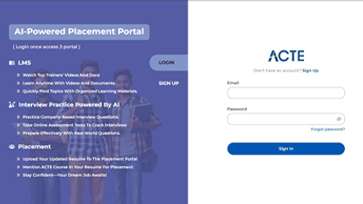
🧠 AI Powered Self Interview Practice Portal

  • Practice interview questions with instant AI feedback.
  • Improve your answers by speaking and reviewing them.
  • Build confidence with real-time mock interview sessions.
Learn from the best

🎯 Interview Preparation For Freshers

  • Practice company-based interview questions.
  • Take online assessment tests to crack interviews
  • Practice confidently with real-world interview and project-based questions.
Learn from the best

🧪 LMS Online Learning Platform

  • Explore expert trainer videos and documents to boost your learning.
  • Study anytime with on-demand videos and detailed documents.
  • Quickly find topics with organized learning materials.

SAP SCM Course Syllabus

  • 🏫 Classroom Training
  • 💻 Online Training
  • 🚫 No Pre Request (Any Vertical)
  • 🏭 Industrial Expert

Enrolling in SAP SCM training in Hyderabad helps learners develop the functional and process expertise required to build a strong career in supply chain management using SAP. The program prepares candidates for high-demand roles across manufacturing, logistics, retail, and global enterprises, offering exposure to modern SAP SCM environments and advanced tools for planning, procurement, and logistics. With flexible learning options, students can focus on areas such as demand planning, inventory control, production scheduling, procurement, or logistics execution, while building a solid foundation in managing and optimizing end-to-end supply chain processes efficiently.

  • SAP SCM Core Concepts: Understand the complete supply chain cycle in SAP, including demand planning, production, inventory management, and logistics.
  • SAP SCM Module Configuration & Management: Learn to configure SAP SCM modules and integrate with modules like MM, SD, and PP for seamless operations.
  • SAP SCM Operations & Implementation: Gain practical knowledge in planning, scheduling, logistics execution, and process monitoring within SAP SCM.
  • SAP SCM Tools & Analytics: Work with SAP S/4HANA SCM dashboards, planning tools, and analytics to track performance and improve overall supply chain efficiency.
Introduction to SAP SCM
Core SAP SCM Modules
SAP SCM Planning & Configuration
SAP SCM Operations & Monitoring
Integration & Cross-Module Workflows
SCM Reporting & Analytics
SCM Strategy & Real-Time Projects

This module builds a strong foundation in SAP Supply Chain Management:

  • Importance of SAP SCM: Understand its benefits, industry adoption, and business impact in optimizing supply chain operations.
  • Core Concepts: Learn demand planning, procurement, production, inventory, and logistics within integrated SAP environments.
  • Key Platforms: Explore SAP S/4HANA SCM, SAP IBP, and other planning tools used to manage modern supply chains.
  • Career Paths: Discover roles such as SAP SCM Consultant, Analyst, Production Planner, Logistics Coordinator, and Compliance Specialist.
  • Industry Use Cases: Gain insights into real-world applications of SAP SCM across manufacturing, retail, logistics, and global enterprises.

This module focuses on key SAP SCM components and functionalities:

  • Supply Chain Configuration: Set up planning parameters, procurement cycles, production schedules, inventory controls, and logistics workflows.
  • Master Data & User Management: Configure material, vendor, and customer master data along with user roles and authorizations.
  • Process & Workflow Management: Implement planning, order processing, scheduling, and logistics workflows for optimized operations.
  • Reporting & Monitoring: Use dashboards and analytics tools to track KPIs and support decision-making.
  • Error Handling & Troubleshooting: Learn to identify, analyze, and resolve issues in supply chain processes effectively.

Learn how to configure and manage SAP SCM environments:

  • SCM Interface: Navigate SAP S/4HANA SCM, SAP IBP, and planning dashboards efficiently.
  • Automation Tools: Configure workflows for planning, procurement, production, and logistics to improve efficiency.
  • Security & Access: Implement role-based access control and compliance measures to protect supply chain data.
  • Performance Tracking: Monitor KPIs like inventory levels, production output, and order fulfillment.
  • System Optimization: Fine-tune configurations to improve system performance and streamline supply chain processes.

Gain hands-on experience in managing SAP SCM operations:

  • SCM Operations: Handle planning, scheduling, procurement, inventory, and logistics processes.
  • Dashboards & Monitoring Tools: Use SAP dashboards and analytics to track real-time performance.
  • Process Execution: Implement workflows for orders, production, procurement, and logistics.
  • Testing & Deployment: Validate configurations and simulate real-world supply chain scenarios.
  • Incident Management: Identify operational issues and apply corrective actions to ensure continuity.

Understand how SAP SCM integrates with other systems:

  • Integration Modules: Connect SAP SCM with MM, SD, PP, and FI/CO for seamless operations.
  • Automation Tools: Automate procurement, planning cycles, production orders, and logistics workflows.
  • Cross-System Integration: Integrate with ERP, logistics platforms, and analytics tools.
  • Workflow Management: Use templates and standard procedures to streamline operations.
  • Data Consistency & Synchronization: Ensure accurate and consistent data flow across all integrated systems.

Learn to monitor and optimize supply chain performance:

  • Dashboards & Monitoring: Use SAP S/4HANA SCM and IBP tools to track operations.
  • Performance Analytics: Analyze planning, production, procurement, and logistics efficiency.
  • KPIs & Metrics: Measure order fulfillment, delivery timelines, inventory accuracy, and compliance.
  • Data Management Tools: Maintain master data for smooth operations.
  • Predictive Analytics: Leverage forecasting and trend analysis to improve decision-making and planning.

Apply your knowledge in practical, real-world SAP SCM scenarios:

  • Project Planning: Define supply chain goals, requirements, and implementation strategies.
  • Live Projects: Work on real SAP SCM scenarios including planning, procurement, and logistics.
  • Performance Review: Evaluate KPIs such as inventory turnover and order fulfillment rates.
  • Capstone Project: Develop end-to-end SAP SCM solutions integrating all modules and processes.
  • Client Interaction: Learn to gather requirements and communicate solutions effectively with stakeholders.

🎁 Free Addon Programs

Aptitude, Spoken English

🎯 Our Placement Activities

Daily Task, Soft Skills, Projects, Group Discussions, Resume Preparation, Mock Interview

Get Practical Experience with SAP SCM Projects in the Real World

Placement Support Overview

Today's Top Job Openings for SAP SCM

SAP SCM Consultant

Company Code: BB452

Hyderabad, Telangana

₹25,000 – ₹35,000 per month

Any Degree

Exp 0-2 yrs

  • Configure and implement SAP SCM modules such as APO, EWM, and IBP. Gather and analyze business requirements, improve supply chain workflows, support ERP integrations, and maintain accurate master data to enhance operational efficiency.
  • Easy Apply

    SAP SCM Analyst

    Company Code: BB739

    Hyderabad, Telangana

    ₹20,000 – ₹35,000 per month

    B.Tech

    Exp 1-3 yrs

  • Evaluate supply chain processes, monitor SAP SCM system performance, manage master data, and support planning, production, and logistics functions. Work closely with teams to ensure smooth execution and accurate reporting.
  • Easy Apply

    SAP SCM Project Manager

    Company Code: BB621

    Hyderabad, Telangana

    ₹28,000 – ₹40,000 per month

    Any Degree

    Exp 2-4 yrs

  • Lead SAP SCM projects including implementations, upgrades, and process enhancements. Manage project timelines, allocate resources, and coordinate with stakeholders to ensure successful delivery aligned with business goals.
  • Easy Apply

    SAP SCM Architect

    Company Code: ARC884

    Hyderabad, Telangana

    ₹18,000 – ₹26,000 per month

    B.E. in IT/Computer Science

    Exp 0-2 yrs

  • Design and optimize end-to-end supply chain solutions using SAP SCM. Define system architecture, integration frameworks, and best practices to ensure scalable and efficient operations.
  • Easy Apply

    SAP SCM Specialist

    Company Code: SPC269

    Hyderabad, Telangana

    ₹18,000 – ₹45,000 per month

    Any Degree

    Exp 0-4 yrs

  • Support SAP SCM modules by handling configuration, monitoring processes, resolving issues, and ensuring data accuracy. Assist teams in improving planning, procurement, production, and logistics workflows.
  • Easy Apply

    SAP SCM Specialist

    Company Code: IMP562

    Hyderabad, Telangana

    ₹15,000 – ₹30,000 per month

    Any Degree

    Exp 0-3 yrs

  • Implement and configure SAP SCM solutions, manage master data, and provide user support. Handle system integration, testing, and training while ensuring adherence to supply chain best practices.
  • Easy Apply

    SAP SCM Functional Consultant

    Company Code: FC913

    Hyderabad, Telangana

    ₹22,000 – ₹38,000 per month

    Any Degree

    Exp 1-3 yrs

  • Analyze business requirements and translate them into SAP SCM solutions. Configure modules, support end-users, and ensure smooth execution of supply chain processes including planning, procurement, and logistics.
  • Easy Apply

    SAP SCM Support Engineer

    Company Code: SE447

    Hyderabad, Telangana

    ₹18,000 – ₹32,000 per month

    B.Tech / Any Degree

    Exp 0-2 yrs

  • Provide technical and functional support for SAP SCM systems, troubleshoot issues and ensure uninterrupted supply chain operations. Assist in resolving incidents and maintaining system stability.
  • Easy Apply

    Highlights for SAP SCM Internship

    Real-Time Project Exposure

    • 1. Get practical experience working on live SAP SCM environments, including demand planning and logistics execution.
    • 2. Gain exposure to real-time business scenarios such as inventory control and resolving SCM process issues.
    Book Session

    Skill Enhancement Workshops

    • 1. Attend expert-led workshops focused on SAP SCM tools, supply chain methodologies, and system configuration.
    • 2. Build hands-on knowledge in modules like APO, EWM, TM, and IBP through practical exercises in planning and analytics.
    Book Session

    Employee Benefits & Learning Support

    • 1. Benefit from flexible schedules, wellness initiatives, and a supportive training environment during your SAP SCM internship.
    • 2. Contribute to meaningful SCM projects while learning supply chain planning, logistics operations, and optimization techniques.
    Book Session

    Mentorship and Collaborative Learning

    • 1. Receive guidance from experienced SAP SCM professionals to strengthen technical expertise and problem-solving skills.
    • 2. Work with peers on real-world case studies involving demand planning, scheduling, and logistics execution in SAP SCM.
    Book Session

    Soft Skills and Career Preparation

    • 1. Develop essential workplace skills including communication, collaboration, and analytical thinking for SAP SCM careers.
    • 2. Prepare for job opportunities through mock interviews, case studies, and coaching focused on SCM processes and reporting.
    Book Session

    Industry-Recognized Certification

    • 1. Earn valuable certifications that validate your SAP SCM expertise in planning, scheduling, and supply chain analytics.
    • 2. Strengthen your resume with credentials from project-based training programs recognized by industry experts.
    Book Session

    Sample Resume for SAP SCM (Fresher)

    • 1. Simple and Clean Resume Layout

      – Use a professional format with clear sections such as career summary, SAP SCM skills, certifications, education, and project experience.

    • 2. List of SAP SCM Skills You Possess

      – Highlight skills like Demand Planning, Supply Network Planning, Production Planning & Detailed Scheduling (PP/DS), Inventory Management, Logistics Execution, APO/EWM Configuration, Transportation Management (TM), and Supply Chain Analytics.

    • 3. Real-Time Projects and Achievements

      – Include 1–2 SAP SCM projects with concise descriptions, the modules and tools used, and measurable outcomes or achievements, such as optimized production schedules, improved inventory turnover, enhanced logistics efficiency, or successful implementation of SCM modules.

    Top SAP SCM Tricky Interview Questions and Answers (2026 Guide)

    Ans:

    SAP SCM is a set of tools from SAP that helps companies manage their supply chain processes smoothly. It covers planning, execution, and coordination of activities like production, inventory, and logistics. The main goal is to improve efficiency, reduce costs, and support better business decisions by connecting all supply chain functions in one system.

    Ans:

    • Supply Network Planning (SNP)
    • Advanced Planning and Optimization (APO)
    • Demand Planning (DP)
    • Production Planning and Detailed Scheduling (PP/DS)
    • Global Available-to-Promise (GATP)
    • Supply Chain Cockpit
    • Event Management

    Ans:

    Supply Network Planning (SNP) helps businesses plan and manage inventory and distribution across the supply chain. It ensures the right products are available at the right place and time by balancing supply and demand. This improves efficiency and helps companies respond quickly to market changes.

    Ans:

    • APO is a powerful planning tool in SAP SCM
    • It combines demand, supply, and production planning
    • Helps create optimized plans based on constraints
    • Improves resource usage and reduces costs
    • Supports better decision-making

    Ans:

    Demand Planning in SAP SCM helps companies predict customer demand using past data and statistical methods. It works closely with sales and marketing teams to create accurate forecasts. These forecasts are then used for production, inventory, and procurement planning.

    Ans:

    • A central dashboard for supply chain activities
    • Shows real-time data and performance metrics
    • Helps monitor operations and identify issues
    • Supports quick decision-making
    • Improves overall visibility

    Ans:

    Event Management in SAP SCM tracks supply chain events like delays or disruptions. It sends alerts and notifications so businesses can take quick action. This helps reduce risks and ensures smooth supply chain operations.

    Ans:

    • Connects with SAP ERP, SAP CRM, and SAP S/4HANA
    • Uses standard interfaces for data sharing
    • Ensures smooth communication between systems
    • Provides end-to-end visibility
    • Supports automation across processes

    Ans:

    Supply Network Collaboration helps companies work closely with suppliers and partners. It allows real-time sharing of data like demand forecasts and inventory levels. This improves coordination and makes the supply chain more efficient.

    Ans:

    • Manages transportation planning and execution
    • Helps choose best routes and carriers
    • Optimizes freight and reduces costs
    • Tracks shipments in real time
    • Improves delivery performance and customer satisfaction

    Company-Specific Interview Questions from Top MNCs

    1. What is SAP SCM?

    Ans:

    SAP SCM is a part of SAP ERP that helps manage and improve supply chain activities like planning, execution, and optimization. It includes tools such as APO, EWM, TM, and IBP to handle demand planning, production scheduling, inventory control, and logistics, giving full visibility of the supply chain.

    2. What are the key principles of effective SAP SCM management?

    Ans:

    • Align planning and execution across the supply chain
    • Maintain optimal inventory levels
    • Follow standard processes for planning and logistics
    • Ensure smooth integration with ERP systems
    • Track KPIs to improve performance and reduce delays

    3. How do you gather requirements for SAP SCM projects?

    Ans:

    Requirement gathering involves understanding business needs, supply chain workflows, production plans, and logistics requirements through meetings, workshops, and stakeholder discussions. This helps in configuring SAP SCM modules correctly.

    4. What factors are important when designing SAP SCM landscapes?

    Ans:

    • Integration with ERP and logistics systems
    • Scalable system setup for future growth
    • Separate environments for development, testing, and production
    • Strong security and access control
    • Smooth process flow for planning and logistics

    5. What is the role of monitoring and optimization in SAP SCM?

    Ans:

    Monitoring helps track key supply chain metrics like inventory, order fulfillment, and production performance. Optimization improves efficiency by reducing delays, using resources effectively, and increasing overall supply chain responsiveness.

    6. How do you create SAP SCM reports and dashboards?

    Ans:

    • Use tools like APO, IBP, EWM, and TM reports
    • Build custom dashboards for KPIs
    • Track inventory, production, and logistics data
    • Provide insights for better decision-making
    • Update reports based on business needs

    7. What is SAP SCM automation?

    Ans:

    SAP SCM automation means using the system to handle routine tasks like planning runs, scheduling, order processing, and logistics workflows automatically. This reduces manual work, improves accuracy, and saves time.

    8. What are the stages of SAP SCM implementation?

    Ans:

    • Requirement Analysis
    • Design and planning
    • System configuration
    • Testing (unit and user testing)
    • Deployment and ongoing support

    9. How do you validate SAP SCM implementation?

    Ans:

    Validation involves checking whether the system meets business needs by testing planning processes, verifying inventory and logistics data, and ensuring proper ERP integration. It also includes reviewing KPIs and overall performance.

    10. How do you maintain consistency in SAP SCM systems?

    Ans:

    • Use standard configuration methods
    • Maintain proper documentation
    • Reuse tested templates
    • Monitor processes regularly
    • Conduct audits and reviews

    1. What is SAP SCM and how is it different from other SAP modules?

    Ans:

    SAP SCM is a module that manages and improves supply chain activities such as planning, execution, and optimization. Unlike modules like MM or SD that focus on specific business functions, SAP SCM covers the entire supply chain including demand planning, production scheduling, inventory, warehouse, and transportation management.

    2. What skills are important for an SAP SCM professional?

    Ans:

    • Strong understanding of supply chain processes
    • Knowledge of APO, EWM, TM, and IBP
    • Ability to manage inventory and logistics
    • Understanding of ERP integration
    • Good analytical and communication skills

    3. How do you start a new SAP SCM project?

    Ans:

    • Understand business requirements and workflows
    • Identify key supply chain KPIs
    • Plan module configuration
    • Integrate with ERP systems
    • Set up reports and monitor performance

    4. Why is monitoring important in SAP SCM?

    Ans:

    SAP SCM monitoring helps track supply chain performance, identify bottlenecks, and ensure smooth execution of planning, production, and logistics processes. It supports timely delivery and improves overall efficiency.

    5. How can SAP SCM processes be made efficient and user-friendly?

    Ans:

    • Configure proper planning parameters
    • Use simple and clear dashboards
    • Document processes clearly
    • Automate repetitive tasks
    • Provide user training

    6. What tools are used in SAP SCM and why?

    Ans:

    • APO / IBP for planning and forecasting
    • EWM for warehouse management
    • TM for transportation planning
    • Dashboards for KPI tracking
    • Integration tools for ERP connectivity

    7. Why is reporting important in SAP SCM?

    Ans:

    Reporting helps track inventory, production, logistics, and order status. It provides insights that help managers make better decisions and improve overall supply chain performance.

    8. How do you handle issues during SAP SCM implementation?

    Ans:

    • Collect feedback from users
    • Identify and analyze issues
    • Fix configuration problems
    • Test solutions properly
    • Communicate updates clearly

    9. What testing methods are used in SAP SCM?

    Ans:

    • Unit testing for individual modules
    • Integration testing with ERP systems
    • User acceptance testing (UAT)
    • Regression testing after changes
    • Performance testing

    10. How do you stay updated with SAP SCM trends?

    Ans:

    Staying updated involves following SAP updates, attending webinars, joining SAP communities, practicing with tools like APO, EWM, TM, and IBP, and continuously learning new best practices.

    1. What is the difference between an SAP SCM Consultant and an SAP SCM Administrator?

    Ans:

    An SAP SCM Consultant is responsible for designing, implementing, and improving supply chain processes using modules like APO, EWM, TM, and IBP. An SAP SCM Administrator mainly handles daily system operations such as monitoring planning runs, maintaining data accuracy, and supporting integration with other SAP modules.

    2. How do you gather technical and functional requirements for an SAP SCM project?

    Ans:

    • Conduct meetings with business users
    • Organize workshops and discussions
    • Study existing supply chain processes
    • Understand planning, logistics, and reporting needs
    • Identify key KPIs and business goals

    3. What are some best practices for SAP SCM implementation?

    Ans:

    • Analyze current supply chain processes
    • Use SAP standard templates and best practices
    • Maintain consistent data across modules
    • Implement role-based access control
    • Perform complete testing before go-live

    4. What tools and components are used in SAP SCM implementation?

    Ans:

    • APO and IBP for planning and forecasting
    • EWM for warehouse management
    • TM for transportation management
    • Analytics dashboards for KPI tracking
    • Integration tools for ERP connectivity

    5. Why is data accuracy and security important in SAP SCM?

    Ans:

    Data accuracy ensures correct planning and execution of supply chain operations, while security protects sensitive business information. Role-based access, audit logs, and compliance controls help maintain smooth operations and prevent errors in inventory, logistics, and production processes.

    6. How do you manage SCM data and operations effectively?

    Ans:

    • Maintain accurate master data
    • Configure planning parameters properly
    • Automate routine tasks
    • Monitor KPIs and system logs
    • Keep systems updated and integrated

    7. Describe your SAP SCM implementation process.

    Ans:

    • Requirement analysis with stakeholders
    • System design and solution planning
    • Configuration of SCM modules
    • Testing (unit, integration, UAT)
    • Deployment with ongoing support

    8. How do you handle feedback from stakeholders?

    Ans:

    • Collect and document feedback
    • Analyze impact on supply chain processes
    • Prioritize based on importance
    • Update configurations accordingly
    • Test and validate changes

    9. What are key SAP SCM best practices?

    Ans:

    • Use standard SAP configurations
    • Maintain proper documentation
    • Monitor supply chain performance regularly
    • Continuously improve processes
    • Ensure smooth integration with other modules

    10. How do you stay updated with SAP SCM trends?

    Ans:

    • Follow SAP updates and release notes
    • Attend webinars and training sessions
    • Participate in SAP community forums
    • Practice with tools like APO, EWM, TM, and IBP
    • Pursue relevant certifications

    1. What is the difference between an SAP SCM Consultant and an SAP SCM Developer?

    Ans:

    An SAP SCM Consultant focuses on configuring modules and managing supply chain processes, while a Developer works on coding, custom enhancements, and automation within SAP SCM systems.

    2. How do you approach requirement gathering in SAP SCM?

    Ans:

    • Conduct stakeholder discussions
    • Analyze supply chain workflows
    • Understand planning and logistics needs
    • Identify reporting requirements
    • Align with business goals

    3. What components are used in SAP SCM implementation?

    Ans:

    • APO for demand and supply planning
    • EWM for warehouse management
    • TM for transportation
    • IBP for integrated planning
    • Analytics dashboards for KPIs
    • ERP integration (MM, SD, PP)

    4. What does SAP SCM administration involve?

    Ans:

    SAP SCM administration includes monitoring planning runs, maintaining master data, handling alerts, ensuring system performance, and supporting users for smooth operations.

    5. How do you ensure security and accessibility in SAP SCM?

    Ans:

    • Use role-based access control
    • Implement authorization settings
    • Maintain audit logs
    • Provide user training
    • Set up alerts and validations

    6. How do you create reports and monitor performance in SAP SCM?

    Ans:

    • Identify key supply chain metrics
    • Use dashboards and analytics tools
    • Track inventory and order data
    • Validate report accuracy
    • Use insights for improvements

    7. How do you validate SAP SCM solutions?

    Ans:

    Validation includes testing planning runs, checking alerts and exceptions, verifying ERP integration, ensuring data accuracy, and conducting user acceptance testing.

    8. What are key principles of a good SAP SCM implementation?

    Ans:

    • Maintain accurate master data
    • Use standard SAP configurations
    • Ensure proper integration
    • Follow documentation standards
    • Automate planning and monitoring

    9. How do you handle conflicting stakeholder feedback?

    Ans:

    • Document all feedback
    • Analyze business impact
    • Prioritize based on needs
    • Communicate trade-offs
    • Implement balanced solutions

    10. How do you stay updated with SAP SCM technologies?

    Ans:

    • Follow SAP Notes and updates
    • Attend webinars and training
    • Join SAP community forums
    • Practice hands-on with tools
    • Earn SAP certifications

    1. How do you define the difference between an SAP SCM Consultant and an SAP SCM Developer?

    Ans:

    An SAP SCM Consultant focuses on managing supply chain processes, configuring modules like APO, EWM, TM, and IBP, and handling system integration. An SAP SCM Developer works on technical tasks such as creating custom reports, scripts, and automation. Consultants handle business processes, while developers handle coding and technical solutions.

    2. How do you prioritize features in a complex SAP SCM implementation?

    Ans:

    • Based on business impact
    • Importance of the process
    • System performance needs
    • Integration dependencies
    • Stakeholder requirements
    • Compliance and efficiency

    3. What steps do you follow to implement a new SAP SCM module?

    Ans:

    • Understand business and supply chain requirements
    • Configure SCM modules and integrate with ERP
    • Set up planning, alerts, and workflows
    • Apply security and role-based access
    • Test in development environment
    • Deploy and provide support

    4. How do you ensure data security and accessibility in SAP SCM?

    Ans:

    Data security is maintained by using role-based access, authorization controls, and audit logs. Proper master data management and user training ensure that the system remains secure while still being easy to use.

    5. How do you measure the success of an SAP SCM implementation?

    Ans:

    • Forecast accuracy
    • Inventory optimization
    • Order fulfillment rate
    • Process efficiency
    • User satisfaction
    • Reports and dashboards

    6. Explain a challenging SAP SCM issue you handled.

    Ans:

    Issue: Incorrect supply planning due to wrong data. I analyzed the root cause, fixed master data and planning settings, adjusted ERP integration, and monitored results after fixing.

    7. What tools are used in SAP SCM implementation and administration?

    Ans:

    • SAP APO, EWM, TM, and IBP for planning and execution
    • ERP integration modules for data exchange
    • Role management tools for access control
    • Planning monitoring systems
    • Dashboards for performance tracking

    8. How do you handle conflicting stakeholder feedback?

    Ans:

    • Record all feedback
    • Analyze impact on processes
    • Prioritize based on importance
    • Communicate clearly
    • Test and validate changes

    9. What role does data play in SAP SCM projects?

    Ans:

    • Supports demand and supply planning
    • Helps manage inventory and logistics
    • Ensures smooth warehouse operations
    • Maintains process accuracy
    • Requires secure and consistent handling

    10. How do you keep your SAP SCM skills updated?

    Ans:

    Staying updated involves following SAP updates, attending webinars and workshops, joining SCM communities, and practicing regularly with new tools and features.

    Disclaimer Note:

    The details mentioned here are for supportive purposes only. There are no tie-ups or links with the corresponding PGs.

    Ladies PG Accommodation

      HITEC City
    • Sai Lakshmi Women's PG : 80748 13969
    • Queens Luxury PG for Women : 90599 05901
    • Madhapur
    • Qhub Living : 90444 28666
    • Signature Premier Luxury PG For Women : 77300 77033
    • Ameerpet
    • Princess Luxury Ladies Hostel : 88868 49995
    • BSR Ladies Delux PG Hostel : 81063 06864
    • Gachibowli
    • Siddhi Vinayaka Executive Women PG : 90637 39600
    • Vista Executive Ladies Hostel : 99591 71629
    • Kukatpally
    • Sri Sindhu Womens PG : 91774 71944
    • Mr Luxury Womens Hostel : 90008 42862

    Mens PG Accommodation

      HITEC City
    • Nandu Mens PG : 91331 99933
    • Zolo Quest : 88845 18010
    • Madhapur
    • Amigos Luxury Men's PG Hostel : 90309 00522
    • Prasanth Luxury Mens PG : 90000 39502
    • Ameerpet
    • KK Mens PG : 83677 77678
    • Manikanta Deluxe Men's Hostel : 95158 16581
    • Gachibowli
    • RJ Deluxe PG For Mens : 79892 49605
    • Luxury home mens PG&Hostel : 77604 45730
    • Kukatpally
    • AVR Mens PG Hoste : 97033 77712
    • DSR PG for Men : 99085 55486

    Top SAP SCM Job Opportunities for Freshers

    • 1. SAP SCM Roles at IT Consulting Firms and Enterprise Companies
    • 2. Campus Placements and Supply Chain Management Domain Jobs
    • 3. Internship-to-Job Programs in SAP SCM
    • 4. Apply Through Job Portals for SAP SCM Positions
    • 5. Skills That Help You Get Hired in SAP Supply Chain Management

    Getting Started With SAP SCM Course in Hyderabad

    No Coding
    8 Lakhs+ CTC
    No Work Pressure
    WFH Jobs (Remote)

    Why SAP Basis is the Ultimate Career Choice

    High Demand

    Companies prefer multi-skilled professionals can handle entire project cycles.

    Global Opportunities

    Open doors to remote and international job markets.

    High Salary

    Enjoy competitive salaries and rapid career advancement.

    Flexible Career Path

    Explore roles such as developer, architect, freelancer, or entrepreneur.

    Future-Proof Career

    Stay relevant with skills that are consistently in demand in the evolving tech landscape.

    Versatility Across Industries

    Work in various domains like e-commerce, healthcare, finance, and more.

    Career Support

    Placement Assistance

    Exclusive access to ACTE Job portal

    Mock Interview Preparation

    1 on 1 Career Mentoring Sessions

    Career Oriented Sessions

    Resume & LinkedIn Profile Building

    Get Advanced SAP SCM Certification

    With our SAP SCM course in Hyderabad, you can demonstrate your work readiness by earning an industry-recognized credential. Finish practical SAP SCM projects and pass the test to prove your proficiency. This qualification enhances your reputation and equips you for practical positions in logistics, production scheduling, and supply chain management.

    SAP SCM certification proves your knowledge of supply chain processes. When combined with practical experience, problem-solving ability, and good communication skills, it helps you handle real-time SCM tasks with confidence and improves your job chances.

    • Entry-level certification: around 4–6 weeks
    • Advanced certification: around 3–5 months
    • Bootcamp programs: 8–12 weeks
    • Self-paced learning: depends on your study schedule
    • Recognized globally
    • Opens job opportunities in supply chain roles
    • Increases salary potential
    • Improves resume and LinkedIn profile
    • Provides real-time project exposure
    • Join a structured training program
    • Practice regularly on SAP modules
    • Study official materials and take mock tests
    • Work on real-time or practice projects
    • Participate in SAP communities and forums

    After completing the course, you will receive a digital certificate in PDF format immediately, along with a physical certificate that is officially branded and secure for verification and professional use.

    Complete Your Course

    Download your SAP SCM certification instantly in PDF format after completing the course.

    Get Certified

    Receive a physical copy of your officially branded SAP SCM certificate.

    Get Certified

    Lowest SAP SCM Training Fees in Hyderabad

    Affordable, Quality Training for Freshers to Launch IT Careers & Land Top Placements.

    Call Course Advisor

    How is ACTE's SAP SCM Training in Hyderabad Different?

    Feature

    ACTE Technologies

    Other Institutes

    Affordable Fees

    Competitive Pricing With Flexible Payment Options.

    Higher SAP SCM Fees With Limited Payment Options.

    Industry Experts

    Experienced Trainers From SAP SCM Projects With Hands-on Learning.

    Mainly Theoretical Classes With Minimal Practical Exposure.

    Updated Syllabus

    Up-to-date SAP SCM Curriculum Covering Production Planning, Inventory Management, Logistics, and Material Requirements Planning.

    Outdated Curriculum With Limited SAP SCM Practical Exercises.

    Hands-on Projects

    Real SAP SCM Projects Including Demand Planning, Production Orders, Inventory Control, and Logistics Simulation.

    Simple Assignments With Minimal Real-world Supply Chain Exposure.

    Certification

    Globally Recognized SAP SCM Certification With Career Advantages.

    Basic Certification With Limited Industry Value.

    Placement Support

    Strong Placement Support With Mock Interviews and Industry Tie-ups.

    Limited Placement Assistance With Fewer Opportunities.

    Industry Partnerships

    Collaborations With IT and Enterprise Companies for Internships and SAP SCM Projects.

    No Industry Connections, Minimal Internship Opportunities.

    Batch Size

    Small Batches Ensuring Personalized Learning.

    Large Batches With Limited Individual Attention.

    LMS Features

    Lifetime Access to SAP SCM Videos, Practice Exercises, and Resume Support in Portal.

    No LMS Support or Additional Learning Perks.

    Training Support

    Dedicated Mentors, 24/7 Doubt Resolution, and Personalized Guidance.

    Limited Mentor Support and No After-hours Assistance.

    SAP SCM Course FAQs

    1. What are the requirements to become an SAP SCM professional?

    To start a career in SAP SCM, you need a basic understanding of IT, supply chain concepts, and enterprise software. Knowledge of production planning, inventory, and logistics is helpful. Prior SAP experience is not required, as most courses begin from the basics.
    High demand in manufacturing, logistics, retail, and IT sectors Opportunities in consulting and enterprise companies Common roles include consultant, analyst, and planner
    • SAP SCM fundamentals and architecture
    • Production planning and inventory management
    • Logistics, warehouse, and transportation
    • Procurement and order management
    • Analytics, reporting, and KPI tracking
    • Real-time problem-solving
    Training includes practical projects like production planning, inventory optimization, order processing, logistics handling, and warehouse management to give real-world experience.
    Resume and portfolio guidance Mock interviews Career counseling sessions Job preparation support
    Anyone including students, fresh graduates, IT professionals, and supply chain analysts can join. No prior SAP knowledge is required.
    No mandatory degree requirement Skills and certification matter more Practical experience is important
    Basic supply chain knowledge Understanding of inventory and planning Logical thinking ERP basics (optional)
    No, prior SAP knowledge is not needed. Training starts from basic concepts and gradually moves to advanced topics.

    1. What placement assistance is provided?

    Resume preparation Interview practice Job referrals Career mentoring Industry connections

    2. Are real-time projects included for placements?

    Production planning projects Inventory optimization tasks Demand and supply management Logistics and warehouse projects

    3. Can learners apply to top companies?

    After training, learners can apply to top companies like Deloitte, Capgemini, PwC, Infosys, and Accenture for SAP SCM roles.

    4. Is there support for freshers?

    Beginner-friendly training Project-based learning Resume building support Mock interview practice
    Yes, you will receive a course completion certificate that validates your SAP SCM and supply chain skills. Guidance for official SAP certification is also provided.
    High demand in supply chain and logistics Good salary opportunities Strong career growth Global job scope
    Basic supply chain knowledge Understanding of ERP systems Logical thinking skills Interest in planning and logistics
    Roles like SCM Consultant and Analyst Better job opportunities Higher salary potential Career advancement
    Production planning (PP) and MRP Inventory and warehouse management Order processing and forecasting Logistics execution Reporting and analytics Supply chain optimization

    1. Is job placement support included?

    Yes, most institutes provide resume help, portfolio building, interview training, and job referrals as part of the course.
    Trainer experience Course duration Online or offline mode Extra features like projects
    Flexible payment options EMI facilities available Student discounts offered
    Fees are generally similar in cities like Chennai, Bangalore, and Hyderabad, with consistent curriculum, projects, and outcomes.
    Acte Technologies WhatsApp