Best SAP ABAP Training In OMR ⭐ SAP ABAP Course In OMR | Updated 2026
Join Our 100% Job Guaranteed

Best SAP ABAP Training in OMR

  • Join A Best SAP ABAP Training Institute In OMR To Master Core Programming Skills.
  • Our SAP ABAP Course Focuses On Advanced Concepts, Coding, And System Enhancements.
  • Select Flexible Class Schedules Including Weekday, Weekend, And Fast-Track Options.
  • Gain Hands-On Experience Through Real-Time Projects Guided By Industry Experts.
  • Achieve An Industry-Recognized SAP ABAP Certification With Complete Placement Support.
  • Get Expert Career Mentorship To Craft A Professional Resume And Prepare For Interviews.

Explore Active Opportunities on by ACTE

Live 1000+ Jobs and Internships
Quality Training With Affordable Fees in OMR!

⭐ Fees Starts From

INR 36,000
INR 16,500

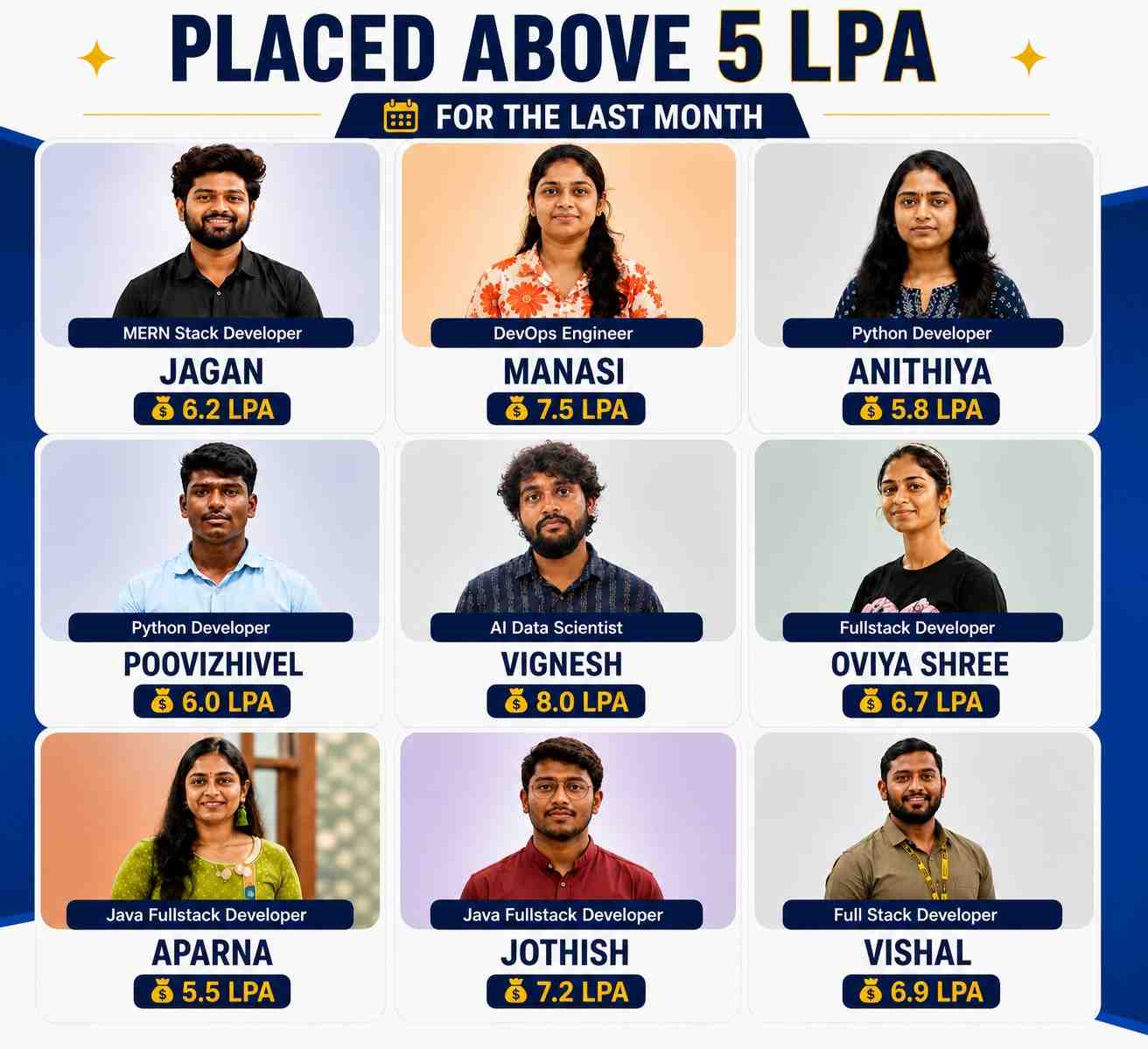
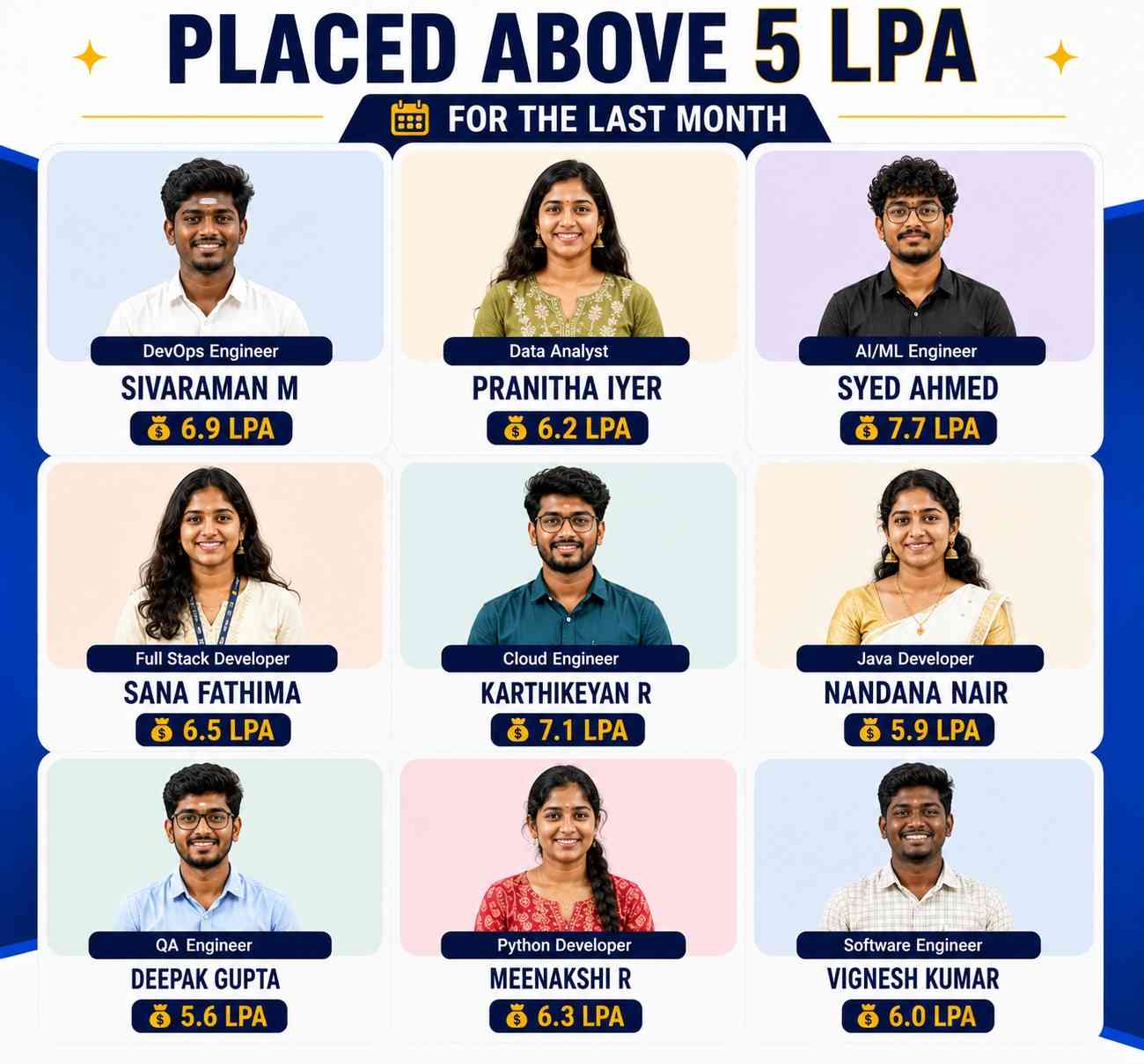
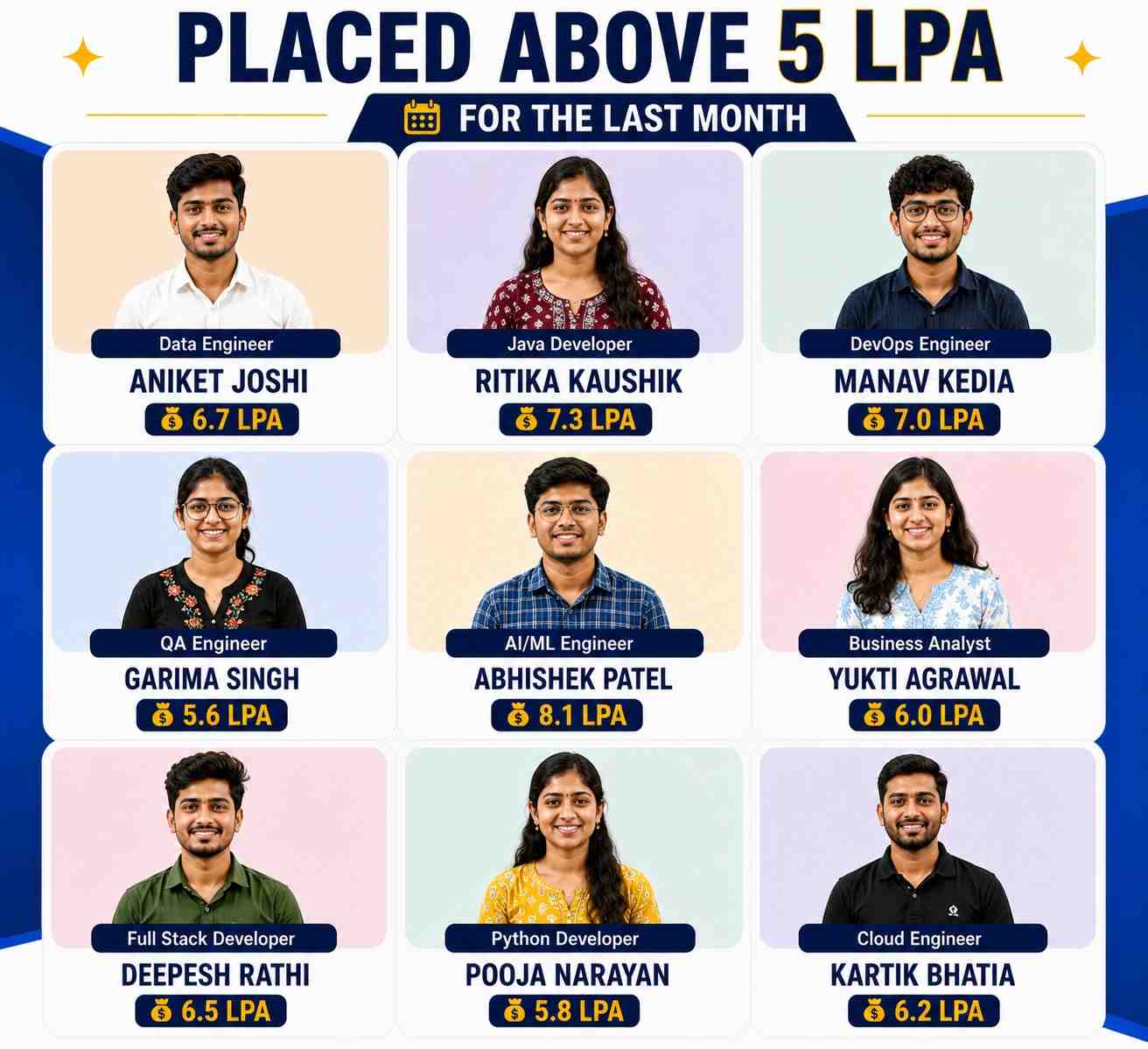
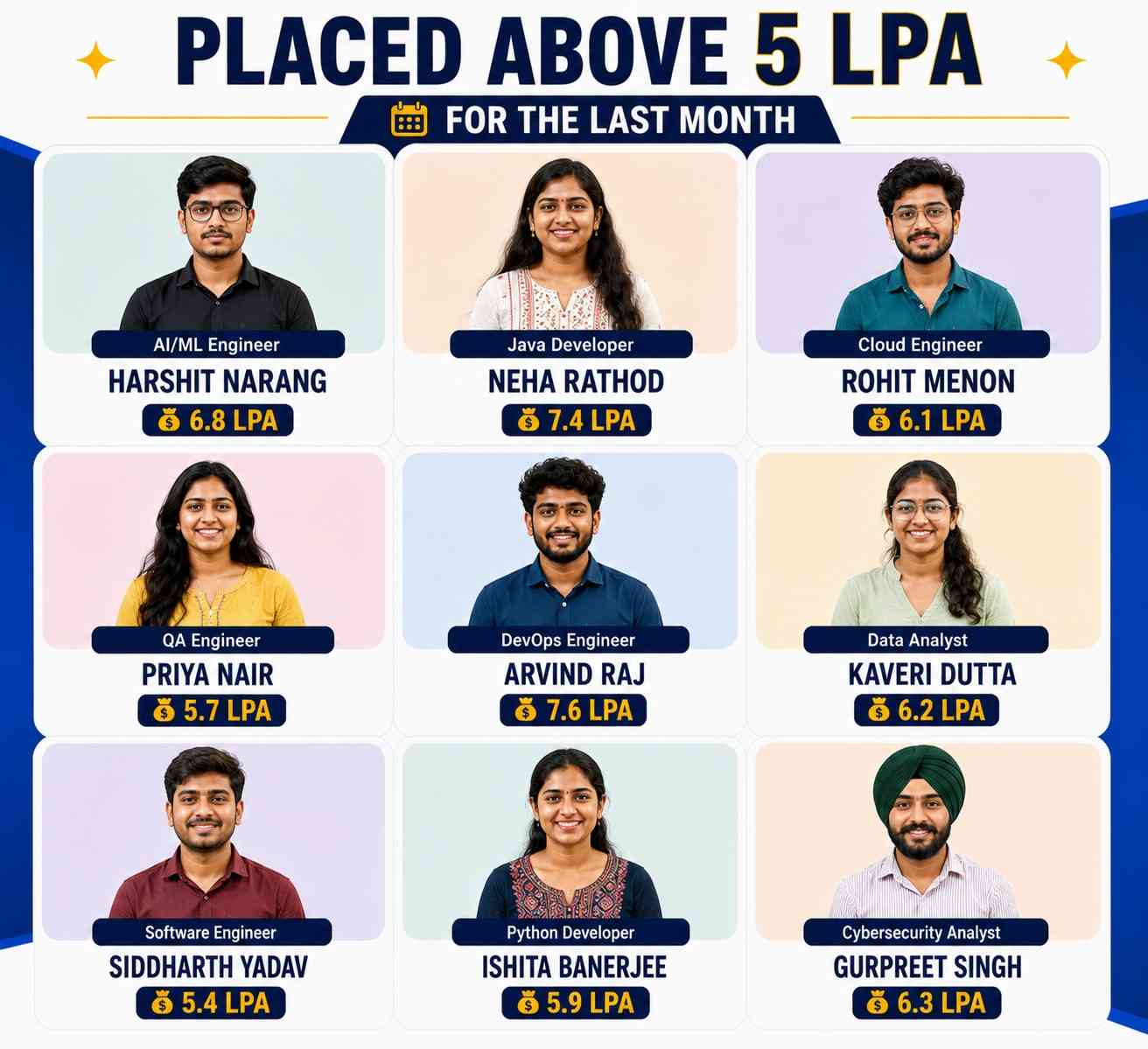
10762+

(Placed)
Freshers To IT

5786+

(Placed)
NON-IT TO IT

6457+

(Placed)
Career Gap

4222+

(Placed)
Less Then 60%

Our Hiring Partners

Overview of SAP ABAP Course in OMR

Our SAP ABAP Training in OMR delivers a comprehensive syllabus combining core coding fundamentals with advanced enterprise methodologies, empowering learners to attain exceptional technical expertise. Through immersive labs and realistic industry scenarios, students master critical ABAP pillars such as the Data Dictionary, Reports, Module Pool design, Enhancements, Forms, and Object-Oriented paradigms. This program prepares you to design, customize, and fine-tune SAP solutions to meet unique business requirements. It strengthens your capability to deliver resilient, scalable programs within corporate SAP landscapes while creating pathways to roles such as SAP ABAP Developer, Technical Consultant, and Software Engineer. Industry-recognized credentials authenticate your expertise and unlock gateway access to global IT careers.

What You'll Learn From SAP ABAP Training in OMR

SAP ABAP Classes in OMR are meticulously crafted to support fresh graduates and dedicated professionals seeking a strong, comprehensive base in enterprise coding and software engineering within modern SAP environments and digital corporate ecosystems.

Participants gain rigorous, hands-on, and practical exposure to core ABAP areas covering Data Dictionary, Reports, Enhancements, Smart Forms, and Object-Oriented frameworks to cultivate dependable real-world competence and professional readiness.

Explore essential enterprise engineering pillars including Data Dictionary, Reports, Module Pool programming, Enhancements, and OOP while deeply understanding execution logic, sophisticated system debugging, and critical performance tuning practices.

The structured curriculum features engaging interactive workshops, live enterprise ABAP development projects, and closely supervised practical assignments led by experienced corporate mentors with rich technical backgrounds and domain insights.

Upon finishing the course successfully, graduates can proficiently architect, build, and modify custom SAP applications for complex operational demands while earning a respected professional certification that validates their proficiency and accelerates career growth.

This dynamic learning track thoroughly equips participants for high-demand, rewarding careers in SAP ABAP Development, Technical Consulting, S/4HANA migrations, Fiori UI modifications, cloud-native extensions, and advanced software engineering.

Additional Info

Course Highlights

  • Embark on a thriving SAP ABAP career through expert practical instruction spanning basic scripting, user exits, and sophisticated Object-Oriented design techniques.
  • Receive comprehensive placement assistance offering direct pathways into job vacancies from companies actively scouting for certified, employment-ready ABAP specialists.
  • Join a vibrant educational community featuring over 11,000 learners successfully trained and placed via a reliable network of 350+ corporate partners.
  • Learn directly from veteran instructors possessing more than a decade of hands-on, operational SAP ABAP development and enterprise deployment experience.
  • Benefit from simplified study frameworks, practical project components, and continuous personalized career mentoring throughout your learning journey.
  • Select a budget-friendly learning roadmap featuring flexible scheduling options and complete placement backing, specifically structured for aspiring freshers.
  • Solidify your fundamental ABAP capabilities through industry-focused training modules engineered to render you confident for high-value programming positions.

Exploring the Benefits of SAP ABAP Training in Offline

  • Beginner-Friendly Learning: SAP ABAP focuses strongly on intuitive software design and structured scripting, rendering it highly accessible to beginners and career switchers. Its organized syntax, guided interactive labs, and clear illustrations demystify complex coding concepts for newcomers entering the IT sector.
  • Useful Across Multiple Industries: SAP ABAP is integrated smoothly across varied commercial sectors such as international manufacturing, IT services, retail networks, telecommunications, and supply chain logistics. This wide market adoption creates versatile, high-paying career paths for aspiring ABAP Developers and Technical Consultants.
  • Extensive Community and Resources: The broader enterprise SAP ecosystem offers remarkably rich learning materials via official Learning Hubs, active developer discussion forums, tutorials, live webinars, and detailed documentation. Regular platform enhancements and active peer networks allow experts to continuously refine their competencies.
  • Career Opportunities and Competitive Pay: Businesses heavily rely on skilled ABAP professionals to develop, modify, maintain, and upgrade crucial enterprise software tools. These advanced technical proficiencies grant direct access to diverse high-profile positions, steady career growth, and highly rewarding salary tiers.
  • Strong Problem-Solving and Development Skills: SAP ABAP enables modern developers to tackle intricate corporate challenges via automated reports, customized utilities, targeted enhancements, and deep performance optimizations, helping organizations streamline daily operational workflows with high efficiency.

Essential Tools for SAP ABAP Training in OMR

  • SAP ABAP Workbench: Master core ABAP programming modules like the Data Dictionary and advanced system debugging utilities for constructing customized, enterprise-grade SAP applications. Learn precise workspace navigation, safe object handling, and strict quality code standards.
  • Development and Configuration Tools: Obtain practical, hands-on insights into transaction codes like SE80, SE38, SE11, and enhancement frameworks used to write, modify, and polish SAP code to match rigorous enterprise standards. Learn object-oriented programming, modular layouts, and system configurations.
  • Reporting and Forms: Build sophisticated ALV Reports, Smart Forms, and traditional SAP Scripts to generate dynamic reports and structured business documentation. Learn comprehensive layout design, high-volume data management, and precise output generation like corporate financial invoices.
  • Integration Tools: Link complex ABAP systems with primary functional modules like MM and SD for smooth data exchanges, end-to-end automation, and cross-functional enterprise workflows. Explore technologies like BAPIs, RFCs, IDocs, and APIs to connect SAP environments externally.
  • Practical Development and Real-Time Projects: Practice creating sophisticated reports, technical interfaces, enhancements, and custom forms through live project assignments and realistic business scenarios. Navigate complex debugging challenges and performance bottlenecks to ensure total technical readiness.

Top Modules Every SAP ABAP Professional Should Know

  • ABAP Fundamentals: Master essential ABAP programming principles including complex data declarations, internal tables, loop controls, and modularization structures. Form a solid, dependable baseline to build high-speed, scalable applications before progressing to advanced concepts.
  • Reports and Module Pool Programming: Learn to build classical and interactive reporting solutions alongside module pool routines for dynamic screen creation. Gain practical mastery over interface flow control, user navigation, and structured data presentation.
  • Data Dictionary and Enhancements: Explore Data Dictionary database tables, transparent views, and extension architectures like user exits and BADIs. Learn how to expand standard system functionalities safely to align with fluid and demanding business rules.
  • Forms and Interfaces: Gain thorough, end-to-end understanding of Smart Forms, SAP Scripts, and integration interfaces used for official document generation and seamless data migration. Produce professional layouts and dependable cross-platform connections.
  • Object-Oriented ABAP and Performance Optimization: Develop deep proficiency in Object-Oriented ABAP design principles and advanced performance tuning strategies. Learn to author clean, reusable scripts, accelerate runtime execution speeds, and organize robust enterprise applications.

Must-Have Skills You Will Gain in SAP ABAP Training in OMR

  • ABAP Programming Fundamentals: Cultivate a clear grasp of data types, internal tables, loops, and modularization techniques. Gain practical confidence in writing, debugging, and refining custom programs while heavily improving overall execution speed.
  • Advanced Development and Customization: Obtain comprehensive hands-on exposure to reports, module pool architectures, complex enhancements, and custom forms. Learn to adapt standard system features and construct tailored code solutions for unique, challenging business use cases.
  • Real-Time SAP ABAP Projects: Participate actively in realistic enterprise assignments involving report creation, complex interface design, and functional modifications. Secure vital project exposure to handle demanding enterprise environments and apply skills in real workplaces.
  • Debugging and Performance Optimization: Master structured code reviews, systemic debugging workflows, and advanced performance analysis practices. Build specialized expertise to detect software bugs, minimize server resource utilization, and stabilize enterprise application processes.
Show More

Upcoming Batches For Classroom and Online

Weekdays
21 - Sep - 2026
08:00 AM & 10:00 AM
Weekdays
23 - Sep- 2026
08:00 AM & 10:00 AM
Weekends
26 - Sep - 2026
(10:00 AM - 01:30 PM)
Weekends
27 - Sep - 2026
(09:00 AM - 02:00 PM)
Can't find a batch you were looking for?
INR ₹16500
INR ₹36000

OFF Expires in

Who Should Take a SAP ABAP Certification Training

IT Professionals

Non-IT Career Switchers

Fresh Graduates

Working Professionals

Diploma Holders

Professionals from Other Fields

Salary Hike

Graduates with Less Than 60%

Show More

Job Roles For SAP ABAP Certification Course

SAP ABAP Developer

SAP ABAP Technical Consultant

SAP ABAP End User

ABAP Programmer

Report Developer

SAP Technical Analyst

SAP ABAP Support Consultant

ERP Technical Consultant

Show More

What’s included ?

Convenient learning format

📊 Free Aptitude and Technical Skills Training

  • Learn basic maths and logical thinking to solve problems easily.
  • Understand simple coding and technical concepts step by step.
  • Get ready for exams and interviews with regular practice.
Dedicated career services

🛠️ Hands-On Projects

  • Work on real-time projects to apply what you learn.
  • Build mini apps and tools daily to enhance your coding skills.
  • Gain practical experience just like in real jobs.
Learn from the best

🧠 Launch Your Career in Top MNC Companies

  • Master technical and HR interview rounds.
  • Gain confidence with expert mock interview practice.
  • Improve your chances of getting hired faster.
Learn from the best

🎯 Interview Preparation For Freshers

  • Practice company-based interview questions.
  • Take online assessment tests to crack interviews
  • Practice confidently with real-world interview and project-based questions.
Learn from the best

🧪 LMS Self Learning Platform

  • Explore expert trainer videos and documents to boost your learning.
  • Study anytime with on-demand videos and detailed documents.
  • Top MNC interview questions & self coding practice.

SAP FICO Course Syllabus

  • 🏫 Classroom Training
  • 💻 Online Training
  • 🚫 No Pre Request (Any Vertical)
  • 🏭 Industrial Expert

Participating in our SAP ABAP Training in OMR equips learners with critical technical proficiencies needed for high-paying corporate programming careers, perfectly matched to individual vocational goals. This curriculum unlocks competitive technical roles across leading international organizations and prominent digital ecosystems, offering direct exposure to contemporary cloud environments and advanced enterprise platforms. Through flexible study timetables, attendees conquer specialized domains like interactive analytics, data dictionary architecture, screen design, and Object-Oriented programming, while forming a solid foundation in building, modifying, and refining enterprise software solutions.

  • Essential SAP ABAP Fundamentals: Master syntax baselines, clean coding rules, and core SAP technical principles while establishing a rock-solid foundation.
  • Development & Object Management: Construct custom programs, maintain database dictionary structures, and uphold strict code quality standards.
  • Implementation & Business Solutions: Design interactive reporting tools, transaction dialogs, and system enhancements to streamline daily enterprise workflows.
  • Debugging & Performance Optimization: Utilize the ABAP Workbench, advanced tracing utilities, and tuning methods to achieve maximum execution speed.
Introduction to SAP ABAP
Core SAP ABAP Fundamentals
Advanced ABAP Development
Programming & Execution
System Integration & Enhancements
Reporting & Code Debugging
Practical Projects & Scenarios

This section delivers a comprehensive introduction to SAP ABAP:

  • Importance of SAP ABAP: Assess organizational impact, worldwide expansion patterns, and the commercial value of SAP software across major industries.
  • Core Concepts: Comprehend database dictionaries, internal table architectures, and object-oriented syntax to establish strong technical baselines.
  • Key Platforms: Investigate contemporary SAP S/4HANA setups and the ABAP Workbench toolkit capabilities for modern enterprise computing platforms.
  • Career Paths: Uncover diverse vocational roles such as ABAP engineers and software support specialists to chart your professional trajectory.

This segment explores primary SAP ABAP functions and characteristics:

  • Program Creation: Build classical reports, user display screens, and crucial business applications to fulfill routine enterprise operational requirements seamlessly.
  • Data Dictionary Management: Organize corporate information by setting up custom database tables and data domains to ensure absolute data accuracy.
  • Customization Techniques: Implement customer user exits and script modifications to align standard SAP workflows with distinct client procedural guidelines.
  • Reporting & Troubleshooting: Construct analytical layout designs and launch debugging utilities to rapidly isolate and resolve technical bugs.

Learn how to expertly configure and manage SAP ABAP development environments:

  • Development Interface: Traverse the ABAP Workbench, transaction codes SE80, SE38, and core programmer utilities to maximize everyday coding efficiency.
  • Automation Strategies: Build modular, reusable code units, functional blocks, and streamlined alterations to expedite feature release schedules.
  • Security & Access Controls: Administer system permission authorizations, user profile assignments, and secure scripting rules to safeguard corporate resources.
  • Performance Tracking: Observe software execution rates, track runtime errors, and streamline looping logic to guarantee frictionless system productivity.

This unit provides hands-on instruction for SAP ABAP implementation and construction:

  • Solution Creation: Architect customized reporting scripts, data interchange interfaces, and targeted program adaptations according to exact client specs.
  • UI & Application Components: Develop user-friendly interfaces via SAP Fiori apps and screen layouts to guarantee a smooth user journey.
  • Logic Implementation: Execute intricate business policies, batch processing routines, and tailored corporate workflows across demanding system landscapes.
  • Testing & Rollout: Validate runtime outcomes, inspect script behavior, and confirm optimal application stability prior to pushing updates to live environments.

Discover how to link and expand SAP ABAP applications effortlessly:

  • Module Integration: Connect your custom ABAP procedures with primary functional SAP layers like Materials Management (MM) and Sales & Distribution (SD).
  • Modification Practices: Apply user exits and BADIs to adapt baseline standard operational routines without disturbing foundational system architecture.
  • External Connectivity: Bridge SAP platforms with external third-party software using BAPIs, RFCs, and IDocs for secure cross-system data transfer.
  • Workflow Streamlining: Deploy rigid programming structures and object-oriented patterns to boost long-term software maintainability and efficiency.

Master performance tracking and enhancement methods for SAP ABAP applications:

  • Monitoring Utilities: Leverage runtime execution traces, system logs, and code analysis tools to audit software activity and spot processing delays.
  • Performance Analytics: Tune SQL statements and apply profiling processes to reduce database server load and elevate overall processing speed.
  • Quality Standards: Examine script execution quality, error-handling resilience, and compliance with enterprise clean-code frameworks for reliable builds.
  • Database Handling: Administer data dictionary objects, table maintenance views, and organized data structures to protect long-term information integrity.

Apply your SAP ABAP skills directly through real-world commercial scenarios:

  • Project Planning: Translate abstract business demands into structured technical blueprints and milestone delivery timelines for systematic project execution.
  • Practical Assignments: Complete hands-on development exercises featuring custom reports and dynamic smart forms to build true career confidence.
  • Code Reviews: Audit structural health, resolve execution bottlenecks, and refine application logic based on experienced technical mentorship feedback.
  • Capstone Delivery: Build comprehensive end-to-end enterprise SAP applications covering full system design, custom development, and optimization phases.

🎁 Free Addon Programs

Aptitude, Spoken English

🎯 Our Placement Activities

Daily Task, Soft Skills, Projects, Group Discussions, Resume Preparation, Mock Interview

Master SAP ABAP Practically Through Live Projects

Placement Support Overview

Trending Job Openings for SAP ABAP in OMR

SAP S/4HANA Public Cloud ABAP Extensibility Consultant

Company Code : OMR911

OMR, Chennai

₹45,000 – ₹75,000 a month

B.E / B.Tech / MCA

Exp 2-4 yrs

  • Hiring specialists on OMR to design cloud-compliant side-by-side extensions using Developer Extensibility and clean core methodologies.
  • Easy Apply

    ABAP RESTful Application Programming (RAP) Specialist

    Company Code : OMR822

    OMR, Chennai

    ₹50,000 – ₹85,000 a month

    B.Tech / M.Sc / MCA

    Exp 3-5 yrs

  • Build modern enterprise RESTful APIs, behavior definitions, and projection views using the RAP framework for IT tech parks along OMR.
  • Easy Apply

    SAP Core Data Services (CDS) View Architect

    Company Code : OMR733

    OMR, Chennai

    ₹55,000 – ₹90,000 a month

    Any Engineering Degree

    Exp 4-6 yrs

  • Lead performance tuning and build advanced virtual data models, table functions, and analytical queries utilizing SAP HANA database optimization.
  • Easy Apply

    SAP ABAP on HANA Migration & Code Remediation Lead

    Company Code : OMR644

    OMR, Chennai

    ₹60,000 – ₹95,000 a month

    B.Tech / MCA

    Exp 5-8 yrs

  • Direct system conversion projects, resolve custom code syntax inconsistencies, and execute ATC code checks for S/4HANA migration initiatives.
  • Easy Apply

    SAP BTP ABAP Environment Developer

    Company Code : OMR555

    OMR, Chennai

    ₹40,000 – ₹70,000 a month

    Any Degree

    Exp 2-4 yrs

  • Create standalone cloud applications, service integrations, and secure business logic on the SAP Business Technology Platform (Steampunk).
  • Easy Apply

    SAP Advanced Web Dynpro & Floorplan Manager Expert

    Company Code : OMR466

    OMR, Chennai

    ₹35,000 – ₹60,000 a month

    B.E / B.Tech

    Exp 2-5 yrs

  • Manage customized floorplan manager configurations, component configurations, and advanced browser-based corporate user interfaces.
  • Easy Apply

    SAP CPI-A & ABAP Integration Consultant

    Company Code : OMR377

    OMR, Chennai

    ₹48,000 – ₹80,000 a month

    Any Degree

    Exp 3-6 yrs

  • Coordinate multi-system data flows, establish enterprise message mapping, and link legacy environments with modern cloud microservices.
  • Easy Apply

    Junior SAP ABAP Automation & Testing Engineer

    Company Code : OMR288

    OMR, Chennai

    ₹25,000 – ₹42,000 a month

    B.E / B.Tech / BCA

    Exp 0-2 yrs

  • Automate testing procedures using ABAP Unit testing frameworks, code coverage tools, and regression tracking scripts for faster delivery cycles.
  • Easy Apply

    Highlights for SAP ABAP Internship in OMR

    Live Industrial Assignments

    • 1. Gain immersive, tactical exposure by directly deploying enterprise ABAP logic blocks, designing custom database relations, and building automated data feeds.
    • 2. Solve complex software engineering challenges using advanced debugging utilities, tracing dashboards, and performance tuning workflows.
    Book Session

    Advanced Tech Masterclasses

    • 1. Take part in engaging technical bootcamps centred around SAP S/4HANA cloud development and RESTful Application Programming (RAP).
    • 2. Learn straight from seasoned OMR tech park experts through hands-on labs covering Object-Oriented ALV grids, user exits, and API integrations.
    Book Session

    Learner Support & Ecosystem

    • 1. Profit from adaptable learning slots, a vibrant collaborative incubation hub, and constant mentoring support right through your internship term.
    • 2. Experience an encouraging, friction-free innovation culture engineered to foster optimal career growth and long-term professional wellness.
    Book Session

    Expert Mentorship & Collaborative Coding

    • 1. Receive direct, tailored guidance from veteran SAP enterprise solution architects to polish your coding competence and map out your career roadmap.
    • 2. Collaborate closely alongside peer developers on synchronized code modules and team-based workflows to emulate real-world corporate Agile software delivery cycles.
    Book Session

    Placement Preparation & Soft Skills

    • 1. Refine your corporate correspondence, stakeholder presentation talents, and structured workflow execution frameworks required for senior tech roles.
    • 2. Build absolute readiness for upcoming MNC interviews through rigorous simulated appraisal loops, resume structuring, and tactical technical drills.
    Book Session

    Credential & Recognition

    • 1. Secure an authentic, corporate-endorsed internship validation certificate testifying to your advanced SAP programming and integration expertise.
    • 2. Maximize your resume impact and marketability via verified completion documentation granted by our prominent OMR training facility.
    Book Session

    Sample Resume for SAP ABAP (Fresher)

    • 1. Clean and Professional Resume Format

      – Use a well-structured layout with sections like summary, SAP ABAP technical skills, certifications, education, and project experience.

    • 2. Highlight Your SAP ABAP Skills

      – Showcase skills such as ABAP Reports (Classical & ALV), Data Dictionary, Module Pool Programming, Enhancements, BAPIs, IDocs, SmartForms/Adobe Forms, and Debugging.

    • 3. Projects and Practical Experience

      – Include 1–2 SAP ABAP projects with brief descriptions, tools/techniques used, and key outcomes or functionalities developed.

    Top SAP ABAP Trending Interview Questions and Answers (2026 OMR Guide)

    Ans:

    ABAP Cloud uses public released APIs, cloud-compliant syntax restrictions, and the ABAP RESTful Application Programming (RAP) framework to create upgrade-safe side-by-side extensions. Software specialists along OMR deploy these paradigms to guarantee smooth connectivity with SAP BTP while keeping the standard core untouched.

    Ans:

    • Managed Scenario: The framework handles standard database tasks (create, modify, remove) and transactional sync automatically, minimizing extra boilerplate programming.
    • Unmanaged Scenario: The engineer writes manual behavior pool code to connect with historical function groups or legacy program layers.
    • Both models offer strong infrastructure for creating cloud-ready Fiori screens and next-gen service interfaces.

    Ans:

    Engineers build underlying CDS views, specify behavior rules, encapsulate them into a service definition, and publish the bundle via a service binding. This automatically yields high-speed OData v4 endpoints ready for client application consumption.

    Ans:

    • Push data-heavy calculations down to the database tier utilizing CDS views or AMDP procedures.
    • Steer clear of outdated statements like SELECT * and query only mandatory attributes.
    • Leverage modern internal table expressions, table buffering, and swift hash-based access to cut down execution delay.

    Ans:

    Transaction oversight depends on traditional LUW (Logical Unit of Work) rules, update function modules, and created lock objects (ENQUEUE/DEQUEUE). Within RAP models, locking actions are managed automatically through behavior definitions to avert concurrent data clashes.

    Ans:

    • They ensure custom scripts remain intact during major software upgrades or cloud transitions.
    • They prevent risky direct database table modifications by depending on standard extension spots and published objects.
    • They secure long-term durability and supportability for enterprise digital initiatives.

    Ans:

    IDoc configuration involves setting up partner profiles, port definitions, basic types, and extension structures. Tracking and debugging are handled using transactions like WE02, BD87, and SM58 to monitor data transmission paths and fix interface errors.

    Ans:

    BADIs are object-oriented enhancement facilities provided by SAP enabling developers to insert custom code safely into standard workflows. Multiple implementations can be established and filtered based on precise business conditions or company filters.

    Ans:

    ABAP Unit lets programmers compose automated white-box testing routines inside local test frameworks. It helps validate isolated code blocks, catch logic flaws early, and meet code coverage benchmarks prior to releasing transport requests.

    Ans:

    • Detect execution bottlenecks inside classical reporting programs.
    • Reconstruct data retrieval patterns using optimized Core Data Services (CDS) views featuring associations and annotations.
    • Refactor display outputs to feed contemporary ALV grid layouts or SAP Fiori analytical dashboards for enhanced user experiences.

    Latest SAP ABAP Company-Specific Interview Questions for OMR (2026)

    1. How would you explain Core Data Services (CDS) views to a functional business stakeholder?

    Ans:

    Advanced CDS views serve as the architectural foundation for rapid data modeling within SAP S/4HANA environments. By pushing heavy computational tasks directly to the underlying database engine, they cut down data redundancy and optimize corporate reporting pipelines.

    2. What fundamental technical shifts should an ABAP specialist understand regarding ECC to S/4HANA conversions?

    Ans:

    Developers must grasp contemporary S/4HANA structures, the ABAP RESTful Application Programming Model (RAP), ABAP Cloud paradigms, legacy code remediation, Fiori user experience integration, and embedded analytics framework components.

    3. How do you approach the technical evaluation of a custom software requirement submitted by a client?

    Ans:

    I examine the underlying operational workflow and the primary business objective first. Next, I review available standard SAP tools and released APIs, check configuration dependencies, and estimate the testing and deployment footprint before finalizing the proposal.

    4. What does the clean-core strategy imply for modern S/4HANA software implementations?

    Ans:

    A clean core involves keeping standard SAP software untouched by invasive modifications, opting instead for upgrade-safe, cloud-compliant extensions built side-by-side. This practice minimizes technical overhead and simplifies future software transitions.

    5. In what ways do SAP Fiori interfaces improve day-to-day user interactions?

    Ans:

    SAP Fiori delivers responsive, task-oriented applications that empower users to oversee real-time data flows and review analytical metrics through clean designs, enabled via underlying OData services and UI annotations.

    6. What troubleshooting sequence do you follow when resolving a production runtime short dump?

    Ans:

    I inspect the short dump via transaction ST22 to pinpoint the error description, flawed command string, and execution stack trace. Following that, I look into related data tables, source code logic, locks, and permission parameters to apply a permanent fix.

    7. Why is testing automation becoming vital in enterprise SAP ABAP engineering?

    Ans:

    Automation cuts down repetitive manual overhead such as routine code inspections, unit testing, transport deployment, and regression checks, driving efficiency while preserving rigorous quality standards.

    8. How do you validate an end-to-end custom development scenario in SAP?

    Ans:

    I establish a clear test plan, confirm necessary master records and custom configurations, run the complete software process, cross-examine database transactions, and match output logs with target values to verify correctness.

    9. Which performance monitoring tools are indispensable for S/4HANA ABAP developers?

    Ans:

    Key utilities include SQL trace (ST05), runtime analysis (SE30/SAT), Code Inspector checks, and the ABAP Test Cockpit (ATC), which help track execution times and system resource consumption.

    10. How do you handle scenarios where standard SAP functionality or public APIs fall short of requirements?

    Ans:

    I re-verify the operational need and explore secondary standard extension points or BAdIs. If custom coding is unavoidable, I build an upgrade-safe solution adhering strictly to clean-core protocols.


    1. How are Core Data Services (CDS) view extensions managed within SAP S/4HANA?

    Ans:

    CDS extensions enable engineers to append attributes or associations to standard or custom views without altering the source root view, ensuring complete upgrade stability and separating custom objects from core code.

    2. In what ways does the ABAP RESTful Application Programming Model (RAP) drive cloud transformation initiatives?

    Ans:

    RAP provides an integrated, standardized framework for designing enterprise-grade, cloud-optimized applications and OData services on SAP BTP and S/4HANA, unifying data definition, behavior logic, and service publication.

    3. How do you confirm system accuracy and data integrity following custom code migration tasks?

    Ans:

    I execute customized script checks, evaluate ATC reports, validate syntax adjustments, run ABAP Unit test suites, and match execution behaviors against expected technical parameters.

    4. What is the core purpose of ABAP Managed Database Procedures (AMDP) in HANA database tuning?

    Ans:

    AMDPs empower developers to draft database procedures natively using SQLScript inside global ABAP classes, perfect for data-intensive processing and complex computational logic.

    5. How do you diagnose a sluggish Open SQL query within a custom reporting transaction?

    Ans:

    I utilize the SQL Performance Trace (ST05) and ABAP Runtime Analysis (SAT) tools to pinpoint costly database calls, unindexed lookups, or internal table loops, refactoring them into optimized joins or CDS queries.

    6. What function does Entity Manipulation Language (EML) serve in ABAP RAP workflows?

    Ans:

    EML is an internal phrasing utility utilized inside behavior definitions to transactionally read, create, modify, and delete business object instances while maintaining strict consistency.

    7. How do you execute a thorough testing cycle for interface communications involving IDocs and APIs?

    Ans:

    I configure partner setups and ports, trigger inbound and outbound data flows, track message logs via transactions like WE02 or SM58, and audit field mappings for accuracy.

    8. Which code quality standards must be verified prior to releasing a transport request?

    Ans:

    I run comprehensive ABAP Test Cockpit (ATC) scans, check code inspector results, enforce naming conventions, clear redundant or dead code blocks, and review dependency sequences.

    9. How can generative AI tools and assistants aid day-to-day ABAP development tasks?

    Ans:

    AI assistants help formulate boilerplate syntax structures, evaluate error messages, suggest performance tweaks, and draft unit testing scripts, though human verification remains essential.

    10. How do you translate a complex architectural roadblock into clear terms for non-technical leadership?

    Ans:

    I frame the issue around business operational impact, system reliability, and user experience, outlining the root cause, proposed fix, and delivery schedule clearly.

    1. What role do ABAP Development Tools (ADT) in Eclipse play in modern development?

    Ans:

    ADT acts as the primary Eclipse-based integrated development environment for crafting cloud-ready ABAP code, CDS models, RAP applications, and side-by-side extensions, moving away from legacy SAP GUI editors.

    2. How does OData service publishing function across SAP Gateway and RAP architectures?

    Ans:

    OData services turn backend business functions into web-accessible REST APIs. Through RAP service bindings, developers can auto-publish models as OData v2 or v4 endpoints for Fiori or external consumption.

    3. How do you resolve structure mismatch errors in interface integrations between SAP and external systems?

    Ans:

    I cross-examine payload layouts, data definitions, and mandatory fields between source systems and SAP, repair transformation logic in proxies or IDocs, and retest data exchange.

    4. Why is object-oriented programming emphasized over procedural logic in modern ABAP projects?

    Ans:

    Object-oriented concepts like classes, inheritance, and interfaces foster modular design, reusability, and easier unit testing, cleanly isolating UI layers from database logic.

    5. How do you scale custom ALV reports for efficient handling of massive enterprise datasets?

    Ans:

    I optimize data selection using indexed fields or CDS views, avoid nested internal table loops, and use field symbols or reference variables to minimize memory consumption.

    6. What distinguishes classical procedural ABAP from object-oriented and cloud programming models?

    Ans:

    Procedural ABAP depends on function groups and global scopes with loose guidelines, whereas cloud and object-oriented ABAP enforce strict syntax constraints and restricted API sets for stability.

    7. What steps comprise a comprehensive code remediation plan for system migration projects?

    Ans:

    I run code worklists via transaction ATC/SCI, categorize syntax warnings, flag obsolete database components, prioritize custom objects, refactor scripts, and validate outcomes.

    8. Why are automated unit tests crucial during ongoing software enhancement cycles?

    Ans:

    Automated ABAP Unit testing lets developers verify isolated routines quickly during refactoring, catching regression issues early and keeping high code coverage metrics.

    9. How do you troubleshoot locked or failing transport requests inside the Transport Management System (STMS)?

    Ans:

    I review transport logs to find error codes or object locks, clear dependent user locks or buffer queues if necessary, and re-import requests in proper dependency order.

    10. Which technical proficiencies are essential for ABAP consultants handling cloud migrations?

    Ans:

    Critical competencies include ABAP Cloud mastery, CDS view architecture, RAP development, Open SQL optimization, ADT usage, and clean-core governance adherence.

    1. How does ABAP Cloud ensure long-term clean core compliance and upgrade safety?

    Ans:

    ABAP Cloud limits programmers to released public SAP APIs and cloud-compliant syntax rules, keeping custom logic isolated from standard layers and ensuring smooth S/4HANA upgrades.

    2. What role do artificial intelligence tools play in accelerating everyday ABAP development workflows?

    Ans:

    AI assistants help generate syntax patterns, draft documentation, explain legacy code blocks, and suggest refactoring strategies, boosting developer output while maintaining code reviews.

    3. What is Joule, and how can technical SAP development teams leverage its capabilities?

    Ans:

    Joule is SAP's generative AI assistant that enables natural language interaction with enterprise systems, helping developers lookup documentation, inspect system logs, and navigate tools faster.

    4. How do you inspect custom ABAP code snippets for performance flaws prior to production releases?

    Ans:

    I review database interaction patterns to confirm data pushdown via CDS views, check for nested loops over internal tables, verify binary search usage, and analyze SAT runtime traces.

    5. How do you investigate discrepancies between custom ALV report results and raw database records?

    Ans:

    I verify selection criteria, user authorization filters, internal table data manipulation steps, and dynamic runtime calculations, comparing processed records directly against table entries via SE16N.

    6. What is parallel processing in the context of ABAP background job optimization?

    Ans:

    Parallel processing involves segmenting large datasets into smaller subsets and executing them concurrently across multiple background work processes using asynchronous function calls to minimize runtime.

    7. How do you contribute to enterprise data migration initiatives using SAP migration utilities?

    Ans:

    I help build custom data conversion routines, write validation rules, configure SAP S/4HANA Migration Cockpit custom migration objects, reconcile extracted record counts, and resolve load errors.

    8. What security checks are vital when developing custom transactional ABAP programs?

    Ans:

    Essential security steps include explicit authorization object checks (`AUTHORITY-CHECK`), user role validation, parameter input sanitization against injections, and data masking compliance.

    9. How do custom enhancement spots and BAdIs facilitate safe modifications to standard SAP transactions?

    Ans:

    Enhancement spots provide predefined hook interfaces inside standard workflows where developers attach custom object-oriented code without modifying original SAP program source lines.

    10. How do you reconcile conflicting technical priorities between functional consultants and development leads?

    Ans:

    I evaluate functional specifications against technical feasibility, system performance, and clean-core rules, guiding alignment meetings toward standard-compliant, maintainable solutions.

    1. What does SAP Business AI signify for modern ABAP development ecosystems?

    Ans:

    SAP Business AI embeds intelligence directly into enterprise software, allowing developers to construct automated workflows, predictive data models, and smarter user interfaces securely.

    2. What differentiates traditional custom coding approaches from clean-core compliant ABAP extensions?

    Ans:

    Traditional methods often involved modifying standard SAP objects or direct database updates, causing upgrade friction. Clean-core extensions rely solely on public APIs and cloud architecture on SAP BTP.

    3. How do you design an ABAP extension framework for multi-entity global enterprises?

    Ans:

    I analyze multi-region compliance rules, localization laws, currency structures, and organizational reporting hierarchies, designing modular ABAP classes and secure OData services accordingly.

    4. What troubleshooting steps do you take when facing activation failures in complex CDS views?

    Ans:

    I inspect ADT activation logs and error outputs, verify field annotations, check association cardinalities, validate foreign key mappings to database tables, and test SQL clauses independently.

    5. What is SAP Document and Reporting Compliance, and how do ABAP developers support it?

    Ans:

    It manages electronic invoicing and statutory tax reporting mandates across countries. ABAP developers configure e-document frameworks, custom mapping structures, and XML/JSON interface payloads.

    6. How do you optimize an inefficient custom batch data processing or database update program?

    Ans:

    I refactor row-by-row table changes into bulk operations (`MODIFY ZTABLE FROM TABLE`), implement parallel processing pipelines for large datasets, and eliminate redundant database queries.

    7. Which system metrics do you monitor to evaluate custom ABAP application performance?

    Ans:

    Key metrics include execution runtimes (SAT/ST05), short dump frequencies (ST22), transport error counts (STMS), ATC code quality violations, background job logs (SM37), and database table growth.

    8. How does ABAP integrate with external cloud platforms via RESTful web services?

    Ans:

    ABAP utilizes the HTTP client framework (`CL_HTTP_CLIENT`), REST library classes, and communication arrangements to consume and expose secure web services, ensuring cloud interoperability.

    9. What rigorous verification checks precede the promotion of custom code to production environments?

    Ans:

    I confirm successful ATC quality scans, unit test coverage metrics, integration test sign-offs, transport dependency sequences, proper authorization object settings, and formal change approvals.

    10. Which core SAP ABAP skills are most crucial for securing S/4HANA roles in OMR technology hubs?

    Ans:

    • Strong command of Object-Oriented ABAP and modern Open SQL syntax
    • Advanced expertise in Core Data Services (CDS) views and AMDP writing
    • Practical proficiency in the ABAP RESTful Application Programming Model (RAP)
    • Expertise in building and consuming OData v2/v4 service endpoints
    • Working knowledge of ABAP Cloud and clean-core development principles
    • Integration experience with IDocs, Enterprise Services, and REST APIs
    • Performance tuning and code profiling proficiency (SAT, ST05, ATC)
    • Familiarity with Eclipse-based ADT and Fiori UI extension frameworks
    • Commitment to automated unit testing and quality assurance routines
    • Strong analytical problem-solving and professional communication skills

    Important Disclaimer:

    Kindly note that the information provided below is meant strictly for guidance and reference purposes. We do not maintain any formal agreements, official business ties, or partnerships with any of the paying guest accommodations listed.

    Women's PG Stay

      OMR Thoraipakkam
    • Akshaya Ladies Hostel : 90031 98767
    • Ananya Women's PG : 73389 19836
    • OMR Sholinganallur
    • Vasantham Ladies Hostel : 98401 23456
    • Safe Haven Women's PG : 97112 34567
    • Perungudi OMR
    • Green Park Ladies PG : 94441 56789
    • Navallur OMR
    • Elite Women's Hostel : 91234 56789
    • Siruseri OMR
    • Royal Palm Ladies PG : 99400 12345

    Men's PG Stay

      OMR Thoraipakkam
    • Sri Balaji Men's PG : 88259 71908
    • Royal Mens Hostel : 89255 15888
    • OMR Sholinganallur
    • Classic Boys Hostel : 96001 23456
    • Executive Men's PG : 95001 23456
    • Perungudi OMR
    • Stayspace Boys PG : 98402 34567
    • Navallur OMR
    • Techie Men's Hostel : 97890 12345
    • Siruseri OMR
    • Cyber City Men's PG : 98844 55667

    Top SAP ABAP Job Opportunities for Freshers in OMR

    • 1. SAP ABAP Positions Across OMR IT Parks, Software Companies, and Consulting Firms
    • 2. Entry-Level ABAP Vacancies Through Campus Recruitment and Off-Campus Hiring Drives
    • 3. Internship Opportunities That Can Lead to Full-Time SAP ABAP Careers in Chennai
    • 4. Search Through Leading Job Portals and Career Platforms for ABAP Vacancies in OMR
    • 5. Key Technical Skills Required to Start a Career as an SAP ABAP Developer in 2026

    SAP ABAP Training Offered Classroom (Chennai & Bangalore) and Online.

    No Coding
    8 Lakhs+ CTC
    No Work Pressure
    WFH Jobs (Remote)

    Why SAP ABAP is the Ultimate Career Choice

    High Demand

    Companies prefer multi-skilled professionals who can handle entire project cycles.

    Global Opportunities

    Open doors to remote and international job markets.

    High Salary

    Enjoy competitive salaries and rapid career advancement.

    Flexible Career Path

    Explore roles such as developer, architect, freelancer, or entrepreneur.

    Future-Proof Career

    Stay relevant with skills that are consistently in demand in the evolving tech landscape.

    Versatility Across Industries

    Work in various domains like e-commerce, healthcare, finance, and more.

    Career Support

    Placement Assistance

    Exclusive access to ACTE Job portal

    Mock Interview Preparation

    1 on 1 Career Mentoring Sessions

    Career Oriented Sessions

    Resume & LinkedIn Profile Building

    Build Advanced SAP ABAP & S/4HANA Certification Skills in OMR

    Strengthen your professional profile with certification-focused SAP ABAP and S/4HANA training designed for modern enterprise development environments. Build practical expertise in ABAP programming, application extensions, business processes, and cloud-ready development while preparing for technical opportunities across OMR and Chennai's growing technology corridor. Explore advanced concepts including the RESTful ABAP Programming Model (RAP), Core Data Services (CDS), and SAP Business Technology Platform (BTP).

    SAP ABAP Certification OMR
    • SAP ABAP Developer Certification with Cloud and S/4HANA Focus
    • SAP ABAP Technical Consultant and BTP Extension Concepts
    • CDS View Development and AMDP Performance Optimization
    • RAP Application Development and SAP Fiori Integration
    • Advanced SAP Technical Development and Enterprise Architecture Pathway

    SAP ABAP certification can provide formal evidence of your knowledge in SAP development and support your professional profile when applying for relevant technical positions. Combined with hands-on project work, placement guidance, resume assistance, and interview preparation, the training can help candidates prepare more effectively for ABAP and S/4HANA opportunities in OMR and the wider Chennai technology market.

    Course duration varies according to the selected learning schedule and coverage. Weekday and weekend training options can be structured across approximately 6 to 12 weeks, providing time to practice core ABAP programming, S/4HANA development concepts, advanced frameworks, project activities, and certification preparation.

    • Formal recognition of your SAP ABAP development knowledge
    • Better preparation for technical roles involving SAP and S/4HANA environments
    • Greater confidence when working on application modernization and cloud-related projects
    • Stronger professional presentation through certification and project-based learning
    • Practical exposure to business-driven SAP development and optimization requirements
    • Instructor-led SAP ABAP sessions conducted for learners in the OMR technology corridor
    • Hands-on coding practice, debugging activities, and application performance exercises
    • Practice assessments designed to reinforce important SAP ABAP and S/4HANA concepts
    • Portfolio creation through simulated enterprise development assignments and project workflows
    • Career mentoring, resume refinement, technical interview preparation, and placement-oriented guidance

    Complete Your Course

    A Downloadable Certificate in PDF Format, Immediately Available to You When You Complete Your SAP ABAP Course

    Get Certified

    A Physical Version of Your Officially Branded and Security-Marked SAP ABAP Certificate.

    Get Certified

    Lowest SAP ABAP Course Fees

    Affordable, Quality Training for Freshers to Launch IT Careers & Land Top Placements.

    Call Course Advisor

    FAQ

    1. What Will I Learn During SAP ABAP Course in OMR?

    The training can introduce ABAP syntax, Data Dictionary objects, internal tables, Open SQL, reports, modularization techniques, debugging, ALV, object-oriented programming, enhancements, forms, and practical development activities used in SAP projects.
    Yes. Learners can study important Data Dictionary components such as transparent tables, structures, data elements, domains, views, search helps, and other objects used for organizing and managing business data within SAP systems.
    Modern ABAP learning can include classes, objects, methods, interfaces, inheritance, polymorphism, and other object-oriented concepts that help developers create modular and reusable enterprise applications.
    Depending on the curriculum, practical sessions may include classical reports, interactive reports, ALV-based outputs, selection screens, data retrieval, formatting, filtering, and other reporting tasks commonly encountered in SAP development.
    Advanced training may introduce technologies such as CDS views, AMDP, RAP, OData services, ABAP Cloud, SAP S/4HANA development, and clean-core concepts, depending on the selected learning track and course syllabus.
    Graduates and professionals from computer science, information technology, engineering, software development, and related backgrounds can consider SAP ABAP training. Candidates from other disciplines with an interest in programming may also explore the course requirements.
    Yes. Previous SAP experience is not always necessary for beginners. A structured learning path can start with programming fundamentals and gradually introduce SAP architecture, ABAP development, database operations, reports, debugging, and advanced concepts.
    Students and recent graduates who are interested in enterprise application development can learn ABAP. Building a foundation in programming, SQL, problem-solving, and practical SAP assignments can support their technical learning journey.
    Familiarity with programming logic, relational databases, SQL, algorithms, debugging, and basic software development practices can make the learning process easier. However, learners can develop these skills progressively during structured training.
    Professionals with experience in programming, databases, testing, application support, or related IT functions can explore ABAP as a technical specialization. Their existing development knowledge may help them understand SAP programming concepts more efficiently.

    1. Which Job Roles Can SAP ABAP Skills Support?

    Depending on qualifications and experience, candidates can explore positions involving SAP ABAP development, technical consulting, application support, maintenance, implementation, testing, report development, integration, and enterprise application work.

    2. How Can SAP ABAP Projects Strengthen a Candidate's Portfolio?

    Project work allows learners to demonstrate how they apply ABAP programming to practical requirements. Assignments involving reports, database operations, debugging, enhancements, interfaces, or business processes can provide useful examples for a technical portfolio.

    3. Which Technical Areas Should I Prepare for an ABAP Interview?

    Interview preparation can include ABAP syntax, internal tables, Data Dictionary, Open SQL, modularization, debugging, ALV, object-oriented programming, performance tuning, enhancements, interfaces, and practical problem-solving scenarios.

    4. Can ABAP Training Help With SAP S/4HANA Development Skills?

    An advanced curriculum can introduce S/4HANA-oriented development concepts such as CDS views, optimized Open SQL, AMDP, RAP, OData services, ABAP Cloud, and modern development practices. Coverage depends on the specific training program.

    5. What Can Freshers Highlight After Completing SAP ABAP Certification Course?

    Freshers can highlight their ABAP programming knowledge, practical assignments, SAP development projects, Open SQL skills, debugging experience, reporting knowledge, certifications or training credentials, and familiarity with relevant modern SAP technologies.
    Depending on the institute and course package, learners may receive certification-focused revision, practice assessments, technical discussions, exam-oriented exercises, and guidance about relevant SAP certification pathways.
    Preparation should be aligned with the selected certification syllabus. Important areas may include ABAP programming, development tools, data modeling, database access, object-oriented concepts, application development, and other technologies specified in the applicable examination objectives.
    Practical coding can reinforce theoretical concepts by giving learners opportunities to work with ABAP syntax, database access, debugging, reports, application logic, and development tools instead of relying entirely on memorization.
    A relevant SAP certification can document knowledge of specific SAP technologies and complement existing IT experience. Its value can be strengthened through practical development experience, project exposure, and skills aligned with the target role.
    Add the relevant certification credential along with your ABAP technologies, project experience, programming capabilities, SAP development exposure, educational qualifications, and other technical skills to present your background clearly.

    1. What Factors Influence SAP ABAP Course Fees in OMR?

    Course pricing may depend on training duration, syllabus depth, trainer expertise, practical sessions, SAP system access, project work, study materials, assessments, certification preparation, and additional career support services.

    2. Are Flexible SAP ABAP Training Schedules Offered in OMR?

    Scheduling options vary between institutes. Depending on availability, learners may find weekday, weekend, evening, online, classroom, or flexible sessions designed for students and working professionals.

    3. What Is Usually Included in an SAP ABAP Training Package?

    Course inclusions depend on the provider and selected package. Learners should confirm whether the fee covers instructor-led sessions, SAP system access, practical exercises, assignments, projects, learning materials, assessments, certification guidance, and career support.

    4. What Should I Check Before Enrolling in an OMR SAP ABAP Internship Course?

    Review the course syllabus, trainer background, practical learning approach, SAP access, project assignments, class schedule, duration, learning resources, certification support, interview preparation, and any placement-related services before enrolling.

    5. How Can I Select the Right SAP ABAP Training Program in OMR?

    Compare the curriculum, practical development exposure, trainer expertise, SAP system availability, project work, learning format, course duration, certification preparation, and career guidance. Choose a program that matches your current skills and intended SAP development career path.
    Acte Technologies WhatsApp