Complete Overview of PMP Course in Singapore
The PMP Course in Singapore provides comprehensive learning in project leadership, planning, delivery, stakeholder management, risk assessment, agile methods, hybrid frameworks, business priorities, and value-focused project execution. This PMP Course in Singapore guides participants from fundamental project management concepts to advanced practical scenarios, strategic approaches, and certification exam preparation. Learners develop workplace experience through interactive classes, project simulations, industry examples, practice assessments, team exercises, scheduling activities, risk evaluation, and leadership tasks. Skilled trainers explain proven methods for directing teams, understanding stakeholder requirements, handling project uncertainties, monitoring schedules and budgets, resolving conflicts, managing changes, and connecting project outcomes with business objectives. Participants also improve leadership, communication, critical analysis, strategic planning, problem-solving, and professional decision-making skills through the PMP training program.
Explore More Course Details
Career Paths After Completing PMP Certification Course
- Project Manager :
Directs project teams, prepares delivery plans, manages stakeholders, monitors project milestones, handles potential risks, and ensures successful completion within agreed requirements.
- Project Management Consultant :
Evaluates project management issues, recommends suitable working methods, enhances delivery processes, and supports organizations in improving project outcomes.
- PMO Analyst :
Maintains project guidelines, prepares performance summaries, organizes documentation, manages processes, evaluates progress, and contributes to effective project governance and reporting.
- Program Coordinator :
Coordinates connected project activities, schedules planning discussions, monitors dependencies, allocates resources, and supports teams in achieving program objectives.
- Project Team Leader :
Supervises project members, delegates responsibilities, organizes priorities, handles operational difficulties, and keeps team activities focused on business targets.
- Project Operations Coordinator :
Maintains project schedules, updates documentation, organizes meetings, coordinates resources, prepares progress reports, and handles stakeholder interactions.
Popular Tools and Techniques Used in PMP
- Project Planning :
Establish project goals, planned deliverables, team duties, required resources, activity relationships, target schedules, and suitable execution strategies.
- Agile & Hybrid Methodologies :
Apply incremental planning, flexible delivery, collaborative teamwork, continuous feedback, and adaptive management project requirements effectively.
- Project Risk Evaluation :
Identify possible threats and opportunities, analyze their impact, prepare suitable mitigation plans, and manage risks throughout the project lifecycle.
- Stakeholder Management :
Recognize project stakeholders, assess their needs, develop communication plans, build professional relationships, address concerns, and support productive collaboration.
- Project Performance Tracking :
Monitor ongoing activities, evaluate completed work, identify performance gaps, implement necessary changes, and take informed actions to achieve project targets.
- Business Value Delivery :
Connect project deliverables with business priorities, expected outcomes, performance measures, and long-term benefits to support organizational development.
Benefits of PMP Certification Training
- Project Team Management :
Guide project members, distribute responsibilities, manage resource limitations, evaluate team performance, and handle workplace issues effectively.
- PMO Administration :
Manage governance procedures, reporting activities, project documentation, operational standards, performance assessments, and improve organizational accountability.
- Agile Project Leadership :
Support flexible project delivery, lead collaborative teams, adapt to changing requirements, strengthen coordination, and promote continuous improvement.
- Program Management :
Coordinate related projects, assess task dependencies, organize resources, track achievements, and support the delivery of strategic business objectives.
- Project Consulting :
Identify project delivery problems, refine management approaches, recommend practical solutions, and help organizations improve operational effectiveness.
- Strategic Project Leadership :
Connect project deliverables with business goals, identify key priorities, measure performance outcomes, and support value creation across organizations.
Key of Career Advantages With PMP Internship
- Comprehensive Project Management Skills :
Gain strong knowledge of project planning, team leadership, delivery approaches, risk assessment, and business project objectives successfully.
- Practical Project Experience :
Improve workplace capabilities through realistic project scenarios, stakeholder discussions, risk analysis activities, and instructor-guided implementation exercises.
- Career Development Assistance :
Receive professional guidance through structured learning, certification preparation, application support, project mentoring, and advice from experienced trainers.
- Flexible Training Schedules :
Select suitable class timings and learning methods designed for working professionals, project teams, and individuals planning their next career move.
- PMP Exam Preparation :
Strengthen certification readiness with organized study modules, practice questions, sample examinations, revision sessions, and useful test-taking techniques.
- Career Advancement Support :
Improve resume presentation, interview skills, communication, leadership, and project management expertise to explore broader professional opportunities.
Show More

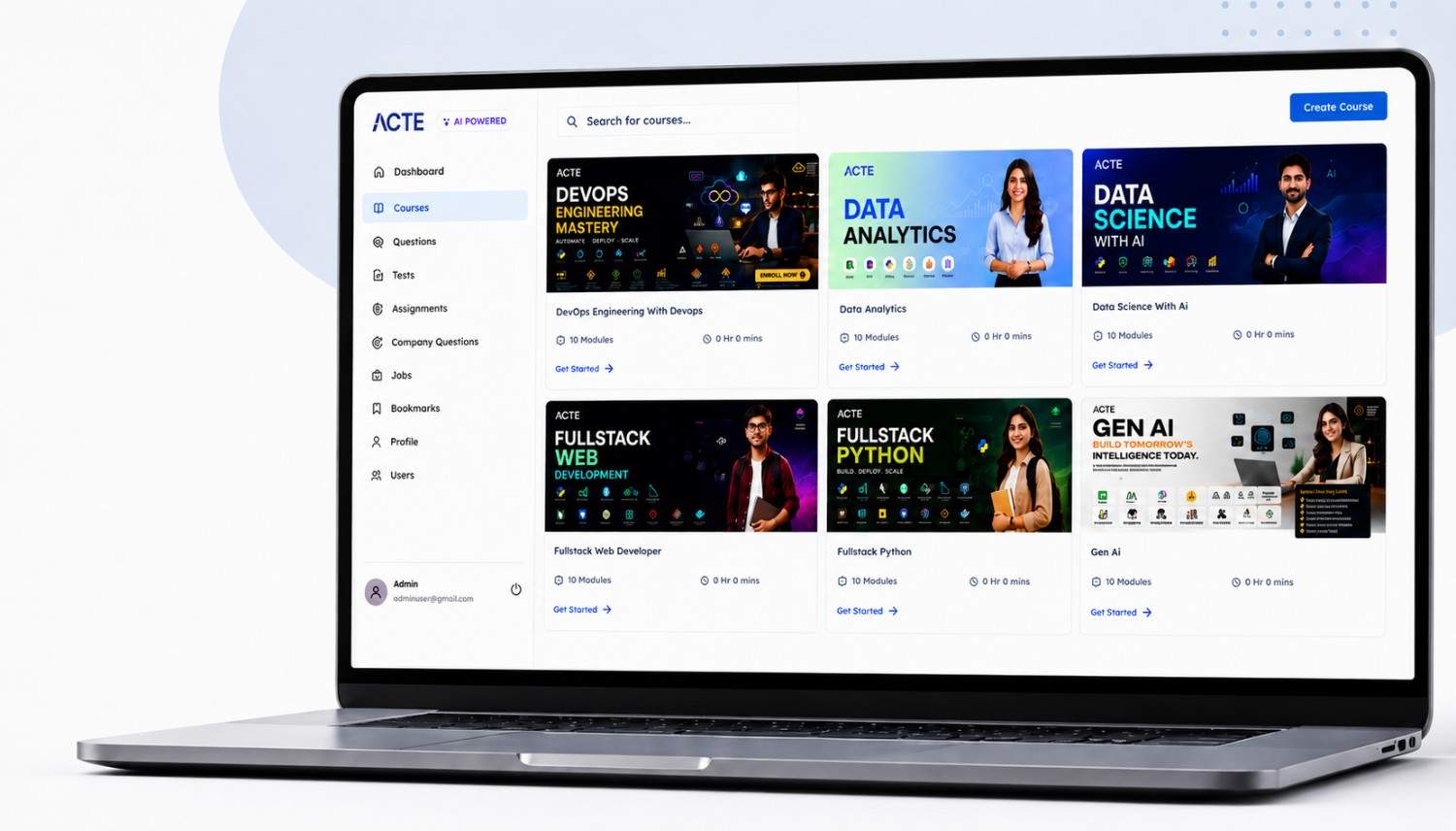
 LMS