Top Power BI Training in Marathahalli | Power BI Course in Marathahalli With 100% Placement | Updated 2025

Power BI Course for All Graduates, NON-IT, Diploma & Career Gaps — ₹30,680/- only.

Download Brouchure
Join Our 100% Job Guaranteed

Power BI Training in Marathahalli

  • Join the Power BI Training Institute in Marathahalli Master Data Analytics and Business Intelligence Skills.
  • Our Power BI Course in Marathahalli Covers Power BI Desktop, Power BI Service, Power BI Mobile, Power Query, DAX.
  • Gain Hands-on Experience by Working on Live Projects Guided by Experts.
  • Earn a Globally Recognized Power BI Certification With 100% Placement Support.
  • Receive Expert Guidance in Building a Winning Resume and Excelling in Interviews.
  • Learn on Your Terms With Flexible Weekday, Weekend and Fast-track Batches.

WANT IT JOB

Become a Power BI Developer in 3 Months

Freshers Salary

3 LPA

To

8 LPA

Quality Training With Affordable Fees in Marathahalli!

⭐ Fees Starts From

INR 36,000
INR 16,500

8987+

(Placed)
Freshers To IT

3917+

(Placed)
NON-IT To IT

6981+

(Placed)
Career Gap

3428+

(Placed)
Less Then 60%

Our Hiring Partners

Overview of the Power BI Course

Our Power BI Training in Marathahalli covers Power BI Desktop, Power BI Service, Power Query and DAX with practical examples. Students can gain real-world experience through Power BI Internships in Marathahalli to work on live projects. The training focuses on hands-on learning to make you confident in creating reports and dashboards. We also provide guidance for Power BI Placement to help you start your career in analytics. By the end of the course you will be ready to use Power BI effectively and excel in interviews.

What You'll Learn From Power BI Certification Course

Gain a strong understanding of data visualization, analytics and reporting using Power BI tools in a practical, easy-to-follow way.

Learn to work with Power BI Desktop, Power BI Service, Power Query and DAX to handle real-world business data.

Get hands-on experience by working on live projects and case studies to build confidence in applying analytics skills.

Explore key concepts like data modeling, dashboard creation and interactive reporting for effective decision-making.

Advance from basic data handling to complex analytics techniques and improve problem-solving abilities.

Enroll in the Power BI Training in Marathahalli to receive expert guidance, certification and placement support for a successful career.

Additional Info

Course Highlights

  • Begin Your Data Analytics Journey: Discover Power BI basics, data visualization, DAX, Power Query and interactive dashboard building.
  • Get personalized career assistance with Power BI Placement chances from leading firms seeking analytics specialists.
  • Join our powerful network of 350+ employment partners, which has trained and placed over 11,000 students.
  • Learn about Power BI and business intelligence from experts with over a decade of industry experience.
  • Enjoy beginner-friendly lectures, real-time projects and comprehensive career assistance to help you learn every step of the way.
  • Take advantage of flexible batch choices, low costs and Power BI Internships in Marathahalli tailored specifically to freshers and career changers.

Key Benefits of Taking Power BI Training

  • Easy Data Visualization – Power BI enables to transform raw data into understandable charts, graphs and dashboards. You can rapidly see trends and patterns in your company data. It makes difficult information easy to grasp. Beginners may simply produce sophisticated graphic reports.
  • Real-Time analytics – Power BI enables you to monitor data in real time via live dashboards. You can make swift judgments based on current facts. It connects to numerous data sources and automatically updates. This ensures that your reports are always correct and up to date.
  • Powerful Data Integration – Power BI can aggregate data from several sources, including Excel, SQL and cloud apps. It allows you to receive a comprehensive overview of your business in one spot. You do not need to move between tools. This saves time and minimizes mistakes.
  • Interactive dashboards – Power BI dashboards are interactive, allowing to delve deeper into information. You may filter data and discover insights without modifying the report. It allows consumers complete control over the information they need. This enhances comprehension and decision-making.
  • Career Opportunities – Learning Power BI opens the door to analytics and business intelligence careers. Companies want talented employees to handle data and provide insights. With practical abilities, you can find fantastic placement possibilities. It helps advance your career in data-driven professions.

Popular Tools Taught in Power BI Course in Marathahalli

  • Power BI Desktop – Power BI Desktop is a free program for building reports and dashboards on your PC. You may connect to many data sources, alter data and create interactive visualizations. It is simple to use and is popular among analysts. It enables you to create professional reports before sharing them online.
  • Power BI Service – Power BI Service is an online platform for sharing and collaborating on reports. It allows you to publish and access dashboards built in Power BI Desktop from anywhere. Teams may examine, discuss and engage with data in real time. It is ideal for cloud-based reporting and collaborating.
  • Power BI Mobile – Power BI Mobile is a smartphone and tablet software that allows you to see dashboards and reports on-the-go. You can track critical metrics at any time and from any location, without the need for a computer. It keeps consumers informed with live data and notifications. It's handy for managers and decision-makers.
  • Power Query – Power Query is a data connectivity and transformation function inside Power BI. It allows you to effortlessly clean, consolidate and prepare data from different sources. You do not need to develop sophisticated code to change data. It guarantees that your data is prepared for analysis and visualization.
  • DAX (Data Analysis Expressions) – Power BI uses the DAX mathematical language to construct computations and metrics. It enables you to do advanced analytics on your data, such as totals, averages and trends. DAX allows you to create more dynamic and intelligent dashboards. It is vital for producing useful reports.

Must-Know Frameworks for Aspiring Power BI

  • Star Schema – The Star Schema is a data modeling paradigm in which a core fact table links to numerous dimension tables. It facilitates data organization for quick and easy reporting in Power BI. Using this approach improves query efficiency while simplifying analysis. It is commonly utilized in business intelligence initiatives.
  • Snowflake Schema – The Snowflake Schema is extension of the Star Schema that further normalizes dimension data into related tables. This removes data redundancy and provides a better data structure. It is suitable for huge datasets with complicated interactions. Power BI can quickly manage snowflake schemas for reporting.
  • ETL (Extract, Transform and Load) – ETL is a framework for gathering data from many sources, cleansing it and importing it into PowerBI. It guarantees that the data is correct, consistent and available for analysis. Power Query in Power BI is often used for ETL workflows. ETL frameworks improve reporting reliability and scalability.
  • DAX Framework – The DAX (Data Analysis Expressions) architecture in Power BI offers a systematic approach to creating calculations, measurements and custom analytics. It enables users to get insights, compute KPIs and carry out sophisticated analytics. Knowing DAX helps you create dynamic and interactive dashboards. It's required for professional-grade reporting.
  • Agile BI Framework – The Agile BI methodology emphasizes iterative development, frequent updates and ongoing feedback in Power BI applications. It enables teams to swiftly change dashboards and reporting to evolving business requirements. Using this framework enhances teamwork and project efficiency. It is particularly effective in fast-paced corporate contexts.

Essential Skills You’ll Learn in a Power BI Training

  • Data Visualization Skills – Power BI teaches you how to build clean and interactive charts, graphs and dashboards. This talent allows you to transform raw data into relevant insights that are simple to grasp. You can successfully emphasize trends, patterns and significant metrics. It is vital for making sound business judgments.
  • Data Modelling Skills – Power BI teaches you how to organize and arrange data using tables, connections and hierarchies. Data modeling assists in the preparation of data for analysis and ensures that results are correct. You will learn how to manage complicated datasets with ease. Dashboards are more efficient and dependable when their data is well-modeled.
  • Data Analysis Expressions (DAX) Skills – DAX is a mathematical language in Power BI that allows you to build calculations, measurements and sophisticated analytics. You will learn to compute KPIs, totals, averages and trends. DAX lets you make your dashboards more dynamic and informative. It is an essential talent for professional-level reporting.
  • Power Query and ETL Skills – Power BI demonstrates how to extract, clean and manipulate data from different sources with Power Query. This ability guarantees that your data is correct and ready for analysis. You'll learn how to automate repetitive activities and manage enormous datasets efficiently. ETL abilities make your reporting process more efficient and error-free.
  • Ability to create dashboards and reports – You'll learn how to create interactive and user-friendly Power BI dashboards and reports. This includes utilizing graphics, filters, slicers and drill-down capabilities. Creating good dashboards allows stakeholders to comprehend insights quickly. It is critical for presenting data stories effectively to teams and clients.

Roles and Responsibilities of Power BI Profession

  • Power BI Developer – Power BI developers create, build and manage interactive dashboards and reports. They link to numerous data sources, modify the data and guarantee that reports are both accurate and visually appealing. They work with business teams to fulfill reporting needs. A strong understanding of DAX, Power Query and data modeling is required.
  • Data Analyst – Data Analysts in Power BI examine massive datasets to discover trends, patterns and insights. They generate graphic reports to assist organizations in making educated decisions. Responsibilities include effectively cleaning, processing and modeling data. Communication of crucial results to stakeholders is an important aspect of the function.
  • Consultant for Business Intelligence (BI) – BI consultants assist businesses in putting Power BI technologies into practice to enhance data-driven decision-making. They create dashboards, evaluate business requirements and streamline reporting procedures. They teach teams and offer performance metrics insights as part of their business. Achievement requires an understanding of analytics and business operations.
  • Modeling data – In Power BI, data modelers arrange and structure data to guarantee effective reporting and analysis. They develop schemas, establish linkages between tables and optimize data for efficiency. Supporting sophisticated analytics and guaranteeing data accuracy are among the duties. Reports that are trustworthy and meaningful are built on this position.
  • Administrator for Power BI – Power BI administrators oversee workspace settings, security and user access inside the Power BI service. They oversee data update schedules, keep an eye on performance and guarantee adherence to data governance guidelines. In addition to maintaining overall system performance, administrators also assist end users. Their function guarantees that the Power BI environment runs smoothly.

Why Power BI is the Smart Choice for Freshers

  • Strong Need for Data Experts – Power BI expertise is highly sought after as businesses depend on data to make decisions. Power BI-savvy novices can get employment in a variety of sectors. Experts in dashboard creation and data analysis are essential for businesses. This results in a solid professional path with steady advancement.
  • Practical skills and hands-on learning – Strength Through real-world projects and case studies, BI training offers hands-on experience. Newcomers learn how to manage actual company data and provide insightful results. Learning by doing increases self-assurance and strengthens preparedness for the workforce. It closes the gap between industrial demands and theory.
  • Opportunities for Competitive Pay – Because of their particular knowledge of analytics and reporting, Power BI specialists are paid handsomely. Attractive beginning salaries are available to newcomers. Proficiency with Power BI may lead to positions such as Data Analyst, BI Developer and Reporting Specialist. Growing experience and competence are promising for career advancement.
  • Adaptability to Different Industries – Proficiency with Power BI is beneficial in a variety of industries, including IT, retail, healthcare and finance. Without being restricted to a single field, newcomers can investigate a variety of industries. Data analysis and dashboard creation are pertinent to all enterprises. This adaptability improves job alternatives and employability.
  • Robust Professional Development and Progress – Proficiency with Power BI enables new hires to develop into more senior positions such as Analytics Manager, Data Modeler or BI Consultant. Power BI continuous learning improves decision-making and problem-solving skills. Professionals are able to assume more responsibility and higher-paying roles. It provides a clear route to long-term professional success.

Landing Remote Jobs with Power BI Skills

  • Utilize Cloud-Based Reports – Power BI is perfect for remote work since it enables dashboard creation and sharing via the cloud. Workers don't need to be in the office to view and amend reports. Teams can remain connected and productive with cloud-based collaboration. Power BI abilities are quite beneficial for remote jobs because of this flexibility.
  • Access to Real-Time Data – Power BI offers real-time dashboards that instantly refresh with the most recent information. This makes it possible for remote workers to effectively monitor important indicators and make prompt choices. Without physical presence, businesses may rely on precise and current insights. One significant benefit for remote teams is real-time reporting.
  • Cooperation Among Teams – By enabling several people to see, modify and comment on dashboards at once, Power BI promotes collaboration. Teams working remotely can collaborate efficiently and exchange ideas without any delays. It guarantees that everyone remains in agreement with the project's objectives and enhances communication. Collaboration abilities improve one's employability in distant positions.
  • Adaptability to Different Industries – Proficiency with Power BI is highly sought after in a number of industries, including marketing, IT, finance and healthcare. Due to the widespread demand for data reporting, remote possibilities are present in many sectors. Analysts may work remotely and offer insights to companies all around the world. The likelihood of obtaining remote work is increased by versatility.
  • Excellent Reporting and Analytical Skills – Professionals can gain insights, analyze data and produce visually attractive reports using Power BI. For distant positions requiring autonomous work and data-driven decision-making, these abilities are essential. Self-sufficient analysts who can produce findings from a distance are highly valued by employers. Proficiency in reporting facilitates access to excellent remote possibilities.

What to Expect in Your First power BI Job

  • Utilizing Actual Data – Managing actual company data is a major duty in the first Power BI job. Cleaning, manipulating and analyzing datasets from various sources fall under this category. Everyday work involves learning how to handle big, complicated data sets. It facilitates the acquisition of real-world experience in addition to theoretical understanding.
  • Developing Interactive Dashboards – A significant job is creating interactive dashboards and visual reports. Stakeholders can rapidly comprehend trends and insights thanks to these dashboards. Clear and user-friendly visual design is crucial. It develops the ability to effectively communicate data to aid in decision-making.
  • Working Together in Teams – IT departments, business teams and data analysts frequently collaborate. Report preparation is guided by needs and feedback from various stakeholders. Collaborating guarantees that reports are precise and in line with corporate requirements. For a project to be completed successfully, teamwork and communication are crucial.
  • Understanding Business Procedures – It is essential to comprehend the business procedures and important KPIs of the organization. This information aids in the creation of pertinent dashboards and reports. The first position gives exposure to how analytics influences choices in practical situations. It simultaneously improves domain and technical understanding.
  • Using DAX and Analytical Skills – Using DAX formulae and data analysis methods is a daily need. This entails developing metrics, computations and insights for making decisions. Gaining proficiency in these areas enhances report accuracy and problem-solving abilities. The first position requires ongoing learning and the use of sophisticated procedures.

Top Companies are Hiring for Power BI Professionals

  • Capgemini – Global technology and consulting firm Capgemini is well-known for its work on digital transformation and data analytics. It frequently employs Power BI developers to provide analytics solutions and dashboards for customers throughout the globe. Working here exposes one to a variety of sectors and large company data. Both technical and consulting abilities are strengthened by the position.
  • IBM – IBM is global technology and consulting company that provides its clients with data-driven insights using Power BI. Professionals using Power BI handle business intelligence, data integration and reporting in both cloud and corporate settings. The organization uses cutting-edge analytics techniques to promote learning and innovation. Strong analytics experience is developed through IBM roles.
  • Cognizant – Power BI specialists are employed by Cognizant, a sizable IT services and consulting firm, for analytics and reporting positions in digital transformation initiatives. Making interactive dashboards to aid in company decision-making is a part of the job. The organization offers a wide range of real-world experience to a global clientele. Power BI specialists get expertise in managing intricate information and customer requirements.
  • Global Market Intelligence by S&P – With an emphasis on financial data, analytics and market insights, S&P Global Market Intelligence frequently utilizes Power BI for reporting and visualization. These Power BI experts assist in converting financial statistics into understandable dashboards. This effort provides reliable insights to corporate teams, investors and analysts. For people who want to work in finance and analytics, it's a useful position.
  • Technologies Hexaware – Power BI experts are employed by Hexaware Technologies, an IT and consulting firm, to improve customer data analytics and reporting capabilities. The company operates in a variety of sectors, including manufacturing, healthcare and finance. At Hexaware, Power BI positions entail creating dashboards and insights to enhance business procedures. This organization provides excellent chances for project experience and skill development.
Show More

Upcoming Batches For Classroom and Online

Weekdays
02 - Feb - 2026
08:00 AM & 10:00 AM
Weekdays
04 - Feb - 2026
08:00 AM & 10:00 AM
Weekends
07 - Feb - 2026
(10:00 AM - 01:30 PM)
Weekends
08 - Feb - 2026
(09:00 AM - 02:00 PM)
Can't find a batch you were looking for?
INR ₹16500
INR ₹36000

OFF Expires in

Who Should Take a Power BI Course in Marathahalli

IT Professionals

Non-IT Career Switchers

Fresh Graduates

Working Professionals

Diploma Holders

Professionals from Other Fields

Salary Hike

Graduates with Less Than 60%

Show More

Job Roles For Power BI Training

Power BI Developer

Business Intelligence Analyst

Data Analyst

Data Engineer

Power BI Consultant

BI Architect

Data Scientist

Reporting Analyst

Show More

Tools Covered For Power BI Course in Offline

Power BI Desktop Power BI Service Power BI Data Gateway Power BI Mobile Apps Power BI Report Builder Power BI Report Server Power Query Power Pivot

What’s included ?

Convenient learning format

📊 Free Aptitude and Technical Skills Training

  • Learn basic maths and logical thinking to solve problems easily.
  • Understand simple coding and technical concepts step by step.
  • Get ready for exams and interviews with regular practice.
Dedicated career services

🛠️ Hands-On Projects

  • Work on real-time projects to apply what you learn.
  • Build mini apps and tools daily to enhance your coding skills.
  • Gain practical experience just like in real jobs.
Learn from the best

🧠 AI Powered Self Interview Practice Portal

  • Practice interview questions with instant AI feedback.
  • Improve your answers by speaking and reviewing them.
  • Build confidence with real-time mock interview sessions.
Learn from the best

🎯 Interview Preparation For Freshers

  • Practice company-based interview questions.
  • Take online assessment tests to crack interviews
  • Practice confidently with real-world interview and project-based questions.
Learn from the best

🧪 LMS Online Learning Platform

  • Explore expert trainer videos and documents to boost your learning.
  • Study anytime with on-demand videos and detailed documents.
  • Quickly find topics with organized learning materials.

Power BI Course Syllabus

  • 🏫 Classroom Training
  • 💻 Online Training
  • 🚫 No Pre Request (Any Vertical)
  • 🏭 Industrial Expert

Our Power BI Training in Marathahalli offers a complete syllabus for beginners and aspiring data professionals. Learn core Power BI concepts, data visualization, Power Query, DAX and dashboard creation. Gain practical experience through internships and real-time business analytics projects. The course also covers data modeling, reporting and connecting multiple data sources. Plus, dedicated placement support helps with resume building and interview preparation.

  • Introduction to Power BI – Start with the basics of Power BI, including data types, visualization and creating interactive reports.
  • Advanced Analytics – Learn advanced concepts like DAX, Power Query and data modeling for complex analytics.
  • Hands-On Projects – Get hands-on experience by working on real-time dashboards and business analytics projects.
  • Tools and Deployment – Use Power BI Desktop, Service and cloud platforms to create, share and deploy reports effectively.
Power BI Foundamentals
Data Loading and Transformation
Data Modeling
DAX (Data Analysis Expressions)
Data Visualization Techniques
Power BI Service and Publishing
Security and Advanced Features

Understand the basics of Power BI and how it helps in data analysis:

  • Power BI Overview – Learn what Power BI is and why its used
  • Power BI Interface – Explore the layout and components of Power BI Desktop
  • Types of Power BI Tools – Desktop, Service and Mobile overview
  • Installation – Install Power BI Desktop and set up the environment
  • Connecting Data – Connect to Excel, CSV and other file formats

Learn to bring in data and make it ready for reporting using Power Query:

  • Power Query Editor – Explore the user interface for data transformation
  • Data Cleaning – Remove errors, blank rows and fix data formats
  • M Language Basics – Understand the scripting behind Power Query
  • Column and Row Operations – Add, remove, split and merge columns
  • Append and Merge Queries – Combine data from multiple sources

Organize your data for efficient reporting and performance:

  • Relationships – Create and manage relationships between tables
  • Star and Snowflake Schema – Understand data modeling structures
  • Calculated Columns – Add new data fields using expressions
  • Hierarchies – Create drill-down levels in your data
  • Data Categories – Tag columns as location, web URL or images

Use DAX to perform advanced calculations and metrics:

  • DAX Syntax – Learn DAX formulas are written
  • Calculated Measures – Create KPIs like total sales, profit margin, etc.
  • Aggregation Functions – Use SUM, AVERAGE, COUNT, etc.
  • Time Intelligence – Work with YTD, MTD, QTD calculations
  • Filter Functions – Use CALCULATE, FILTER, ALL for dynamic analysis

Create insightful visuals and dashboards:

  • Basic Charts – Bar, Column, Line, Pie and Donut charts
  • Advanced Visuals – Maps, Matrix, Waterfall, Funnel and Gauge charts
  • Slicers and Filters – Add interactivity to your reports
  • Tooltips and Bookmarks – Improve the user experience
  • Custom Visuals – Import visuals from Power BI marketplace

Learn to share, schedule and manage reports online:

  • Power BI Service – Navigate the cloud based platform
  • Workspaces – Organize and manage report access
  • Report Publishing – Upload dashboards to the Power BI Service
  • Dashboard vs Report – Understand the difference and use cases
  • Data Refresh – Schedule automatic updates for your data

Protect your data and explore advanced options:

  • Row-Level Security – Control who sees what data
  • Q and A Visual – Enable natural language queries in reports
  • Drill-through and Drill-down – Enable deeper data exploration
  • Performance Analyzer – Optimize your report speed
  • Export and Embed – Share reports via PDF, PowerPoint or websites

🎁 Free Addon Programs

Aptitude, Spoken English.

🎯 Our Placement Activities

Daily Task, Soft Skills, Projects, Group Discussions, Resume Preparation, Mock Interview.

Gain Hands-on Experience in Power BI Projects

Placement Support Overview

Today's Top Job Openings for Power BI Professionals

Power BI Developer

Company Code: MOA124

Bangalore, Karnataka

₹25,000 – ₹40,000 per month

B.E. / B.Tech / B.Sc. or equivalent in Computer Science

Exp 0–1 year

  • We are looking for freshers to join as Power BI Developers. Role involves preparing data models, creating dashboards, reports and visualizations using Power BI Desktop and Power BI Service. Analysts will transform raw data into actionable insights for business stakeholders.
  • Easy Apply

    Business Intelligence Analyst

    Company Code: SJB802

    Bangalore, Karnataka

    ₹30,000 – ₹50,000 per month

    B.Sc. / B.Com / B.A. / B.Tech or similar with strong numerical/analytical skills

    Exp 0-1 year

  • Now accepting applications for BI Analysts skilled in Power BI. Responsibilities include collecting and cleaning data, building reports and dashboards for key performance indicators, and helping teams make data-driven decisions.
  • Easy Apply

    Data Visualization Specialist

    Company Code: JAG249

    Bangalore, Karnataka

    ₹35,000 – ₹55,000 per month

    B.A. / B.Sc. / B.Com / B.Tech in relevant fields

    Exp 0–2 year

  • We’re hiring a Data Visualization Specialist with Power BI expertise. Role involves designing interactive charts, graphs and dashboards, formatting data visuals, and converting data sets into easy-to-understand visual insights for business teams.
  • Easy Apply

    Junior BI Consultant

    Company Code: LTA974

    Bangalore, Karnataka

    ₹30,000 – ₹45,000 per month

    B.Tech / B.Sc. / BBA / BCA or equivalent

    Exp 0–1 year

  • We are seeking a Junior BI Consultant to assist in designing reporting solutions using Power BI. Tasks include gathering requirements, creating basic dashboards, data mapping and assisting senior consultants a great start for freshers in BI consulting.
  • Easy Apply

    Data Analyst (Power BI Report Developer)

    Company Code: MTY101

    Bangalore, Karnataka

    ₹28,000 – ₹45,000 per month

    Any Degree

    Exp 0–2 year

  • We are hiring Data Analysts skilled with Power BI to clean and transform data, build data models, create reports and dashboards, and support business teams in interpreting analytics. Good fit for freshers who like data and reporting work.
  • Easy Apply

    BI Report Developer

    Company Code: GRI214

    Bangalore, Karnataka

    ₹32,000 – ₹48,000 per month

    Bachelor’s degree in IT / Computer Science / Business / Statistics

    Exp 0–1 year

  • Now accepting applications for BI Report Developers with basic Power BI skills. Responsibilities include building and maintaining dashboards, working with data from multiple sources, and generating periodic business reports.
  • Easy Apply

    Business Insights Analyst

    Company Code: SRA664

    Bangalore, Karnataka

    ₹30,000 – ₹50,000 per month

    B.A. / B.Sc. / Economics / Statistics / Business / IT

    Exp 0-2 yr

  • We are looking for a Business Insights Analyst using Power BI to analyze business data, generate insights, and produce visualization-driven reports for clients. Role helps freshers understand business metrics and contribute to strategic decisions.
  • Easy Apply

    Entry-level BI Developer

    Company Code: DIM224

    Bangalore, Karnataka

    ₹30,000 – ₹42,000 per month

    B.Tech / BCA / B.Sc. / B.Com / Maths / Stats or related

    Exp 0–1 year

  • We’re hiring Entry-level BI Developers for building reports and dashboards in Power BI. Tasks include data extraction, transformation, creating models, writing basic DAX measures, and delivering dashboards for internal stakeholders.
  • Easy Apply

    Highlights for Power BI Internships in Marathahalli

    Real Time Projects

    • 1. Gain hands-on experience by working on live Power BI-based applications.
    • 2. Understand real-world problem-solving through scenarios.
    Book Session

    Skill Development Workshops

    • 1. Participate in focused sessions on trending technologies and tools.
    • 2. Learn directly from industry experts through guided practical exercises.
    Book Session

    Employee Welfare

    • 1. Enjoy benefits like health coverage, flexible hours, and wellness programs.
    • 2. Companies prioritize mental well-being and work-life balance for all employees.
    Book Session

    Mentorship & Peer Learning

    • 1. Learn under experienced mentors who guide your technical and career growth.
    • 2. Collaborate with peers to enhance learning through code reviews and group projects.
    Book Session

    Soft Skills & Career Readiness

    • 1. Improve communication, teamwork, and time management skills.
    • 2. Prepare for interviews and workplace dynamics with mock sessions and guidance.
    Book Session

    Certification

    • 1. Earn recognized credentials to validate your Power BI skills.
    • 2. Boost your resume with course or project completion certificates from reputed platforms.
    Book Session

    Sample Resume for Power BI (Fresher)

    • 1. Simple and Neat Resume Format

      – Use a clean layout with clear sections like summary, skills, education, and projects.

    • 2. List of Technologies You Know

      – Mention Skills like Power BI Desktop, DAX, Power Query, Data Modeling, Report Designing, Power BI Service, Row-Level Security.

    • 3. Real-Time Projects and Achievements

      – Add 1–2 real-time projects with a short description and the tools used.

    Top Power BI Tricky Interview Questions and Answers (2025 Guide)

    Ans:

    A calculated column can be created by navigating to the Data view and applying a DAX formula through the Modeling tab. Each row in the column is computed based on the formula logic. Once added, it becomes part of the table and can be used in visuals, filters and relationships just like any standard field.

    Ans:

    A measure is a dynamic calculation used to perform aggregations such as sums, averages or other metrics based on the context of a visual. Unlike calculated columns, measures are evaluated only when needed and adjust automatically according to filters. They are crucial for summarizing data efficiently without increasing the storage size of the dataset.

    Ans:

    A slicer serves as an interactive filter that allows users to refine data displayed in visuals on a report page. Selecting a value such as a product or date, automatically updates all connected charts. This makes it easier to explore different segments of data without altering the report layout.

    Ans:

    Data refresh can be scheduled by accessing the dataset settings in Power BI Service after publishing a report. Refresh frequency can be configured daily or multiple times a day depending on requirements. On-premises data sources may need a gateway to maintain secure access and ensure reports remain updated automatically.

    Ans:

    DirectQuery mode connects Power BI directly to the source database without importing data into the model. It is useful for handling very large datasets or when real-time updates are required. Queries are executed on demand, ensuring visuals always display the most current data.

    Ans:

    A Power BI report is a multi-page document containing multiple visuals derived from a single dataset. A dashboard, on the other hand, is a single-page view that can display visuals from multiple reports or datasets. Reports are intended for detailed analysis, whereas dashboards provide high-level insights at a glance.

    Ans:

    A hierarchy is created by selecting related fields, such as Year, Quarter and Month and choosing the “Create Hierarchy” option. This organizes data into multiple layers and allows users to drill down step by step. Hierarchies simplify navigation and make analyzing large datasets more efficient.

    Ans:

    Power Query Editor is used to clean, transform and prepare data before loading it into model. It allows filtering rows, changing data types, merging tables and removing duplicates without writing code. Each action is tracked as a step, ensuring the transformation process is consistent and repeatable.

    Ans:

    A calculated table is created by writing a DAX expression in the Modeling tab. It can be based on filtered records, aggregated values or combinations of other tables. Calculated tables are useful for building advanced relationships or creating structured datasets for specific analysis purposes.

    Ans:

    The Power BI Developer API enables integration of Power BI capabilities into external applications. It allows embedding dashboards and reports, automating publishing and managing datasets and workspaces. This API is ideal for organizations that require customized analytics solutions or centralized control of their Power BI environment.

    Company-Specific Interview Questions from Top MNCs

    1. Can you explain Power BI and its key components?

    Ans:

    Power BI is a Microsoft analytics tool that simplifies data visualization, reporting and sharing for businesses. Its main components include Power BI Desktop for creating detailed reports, Power BI Service for cloud-based collaboration and sharing and Power BI Mobile for accessing dashboards on the go. Together, these elements ensure seamless analytics across multiple devices.

    2. How can data from different sources be imported into Power BI?

    Ans:

    Data from sources like Excel, SQL databases, cloud storage and web APIs can be imported using the Get Data option in Power BI Desktop. Once a connection is established, data can either be imported into the model or accessed directly. This provides flexible and efficient handling of diverse business datasets.

    3. What is DAX and how does it differ from Power Query?

    Ans:

    Data that has previously been put into the Power BI model may be subjected to specific calculations using the formula language DAX (Data Analysis Expressions). Power Query, in contrast, is used before data loading to clean, transform and shape raw data. Essentially, Power Query prepares data for analysis, while DAX performs calculations and aggregation within the model.

    4. How do calculated columns differ from measures in Power BI?

    Ans:

    Calculated columns are created row by row and stored as fields in the data model, making them reusable in visuals or additional calculations. Measures, on the other hand, are dynamic formulas that compute values only when needed for a visual or filter. While calculated columns occupy storage, measures provide efficient, real-time aggregations.

    5. What is row-level security in Power BI and how is it applied?

    Ans:

    Row-level security (RLS) restricts access so users can only view data relevant to their role. In Power BI Desktop, roles are defined and filters applied to tables, controlling which rows are visible. Once published to Power BI Service, these roles ensure secure and regulated data access for each user.

    6. What techniques can improve Power BI report performance?

    Ans:

    Report performance can be optimized by simplifying complex DAX formulas, removing unnecessary columns and streamlining the data model. Reducing the number of visuals on a page and using aggregations also enhances speed. Additionally, enabling query folding in Power Query allows the data source to efficiently handle transformations.

    7. What types of filters are available in Power BI?

    Ans:

    Power BI offers several filtering options for customized reporting. Visual-level filters affect individual visuals, page-level filters apply to all visuals on a page and report-level filters influence the entire report. Slicers provide interactive filtering, allowing users to adjust and explore data dynamically.

    8. Why is a Power BI Gateway necessary?

    Ans:

    A Power BI gateway connects the cloud service to on-premises data securely. It enables scheduled and real-time data refreshes without transferring sensitive information outside the company network. This ensures dashboards remain updated while maintaining security and compliance.

    9. How are data refresh operations managed in Power BI?

    Ans:

    Data refresh ensures reports display the most current information from source systems. In Power BI Service, refreshes can be scheduled automatically and on-premises sources require a gateway. Both full refreshes, which reload all data and incremental refreshes, which update only changed records, help maintain efficiency.

    10. What are the differences between Import, DirectQuery and Live Connection modes?

    Ans:

    Import mode loads data into Power BI for high performance but requires scheduled refreshes. DirectQuery queries data directly at the source, allowing real-time access with slightly slower performance. Live Connection links to external Analysis Services models, providing live interaction with data without importing it into the Power BI model.

    1. What is Power BI and why is it essential for business intelligence?

    Ans:

    Power BI is a robust analytics and visualization platform that transforms raw data into interactive reports and dashboards. It is essential for business intelligence as it combines data from multiple sources, performs quick analysis and presents actionable insights. Integration with Microsoft tools helps organizations monitor performance, detect trends and make data-driven decisions.

    2. How does Power BI connect to different data sources?

    Ans:

    Power BI can connect to databases, spreadsheets, cloud services and APIs through the Get Data feature. Once the source type is selected, authentication is applied to establish the connection, allowing data to be imported or accessed live. This approach ensures efficient handling of diverse datasets for various business scenarios.

    3. What is the distinction between Power Query and DAX in Power BI?

    Ans:

    Power Query is used before data is loaded to extract, clean and transform raw datasets for the model. DAX, in contrast, is applied after data is loaded and enables calculations, metrics and dynamic expressions within reports. Essentially, Power Query prepares and shapes the data, while DAX adds computational power and analytical depth.

    4. When should calculated columns and measures be used in Power BI?

    Ans:

    Calculated columns create new fields with row-level logic and store static values in the data model. Measures perform dynamic calculations that respond to filters, slicers or visual selections. Columns are suitable for fixed, row-based values, whereas measures are ideal for aggregations and real-time analytical scenarios.

    5. How is row-level security configured in Power BI to manage access?

    Ans:

    Row-level security restricts data access by defining roles and applying filter rules to determine which records each role can view. Users or groups are assigned to these roles when the report is published to Power BI Service. This setup ensures that sensitive information is protected and users see only relevant data.

    6. What are the ways to refresh data in Power BI?

    Ans:

    Data can be refreshed manually or on a scheduled basis to keep reports updated with the latest information. On-premises sources require a gateway for secure connectivity. Full refresh reloads the entire dataset, while incremental refresh updates only new or changed records, improving efficiency for large data volumes.

    7. How can Power BI report performance be enhanced?

    Ans:

    Optimizing the data model, eliminating unnecessary tables or columns and streamlining DAX calculations may all increase performance. Limiting visuals per page and using aggregations also increases speed. Query folding allows the data source to handle transformations, reducing processing workload within Power BI.

    8. What is the purpose of bookmarks in Power BI reports?

    Ans:

    Bookmarks capture the current state of a report, including filters, slicers and visual layouts. They allow quick navigation back to specific views and can be used with buttons for interactive storytelling. This feature enhances user experience by making reports more engaging and easy to explore.

    9. What is the difference between DirectQuery and Import modes in Power BI?

    Ans:

    Import mode loads data into Power BI for fast performance and offline access but requires scheduled refreshes. DirectQuery leaves data at the source and queries it in real time, providing instant insights but sometimes at a slower performance. The choice depends on dataset size, refresh requirements and system resources.

    10. How are relationships between tables handled in Power BI?

    Ans:

    Relationships are created by connecting key columns across tables to form a unified data model. Proper setup involves defining cardinality, cross-filter direction and active or inactive relationships. Correctly managed relationships ensure that calculations and visuals produce accurate results across the report.

    1. How is Power BI defined and what role does it play in business reporting?

    Ans:

    Power BI is a comprehensive data analytics and visualization platform that converts raw data into interactive reports and dashboards. It integrates data from multiple sources, refines it and presents insights visually. With Power BI Desktop for report creation, Power BI Service for cloud-based sharing and Power BI Mobile for on-the-go access, it streamlines reporting across different devices.

    2. What is DAX in Power BI and why is it significant?

    Ans:

    DAX or Data Analysis Expressions is a formula language used to create measures, calculated columns and custom tables in Power BI. It provides functions for aggregations, filtering and logical operations, enabling advanced and dynamic analysis. DAX enhances data models by allowing precise computations that support informed business decisions.

    3. What types of table relationships are available in Power BI?

    Ans:

    Power BI supports one-to-one, one-to-many and many-to-many relationships between tables. One-to-one relationships link individual rows across tables, while one-to-many connects one row to multiple rows in another table. Many-to-many relationships handle multiple matches between tables and often require a bridge table to ensure accurate data linking and analysis.

    4. How do Import mode and DirectQuery mode differ in Power BI?

    Ans:

    Import mode brings data into Power BI for fast performance and offline access, but it requires scheduled refreshes to stay current. DirectQuery leaves data at the source and queries it live during report interactions, allowing real-time updates but potentially slower performance. The choice depends on dataset size, frequency of updates and system capacity.

    5. What are KPIs in Power BI and how are they utilized?

    Ans:

    Key Performance Indicators (KPIs) are visuals that compare actual business results against predefined targets. They use indicators like colors or symbols to highlight performance trends. KPIs help organizations quickly assess whether metrics are on track, below expectations or exceeding goals supporting effective decision-making.

    6. What types of data sources can Power BI connect to?

    Ans:

    Power BI connects to cloud platforms such as Azure, Snowflake and BigQuery, as well as traditional databases like SQL Server, Oracle and MySQL. It also supports files including Excel, CSV, XML and JSON along with services like SharePoint and Dynamics 365. This adaptability makes it possible to integrate with a variety of data contexts with ease.

    7. How does Power BI monitor business performance using KPIs?

    Ans:

    Power BI enables visualization of business performance by comparing actual results to targets through KPI visuals. Indicators like symbols and colors highlight trends and deviations. By instantly showing metrics that are on track, below target or exceeding expectations KPIs help decision-makers quickly interpret data.

    8. What is the function of Power Query Editor in Power BI and how is it applied?

    Ans:

    Power Query Editor is used to connect, clean and shape data before it is loaded into the report model. It allows filtering rows, changing data types, removing duplicates and merging columns. The user-friendly, code-free interface simplifies data preparation and ensures consistent, structured datasets for reporting purposes.

    9. What are hierarchies in Power BI and why are they useful?

    Ans:

    Hierarchies organize data into levels, allowing users to drill down from summarized to detailed information. Examples include time hierarchies like Year → Quarter → Month or location hierarchies such as Country → State → City. They improve navigation and interactivity, making it easier to explore large and complex datasets.

    10. What data connectivity options does Power BI provide?

    Ans:

    Power BI offers Import mode, DirectQuery and Live Connection as connectivity options. Import mode loads data into Power BI for faster querying, DirectQuery maintains live connections to the source and Live Connection works with SQL Server Analysis Services models for real-time reporting. These options provide flexibility depending on the data size and reporting requirements.

    1. How does Power BI differ from Excel in analyzing data?

    Ans:

    Power BI provides a modern analytics platform for creating interactive dashboards and visual reports, going beyond Excel’s static spreadsheet approach. It can handle larger datasets, integrate multiple data sources and deliver dynamic analytics. Features like automated refresh, real-time updates and seamless sharing make Power BI a superior tool for business intelligence.

    2. How is Power Query used for data extraction and transformation in Power BI?

    Ans:

    Power Query functions as Power BI’s ETL tool, enabling connections to various data sources and preparation of data for analysis. It allows filtering, merging, splitting and reshaping data without coding. Once the transformation steps are applied, the data is loaded into the model, structured and ready for reporting.

    3. What is DAX in Power BI and which functions are frequently used?

    Ans:

    DAX or Data Analysis Expressions is the formula language of Power BI used for creating measures, calculated columns and custom calculations. It extends Excel-like formulas with advanced analytical features. Common functions such as SUM, AVERAGE, CALCULATE and IF enable dynamic insights and intelligent reporting.

    4. How are relationships between tables created and managed in Power BI?

    Ans:

    Relationships are established by linking tables through shared fields like IDs or codes. Power BI supports one-to-one, one-to-many and many-to-many relationships depending on dataset requirements. Well-defined relationships allow multiple tables to interact accurately, ensuring consistent results across all visuals and calculations.

    5. What is the difference between Import mode and DirectQuery mode in Power BI?

    Ans:

    Import mode loads data into Power BI for fast performance and offline access but requires scheduled refreshes to stay current. DirectQuery keeps data at the source and retrieves it live during report interactions, enabling real-time insights. Import mode prioritizes speed, while DirectQuery is suited for large or frequently changing datasets.

    6. How are slicers used in Power BI reports?

    Ans:

    Slicers act as interactive filters that control the data displayed across visuals. Adding a field to a slicer allows users to select specific items, instantly filtering the report. This functionality provides intuitive exploration of data without modifying the underlying report structure.

    7. How is row-level security implemented in Power BI?

    Ans:

    Row-level security (RLS) ensures users can only access data relevant to their assigned roles. It is implemented by defining roles and filter conditions in Power BI Desktop and mapping users in Power BI Service. This setup protects sensitive information and restricts access to authorized individuals only.

    8. How can performance issues in Power BI reports be addressed?

    Ans:

    Report performance can be improved by optimizing the data model, removing unnecessary fields and simplifying complex DAX formulas. Limiting visuals per page, enabling query folding and using aggregation tables also enhances report speed. Tools like Performance Analyzer help identify bottlenecks and optimize visuals.

    9. How can Power BI reports be published and shared with others?

    Ans:

    Power BI Desktop reports are published to Power BI Service, where they may be distributed to collaborative workspaces or particular users. Reports can also be embedded in platforms like Teams or SharePoint, while automated subscriptions ensure recipients receive regular updates without manual effort.

    10. What features does Power BI Service offer and how is it different from Desktop?

    Ans:

    Power BI Service is a cloud-based platform for hosting, managing and sharing reports built in Power BI Desktop. While Desktop focuses on creating and designing reports, the Service handles scheduling data refreshes, controlling access and enabling collaboration. It allows dashboards to be accessed from anywhere, serving as the interaction and distribution layer for analytics.

    1. How can Power BI be described and what are its primary components?

    Ans:

    Power BI is a Microsoft analytics and visualization platform that connects multiple data sources, transforms data and creates interactive dashboards for business insights. Its key components include Power BI Desktop for designing detailed reports, Power BI Service for publishing and collaboration and Power BI Mobile for accessing dashboards on the go. Together, these components offer a complete environment for analyzing and visualizing data effectively.

    2. How does Power Query help in transforming and preparing data in Power BI?

    Ans:

    Power Query serves as the main tool for cleaning, transforming and shaping raw data before analysis. It supports connecting to various data sources and performing tasks such as filtering, merging, splitting and adjusting data types. This make sure that the data is accurate, consistent and ready for reporting and visualization.

    3. What role does DAX play in Power BI and how does SUM differ from SUMX?

    Ans:

    DAX or Data Analysis Expressions, is a formula language used to create measures, calculated columns and tables for advanced analytics. While SUM simply totals values in a column, SUMX evaluates each row based on a specified expression before summing, making it suitable for detailed calculations that require row-level logic.

    4. What is a data model in Power BI and why is it essential?

    Ans:

    A data model organizes tables, relationships and calculations to define how data interacts across a report. It integrates information from multiple sources into a unified framework, enhancing accuracy and performance. A well-structured model ensures visuals and calculations function correctly and deliver reliable insights.

    5. How are relationships between tables defined in Power BI?

    Ans:

    Relationships are established by linking tables through common fields such as IDs or codes, ensuring proper data flow throughout the model. Power BI can detect these relationships automatically or they can be created manually. One-to-many relationships are most common, connecting a single record in one table to multiple records in another to maintain consistency.

    6. What are calculated columns and how do they differ from measures in Power BI?

    Ans:

    Calculated columns are created using DAX and evaluated row by row, with results stored in the data model for repeated use. Measures, in contrast, are calculated dynamically during report interactions and are not stored, making them ideal for aggregations and summaries. This difference impacts report performance and how calculations respond to filters.

    7. How do Power BI Desktop and Power BI Service differ in their capabilities?

    Ans:

    Power BI Desktop is a local tool used to connect data, prepare datasets and design interactive visuals. Power BI Service is cloud-based, offering features for publishing, scheduling data refreshes, managing permissions and enabling team collaboration. Desktop focuses on report creation, while Service provides sharing, monitoring and collaborative functionality.

    8. How does Power BI ensure users only access the data they are permitted to see?

    Ans:

    Row-Level Security (RLS) restricts access so users only view data relevant to their role. Filters are defined within the data model based on regions, departments or categories and enforced when reports are published. This mechanism ensures sensitive or restricted data is protected and visible only to authorized users.

    9. What is the difference between Import and DirectQuery modes and when should each be applied?

    Ans:

    Import mode loads data directly into Power BI for high performance and offline use, but requires scheduled refreshes. DirectQuery leaves data at the source and retrieves it live during report interactions, suitable for very large or frequently updated datasets, though it may reduce performance. The choice depends on dataset size, update frequency and performance needs.

    10. How can performance be optimized for a complex Power BI dashboard?

    Ans:

    Performance can be improved by removing unnecessary visuals, deleting unused columns, simplifying DAX formulas and using aggregation tables. Reducing model complexity and optimizing queries ensures dashboards load faster while maintaining analytical accuracy. These steps enhance user experience and improve report efficiency.


    Disclaimer Note:

    The details mentioned here are for supportive purposes only. There are no tie-ups or links with the corresponding PGs.

    Ladies PG Accommodation

      Electronic City
    • 7 Hills PG for Ladies : 79752 78904
    • Sanjeeva PG for Ladies : 94937 94737
    • BTM Layout
    • GRACE Ladies Paying Guest : 99029 46624
    • The princess Luxury pg for ladies : 85534 06098
    • Marathahalli
    • Amaravate ladies pg : 81234 23355
    • Royal Luxury PG for Ladies : 97402 91555
    • Rajaji Nagar
    • Shree Kalika P.G For Ladies : 74061 02629
    • N M Ladies PG : 91084 46056
    • Jaya Nagar
    • Shreeniketana Luxurious Ladies P.G : 96202 49962
    • Aashirwad ladies pg : 77600 55115

    Mens PG Accommodation

      Electronic City
    • SRI SAI BALAJI PG : 77608 88889
    • VSL PG FOR GENTS : 93536 53275
    • BTM Layout
    • Atithi executive Pg for Gents : 97393 07626
    • Fine Stay PG for Gents : 74111 13997
    • Marathahalli
    • Sri Vasavi Kanyaka Pg : 90667 40874
    • GVS PG FOR GENTS : 88805 82244
    • Rajaji Nagar
    • Sri Guru P.G For Men : 70197 67606
    • Sri Siddaganga mens Pg : 99456 41316
    • Jaya Nagar
    • Sri Manjunatheshwara Men's Luxury PG : 93804 14376
    • Sri Lakshmi pg for men's : 91582 44933

    Top Power BI Job Opportunities for Freshers

    • 1. Power BI Jobs at Startups and IT Companies
    • 2. Campus Placements and IT Service Jobs
    • 3. Internship-to-Job Programs
    • 4. Apply Through Job Portals
    • 5. Skills That Help You Get Hired

    Getting Started With Power BI Course in Marathahalli

    No Coding
    8 Lakhs+ CTC
    No Work Pressure
    WFH Jobs (Remote)

    Why Power BI is the Ultimate Career Choice

    High Demand

    Companies prefer multi-skilled professionals who can handle entire project cycles.

    Global Opportunities

    Open doors to remote and international job markets.

    High Salary

    Enjoy competitive salaries and rapid career advancement.

    Flexible Career Path

    Explore roles such as developer, architect, freelancer, or entrepreneur.

    Future-Proof Career

    Stay relevant with skills that are consistently in demand in the evolving tech landscape.

    Versatility Across Industries

    Work in various domains like e-commerce, healthcare, finance, and more.

    Career Support

    Placement Assistance

    Exclusive access to ACTE Job portal

    Mock Interview Preparation

    1 on 1 Career Mentoring Sessions

    Career Oriented Sessions

    Resume & LinkedIn Profile Building

    Get Advanced Power BI Certification

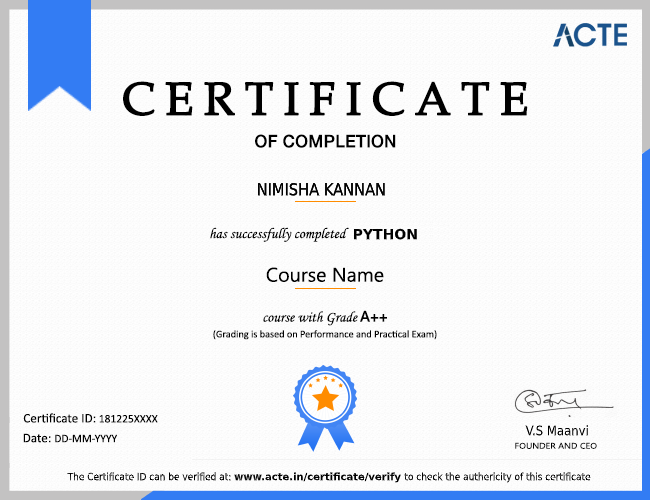
    You'll receive a certificate proving your industry readiness.Just complete your projects and pass the pre-placement assessment.This certification validates your skills and prepares you for real-world roles.

    • PL-300: Microsoft Power BI Data Analyst Associate
    • Power BI Certification for Data Science and Analytics
    • Microsoft Certified: Data Analyst Associate
    • Professional Power BI Training Certification

    Obtaining a Power BI certification significantly enhances career prospects in data analytics and business intelligence roles. It highlights practical expertise and technical skills, assuring employers of a candidate’s capability to handle analytics tasks efficiently. When combined with hands-on project experience and real-world application, it guarantees job opportunities while increasing credibility and competitiveness in the hiring process.

    The preparation duration varies depending on prior knowledge of Power BI and analytics concepts. Beginners generally require around two to four months to study, practice and build confidence for the exam. Those with prior experience may need three to six weeks of focused learning. Regular practice with datasets, reviewing exam guidelines and attempting mock tests can shorten the preparation time and improve readiness.

    • Opens access to higher-paying roles
    • Enhances professional credibility in analytics
    • Confirms expertise and proficiency in Power BI
    • Strengthens resume and career advancement opportunities
    • Provides structured learning with a guided approach to skill development

    Effective preparation methods include:

    • Study the official Microsoft PL-300 exam objectives and syllabus
    • Practice creating dashboards, reports and data models in Power BI Desktop
    • Gain hands-on experience with real-world datasets
    • Attempt practice exams, quizzes and scenario-based tests
    • Join online courses, discussion forums or study groups for additional guidance

    Complete Your Course

    A Downloadable Certificate in PDF Format, Immediately Available to You When You Complete Your Course.

    Get Certified

    A Physical Version of Your Officially Branded and Security-Marked Certificate.

    Get Certified

    Lowest Power BI Course Fees in Marathahalli

    Affordable, Quality Training for Freshers to Launch IT Careers & Land Top Placements.

    Call Course Advisor

    How is ACTE's Power BI Course in Marathahalli Different?

    Feature

    ACTE Technologies

    Other Institutes

    Affordable Fees

    Competitive Pricing With Flexible Payment Options.

    Higher Power BI Fees With Limited Payment Options.

    Industry Experts

    Well Experienced Trainer From a Relevant Field With Practical Power BI Training

    Theoretical Class With Limited Practical

    Updated Syllabus

    Updated and Industry-relevant Power BI Course Curriculum With Hands-on Learning.

    Outdated Curriculum With Limited Practical Training.

    Hands-on projects

    Real-world Power BI Projects With Live Case Studies and Collaboration With Companies.

    Basic Projects With Limited Real-world Application.

    Certification

    Industry-recognized Power BI Certifications With Global Validity.

    Basic Power BI Certifications With Limited Recognition.

    Placement Support

    Strong Placement Support With Tie-ups With Top Companies and Mock Interviews.

    Basic Placement Support

    Industry Partnerships

    Strong Ties With Top Tech Companies for Internships and Placements

    No Partnerships, Limited Opportunities

    Batch Size

    Small Batch Sizes for Personalized Attention.

    Large Batch Sizes With Limited Individual Focus.

    LMS Features

    Lifetime Access Course video Materials in LMS, Online Interview Practice, upload resumes in Placement Portal.

    No LMS Features or Perks.

    Training Support

    Dedicated Mentors, 24/7 Doubt Resolution, and Personalized Guidance.

    Limited Mentor Support and No After-hours Assistance.

    Power BI Course FAQs

    1. What basic requirements are needed to start learning Power BI?

    A foundational understanding of computers and logical reasoning is sufficient to begin Power BI training. Familiarity with Excel or basic data handling concepts can be advantageous but is not necessary. Structured lessons and guided exercises make it easy for beginners to grasp the fundamentals quickly.
    Power BI skills are increasingly in demand across industries such as IT, finance, healthcare and marketing due to the growing reliance on data-driven decisions. Professionals proficient in Power BI are highly sought after, ensuring strong career growth, stability and long-term opportunities for advancement in analytics and business intelligence roles.
    Training generally begins with importing, cleaning and transforming data using Power Query. It then progresses to data modeling, creating interactive visuals, building dashboards and generating comprehensive reports. Advanced topics often cover DAX functions, performance optimization, security configurations and publishing reports through Power BI Service.
    Practical projects are included to help learners work with real or simulated datasets. These exercises allow participants to create meaningful dashboards and insights that reflect actual business scenarios. Such projects enhance applied skills and provide portfolio material for future employment opportunities.
    Training programs usually offer support in crafting resumes that highlight technical expertise, project work and certifications. This assistance helps learners present their Power BI capabilities effectively, improving visibility to recruiters and enhancing overall employability.
    Power BI training is available to students, beginners and working professionals aiming to enhance their analytical skills. The course prepares learners for roles in business intelligence, data analysis and reporting across diverse industries.
    A college degree is not mandatory for success in Power BI. Practical knowledge, hands-on project experience and recognized certifications are more valuable and allow individuals from various backgrounds to enter analytics and reporting roles.
    Basic computer knowledge and logical reasoning are sufficient to start studying Power BI. While prior familiarity with Excel or databases can provide a small advantage, the course structure ensures that even complete beginners can follow along effectively.
    Learning Power BI does not require coding experience. Although advanced analytics may involve DAX formulas, these are taught gradually, making the course accessible for learners without prior programming knowledge.

    1. Does Power BI training include placement assistance?

    Many training programs provide end-to-end placement support, including resume building, interview coaching and career guidance. Some institutes collaborate with companies or organize recruitment drives to help learners secure relevant positions.

    2. Will learners complete projects suitable for showcasing to employers?

    Hands-on projects are an integral part of training, enabling learners to design reports and dashboards aligned with real business needs. These projects can be added to portfolios, demonstrating practical skills and problem-solving capabilities to prospective employers.

    3. Can graduates apply to top companies after completing Power BI training?

    With a strong foundation in Power BI, completed projects and certification, learners can confidently target reputed organizations. Industries such as IT, finance, retail and healthcare actively hire professionals skilled in Power BI for analytics and reporting roles.

    4. Is placement support available for beginners with no prior experience?

    Programs often provide beginner-focused placement assistance, including basic training, project work, career counseling and mock interviews. This ensures that freshers transition smoothly into analytics and business intelligence roles.
    Most institutes award a recognized certificate upon completion, validating technical skills and practical knowledge. This credential enhances credibility and signals proficiency to potential employers.
    Mastering Power BI equips professionals to convert raw data into actionable insights, a critical skill in today’s data-driven business environment. This expertise opens doors to roles in analytics, reporting and strategic decision-making across multiple sectors.
    No prior technical or analytics experience is required. Basic computer proficiency and logical thinking are sufficient and structured training ensures that learners from diverse backgrounds can understand and apply each concept effectively.
    Training combines practical skills from live projects with certification recognition, making candidates more employable. This equips learners to qualify for roles in business intelligence, reporting and data analysis.
    Courses typically cover data import and transformation using Power Query, data modeling, visualizations, DAX calculations, row-level security, publishing reports in Power BI Service and performance optimization strategies.

    1. Does paying course fees include placement support?

    Most institutes provide complete placement support after fee payment, covering resume preparation, mock interviews and career guidance to assist learners in entering the workforce effectively.
    The cost of a Power BI course varies based on the depth of course content, instructional techniques, access to study materials and extra guidance provided. Institutes that focus on practical exercises, updated tools and organized learning frameworks deliver an enhanced learning experience.
    Many courses are designed to be accessible to newcomers, balancing affordability with high practical value. Flexible payment plans or installment options further support learners with budget constraints.
    Most institutes maintain consistent pricing across regions, ensuring equal access to quality training and standardized course benefits regardless of geographic location.
    Learn (Power BI Desktop + DAX + Power Query + Data Modeling + Report Designing + Power BI Service + Data Visualization) at 30,680/- Only.
    Acte Technologies WhatsApp

    Power BI Course for All Graduates, NON-IT, Diploma & Career Gaps — ₹30,680/- only.

    Download Brouchure