
 LMS
LMS- Join Our Best ReactJS Training Institute Master Frontend Dev & Build Dynamic Apps.
- Complete ReactJS Course Covers Components, JSX, State, Props, Hooks, Routing & Redux.
- Work on Real-Time Projects to Boost Practical Skills with Hands-On Dev Experience.
- Choose Flexible Learning Weekday, Weekend, or Fast-Track Batches Around Your Schedule.
- Boost Your Career with ReactJS Certification Course and Dedicated Placement Support.
- Get Expert Guidance for Resume Building, Interview Preparation, & Career Success.
Join Our 100% Job Guaranteed
ReactJS Training
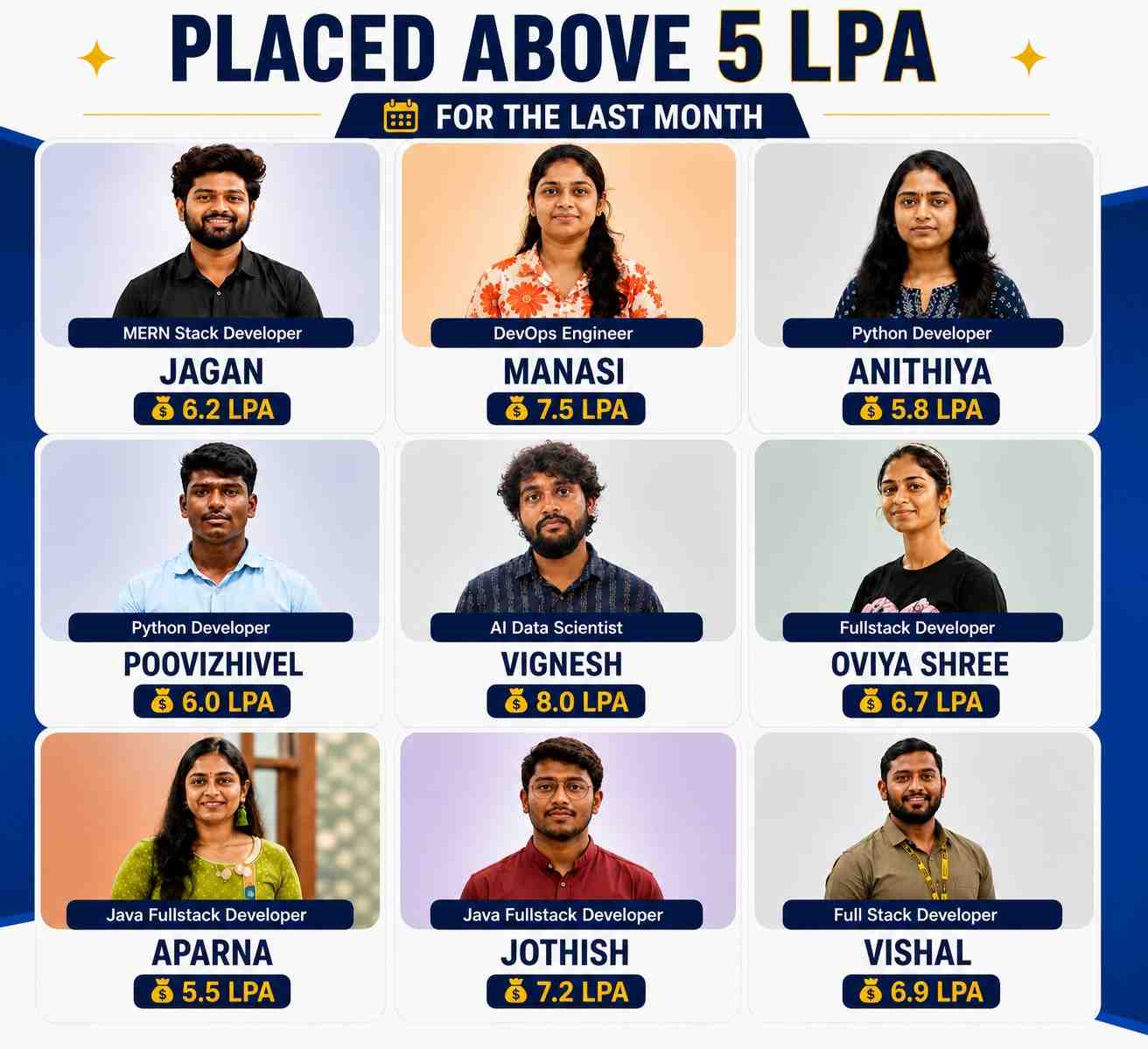
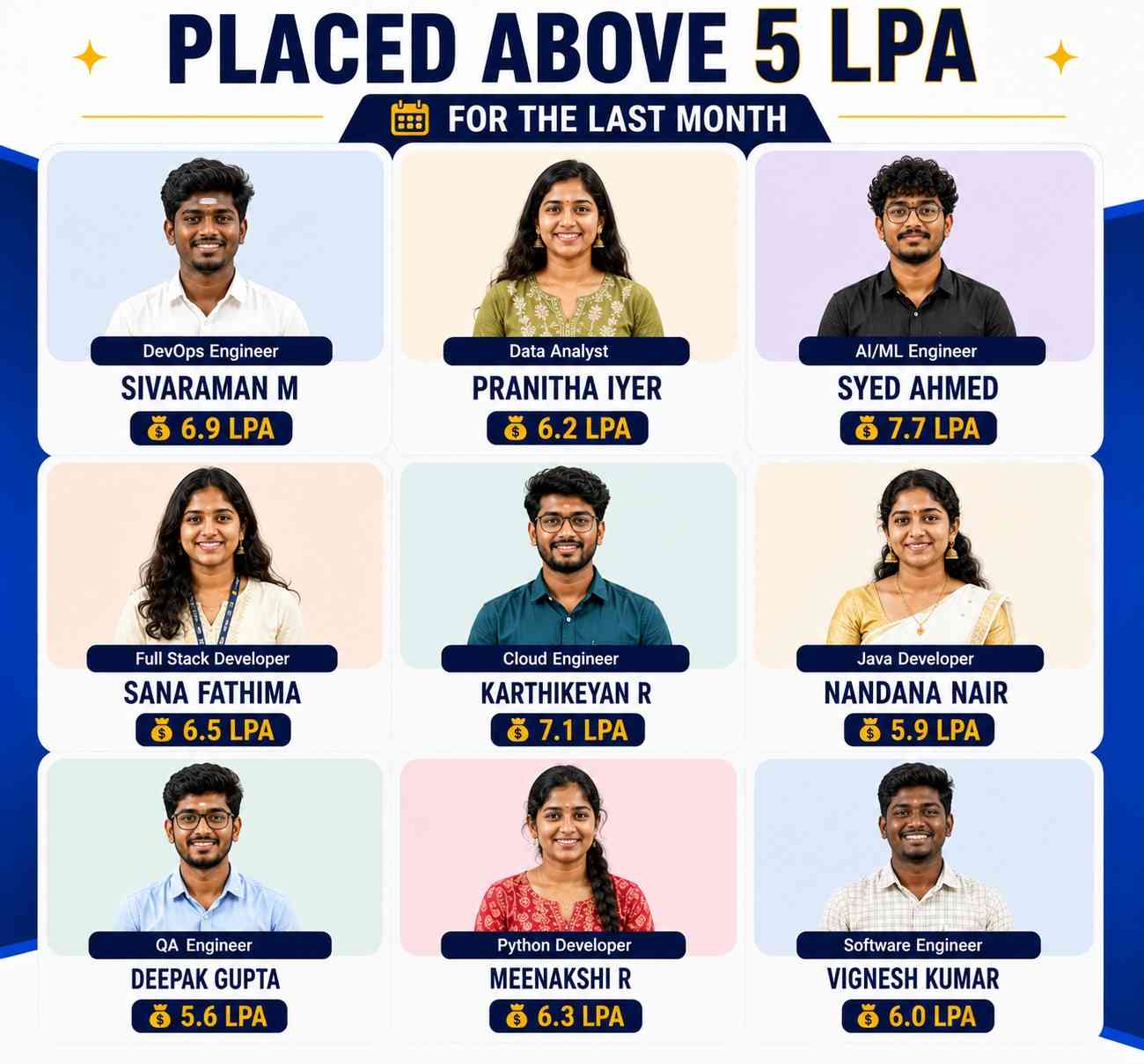
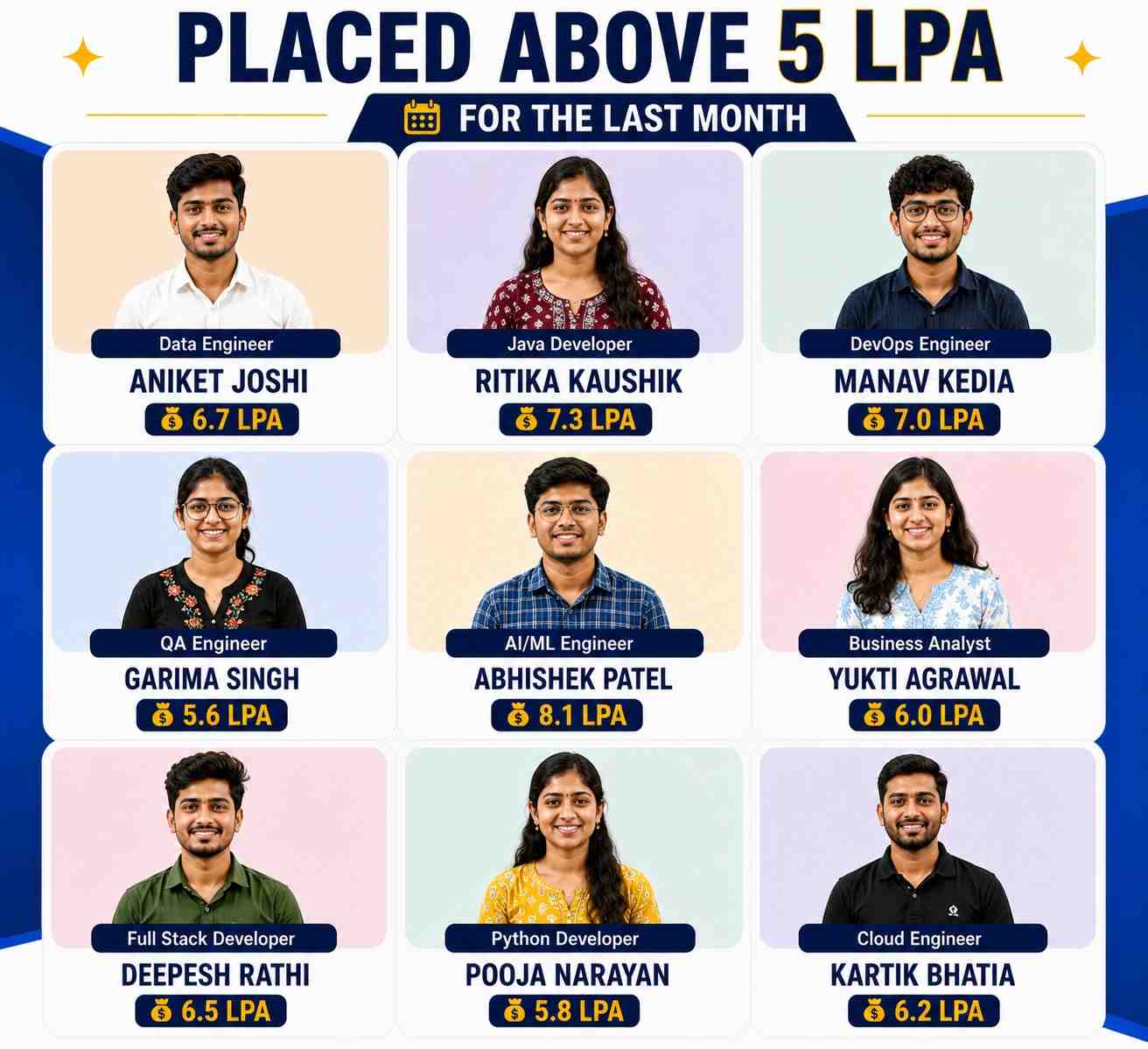
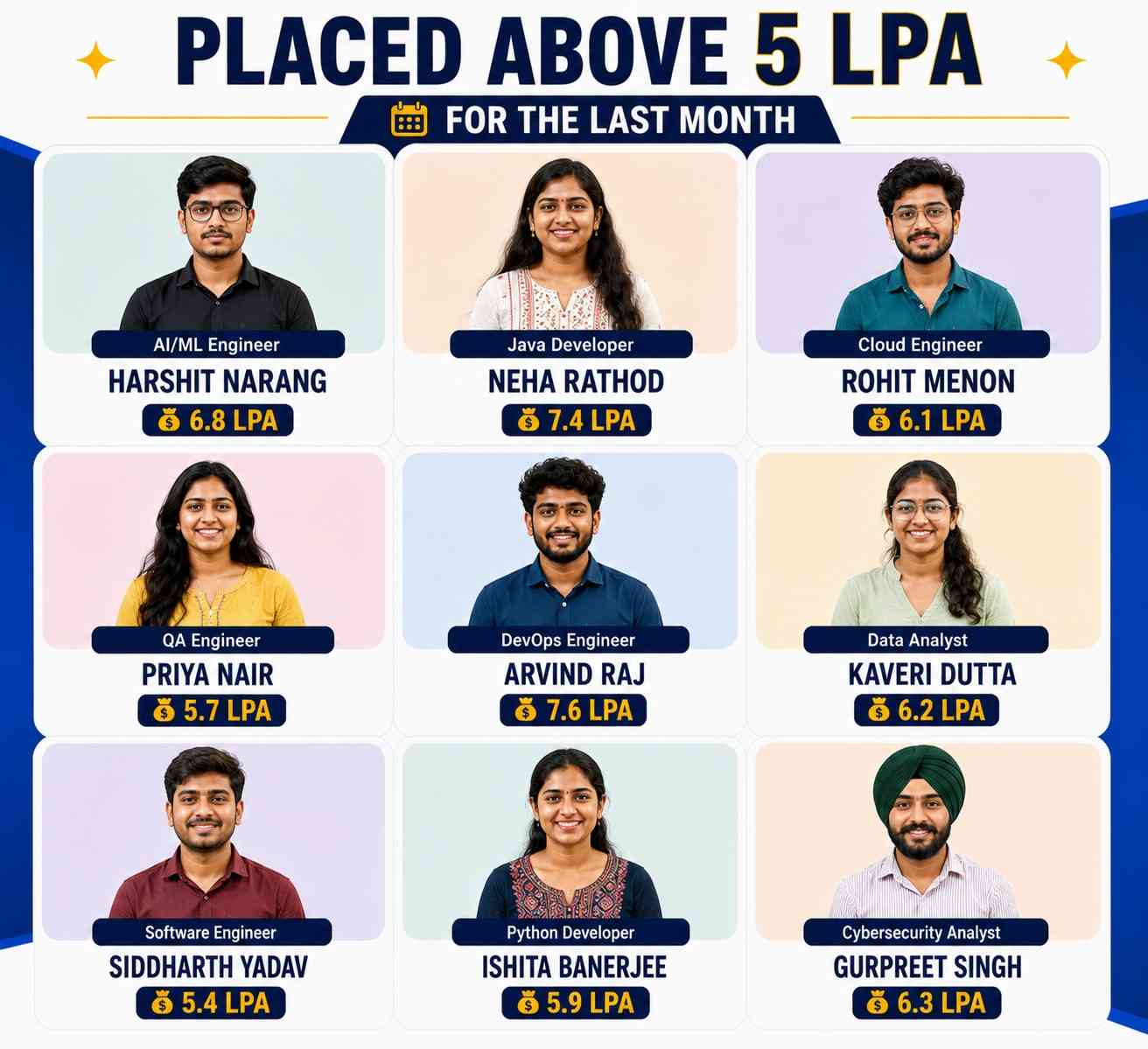
Explore Active Opportunities on
 by ACTE
Live
1000+
Jobs and Internships
Quality Training With Affordable Fees!
 Fees Starts From
INR
36,000
INR 16,500

11943+
(Placed)
6489+
(Placed)
8976+
(Placed)
4789+
(Placed)We Offer Both Online and Classroom Training in Chennai & Bangalore.
Our Hiring Partners

Overview of ReactJS Course
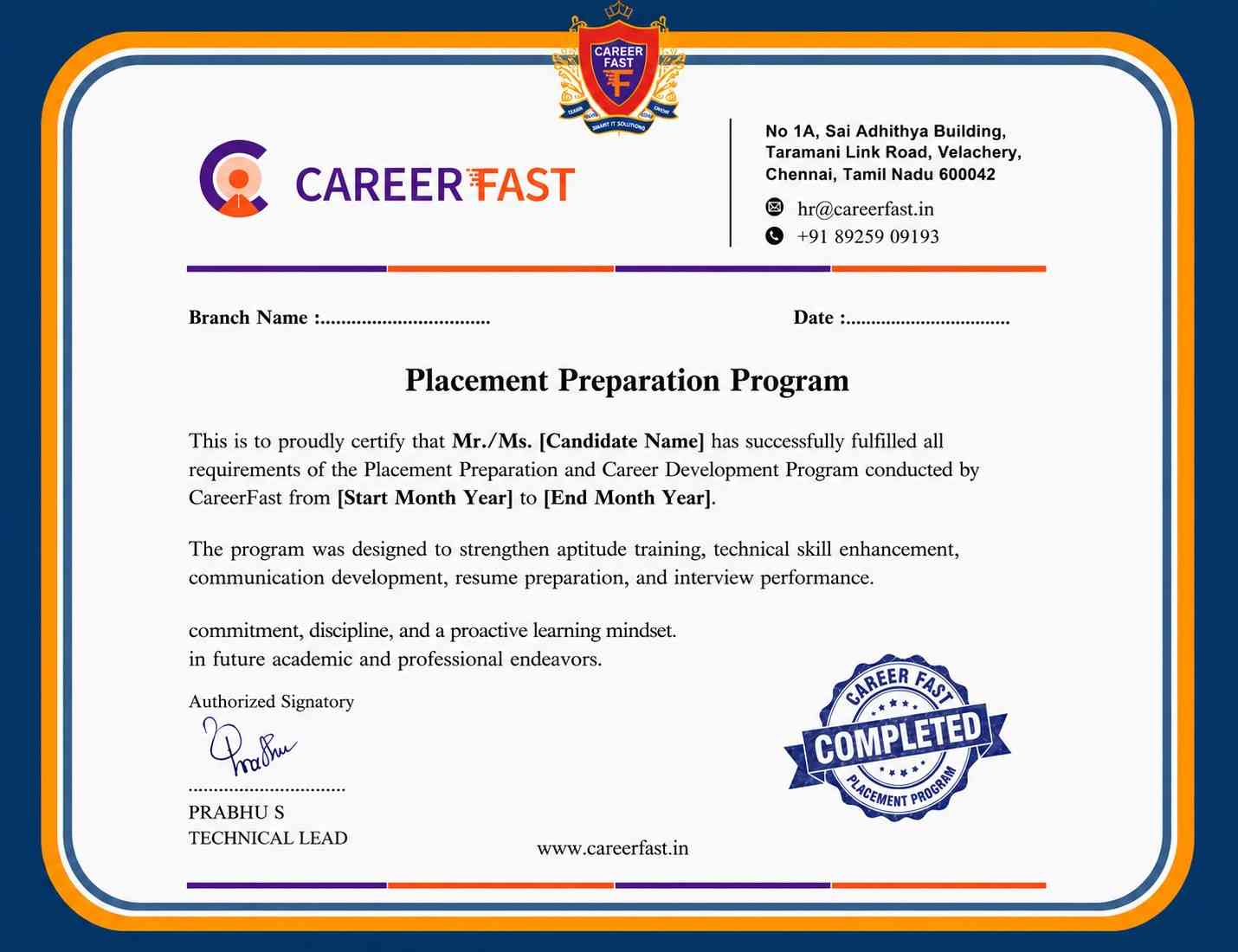
Our ReactJS Training helps you master frontend development and build dynamic, interactive web applications through clear, hands-on lessons. This course covers core topics like Components, JSX, State & Props, Hooks, Routing, Redux, API Integration, and Advanced React Concepts. You’ll also earn a recognized ReactJS Certification and gain practical experience through real-time development projects. Additionally, we provide a 30-Day Placement Preparation Program with resume building, job portal updates, daily job applications, mock interviews, HR guidance, and soft skills training equipping you to confidently launch your career in web development, full-stack roles, or technical interviews.
What You’ll Learn From ReactJS Training
- This course is ideal for beginners and professionals looking to build or enhance their frontend development and web application skills from scratch.
- You’ll dive into core topics such as Components, JSX, State & Props, Hooks, Routing, Redux, API Integration, and other essential React concepts.
- Advanced modules on Performance, Component Architecture & State Management help write efficient, maintainable code and tackle complex frontend challenges.
- The course includes real-time projects that simulate industry-level web applications, allowing you to apply concepts in practical, hands-on development tasks.
- You’ll gain the confidence to design, implement, and optimize React applications while following best practices for clean, scalable code.
- On completion, you’ll be ready for roles like Frontend, React, or Full-Stack Developer and earn a certification to boost your portfolio.
Additional Info
Course Highlights
- Master ReactJS Core Concepts Components, JSX, State, Props, Hooks, Routing, Redux, APIs, Performance, & Advanced Techniques in one complete course.
- Get 100% Job Placement Support with access to top IT and web development companies.
- Join 11,000+ learners who have successfully advanced their careers through our 350+ hiring partners.
- Learn directly from industry professionals with 10+ years of real-world frontend and full-stack development experience.
- Benefit from flexible class schedules, affordable fees, and lifetime learning access.
- Gain insights from 650+ ReactJS and frontend development experts on a single powerful learning platform.
- Shaping careers both online and in-classroom across multiple branches in Chennai and Bangalore.
Exploring the Benefits of ReactJS Training
- All-in-One Skillset – Our ReactJS Training equips you with core frontend development concepts and advanced web application skills. You’ll master Components, JSX, State & Props, Hooks, Routing, Redux, API Integration, Performance Optimization, and Advanced React Patterns. This makes you a well-rounded frontend developer capable of building scalable, maintainable, and interactive web applications.
- Better Job Opportunities – With skills gained from ReactJS Training in Chennai and Bangalore, you become a strong candidate for high-demand frontend and full-stack roles. Companies value professionals who can create dynamic user interfaces, optimize web performance, and implement robust solutions. You’ll be prepared for roles like Frontend Developer, React Developer, or Full-Stack Engineer.
- Hands-On Learning – The training includes real-time projects and lab sessions emphasizing learning by doing. You’ll design, implement, and optimize React applications in practical, real-world scenarios. These exercises help you understand component architecture, state management, API integration, performance tuning, and debugging.
- Placement Support – After completing the course, you’ll receive full placement assistance, including resume building, mock interviews, job portal setup, and daily job updates. Expert guidance ensures you are interview-ready, while career counseling and HR support help you succeed in the tech industry.
Exploring Advanced Tools in ReactJS Training
- Core React Concepts & Utilities – Mastering components, hooks, state management, routing, Redux, and context API forms the backbone of dynamic web applications. Understanding these concepts empowers you to develop scalable and maintainable solutions.
- Application Design & Performance – Learn effective design patterns, component structuring, and performance optimization strategies. Gain expertise in lazy loading, memoization, code splitting, and profiling to build high-performance web applications.
- Advanced Problem-Solving Techniques – Advanced techniques in state management, asynchronous operations, API integration, and component lifecycle handling enable you to tackle complex frontend challenges and dynamic user interactions efficiently.
- Optimization & Real-World Applications – Apply ReactJS best practices to real-world projects, optimizing workflows, enhancing performance, and delivering responsive, high-quality web applications that scale effectively.
Key ReactJS Skills Every Developer Must Master
- Core Concepts & Components – Understanding JSX, components, props, state, hooks, routing, and Redux is essential for building modern web applications. Mastering these empowers you to create interactive and scalable solutions.
- Application Design & Implementation – Efficiently structure applications, implement reusable components, and manage state effectively to build scalable, maintainable, and high-performance web applications that deliver a seamless user experience.
- Advanced Problem-Solving Techniques – Techniques such as Context API, custom hooks, asynchronous data handling, memoization, and performance optimization empower you to efficiently tackle complex frontend scenarios and deliver robust, scalable applications.
- Optimization & Performance Analysis – Learn to analyze performance metrics, optimize component rendering, reduce load times, implement efficient algorithms, and handle large datasets effectively, making you a highly valuable asset in modern web development teams.
- Project-Based Application – Gain hands-on experience by applying ReactJS to real-world projects, interactive web apps, and full-stack development tasks, ensuring practical understanding and readiness for professional roles.
Key Skills You’ll Gain Through ReactJS Training
- Frontend Architecture & Component Design – Learn to design, implement, and optimize React components and application structures. You’ll tackle advanced frontend challenges, including dynamic UI rendering, state management, and performance optimization, building scalable and maintainable web applications.
- ReactJS Core & Advanced Concepts – Gain expertise in handling JSX, components, props, state, hooks, routing, Redux, context API, and API integrations. Practice building responsive, interactive web applications for real-world scenarios.
- Code Optimization & Best Practices – Learn best practices for writing clean, efficient, and maintainable React code. Understand performance profiling, error handling, and strategies to optimize rendering and resource usage in large-scale web apps.
- Practical Application & Problem-Solving – Apply ReactJS skills to real-world projects, interactive web applications, and full-stack development tasks, building practical experience in creating robust, high-performance solutions.
Major Roles and Responsibilities of ReactJS Professionals
- Frontend Developer – Designs and implements user interfaces using ReactJS, ensuring components are reusable, efficient, and responsive. Optimizes performance, accessibility, and overall user experience for modern web applications.
- React Developer – Focuses on advanced React features, state management, hooks, and API integrations. Ensures frontend solutions are scalable, maintainable, and aligned with best practices for modern web development.
- Full-Stack Developer – Leverages ReactJS with backend services to build end-to-end applications, efficiently handling data flow, dynamic UI rendering, performance optimization, and seamless user interactions across platforms.
- UI/UX Specialist – Uses ReactJS to create interactive, responsive, and highly user-friendly interfaces. Implements best practices for frontend performance, accessibility, cross-browser compatibility, and maintainable code.
Why ReactJS Training is a Great Career Option for Freshers
- High Demand for Frontend Skills – Companies need professionals who can design dynamic web interfaces, optimize rendering, and integrate APIs efficiently. Freshers with strong ReactJS expertise are highly sought after.
- Multiple Career Opportunities – ReactJS skills are applicable across startups, large enterprises, and freelance projects. Roles include Frontend Developer, React Developer, Full-Stack Engineer, and UI/UX Specialist.
- Faster Learning and Growth – Hands-on ReactJS training accelerates learning. Building real-time web applications, optimizing components, and managing state enhances development skills, boosting career growth.
- Better Salary Packages – Organizations value strong frontend expertise and offer competitive packages for skilled React developers. Continuous learning in ReactJS and web development further increases earning potential.
- Opportunity to Build Real Projects – Training includes practical projects where you’ll develop dynamic web applications, optimize performance, and implement advanced React patterns. This hands-on experience builds confidence, strengthens your portfolio, and prepares you for professional roles.
How ReactJS Skills Help You Secure Remote Jobs
- You Can Build Applications Independently – Strong ReactJS expertise enables you to develop dynamic, interactive web applications without heavy supervision. Remote employers value developers who can handle tasks independently and deliver production-ready features.
- Understanding of Full Frontend Logic – Knowing component architecture, state management, and data flow empowers you to debug, optimize, and enhance applications remotely. You become a key contributor to distributed development teams.
- Fit for Startups and Small Teams – Lean teams prefer multi-skilled developers. Your ability to design optimized components, manage state, integrate APIs, and implement reusable code makes you ideal for remote frontend roles in startups.
- Suitable for Freelance and Contract Work – ReactJS skills allow you to handle multiple client projects, building responsive and maintainable web applications. Freelance opportunities often require designing efficient solutions independently.
- Global Opportunities – Frontend expertise is in demand worldwide. International firms value professionals who can independently design, optimize, and troubleshoot React applications, opening doors to global remote work.
What to Expect in Your First ReactJS Role
- Working on Frontend Projects – You’ll develop robust and reusable components, manage complex state efficiently, integrate APIs seamlessly, and optimize overall application performance. Your tasks will include building highly responsive and interactive UIs, ensuring scalability and maintainability of web applications, implementing coding best practices and design patterns, collaborating with cross-functional teams, debugging and troubleshooting issues, and contributing to enterprise-level projects that deliver exceptional user experiences and meet high-quality standards.
- Collaborating with Teams – You’ll work closely alongside backend developers, UI/UX designers, and project managers, fostering strong collaboration to ensure smooth integration of frontend components with backend systems. Clear and effective communication will be essential for delivering high-quality, scalable, and maintainable frontend solutions. You’ll also participate in code reviews, provide constructive feedback, troubleshoot complex issues, optimize application performance, and contribute to innovative web projects that enhance user experiences and align with business objectives.
- Learning and Adapting Quickly – Technologies evolve rapidly, and staying ahead requires continuous learning and adaptation. You’ll need to master new React patterns, explore emerging libraries, and adopt advanced optimization techniques to enhance application performance, maintainability, and scalability. This involves keeping up with industry trends, experimenting with innovative solutions, refactoring existing code for efficiency, implementing best practices, and applying cutting-edge tools to deliver modern, high-quality web applications that provide exceptional user experiences and meet the dynamic needs of enterprise-level projects.
- Debugging and Fixing Issues – Troubleshooting complex UI bugs, identifying and resolving performance bottlenecks, and ensuring consistent responsive behavior across devices and browsers are key responsibilities. Efficient debugging, thorough testing, and proactive issue resolution are crucial for delivering reliable, high-quality, and maintainable applications. Additionally, you’ll analyze user interactions, optimize rendering processes, implement best coding practices, collaborate with cross-functional teams, and contribute to continuous improvement efforts to ensure that web applications perform seamlessly, scale effectively, and provide exceptional user experiences.
- Managing Deadlines and Projects – Time management is essential in a fast-paced development environment. You may be responsible for handling multiple features, modules, or projects simultaneously, prioritizing tasks effectively, and balancing competing deadlines. Utilizing tools like Git for version control, Jira for issue tracking, and other project management platforms will help you monitor progress, coordinate with team members, and ensure timely delivery. Strong organizational skills, clear communication, and proactive planning are critical to maintaining workflow efficiency, meeting project milestones, and contributing to the successful completion of high-quality, scalable, and maintainable web applications.
Top Companies Hiring ReactJS Professionals
- TCS – Hires skilled Frontend and Full-Stack Developers to design and build enterprise-level web applications with highly scalable, efficient, and maintainable React solutions, delivering seamless user experiences, robust performance, and future-ready architecture, while integrating best practices in UI/UX design, optimizing application speed, ensuring cross-browser compatibility, and collaborating with teams to drive innovation and achieve business goals effectively.
- Infosys – Provides exciting opportunities to work on global web projects, implementing highly optimized components, advanced frontend features, and cutting-edge technologies, while collaborating with cross-functional teams, enhancing code quality, improving application performance, and gaining hands-on experience in scalable, enterprise-level web development to drive innovation and deliver exceptional user experiences.
- Accenture – Recruits talented React developers for diverse and challenging projects, focusing on optimizing UI performance, building reusable and maintainable component libraries, ensuring seamless full-stack integration, implementing best coding practices, enhancing application scalability, collaborating with cross-functional teams, and contributing to the development of high-quality, enterprise-level web solutions that deliver outstanding user experiences and drive business growth.
- Wipro – Focuses on frontend design, performance optimization, and real-world application development using React, while emphasizing best practices in component architecture, state management, responsive UI design, cross-browser compatibility, and seamless integration with backend systems, enabling developers to build scalable, efficient, and maintainable web applications that deliver exceptional user experiences and meet enterprise-level project requirements.
- Capgemini – Values skilled professionals who can design and implement high-performance frontend solutions, optimize development workflows, and deliver responsive, scalable, and maintainable web applications, while staying updated with the latest React technologies, collaborating effectively with cross-functional teams, solving complex technical challenges, and advancing their careers through hands-on experience on enterprise-level projects that drive innovation and provide measurable business impact.
Show More
Tools Covered For ReactJS Training







Upcoming Batches For Classroom and Online
Weekdays
19 - Oct - 2026
08:00 AM & 10:00 AM
Weekdays
21 - Oct - 2026
08:00 AM & 10:00 AM
Weekends
24 - Oct - 2026
(10:00 AM - 01:30 PM)
Weekends
25 - Oct - 2026
(09:00 AM - 02:00 PM)
Can't find a batch you were looking for?
What’s included ?

📊 Free Aptitude and Technical Skills Training
- Learn basic maths and logical thinking to solve problems easily.
- Understand simple coding and technical concepts step by step.
- Get ready for exams and interviews with regular practice.

🛠️ Hands-On Projects
- Work on real-time projects to apply what you learn.
- Build mini apps and tools daily to enhance your coding skills.
- Gain practical experience just like in real jobs.

🧠 Launch Your Career in Top MNC Companies
- Master technical and HR interview rounds.
- Gain confidence with expert mock interview practice.
- Improve your chances of getting hired faster.

🎯 Interview Preparation For Freshers
- Practice company-based interview questions.
- Take online assessment tests to crack interviews
- Practice confidently with real-world interview and project-based questions.
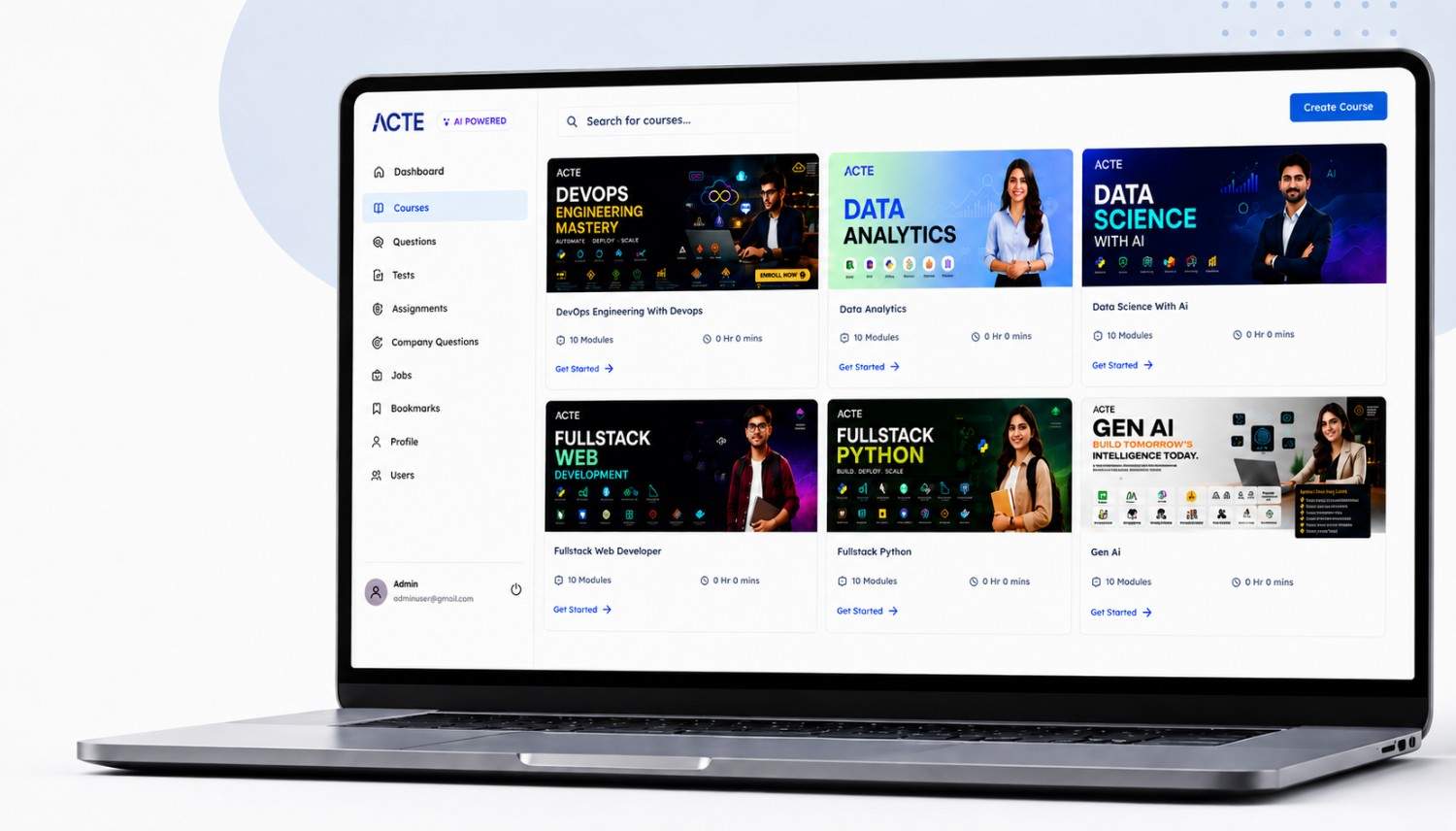
🧪 LMS Self Learning Platform
- Explore expert trainer videos and documents to boost your learning.
- Study anytime with on-demand videos and detailed documents.
- Top MNC interview questions & self coding practice.
ReactJS Course Syllabus
- 🏫 Classroom Training
- 💻 Online Training
- 🚫 No Pre Request (Any Vertical)
- 🏭 Industrial Expert
Students enrolling in ReactJS Training can choose a track that suits their career goals, with both classroom and online options available to learn frontend development and web application skills from anywhere. The course covers JSX, Components, Props & State, Hooks, Routing, Redux, Context API, API Integration, Performance Optimization, and Advanced React Patterns, providing a complete foundation for building dynamic, scalable, and maintainable web applications. Learners gain hands-on experience through real-time projects, preparing them for professional roles in Frontend Development, React Development, Full-Stack Development, and UI/UX-focused positions, and receive comprehensive placement support to ensure they are job-ready upon course completion.
- ReactJS Fundamentals – Learn core React concepts including components, JSX, props, state, and lifecycle methods to build dynamic, interactive web applications.
- Advanced Concepts – Explore powerful features like hooks, context API, routing, performance optimization, and state management with Redux to build scalable apps.
- Real-World Projects – Practice hands-on projects like creating interactive UIs, building CRUD apps, implementing routing, and integrating APIs for practical experience.
- Development Tools & Workflow – Learn to manage React projects with code editors, npm/yarn, Git, and deploy on platforms like Netlify or Vercel.
ReactJS Fundamentals
Workflow Management in ReactJS
Team-Focused Practices in ReactJS
Issue Handling and Continuous Improvement
Frameworks, Tools, and Environments
Working with Tools and Resources
ReactJS for Projects and Teams
These fundamentals help you build a strong foundation in ReactJS development:
- Core Components & Concepts – Learn how to structure React applications using functional and class components, props, state, and event handling.
- React Principles – Understand component lifecycles, conditional rendering, JSX syntax, and best practices for creating reusable code.
- Problem-Solving & Execution – Develop skills to debug, optimize, and refactor React applications for consistent performance.
- Collaboration & Documentation – Write clean, maintainable code, document components, and share solutions for effective team collaboration.
- Environment Setup – Configure Node.js, React development environment, code editors, and version control for efficient project workflows.
Learn how to structure effective and efficient React development workflows:
- Component Operations – Build interactive UI elements, handle user events, and implement stateful logic for dynamic applications.
- Workflow Mapping – Organize components with props, hooks, conditional rendering, and modular functions to ensure maintainable and error-free apps.
- Utilities & Tools – Utilize React libraries, debugging tools, and testing frameworks to streamline development.
- Roles & Responsibilities – Define clear responsibilities for front-end developers, UI engineers, and problem-solving specialists to ensure accountability.
- Continuous Improvement – Refactor components, enhance performance, and implement best practices for efficient and reliable code.
Enhance collaborative React development:
- Roles and Responsibilities – Assign tasks for designing, coding, testing, and maintaining React components across teams.
- Component Workflows – Map step-by-step processes for building UIs, managing state, and integrating APIs.
- Task Prioritization – Organize tasks based on project requirements, complexity, and deadlines.
- Transparency & Collaboration – Ensure team members share code updates, pull requests, and documentation clearly.
- Post-Execution Reviews – Validate functionality, analyze test results, and refine solutions for continuous improvement.
Streamline coding challenges and team collaboration:
- Team Feedback – Gather input from developers, testers, and stakeholders after implementing React components.
- Process Issues – Identify and resolve issues like inefficient state management, unnecessary re-renders, or broken UI flows.
- Iteration & Adaptation – Refactor code, improve component structure, and optimize performance based on metrics.
- Compliance Checks – Follow coding standards, best practices, and industry guidelines.
- Risk & Performance Management – Troubleshoot failures, optimize rendering, and maintain smooth application performance.
Organize React workflows efficiently:
- Core Tools – Utilize libraries, debugging utilities, and React frameworks like Next.js to build optimized applications.
- Coding Frameworks – Implement modular components, reusable hooks, and configuration-driven solutions.
- Tool Integrations – Connect code with Git, testing tools like Jest, and deployment pipelines for reliability.
- Coding Practices – Establish consistent coding, testing, and execution standards across projects.
- Operational Structure – Maintain organized repositories, documentation, and logs for smooth collaboration.
Use ReactJS tools to manage development effectively:
- Automation Tools – Use scripts, bundlers (Webpack), and testing frameworks to automate repetitive tasks.
- Monitoring & Logs – Analyze component behavior, debug errors, and ensure app stability.
- Workflow Flows – Visualize React component interactions, state updates, and UI rendering.
- Reports & Metrics – Track app performance, memory usage, and load times.
- Workflow Structures – Organize projects with modular components, reusable hooks, and standard practices.
Guide best practices for managing React projects collaboratively:
- Coding Platforms – Use IDEs, online sandboxes (CodeSandbox, StackBlitz), and GitHub for project management.
- Execution & Deployment – Handle testing, deployment, rollback, and monitoring for React applications.
- Operational Adaptability – Adjust components and workflows to meet evolving project requirements.
- Workflow Mapping – Define execution flows, ownership, and troubleshooting steps.
- Progress Validation – Use logs, reports, and team reviews to track project success, fix errors, and improve outcomes.
🎁 Free Addon Programs
Aptitude, Spoken English
🎯 Our Placement Activities
Daily Task, Soft Skills, Projects, Group Discussions, Resume Preparation, Mock Interview
Gain Hands-On Experience with Real-World ReactJS Projects
Project 1
Component Development
Build and optimize reusable React components for dynamic user interfaces. Focus on performance, state management, and rendering efficiency to create smooth and responsive web applications.
Project 2
State & Props Management
Design and manage application state using Hooks, Redux, or Context API. Implement workflows that ensure efficient data flow, maintainable code, and scalable frontend architecture.
Project 3
UI/UX Problem Analysis
Analyze complex frontend challenges, design robust solutions using best practices, and document approaches, performance considerations, and final results clearly, efficiently, and comprehensively.
Project 4
Dynamic Applications
Implement advanced React patterns, routing, API integration, and asynchronous operations. Develop complex applications such as dashboards, e-commerce sites, or interactive data visualizations.
Project 5
Performance Tracking
Monitor component performance, rendering times, and memory usage. Use profiling and optimization techniques to ensure applications run smoothly across devices and scenarios.
Who Should Take a ReactJS Training
IT Professionals
Non-IT Career Switchers
Fresh Graduates
Working Professionals
Diploma Holders
Professionals from Other Fields
Salary Hike
Graduates with Less Than 60%
Show More
Job Roles For ReactJS Course
Frontend Developer
React Developer
React Native Developer
Frontend Engineer
ReactJS UI Developer
QA Test Engineer
React Consultant
React Technical Lead
Show More
ReactJS Training Offered Classroom (Chennai & Bangalore) and Online.
Easy Coding
8 Lakhs+ CTC
No Work Pressure
WFH Jobs (Remote)
Why ReactJS is the Ultimate Career Choice
High Demand
Companies prefer multi-skilled professionals can handle entire project cycles.
Global Opportunities
Open doors to remote and international job markets.
High Salary
Enjoy competitive salaries and rapid career advancement.
Flexible Career Path
Explore roles such as developer, architect, freelancer, or entrepreneur.
Future-Proof Career
Stay relevant with skills that are consistently in demand in the evolving tech landscape.
Versatility Across Industries
Work in various domains like e-commerce, healthcare, finance, and more.
Career Support
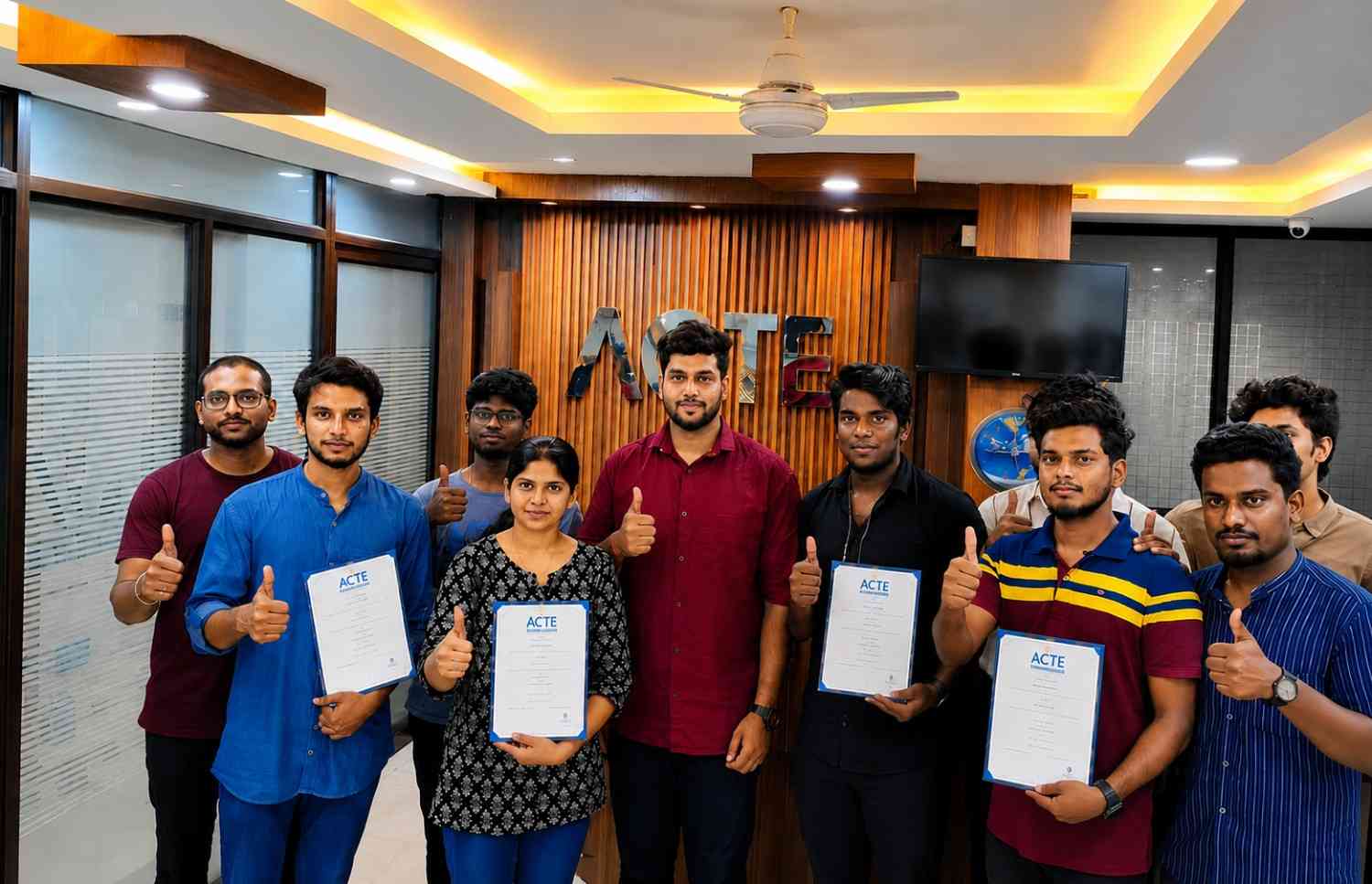

Placement Assistance

Exclusive access to ACTE Job portal

Mock Interview Preparation

1 on 1 Career Mentoring Sessions

Career Oriented Sessions

Resume & LinkedIn Profile Building
Get Advanced ReactJS Certification
You'll receive a certificate proving your industry readiness.Just complete your projects and pass the pre-placement assessment.This certification validates your skills and prepares you for real-world roles.
📜 Industry-Recognized Certification
Earn official, shareable certifications recognized by top companies — a powerful proof of your job-ready skills.
🚀 Get Discovered by Top Employers
Let recruiters come to you with your verified profile — focus on learning while we connect you to real opportunities.
💼 Real-World Project Experience
Work on real-world projects to sharpen your skills and build a portfolio that impresses employers instantly.

Lowest ReactJS Course Fees
Affordable, Quality Training for Freshers to Launch IT Careers & Land Top Placements.
ReactJS Course FAQs
1. What Are the Requirements for Becoming a ReactJS Professional?
Basic computer knowledge, logical thinking, and curiosity about web development are enough to start. Interest in frontend development, component-based architecture, and building interactive UIs is essential. Prior programming experience helps but is not mandatory, as most training programs start at the beginner level.
2. What is the Demand for ReactJS Professionals in the Industry?
ReactJS is highly sought after in web development, frontend engineering, and full-stack development roles. Companies look for developers who can build dynamic, scalable applications, optimize performance, and create reusable components. Roles like Frontend Developer, UI Engineer, and React Developer are in high demand.
3. What Technologies Are Covered in ReactJS Training?
- ReactJS Core Concepts & Components
- JSX, Props & State Management
- Functional & Class Components
- Hooks (useState, useEffect, useContext, etc.)
4. Are Real-Time Projects Included in ReactJS Training?
Yes! Learners work on real-world projects like building dynamic web applications, implementing APIs, state management tasks, and component-driven UIs. These projects enhance practical skills and strengthen professional portfolios.
5. Do You Provide Resume Building Support?
Absolutely. Programs include resume guidance and portfolio development specifically for frontend and full-stack roles. Institutes also conduct mock interviews and career counseling to prepare learners for top IT opportunities.
1. Who Can Join ReactJS Training?
Anyone aspiring to work in web development, frontend engineering, or UI/UX roles. Students, fresh graduates, IT professionals, and even non-technical learners are welcome. Training starts with basics, so no prior coding background is required.
2. Do I Need a Degree to Become a ReactJS Professional?
No formal degree is necessary. Skills, practical project experience, and a strong portfolio are more valuable. Many professionals start their careers in frontend development without a degree by mastering ReactJS through training.
3. What Skills Should I Have Before Joining ReactJS Training?
Basic computer skills and logical reasoning are sufficient. Familiarity with HTML, CSS, and JavaScript is helpful but not essential. Curiosity about building interactive UIs and web apps will help learners excel.
4. Do I Need to Learn Coding Before Starting the Course?
Not necessarily. The course begins with HTML, CSS, and JavaScript basics, gradually introducing ReactJS concepts and practical application development.
5. Can Non-Technical Professionals Join ReactJS Training?
Yes. Training starts with foundational web development concepts, making it accessible to learners from any background while progressively teaching coding and application-building skills.
1. What Kind of Placement Support Is Provided After ReactJS Training?
Institutes provide complete placement support, including resume preparation, interview practice, job referrals, and career mentoring. Partnerships with IT companies help learners connect with frontend and full-stack roles.
2. Will I Get Access to Real-Time Projects for My Resume?
Yes. Projects include building responsive web apps, API integration, component-based UI design, and performance optimization, helping learners showcase practical skills to recruiters.
3. Can I Apply for Jobs in Top IT Companies After Completing the Course?
Absolutely! With certification and hands-on training, learners can apply for roles in leading IT companies like TCS, Infosys, Wipro, Accenture, and Capgemini.
4. Is Placement Support Available for Freshers with No Experience?
Yes. Programs focus on job readiness with projects, resume building, mock interviews, and portfolio development, enabling even non-IT learners to secure entry-level roles.
5. Does ReactJS Training Help Me Build a Strong Portfolio to Impress Employers?
Yes. Training emphasizes creating a professional portfolio with completed web applications, components, and problem-solving solutions, demonstrating practical skills to recruiters.
1. Will I Receive a Certificate After Completing the ReactJS Course?
Yes. Learners receive a course completion certificate validating their skills. Institutes may also guide learners toward additional certifications in frontend and full-stack development.
2. Is Learning ReactJS a Valuable Investment?
Definitely. ReactJS skills are in high demand, offering competitive salaries, career growth, and strong job security in web development and IT.
3. What Are the Prerequisites for Enrolling in ReactJS Certification?
No strict prerequisites. Basic computer knowledge and logical thinking are enough. Courses are suitable for beginners as well as professionals aiming to enhance frontend skills.
4. How Can ReactJS Certification Benefit Your Career Growth?
Certification enhances employability for frontend and full-stack roles, boosts salary potential, and prepares learners for advanced web development careers
5. What Key Skills Will You Learn Through ReactJS Certification?
Learners gain expertise in ReactJS fundamentals, component-based architecture, hooks, state management, routing, API integration, optimization, and hands-on project development.
1. Will I Receive Job Placement Support After Completing the Course?
Yes. Institutes provide strong placement support, including resume reviews, portfolio development, interview preparation, and job referrals. Industry partnerships ensure access to real IT opportunities.
2. Why Do Fees Differ Between Training Centers?
Fees vary based on trainer experience, course duration, mode of learning (online/offline), and additional services like certification guidance or personalized mentoring. Programs with live projects and one-on-one support may cost more.
3. Is the Course Affordable for Beginners?
Yes. Many institutes offer flexible payment options, EMI plans, and discounts for students and freshers. Considering career growth, the course provides excellent value.
4. Is the Training Fee the Same Across All Cities?
Generally, yes. Institutes maintain standard pricing across locations, ensuring quality training whether in Chennai, Bangalore, or Hyderabad.
100% Job Guarantee
Global Quality Training At The Lowest Fees & Expert Trainer
Available in:










