 LMS
LMS- Join the Software Testing Training Institute to Master Manual & Automation Techniques.
- Complete Software Testing Training Covers Selenium, Java, SQL, Junit and TestNG.
- Work on Real-time Testing Projects and Gain in-demand QA Skills Through Practical.
- Choose From Flexible Learning Modes Weekday, Weekend or Fast-track Batches.
- Advance Your Skills With a Software Testing Certification Course and Placement Support.
- Get Guidance for Resume Building, Interview Prep and Career Advancement Strategies.
Join Our 100% Job Guaranteed
Best Software Testing Course




Explore Active Opportunities on
 by ACTE
Live
1000+
Jobs and Internships
Quality Training With Affordable Fees!
 Fees Starts From
INR
36,000
INR 16,500

10842+
(Placed)
5896+
(Placed)
8465+
(Placed)
4389+
(Placed)We Offer Both Online and Classroom Training in Chennai & Bangalore.
Our Hiring Partners

Overview of Software Testing Course
Our Software Testing Training program builds your expertise from the ground up starting with fundamentals like test case design, defect lifecycle and manual testing principles, then advancing into automation, performance and security testing. You’ll master industry‑standard tools and techniques such as Selenium WebDriver, JIRA, SQL for backend validation, Postman for API testing and load‑testing frameworks. Upon completion, you’ll receive a Software Testing Certification and put your new skills to work in a real‑world Software Testing Internship. Plus, our 30‑Day Placement Preparation Program empowers you to launch your career quickly, featuring resume crafting, job‑portal setup, daily application targets, mock interviews, HR coaching and soft‑skills workshops all tailored to help you secure your first role in Software Testing Placement.
What You’ll Learn From Software Testing Training
- This comprehensive Software Testing course is ideal for both beginners and professionals seeking to build solid testing skills from scratch.
- You’ll explore core concepts like manual testing, automation testing, bug tracking and test case design.
- Tools such as Selenium, JIRA and Postman will help you automate tests, report defects and validate APIs effectively.
- Real-time projects simulate actual QA challenges so you can apply testing techniques in industry-based scenarios.
- By course completion, you'll be confident in executing test cycles and following QA best practices in a structured workflow.
- The training prepares you for roles like Software Tester, QA Analyst or Test Automation Engineer, with certification included to enhance your resume.
Additional Info
Course Highlights
- Master Manual Testing, Automation, Selenium, JUnit, TestNG and more in complete Software Testing Course.
- Get 100% placement assistance with top hiring companies in QA and Testing roles.
- Join 11,000+ successful learners placed via 350+ hiring partners.
- Learn directly from testing experts with 10+ years of real-world experience.
- Flexible schedules, affordable fees and lifetime access to learning materials.
- Get mentorship from 650+ QA professionals on a single platform.
- Build a successful testing career with classroom training in 9+ centers across Bangalore and Chennai.
Exploring the Benefits of Software Testing Course
- Strong Foundation in QA – A software testing Certification course helps you build a solid understanding of to check the quality of software. You’ll learn to find bugs, report issues and ensure the product works as expected. This knowledge is key in preventing software failures. It prepares you to maintain high standards in any project.
- Hands-On Experience with Real Tools – Top Software Testing Training Institutes in Chennai and Bangalore offer practical learning with tools like Selenium, JIRA, TestNG, and Postman. You get to work on live projects, practice test automation, and track issues effectively. This hands-on exposure makes you job-ready for the QA industry.
- High Demand and Job Opportunities – Software testers are always in demand as companies want bug-free software. Completing a testing course opens doors to roles like QA Analyst, Test Engineer and Automation Tester. It also increases your chances of getting hired quickly. Skilled testers are essential in every software team.
- Career Growth and Specialization – A testing course helps you grow beyond just manual testing. You can specialize in automation, security, performance or mobile testing. These roles often come with better salaries and more responsibilities. With the right knowledge, you can quickly move up the career ladder.
- Saves Time and Cost in Projects – Understanding testing principles helps reduce costly mistakes in software development. You learn early testing catches bugs that might cause delays later. This helps companies save money and time. As a tester, you play a critical role in the project’s success.
Essential Tools for Software Testing Training
- Selenium – An effective open-source technology for automating web browser testing is called Selenium. Numerous programming languages, including Java, Python and C# are supported. Selenium allows testers to mimic user behavior on web apps. Through automation it increases test accuracy and saves time.
- JIRA – JIRA is a well-liked project management and issue tracking solution in software testing. Testers use it to report, track and manage issues throughout the testing lifecycle. It facilitates effective teamwork and organization. JIRA also supports integration with test automation tools for smooth workflows.
- TestNG – TestNG is a Java-based testing framework that aids in organizing test scenarios. It makes it possible to prioritize, group and perform tests in a particular order. It makes test management easier with features like detailed reports and parallel execution. Selenium automation frequently uses TestNG.
- Postman – Postman is a user friendly tool for testing APIs often used in backend and integration testing. It lets testers send requests to API and validate the response data. With features like automation and test scripting, Postman ensures the reliability of services. It’s essential for testers working with RESTful APIs.
- Apache JMeter – Apache JMeter is a tools used for performance and load testing of web applications. It copies heavy traffic to check systems use under stress. JMeter identify bottlenecks and optimize performance before release. It supports multiple protocols and offers detailed reports for analysis.
Top Frameworks Every Software Testing Should Know
- Selenium Framework – One popular tool for web application automation testing is Selenium. It is compatible with other languages, such as Python and C# integrates well with test frameworks like TestNG and JUnit. With Selenium WebDriver testers can automate browser actions to simulate user behavior. Its flexibility and open-source nature make it a must-know tool for QA engineers.
- JUnit Framework – Java's JUnit framework for unit testing enables developers and testers to write and run repeatable tests. In Test-Driven Development, it is crucial and continuous integration pipelines. JUnit supports test case creation, execution and result reporting with annotations. Its simplicity and speed make it ideal for testing small code units efficiently.
- TestNG Framework – TestNG is a powerful testing framework inspired by JUnit designed to cover a wider range of testing needs. It supports parallel test execution, test grouping and parameterization. TestNG works seamlessly with Selenium for end-to-end web application testing. Its built-in HTML reports and flexible configuration options make it a popular choice.
- Cucumber Framework – Cucumber supports Behavior-Driven Development (BDD), allowing testers and developers to write test cases in plain English using Gherkin syntax. It facilitates communication between non-technical and technical stakeholders. Cucumber integrates with Selenium and supports multiple programming languages. It promotes clear, readable and collaborative testing practices.
- Robot Framework – An open-source automation platform called Robot platform uses a keyword-driven approach for writing test cases. It’s easy to understand, even for those with minimal programming knowledge. It supports web, API, database and mobile testing using external libraries. With its clear syntax and powerful capabilities, Robot Framework is ideal for both beginners and experienced testers.
Must-Have Skills You’ll Gain in a Software Testing Course
- Manual Testing Fundamentals – You’ll learn to test software without using any tools by following real-world scenarios and test cases. This includes writing clear test plans, finding bugs and reporting them properly. It builds your understanding of the software development lifecycle and testing fits into it. Manual testing is the core skill every tester must master before diving into automation.
- Automation Testing with Selenium – Selenium helps you run tests faster by automating browser actions like clicking, typing and checking results. You’ll understand to write test scripts in languages like Java or Python and connect them to real-time projects. This ability improves accuracy and saves time in repeated testing. Automation is essential in today’s fast paced development environments.
- API Testing Using Postman – You will explore different software systems talk to each other through APIs and learn to test these interactions. With tools such as Postman you will practice sending requests and checking responses to ensure to works correctly. The key for modern web and mobile apps that depend on backend services. APIs testing ensures the system is working smoothly behind the scenes.
- Bug Tracking and Test Management Tools – You’ll get hands-on experience with tools like JIRA and TestRail to manage test cases and report bugs. These resources assist groups in remaining structured and making communication between testers and developers easier. Know to use improves your workflow and testing accuracy. They are widely used in both small startups and large tech companies.
- Performance and Load Testing Basics – Understanding software performs under pressure is a crucial skills develop. You will learn to test many users a system handle using tools such as JMeter. Ensures that apps don’t crash or slow down during peak usage. Performance testing is vital for delivering smooth user experiences in real-time systems.
Roles and Responsibilities of Software Testing Training
- Software Tester – A software tester is responsible for checking if the application works correctly by finding bugs or issues before it is released. They write test cases, run them and report problems to developers. Their job helps make sure the software is reliable and user friendly. Testers also work closely with the team to understand requirements and ensure full coverage.
- QA Analyst – QA Analyst focuses on planning and designing test strategies to meet business goals. They analyze requirements, create test documentation and ensure quality standards are noticed during the course of development . It work helps prevent issues early in the software lifecycle. They also assist in improving processes and maintaining testing.
- Test Automation Engineer – Test Automation Engineers save time and effort by developing tools and scripts to automate reliable test cases. They create dependable automation solutions using frameworks like Selenium or TestNG. They help with in-progress integration, guarantee quicker testing cycles, troubleshoot test scripts and maintain automation.
- Test Manager – A Test Manager oversees the entire testing process, managing the team, timelines and quality goals. They delegate work, track advancement and make sure that test results meet business expectations. They also manage communication between testers, developers and clients. Their leadership ensures the project runs smoothly and stays on schedule.
- Performance Tester – Performance Testers check software behaves under different loads and conditions. They simulate real-time usage to identify slowdowns, crashes or bottlenecks. Their role ensures the software is stable, fast and scalable for users. Tools like JMeter or LoadRunner are often used to run these tests.
The Reasons Software Testing Is a Fantastic Career Choice for Freshers
- High Demand Across Industries – Software testing is needed in almost every industry that uses technology from banking to healthcare. Companies rely on testers to ensure their software works smoothly and is bug-free. This demand creates many job openings for freshers. It’s a career with strong and stable growth opportunities.
- Easy to Start Without Coding Expertise – Unlike some IT roles software testing doesn’t require deep coding knowledge to begin. Freshers can start with manual testing and gradually learn automation tools like Selenium. It is a smooth learning curve with step-by-step skill development. This makes it beginner-friendly and less intimidating.
- Great Career Growth Path – Software testing offers multiple growth options like Test Lead, QA Manager, Automation Architect or even DevOps. As skills improve, freshers can move into more specialized and higher-paying roles. Certifications and hands-on experience open doors quickly. The field rewards both technical and analytical talent.
- Critical Role in Product Quality – Testers are the final gatekeepers of quality before a product reaches customers. Their work directly impacts user satisfaction and brand reputation. This sense of responsibility gives value and respect to the testing profession. Freshers feel proud knowing work makes a real difference.
- Opportunities to Learn Latest Tools & Trends – The testing field constantly evolves with tools like JIRA, Postman, Selenium and frameworks like Agile. Freshers get to work with the latest technologies and stay updated with industry trends. This keeps the job exciting and helps build a future-proof skill set. Continuous learning is a big advantage in this career.
How Software Testing Skills Help You Get Remote Jobs
- High Demand for Quality Assurance Remotely – Companies building digital products need testers to ensure quality before release. With increasing remote work culture, QA roles are now commonly offered online. Software testers can work from anywhere using just a laptop and testing tools. This demand opens doors for remote job opportunities across the globe.
- Versatile Testing Tools Support Remote Work – Modern testing tools like Selenium, JIRA and Postman work seamlessly in cloud environments. These tools allow testers to collaborate, track bugs and perform automation from home. Test environments can be accessed remotely, reducing the need for physical presence. This makes testers highly adaptable to remote setups.
- Strong Communication and Reporting Skills Matter – Remote testing jobs rely heavily on clear bug reports and regular updates. Testers with strong documentation and communication skills are preferred for remote teams. Being able to accurately communicate problems to developers and managers builds trust. The importance of these soft talents is equal to that of technical skills in a remote QA role.
- Freelance and Contract Projects Are Abundant – Software testing skills open to freelance platforms like Upwork and Freelancer. Many startups and businesses hire remote QA experts for short-term or part-time roles. Testers can earn steady income by handling multiple remote projects. This flexibility helps build an independent, remote friendly career.
- Automation Testing Boosts Remote Job Value – Finding aware automation tools like Selenium or the company adds great value to your profile. Automation testing reduces manual effort and is easy to manage remotely. Companies save time and money by hiring skilled remote automation testers. This expertise makes you more competitive in global remote job markets.
What to Expect in Your First Software Testing Job
- Understanding the Product – In your first job, you'll spend time learning the software works from a user’s point of view. You'll explore its features, functions and business purpose. This helps you test with real-world understanding. Knowing the product well is the first step to finding real bugs.
- Writing Test Cases – You will learn to create clear step-by-step test cases based on project requirements. These help you check if every part of the application works as expected. Test cases must be simple, repeatable and cover both common and edge scenarios. It’s the blueprint for your testing.
- Reporting Bugs Effectively – Finding bugs is just the beginning explaining them clearly is key. You will write bug reports with proper details, screenshots and steps to reproduce. Developers rely on your clarity to fix the issue fast. Communication matters as much as testing skills.
- Learning Tools and Processes – Depending on the project expect to work with technologies like Jira Selenium or Postman. Additionally you will adhere to testing methodologies such as Agile or Scrum. Teams can operate more quickly and effectively with the aid of these resources and techniques.
- Working in a Team – Testing is not a solo job you’ll coordinate with developers, leads and sometimes clients. Asking questions and sharing feedback is part of daily work. You’ll attend team meetings, updates and discussions regularly. Being a good team player makes your job easier and more enjoyable.
Top Companies Hiring Software Testing Professionals
- TCS (Tata Consultancy Services) – TCS one of the largest providers of IT services globally, regularly employs software testing specialists for a range of projects. They concentrate on manual and automated testing in different industries, including as retail, healthcare and banking. TCS fosters learning and development for tester through a robust training culture. Opportunities for experienced applicants are global presence.
- Google – Google highlights software quality and employs testers who are able to think like developers and intelligently break systems. At Google, test engineers work on developing automated frameworks, enhancing test coverage and guaranteeing a flawless user experience. In order to maintain high-performance apps they collaborate closely with developers. Strong scripting and problem-solving abilities are required for the position.
- Infosys – Infosys recruits testing professionals to work on global client projects involving functional, regression and performance testing. They offer structured career paths for QA specialists with in-house certifications and training. Testers often work with tools like Selenium, UFT and LoadRunner. Infosys also focuses on agile and DevOps testing environments.
- Accenture – Accenture hires software testers for roles in quality engineering, test automation and continuous testing. They emphasize modern test practices like AI-powered testing and test data management. Testers here work on complex enterprise systems across industries. Accenture offers strong upskilling programs and global exposure for QA professionals.
- Wipro – Software testing experts are frequently sought after by Wipro for positions in digital assurance, test automation and QA consultancy. They concentrate on providing clients in various industries with faultless software solutions. Wipro promotes innovation through AI and cloud based testing platforms. Their career tracks support both functional and technical testers with global opportunities.
Show More
Tools Covered For Software Testing Certification Training







Upcoming Batches For Classroom and Online
Weekdays
19 - Oct - 2026
08:00 AM & 10:00 AM
Weekdays
21 - Oct - 2026
08:00 AM & 10:00 AM
Weekends
24 - Oct - 2026
(10:00 AM - 01:30 PM)
Weekends
25 - Oct - 2026
(09:00 AM - 02:00 PM)
Can't find a batch you were looking for?
What’s included ?

📊 Free Aptitude and Technical Skills Training
- Learn basic maths and logical thinking to solve problems easily.
- Understand simple coding and technical concepts step by step.
- Get ready for exams and interviews with regular practice.

🛠️ Hands-On Projects
- Work on real-time projects to apply what you learn.
- Build mini apps and tools daily to enhance your coding skills.
- Gain practical experience just like in real jobs.

🧠 Launch Your Career in Top MNC Companies
- Master technical and HR interview rounds.
- Gain confidence with expert mock interview practice.
- Improve your chances of getting hired faster.

🎯 Interview Preparation For Freshers
- Practice company-based interview questions.
- Take online assessment tests to crack interviews
- Practice confidently with real-world interview and project-based questions.

🧪 LMS Self Learning Platform
- Explore expert trainer videos and documents to boost your learning.
- Study anytime with on-demand videos and detailed documents.
- Top MNC interview questions & self coding practice.
Software Testing Course Syllabus
- 🏫 Classroom Training
- 💻 Online Training
- 🚫 No Pre Request (Any Vertical)
- 🏭 Industrial Expert
Learners enrolling in the Software Testing Training can choose a specialized track based on their career goals and personal interests, increasing their chances of getting hired by leading companies. The flexible course design lets them focus on areas like automation testing, manual testing or performance testing, while also developing a solid understanding of core QA concepts. Our Software Testing Courses are available both in the classroom and online, making it easy to learn from any location.
- Manual Testing – Learn core testing methods, test case writing and defect tracking to ensure software quality.
- Selenium Automation – Automate web tests using Selenium with Java or Python for faster, repeatable testing.
- Performance Testing – Use JMeter to test app speed and stability under load and stress conditions.
- API Testing – Test REST APIs using Postman to ensure smooth backend communication and data flow.
- Testing Tools – Work with tools like TestNG, JIRA and Jenkins for test management and automation integration.
Fundamentals of Data Analytics
Excel for Data Analysis
SQL for Data Querying
Python for Data Analytics
Data Visualization Tools
Basics of Machine Learning
Statistics for Data Analytics
These form the foundation of understanding data and analytics:
- Types of Data – Structured, semi-structured, and unstructured data.
- Analytics Types – Descriptive, diagnostic, predictive, prescriptive.
- Data Lifecycle – Collection, cleaning, analysis, visualization, interpretation.
- Roles in Analytics – Data analyst, business analyst, data scientist.
These are used for basic data manipulation and visualization:
- Formulas & Functions – SUM, IF, VLOOKUP, INDEX and MATCH.
- Data Cleaning Tools – Remove duplicates, text-to-columns, data validation.
- Pivot Tables – Summarize and explore large datasets
- Charts – Column, bar, line, pie, combo charts for visualization
These are used to interact with relational databases:
- SELECT Queries – Retrieve specific data from tables.
- JOINs – Combine data from multiple tables (INNER, LEFT, RIGHT)
- GROUP BY & Aggregations – SUM, AVG, COUNT for grouped data
- Subqueries & Aliasing – Use queries within queries and rename columns.
These libraries are used for programming and data operations:
- NumPy – Numerical computations and array handling
- Pandas – Dataframes for reading, transforming, and analyzing data
- Matplotlib– Basic charting and visualizations
- Seaborn– Statistical data visualizations with styling options
These are used to create dashboards and interactive reports:
- Power BI – Microsoft’s business intelligence tool.
- Tableau – Visual analytics platform for building dashboards.
- Filters & Slicers – Interactive controls for data exploration.
- Calculated Fields – Custom formulas within visuals
These are used to apply predictive analytics and modeling:
- Scikit-learn: Python library for machine learning.
- Supervised Learning: Regression, classification (e.g., linear regression, decision trees).
- Unsupervised Learning: Clustering techniques like K-Means.
- Model Evaluation: Accuracy, confusion matrix, cross-validation.
These concepts help understand patterns and support decision-making:
- Descriptive Statistics: Mean, median, mode, range, standard deviation
- Probability: Basic probability, distributions, conditional probability.
- Inferential Statistics: Hypothesis testing, confidence intervals, t-tests.
- Environment Configuration: Set up ports, secrets and variables in hosting platforms.
- Correlation and Regression: Relationships and prediction between variables.
🎁 Free Addon Programs
Aptitude, Spoken English
🎯 Our Placement Activities
Daily Task, Soft Skills, Projects, Group Discussions, Resume Preparation, Mock Interview
Gain Real-Time Experience in Software Testing Projects
Project 1
E-Commerce Website Testing
Perform end-to-end functional and usability testing on an e-commerce platform. Validate critical features such as user registration, product search, cart management, payment gateway and order tracking using both manual and automated methods.
Project 2
Online Banking System
Use tools like Postman or REST Assured to test APIs for balance inquiries, fund transfers and transaction history. Check request response formats, error handling and authentication logic to provide dependable in this process to the Banking System .
Project 3
Cross-Browser Compatibility
Test a web application on different browsers, including Chrome, Firefox, Safari and Edge and on various devices to ensure a consistent layout and functionality. Identify UI issues, rendering bugs and problems with responsive behavior in this project.
Project 4
Travel Booking Portal
Create Selenium-based automated test scripts to check search filters, booking flow, calendar functions and confirmation emails. Integrate the scripts with TestNG or JUnit and generate reports to make regression testing more efficient.
Project 5
Video Streaming Application
Use Apache JMeter to simulate hundreds of users accessing the platform at the same time. Measure performance indicators such as server response time, throughput and error rates. Analyze the results to find bottlenecks during peak traffic conditions.
Who Should Take a Software Testing Certification Training
IT Professionals
Non-IT Career Switchers
Fresh Graduates
Working Professionals
Diploma Holders
Professionals from Other Fields
Salary Hike
Graduates with Less Than 60%
Show More
Job Roles For Software Testing Certification Course
Data Analyst
Business Analyst
Data Scientist
Analytics Consultant
BI Developer
Data Engineer
Statistician Analyst
Risk Analyst
Show More
Software Testing Training Offered Classroom (Chennai & Bangalore) and Online.
No Coding
8 Lakhs+ CTC
No Work Pressure
WFH Jobs (Remote)
Why Software Testing is the Ultimate Career Choice
High Demand
Companies prefer multi-skilled professionals can handle entire project cycles.
Global Opportunities
Open doors to remote and international job markets.
High Salary
Enjoy competitive salaries and rapid career advancement.
Flexible Career Path
Explore roles such as developer, architect, freelancer, or entrepreneur.
Future-Proof Career
Stay relevant with skills that are consistently in demand in the evolving tech landscape.
Versatility Across Industries
Work in various domains like e-commerce, healthcare, finance, and more.
Career Support


Placement Assistance

Exclusive access to ACTE Job portal

Mock Interview Preparation

1 on 1 Career Mentoring Sessions

Career Oriented Sessions

Resume & LinkedIn Profile Building
Get Advanced Software Testing Certification
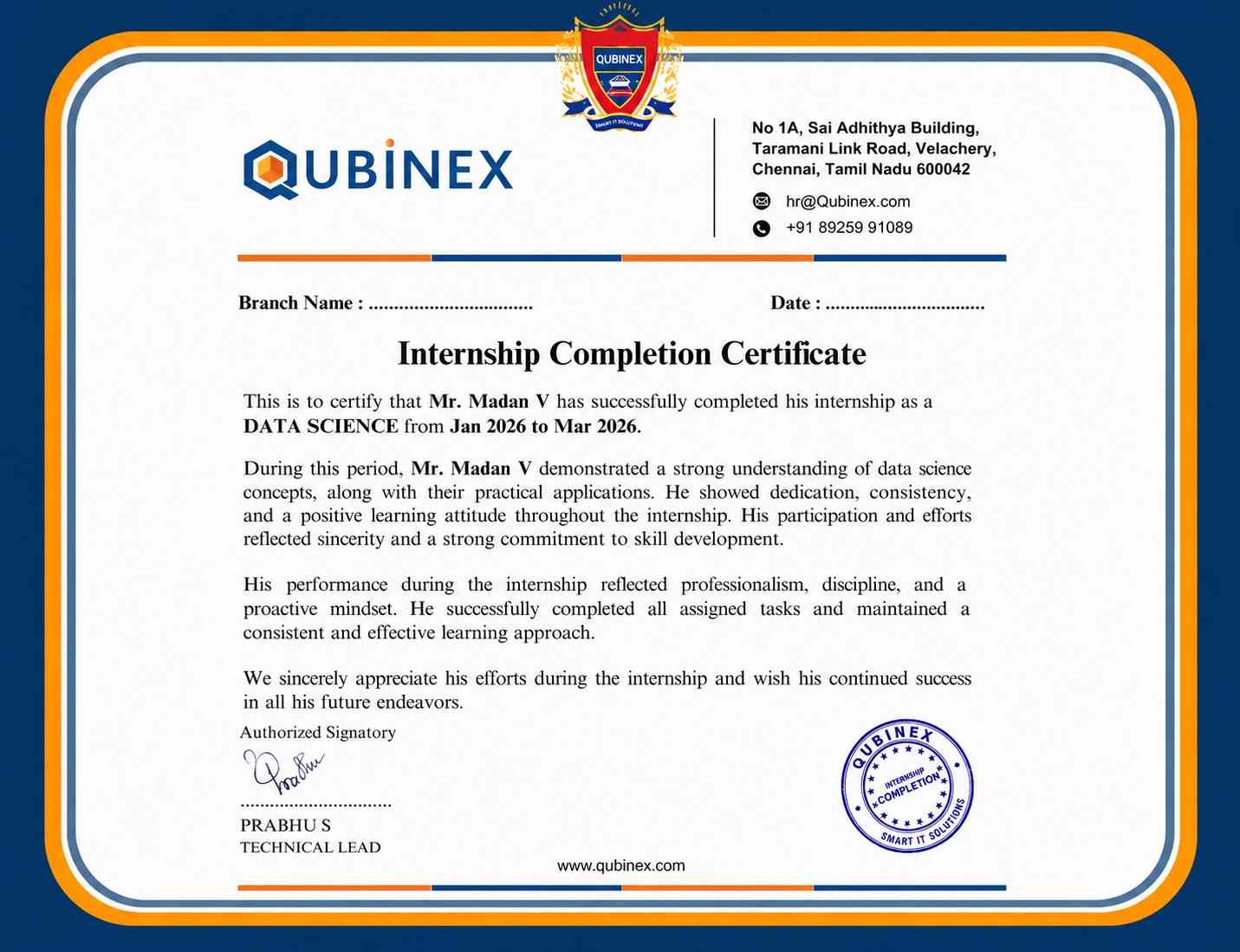
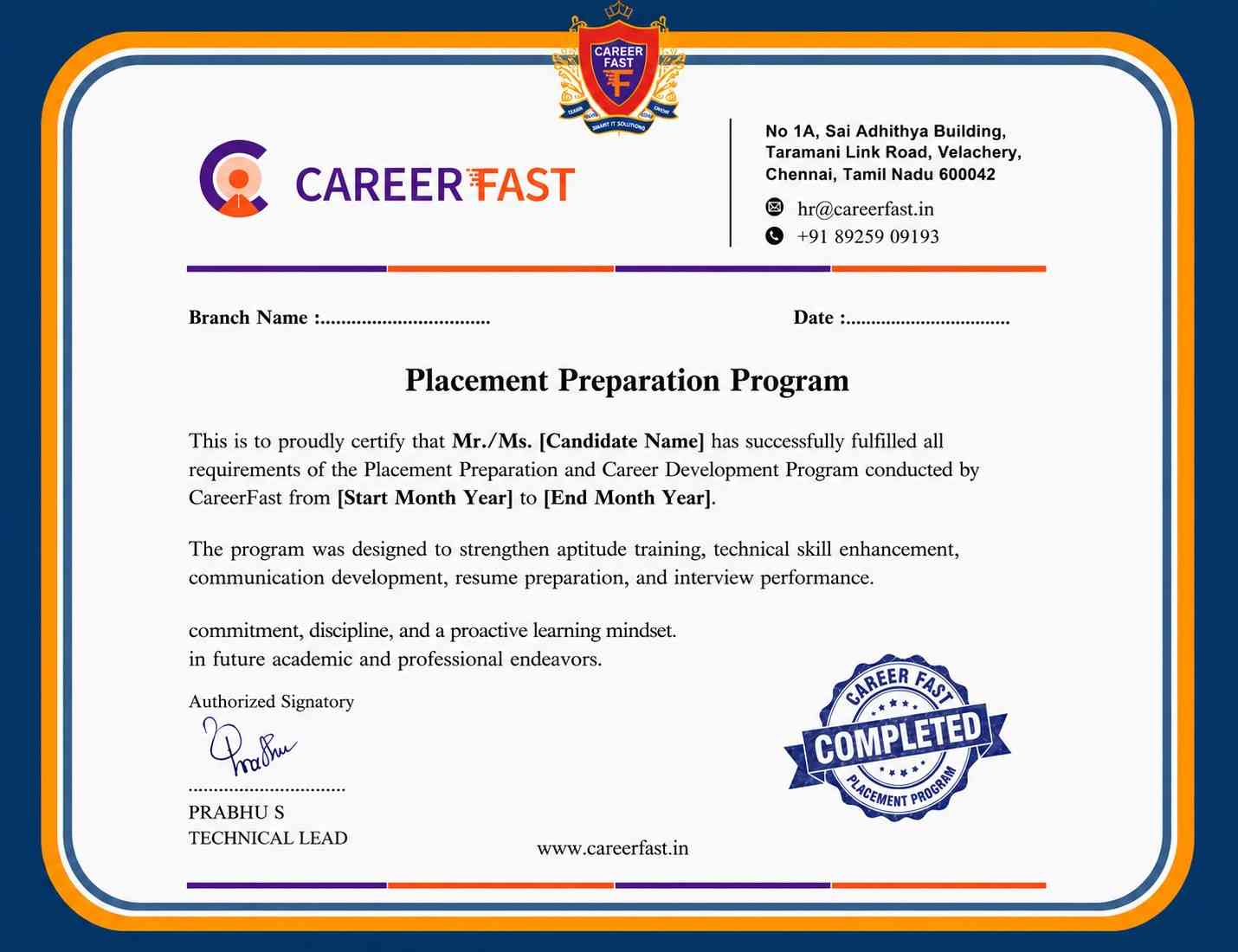
You'll receive a certificate proving your industry readiness.Just complete your projects and pass the pre-placement assessment.This certification validates your skills and prepares you for real-world roles.



📜 Industry-Recognized Certification
Earn official, shareable certifications recognized by top companies — a powerful proof of your job-ready skills.
🚀 Get Discovered by Top Employers
Let recruiters come to you with your verified profile — focus on learning while we connect you to real opportunities.
💼 Real-World Project Experience
Work on real-world projects to sharpen your skills and build a portfolio that impresses employers instantly.

Lowest Software Testing Course Fees
Affordable, Quality Training for Freshers to Launch IT Careers & Land Top Placements.
Software Testing Course FAQs
1. What is the duration of a Software Testing Training?
The Software Testing course at ACTE typically lasts 2 to 4 months, depending on whether you choose regular, weekend or fast-track batches.
2. Why is everyone saying ACTE online sessions are extremely effective?
ACTE’s online sessions are popular because they offer live interactive classes, real-time projects and expert trainers, making it easy to learn from home with hands-on practice.
3. How flexible are the timings of ACTE Intensive program?
ACTE offers flexible schedules, including weekday, weekend, early morning and evening batches, so you can learn as per your availability.
4. What if I get doubts while learning?
You can clear your doubts instantly through live chat, one-on-one sessions or support forums. Trainers and mentors are always available to guide you.
5. Why is it recommended that you learn right from fundamentals at ACTE Intensive?
Starting from the basics helps you build a strong foundation, especially if you’re new to software testing. ACTE ensures step-by-step learning so you gain confidence as you progress.
1. What is the eligibility for Software Testing course?
Anyone with a basic understanding of computers and logical thinking can join. No prior coding or IT background is required to get started.
2. Why can anyone join the program regardless of their background?
Software Testing is focused on finding issues, understanding functionality and improving quality, making it ideal for learners from any educational stream.
3. How do a lot of grads with BSc, MBA, B.A. or B.Com degrees land IT jobs?
These graduates gain practical testing skills and certifications, allowing them to switch to IT by working on real-time projects and showcasing their abilities during interviews.
4. How many graduates are landing a tech job, even with a career gap?
Many learners with 2–5 year career gaps are successfully transitioning into testing roles by upskilling and building hands-on experience through structured training.
5. Can a non-IT person learn Software Testing?
Absolutely! Software Testing is one of the easiest paths into IT for non-technical learners, with beginner-friendly tools and step-by-step guidance provided at institutes like ACTE.
1. What are the requirements to qualify for the placement benefit?
To qualify, you must have at least 80% attendance, complete all assignments, projects and assessments and actively participate in mock interviews and resume-building sessions.
2. What guidelines must be followed to successfully get a placement?
Follow the training schedule, attend every interview opportunity seriously, maintain a professional resume and stay updated with industry tools and trends shared by your mentor.
3. How would my career planning session benefit my career and who will serve as my mentor?
Career planning sessions help you choose the right job role, identify your strengths and prepare effectively for interviews. You’ll be guided by senior industry experts with 10+ years of experience.
4. Where and what kind of internship might I anticipate after completing the program?
You may get remote or in-office internships with ACTE’s partner companies in roles like QA tester, automation intern or junior analyst, working on real-time projects to build your portfolio.
5. What is the stipend I will get an offer for?
Stipends usually range from ₹5,000 to ₹15,000 per month, depending on the company, project type and your performance during the training and interview process.
1. What certifications are offered in Software Testing training?
- ISTQB Foundation Level Certification
- Certified Software Tester (CSTE)
- Certified Selenium Tester (CST)
- HP LoadRunner Certification
- Postman API Testing Certification
2. Does receiving certification as a Software Testing professional guarantee employment?
Certification enhances your profile and increases your chances of getting hired a job on its own. Employers look for a combination of skills, project experience, communication ability and certification. A recognized certificate helps you stand out and shows your commitment to the field, but hands-on practice and interview readiness are key to securing employment.
3. How long does it take to become certified in Software Testing?
Usually, it takes two to three months to prepare for and clear a software testing certification, depending on the course and your learning pace. Some intensive training programs achieve certification in as little as 4–6 weeks especially if you are honest and follow a structured study plan.
4. What advantages does certification in software testing offer?
- Increases your chances of selection in job interviews
- Helps you stand out from non-certified candidates
- Opens doors to higher-paying QA roles
- Boosts your confidence to work on real-world projects
- Shows employers your dedication to continuous learning
5. How can I prepare effectively for the Software Testing certification exam?
- Take instructor-led training or join a structured course
- Work on real-time projects and tools like Selenium, JIRA or Postman
- Join forums and study groups for guidance and tips
- Revise key topics regularly and track weak areas
- Follow official study guides and certification-specific resources
1. What are the different options available to pay the course fee?
You can pay the course fee through multiple flexible options such as credit/debit cards, UPI, net banking, EMI plans or No-Cost EMI depending on the training center’s policy. Some centers also accept cash or cheque payments for offline enrollments.
2. Will I get support for job placement after the course?
Yes, most reputed institutes like ACTE offer 100% placement assistance, including resume building, mock interviews, job referrals and connections to hiring partners. Placement support continues even after course completion to ensure successful career transition.
3. Why do fees differ between training centers?
Fees vary due to factors like the quality of trainers, course content depth, placement support, infrastructure, location and included tools or certifications. Premium institutes may charge more for hands-on projects, real-time experience and global certifications.
4. Is the fee of the training the same in every city?
Yes, we give the same fee for every city. No matter where you join from, the price stays equal. This helps students from all places learn at a fair cost.
100% Job Guarantee
Global Quality Training At The Lowest Fees & Expert Trainer
Available in:










