Best UI/UX Design Training in Coimbatore⭐UI/UX Design Course With Placements | Updated 2025
Join Our 100% Job Guaranteed

Best UI/UX Design Training in Coimbatore

  • Join UI/UX Design Training Institute In Coimbatore To Build Design Foundations.
  • Our UI/UX Design Course In Coimbatore Covers Wireframing To Advanced Figma Skills.
  • Gain Hands-On Experience By Working On Real UI/UX Projects With Expert Mentorship.
  • Get An Industry-Recognized UI/UX Certification With Placement Assistance.
  • Get Expert Support For Resume & Interview Prep To Boost Your Career.
  • Pick From Flexible Learning Options Including Weekday, Weekend, Or Fast-Track Batches.

WANT IT JOB

Become a UI/UX Designer in 3 Months

Freshers Salary

3 LPA

To

8 LPA

Quality Training With Affordable Fees in Coimbatore!

⭐ Fees Starts From

INR 36,000
INR 16,500

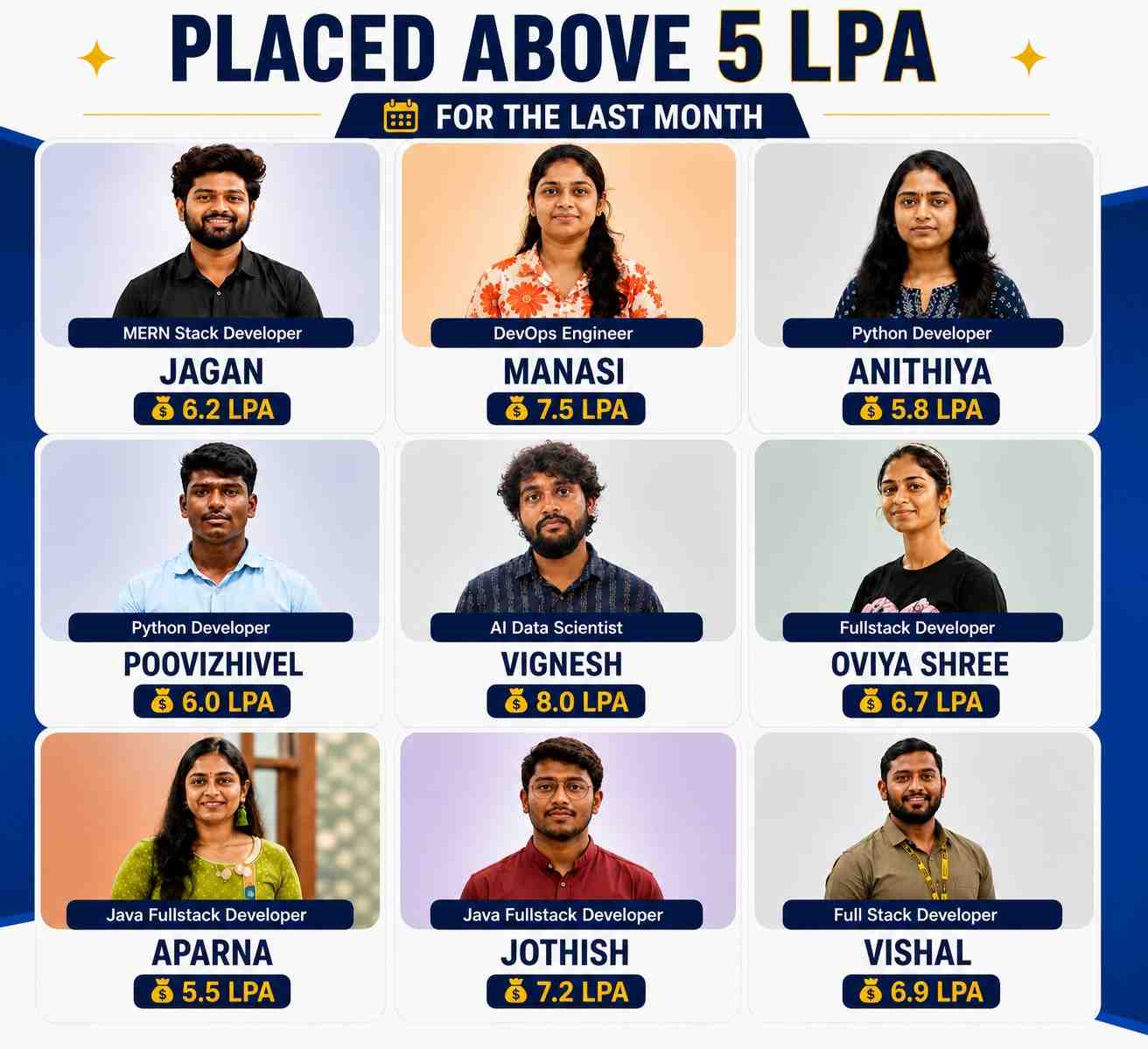
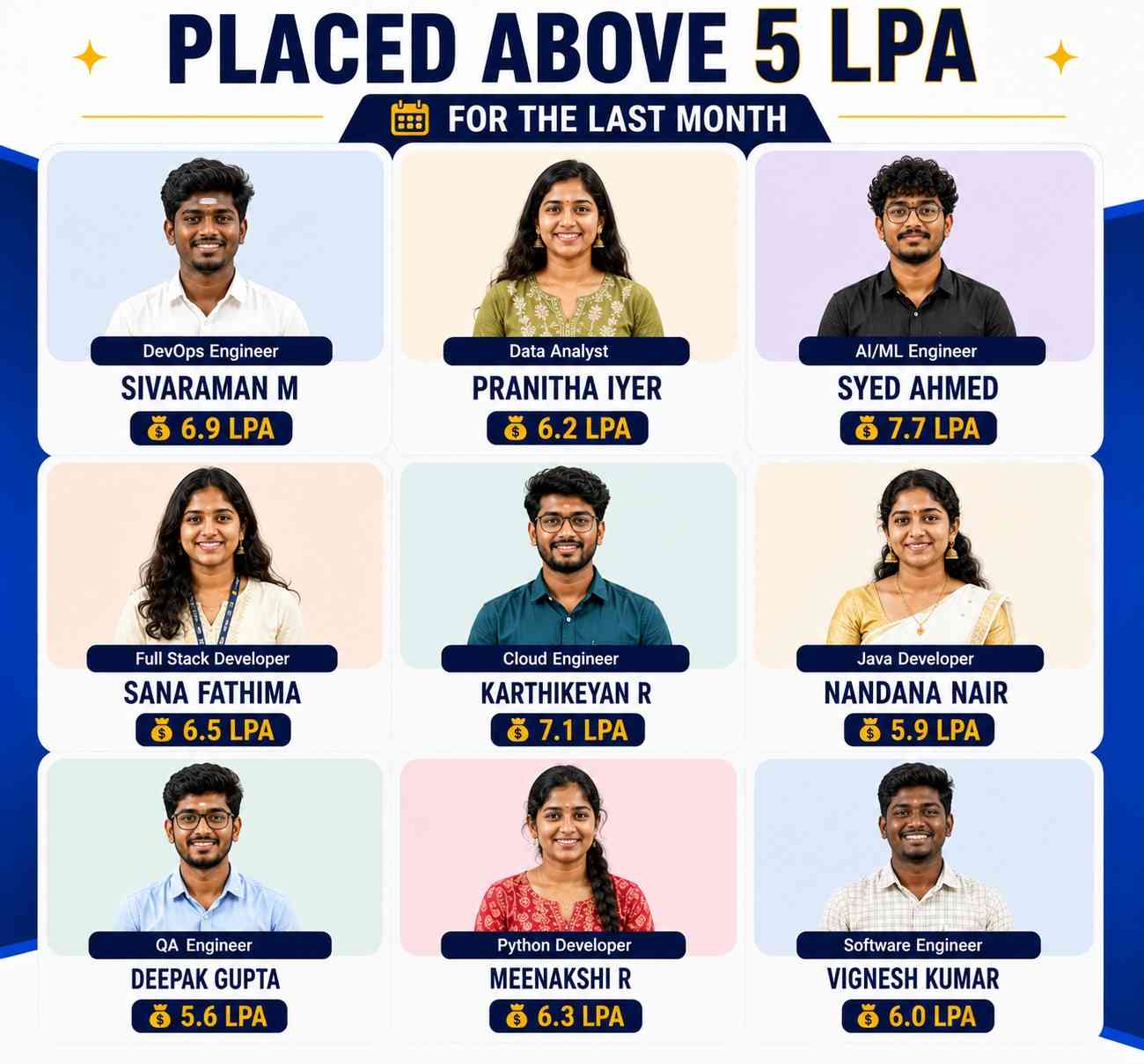
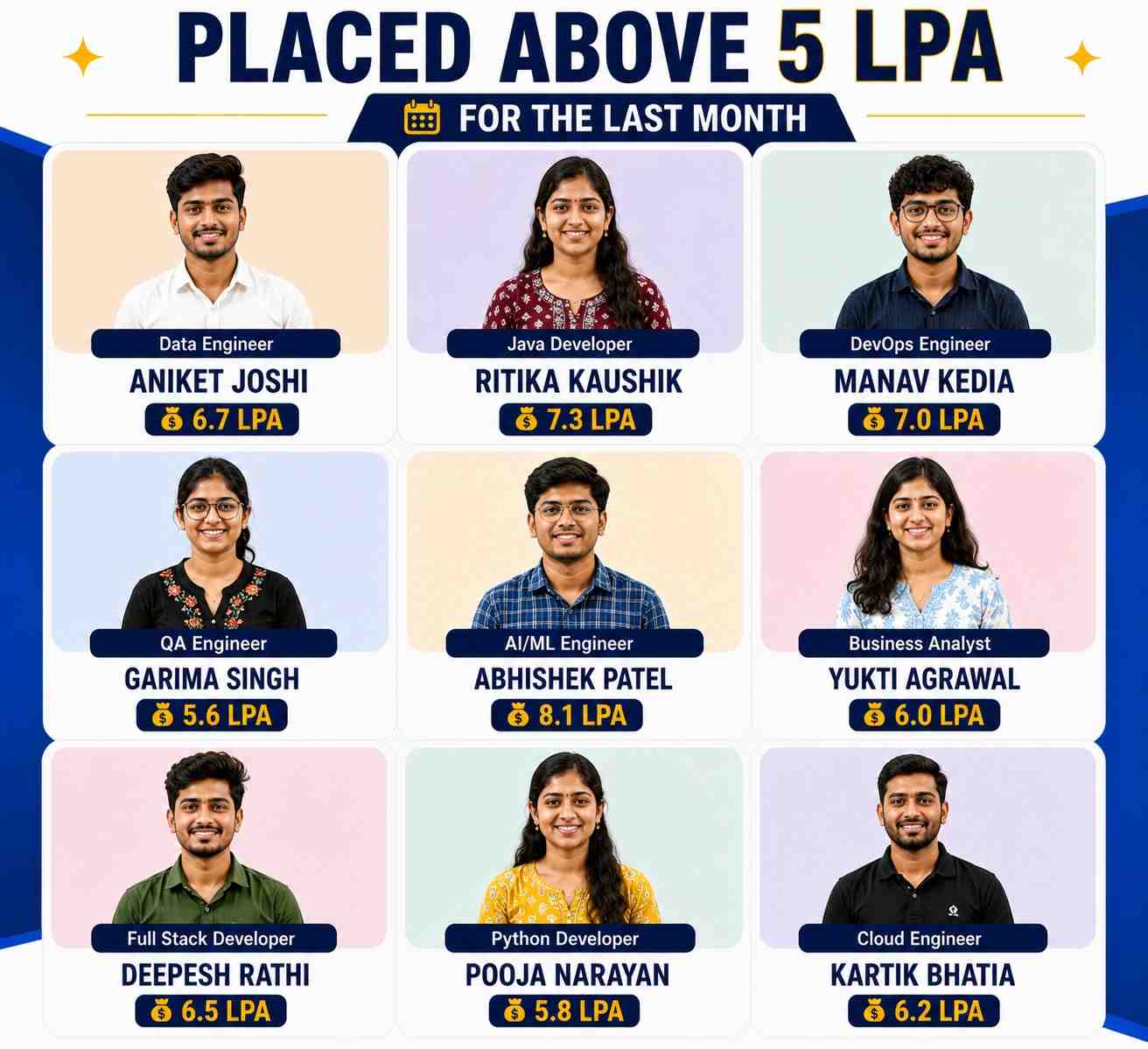
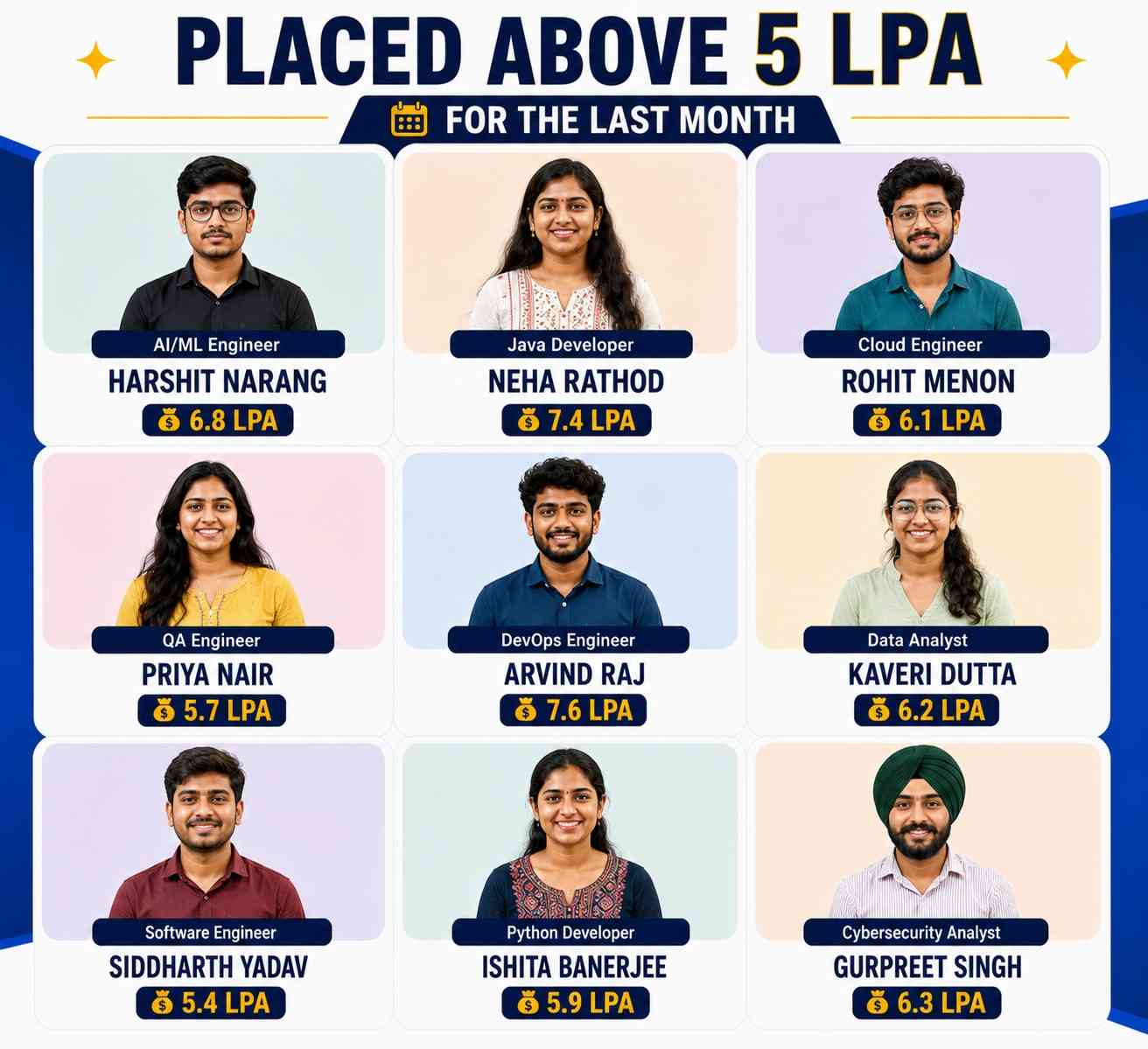
11536+

(Placed)
Freshers To IT

6069+

(Placed)
NON-IT To IT

8743+

(Placed)
Career Gap

4552+

(Placed)
Less Then 60%

Our Hiring Partners

Overview of UI/UX Course

Our UI/UX Design Training in Coimbatore offers a comprehensive, industry-focused learning program designed to take you from fundamental design concepts to advanced UI/UX expertise. Through a structured and hands-on approach, the course focuses on practical learning with live projects and real-world assignments. You will work with key tools and methodologies such as Design Thinking, Wireframing, Prototyping, Figma, Adobe XD, and Usability Testing. This training helps you develop the ability to create intuitive, user-focused interfaces and seamless digital experiences that meet modern industry standards. By the end of the program, you will be prepared for career opportunities such as UI Designer, UX Researcher, or Product Designer, supported by an industry-recognized certification that strengthens your portfolio and improves your job prospects.

What You'll Learn From UI/UX Design Training

The UI/UX Design Training in Coimbatore is ideal for graduates and professionals wanting a strong foundation in UI/UX design or a transition into this fast-growing field.

Students learn Color Theory, Typography, Layout Design, and User Flow, developing skills to create clean, intuitive, and engaging digital experiences for real projects.

Gain hands-on experience with tools like Figma, Adobe XD, and Sketch, while learning wireframing, prototyping, and usability testing to create user-focused digital experiences.

The program includes interactive learning sessions, hands-on projects, and practical assignments led by experienced industry mentors and skilled design professionals.

By the end of the course, you will be able to confidently create user-centered digital experiences and receive a certification that strengthens your professional profile.

This training provides essential skills and practical experience to pursue careers in UI Design, UX Research, Product Design, and Interaction Design across various industries.

Additional Info

Course Highlights

  • Start your UI/UX design journey with expert-led training covering Wireframing, Prototyping, Figma, Adobe XD, User Research, and Usability Testing.
  • Receive dedicated placement assistance and opportunities to connect with leading companies hiring skilled UI/UX designers.
  • Become part of a strong network of 11,000+ trained students placed through 350+ reliable hiring partners.
  • Learn from industry experts with more than 10 years of hands-on experience in UI/UX design and product development.
  • Experience beginner-friendly training with practical projects and complete career support throughout the course.
  • Take advantage of affordable course fees, flexible batch schedules, and full placement support for both freshers and working professionals.
  • Build industry-ready UI/UX skills through real-world practice, preparing you for a successful career in the digital design field.

Exploring the Benefits of UI/UX Design course

  • Beginner-Friendly and Easy to Learn – UI/UX design is grounded in clear, user-focused principles, making it highly approachable for beginners. With structured workflows and intuitive tools, learners can quickly understand concepts and apply them effectively, whether they are students or professionals shifting into design careers.
  • High Demand Across Industries – UI/UX design plays a critical role in web development, mobile apps, e-commerce, healthcare, finance, and more. Its versatility provides diverse career opportunities in creating engaging, user-centered digital experiences across multiple platforms.
  • Robust Global Community and Resources – The UI/UX field is supported by a vibrant international design community, offering tutorials, design systems, forums, case studies, and industry updates, enabling continuous learning and keeping you informed about evolving design trends and best practices.
  • Strong Career Growth and Competitive Salaries – Companies highly value skilled UI/UX professionals as they focus on delivering exceptional user experiences. This leads to excellent job prospects, rapid career advancement, and competitive, well-compensated salary packages.
  • Perfect for Creative Problem-Solving – UI/UX design centers on understanding user needs and transforming them into intuitive interfaces and interactive prototypes, allowing you to solve real-world problems and make a meaningful impact within modern product development teams.

Essential Tools for UI/UX Design Training in Coimbatore

  • Figma – Figma is a popular cloud-based design tool that allows users to create, prototype, and collaborate on UI/UX projects in real time. Its user-friendly interface, browser accessibility, and collaborative features make it ideal for beginners and teams, enabling smooth feedback, rapid iteration, and seamless design teamwork.
  • Adobe XD – Adobe XD is a powerful UI/UX design and prototyping tool that helps designers build interactive interfaces efficiently. With features like repeat grids, responsive resizing, and voice prototyping, it enhances workflow efficiency, boosts productivity, and allows the creation of professional, polished designs.
  • Sketch – Sketch is a vector-based design application widely used for UI design. Its extensive plugin ecosystem and integrations make it easy to create high-fidelity wireframes, interactive prototypes, and scalable design systems for both small and large-scale projects.
  • Zeplin – Zeplin facilitates seamless collaboration between designers and developers by generating detailed specs, assets, and code snippets from design files. It ensures smooth design handoffs, improves communication within teams, and helps maintain consistency across digital products.
  • InVision – InVision is a comprehensive prototyping and collaboration platform for creating interactive mockups and gathering user feedback. With features for version control, team communication, and workflow management, it supports efficient organization and execution of modern design projects.

Top Frameworks Every UI/UX Should Know

  • Figma – Figma is a top cloud-based UI/UX design tool that supports real-time collaboration, prototyping, and interface creation. Its intuitive interface, robust features, and teamwork capabilities enable fast design iterations, making it ideal for both beginners and experienced designers handling complex projects.
  • Adobe XD – Adobe XD is a versatile UI/UX design and prototyping platform known for its efficient workflow. With tools like auto-animate, voice prototyping, and responsive resize, it empowers designers to create interactive, high-fidelity prototypes for web and mobile applications quickly and effectively.
  • Sketch – Sketch is a vector-based design app widely used for wireframing, visual design, and prototyping. Its extensive plugin ecosystem, reusable components, and support for design systems make it scalable, allowing designers to manage projects of any size with consistency and precision.
  • InVision – InVision is a collaborative platform for creating interactive prototypes and collecting stakeholder feedback efficiently. By centralizing design, prototyping, and team collaboration, it streamlines modern product workflows and ensures smooth communication throughout all project stages.
  • Marvel – Marvel is an intuitive design and prototyping tool perfect for beginners and early-stage product development. It supports rapid wireframing, interactive prototype creation, user testing, and seamless design handoffs, making it versatile for both individual designers and teams.

Must Have Skills You will Gain in a UI/UX Design course in Coimbatore

  • Fundamentals of UI/UX Design – Start with the core foundations of UI/UX design, covering essential design principles, color theory, typography, and layout structures. These concepts help you craft visually balanced, intuitive, and user-friendly interfaces while understanding how design theory applies to real-world digital solutions.
  • User-Centered Design & Research – Master user-focused methodologies including creating user personas, journey mapping, and conducting usability testing. These research-driven techniques allow you to design experiences that align with actual user needs, improving accessibility, engagement, and overall usability.
  • Wireframing and Prototyping – Develop practical skills in creating wireframes and interactive prototypes using tools like Figma, Adobe XD, and Sketch. Build clickable models that demonstrate user flows and design concepts, enhancing your ability to test, refine, and communicate design ideas effectively.
  • Visual Design and Interaction – Learn to apply visual hierarchy, iconography, and motion design to create cohesive and engaging interfaces. Explore micro-interactions and animation techniques that boost user engagement and provide meaningful visual feedback.
  • Design Collaboration and Handoff – Gain hands-on experience with collaborative workflows using tools such as Zeplin, InVision, and Figma’s design system features. Learn to deliver precise design specifications and ensure smooth handoffs between designers and development teams for efficient project execution.

Roles and Responsibilities of the UI/UX Training

  • UI Designer – As a UI Designer, you create visually engaging and intuitive interfaces for websites, mobile apps, and digital platforms. Using tools like Figma, Adobe XD, and Sketch, you design layouts, select color schemes, and develop interactive components that enhance overall user experience and ensure visual consistency across products.
  • UX Researcher – In this role, you perform comprehensive user research through surveys, interviews, and usability testing to understand behaviors, motivations, and pain points. Your insights inform design decisions, enabling the creation of user-centered products that solve real-world problems effectively.
  • Interaction Designer – Interaction Designers focus on dynamic product elements, including animations, transitions, and micro-interactions. Using tools like InVision and prototyping platforms, you craft seamless user flows and interactive experiences that improve usability and overall engagement.
  • Product Designer – Product Designers oversee the full design lifecycle, combining UI and UX expertise to deliver functional, aesthetically appealing products. Collaborating with cross-functional teams, you develop wireframes, prototypes, and final designs that align with both business objectives and user needs.
  • UX/UI Developer – This role bridges design and development by converting prototypes into responsive, user-friendly interfaces using front-end technologies and design systems. You collaborate closely with designers and developers to maintain consistency, performance, and a high-quality user experience across platforms.

The Benefits of UI/UX for Recent Graduates as a Career Option

  • Beginner-Friendly and Practical – UI/UX design principles and tools like Figma and Adobe XD are designed for simplicity, allowing fresh graduates to quickly grasp core concepts and start creating meaningful digital experiences. Intuitive workflows reduce complexity, enabling learners to focus on creativity, critical thinking, and practical problem-solving with confidence.
  • High Industry Demand – UI/UX professionals are in strong demand across industries including IT, e-commerce, healthcare, finance, and education. Organizations increasingly prioritize seamless digital experiences, making UI/UX expertise a key competitive advantage for graduates entering today’s workforce.
  • Extensive Community and Learning Support – The global UI/UX ecosystem provides access to tutorials, design blogs, online forums, case studies, and open-source design systems. This collaborative network supports continuous skill development, keeps learners updated on trends, and encourages professional growth through shared knowledge.
  • Relevant to Emerging Technologies – UI/UX design plays a vital role in innovative fields such as mobile applications, augmented reality (AR), virtual reality (VR), and the Internet of Things (IoT). Mastering UI/UX equips graduates to contribute effectively to these fast-growing and technologically advanced sectors.
  • Freelance and Remote Career Opportunities – UI/UX skills open doors to freelance and remote roles worldwide. Graduates can work on diverse projects, build strong portfolios, and create flexible career paths that combine income potential with an ideal work-life balance.

How UI/UX Skills Help You Get Remote Jobs

  • Ideal for Remote Work Opportunities – UI/UX design is naturally suited for remote roles, allowing professionals to work on websites, mobile applications, and digital products from anywhere. Many global organizations actively recruit remote UI/UX designers to collaborate seamlessly within flexible, distributed teams.
  • Strong Demand on Freelance Platforms – UI/UX designers are highly sought after on freelance platforms such as Upwork, Fiverr, and Toptal. Services like wireframing, prototyping, user research, and interface design can be delivered remotely, making it easier to earn additional income through short-term projects and client-based assignments.
  • Designed for Virtual Collaboration – Modern UI/UX tools including Figma, Adobe XD, and InVision are cloud-based and optimized for real-time collaboration. Designers can share projects, collect feedback, and implement revisions efficiently, ensuring smooth teamwork across remote and distributed environments.
  • Enhanced Productivity with Design Systems – UI/UX professionals use design systems, reusable components, and automation plugins to maintain consistency and streamline workflows. These practices boost efficiency, reduce repetitive tasks, and make designers more productive and valuable in remote work settings.
  • Global Community and Networking Access – Pursuing UI/UX design connects you with international design communities, online forums, and collaborative projects. Participating in global challenges and open-source initiatives strengthens your portfolio, expands your network, and increases visibility for remote career opportunities worldwide.

What to Expect in Your First UI/UX Job

  • Practical, Hands-On Design Experience – A key part of the program involves creating wireframes, prototypes, and user interfaces using tools like Figma and Adobe XD. You will tackle real-world design challenges, apply user-centered methodologies, and refine your work through iterative feedback, boosting creativity, problem-solving, and professional confidence.
  • Exposure to Industry Tools and Workflows – Beyond core design software, you will gain experience with collaboration platforms such as InVision and Zeplin, along with design system practices. These tools prepare you to create, manage, and deliver real-world projects efficiently while adapting to professional UI/UX workflows.
  • Structured Design Reviews and Feedback – Your projects will be assessed by experienced mentors and peers to ensure usability, clarity, and visual consistency. Constructive feedback helps you refine your design approach, strengthen critical thinking, and adopt industry best practices in user-focused design.
  • Collaborative Team-Based Learning – UI/UX projects often require coordination with developers, product managers, and fellow designers. You will participate in discussions, present your ideas, and collaborate on solving design challenges, building strong teamwork, communication, and leadership skills.
  • Progressive Skill Development – Learning is structured in stages, starting with foundational concepts and advancing to complex design challenges. With consistent practice and mentorship, your skills evolve steadily, preparing you for higher-level roles and advanced responsibilities in the UI/UX field.

Top Companies Hiring UI/UX Professionals

  • Google – Google emphasizes UI/UX design to deliver intuitive, seamless experiences across its extensive product ecosystem. Designers contribute to areas like search, cloud platforms, AI-driven solutions, and mobile applications. Working at Google offers exposure to advanced design systems, complex product challenges, and collaboration with globally recognized, innovative teams.
  • Amazon – At Amazon, UI/UX designers enhance customer journeys across e-commerce platforms, AWS services, and digital products. The focus is on optimizing user flows, improving accessibility, and delivering frictionless experiences. Amazon provides dynamic growth opportunities for both entry-level and experienced designers, with exposure to large-scale global projects.
  • Microsoft – Microsoft engages UI/UX professionals to craft user experiences for products such as Windows, Microsoft 365, Azure, and GitHub. Designers collaborate with cross-functional teams to develop accessible, scalable, and innovative solutions while benefiting from a strong culture of continuous learning and professional development.
  • IBM – IBM hires UI/UX designers to work on enterprise software, cloud platforms, and AI-driven solutions. The focus is on creating user-centric experiences that drive business transformation and improve usability. IBM’s collaborative environment and global projects offer valuable exposure for career growth and skill advancement.
  • Infosys – Infosys integrates UI/UX design into large-scale digital transformation initiatives for global clients. The company provides structured training programs and clear career progression paths, making it an ideal platform for fresh graduates and professionals looking to establish and advance their careers in the UI/UX field.
Show More

Upcoming Batches For Classroom and Online

Weekdays
09 - Mar - 2026
08:00 AM & 10:00 AM
Weekdays
11 - Mar - 2026
08:00 AM & 10:00 AM
Weekends
14 - Mar - 2026
(10:00 AM - 01:30 PM)
Weekends
15 - Mar - 2026
(09:00 AM - 02:00 PM)
Can't find a batch you were looking for?
INR ₹16500
INR ₹36000

OFF Expires in

Who Should Take a UI/UX Design Certification Course

IT Professionals

Non-IT Career Switchers

Fresh Graduates

Working Professionals

Diploma Holders

Professionals from Other Fields

Salary Hike

Graduates with Less Than 60%

Show More

Job Roles For UI/UX Design Certification Training

UI Designer

UX Designer

Interaction Designer

UX Researcher

Product Designer

Visual Designer

Information Architect

UX Writer

Show More

Tools Covered For UI/UX Design Training

Invision Balsamiq Adobe Axure Maven Framer Figma Marvel

What’s included ?

Convenient learning format

📊 Free Aptitude and Technical Skills Training

  • Learn basic maths and logical thinking to solve problems easily.
  • Understand simple coding and technical concepts step by step.
  • Get ready for exams and interviews with regular practice.
Dedicated career services

🛠️ Hands-On Projects

  • Work on real-time projects to apply what you learn.
  • Build mini apps and tools daily to enhance your coding skills.
  • Gain practical experience just like in real jobs.
Learn from the best

🧠 AI Powered Self Interview Practice Portal

  • Practice interview questions with instant AI feedback.
  • Improve your answers by speaking and reviewing them.
  • Build confidence with real-time mock interview sessions.
Learn from the best

🎯 Interview Preparation For Freshers

  • Practice company-based interview questions.
  • Take online assessment tests to crack interviews
  • Practice confidently with real-world interview and project-based questions.
Learn from the best

🧪 LMS Online Learning Platform

  • Explore expert trainer videos and documents to boost your learning.
  • Study anytime with on-demand videos and detailed documents.
  • Quickly find topics with organized learning materials.

UI/UX Design Course Syllabus

  • 🏫 Classroom Training
  • 💻 Online Training
  • 🚫 No Pre Request (Any Vertical)
  • 🏭 Industrial Expert

Enrolling in a UI/UX Design Training in Coimbatore equips students with practical skills and industry-relevant knowledge to pursue careers aligned with their interests and long-term goals. The program prepares learners for high-demand roles across top organizations in various sectors and fast-growing digital industries. With flexible learning options and specialized modules in User Research, Interaction Design, and Visual Design, students build a solid foundation to create intuitive, user-focused, and engaging digital experiences that meet modern industry standards and adapt to evolving global trends.

  • Introduction to UI/UX Design – Start with the fundamentals of UI/UX, covering design principles, color theory, typography, and user-centered design concepts.
  • Advanced Techniques and Tools – Enhance skills in interaction design, usability testing, and tools like Figma, Adobe XD, and Sketch.
  • Hands-On Project Experience – Apply your learning through real-world projects like website interfaces, mobile app designs, and user journey mapping.
  • Design Implementation and Collaboration – Learn to present and collaborate with Zeplin, InVision, and version control tools for real-world teamwork.
UI/UX Design Fundamentals
Control Structures and Functions
User-Centered Design in UI/UX
File Handling and Exception Management
Modules, Packages and Virtual Environments
Working with Design Tools and Assets
Interface Design for Web and Mobile Platforms

These basics help you build a strong foundation in UI/UX design:

  • Design Software – Use tools like Figma and Adobe XD to create and prototype designs.
  • Design Principles – Understand layout, color theory, typography, and visual hierarchy.
  • Wireframing and Prototyping – Learn to create low-fidelity and interactive prototypes.
  • User Research Basics – Gather insights through surveys, interviews, and usability testing.
  • Workspace Setup – Install and configure design tools for an efficient workflow.

Learn to create effective and user-friendly design workflows:

  • Design Patterns – Apply consistent UI components across screens.
  • Navigation Flow – Structure menus, buttons, and user journeys.
  • Components and Symbols – Reuse elements for faster design.
  • Hierarchy and Layout – Organize content using grids and spacing.
  • Microinteractions – Design small, functional animations to enhance user experience.

Master user-centered design to build intuitive, effective interfaces.

  • Personas and Scenarios – Create user profiles and usage contexts.
  • User Flows – Map out step-by-step interactions within a product.
  • Wireframes and Layouts – Design structured screen layouts for usability.
  • Accessibility – Ensure your designs are inclusive and user-friendly.
  • Usability Testing – Validate and refine designs based on user feedback.

Handle design challenges and streamline user interactions:

  • Design Feedback – Collect and analyze user input through surveys and testing.
  • Usability Issues – Identify and resolve common user experience problems.
  • Design Iteration – Refine prototypes based on user feedback and behavior.
  • Accessibility Checks – Ensure your designs meet accessibility standards.
  • Error States – Design clear and helpful messages for user errors and system feedback.

Organize design workflow and manage resources efficiently:

  • Design Assets – Use built-in and third-party UI components and icons.
  • Component Libraries – Create and maintain reusable design elements.
  • Design Plugins – Install and manage plugins to enhance design capabilities.
  • Design Systems – Set up consistent styles, grids, and components for scalability.
  • Project Structure – Maintain organized files and assets for smooth collaboration.

Use UI/UX tools for creating and managing design assets:

  • Figma / Adobe XD – Design and prototype user interfaces.
  • Design Libraries – Utilize pre-built components and style guides.
  • User Flows – Visualize navigation paths and interaction sequences.
  • Icons and Images – Import and manage visual assets for designs.
  • Grids and Layouts – Structure content using responsive design frameworks.

Design engaging user interfaces for web and mobile platforms:

  • Figma / Adobe XD – Create responsive layouts and interactive prototypes.
  • Design Components – Build reusable buttons, forms, and navigation elements.
  • Responsive Design – Adapt layouts for various screen sizes and devices.
  • User Flows – Map out intuitive navigation and task completion paths.
  • Prototype Testing – Use tools like Maze or InVision to test and validate designs.

🎁 Free Addon Programs

Aptitude, Spoken English.

🎯 Our Placement Activities

Daily Task, Soft Skills, Projects, Group Discussions, Resume Preparation, Mock Interview.

Get Hands-on Experience in UI/UX Design Projects

Placement Support Overview

Today's Top Job Openings for UI/UX Designer Professionals

UI/UX Designer

Company Code: CVT400

Coimbatore, Tamil Nadu

₹26,000 – ₹45,000 per month

Any Degree

Exp 0–2 years

  • We seek a creative UI/UX Designer to craft engaging web and mobile interfaces. Must know Figma, Adobe XD, or Sketch, plus basics of HTML, CSS, and responsive design. Skills in user research, wireframing, prototyping, and design systems preferred. Experience with collaboration tools and Git is a plus.
  • Easy Apply

    Junior UI/UX Designer

    Company Code:HZL433

    Coimbatore, Tamil Nadu

    ₹24,000 – ₹42,000 per month

    Any Degree

    Exp 0–2 years

  • Looking for a creative Junior UI/UX Designer to join our product design team. Must be familiar with wireframing, low to high-fidelity prototyping, and tools like Figma, Sketch, or Adobe XD. Understanding of accessibility and responsive design will be an advantage.
  • Easy Apply

    Mid-Level UI/UX Designer

    Company Code: AWS562

    Coimbatore, Tamil Nadu

    ₹18,000 – ₹30,000 per month

    Any Degree

    Exp 0– 3year

  • We are looking for a Mid-Level UI/UX Designer who can independently create engaging, user-friendly, and visually appealing digital experiences. You will work closely with product managers, developers, and stakeholders to translate business requirements into intuitive design solutions.
  • Easy Apply

    UI/UX Designer – Web & Mobile

    Company Code: ZAK241

    Coimbatore, Tamil Nadu

    ₹26,000 – ₹45,000 per month

    Any Degree

    Exp 0–2 years

  • Hiring a UI/UX Designer to design modern interfaces for mobile apps and dashboards. Strong knowledge in design systems, typography, and interaction design is essential. Familiarity with frontend frameworks and user testing methods is a bonus.
  • Easy Apply

    Associate UI/UX Designer

    Company Code: BWT569

    Coimbatore, Tamil Nadu

    ₹23,000 – ₹41,000 per month

    Any Degree

    Exp 0–5 years

  • Join us as an Associate UI/UX Designer to create delightful digital experiences. Candidates should be proficient in wireframing tools, user testing, and have a keen eye for layout, color, and branding. Prior internship or freelance work will be an added benefit.
  • Easy Apply

    Design Manager

    Company Code: ASO869

    Coimbatore, Tamil Nadu

    ₹20,000 – ₹36,000 per month

    Any degree

    Exp 0–4 year

  • We are seeking a Design Manager to lead and inspire our design team in creating world-class digital experiences. This role requires a blend of creativity, leadership, and strategic thinking. As a Design Manager, you will oversee the entire design process, from research and ideation to execution, while ensuring design consistency, usability, and business alignment.
  • Easy Apply

    Entry-Level UI/UX Designer

    Company Code: QVT304

    Coimbatore, Tamil Nadu

    ₹25,000 – ₹43,000 per month

    Any Degree

    Exp 0-3 years

  • Seeking a motivated Entry-Level UI/UX Designer to work on real-time products and design challenges. Should understand user-centered design, journey mapping, and be able to collaborate with developers using tools like Figma, Zeplin, or InVision.
  • Easy Apply

    UX Research Analyst

    Company Code: FWA547

    Coimbatore, Tamil Nadu

    ₹27,000 – ₹46,000 per month

    Any Degree

    Exp 1-5 years

  • We are hiring a UX Research Analyst to help us better understand user behaviors, needs, and motivations through methods like interviews, usability testing, and surveys. The ideal candidate should be comfortable with user research planning, data analysis, and presenting actionable insights to the design team. Familiarity with tools like Hotjar, Google Analytics, Maze, or UserTesting is a plus.
  • Easy Apply

    Highlights for UI/UX Designer Internships

    Real Time Projects

    • 1. Gain hands-on experience by working on live UI/UX design projects across web and mobile platforms.
    • 2.Apply design thinking to solve real-world user interface and user experience challenges.
    Book Session

    Skill Development Workshops

    • 1.Participate in interactive workshops on the latest UI/UX trends, tools, and techniques.
    • 2.Learn directly from industry experts through practical sessions on wireframing, prototyping, and usability testing.
    Book Session

    Employee Welfare

    • 1. Enjoy benefits such as health insurance, flexible work hours, and wellness initiatives.
    • 2. Organizations focus on mental health support and maintaining a healthy work-life balance.
    Book Session

    Mentorship & Peer Learning

    • 1. Learn under the guidance of experienced mentors who support your growth in design thinking and career planning.
    • 2. Collaborate with peers on design reviews, feedback sessions, and group projects for a richer learning experience.
    Book Session

    Soft Skills & Career Readiness

    • 1.Develop strong communication, collaboration, and presentation skills essential for design roles.
    • 2.Get interview-ready through mock sessions, portfolio reviews, and career coaching.
    Book Session

    Certification

    • 1. Earn recognized certifications to showcase your UI/UX design proficiency.
    • 2. Strengthen your resume with course completion and project-based credentials from reputed platforms.
    Book Session

    Sample Resume for UI/UX Design (Fresher)

    • 1. Simple and Neat Resume Format

      Use a clean layout with clear sections like summary, skills, education, and projects.

    • 2. List of Technologies You Know

      Mention skills like Wireframing, Prototyping, UI Design Principles, Figma, Adobe XD, Usability Testing, Accessibility Standards, and more.

    • 3. Real-Time Projects and Achievements

      Add 1–2 real-time projects with a short description and the tools used.

    Top UI/UX Design Interview Questions and Answers (2026 Guide)

    Ans:

    The product's interactive and graphic elements are the main emphasis of UI design, including colors, typography, buttons and layout. UX design, on the other hand, emphasizes how users interact with the product, ensuring usability, accessibility and smooth task completion.

    Ans:

    I start by understanding the project’s objectives and researching the target audience. Then, I create user personas, map user flows and develop wireframes. Prototypes are iterated based on feedback before finalizing visuals and collaborating with developers for implementation.

    Ans:

    I rely on Figma, Adobe XD and Sketch for designing and prototyping. For collaboration and feedback, I use InVision and Marvel. Usability testing is conducted with tools like UserTesting and Lookback to ensure the designs are effective and user-friendly.

    Ans:

    I conduct usability testing and gather user feedback to validate design decisions. I focus on simplicity, consistency and accessibility, following established design principles and WCAG guidelines to make interfaces intuitive and easy to navigate.

    Ans:

    A user persona is a research based, fictional depiction of a subset of the intended audience. It helps designers understand users needs, goals and behaviors, guiding the creation of products tailored to real user requirements.

    Ans:

    I see criticism as a chance to get better. I pay close attention, analyze concerns objectively and incorporate valid suggestions. I also explain my design choices clearly and professionally when needed to maintain constructive communication.

    Ans:

    A design system is a collection of standards, principles and reusable components that ensure consistency across a product. It boosts efficiency, supports scalability and strengthens collaboration between designers and developers.

    Ans:

    I follow industry blogs, attend webinars and conferences and interact with the design community on websites such as Dribbble and Behance. Continuous learning allows me to integrate modern techniques and best practices into my projects.

    Ans:

    Usability testing involves observing real users interacting with a product to uncover issues and pain points. I run moderated or unmoderated sessions using task based scenarios and analyze the results to refine and improve the design.

    Ans:

    I prioritize understanding user pain points while aligning design solutions with business goals. Collaborating with stakeholders and conducting thorough research ensures users and the company both benefit from the product.

    Company-Specific Interview Questions from Top MNCs

    1. What is UI Design?

    Ans:

    The process of creating a UI, is creating a digital product visual elements, such as buttons, icons, typography and layout. Its primary goal is to make the interface intuitive, attractive and easy to navigate. A well-designed UI ensures users can interact with the product smoothly, enhancing engagement, satisfaction and overall user experience.

    2. What are the fundamentals of effective user interface design?

    Ans:

    Effective UI design is built on principles like consistency, clarity and visual hierarchy. Consistent layouts and elements users navigate easily, while readable typography improves comprehension. Thoughtful use of spacing, alignment and color guides attention and conveys meaning. Additionally, providing feedback for user actions, such as hover effects or loading indicators, ensures users feel informed and confident.

    3. How do you conduct user research?

    Ans:

    User research involves gathering both qualitative and quantitative insights about users’ behaviors, needs and motivations. Techniques such as interviews, surveys, observations and usability testing help designers understand real user challenges. These insights guide the creation of accurate user personas and inform design decisions, ensuring that products are relevant, meaningful and highly usable.

    4. What aspects do you take into account while creating accessible designs?

    Ans:

    Every user, including those with impairments, can gain from accessible design. effectively interact with a product. Designers prioritize high-contrast colors, keyboard navigability and compatibility with screen readers or assistive tools. Content should be clear and simple, with alternative text for images and media. Following these practices creates inclusive experiences that reach a wider audience.

    5. What is a wireframe?

    Ans:

    A wireframe is a simplified visual blueprint of a digital product that outlines the placement of content, navigation flow and interface elements without focusing on colors or detailed styling. Wireframes help designers and stakeholders align on functionality and user experience early in the process, making it easier to plan, iterate and avoid costly changes during development.

    6. How do you create effective user personas?

    Ans:

    Creating user personas starts with collecting data through surveys, interviews and observations. Designers analyze this information to identify common behaviors, goals and challenges, then group users into distinct segments. Detailed personas include demographics, motivations and pain points, acting as a guide along the entire design process to ensure products meet actual user needs.

    7. What is UX Design?

    Ans:

    User Experience Design or UX Design, is focused on giving users delightful and meaningful experiences by understanding their needs and behaviors. It involves user research, designing flows and wireframes, prototyping and testing. The ultimate objective is to ensure products are usable, accessible and deliver value leaving users satisfied with the experience.

    8. What are the stages of the UX design process?

    Ans:

    The UX design process typically follows five stages Research involves understanding user needs and business goals. Ideation is where designers brainstorm concepts and solutions. The design stage includes creating wireframes and prototypes. Testing validates designs through user feedback and implementation involves collaborating with developers to launch the final product.

    9. How do you validate your design?

    Ans:

    Design validation is done through usability testing, user feedback, A/B testing and heuristic evaluations. Observing how users interact with a product helps identify issues and areas for improvement. Validation ensures that the design meets user expectations, functions effectively and provides a positive experience before final deployment.

    10. How do you ensure design consistency across a product?

    Ans:

    Consistency is achieved by using design systems or style guides, reusable components and clearly defined typography, color palettes and spacing rules. Regular design audits and reviews help detect inconsistencies. Collaboration between designers and developers is also key to maintaining uniformity across all screens, interactions and user experiences.

    1. What distinguishes UI design from UX design?

    Ans:

    The visual components of a product are the main emphasis of UI design like colors, buttons, typography and layout, shaping how users interact with the interface. On the other hand, UX design focuses on the entire experience, including usability, accessibility and intuitive navigation. While UI ensures the product looks appealing, UX guarantees it works effectively and satisfies user needs. Together, they create a product that is both visually attractive and easy to use.

    2. What are the essential skills a UI/UX designer should have?

    Ans:

    A UI/UX designer ought to be skilled in design software like as Figma, Adobe XD and Sketch, along with user research and usability testing. Understanding user-centered design principles is crucial and knowledge of HTML, CSS and basic front-end development helps in collaborating with developers. Strong communication, teamwork and skills are also vital for translating ideas into effective user friendly designs.

    3. How do you tackle a fresh design assignment?

    Ans:

    When starting a new project I first gather information about business objectives and user needs through research and stakeholder discussions. I make trip maps and user personas to understand user behavior and pain points. Wireframes and prototypes are then developed, followed by usability testing and feedback-driven iterative enhancements. Close collaboration with developers ensures the design aligns with both user expectations and project goals.

    4. What is a user persona and why is it important?

    Ans:

    A user persona is a made-up depiction of a target audience segment, including demographics, behaviors, goals and challenges. It helps designers empathize with users and make informed decisions throughout the design process. By referencing personas designers can create solutions truly meet user needs, resulting in a more engaging and meaningful product experience.

    5. How do you guarantee the accessibility of your designs?

    Ans:

    Ensuring accessibility means creating products usable by people with disabilities. I focus on high-contrast colors, keyboard navigation, descriptive alt text for images, clear language and testing with assistive technologies. Accessible designs benefit everyone, not just users with disabilities and contribute to an inclusive, user-friendly experience.

    6. What tools do you use for prototyping and why?

    Ans:

    I use tools such as Figma, Adobe XD and InVision for prototyping because they allow interactive mockups, rapid iteration and easy collaboration. These tools help stakeholders visualize designs, provide early feedback and test usability, reducing costly changes later in development while ensuring the product meets user needs effectively.

    7. Explain the importance of wireframes in UI/UX design.

    Ans:

    Wireframes provide a blueprint of a product’s structure and flow without visual distractions like color or images. It clearly communicate layout ideas, allow quick adjustments and align team members on functionality. Serving as the foundation for both design and development, wireframes streamline the creation of a coherent user friendly product.

    8. How do you respond to criticism or comments on your designs?

    Ans:

    I approach feedback with an open mind listening carefully to understand the reasoning behind suggestions. Constructive criticism is evaluated against user needs and project objectives guiding design improvements. Clear communication of design choices ensures stakeholders understand the rationale, fostering collaboration and better outcomes.

    9. What methods do you use for user testing?

    Ans:

    I employ usability testing with real users performing tasks, conduct A/B testing to compare alternatives and gather qualitative feedback through surveys and interviews. Heatmaps and analytics track interactions, while remote testing expands user reach. These methods confirm that the design is intuitive, effective and meets user expectations.

    10. How do you keep up with UI/UX design trends?

    Ans:

    I stay updated by reading design blogs, attending webinars and conferences, participating in design communities and taking online courses. Continuous learning introduces fresh ideas and modern best practices, helping me create innovative, visually appealing and user friendly designs remain relevant in a fast evolving industry.

    1. How do you respond to criticism or comments on your designs?

    Ans:

    UI design highlights the visual elements of a product, including colors, typography, buttons and layout ensuring the interface is attractive and intuitive. UX design emphasizes the overall user journey aiming to optimize usability, accessibility and satisfaction. While UI makes a product look good, UX ensures it functions effectively and provides meaningful experiences for users.

    2. How do you conduct user research and why is it important?

    Ans:

    User research involves gathering insights into user behaviors, goals and pain points through methods like interviews, surveys and observations. This process helps designers create personas, define requirements and make informed design decisions. Conducting user research ensures that the product meets real user needs, reduces usability issues and enhances overall satisfaction.

    3. What are some best practices for responsive design?

    Ans:

    Responsive design relies on flexible grid layouts, scalable images and media to ensure a consistent experience across devices. It is important to prioritize content based on screen size and include touch-friendly interactive elements. Testing across multiple devices and resolutions is crucial to ensure the design works seamlessly on smartphones, tablets and desktops.

    4. What tools do you prefer for UI/UX design and prototyping?

    Ans:

    Popular tools for UI/UX design include Figma for collaborative design and prototyping, Adobe XD for building interactive prototypes and Sketch for macOS based UI design. InVision is commonly used for user testing and feedback, while Zeplin helps with developer handoffs. These tools streamline the design workflow and improve collaboration among team members.

    5. Explain the importance of accessibility in design.

    Ans:

    Accessibility ensures digital products can be used by people with disabilities, promoting inclusivity. Designers achieve this by using high-contrast colors, keyboard navigation, screen reader support and clear language. Prioritizing accessibility improves usability for all users and improves the consumer experience in general, making goods more reliable and inclusive.

    6. How do you create and use user personas?

    Ans:

    Creating user personas involves collecting demographic and behavioral data from research, identifying user goals, motivations and challenges and developing detailed profiles representing key segments. Personas help designers make informed decisions, prioritize features and validate design solutions. Using personas ensures that the product aligns with real user needs throughout the design process.

    7. Describe your UX design process from start to finish.

    Ans:

    The UX design process begins with research and requirement gathering, followed by creating personas and user journey maps. Designers then sketch wireframes and build interactive prototypes. Usability testing identify issues and iterate on designs and collaboration with developers ensures proper implementation. This process ensures that the final product is user-focused and efficient.

    8. How do you handle design feedback from multiple stakeholders?

    Ans:

    When receiving feedback, it’s important to listen openly without bias and clarify the intent behind suggestions. Designers should prioritize feedback based on user impact and project goals, communicate design rationale clearly and iterate accordingly. Keeping stakeholders involved throughout the process ensures alignment and improves the final product.

    9. What are some key UI design principles you follow?

    Ans:

    Key UI design principles include maintaining consistency in visual elements, using clear and readable typography and adequate spacing and alignment Effective use of color and contrast guides user attention while providing timely feedback on user actions enhances interaction. Following these principles creates visually appealing and functional interfaces.

    10. How do you keep abreast of the most recent developments in UI/UX technology and trends?

    Ans:

    Staying updated involves following industry-leading blogs, websites and newsletters, participating in webinars and workshops and engaging with online design communities. Experimenting with new tools, techniques and learning from user feedback helps designers adopt evolving best practices. Continuous learning ensures relevance in a fast-changing UI/UX industry.

    1. What distinguishes UI design from UX design?

    Ans:

    UI design is concerned with a product's visual components, like colors, buttons, typography and layout, shaping how users interact with the interface. On the other hand, UX design focuses on the entire experience, including usability, accessibility and intuitive navigation. While UI ensures the product looks appealing, UX guarantees it works effectively and satisfies user needs. Together, they create a product that is both visually attractive and easy to use.

    2. What are the essential skills a UI/UX designer should have?

    Ans:

    A UI/UX designer ought to be skilled in design software like as Figma, Adobe XD and Sketch, along with user research and usability testing. Understanding user-centered design principles is crucial and knowledge of HTML, CSS and basic front-end development helps in collaborating with developers. Excellent problem-solving, collaboration and communication abilities are also vital for translating ideas into effective, user-friendly designs.

    3. How do you tackle a fresh design assignment?

    Ans:

    When starting a new project, I first gather information about business objectives and user needs through research and stakeholder discussions. I make trip maps and user personas to understand user behavior and pain points. Wireframes and prototypes are then developed, followed by usability testing and feedback-driven iterative enhancements. Close collaboration with developers ensures the design aligns with both user expectations and project goals.

    4. What is a user persona and why is it important?

    Ans:

    A user persona is a made up depiction of a target audience segment, including demographics, behaviors, goals and challenges. It helps designers empathize with users and make informed decisions throughout the design process. By referencing personas, designers can create solutions that truly meet user needs, resulting in a more engaging and meaningful product experience.

    5. How do you guarantee the accessibility of your designs?

    Ans:

    Ensuring accessibility means creating products usable by people with disabilities. I focus on high-contrast colors, keyboard navigation, descriptive alt text for images, clear language and testing with assistive technologies. Accessible designs benefit everyone, not just users with disabilities and contribute to an inclusive, user-friendly experience.

    6. What tools do you use for prototyping and why?

    Ans:

    I use tools such as Figma, Adobe XD and InVision for prototyping because they allow interactive mockups, rapid iteration and easy collaboration. These tools help stakeholders visualize designs, provide early feedback and test usability, reducing costly changes later in development while ensuring the product meets user needs effectively.

    7. Explain the importance of wireframes in UI/UX design.

    Ans:

    Wireframes provide a blueprint of a product’s structure and flow without visual distractions like color or images. They clearly communicate layout ideas, allow quick adjustments and align team members on functionality. Serving as the foundation for both design and development, wireframes streamline the creation of a coherent, user-friendly product.

    8. How do you respond to criticism or comments on your designs?

    Ans:

    I approach feedback with an open mind, listening carefully to understand the reasoning behind suggestions. Constructive criticism is evaluated against user needs and project objectives, guiding design improvements. Clear communication of design choices ensures stakeholders understand the rationale, fostering collaboration and better outcomes.

    9. What methods do you use for user testing?

    Ans:

    I employ usability testing with real users performing tasks, conduct A/B testing to compare alternatives and gather qualitative feedback through surveys and interviews. Heatmaps and analytics track interactions, while remote testing expands user reach. These methods confirm that the design is intuitive, effective and meets user expectations.

    10. How do you keep up with UI/UX design trends?

    Ans:

    I stay updated by reading design blogs, attending webinars and conferences, participating in design communities and taking online courses. Continuous learning introduces fresh ideas and modern best practices, helping me create innovative, visually appealing and user-friendly designs that remain relevant in a fast-evolving industry.


    1. How do you define the difference between UI and UX design?

    Ans:

    The product's interactive and graphic elements are the main emphasis of UI design, including buttons, icons, layouts and overall aesthetics, to create an interface that is intuitive and engaging. UX design, on the other hand, considers the entire user journey, aiming to make the product functional, easy to navigate and enjoyable by understanding users’ behaviors, needs and expectations. Together, UI and UX ensure products are both visually appealing and meaningful for users.

    2. How do you prioritize features when designing a product for Amazon’s diverse user base?

    Ans:

    Feature prioritization begins with user research, business objectives and evaluating how each feature impacts the overall experience. I rely on data-driven insights, customer feedback and usability testing to identify features that provide the most value. By addressing critical user needs first, the product delivers maximum usability and satisfaction for a broad and varied audience.

    3. What process do you follow to design a new Amazon product or feature?

    Ans:

    My design process starts by understanding business goals and conducting thorough user research. I make path maps and user personas to help visualize interactions and identify pain points. Wireframes and interactive prototypes are then developed and tested for usability. Feedback is incorporated iteratively and final designs are implemented in close collaboration with engineering teams.

    4. How do you incorporate accessibility in your design?

    Ans:

    I ensure accessibility by adhering to WCAG guidelines, using high contrast colors, supporting keyboard navigation and enabling screen readers. I provide alternative text for images and design interfaces are usable for people with diverse abilities. This approach ensures inclusivity and allows all users to interact effectively with the product.

    5. How do you measure the success of your UI/UX designs?

    Ans:

    Design success is measured using usability metrics such as task completion rates, error rates, user satisfaction scores, engagement levels and conversion rates. I also monitor analytics and collect user feedback continuously. These insights guide improvements and optimize designs for better performance and overall user experience.

    6. Can you explain a challenging design problem you faced and how you solved it?

    Ans:

    I once redesigned a complex checkout process had high drop off rates By analyzing user behavior and conducting tests I identified confusing steps and simplified the flow Adding progress indicators and clear error messages improved clarity and usability ultimately increasing successful checkouts by 20%.

    7. What tools do you use for prototyping and collaboration?

    Ans:

    I primarily use Figma for real-time collaborative design and interactive prototyping. Adobe XD is useful for detailed prototypes, while InVision allows user testing and feedback collection. Zeplin is my preferred tool for handing off finalized designs to developers ensuring smooth implementation.

    8. How do you respond to divergent user and stakeholder feedback?

    Ans:

    Feedback conflicts arise, I evaluate each suggestion against user needs and project goals. I communicate trade-offs clearly and prioritize changes that enhance the overall experience while aligning with business objectives. Using data and user insights resolve disagreements effectively.

    9. What role does data play in your design decisions at Amazon?

    Ans:

    Data is central to my design decisions, providing insights into user behaviors, preferences and pain points. I use analytics, A/B testing and user feedback to validate design hypotheses. This ensures continuous iteration and helps deliver solutions that genuinely meet user needs.

    10. How do you keep your UI/UX skills up to date in a fast-evolving tech environment?

    Ans:

    I stay current by reading design blogs, attending conferences, joining design communities and taking online courses. Experimenting with new tools and techniques allows me to explore innovative solutions and maintain cutting-edge skills, which enhance the creativity and quality of my designs.

    Disclaimer Note:

    The details mentioned here are for supportive purposes only. There are no tie-ups or links with the corresponding PGs.

    Ladies PG Accommodation

      Peelamedu
    • Vedha Ladies Hostel : 73050 10332
    • Prestige Living : 90034 56856
    • Gandhipuram
    • Sri Thangam Ladies Hostel : 94434 79426
    • Apple Ladies Hostel : 88838 40100
    • Saravanampatti
    • Radha Ladies Hostel : 97503 36136
    • Lovely Nest : 97888 66603
    • Lakshmipuram
    • Titanstay Elite Ladies Hostel : 63806 42930
    • Bharath Jothi Ladies Hostel : 98430 12789
    • Kalapatti
    • LARA Ladies Hostel : 88074 97949
    • Yazhini Ladies Hostel : 99425 82888

    Mens PG Accommodation

      Peelamedu
    • Zolo Mayflower : 88845 18010
    • Zolo Captive : 88845 18010
    • Gandhipuram
    • Shanthi Mansion : 98422 99861
    • Zolo Einstein : 88845 18010
    • Saravanampatti
    • Whats Up Mens Home : 99422 21035
    • The Executive Grande PG for Men : 95979 10995
    • Lakshmipuram
    • In men’s pg & hostel : 96268 33233
    • SKY PG : 74116 50311
    • Kalapatti
    • Zolo Troy : 88845 18010
    • Stanza Living Adana House : 80460 07419

    Top UI/UX Design Job Opportunities for Freshers

    • 1. UI/UX Design Jobs at Startups and IT Companies
    • 2. Campus Placements and IT Service Jobs
    • 3. Internship-to-Job Programs
    • 4. Apply Through Job Portals
    • 5. Skills That Help You Get Hired

    Getting Started With UI/UX Design Training in Coimbatore

    Easy Coding
    8 Lakhs+ CTC
    No Work Pressure
    WFH Jobs (Remote)

    Why UI/UX Design is the Ultimate Career Choice

    High Demand

    Companies prefer multi-skilled professionals who can handle entire project cycles.

    Global Opportunities

    Open doors to remote and international job markets.

    High Salary

    Enjoy competitive salaries and rapid career advancement.

    Flexible Career Path

    Explore roles such as developer, architect, freelancer, or entrepreneur.

    Future-Proof Career

    Stay relevant with skills that are consistently in demand in the evolving tech landscape.

    Versatility Across Industries

    Work in various domains like e-commerce, healthcare, finance, and more.

    Career Support

    Placement Assistance

    Exclusive access to ACTE Job portal

    Mock Interview Preparation

    1 on 1 Career Mentoring Sessions

    Career Oriented Sessions

    Resume & LinkedIn Profile Building

    Get Advanced UI/UX Design Certification

    You'll receive a certificate proving your industry readiness.Just complete your projects and pass the pre-placement assessment.This certification validates your skills and prepares you for real-world roles.

    • Google UX Design Professional Certificate
    • Nielsen Norman Group UX Certification
    • Certified Usability Analyst (CUA) by Human Factors International (HFI)
    • Interaction Design Foundation (IDF) Certifications
    • Adobe Certified Expert (ACE) – Adobe XD

    A UI/UX certification not only sharpens your technical skills but also boosts your professional credibility, increasing your chances of landing job opportunities. However, employers equally value hands-on experience, a strong portfolio, problem-solving capabilities, and effective communication skills when evaluating candidates for UI/UX roles.

    UI/UX Design certification typically takes 3 weeks to 6 months to complete. Duration varies by course type, depth, and your learning pace. Short online courses take about 3 months, bootcamps 8–12 weeks, and in-depth programs up to 6 months.

    • Recognized proof of your design skills
    • Increases job opportunities and career growth
    • Builds confidence and credibility with employers
    • Enhances resume visibility during hiring
    • Provides practical knowledge through hands-on projects
    • Enroll in a comprehensive UI/UX design training program
    • Practice design challenges regularly on platforms like Dribbble and Behance
    • Study official certification materials and review sample projects
    • Create portfolio projects to apply your design skills practically
    • Join design communities and forums to discuss ideas, clarify doubts, and stay inspired

    Complete Your Course

    A Downloadable Certificate in PDF Format, Immediately Available to You When You Complete Your Course.

    Get Certified

    A Physical Version of Your Officially Branded and Security-Marked Certificate.

    Get Certified

    Lowest UI/UX Design Course Fees in Coimbatore

    Affordable, Quality Training for Freshers to Launch IT Careers & Land Top Placements.

    Call Course Advisor

    How is ACTE's UI/UX Design Training in Coimbatore Different?

    Feature

    ACTE Technologies

    Other Institutes

    Affordable Fees

    Competitive Pricing With Flexible Payment Options.

    Higher UI/UX Design Fees With Limited Payment Options.

    Industry Experts

    Well Experienced Trainer From a Relevant Field With Practical UI/UX Design Training

    Theoretical Class With Limited Practical

    Updated Syllabus

    Updated and Industry-relevant UI/UX Design Course Curriculum With Hands-on Learning.

    Outdated Curriculum With Limited Practical Training.

    Hands-on projects

    Real-world UI/UX Design Projects With Live Case Studies and Collaboration With Companies.

    Basic Projects With Limited Real-world Application.

    Certification

    Industry-recognized UI/UX Design Certifications With Global Validity.

    Basic UI/UX Design Certifications With Limited Recognition.

    Placement Support

    Strong Placement Support With Tie-ups With Top Companies and Mock Interviews.

    Basic Placement Support

    Industry Partnerships

    Strong Ties With Top Tech Companies for Internships and Placements

    No Partnerships, Limited Opportunities

    Batch Size

    Small Batch Sizes for Personalized Attention.

    Large Batch Sizes With Limited Individual Focus.

    LMS Features

    Lifetime Access Course video Materials in LMS, Online Interview Practice, upload resumes in Placement Portal.

    No LMS Features or Perks.

    Training Support

    Dedicated Mentors, 24/7 Doubt Resolution, and Personalized Guidance.

    Limited Mentor Support and No After-hours Assistance.

    UI/UX Design Course FAQs

    1. What are the requirements for becoming a UI UX Designer?

    You need a basic understanding of design principles, creativity and problem-solving skills. Familiarity with design tools like Figma, Adobe XD or Sketch helps. Completing a UI/UX course or certification improves your chances of entering the field.
    UI/UX design is highly sought after by companies focus on user-centered digital experiences. Career growth, competitive salaries and opportunities across industries make it a promising field. Skilled designers can work in tech companies, startups and freelance roles.
    Training covers tools such Figma, Adobe XD, Sketch, InVision and Zeplin. It also includes prototyping, wireframing, user research, usability testing and responsive design techniques. Students gain hands-on experience in both web and mobile design environments.
    Yes, students work on the real-time projects simulating industry scenarios. Projects include designing websites, mobile apps and dashboards. This helps build a professional portfolio and gain practical experience.
    Yes, training includes resume-building assistance tailored for UI/UX roles. Experts help highlight your skills, projects and certifications effectively. This improves your chances of landing interviews and job opportunities.
    Anyone with creativity, an interest in design and problem-solving skills can pursue UI/UX Design. Professionals from design, IT, marketing or even beginners can join with a willingness to learn.
    No formal degree is required. While a background in design, computer science or related fields helps, completing a professional UI/UX course or certification is sufficient to start a career.
    Basic design sense, creativity and analytical thinking are important. Familiarity with tools like Figma, Adobe XD or Sketch is helpful but not mandatory. A willingness to learn user research and prototyping techniques is essential.
    No, prior knowledge of frontend or backend development is not required. UI/UX focuses on design, user experience and prototyping, though basic HTML/CSS knowledge can be helpful.

    1. What kind of placement support is provided after the UI/UX Design Training?

    Placement support includes interview preparation, resume building assistance, mock interviews and guidance on portfolio presentation. Trainers also connect students with potential employers and job portals.

    2. Will I get access to real-time projects for my resume?

    Yes, students work on real-time UI/UX projects during training. These projects help demonstrate practical skills and enhance your professional portfolio for job applications.

    3. Can I apply for jobs in top IT companies after completing the course?

    Absolutely. Completing the course with strong project work and certification increases your eligibility for roles in leading IT companies and startups. Your portfolio and hands-on experience play a key role.

    4. Is placement support available for freshers with no experience?

    Yes, freshers receive the same placement support as experienced learners. Training emphasizes practical skills, portfolio building and interview readiness to help secure entry level UI/UX roles.
    Yes, you receive a recognized UI/UX Design certification upon course completion. It increases your credibility and verifies your abilities with employers.
    Yes, UI/UX Design is a high-demand field with growing opportunities across industries. Learning it boosts career prospects, creative skills and earning potential.
    Basic creativity, design sense and problem solving skills are helpful. Familiarity with tools like Figma, Adobe XD or Sketch is advantageous but not mandatory.
    The course provides practical skills, real-time project experience and portfolio building opportunities. It prepares you for roles in IT companies, startups and freelance design projects.
    You will learn wireframing, prototyping, user research, usability testing, interaction design and responsive design. You also gain hands-on experience with industry standard tools.

    1. Will I get support for job placement after the course?

    Yes, students receive placement assistance including resume-building, interview preparation and guidance on applying to top companies. Trainers also help connect students with potential employers.
    Fees may vary due to factors like infrastructure, course duration, trainer expertise and additional services such as placement support or real-time projects.
    Yes, the Course is designed to be affordable and accessible for beginners while offering comprehensive training and practical experience.
    Yes, the UI/UX Design course fee is consistent across all cities, ensuring the same quality of training and resources everywhere.
    Learn (Layers + Filters + Figma + Portfolio Creation + HTML & CSS + Photoshop) Starting at 16,500/- Only.
    Acte Technologies WhatsApp