Overview Of ITIL Course in OMR
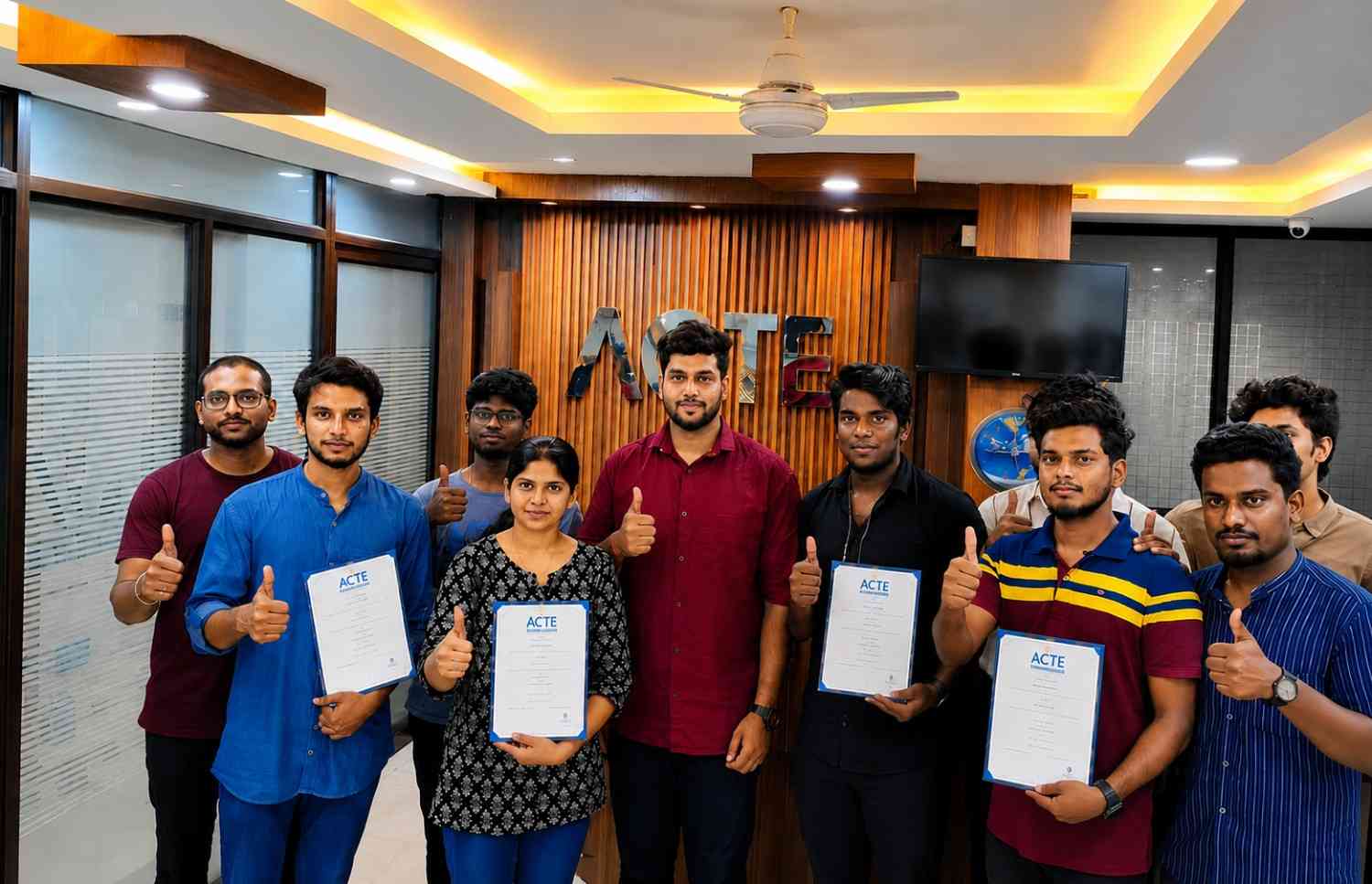
The ITIL course in OMR is specially designed for beginners, fresh graduates, and aspiring IT professionals who want to build a strong foundation in IT Service Management (ITSM). This comprehensive program explains core ITIL concepts in a simple, practical, and industry-oriented approach, enabling learners to understand service management principles, workflows, and global best practices with confidence. Participants gain valuable hands-on experience through real-time case studies, practical assignments, workshops, and interactive learning sessions that enhance analytical thinking, problem-solving, and technical capabilities. The ITIL course in OMR also offers internship opportunities that provide exposure to real workplace environments and help learners apply their knowledge effectively in professional settings. Key modules include service lifecycle management, incident management, problem management, change management, service operations, and continual service improvement. Additionally, the program features A placement preparation session covering resume building, mock interviews, communication skills, aptitude training, and career guidance to improve employability and career growth opportunities in the IT industry.
Additional Info
Key Roles and Responsibilities of ITIL Professional
- IT Service Manager -
Manages IT services, monitors performance, aligns IT operations with business objectives, ensures consistent service delivery, and drives continuous improvement in support quality
- Service Desk Analyst -
Handles IT incidents and service requests, resolves technical issues quickly, logs tickets accurately, and escalates complex problems to higher support teams when required
- Change Manager -
Plans, reviews, and controls IT changes using standardized processes, minimizing risks, ensuring smooth implementation, and coordinating with teams for successful system updates
- Problem Manager -
Identifies root causes of recurring IT issues, analyzes trends, implements preventive actions, and collaborates with technical teams to avoid future service disruptions across IT environments
- Service Delivery Manager -
Ensures IT services meet agreed SLA targets, manages escalations, improves service quality, and maintains strong relationships with business stakeholders for better outcomes
- Configuration Manager -
Maintains accurate IT asset and configuration records, updates CMDB regularly, supports audits, and ensures compliance while improving visibility of infrastructure components
Important Tools Covered in ITIL Training in OMR
- ServiceNow -
ServiceNow enables organizations to manage incidents, automate workflows, track service requests, and improve IT service operations through a unified and efficient platform
- BMC Remedy -
BMC Remedy supports IT service management by handling incidents, problems, and change processes while improving efficiency through automation, reporting, and structured workflows
- Jira Service Management -
Jira Service Management helps teams manage incidents and service requests, collaborate effectively, and customize workflows to improve IT support and service delivery processes
- Cherwell Service Management -
Cherwell Service Management simplifies IT service operations by managing incidents, changes, and requests while improving efficiency through flexible automation.
- ManageEngine ServiceDesk Plus -
ManageEngine ServiceDesk Plus provides IT support with incident tracking, asset management and performance monitoring to improve overall service efficiency
- Ivanti Service Manager -
Ivanti Service Manager automates IT service requests, manages incidents and assets, and enhances visibility through dashboards, analytics, and streamlined service workflows
Essential Skills You’ll Learn in a ITIL Course in OMR
- Service Management Knowledge -
ITIL training builds strong IT service management knowledge, helping professionals plan, deliver, and improve IT services efficiently to align with business goals effectively.
- Continual Service Improvement -
Continual service improvement focuses on evaluating IT services and implementing enhancements to improve efficiency, quality, and customer satisfaction.
- Service Level Management -
Service level management defines and monitors IT service standards, ensuring agreed SLAs are met while maintaining transparency and client satisfaction.
- Configuration and Asset Management -
Configuration and asset management ensures accurate tracking of IT assets and configurations, maintaining CMDB records and supporting audits and operational control.
- Communication and Collaboration Skills -
Communication and collaboration skills help IT teams share information clearly, coordinate tasks and improve teamwork and more efficient IT service delivery.
- Problem-Solving and Decision-Making -
Problem solving and decision making skills in ITIL help professionals analyze issues and choose effective solutions to improve IT service reliability.
Future Scope of ITIL Training Institute in OMR
- AI and Automation -
AI and automation in ITIL enable faster incident resolution, reduce manual efforts, and predict potential issues, allowing IT teams to focus on strategic and complex tasks.
- Cloud Integration -
Cloud integration in ITIL supports scalable and flexible IT service delivery by leveraging cloud platforms, ensuring efficient resource management and improved reliability.
- DevOps Alignment -
DevOps alignment in ITIL improves collaboration between development and operations teams, enabling faster releases, continuous improvement, and efficient service delivery.
- Data-Driven Decision Making -
Data-driven decision making in ITIL uses analytics and performance metrics to identify service gaps, improve efficiency, and support informed IT management decisions.
- Cybersecurity Focus -
Cybersecurity focus in ITIL ensures protection of IT services and data by implementing security controls, managing risks, and maintaining safe and reliable IT operations.
- Digital Transformation Growth -
ITIL supports digital transformation by standardizing IT processes, improving service delivery, and enabling organizations to adopt modern technologies for better agility.
Show More

 LMS
LMS