Control-M training in HSR Layout is designed to help learners build comprehensive expertise in enterprise workload automation, intelligent job scheduling, and business process orchestration across modern IT environments. The course provides a strong foundation in creating automated workflows, configuring scheduling policies, managing batch processing, monitoring execution status, handling job dependencies, and optimizing enterprise operations using the Control-M platform. Through instructor-led practical sessions, real-time case studies, enterprise-level assignments, and hands-on laboratory exercises, participants learn to implement, configure, administer, monitor, and troubleshoot Control-M environments used by leading organizations worldwide. By the end of the Control-M training in HSR Layout, learners will have the technical knowledge, practical exposure, and confidence required to manage enterprise scheduling solutions, support production environments, automate business workflows, and pursue rewarding careers as Control-M Administrators, Automation Engineers, Production Support Engineers, Workload Automation Specialists, IT Operations Professionals, and Enterprise Scheduling Consultants across banking, healthcare, manufacturing, retail, telecommunications, cloud computing, and other automation-driven industries.
Additional Information
Professional Opportunities After Control-M Training in HSR Layout
- Production Support Engineer: Monitors scheduled jobs, resolves production issues, analyses execution logs, ensures workflow continuity, and maintains reliable enterprise automation environments.
- Workload Automation Consultant: Implements enterprise automation solutions, optimizes scheduling workflows, improves operational efficiency, and supports business process automation initiatives.
- Job Scheduling Analyst: Creates scheduling policies, manages job dependencies, validates workflow execution, analyses automation performance, and improves workload processing efficiency.
- IT Operations Analyst: Monitors enterprise scheduling systems, troubleshoots workflow failures, manages automated operations, and ensures consistent availability of business-critical services.
- Automation Support Engineer: Configures Control-M environments, maintains automation workflows, resolves scheduling issues, and supports uninterrupted execution of enterprise business processes.
- Infrastructure Automation Specialist: Designs scalable automation workflows, integrates enterprise applications, streamlines IT operations, and enhances digital transformation through workload automation.
Software and Technologies Covered in Control-M Certification Course in HSR Layout
- BMC Helix Control-M: Enterprise workload automation platform used for centralized job scheduling, workflow orchestration, execution monitoring, and business process management.
- Control-M Workbench: Development workspace used to create, validate, test, and deploy scheduling workflows, helping learners gain practical enterprise automation experience.
- Docker: Containerization platform used to deploy, isolate, and test Control-M environments efficiently while supporting automation development and enterprise application integration.
- Jenkins: Automation server integrated with Control-M to manage continuous integration, deployment workflows, scheduled builds, and enterprise DevOps automation processes.
- Git: Version control system used to manage automation scripts, workflow configurations, collaborative development, and change tracking across enterprise automation projects.
- Linux Shell Scripting: Enables automation of administrative tasks, job execution, system operations, and seamless integration with Control-M scheduling workflows in enterprise environments.
Future Scope of Control-M Training in HSR Layout
- Growing Demand for Automation: Enterprises across industries are adopting workload automation platforms, creating continuous demand for skilled Control-M professionals in modern IT operations.
- Cloud-Based Workload Management: Control-M professionals support cloud and hybrid infrastructures by automating workloads, improving scalability, and ensuring reliable enterprise operations.
- Expansion of DevOps Practices: Control-M integrates with DevOps pipelines, enabling professionals to automate deployments, streamline workflows, and accelerate software delivery processes.
- Enterprise Digital Transformation: Organizations rely on Control-M to automate critical workflows, reduce manual effort, improve productivity, and support enterprise digital transformation initiatives.
- Long-Term Career Stability: As automation becomes essential across enterprise environments, Control-M professionals continue to enjoy stable careers with excellent long-term growth prospects.
- Global Employment Opportunities: Expertise in Control-M opens opportunities with multinational companies managing enterprise scheduling and IT operations across global business locations.
- Leadership Career Growth: Experienced professionals can advance into Automation Architect, IT Operations Manager, Enterprise Consultant, and Digital Transformation leadership roles.
Career Growth After Control-M Certification in HSR Layout
- Enterprise Automation Careers: Control-M certification prepares learners for advanced roles in workload automation, enterprise scheduling, production support, and IT operations management.
- Opportunities in Large Enterprises: Banking, healthcare, manufacturing, telecom, and IT companies actively recruit certified Control-M professionals for automation-focused enterprise roles.
- Modern Infrastructure Management: Professionals gain expertise in managing enterprise automation environments, improving operational efficiency, and ensuring reliable business service delivery.
- Integration and Workflow Expertise: Strong knowledge of workflow orchestration, scheduling, APIs, and automation integration enhances career opportunities across enterprise industries.
- Professional Recognition: Control-M certification validates enterprise automation expertise, strengthens professional credibility, and improves employability in highly competitive technology markets.
- Continuous Industry Relevance: The growing adoption of intelligent automation and workload scheduling solutions ensures consistent career opportunities and long-term professional success.

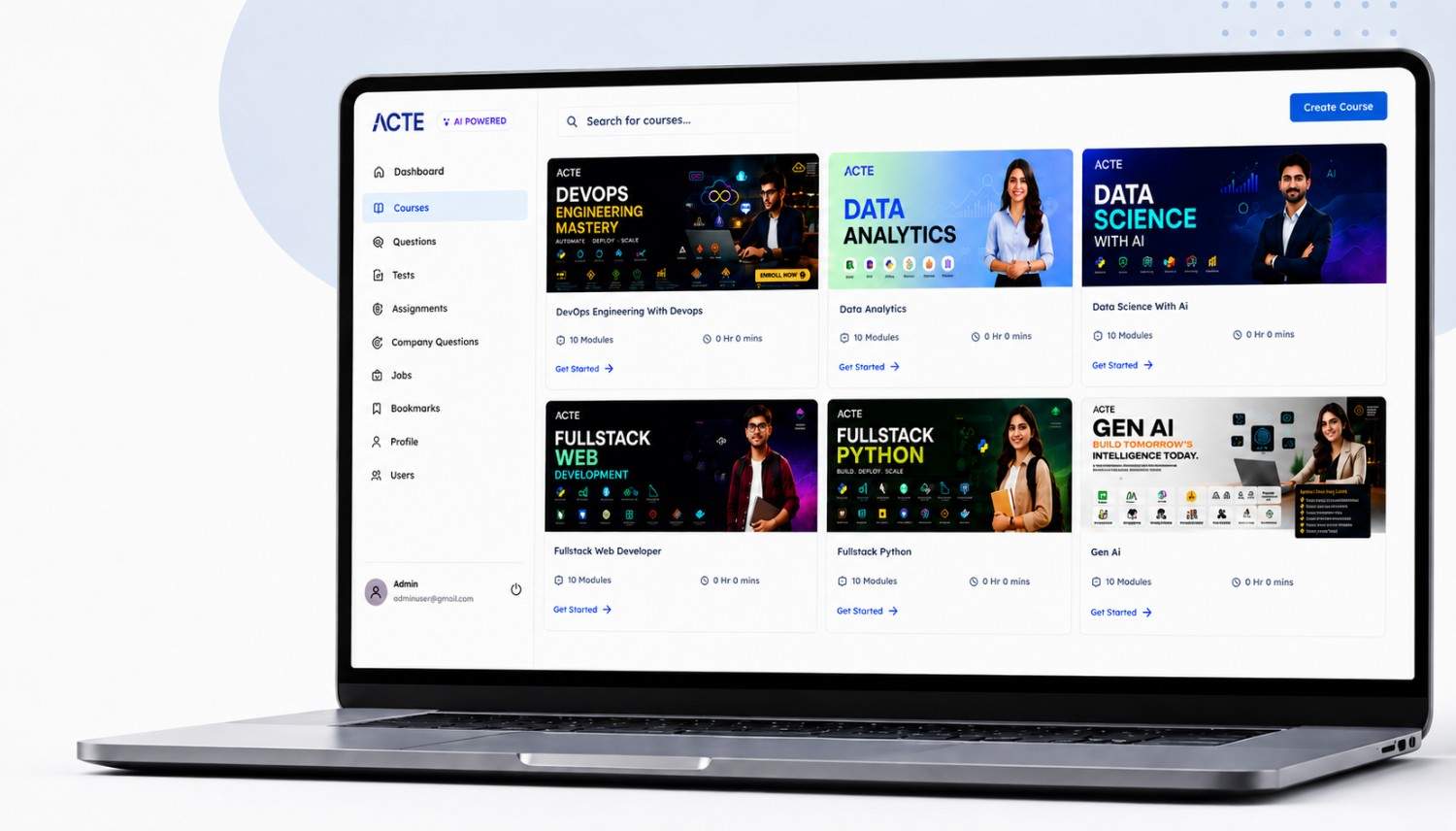
 LMS
LMS