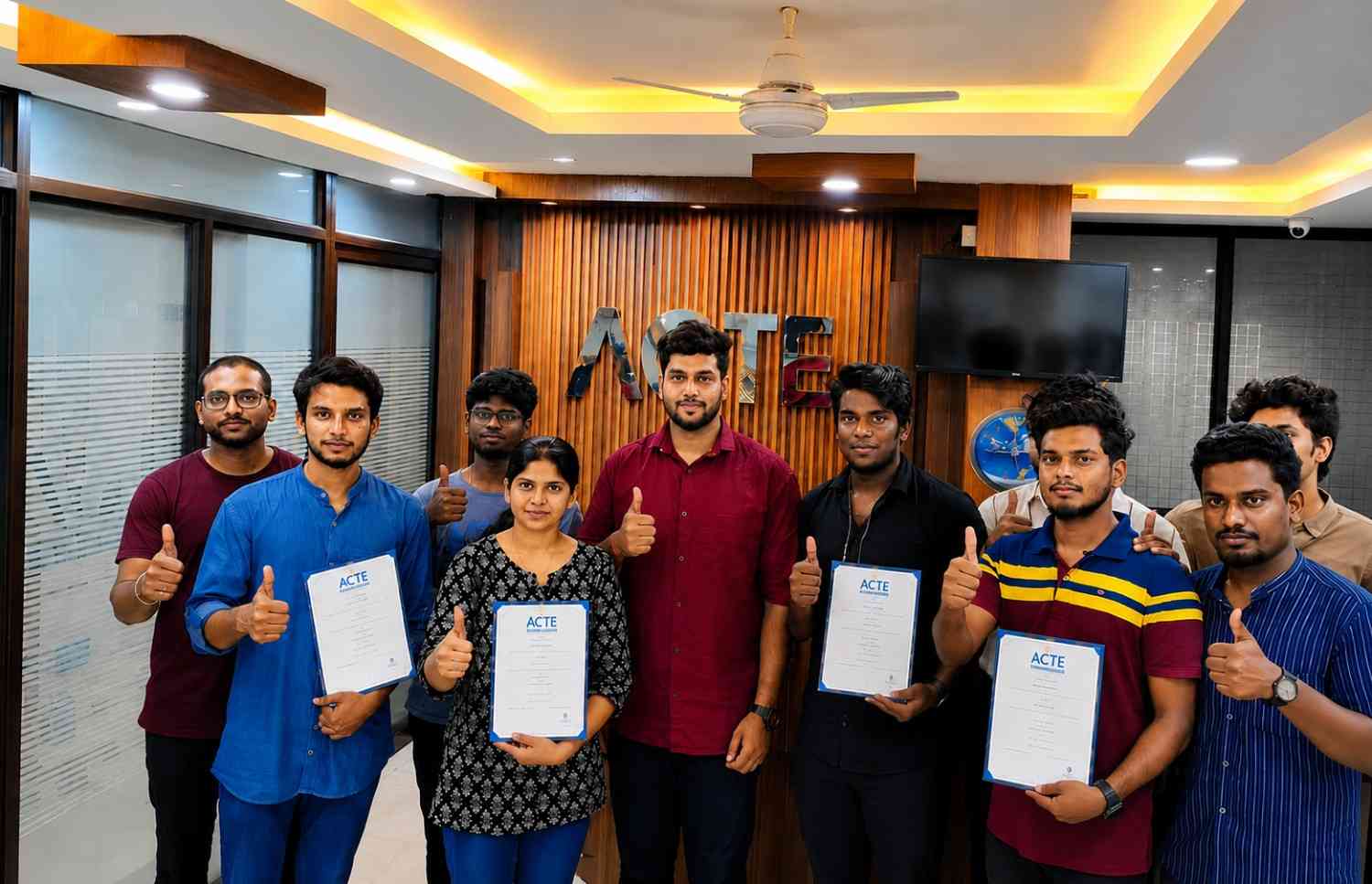
Overview of PEGA Developer Training in Hyderabad
The PEGA Developer training in Hyderabad is structured for graduates, software professionals, application developers, and technology enthusiasts seeking practical expertise in enterprise process automation and application development. The program introduces participants to the PEGA platform through instructor-led explanations, guided exercises, application-building activities, and industry-oriented scenarios. Learners explore case types, data objects, views, workflows, business rules, decision logic, integrations, security configuration, application packaging, and deployment practices. The training emphasizes how PEGA applications can simplify complex business processes, improve operational efficiency, and deliver responsive solutions across enterprise environments. Participants work on practical assignments that involve designing case lifecycles, configuring user experiences, connecting external services, managing application components, and resolving implementation challenges. The PEGA Developer training in Hyderabad also provides career-oriented guidance through project discussions, resume development, technical interview preparation, mock assessments, mentoring, and placement assistance. By completing the program, learners can build the practical foundation required for roles such as PEGA Application Developer, PEGA System Architect, BPM Developer, PEGA Consultant, and Workflow Automation Specialist.
Additional Information
Career Roles Available After PEGA Developer Training in Hyderabad
- PEGA Application Developer
Builds and enhances PEGA applications by configuring cases, interfaces, business logic, reusable components, and application workflows according to enterprise requirements.
- PEGA System Architect
Designs application structures, defines technical approaches, establishes reusable solutions, and ensures that PEGA implementations follow scalable enterprise development practices.
- BPM Implementation Consultant
Analyzes organizational processes, translates business requirements into PEGA solutions, and assists enterprises in improving operational workflows process automation.
- Workflow Automation Specialist
Creates automated business processes, configures case progression, task routing, and helps organizations reduce manual activities through intelligent workflow solutions.
- PEGA Integration Developer
Works on connecting PEGA applications with external platforms, services, databases, and enterprise systems while maintaining reliable data exchange and application functionality.
- PEGA Production Support Analyst
Investigates application issues, analyzes production incidents, performs root-cause analysis, and supports the stability of PEGA solutions used by business teams.
Development Technologies Explored in PEGA Training in Hyderabad
- PEGA App Studio
Provides a streamlined environment for creating applications, configuring business cases, defining data requirements, and developing process-driven solutions with reduced coding effort.
- PEGA Dev Studio
Offers advanced development capabilities for configuring rules, application components, integrations, security settings, and technical functionality within enterprise PEGA applications.
- PEGA Constellation
Introduces a modern approach to building responsive PEGA applications with reusable components, contemporary, and streamlined application development practices.
- Decision Management
Supports intelligent business decisions through decision tables, strategies, predictive approaches, and configurable logic that can be incorporated into enterprise applications.
- Integration Services
Enables communication between PEGA applications and external systems through service-based connectivity, data exchange mechanisms, and enterprise integration patterns.
- PEGA Customer Service
Demonstrates how PEGA capabilities can support customer-centric processes, service requests, interaction management, and streamlined case resolution across business operations.
Practical Capabilities Developed Through PEGA Developer Training
- Case Design
Create structured case lifecycles by defining stages, steps, assignments, approvals, and automated actions that represent real business processes within PEGA applications.
- Rule Configuration
Configure reusable PEGA rules and application behavior to implement business requirements while maintaining consistency, flexibility, and efficient application maintenance.
- User Experience Design
Develop intuitive application screens, forms, views, and navigation flows that provide users with efficient interfaces for completing business activities and case-related tasks.
- Decision Automation
Implement configurable decision logic to support business policies, eligibility checks, routing decisions, and automated recommendations within PEGA applications.
- System Integration
Connect PEGA solutions with external applications and enterprise services while handling data exchange, service communication, authentication, and integration-related requirements.
- Application Deployment
Understand application packaging, configuration management, release practices, and deployment procedures required for maintaining PEGA solutions across environments.
Career Outlook After PEGA Developer Training in Hyderabad
- Enterprise Automation Growth
Businesses are increasingly modernizing operational processes and BPM platforms, creating opportunities for professionals who can implement efficient PEGA-based solutions.
- Low-Code Development Demand
The expansion of low-code application development increases the need for developers who can rapidly transform business requirements into scalable enterprise applications.
- Digital Process Modernization
Organizations are replacing manual workflows with automated case-driven applications, creating career opportunities for PEGA professionals involved in digital transformation.
- Cross-Industry Applications
PEGA expertise can be applied across banking, insurance, healthcare, retail, government, and other sectors that rely on structured business process management.
- Advanced Specialization
Experienced professionals can expand into areas such as PEGA architecture, decisioning, customer service, integration development, automation, and enterprise solution design.
- Long-Term Professional Development
Continuous evolution in cloud platforms, intelligent automation, and enterprise application technologies provides opportunities for ongoing PEGA skill advancement.
Show More

 LMS
LMS