Best SAP ABAP Training In Velachery ⭐ SAP ABAP Course In Velachery | Updated 2026
Join Our 100% Job Guaranteed

Best SAP ABAP Training in Velachery

  • Join A Leading SAP ABAP Training Institute In Velachery To Develop ABAP Expertise.
  • Our SAP ABAP Course Covers Basic To Advanced Concepts & Enhancements.
  • Choose Convenient Learning Schedules With Weekday, Weekend, And Fast-Track Batches.
  • Gain Hands-On Experience Through Real-Time SAP ABAP Projects With Certified Experts.
  • Earn Industry-Recognized SAP ABAP Certification With Dedicated Placement Assistance.
  • Get Expert Support To Build A Strong Resume And Prepare For Interviews.

Explore Active Opportunities on by ACTE

Live 1000+ Jobs and Internships
Quality Training With Affordable Fees in Velachery!

⭐ Fees Starts From

INR 36,000
INR 16,500

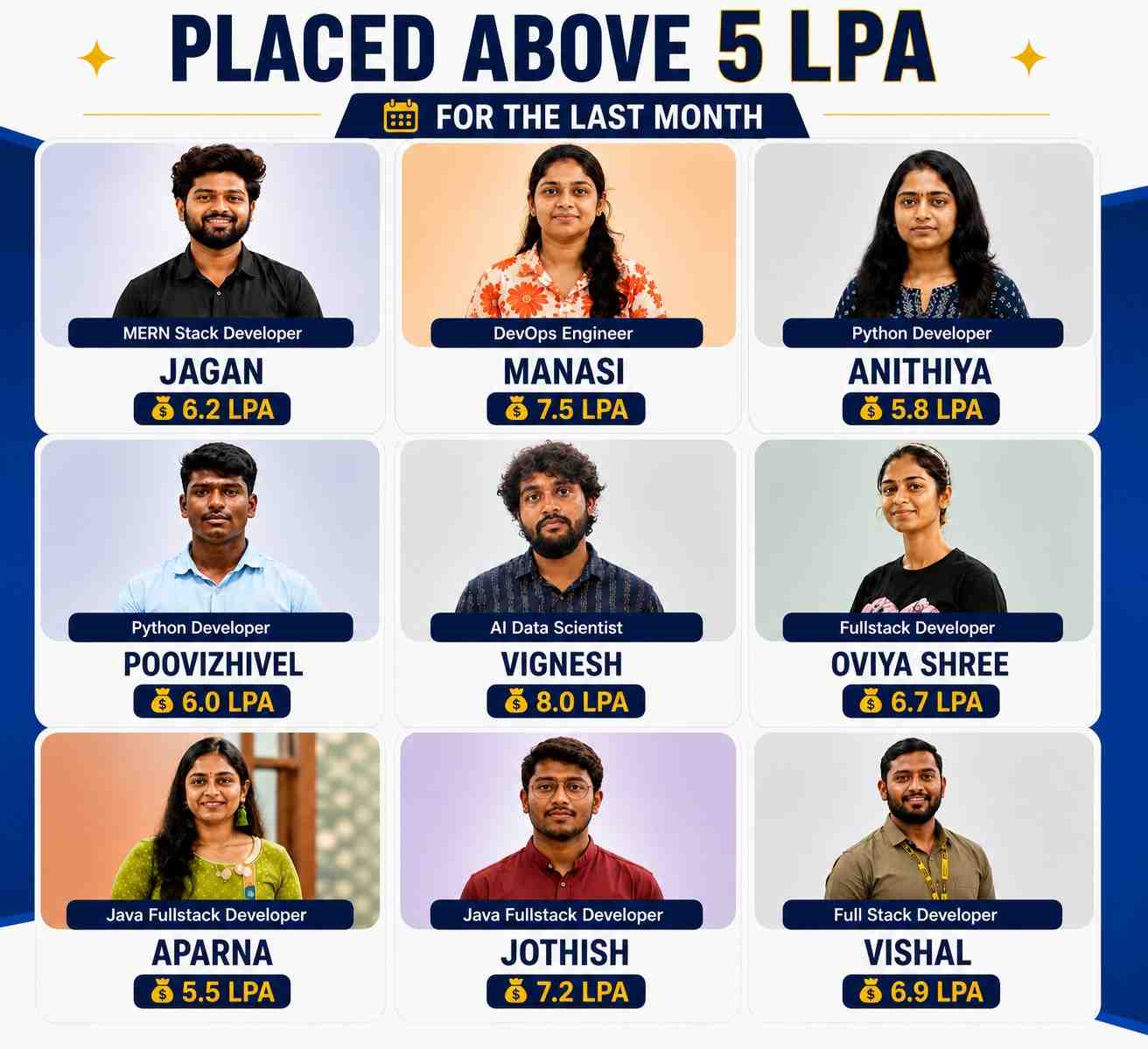
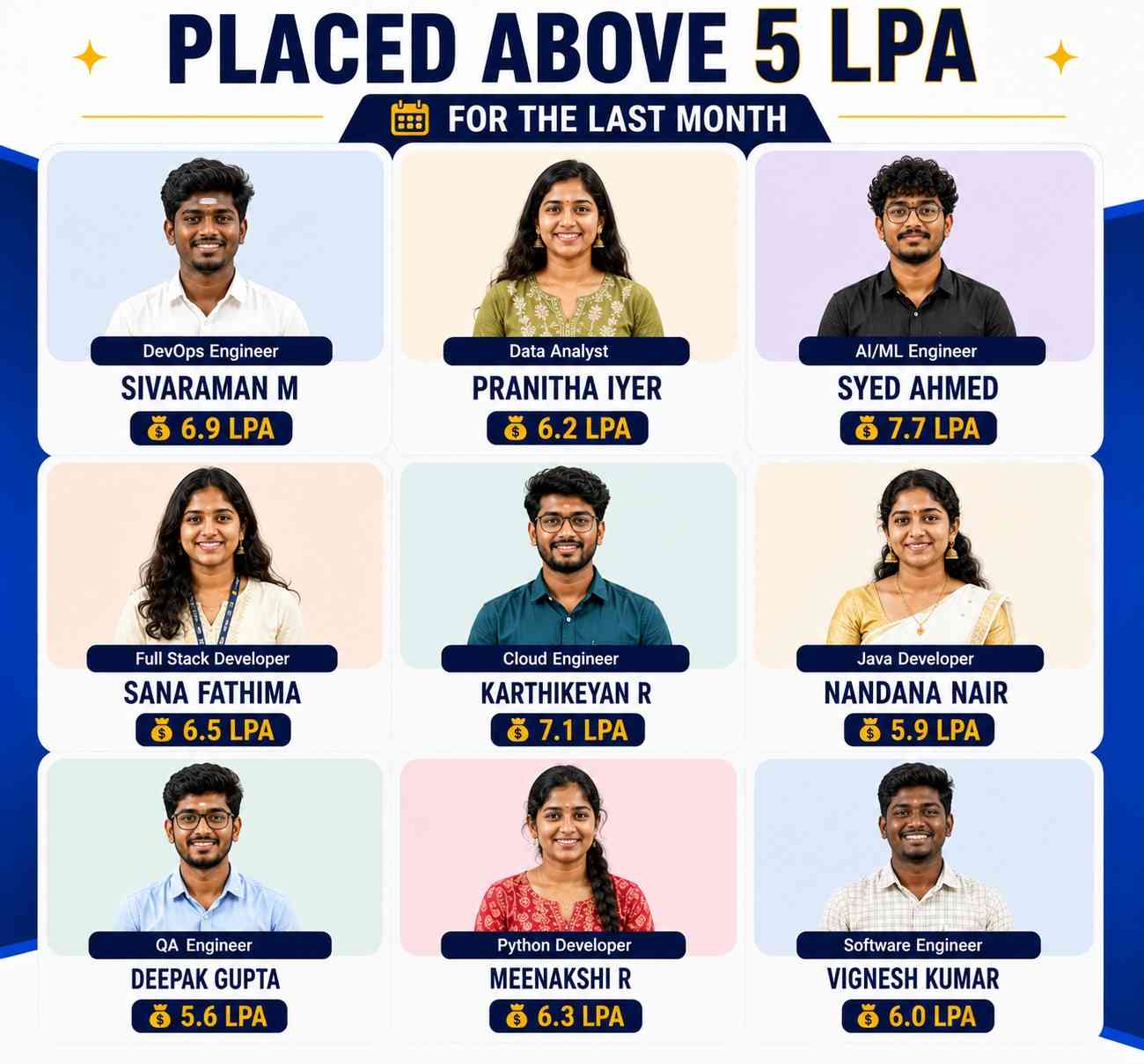
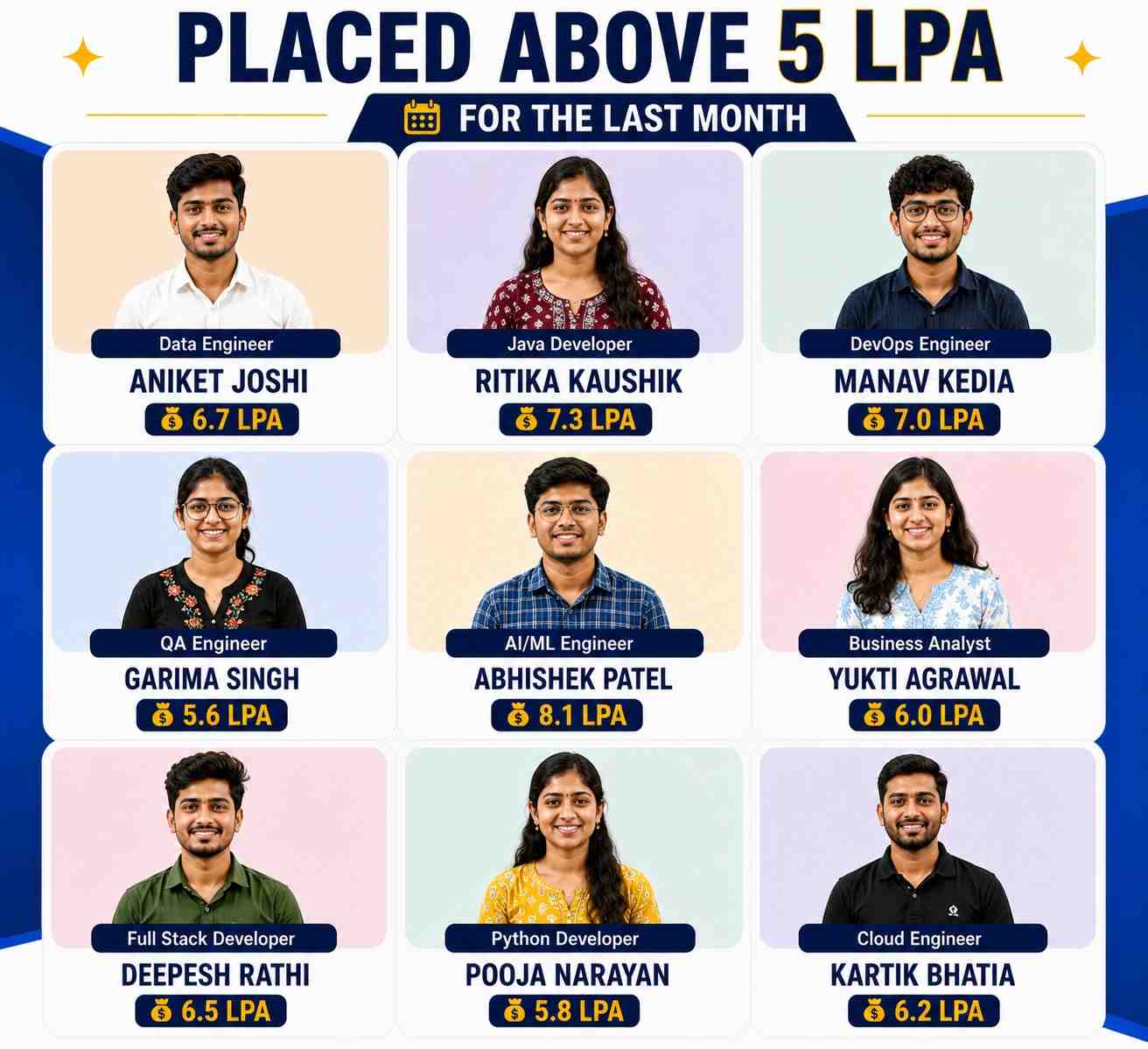
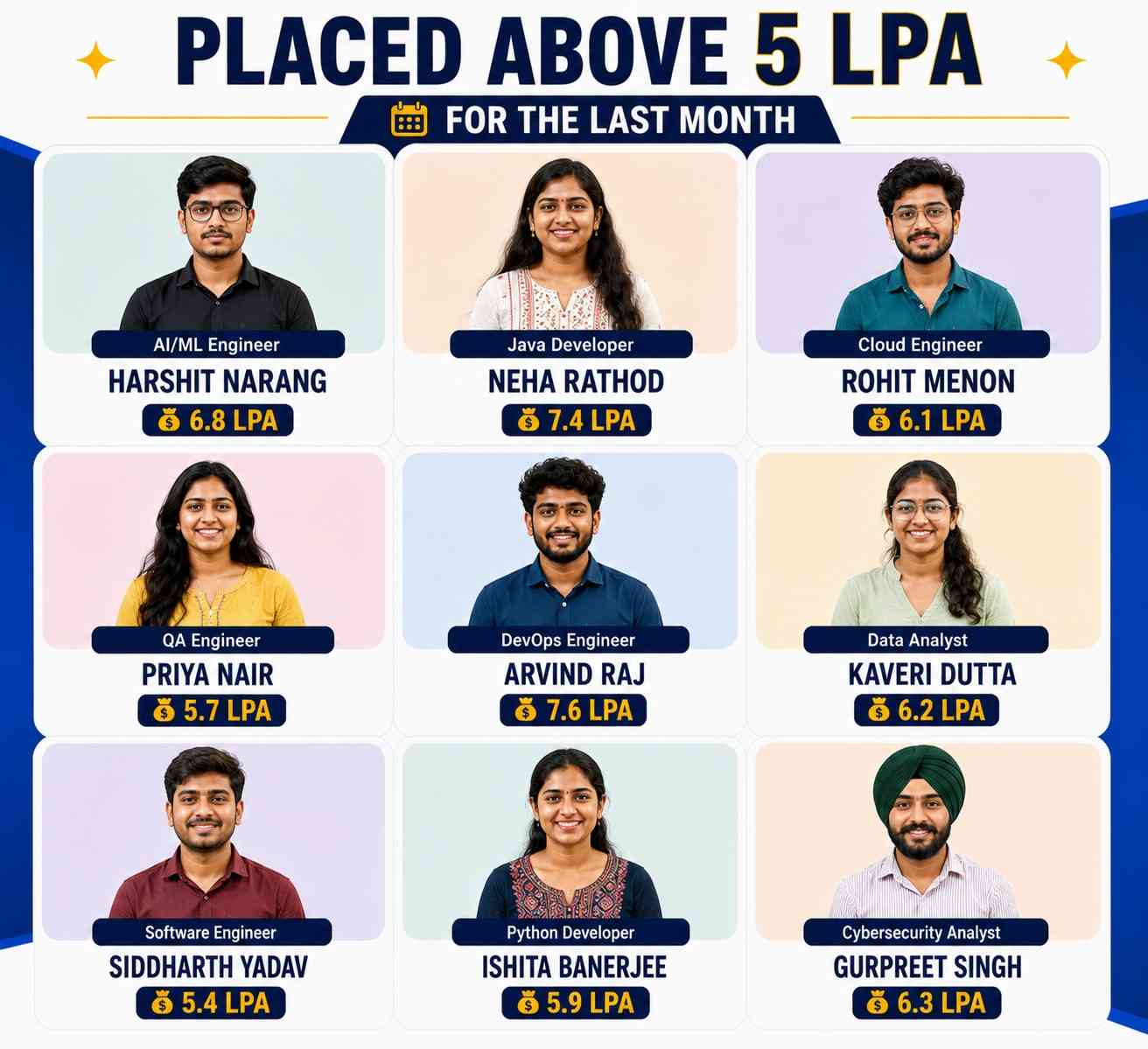
10569+

(Placed)
Freshers To IT

5556+

(Placed)
NON-IT to IT

7894+

(Placed)
Career Gap

4220+

(Placed)
Less Then 60%

Our Hiring Partners

Overview of SAP ABAP Course in Velachery

Our SAP ABAP Training in Velachery provides a structured learning path that covers fundamental programming concepts through advanced SAP development techniques, enabling learners to develop strong technical expertise. With practical exercises and real-time business scenarios, you will explore essential ABAP topics including Data Dictionary, Reports, Module Pool Programming, Enhancements, Forms, and Object-Oriented ABAP. The training helps you develop, modify, and optimize SAP applications according to business needs. It strengthens your ability to create reliable and scalable solutions within SAP environments while preparing you for positions such as SAP ABAP Developer, Technical Consultant, and SAP Programmer. The industry-oriented certification further validates your technical knowledge and supports career opportunities in the SAP ecosystem.

What You'll Learn From SAP ABAP Training in Velachery

SAP ABAP Training in Velachery is suitable for fresh graduates and working professionals who wish to establish a solid understanding of programming and application development in SAP environments.

Participants receive practical exposure to important SAP ABAP concepts including Data Dictionary, Reports, Module Pool Programming, Enhancements, Smart Forms, and Object-Oriented ABAP.

Explore key ABAP development areas such as Data Dictionary, Reports, Module Pool, Enhancements, and OOP while developing practical abilities in debugging, coding, and performance improvement.

The program includes practical workshops, live SAP ABAP projects, and hands-on assignments supported by experienced mentors who bring extensive SAP technical and development knowledge.

After completing the course, learners can confidently develop and customize SAP ABAP applications for business requirements while earning a recognized certification that demonstrates their technical capabilities.

This dynamic training program prepares participants for successful careers in SAP ABAP Development, SAP Technical Consulting, SAP S/4HANA implementation, SAP Fiori UI design, and modern enterprise SAP application development.

Additional Info

Course Highlights

  • Build a successful SAP ABAP career with professional, hands-on training covering core programming, user exits and advanced Object-Oriented Programming principles.
  • Get comprehensive placement assistance with direct access to opportunities from organizations actively seeking qualified, industry-ready SAP ABAP professionals.
  • Become part of a thriving learning network with more than 11,000 students successfully trained and placed through a robust ecosystem of over 350 reliable hiring partners.
  • Learn directly under seasoned, experienced trainers boasting over 10 years of real-world, practical SAP ABAP development and complex technical implementation expertise.
  • Benefit from easy-to-follow training methodologies, practical project assignments, and continuous one-on-one career guidance throughout your complete learning journey.
  • Choose a cost-effective training path featuring flexible batch timings and 100% placement assistance, structured for both ambitious freshers and advancing working professionals.
  • Strengthen your core SAP ABAP capabilities, industry-oriented learning modules designed to prepare you confidently for high-demand application development positions.

Exploring the Benefits of SAP ABAP Training in Offline

  • Beginner-Friendly Learning: SAP ABAP is centered around programming and application development, making it accessible to beginners. Its organized syntax, practical exercises, and guided examples make technical concepts easier to understand, even for learners starting their coding journey.
  • Useful Across Multiple Industries: SAP ABAP is implemented in sectors including manufacturing, IT, retail, banking, telecommunications, and logistics. This broad usage creates different career possibilities for SAP ABAP Developers, Technical Consultants, and Programmers working with enterprise organizations.
  • Extensive Community and Resources: The SAP ecosystem provides learning resources through SAP Learning Hub, technical forums, tutorials, webinars, and official documentation. Regular updates and community discussions allow professionals to improve their knowledge and follow current development practices.
  • Career Opportunities and Competitive Pay: Organizations need SAP ABAP professionals to develop, customize, maintain, and enhance enterprise applications. These technical skills can provide access to varied employment opportunities, professional development, and competitive compensation across different markets.
  • Strong Problem-Solving and Development Skills: SAP ABAP allows developers to address practical business requirements through reports, customized programs, enhancements, and performance improvements, helping organizations streamline processes and improve application efficiency.

Essential Tools for SAP ABAP Training in Velachery

  • SAP ABAP Workbench: Understand important ABAP development components such as Data Dictionary and debugging utilities for developing and maintaining customized SAP applications. Learn to work within the development environment, manage objects, and apply suitable practices for coding quality, performance optimization, and error resolution.
  • Development and Configuration Tools: Gain practical knowledge of SE80, SE38, SE11, and enhancement frameworks used to create, modify, and improve SAP programs according to organizational requirements. Learn object-oriented programming, modularization methods and system configuration within enterprise SAP landscapes.
  • Reporting and Forms: Develop ALV Reports, Smart Forms, and SAP Scripts for producing interactive reports and structured business documents. Understand how to create effective layouts, process large volumes of information, and generate outputs such as invoices, purchase documents, and analytical reports based on business requirements.
  • Integration Tools: Learn to connect ABAP applications with SAP modules such as MM and SD for effective data transfer, automation, and cross-functional processing. Explore technologies including BAPIs, RFCs, IDocs, and APIs to support communication between SAP systems and external applications while improving workflow efficiency.
  • Practical Development and Real-Time Projects: Practice building reports, interfaces, enhancements, and forms through project-based assignments and real-time scenarios. Work through debugging issues and performance-related tasks to strengthen practical knowledge and prepare for professional SAP technical responsibilities.

Top Modules Every SAP ABAP Professional Should Know

  • ABAP Fundamentals: Learn essential ABAP programming principles including data types, internal tables, loops, and modularization approaches. Establish a dependable programming base for creating efficient applications while progressing toward advanced SAP development concepts and practical technical requirements.
  • Reports and Module Pool Programming: Understand how to develop classical and interactive reports along with module pool applications for creating dynamic SAP screens. Build practical knowledge of user interface development, screen processing, and effective data handling within SAP applications.
  • Data Dictionary and Enhancements: Study SAP Data Dictionary objects, database tables, views, and enhancement mechanisms such as user exits and BADIs. Learn how to extend standard SAP functionality and create flexible solutions that support changing business requirements.
  • Forms and Interfaces: Gain knowledge of Smart Forms, SAP Scripts, and interface technologies used for document generation and communication between SAP and external applications. Develop professional business outputs and support reliable integration across different platforms.
  • Object-Oriented ABAP and Performance Optimization: Develop proficiency in object-oriented ABAP concepts and methods for improving application performance. Learn to create maintainable code, enhance execution efficiency, and design scalable SAP applications using modern development approaches.

Must-Have Skills You Will Gain in SAP ABAP Training in Velachery

  • ABAP Programming Fundamentals: Develop a clear understanding of data types, internal tables, loops, and modularization techniques. Build practical confidence in writing, debugging, and improving SAP programs while maintaining accuracy, efficiency, and suitable application performance.
  • Advanced Development and Customization: Gain practical knowledge of reports, module pool programming, enhancements, and forms. Learn how to extend standard SAP features and create customized technical applications that address specific business requirements.
  • Real-Time SAP ABAP Projects: Participate in practical scenarios involving reports, interfaces, enhancements, and other development activities. Gain project exposure that helps you understand enterprise SAP requirements and apply ABAP programming knowledge in realistic working situations.
  • Debugging and Performance Optimization: Learn systematic debugging methods, code inspection, and performance analysis techniques. Develop the ability to locate programming issues, improve execution efficiency, and maintain reliable SAP applications.
  • Integration and Technical Collaboration: Understand how ABAP works with SAP modules such as MM and SD while learning effective development collaboration practices. Support smooth information flow, cross-functional development, and consistent application performance within enterprise projects.

Roles and Responsibilities After SAP ABAP Training

  • SAP ABAP Developer: Create and customize SAP programs, develop reports, and implement enhancements to existing applications. Coordinate with functional consultants and project teams to deliver technical solutions that satisfy defined business requirements and application needs.
  • Technical Consultant: Translate business requirements into appropriate technical solutions using ABAP. Develop enhancements, interfaces, and forms while supporting integration and ensuring applications function effectively across relevant SAP modules.
  • SAP End-User Support: Provide technical assistance for SAP applications by investigating errors, debugging programs, and resolving day-to-day system issues. Help maintain application reliability and data accuracy through effective troubleshooting and technical support.
  • Interface Developer: Develop and maintain interfaces connecting SAP applications with external systems. Manage data transfer and system communication while supporting reliable integration across different business applications and platforms.
  • Performance and Quality Analyst: Examine application performance, review ABAP code, and identify opportunities for optimization. Apply quality practices to improve application reliability, reduce inefficiencies, and support scalable SAP development.

The Benefits of SAP ABAP for Recent Graduates as a Career Option

  • Accessible to Learn and Practice: SAP ABAP uses organized programming concepts, guided exercises, and practical scenarios that help graduates understand development fundamentals. Regular hands-on practice can improve confidence in designing and maintaining SAP applications.
  • Applications Across Industries: SAP ABAP skills are relevant to sectors such as IT, manufacturing, finance, retail, and logistics. Knowledge of SAP development can support career opportunities involving application customization, technical support, integration, and performance improvement.
  • Rich Learning Ecosystem: Learners can use SAP documentation, technical communities, tutorials, webinars, and practical case studies to expand their knowledge. Engaging with these resources supports continuous learning and familiarity with evolving SAP development practices.
  • Relevant to Enterprise Technology: ABAP works with SAP business modules including MM, SD, and HCM, allowing graduates to understand how technical development supports integrated ERP processes. This exposure can strengthen their knowledge of enterprise application environments.
  • Freelance and Remote Possibilities: SAP ABAP development skills can be applied to remote assignments and freelance projects where organizations need application development, maintenance, customization, or technical support. Such work can provide exposure to different projects and distributed teams.

How SAP ABAP Skills Help You Get Remote Jobs

  • Suitable for Distributed Technical Teams: SAP ABAP developers can perform application development, customization, maintenance, and technical support activities remotely. Organizations with distributed teams may engage SAP specialists to support projects across different locations and business environments.
  • Freelance Project Opportunities: SAP ABAP professionals can explore freelance marketplaces such as Upwork, Freelancer, and Toptal for development and consulting assignments. Building a strong portfolio and demonstrating relevant technical experience can help attract projects from different clients.
  • Supports Online Collaboration: SAP development environments and collaboration practices allow technical teams to coordinate remotely on coding, testing, debugging, and application maintenance. This supports project communication and development activities across geographically distributed teams.
  • Productivity Through Code Optimization: ABAP professionals can apply reusable coding practices, performance tuning, and efficient development techniques to improve application behavior. These practices help technical teams maintain productive development workflows even when working remotely.
  • Global Learning Communities: SAP professionals can participate in international forums, webinars, technical discussions, and online developer communities. These platforms can help learners exchange knowledge, develop professional connections, showcase technical work, and discover opportunities in different markets.

What to Expect in Your First SAP ABAP Job

  • Practical Development Responsibilities: Work with SAP ABAP components such as Reports, Data Dictionary, Module Pool, Enhancements, and OOP while contributing to real application development activities. You may also analyze requirements, create reusable programs, perform testing, and ensure technical solutions meet project specifications.
  • Experience with Development Tools and Processes: Work with tools such as SE80, SE38, and SAP debugging utilities throughout the development lifecycle. Understand program creation, enhancements, testing, transport requests, version management, and the movement of development objects between SAP system environments.
  • Code Reviews and Mentoring: Senior developers and technical leads may review your programs for coding quality, maintainability, performance, and adherence to project standards. Their feedback helps improve debugging techniques, coding practices, and the ability to handle increasingly complex development assignments.
  • Team-Based Project Work: Coordinate with functional consultants, technical teams, and business stakeholders while working on SAP projects. Participate in discussions, clarify requirements, communicate development updates, and contribute technical solutions that support overall project objectives.
  • Continuous Professional Growth: Begin with foundational ABAP development assignments and gradually progress toward enhancements, interfaces, integrations, and performance optimization. With practical experience, you can expand your responsibilities and develop capabilities required for advanced development and technical roles.

Top Companies Hiring SAP ABAP Professionals

  • Google: Google has enterprise technology environments where SAP-related technical professionals may contribute to application development, maintenance, and ERP support activities. SAP specialists can gain exposure to complex systems, technical projects, and large-scale business operations.
  • Microsoft: Microsoft operates enterprise business systems that can require SAP technical expertise for application support, customization, integration, and development activities. Professionals may work with large technical environments and cross-functional teams.
  • Accenture: Accenture recruits SAP technical professionals for consulting and implementation projects involving SAP development, customization, integration, and application support. Consultants can work across different industries and client environments while developing specialized SAP expertise.
  • Infosys: Infosys provides SAP-related technology and consulting services that include application development, enhancements, integrations, and technical support. SAP ABAP professionals can contribute to enterprise implementations and large-scale client projects.
  • Tata Consultancy Services (TCS): TCS offers SAP technology and consulting opportunities involving ABAP development, application customization, integration, and performance improvement. Professionals may work with enterprise SAP landscapes and projects serving clients across multiple regions.
Show More

Upcoming Batches For Classroom and Online

Weekdays
14 - Sep - 2026
08:00 AM & 10:00 AM
Weekdays
16 - Sep- 2026
08:00 AM & 10:00 AM
Weekends
19 - Sep - 2026
(10:00 AM - 01:30 PM)
Weekends
20 - Sep - 2026
(09:00 AM - 02:00 PM)
Can't find a batch you were looking for?
INR ₹16500
INR ₹36000

OFF Expires in

Who Should Take a SAP ABAP Certification Course

IT Professionals

Non-IT Career Switchers

Fresh Graduates

Working Professionals

Diploma Holders

Professionals from Other Fields

Salary Hike

Graduates with Less Than 60%

Show More

Job Roles For SAP ABAP Certification Training

SAP ABAP Developer

ABAP Technical Consultant

SAP Reports Developer

Interface Developer

Data Migration Specialist

SAP Workflow Developer

Forms Develope

SAP Technical Consultant

Show More

What’s included ?

Convenient learning format

📊 Free Aptitude and Technical Skills Training

  • Learn basic maths and logical thinking to solve problems easily.
  • Understand simple coding and technical concepts step by step.
  • Get ready for exams and interviews with regular practice.
Dedicated career services

🛠️ Hands-On Projects

  • Work on real-time projects to apply what you learn.
  • Build mini apps and tools daily to enhance your coding skills.
  • Gain practical experience just like in real jobs.
Learn from the best

🧠 Launch Your Career in Top MNC Companies

  • Master technical and HR interview rounds.
  • Gain confidence with expert mock interview practice.
  • Improve your chances of getting hired faster.
Learn from the best

🎯 Interview Preparation For Freshers

  • Practice company-based interview questions.
  • Take online assessment tests to crack interviews
  • Practice confidently with real-world interview and project-based questions.
Learn from the best

🧪 LMS Self Learning Platform

  • Explore expert trainer videos and documents to boost your learning.
  • Study anytime with on-demand videos and detailed documents.
  • Top MNC interview questions & self coding practice.

SAP ABAP Course Syllabus

  • 🏫 Classroom Training
  • 💻 Online Training
  • 🚫 No Pre Request (Any Vertical)
  • 🏭 Industrial Expert

Joining our SAP ABAP Training in Velachery provides participants with the essential technical proficiencies needed for thriving careers in SAP programming, tailored to match their individual career ambitions. This curriculum opens doors to high-demand technical positions across top organizations and competitive international markets, offering exposure to cutting-edge enterprise platforms and modern SAP technologies. Through flexible study schedules, learners can master specialized domains like interactive reports, data dictionaries, module pool design, enhancements, or Object-Oriented ABAP, all while constructing a robust foundation in building, tailoring, and refining SAP software solutions.

  • Core SAP ABAP Principles: Master coding foundations, industry standards, and essential SAP ABAP technical concepts.
  • Development & Object Management: Build custom programs, oversee data dictionary items, and uphold high coding standards.
  • Implementation & Business Solutions: Design reports, dialog programs, and system enhancements to drive enterprise workflows.
  • Debugging & Performance Optimization: Leverage the ABAP Workbench, troubleshooting tools, and tuning methods for peak efficiency.
Introduction to SAP ABAP
Core SAP ABAP Fundamentals
Advanced ABAP Development
Programming & Execution
System Integration & Enhancements
Reporting & Code Debugging
Practical Projects & Scenarios

This module delivers a solid introduction to SAP ABAP:

  • Importance of SAP ABAP: Explore the benefits, corporate adoption, and overall business value of SAP development across diverse global industries.
  • Core Concepts: Understand data dictionaries, reporting styles, internal tables, and object-oriented syntax needed for solid coding foundations.
  • Key Platforms: Get familiar with SAP S/4HANA environments, SAP Fiori interfaces, and ABAP Workbench utilities for modern enterprise development.
  • Career Paths: Explore professional roles including ABAP developers, technical consultants, and support specialists to strategically plan your career growth.

This module explores vital SAP ABAP functionalities and features:

  • Program Creation: Build reports, dialog screens, and foundational business applications to address everyday enterprise needs effectively.
  • Data Dictionary Management: Structure information effectively by defining database tables, views, and data domains for high reliability.
  • Customization Techniques: Implement customer exits, BADIs, and enhancements to tailor standard SAP behaviors to unique client requirements.
  • Reporting & Troubleshooting: Generate analytical reports, examine code execution, and utilize debugging instruments to swiftly resolve system errors.

Learn how to expertly build and manage SAP ABAP development environments:

  • Development Interface: Master navigation across the ABAP Workbench, SE80, SE38, and primary developer utilities for efficient daily coding workflows.
  • Automation Strategies: Implement reusable code segments, function modules, and streamlined enhancements to speed up software delivery times.
  • Security & Access Controls: Handle system authorizations, user roles, and secure programming practices to safeguard sensitive corporate data securely.
  • Performance Tracking: Track software performance, troubleshoot runtime errors, and enhance code speed to ensure smooth, uninterrupted system operation.

This module offers practical training for SAP ABAP implementation and creation:

  • Solution Creation: Develop tailored reports, external interfaces, forms, and custom enhancements based on precise client specifications.
  • UI & Application Components: Build intuitive interfaces using SAP Fiori applications and module pool screens for a seamless user experience.
  • Logic Implementation: Execute business rules, data processing pipelines, and custom enterprise workflows within complex system landscapes.
  • Testing & Rollout: Validate program outputs, debug system behavior, and guarantee optimal application performance prior to production deployment.

Discover how to connect and extend SAP ABAP applications seamlessly:

  • Module Integration: Link your ABAP programs with core SAP components like Materials Management (MM) and Sales & Distribution (SD) smoothly.
  • Modification Practices: Utilize user exits and Business Add-Ins (BADIs) to adapt standard workflows without breaking core system architecture.
  • External Connectivity: Bridge SAP with third-party systems using BAPIs, RFCs, and IDocs for robust cross-platform data exchange.
  • Workflow Streamlining: Apply structured coding standards and modular methods to boost operational efficiency and long-term maintainability.

Master performance tracking and optimization techniques for SAP ABAP applications:

  • Monitoring Utilities: Use runtime analysis, system logs, and monitoring tools to track program behavior and uncover hidden performance bottlenecks.
  • Performance Analytics: Tune your code and apply profiling methods to accelerate execution times and reduce unnecessary database loads.
  • Quality Standards: Measure execution speed, error management effectiveness, and adherence to clean code rules for robust applications.
  • Database Handling: Manage data dictionary items, table maintenance views, and organized data structures to secure long-term data integrity.

Put your SAP ABAP skills into practice through real-world business scenarios:

  • Project Planning: Translate business requirements into technical blueprints and milestone schedules for highly organized execution.
  • Practical Assignments: Complete live project tasks covering custom reports, interfaces, and smart forms to build real-world confidence.
  • Code Reviews: Evaluate structural quality, troubleshoot bottlenecks, and refine application performance based on professional feedback.
  • Capstone Delivery: Construct complete end-to-end SAP applications incorporating full development, customization, and optimization cycles.

🎁 Free Addon Programs

Aptitude, Spoken English

🎯 Our Placement Activities

Daily Task, Soft Skills, Projects, Group Discussions, Resume Preparation, Mock Interview

Build Practical Expertise Through Live SAP ABAP Projects

Placement Support Overview

Trending Job Openings for SAP ABAP in Velachery

SAP S/4HANA ABAP Developer

Company Code : ABP452

Velachery, Chennai

₹30,000 – ₹50,000 a month

B.E / B.Tech / MCA

Exp 0-2 yrs

  • We are hiring an SAP S/4HANA ABAP Developer to build custom Core Data Services (CDS) views, managed transactions, and optimized enterprise reports locally.
  • Easy Apply

    SAP Fiori & ABAP Consultant

    Company Code : ABT739

    Velachery, Chennai

    ₹35,000 – ₹60,000 a month

    B.Tech / Any Degree

    Exp 1-3 yrs

  • Join our Velachery office as an SAP Fiori & ABAP Consultant to design user-friendly UI extensions and integrate robust OData services for modern corporate apps.
  • Easy Apply

    SAP ABAP Technical Analyst

    Company Code : ABA621

    Velachery, Chennai

    ₹40,000 – ₹70,000 a month

    Any Degree

    Exp 2-4 yrs

  • Seeking an SAP ABAP Technical Analyst in Velachery to evaluate system blueprints, profile runtime performance bottlenecks, and execute seamless code optimizations.
  • Easy Apply

    SAP ABAP Cloud Developer

    Company Code : ARC884

    Velachery, Chennai

    ₹28,000 – ₹45,000 a month

    B.E. / B.Tech / M.Sc

    Exp 0–2 yrs

  • Looking for an SAP ABAP Cloud Developer to leverage the ABAP RESTful Application Programming Model (RAP) for building side-by-side cloud extensions.
  • Easy Apply

    SAP ABAP Interface Specialist

    Company Code : BAN537

    Velachery, Chennai

    ₹32,000 – ₹55,000 a month

    Any Degree

    Exp 1-3 yrs

  • Work as an SAP ABAP Interface Specialist in Velachery to build API web services, configure IDocs, and manage cross-platform enterprise data pipelines.
  • Easy Apply

    SAP ABAP Production Support

    Company Code : SPC269

    Velachery, Chennai

    ₹45,000 – ₹80,000 a month

    Any Degree

    Exp 3–6 yrs

  • We’re hiring an SAP ABAP Production Support Lead to handle complex debugging routines, manage transport requests, and guarantee operational continuity for clients.
  • Easy Apply

    SAP OData Developer

    Company Code : PMG418

    Velachery, Chennai

    ₹38,000 – ₹65,000 a month

    Any Degree

    Exp 2–4 yrs

  • Join our Velachery development center as an SAP OData & Gateway Developer to expose backend SAP logic securely for third-party mobile and web apps.
  • Easy Apply

    SAP ABAP Migration Engineer

    Company Code : IMP562

    Velachery, Chennai

    ₹35,000 – ₹58,000 a month

    B.Tech / MCA

    Exp 1–3 yrs

  • Execute custom code adaptations, Unicode conversions, and functional upgrade checks to assist organizations during major S/4HANA transitions.
  • Easy Apply

    Highlights for SAP ABAP Internship in Velachery

    Real-Time Projects

    • 1. Acquire practical technical experience by tackling live SAP ABAP development workflows, database table configurations, and custom reports tailored for enterprises.
    • 2. Master real-world troubleshooting via advanced data processing pipelines, modular program debugging, and core enterprise application solutions.
    Book Session

    Skill Development Workshops

    • 1. Engage in targeted interactive sessions focusing on cutting-edge SAP S/4HANA tools, OData services, and modern cloud programming frameworks.
    • 2. Learn directly from certified Velachery industry mentors through guided code execution routines covering ALV grids, BADIs, and IDoc configurations.
    Book Session

    Employee Welfare

    • 1. Benefit from adaptable training schedules, a collaborative studio environment, and continuous mentoring support throughout your internship tenure.
    • 2. Experience a professional work culture designed to promote healthy balance and productivity for aspiring SAP technical professionals.
    Book Session

    Mentorship & Peer Learning

    • 1. Receive dedicated one-on-one guidance from seasoned SAP consultants to shape your architectural skills and long-term career path.
    • 2. Collaborate actively with co-interns on collective coding challenges and peer-reviewed development tasks to mirror corporate agile teams.
    Book Session

    Soft Skills & Career Readiness

    • 1. Refine corporate communication, client-facing technical etiquette, and project planning frameworks essential for consultant roles.
    • 2. Prepare effectively for technical interviews with localized mock panels, portfolio building, and targeted aptitude evaluations.
    Book Session

    Certification

    • 1. Earn a valued industry-recognized internship completion certificate validating your specialized SAP ABAP programming and deployment proficiency.
    • 2. Boost your professional profile and resume strength with verifiable credentials issued by our recognized training center in Velachery.
    Book Session

    Sample Resume for SAP ABAP (Fresher)

    • 1. Clean and Professional Resume Format

      – Use a well-structured layout with sections like summary, SAP ABAP technical skills, certifications, education, and project experience.

    • 2. Highlight Your SAP ABAP Skills

      – Showcase skills such as ABAP Reports (Classical & ALV), Data Dictionary, Module Pool Programming, Enhancements, BAPIs, IDocs, SmartForms/Adobe Forms, and Debugging.

    • 3. Projects and Practical Experience

      – Include 1–2 SAP ABAP projects with brief descriptions, tools/techniques used, and key outcomes or functionalities developed.

    Top SAP ABAP Trending Interview Questions and Answers (2026 Velachery Guide)

    Ans:

    CDS views allow developers to push data-intensive logic down to the database layer (Code-to-Data paradigm). Built directly in the ABAP Development Tools (ADT) in Eclipse, they support annotations, associations, and calculated fields, significantly enhancing report performance across enterprise environments in Velachery.

    Ans:

    • RAP is the modern framework for building cloud-ready SAP Fiori apps and OData services natively on SAP S/4HANA.
    • It standardizes end-to-end development using CDS, behavior definitions, and behavior implementations.
    • Unlike classical dialog programming, RAP handles transactional processing, managed locking, and determinations automatically.

    Ans:

    AMDPs are written in SQLScript inside ABAP global classes. They execute business logic directly inside the SAP HANA database layer, minimizing data transfer overhead between the database and application servers to optimize complex computations for high-volume transactions.

    Ans:

    • ABAP Cloud restricts developers to released SAP APIs and extension points to ensure frictionless system upgrades.
    • Clean core separates standard SAP applications from custom developments, safeguarding cloud readiness.
    • It mandates the use of RAP, released CDS views, and cloud-optimized syntax instead of obsolete commands like SELECT *.

    Ans:

    In modern ABAP RAP, entity manipulations are handled using EML (Entity Manipulation Language) statements like MODIFY, READ, and CREATE. EML allows developers to manage transactional behavior safely within behavior definition pool implementations.

    Ans:

    • Enterprise Search utilizes search models built on top of CDS views to provide rapid search capabilities across SAP databases.
    • ABAP developers configure and model these search connectors to power real-time type-ahead lookups in SAP Fiori launchpads.
    • They replace sluggish index search structures with optimized HANA search execution.

    Ans:

    Migration requires eliminating custom code checks on obsolete pool/cluster tables, replacing unindexed database reads with optimized CDS views, resolving implicit sorting dependencies, and leveraging inline declarations for internal table loops.

    Ans:

    Modern ABAP relies on class-based exceptions inheriting from cx_root (such as cx_static_check or cx_dynamic_check). Using TRY...CATCH blocks provides clean error traceability, structured error propagation, and robust fallback routines in custom enterprise apps.

    Ans:

    ABAP Unit is used for automated unit testing embedded directly within the development workspace. ATC is an enhanced quality checking tool used to enforce coding standards, security constraints, and performance rules prior to system transport release.

    Ans:

    • OData v4 offers improved metadata handling, batch request processing, and better performance over v2.
    • They are primarily generated using RAP behavior definitions and exposed automatically through service bindings.
    • They consume structural data models seamlessly to supply modern UI5/Fiori elements in Velachery enterprise deployments.

    Company-Specific SAP ABAP Interview Questions from Top MNCs (Velachery Tech Hub)

    1. What defines modern SAP ABAP development standards at Capgemini?

    Ans:

    Capgemini SAP ABAP development focuses on building scalable applications, efficient data processing constructs, and optimized object-oriented logic aligned with enterprise cloud and on-premise demands.

    2. What core guidelines ensure quality performance in Velachery delivery center projects?

    Ans:

    • Write highly tuned and efficient database selections
    • Implement object-oriented modular design patterns
    • Enforce rigorous and clear naming standards
    • Maintain code reusability across enterprise modules
    • Comply with clean core development rules

    3. How are development blueprints structured during project intake in Chennai hubs?

    Ans:

    The phase requires close coordination with functional teams to dissect operational logic, review technical blueprint specifications, and design clean system architectures.

    4. What crucial criteria dictate custom program architecture for global clients?

    Ans:

    • Execution performance and response time
    • Streamlined database queries using table joins or CDS views
    • Intuitive user presentation layers
    • Robust exception handling and runtime logging
    • Long-term system maintainability

    5. What structural function does ABAP play in business transformations handled locally?

    Ans:

    ABAP bridges functional gaps by providing tailor-made reports, specialized data interfaces, custom forms, and automated business enhancements.

    6. What methodology governs effective enterprise report design for our accounts?

    Ans:

    • Analyze specific user reporting parameters
    • Deploy ALV grid displays for rich presentation
    • Optimize data retrieval blocks to minimize load times
    • Incorporate dynamic filtering and sorting capabilities
    • Deliver exact, real-time metrics

    7. How is workflow efficiency achieved through custom scripting in delivery tracks?

    Ans:

    Automation handles recurring heavy tasks like bulk data loading, scheduled background jobs, and cross-platform communication seamlessly.

    8. Describe the key milestones in an ABAP development lifecycle followed in Velachery.

    Ans:

    • Requirement Analysis: Translating business needs into technical scope
    • Technical Design: Drafting detailed program specs
    • Coding & Unit Testing: Building and verifying logic blocks
    • Quality Assurance: Executing system integration tests
    • Deployment & Support: Moving transports and maintaining code

    9. How do you thoroughly validate and test custom developments before sign-off?

    Ans:

    Validation involves line-by-line debugging, unit testing with test data, integration verification, and user acceptance trials.

    10. How is development consistency preserved across large engineering teams?

    Ans:

    • Adhering strictly to corporate coding guidelines
    • Documenting functional and technical specs completely
    • Utilizing shared global utility classes
    • Conducting structured peer reviews
    • Managing transport streams systematically

    1. How does ABAP technical development differ from functional configuration in Cognizant projects?

    Ans:

    Functional modules configure standard organizational workflows (like FI or SD), whereas ABAP technical development implements custom enhancements, reports, and code-based integrations.

    2. What fundamental skills characterize a proficient Cognizant ABAP developer at our center?

    Ans:

    • Advanced command over Core and Object-Oriented ABAP
    • Extensive work experience with Data Dictionary and database optimization
    • Proficiency in standard enhancements (User Exits, BAdIs, Enhancement Spots)
    • Familiarity with SmartForms, SAP Script, and Adobe Forms
    • Strong analytical problem-solving and debugging techniques

    3. What approach is used when assigned a new custom coding task in the office?

    Ans:

    I begin by studying functional constraints, mapping out technical specs, developing the application structure, executing systematic testing, and pushing code through transport requests.

    4. What is the operational importance of the Data Dictionary in enterprise builds?

    Ans:

    The Data Dictionary manages global database tables, structures, domains, and data elements, acting as the foundational structural registry for all ABAP components.

    5. How do you guarantee program performance and usability for client deliverables?

    Ans:

    Performance is maintained via optimized Open SQL queries, clean user-friendly ALV layouts, precise error catching, and rigorous validation cycles.

    6. What toolsets are critical for everyday ABAP engineering in our delivery units?

    Ans:

    • ALV Reports: For interactive data grids
    • Dictionary Viewer: For data schema inspection
    • BAPIs & IDocs: For enterprise integration
    • Enhancement Framework: For safe core system adaptations
    • ABAP Debugger & Tracers: For issue analysis

    7. Why are reporting mechanisms critical for modern businesses supported from Velachery?

    Ans:

    Custom reports organize massive volumes of operational data into interactive views, helping management track key performance metrics and make informed decisions.

    8. How are unexpected feedback requests and adjustments handled during sprints?

    Ans:

    • Log all change notes systematically
    • Analyze the business impact of requested modifications
    • Implement the updates cleanly into the codebase
    • Re-run verification test suites
    • Communicate status updates clearly with all project owners

    9. What validation methods verify program readiness before user testing?

    Ans:

    • Unit Testing: Checking isolated function routines
    • Integration Checks: Validating cross-module dependencies
    • UAT Trials: Ensuring business scenario success
    • Regression Testing: Protecting existing functionality
    • Performance Profiling: Tracking execution bottlenecks

    10. How do you stay synchronized with changing SAP technology trends in the industry?

    Ans:

    I keep pace by reviewing official product releases, participating in developer community forums, and experimenting with advanced features like ABAP on HANA.

    1. How do you distinguish a technical consultant role from a pure developer profile at Accenture?

    Ans:

    A developer focuses heavily on syntax creation and object coding, whereas a technical consultant maps high-level business problems to architecture design, oversees development, and guides deployment.

    2. What is the proper strategy for gathering requirements in complex client projects?

    Ans:

    Requirement gathering involves close alignment with functional experts, analyzing business scenarios, mapping system touchpoints, and preparing detailed technical specifications.

    3. What code construction guidelines are prioritized across local project deliverables?

    Ans:

    • Writing highly optimized data access selections
    • Adopting modular and reusable programming practices
    • Maintaining uniform naming guidelines
    • Ensuring comprehensive test coverage
    • Minimizing memory consumption profiles

    4. What components make up the core of custom development packages built here?

    Ans:

    • Data Dictionary tables and views
    • Interactive ALV reporting scripts
    • Integration components like BAPIs and IDocs
    • Custom enhancements and BAdIs
    • Print layout tools like SmartForms

    5. Why is data security emphasized during technical development for enterprise clients?

    Ans:

    Security measures like explicit authorization object checks and input sanitization protect confidential information and prevent unauthorized entry points.

    6. How are application workflows optimized for peak resource efficiency in production?

    Ans:

    • Refining database query selections
    • Using indexed table keys effectively
    • Preventing redundant loops over internal tables
    • Scheduling heavy tasks during off-peak hours via batch jobs
    • Analyzing system traces regularly

    7. Outline the phases of the custom software delivery lifecycle followed in delivery centers.

    Ans:

    • Analysis: Defining requirement scopes
    • Design: Documenting technical specifications
    • Development: Writing and self-testing code blocks
    • Testing: Integration and user trial phases
    • Deployment: Transport migration and hypercare support

    8. How do you resolve conflicts between multiple stakeholder requirements during project execution?

    Ans:

    • Record all change requests clearly
    • Evaluate items based on actual business value
    • Negotiate compromises balancing technical limits and operational needs
    • Communicate finalized decisions transparently
    • Validate outcomes through formal testing cycles

    9. What practices ensure code is easy to maintain later by support teams?

    Ans:

    • Writing clean, well-commented code blocks
    • Structuring logic into modular subroutines or classes
    • Maintaining up-to-date technical design documents
    • Executing automated code inspector checks
    • Adhering strictly to enterprise syntax standards

    10. How do you maintain technical readiness on cutting-edge platform features?

    Ans:

    Readiness is maintained through official platform documentation, specialized tech sessions, community forums, and practicing cloud-based ABAP scenarios.

    1. How do technical consultants bridge the gap between business processes and code at Deloitte?

    Ans:

    Consultants interpret functional business blueprints and translate them into secure, scalable technical solutions while ensuring compliance with enterprise architecture rules.

    2. What is the standard protocol for handling change requests mid-project in our delivery cycle?

    Ans:

    Change requests are routed through formal change control boards, analyzed for downstream impact, estimated for effort, and scheduled based on delivery priority.

    3. What essential standards govern enterprise-grade ABAP coding in our assignments?

    Ans:

    • Strict adherence to SAP Clean Core philosophy
    • Minimizing database roundtrips via bulk operations
    • Using exception classes for robust error management
    • Enforcing consistent object-oriented naming rules
    • Maintaining clear, self-documenting code structures

    4. What components are frequently utilized in enterprise integrations built out of Chennai?

    Ans:

    • Enterprise Services and REST/SOAP APIs
    • IDocs and ALE configurations for asynchronous data flows
    • BAPIs for synchronous business object manipulation
    • Core Data Services (CDS) views for advanced data modeling
    • Custom RFC-enabled function modules

    5. Why is compliance and audit tracking critical in custom ABAP developments?

    Ans:

    Enterprise systems must meet regulatory compliance standards; comprehensive logging, authorization tracking, and secure data handling prevent unauthorized modifications and data breaches.

    6. How do you troubleshoot severe performance degradations in client production landscapes?

    Ans:

    I utilize tools like ST05 (SQL Trace), SAT (Runtime Analysis), and ABAP Test Cockpit to pinpoint costly database queries or memory hogs, followed by refactoring the code.

    7. Describe the quality assurance gates implemented prior to production transport in our projects.

    Ans:

    • Syntax and static code checks via ATC
    • Comprehensive unit testing with edge cases
    • Integration testing across dependent functional domains
    • Security and authorization verification scans
    • Final sign-off from functional leads and client stakeholders

    8. How are tight project deadlines managed without compromising code quality standards?

    Ans:

    By prioritizing core business requirements through agile sprint planning, leveraging pre-built reusable code templates, and focusing on automated testing where applicable.

    9. What is the role of CDS views in modern SAP ABAP implementations handled locally?

    Ans:

    CDS views push data-intensive logic down to the database layer (Code-to-Data paradigm), enabling high-performance analytics and seamless consumption in OData services.

    10. How do you approach continuous upskilling in enterprise SAP technologies while working in Velachery?

    Ans:

    I focus on continuous learning through SAP Learning Hub modules, earning platform certifications, attending technical conferences, and hands-on testing of emerging cloud tools.

    1. How do you manage custom developments in mixed SAP ECC and S/4HANA landscapes at LTIMindtree?

    Ans:

    Management requires understanding custom code adaptability, remediating obsolete syntax (like finding direct table updates), and leveraging SAP S/4HANA simplification items during migrations.

    2. What strategy do you follow to prioritize parallel development tasks in our delivery cycles?

    Ans:

    Tasks are prioritized based on business criticality, sprint goals, dependency trees with functional configurations, and target deployment milestones.

    3. Outline the standard end-to-end development execution steps followed in our center.

    Ans:

    • Review functional specifications and clarify ambiguities
    • Write technical design documentation
    • Develop and unit test custom objects in the development client
    • Move objects via transport management system for QA checks
    • Deploy to production and provide post-implementation support

    4. How do you implement robust error handling in inbound/outbound interfaces for global templates?

    Ans:

    Error handling utilizes application logs (BAL_LOG), IDoc monitoring tools (BD87/WE02), custom error tables, and automated alert notifications to catch and resolve failures quickly.

    5. What parameters measure the success of an ABAP delivery package assigned to our team?

    Ans:

    Success is evaluated through code execution efficiency, adherence to functional requirements, zero critical post-production defects, and high user satisfaction.

    6. Can you explain a complex optimization challenge you successfully resolved in recent client work?

    Ans:

    I resolved a long-running report timeout issue by replacing nested SELECT loops with a single JOIN statement using internal table for-all-entries, combined with proper database indexing.

    7. What diagnostic tools are essential for daily ABAP development work in our delivery offices?

    Ans:

    • ABAP Editor and Class Builder (SE80/SE24)
    • Data Dictionary (SE11)
    • ABAP Debugger with breakpoint management
    • Transport Organizer (SE09/SE10)
    • ST22 for analyzing short dumps

    8. How do you handle changing functional requirements from clients mid-development?

    Ans:

    I evaluate the technical impact and timeline risks, present the findings to project managers and functional leads, and implement the adjustments through controlled change management procedures.

    9. What is the significance of database indexing in performance tuning for custom tables?

    Ans:

    Database indexes drastically speed up data retrieval operations by providing quick pointer paths, avoiding full table scans when dealing with large volumes of records.

    10. How do you keep your technical skillset updated with modern developments while based in Velachery?

    Ans:

    I stay updated by exploring openSAP courses, participating in developer groups, tracking SAP community blogs, and working on sandbox S/4HANA environments.


    Important Notice:

    Please note that the information provided below is strictly for guidance and reference purposes. We have no direct partnerships, tie-ups, or formal associations with any of the listed paying guest accommodations.

    Women's PG Stay

      Velachery
    • Sanz Live Women's PG : 72007 19990
    • Krishnaveni Castle : 90801 95007
    • Anna Nagar
    • Pentos Women's PG : 93427 57797
    • Women's Nest - Ladies PG : 94451 25894
    • OMR
    • MSR Luxury PG : 89399 91922
    • Porur
    • Sree Shakthi Ladies Hostel : 90031 98767
    • Friends Ladies Hostel : 73389 19836
    • Tambaram
    • CK HIVE Girls Ladies PG : 90948 58303
    • Layaa Women’s Hostel : 63797 00573

    Men's PG Stay

      Velachery
    • Stayflix PG for Men's : 96000 45088
    • DJ Men's PG Velachery : 90803 19242
    • Anna Nagar
    • Stay Inn Men's Hostel(PG) : 94454 87884
    • Brights Boys Hostel : 88387 88921
    • OMR
    • Sree Siddhi Vinayaka Mens PG : 95577 95579
    • Rudhra Men’s PG : 93636 45199
    • Porur
    • SIDDHANS Men's PG : 88259 71908
    • Jaswanth Raaj Mens PG : 89255 15888
    • Tambaram
    • Sri Sai Grn Men's PG : 81228 24076
    • Rolexx Men's PG : 80988 84848

    Top SAP ABAP Job Opportunities for Freshers in Velachery

    • 1. SAP ABAP Roles in Velachery IT Parks and Consulting Organizations
    • 2. Entry-Level Opportunities Through Local Campus and Off-Campus Drives
    • 3. Internship Programs Leading to Full-Time ABAP Roles in Chennai Hubs
    • 4. Apply via Leading Job Portals and Career Platforms Tailored for Velachery Job Seekers
    • 5. Essential Skills to Get Hired as an SAP ABAP Developer in 2026

    Getting Started With SAP ABAP Course in Chennai

    No Coding
    8 Lakhs+ CTC
    No Work Pressure
    WFH Jobs (Remote)

    Why SAP ABAP is the Ultimate Career Choice

    High Demand

    Companies prefer multi-skilled professionals can handle entire project cycles.

    Global Opportunities

    Open doors to remote and international job markets.

    High Salary

    Enjoy competitive salaries and rapid career advancement.

    Flexible Career Path

    Explore roles such as developer, architect, freelancer, or entrepreneur.

    Future-Proof Career

    Stay relevant with skills that are consistently in demand in the evolving tech landscape.

    Versatility Across Industries

    Work in various domains like e-commerce, healthcare, finance, and more.

    Career Support

    Placement Assistance

    Exclusive access to ACTE Job portal

    Mock Interview Preparation

    1 on 1 Career Mentoring Sessions

    Career Oriented Sessions

    Resume & LinkedIn Profile Building

    Get Advanced SAP ABAP & S/4HANA Certification in Velachery

    Earn industry-standard validation confirming your advanced development capabilities in modern SAP environments. Master core programming, cloud extensions, and enterprise workflows to fast-track your technical career across Velachery and greater Chennai tech parks. Gain hands-on expertise in cutting-edge paradigms such as the RESTful ABAP Programming Model (RAP), Core Data Services (CDS), and SAP Business Technology Platform (BTP).

    SAP ABAP Certification Velachery
    • Certified SAP ABAP Developer (Cloud & S/4HANA Track)
    • SAP ABAP Technical Consultant & BTP Extension Credential
    • Core Data Services (CDS) & AMDP Optimization Specialist
    • RESTful ABAP Programming Model (RAP) & Fiori Integration Expert
    • Professional SAP Enterprise Architect & Developer Pathway

    Earning an SAP ABAP certification validates your coding competencies and drastically improves your shortlist rate among top firms in Velachery. Coupled with dedicated placement cells, practical project execution, and technical interview grooming, it optimizes your path to high-paying developer roles.

    Timelines depend on your learning track. Comprehensive weekday or weekend batches run flexibly over 6 to 12 weeks, ensuring deep exposure to both foundational programming and advanced S/4HANA concepts before you attempt official examinations.

    • Globally acknowledged validation of your enterprise coding expertise
    • Access to lucrative technical positions with premium salary packages in MNCs
    • Enhanced technical credibility for handling complex cloud migration projects
    • Significantly stronger resume presentation and recruiter visibility
    • Hands-on experience addressing real-world business optimization challenges
    • Immersive training sessions hosted at our fully equipped Velachery center
    • Regular code reviews, debugging labs, and performance optimization exercises
    • Mock tests styled around SAP performance-based evaluation systems
    • Complete portfolio development using simulated corporate project workflows
    • Dedicated career mentorship, resume building, and interview alignment drives

    Complete Your Course

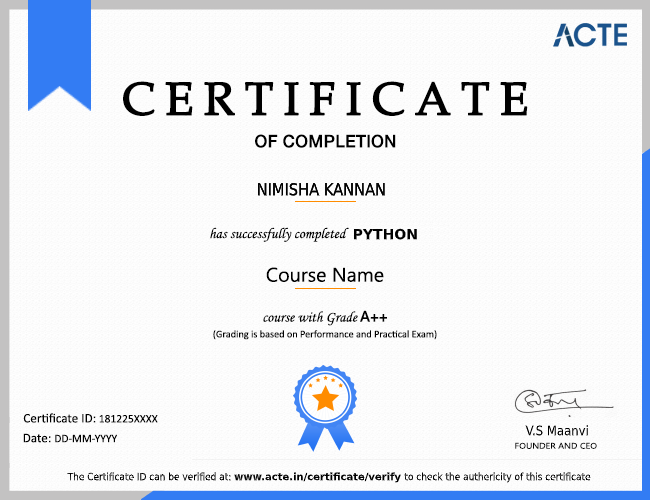
    A Downloadable Certificate in PDF Format, Immediately Available to You When You Complete Your SAP ABAP Course

    Get Certified

    A Physical Version of Your Officially Branded and Security-Marked SAP ABAP Certificate.

    Get Certified

    Lowest SAP ABAP Training Fees in Chennai

    Affordable, Quality Training for Freshers to Launch IT Careers & Land Top Placements.

    Call Course Advisor

    How is ACTE's SAP ABAP Training in Chennai Different?

    Feature

    ACTE Technologies

    Other Institutes

    Affordable Fees

    Budget-Friendly Fees With Flexible Payment Options.

    Higher Course Fees With Limited Flexibility.

    Expert Trainers

    Certified Professionals With Real-Time SAP ABAP Development Experience.

    Mostly Theory-Based Training With Less Industry Exposure.

    Updated Curriculum

    Industry-Aligned SAP ABAP Syllabus With Hands-on Coding Practice.

    Outdated Topics With Minimal Practical Learning.

    Hands-on Projects

    Real-Time ABAP Projects Including Reports, Enhancements, and Integrations.

    Basic Projects With Limited Real-World Exposure.

    Certification

    Recognized SAP ABAP Certification With Industry Value.

    Certifications With Limited Industry Recognition.

    Placement Support

    Dedicated Placement Support With Mock Interviews and Top Company Tie-ups.

    Basic Support With Fewer Job Opportunities.

    Industry Connections

    Strong Network With IT Companies for Internships and Placements.

    Limited or No Industry Collaborations.

    Batch Size

    Small Batches Ensuring Personalized Attention.

    Large Batches With Less Individual Focus.

    LMS Access

    Lifetime Access to Course Materials, Recordings, and Interview Resources.

    Limited or No Learning Management Support.

    Training Support

    24/7 Mentor Support, Doubt Clarification, and Career Guidance.

    Minimal Support Beyond Classroom Sessions.

    FAQ

    1. What Topics Are Covered in SAP ABAP Training in Velachery?

    SAP ABAP training can cover programming fundamentals, ABAP Dictionary, internal tables, work areas, Open SQL, reports, modularization, debugging, ALV reporting, object-oriented ABAP, enhancements, forms, and practical SAP development scenarios.
    Yes. Learners can explore database-related ABAP concepts including Open SQL, SELECT statements, joins, database tables, internal tables, data retrieval, filtering, sorting, and techniques for processing business data within SAP applications.
    Depending on the curriculum, learners can practice debugging ABAP programs, setting breakpoints, analyzing program flow, identifying errors, using debugging tools, and understanding common runtime and programming issues.
    A detailed ABAP course may introduce ALV reporting concepts, including displaying structured business data, configuring columns, sorting and filtering records, and creating practical reports for SAP users.
    Practical exposure depends on the training provider. Programs may include coding exercises, report development, database operations, debugging tasks, mini-projects, and business-oriented ABAP assignments to reinforce classroom learning.
    Graduates, engineering students, computer science professionals, software developers, freshers, working professionals, and candidates interested in SAP technical development can consider learning SAP ABAP.
    Basic programming knowledge can be helpful, but prior ABAP experience is not necessarily required. A structured course can begin with fundamental programming concepts before moving into SAP-specific development.
    Yes. Fresh graduates with an interest in programming and enterprise software can begin with ABAP fundamentals and gradually learn database handling, reports, debugging, object-oriented programming, and other technical concepts.
    Logical reasoning, programming fundamentals, SQL knowledge, problem-solving, attention to detail, debugging ability, and an understanding of software development processes can support the learning process.
    Batch schedules depend on the training provider. Some institutes may offer weekday evening, weekend, online, or flexible sessions that can accommodate working professionals.

    1. What Career Opportunities Are Available After SAP ABAP Training?

    Depending on experience and technical skills, learners can explore roles related to SAP ABAP development, SAP technical support, application maintenance, implementation projects, testing, custom report development, and enterprise application development.

    2. Why Are ABAP Projects Important for Job Preparation?

    Projects provide opportunities to apply programming concepts to practical requirements. Working on reports, database operations, debugging, enhancements, and other scenarios can help learners understand how ABAP development is used in business applications.

    3. What Questions Are Commonly Asked in SAP ABAP Interviews?

    Interview preparation can cover internal tables, Data Dictionary, Open SQL, reports, modularization, debugging, performance optimization, ALV, object-oriented ABAP, enhancements, forms, and practical programming scenarios.

    4. Can SAP ABAP Knowledge Be Used in SAP Technical Support Roles?

    Yes. ABAP skills can support technical activities such as analyzing application issues, debugging programs, modifying reports, working with SAP data, investigating errors, and supporting custom developments.

    5. What Should I Include in My Resume After SAP ABAP Training?

    Mention your SAP ABAP training, programming skills, ABAP modules studied, practical projects, report development experience, Open SQL knowledge, debugging skills, SAP system exposure, certifications, and relevant technical qualifications.
    Depending on the training provider, learners may receive certification-oriented revision, practice questions, topic discussions, exam preparation, and guidance regarding relevant SAP certification options.
    Learners should build a strong understanding of ABAP programming, Data Dictionary, internal tables, Open SQL, reports, debugging, modularization, object-oriented concepts, and other topics covered by the applicable certification objectives.
    Practical exercises can strengthen understanding by allowing learners to apply ABAP syntax, database operations, debugging, reporting, and programming concepts instead of relying only on theoretical study.
    Certification can demonstrate structured learning in SAP development. For career switchers, it can be complemented with programming experience, practical ABAP projects, technical skills, and relevant qualifications.
    Include the certification or training credential along with the ABAP technologies studied, practical projects, programming skills, SAP exposure, relevant qualifications, and technical experience to give employers a clear view of your capabilities.

    1. What Determines SAP ABAP Training Fees in Velachery?

    Training fees can vary according to course duration, syllabus coverage, trainer expertise, SAP system access, practical sessions, project work, study materials, assessments, and additional learning or career support.

    2. Are Weekend and Online SAP ABAP Batches Available?

    Batch availability depends on the training provider. Some institutes may provide classroom, online, weekday, weekend, or flexible learning schedules for freshers and working professionals.

    3. Does the SAP ABAP Course Fee Include SAP System Access?

    This depends on the course package. Before enrollment, learners should verify whether SAP system access, coding practice, assignments, projects, assessments, and trainer support are included in the stated course fee.

    4. What Should I Verify Before Joining SAP ABAP Training in Velachery?

    Check the syllabus, trainer experience, practical coding sessions, SAP system access, project assignments, course duration, batch timings, learning resources, certification guidance, interview preparation, and post-training support.

    5. How Can I Choose an SAP ABAP Training Course in Velachery?

    Compare the ABAP syllabus, practical development opportunities, trainer expertise, SAP system access, project exposure, batch schedule, course duration, certification guidance, and career support to find a program aligned with your technical learning goals.
    Acte Technologies WhatsApp