Best SAP ABAP Training In Tambaram ⭐ SAP ABAP Course In Tambaram | Updated 2026
Join Our 100% Job Guaranteed

Best SAP ABAP Training in Tambaram

  • Join A Leading SAP ABAP Training Institute In Tambaram To Develop ABAP Expertise.
  • Our SAP ABAP Course Provides Training In Core Concepts, Programming & Enhancements.
  • Select Convenient Learning Schedules With Weekday, Weekend, And Fast-Track Options.
  • Strengthen Your Skills With Real-Time Projects Guided By Experienced Certified Professionals.
  • Earn An Industry-Recognized SAP ABAP Certification With Dedicated Placement Assistance.
  • Get Career Support To Create A Strong Resume And Confidently Prepare For Interviews.

Explore Active Opportunities on by ACTE

Live 1000+ Jobs and Internships
Quality Training With Affordable Fees in Tambaram!

⭐ Fees Starts From

INR 36,000
INR 16,500

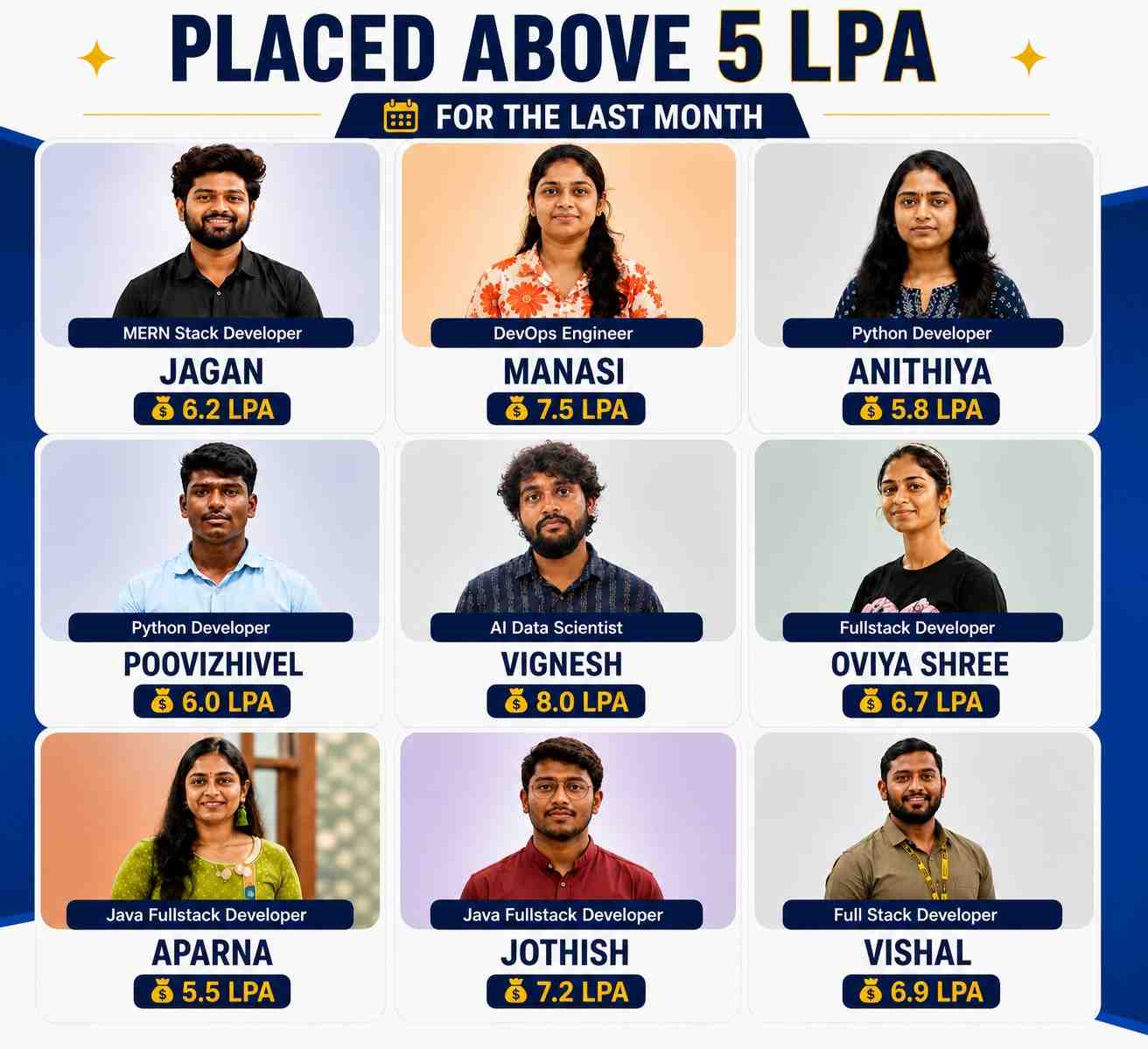
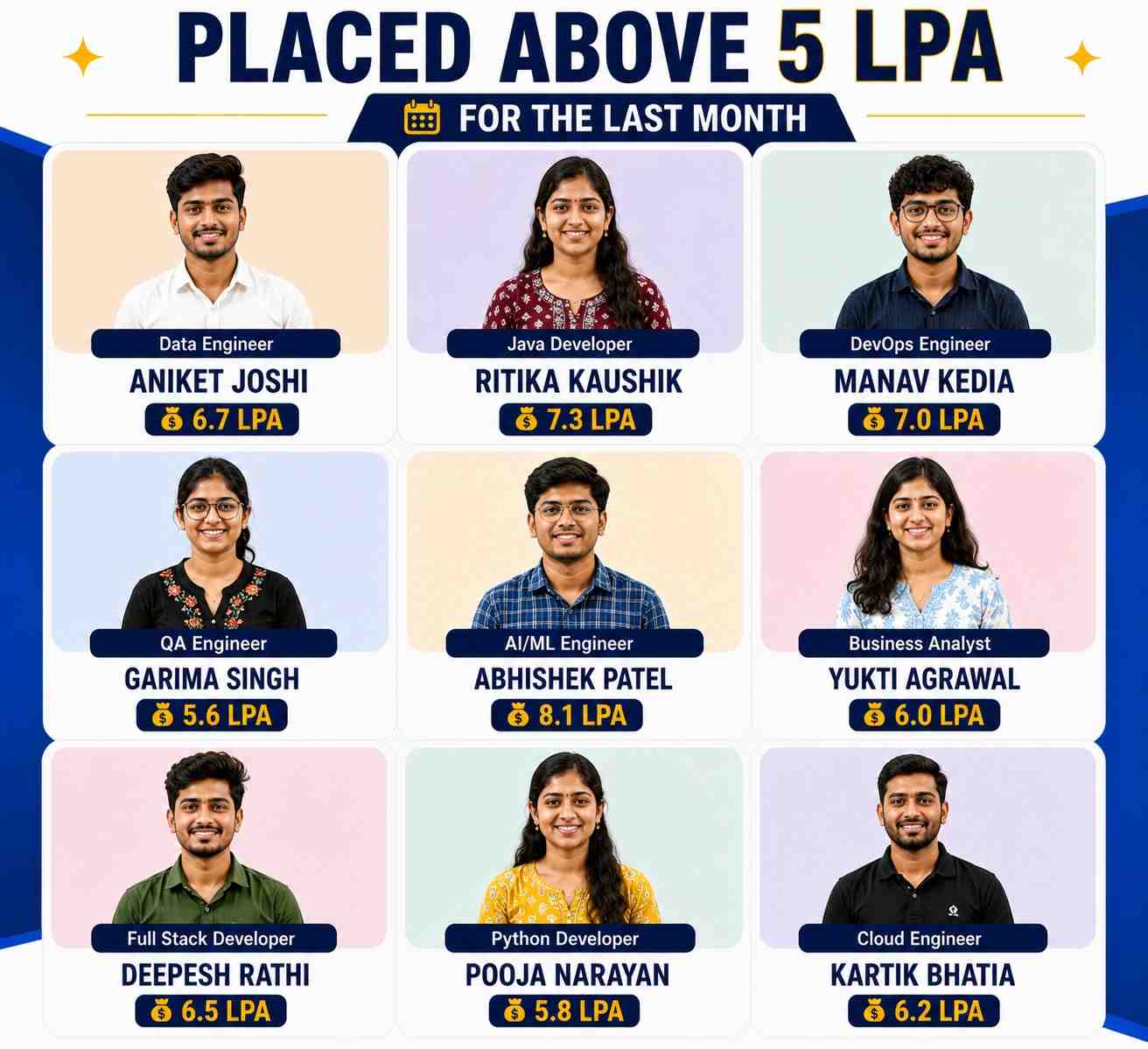
10569+

(Placed)
Freshers To IT

5556+

(Placed)
NON-IT to IT

7894+

(Placed)
Career Gap

4220+

(Placed)
Less Then 60%

Our Hiring Partners

Overview of SAP ABAP Course in Tambaram

Our SAP ABAP Training in Tambaram offers a structured learning path that combines programming essentials with advanced enterprise development practices, helping participants develop strong technical proficiency. Through practical exercises and realistic business scenarios, learners explore important ABAP areas such as the Data Dictionary, Reports, Module Pool programming, Enhancements, Forms, and Object-Oriented development. The program prepares you to design, customize, troubleshoot, and improve SAP applications according to business requirements. It develops your capability to build dependable, maintainable solutions within enterprise SAP environments while preparing you for roles such as SAP ABAP Developer, Technical Consultant, and Software Engineer. Professional certification can further demonstrate your knowledge and support career opportunities across the IT industry.

What You'll Learn From SAP ABAP Training in Tambaram

SAP ABAP Classes in Tambaram are thoughtfully designed for graduates and working professionals who want to develop a strong foundation in enterprise programming, application development, and software engineering within modern SAP business environments.

Participants gain practical exposure to essential ABAP areas including Data Dictionary, Reports, Enhancements, Smart Forms, and Object-Oriented programming, helping them develop applicable skills for real enterprise development requirements.

Explore important SAP development concepts such as Data Dictionary, Reports, Module Pool programming, Enhancements, and OOP while developing a strong understanding of program execution, systematic debugging, and application performance improvement.

The comprehensive syllabus features practical workshops, project-based ABAP development exercises, and guided assignments supported by experienced trainers with substantial knowledge of enterprise programming and SAP implementation environments.

After completing the program, learners can confidently design and troubleshoot SAP applications for diverse business requirements while earning a professional course credential that reflects their practical knowledge and readiness to work on real-world enterprise projects.

This practical learning journey prepares candidates for career paths involving SAP ABAP Development, Technical Consulting, S/4HANA transformation projects, Fiori enhancements, cloud-based extensions, and enterprise application engineering.

Additional Info

Course Highlights

  • Build a rewarding SAP ABAP through structured practical learning covering programming basics, user exits, and advanced Object-Oriented development approaches.
  • Access career-focused placement assistance with guidance for identifying suitable openings and preparing for recruitment processes seeking skilled.
  • Join a broad learning community with more than 11,000 learners trained and placed through an established ecosystem connected with over 350 corporate organizations.
  • Learn from experienced professionals bringing more than ten years of practical exposure to SAP ABAP development and large-scale system implementation.
  • Follow an organized learning approach with practical assignments, project-based modules, and ongoing individual career mentoring throughout the training experience.
  • Select a budget-friendly training route with flexible batch schedules suitable for fresh graduates and professionals developing their SAP technical careers.
  • Strengthen essential ABAP knowledge through business-oriented learning modules created to improve confidence when applying for technical development opportunities.

Exploring the Benefits of SAP ABAP Training in Offline

  • Easy-to-Follow Learning: SAP ABAP follows an organized programming approach and structured development methodology, allowing beginners and professionals transitioning into technology to understand coding concepts progressively. Guided exercises and supervised practice can simplify challenging technical subjects for new learners.
  • Applicable Across Industries: SAP ABAP supports business operations across manufacturing, technology services, retail, banking, logistics, and several other sectors. Its presence across different enterprise environments provides multiple professional pathways for individuals targeting ABAP Developer and Technical Consultant positions.
  • Rich Learning Ecosystem: The SAP community offers numerous educational resources through official learning platforms, developer communities, technical documentation, tutorials, webinars, and reference materials. Continuous product improvements and community participation allow professionals to keep their technical knowledge current.
  • Career Growth and Compensation: Organizations require ABAP specialists to develop, maintain, customize, troubleshoot, and modernize critical SAP applications. Developing these technical capabilities can help candidates explore different enterprise roles, professional growth opportunities, and compensation levels based on experience and expertise.
  • Better Analytical and Coding Ability: SAP ABAP enables developers to address business challenges through customized reports, reusable utilities, enhancements, interfaces, and performance improvements, helping organizations automate processes and improve the efficiency of enterprise application workflows.

Essential Tools for SAP ABAP Training in Tambaram

  • SAP ABAP Workbench: Learn essential ABAP development capabilities including Data Dictionary management, source-code development, and debugging facilities used to create reliable SAP applications. Develop familiarity with the development environment, object management, and structured coding practices.
  • Development and Configuration Utilities: Practice with transaction codes such as SE80, SE38, SE11, along with enhancement mechanisms used to create, maintain, test, and improve SAP programs. Explore modular programming, object-oriented techniques, and application configuration concepts.
  • Reporting and Document Forms: Develop ALV reports, Smart Forms, and SAP Scripts for presenting business information and generating structured documents. Understand output formatting, report layouts, data processing, and document generation requirements for enterprise applications.
  • Integration Technologies: Understand how ABAP applications communicate with functional areas such as MM and SD while supporting automated business processes and reliable data movement. Work with technologies including BAPIs, RFCs, IDocs, and APIs for connecting SAP with other systems.
  • Hands-On Development and Projects: Apply ABAP concepts through practical assignments involving reports, interfaces, enhancements, forms, and business scenarios. Work through debugging challenges and performance-related issues to develop confidence with real-world SAP development activities.

Top Modules Every SAP ABAP Professional Should Know

  • ABAP Programming Basics: Understand fundamental programming elements including data declarations, internal tables, control structures, loops, and modularization techniques. Establish a dependable programming foundation before progressing toward advanced SAP application development concepts.
  • Reports and Module Pool Development: Create classical and interactive reports while learning module pool programming for building screen-based applications. Develop knowledge of screen processing, user interaction, navigation flow, and organized business-data presentation.
  • Data Dictionary and Enhancement Techniques: Work with database definitions, transparent tables, views, and enhancement mechanisms such as user exits and BAdIs. Learn how SAP functionality can be extended while maintaining structured and manageable custom development practices.
  • Forms and System Interfaces: Study Smart Forms, SAP Scripts, and integration technologies used for business documentation and application connectivity. Learn to create organized document outputs and support dependable information exchange between SAP and external applications.
  • Object-Oriented ABAP and Performance Tuning: Develop knowledge of Object-Oriented ABAP principles and practical optimization methods. Learn to create reusable components, improve program efficiency, reduce unnecessary processing, and structure maintainable enterprise applications.

Must-Have Skills You Will Gain in SAP ABAP Training in Tambaram

  • ABAP Coding Essentials: Build a strong understanding of data types, internal tables, control statements, loops, and modular programming. Develop practical ability to create, test, debug, and enhance custom programs while paying attention to execution efficiency.
  • Application Development and Customization: Gain practical familiarity with reports, module pool applications, enhancement frameworks, and custom forms. Learn how to extend standard SAP capabilities and create application logic that addresses specific organizational requirements.
  • Practical SAP ABAP Assignments: Work with business-oriented scenarios involving report development, interface creation, application modifications, and enhancement activities. Gain useful project exposure that helps connect classroom concepts with enterprise development situations.
  • Debugging and Application Optimization: Learn systematic debugging approaches, code inspection practices, and performance analysis techniques. Develop the ability to identify defects, improve processing efficiency, manage system resources, and maintain stable SAP application behavior.
Show More

Upcoming Batches For Classroom and Online

Weekdays
14 - Sep - 2026
08:00 AM & 10:00 AM
Weekdays
16 - Sep- 2026
08:00 AM & 10:00 AM
Weekends
19 - Sep - 2026
(10:00 AM - 01:30 PM)
Weekends
20 - Sep - 2026
(09:00 AM - 02:00 PM)
Can't find a batch you were looking for?
INR ₹16500
INR ₹36000

OFF Expires in

Who Should Take a SAP ABAP Certification Course

IT Professionals

Non-IT Career Switchers

Fresh Graduates

Working Professionals

Diploma Holders

Professionals from Other Fields

Salary Hike

Graduates with Less Than 60%

Show More

Job Roles For SAP ABAP Certification Training

SAP ABAP Developer

ABAP Technical Consultant

SAP Reports Developer

Interface Developer

Data Migration Specialist

SAP Workflow Developer

Forms Develope

SAP Technical Consultant

Show More

What’s included ?

Convenient learning format

📊 Free Aptitude and Technical Skills Training

  • Learn basic maths and logical thinking to solve problems easily.
  • Understand simple coding and technical concepts step by step.
  • Get ready for exams and interviews with regular practice.
Dedicated career services

🛠️ Hands-On Projects

  • Work on real-time projects to apply what you learn.
  • Build mini apps and tools daily to enhance your coding skills.
  • Gain practical experience just like in real jobs.
Learn from the best

🧠 Launch Your Career in Top MNC Companies

  • Master technical and HR interview rounds.
  • Gain confidence with expert mock interview practice.
  • Improve your chances of getting hired faster.
Learn from the best

🎯 Interview Preparation For Freshers

  • Practice company-based interview questions.
  • Take online assessment tests to crack interviews
  • Practice confidently with real-world interview and project-based questions.
Learn from the best

🧪 LMS Self Learning Platform

  • Explore expert trainer videos and documents to boost your learning.
  • Study anytime with on-demand videos and detailed documents.
  • Top MNC interview questions & self coding practice.

SAP FICO Course Syllabus

  • 🏫 Classroom Training
  • 💻 Online Training
  • 🚫 No Pre Request (Any Vertical)
  • 🏭 Industrial Expert

Enrolling in our SAP ABAP Training in Tambaram helps participants develop the technical expertise needed for rewarding enterprise programming careers, carefully aligned with individual professional ambitions. This syllabus prepares learners for in-demand technical roles across leading organizations and competitive global markets, while introducing modern cloud enterprise platforms and evolving SAP technologies. Through flexible learning schedules, students explore specialized areas such as interactive reporting, data dictionary structures, module pool programming, and Object-Oriented ABAP, while developing a strong foundation in designing, adapting, and optimizing enterprise software solutions.

  • Core SAP ABAP Principles: Master syntax fundamentals, established programming practices, and essential SAP ABAP development concepts.
  • Development & Object Management: Create customized applications, manage data dictionary components, and maintain standards for quality source code.
  • Implementation & Business Solutions: Develop interactive reports, and system enhancements that support efficient enterprise business processes.
  • Debugging & Performance Optimization:Use the ABAP Workbench, monitoring utilities, and performance analysis techniques to improve application execution.
SAP ABAP Introduction
Essential SAP ABAP Concepts
Advanced ABAP Programming
Development & Execution
Integration & System Enhancements
Reporting & Performance Debugging
Live Projects & Practical Scenarios

This section delivers a detailed introduction to SAP ABAP:

  • Importance of SAP ABAP: Understand business relevance, worldwide usage patterns, and the organizational value of SAP development across multiple sectors.
  • Core Concepts:Learn about database dictionaries, internal table handling, and object-oriented programming syntax to establish strong fundamentals.
  • Key Platforms: Explore current SAP S/4HANA landscapes and ABAP Workbench features used within modern enterprise development environments.
  • Development Environment: Become familiar with essential SAP development tools, workbench navigation and basic application development workflows.
  • Career Paths: Explore professional opportunities such as ABAP developers and technical application support specialists while planning your career direction.

This module examines important SAP ABAP capabilities and development features:

  • Program Creation: Construct classical reports, dialog screens, and essential business applications to address everyday enterprise requirements efficiently.
  • Data Dictionary Management:Structure organizational data by creating customized database tables and domains while maintaining reliable data consistency.
  • Customization Techniques: Implement customer exits and enhancement options to adjust standard SAP processes according to business requirements.
  • Database Operations: Work with Open SQL statements, data retrieval methods, internal tables, and database processing techniques for enterprise applications.
  • Reporting & Troubleshooting: Design reporting formats, examine program execution, and apply debugging utilities to identify and resolve technical problems.

Learn how to effectively configure and maintain SAP ABAP development environments:

  • Development Interface: Work with the ABAP Workbench, transaction codes SE80, SE38, and developer utilities to improve everyday programming efficiency.
  • Automation Strategies: Design reusable program components, function modules, and organized modifications to streamline application development activities.
  • Object-Oriented Programming: Apply classes, methods, interfaces, inheritance, and encapsulation to create modular and reusable ABAP applications.
  • Security & Access Controls: Understand authorization roles, user access assignments, and secure coding practices that help safeguard enterprise information.
  • Performance Tracking: Measure application runtime, investigate execution issues, and optimize programming logic to support consistent system performance.

This unit delivers practical instruction for SAP ABAP development and implementation:

  • Solution Creation: Develop customized reporting programs, integration interfaces, and focused enhancements based on defined business specifications.
  • UI & Application Components:Create functional interfaces through SAP Fiori applications and module pool screens to provide effective user interaction.
  • Logic Implementation: Apply business rules, background processing routines, and customized workflows within demanding SAP enterprise environments.
  • Data Processing: Implement internal table operations, database updates, validation routines, and structured processing logic for business applications.
  • Testing & Rollout: Validate application outputs, inspect program behavior, and confirm reliable performance before transporting developments into production.

Understand how SAP ABAP applications can be integrated and extended effectively:

  • Module Integration: Connect customized ABAP programs with key SAP functional areas such as Materials Management (MM) and Sales & Distribution (SD).
  • Modification Practices: Use customer exits and BADIs to extend standard processing logic while preserving the stability of the SAP core environment.
  • External Connectivity: Integrate SAP systems with external applications through BAPIs, RFCs, and IDocs for dependable cross-system information exchange.
  • API Communication: Understand service-based communication methods, interface structures and reliable exchange between SAP and external systems.
  • Workflow Streamlining: Apply structured programming approaches and object-oriented techniques to improve application maintainability and efficiency.

Develop strong skills in monitoring, debugging, and optimizing SAP ABAP applications:

  • Monitoring Utilities:Work with runtime traces, system monitoring logs, and source-code analysis tools to review application activity and detect processing delays.
  • Performance Analytics: Optimize SQL statements and use profiling techniques to reduce database workload and improve overall program response times.
  • Debugging Techniques: Analyze program execution, set breakpoints, inspect variables, trace processing logic, and identify causes of runtime issues.
  • Quality Standards: Assess application execution, exception handling, and compliance with structured coding practices to deliver dependable results.
  • Database Handling: Maintain dictionary objects, table-related structures, and organized data definitions to support accurate enterprise information.

Put your SAP ABAP knowledge into practice through realistic enterprise development scenarios:

  • Project Planning: Convert business requirements into organized technical designs and achievable implementation milestones for effective project execution.
  • Practical Assignments: Perform hands-on development activities involving customized reports and smart forms to strengthen practical programming confidence.
  • Real-Time Development: Work through business-oriented SAP scenarios involving reports, database processing and application modifications.
  • Code Reviews: Examine program structures, identify performance constraints, and improve technical logic through guidance from professionals.
  • Capstone Delivery: Develop complete enterprise-oriented SAP applications covering planning, testing, deployment, and performance improvement.

🎁 Free Addon Programs

Aptitude, Spoken English

🎯 Our Placement Activities

Daily Task, Soft Skills, Projects, Group Discussions, Resume Preparation, Mock Interview

Gain Practical SAP ABAP Skills Through Industry-Based Projects

Placement Support Overview

Latest SAP ABAP Career Openings in Tambaram

SAP S/4HANA ABAP Developer

Company Code : TBR452

Tambaram, Chennai

₹30,000 – ₹50,000 a month

B.E / B.Tech / MCA

Exp 0-2 yrs

  • We are seeking an SAP S/4HANA ABAP Developer in Tambaram to develop CDS views, business applications, and efficient enterprise reports for organizational requirements.
  • Easy Apply

    SAP Fiori & ABAP Consultant

    Company Code : TBT739

    Tambaram, Chennai

    ₹35,000 – ₹60,000 a month

    B.Tech / Any Degree

    Exp 1-3 yrs

  • Join our Tambaram team as an SAP Fiori & ABAP Consultant to create responsive UI extensions, connect OData services, and support modern enterprise applications with efficient business-focused solutions.
  • Easy Apply

    SAP ABAP Technical Analyst

    Company Code : TBA621

    Tambaram, Chennai

    ₹40,000 – ₹70,000 a month

    Any Degree

    Exp 2-4 yrs

  • We are looking for an SAP ABAP Technical Analyst in Tambaram to review technical designs, identify runtime performance issues, and implement required program improvements.
  • Easy Apply

    SAP ABAP Cloud Developer

    Company Code : TBC884

    Tambaram, Chennai

    ₹28,000 – ₹45,000 a month

    B.E. / B.Tech / M.Sc

    Exp 0–2 yrs

  • Seeking an SAP ABAP Cloud Developer to work with the ABAP RESTful Application Programming Model (RAP) and develop scalable cloud-based extensions.
  • Easy Apply

    SAP ABAP Interface Specialist

    Company Code : TBB537

    Tambaram, Chennai

    ₹32,000 – ₹55,000 a month

    Any Degree

    Exp 1-3 yrs

  • Work as an SAP ABAP Interface Specialist in Tambaram to develop APIs, configure IDocs, and maintain reliable data communication between enterprise platforms.
  • Easy Apply

    SAP ABAP Production Support

    Company Code : TBS269

    Tambaram, Chennai

    ₹45,000 – ₹80,000 a month

    Any Degree

    Exp 3–6 yrs

  • We are hiring an SAP ABAP Production Support Lead in Tambaram to resolve application issues, coordinate transport activities, and maintain business operations.
  • Easy Apply

    SAP OData Developer

    Company Code : TBO418

    Tambaram, Chennai

    ₹38,000 – ₹65,000 a month

    Any Degree

    Exp 2–4 yrs

  • Join our Tambaram development team as an SAP OData & Gateway Developer to securely expose SAP backend services for web and mobile applications.
  • Easy Apply

    SAP ABAP Migration Engineer

    Company Code : TBM562

    Tambaram, Chennai

    ₹35,000 – ₹58,000 a month

    B.Tech / MCA

    Exp 1–3 yrs

  • Support SAP migration initiatives in Tambaram by handling custom code adjustments and technical activities related to S/4HANA transformation projects.
  • Easy Apply

    Key Benefits of SAP ABAP Internship in Tambaram

    Industry Project Exposure

    • 1. Gain practical exposure by working on SAP ABAP assignments involving custom programs, database objects, business reports, and enterprise application requirements.
    • 2. Develop analytical thinking by solving programming challenges, investigating application issues, and applying structured development practices.
    Book Session

    Technical Learning Sessions

    • 1. Participate in focused workshops covering ABAP development, S/4HANA concepts, CDS views, OData services, and contemporary SAP technologies.
    • 2. Practice under guidance from experienced Tambaram trainers through exercises involving ALV reports, enhancements, interfaces, and debugging techniques.
    Book Session

    Supportive Learning Environment

    • 1. Access convenient training schedules, collaborative learning facilities, and ongoing academic assistance throughout the internship program.
    • 2. Learn within a comfortable professional setting that encourages consistent practice, teamwork, and steady technical improvement.
    Book Session

    Expert Guidance & Collaboration

    • 1. Receive personalized mentoring from SAP professionals to strengthen programming knowledge, project skills, and technical career planning.
    • 2. Work with other interns on shared development exercises and team assignments that reflect collaborative enterprise software practices.
    Book Session

    Professional Skills & Job Preparation

    • 1. Improve workplace communication, technical presentation, teamwork, and professional practices needed for SAP development positions.
    • 2. Prepare for recruitment processes through mock interviews, resume reviews, technical discussions, and practical skill evaluations.
    Book Session

    Internship Certification

    • 1. Receive an internship completion certificate documenting your exposure to SAP ABAP programming, development activities, and practical project work.
    • 2. Strengthen your resume and project portfolio by showcasing documented internship experience gained through the Tambaram training program.
    Book Session

    Sample Resume for SAP ABAP (Fresher)

    • 1. Clean and Professional Resume Format

      – Use a well-structured layout with sections like summary, SAP ABAP technical skills, certifications, education, and project experience.

    • 2. Highlight Your SAP ABAP Skills

      – Showcase skills such as ABAP Reports (Classical & ALV), Data Dictionary, Module Pool Programming, Enhancements, BAPIs, IDocs, SmartForms/Adobe Forms, and Debugging.

    • 3. Projects and Practical Experience

      – Include 1–2 SAP ABAP projects with brief descriptions, tools/techniques used, and key outcomes or functionalities developed.

    Top SAP ABAP Interview Questions and Answers (2026 Tambaram Guide)

    Ans:

    Database tables permanently store business information within the SAP database, whereas internal tables are temporary memory-based structures used by ABAP programs to process and manipulate data during program execution.

    Ans:

    • Data Definitions: The Dictionary maintains database tables, structures, data elements, and domains used throughout SAP applications.
    • Consistency: Centralized definitions help maintain consistent technical attributes across different development objects.
    • Database Objects: Developers can create and manage database-related objects required by custom ABAP programs.

    Ans:

    Modularization divides a large ABAP program into smaller reusable units such as methods, function modules, and subroutines. This approach can make programs easier to maintain, test, understand, and reuse across different development requirements.

    Ans:

    • Standard Tables: Suitable for sequential processing and general-purpose data handling.
    • Sorted Tables: Maintain entries according to a defined key and support efficient key-based access.
    • Hashed Tables: Provide fast access through unique table keys and are useful for frequent key-based lookups.

    Ans:

    ABAP performance can be improved by selecting only required database fields, reducing unnecessary database access, using suitable internal table types, optimizing loops, and analyzing expensive operations with available performance monitoring tools.

    Ans:

    • SELECT SINGLE: Retrieves one database record that matches the specified selection conditions.
    • SELECT UP TO 1 ROWS: Restricts the result set to one row and can be combined with ordering requirements when a particular result is needed.
    • The appropriate statement depends on the selection logic and expected database behavior.

    Ans:

    Authorization checks help determine whether the current user has permission to perform a particular business operation or access protected information. ABAP programs can use authorization objects and relevant checking mechanisms to enforce application-level access controls.

    Ans:

    Function modules are reusable procedures stored in the SAP system that can perform defined processing tasks. They provide structured interfaces through importing, exporting, changing, and table parameters and can be used by multiple ABAP programs.

    Ans:

    Classes define data and behavior, while methods contain the operations performed by an object. Object-Oriented ABAP uses concepts such as inheritance, interfaces, encapsulation, and polymorphism to create structured and reusable application components.

    Ans:

    • Transport requests collect development and configuration changes made within an SAP system.
    • They help move approved objects between development, quality, and production environments according to the organization's release process.
    • Developers should verify dependencies and testing results before changes are transported to subsequent systems.

    Latest SAP ABAP Company-Specific Interview Questions for Tambaram (2026)

    1. How would you design an efficient ABAP report for processing a large volume of sales data?

    Ans:

    I would begin by selecting only the required fields, optimize Open SQL statements, avoid unnecessary database calls, and use suitable internal table types. For S/4HANA environments, I would also consider CDS-based data modeling when appropriate.

    2. How do internal tables improve data processing in ABAP?

    Ans:

    Internal tables temporarily store structured data during program execution. Standard, sorted, and hashed tables can be selected according to the access pattern, helping developers process records efficiently within ABAP programs.

    3. What is the difference between a work area and an internal table?

    Ans:

    A work area generally represents a single record, while an internal table stores multiple records of a defined structure. Developers commonly use work areas or field symbols to read, modify, and process individual table entries.

    4. How would you handle database access efficiently in an ABAP program?

    Ans:

    I would minimize repeated SELECT statements, retrieve only necessary columns, apply appropriate selection conditions, and use joins or CDS views where suitable. Runtime analysis can then be used to identify remaining database bottlenecks.

    5. What is the purpose of function modules in SAP ABAP?

    Ans:

    Function modules provide reusable procedures that can be called from different ABAP programs. They are maintained within function groups and can support standardized business logic, data processing, and system integration scenarios.

    6. How would you debug an ABAP program that produces incorrect output?

    Ans:

    I would reproduce the issue, place breakpoints at relevant processing points, inspect variable values, follow program flow, and verify database results. After identifying the incorrect logic, I would apply the correction and perform regression testing.

    7. What are field symbols and data references used for?

    Ans:

    Field symbols provide dynamic access to existing memory areas, while data references point to dynamically created data objects. Both can support flexible data manipulation and reduce unnecessary copying during program execution.

    8. How do you approach error handling in an ABAP application?

    Ans:

    I would identify possible failure conditions, handle exceptions appropriately, validate input data, and provide meaningful messages to users or support teams. Application logs can also be used for tracking errors in background processing.

    9. What is the role of modularization in ABAP programming?

    Ans:

    Modularization divides complex programs into manageable reusable components. Methods, function modules, subroutines, and other structured techniques help improve readability, testing, maintenance, and code reuse.

    10. How would you prepare an ABAP development for deployment?

    Ans:

    I would complete syntax and quality checks, perform functional and technical testing, verify dependencies, document the changes, and ensure the required transport request is released according to the project's deployment process.

    1. What is the difference between transparent, pooled, and cluster tables in traditional SAP systems?

    Ans:

    Transparent tables have a direct relationship with database tables, while pooled and cluster tables historically grouped multiple logical tables within database structures. In modern S/4HANA development, developers primarily work with transparent database representations and newer data modeling approaches.

    2. How would you use joins in an ABAP Open SQL statement?

    Ans:

    Joins combine related records from multiple database tables based on matching fields. They can reduce repeated database access and allow related information to be retrieved in a single optimized query when the data model supports that approach.

    3. What is the purpose of selection screens in ABAP reports?

    Ans:

    Selection screens allow users to provide input parameters and selection ranges before executing a report. They help control the data retrieved and enable users to run the same report for different business scenarios.

    4. How can you create reusable classes in Object-Oriented ABAP?

    Ans:

    I would define classes with clear responsibilities, encapsulate data and behavior through attributes and methods, and expose required functionality through suitable public interfaces. This structure supports reuse and easier maintenance.

    5. What is inheritance in Object-Oriented ABAP?

    Ans:

    Inheritance allows a subclass to derive characteristics and behavior from a superclass. Developers can reuse existing functionality and extend or redefine selected methods according to application requirements.

    6. How would you develop an ALV report for business users?

    Ans:

    I would prepare the required data structure, retrieve and validate the business information, and configure an ALV display. Features such as sorting, filtering, totals, layouts, and user-friendly column descriptions can then be provided.

    7. What is the purpose of database indexes in SAP?

    Ans:

    Indexes can help the database locate records more efficiently for suitable access patterns. Developers should understand existing indexes and write selective queries rather than creating unnecessary database indexes.

    8. How do you handle background processing in ABAP?

    Ans:

    Long-running programs can be scheduled as background jobs using SAP job management facilities. Developers should design appropriate selection criteria, logging, error handling, and monitoring so that scheduled processing can be supported effectively.

    9. What are enqueue and dequeue mechanisms used for?

    Ans:

    They are used to control concurrent access to business data. Lock objects help prevent conflicting updates when multiple users or processes attempt to work with the same records.

    10. How would you validate an ABAP application's output before delivery?

    Ans:

    I would compare the output with defined business requirements, test different input combinations, verify database updates, check exception scenarios, and conduct regression testing before the development is moved to the next environment.

    1. What is the purpose of a BAdI in SAP ABAP development?

    Ans:

    A BAdI provides an enhancement mechanism through which developers can add customer-specific behavior at predefined extension points. It allows standard functionality to be extended without directly changing the original SAP implementation.

    2. How do customer exits differ from enhancement spots?

    Ans:

    Customer exits are predefined enhancement options traditionally used to add customer-specific logic, while enhancement spots provide a broader framework for managing enhancement implementations. The suitable option depends on the available extension point and system architecture.

    3. How would you create a custom database table in SAP ABAP?

    Ans:

    I would define the required fields and data elements in the ABAP Dictionary, establish suitable keys and technical settings, activate the table, and validate the structure before using it within application programs.

    4. What are data elements and domains in the ABAP Dictionary?

    Ans:

    A domain defines technical characteristics such as data type and length, while a data element provides semantic meaning to a field and can include labels and documentation. They help maintain consistent data definitions across applications.

    5. How would you troubleshoot a failed database update in an ABAP transaction?

    Ans:

    I would examine the application messages, update processing, database consistency, lock status, and relevant runtime logs. I would reproduce the issue in a controlled environment and trace the transaction to determine where the update failed.

    6. What is the difference between synchronous and asynchronous RFC communication?

    Ans:

    Synchronous RFC waits for the remote function call to complete before continuing, while asynchronous RFC allows processing to continue without immediately waiting for the remote result. The appropriate method depends on the integration requirement.

    7. How can IDocs be monitored during interface processing?

    Ans:

    Developers can inspect IDoc statuses, control records, data segments, and processing information using appropriate SAP monitoring transactions. Failed messages can then be analyzed and reprocessed after correcting the underlying issue.

    8. Why are interfaces important in enterprise ABAP applications?

    Ans:

    Interfaces enable SAP applications to exchange information with other SAP or external platforms. Common technologies include APIs, RFCs, IDocs, web services, and OData services depending on the integration architecture.

    9. How would you improve maintainability in a large ABAP codebase?

    Ans:

    I would use meaningful naming conventions, modular classes, reusable methods, clear separation of responsibilities, consistent documentation, automated quality checks, and appropriate unit testing to make the codebase easier to understand and maintain.

    10. How would you approach a requirement that cannot be fulfilled through an existing standard SAP process?

    Ans:

    I would first review available configuration and enhancement options. If custom development is required, I would evaluate suitable extension mechanisms, document the technical design, implement the solution, and test its impact on existing processes.

    1. What is a CDS view and how is it different from a traditional database view?

    Ans:

    A CDS view provides a semantic data model with features such as annotations, associations, and calculated elements. It can support data reuse, application development, and analytical scenarios within modern SAP environments.

    2. How would you expose SAP data through an OData service?

    Ans:

    I would define the required data model and service structure, implement the required business logic, configure the service exposure, and test the resulting endpoints. Authentication, authorization, payload structure, and error handling should also be validated.

    3. What is the purpose of SAP Gateway in ABAP development?

    Ans:

    SAP Gateway provides technologies for exposing SAP business data and functionality through services such as OData. It supports integration between SAP backend systems and applications including Fiori-based user interfaces.

    4. How would you troubleshoot an OData service that returns an unexpected response?

    Ans:

    I would verify the request URL and parameters, inspect service metadata, check backend implementation logic, review authorization settings, and analyze gateway or application logs. I would then reproduce the request and correct the relevant processing layer.

    5. What are annotations in CDS development?

    Ans:

    CDS annotations provide metadata that describes how a data model should behave or be consumed. They can support areas such as user interface presentation, analytics, semantics, and service-related behavior.

    6. How does RAP support modern ABAP application development?

    Ans:

    The ABAP RESTful Application Programming Model provides a structured approach for developing transactional applications and services. It combines data modeling, behavior definitions, service exposure, and transactional processing within a standardized development model.

    7. What is the purpose of behavior definitions in RAP?

    Ans:

    Behavior definitions describe the transactional capabilities and rules of RAP business objects. They can define operations such as create, update, delete, validations, determinations, and actions.

    8. How would you secure a custom ABAP application?

    Ans:

    I would apply authorization checks where required, validate user inputs, protect sensitive business information, follow secure coding practices, and ensure that exposed services are configured with appropriate authentication and authorization controls.

    9. What is the role of ABAP Development Tools in modern SAP development?

    Ans:

    ABAP Development Tools provide an Eclipse-based environment for working with modern ABAP artifacts such as CDS views, classes, interfaces, and RAP applications. They also provide integrated development, testing, and code analysis capabilities.

    10. How would you investigate slow response times in an SAP application?

    Ans:

    I would identify whether the delay originates from database access, ABAP processing, external communication, or another application layer. Runtime analysis and SQL tracing can then help locate expensive operations for targeted optimization.


    1. How would you explain the difference between procedural and Object-Oriented ABAP?

    Ans:

    Procedural ABAP organizes processing around statements, procedures, and function-based logic, while Object-Oriented ABAP organizes applications around classes, objects, methods, and interfaces. Object-oriented design can improve modularity, reuse, and testability.

    2. What is polymorphism in Object-Oriented ABAP?

    Ans:

    Polymorphism allows a common interface or superclass reference to work with different implementing classes. The appropriate method implementation can then be executed according to the actual object involved.

    3. How would you design an ABAP application that processes employee information?

    Ans:

    I would define the required data model, identify relevant employee information, implement validation rules, separate data access from business logic, and provide a structured output layer. Authorization should also be considered when handling sensitive personnel data.

    4. What is the purpose of ABAP Unit testing?

    Ans:

    ABAP Unit provides automated tests for ABAP code, particularly individual methods and classes. It helps developers verify expected behavior and identify regressions during development and maintenance activities.

    5. How would you identify an inefficient loop in an ABAP program?

    Ans:

    I would review the loop logic, check database operations executed inside loops, inspect internal table access patterns, and use runtime analysis when necessary. The code can then be refactored to reduce unnecessary processing.

    6. What is the purpose of SAP transport requests?

    Ans:

    Transport requests package development or configuration changes so they can be moved between SAP system landscapes. Proper release sequencing and dependency management help ensure that related objects are transferred correctly.

    7. How would you handle a failed transport during system deployment?

    Ans:

    I would inspect the transport logs, identify the failed object or dependency, verify the target system state, and correct the underlying issue. After validation, the required transport can be imported again according to the established deployment process.

    8. What are common techniques for improving ABAP SQL performance?

    Ans:

    Useful techniques include selecting only necessary fields, applying selective conditions, avoiding unnecessary database calls, using suitable joins, and considering CDS-based data models where appropriate. Performance tools can validate the impact of these changes.

    9. How would you build an ABAP interface for exchanging information with an external application?

    Ans:

    I would identify the integration protocol and data format, define the required mapping, implement authentication and error handling, develop the interface, and perform end-to-end testing. Logging and monitoring should also be included for operational support.

    10. Which areas should an SAP ABAP developer focus on when preparing for S/4HANA projects?

    Ans:

    • Modern Object-Oriented ABAP and contemporary Open SQL
    • Core Data Services and semantic data modeling
    • RAP-based application and service development
    • OData and SAP Gateway integration concepts
    • ABAP Development Tools and Eclipse-based development
    • Performance analysis and SQL optimization techniques
    • Enhancement frameworks and extension approaches
    • IDoc, RFC, API, and web service integration
    • ABAP Unit and automated code quality practices
    • Secure coding, troubleshooting, and technical documentation

    Important Notice:

    The accommodation information provided below is intended only as a general reference for students. We do not have any official partnerships, commercial arrangements, or direct affiliations with the paying guest facilities mentioned.

    Women's PG Accommodation

      Tambaram
    • Sunrise Ladies Hostel : 90031 98767
    • Green Nest Women's PG : 73389 19836
    • East Tambaram
    • Shree Lakshmi Ladies Hostel : 98401 23456
    • Comfort Stay Women's PG : 97112 34567
    • West Tambaram
    • Royal Women's Residency : 94441 56789
    • Selaiyur Tambaram
    • Green Valley Ladies Hostel : 91234 56789
    • Camp Road Tambaram
    • Happy Homes Ladies PG : 99400 12345

    Men's PG Accommodation

      Tambaram
    • Royal Men's PG : 88259 71908
    • Comfort Boys Hostel : 89255 15888
    • East Tambaram
    • Sri Sai Men's Hostel : 96001 23456
    • Urban Stay Men's PG : 95001 23456
    • West Tambaram
    • Metro Men's Residency : 98402 34567
    • Selaiyur Tambaram
    • Balaji Boys PG : 97890 12345
    • Camp Road Tambaram
    • Executive Men's Hostel : 98844 55667

    Top SAP ABAP Job Opportunities for Freshers in Tambaram

    • 1. Entry-Level SAP ABAP Developer and Associate Consultant Positions
    • 2. Fresher Opportunities in SAP ABAP Development and Technical Support
    • 3. Junior SAP ABAP Programmer and Enterprise Report Development Roles
    • 4. Beginner-Level SAP ABAP Implementation and Application Support Jobs
    • 5. SAP Technical Support Analyst and ABAP Development Roles for Freshers

    Getting Started With SAP ABAP Course in Chennai

    No Coding
    8 Lakhs+ CTC
    No Work Pressure
    WFH Jobs (Remote)

    Why SAP ABAP is the Ultimate Career Choice

    High Demand

    Companies prefer multi-skilled professionals can handle entire project cycles.

    Global Opportunities

    Open doors to remote and international job markets.

    High Salary

    Enjoy competitive salaries and rapid career advancement.

    Flexible Career Path

    Explore roles such as developer, architect, freelancer, or entrepreneur.

    Future-Proof Career

    Stay relevant with skills that are consistently in demand in the evolving tech landscape.

    Versatility Across Industries

    Work in various domains like e-commerce, healthcare, finance, and more.

    Career Support

    Placement Assistance

    Exclusive access to ACTE Job portal

    Mock Interview Preparation

    1 on 1 Career Mentoring Sessions

    Career Oriented Sessions

    Resume & LinkedIn Profile Building

    Advance Your SAP ABAP & S/4HANA Skills with Certification in Tambaram

    Build a strong professional profile with certification-focused SAP ABAP training designed around modern enterprise development environments. Strengthen your programming knowledge, understand S/4HANA development practices, and gain practical exposure to technologies such as Core Data Services (CDS), the RESTful ABAP Programming Model (RAP), OData services, and SAP Business Technology Platform (BTP) while preparing for opportunities in Tambaram and across Chennai.

    SAP ABAP Certification Tambaram
    • SAP ABAP Programming and S/4HANA Development Fundamentals
    • Object-Oriented ABAP and Modern Open SQL Development
    • Core Data Services (CDS) Views and Data Modeling
    • RESTful ABAP Programming Model (RAP) and OData Services
    • ABAP Cloud, Integration, Debugging, and Performance Techniques

    SAP ABAP certification can provide documented evidence of your training and technical knowledge when applying for relevant development roles. Combined with practical projects, resume preparation, and interview practice, the training can help you demonstrate your capabilities to potential employers in Tambaram and other Chennai technology locations.

    The learning period varies according to the selected batch and training schedule. Weekday and weekend programs can be structured over several weeks, allowing learners to progress from ABAP fundamentals through practical development, S/4HANA concepts, integration, testing, and certification preparation.

    • Structured learning in widely used SAP ABAP development concepts
    • Practical experience with S/4HANA-oriented programming scenarios
    • Better understanding of modern SAP development and integration methods
    • A project portfolio that can demonstrate hands-on technical practice
    • Improved preparation for technical assessments and SAP ABAP interviews
    • Instructor-led SAP ABAP learning sessions with practical demonstrations
    • Hands-on exercises covering reports, tables, debugging, and database operations
    • Practice with CDS views, OData services, RAP, and S/4HANA development concepts
    • Mock interviews and technical assessments based on common SAP ABAP topics
    • Resume guidance, project discussions, and career-oriented interview preparation

    Complete Your Course

    A Downloadable Certificate in PDF Format, Immediately Available to You When You Complete Your SAP ABAP Course

    Get Certified

    A Physical Version of Your Officially Branded and Security-Marked SAP ABAP Certificate.

    Get Certified

    Lowest SAP ABAP Training Fees in Chennai

    Affordable, Quality Training for Freshers to Launch IT Careers & Land Top Placements.

    Call Course Advisor

    How is ACTE's SAP ABAP Training in Chennai Different?

    Feature

    ACTE Technologies

    Other Institutes

    Affordable Fees

    Budget-Friendly Fees With Flexible Payment Options.

    Higher Course Fees With Limited Flexibility.

    Expert Trainers

    Certified Professionals With Real-Time SAP ABAP Development Experience.

    Mostly Theory-Based Training With Less Industry Exposure.

    Updated Curriculum

    Industry-Aligned SAP ABAP Syllabus With Hands-on Coding Practice.

    Outdated Topics With Minimal Practical Learning.

    Hands-on Projects

    Real-Time ABAP Projects Including Reports, Enhancements, and Integrations.

    Basic Projects With Limited Real-World Exposure.

    Certification

    Recognized SAP ABAP Certification With Industry Value.

    Certifications With Limited Industry Recognition.

    Placement Support

    Dedicated Placement Support With Mock Interviews and Top Company Tie-ups.

    Basic Support With Fewer Job Opportunities.

    Industry Connections

    Strong Network With IT Companies for Internships and Placements.

    Limited or No Industry Collaborations.

    Batch Size

    Small Batches Ensuring Personalized Attention.

    Large Batches With Less Individual Focus.

    LMS Access

    Lifetime Access to Course Materials, Recordings, and Interview Resources.

    Limited or No Learning Management Support.

    Training Support

    24/7 Mentor Support, Doubt Clarification, and Career Guidance.

    Minimal Support Beyond Classroom Sessions.

    FAQ

    1. What Will I Learn in SAP ABAP Training in Tambaram?

    The program covers ABAP fundamentals, modular programming, Object-Oriented ABAP, internal tables, Open SQL, debugging, reports, ALV, enhancements, forms, interfaces, and modern S/4HANA development practices. Advanced modules also introduce CDS views, RAP, OData, and ABAP Cloud concepts.
    Yes. Learners are introduced to HANA-oriented development approaches such as optimized Open SQL, CDS-based data modeling, database-side processing, and performance-conscious ABAP programming for S/4HANA environments.
    Practical exercises form an important part of the learning process. Students work on programming assignments, report creation, database operations, debugging scenarios, enhancement tasks, and application-oriented exercises to reinforce each technical concept.
    Yes. Training includes practical debugging methods, breakpoints, watchpoints, runtime analysis, exception handling, short-dump investigation, and techniques for tracing problems through ABAP programs and related business processes.
    The curriculum introduces commonly used SAP integration approaches, including IDocs, BAPIs, RFCs, OData services, and REST-based communication. Students learn how ABAP applications exchange information with SAP and external systems.
    Yes. Fresh graduates with an interest in programming and enterprise software can begin with the fundamentals and progressively move toward advanced ABAP and S/4HANA development concepts.
    Basic understanding of programming concepts such as variables, conditions, loops, functions, data structures, and logical problem-solving is useful. Prior SAP experience is not essential for beginning the foundational modules.
    Yes. Developers from Java, .NET, Python, C++, or other programming backgrounds can use their existing programming experience while learning ABAP syntax, SAP architecture, business processes, and enterprise application development.
    Yes. Working professionals can choose a schedule that fits their availability and use the training to strengthen existing SAP knowledge, move from traditional ABAP toward S/4HANA, or develop skills in newer frameworks such as CDS and RAP.
    A structured learning path can begin with ABAP syntax and data handling, followed by reports and Open SQL, then Object-Oriented ABAP, debugging, enhancements, integrations, and finally S/4HANA technologies such as CDS, RAP, and OData.

    1. What SAP ABAP Roles Can I Explore After Training?

    Depending on experience and technical proficiency, learners can explore roles such as Junior ABAP Developer, SAP ABAP Consultant, S/4HANA Technical Developer, ABAP Support Developer, and SAP Technical Application Developer.

    2. What Kind of Projects Can Be Added to an ABAP Portfolio?

    A portfolio can include customized reports, ALV applications, database-driven programs, enhancement implementations, interface scenarios, CDS-based applications, OData services, and RAP business objects. Projects should clearly explain the business requirement and the technical solution.

    3. Which ABAP Skills Are Commonly Tested During Technical Interviews?

    Interview discussions may cover internal tables, Open SQL, joins, performance optimization, Object-Oriented ABAP, debugging, enhancements, BAdIs, interfaces, CDS views, OData, RAP, and practical problem-solving based on project scenarios.

    4. Does the Program Include Resume and Interview Preparation?

    Career-oriented preparation can include resume improvement, technical question practice, mock interviews, project discussion guidance, communication exercises, and assistance in presenting ABAP skills clearly during recruitment processes.

    5. How Should Freshers Present SAP ABAP Skills on Their Resume?

    Freshers can highlight their ABAP programming knowledge, S/4HANA concepts, Open SQL, Object-Oriented ABAP, CDS, OData, RAP, debugging experience, academic or training projects, and relevant certification achievements without overstating professional experience.
    Progress can be assessed through coding exercises, technical assignments, quizzes, debugging tasks, practical projects, and mock interview sessions. These activities help identify areas that require additional practice.
    Modern topics can be assessed through practical exercises involving CDS data models, optimized Open SQL, OData services, RAP concepts, and cloud-oriented ABAP development practices.
    A training institute's course-completion certificate confirms participation and completion of its program. An official SAP certification is a separate credential awarded through SAP's certification process and should not be treated as automatically included with institute training.
    Practical projects can strengthen understanding of ABAP concepts by requiring learners to apply programming, data modeling, debugging, and application-development techniques. However, preparation for any official SAP examination should also follow the current examination syllabus and SAP's published requirements.
    You can demonstrate your skills through a well-structured resume, project descriptions, coding assignments, relevant course credentials, Git-based development samples where appropriate, and clear explanations of the ABAP technologies used in your projects.

    1. What Factors Should I Consider Before Joining SAP ABAP Training?

    Compare the syllabus coverage, trainer experience, practical lab availability, project exposure, learning format, course duration, assessment methods, and career-support services before selecting a training program.

    2. Are Weekday and Weekend SAP ABAP Batches Available in Tambaram?

    Batch availability depends on the current training schedule. Programs may provide weekday and weekend options to accommodate students, job seekers, and working professionals with different time commitments.

    3. Can I Practice ABAP Outside the Regular Classroom Sessions?

    Practice opportunities depend on the training package and available SAP lab infrastructure. Before enrollment, learners should confirm whether remote system access, practice hours, assignments, and lab support are included.

    4. Is Online Learning Available Along With Tambaram Classroom Training?

    Depending on the batch structure, learners may have access to classroom, online, or blended learning formats. The available mode, trainer interaction, lab access, and session recordings should be confirmed before registration.

    5. How Can I Choose the Right SAP ABAP Training Schedule?

    Choose a schedule based on your current commitments, preferred learning pace, availability for hands-on practice, and target completion date. Working professionals may prefer weekend or evening sessions, while full-time learners may choose a more intensive weekday format.
    Acte Technologies WhatsApp