LMS
LMS- Enroll In A SAP ABAP Training Institute In Siruseri To Develop ABAP Career Expertise.
- Our SAP ABAP Course Includes Fundamentals, Enhancements And Business Scenarios.
- Select From Weekday, Weekend, And Fast-Track Batches Designed For Your Convenience.
- Practice On Live Industry Projects Mentored By SAP Professionals For Hands-On Experience.
- Achieve A Global SAP ABAP Certification With Dedicated Placement And Career Assistance.
- Receive Guidance To Create An Impressive Cv And Clear Interviews With Confidence.
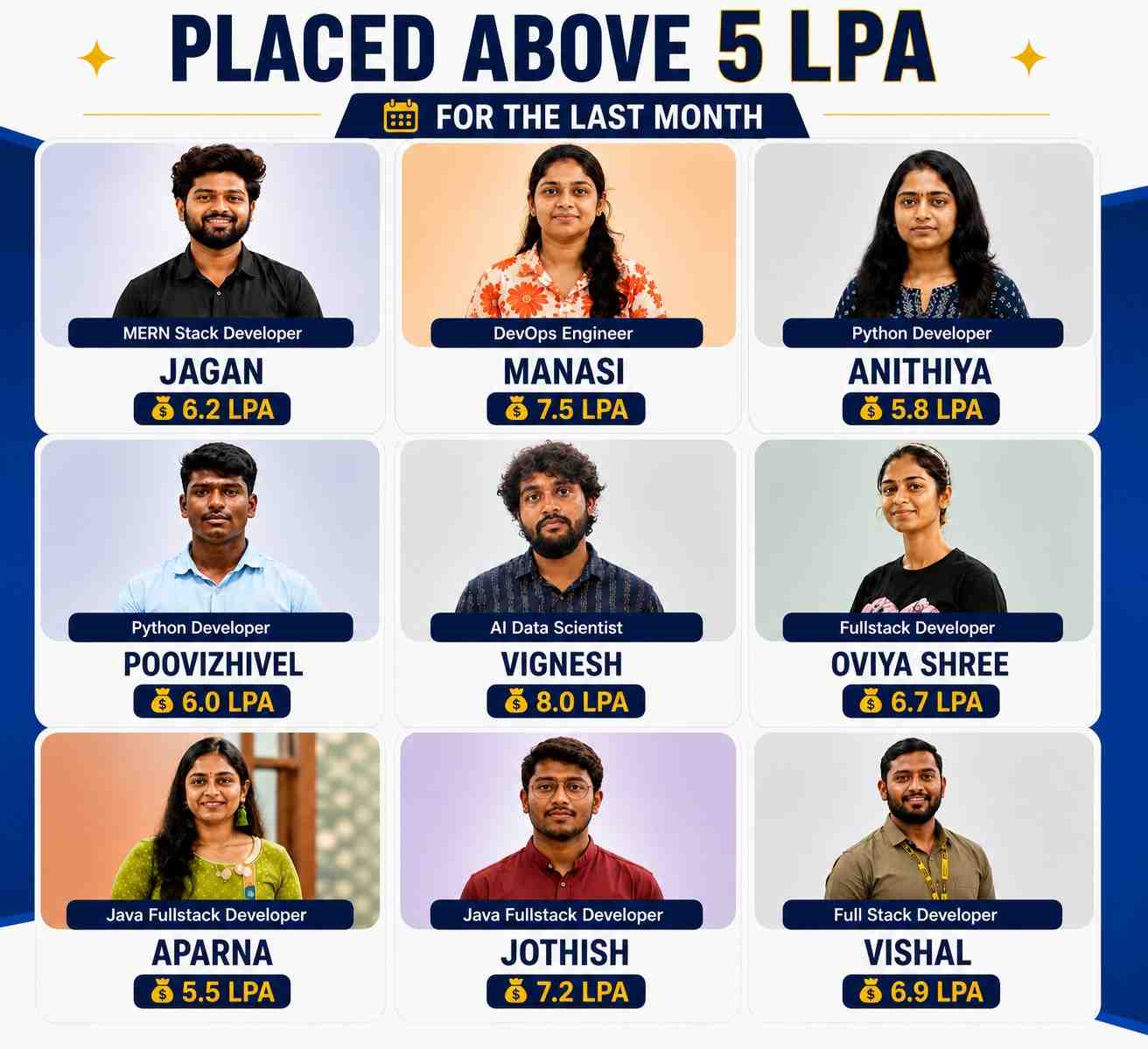
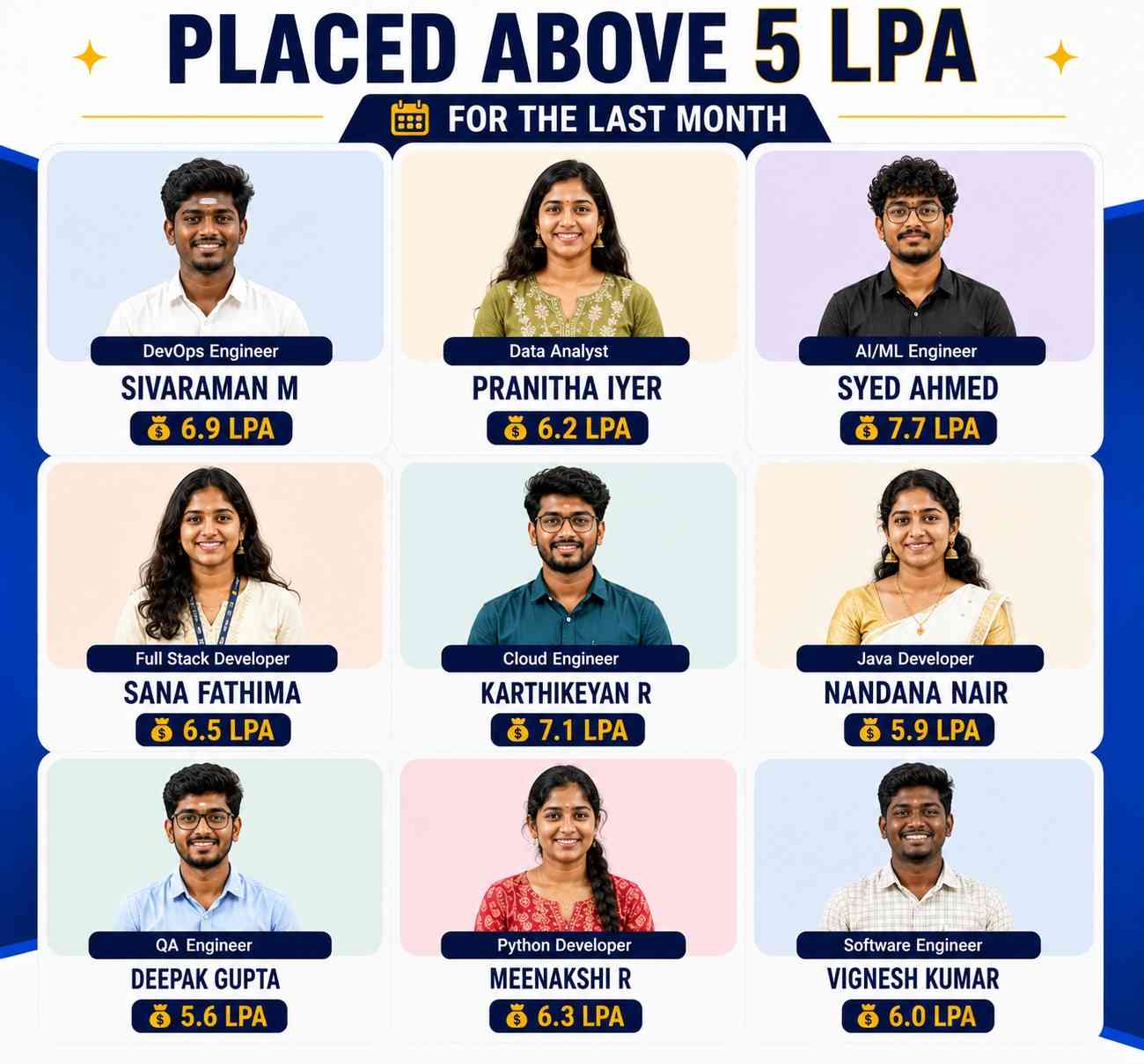
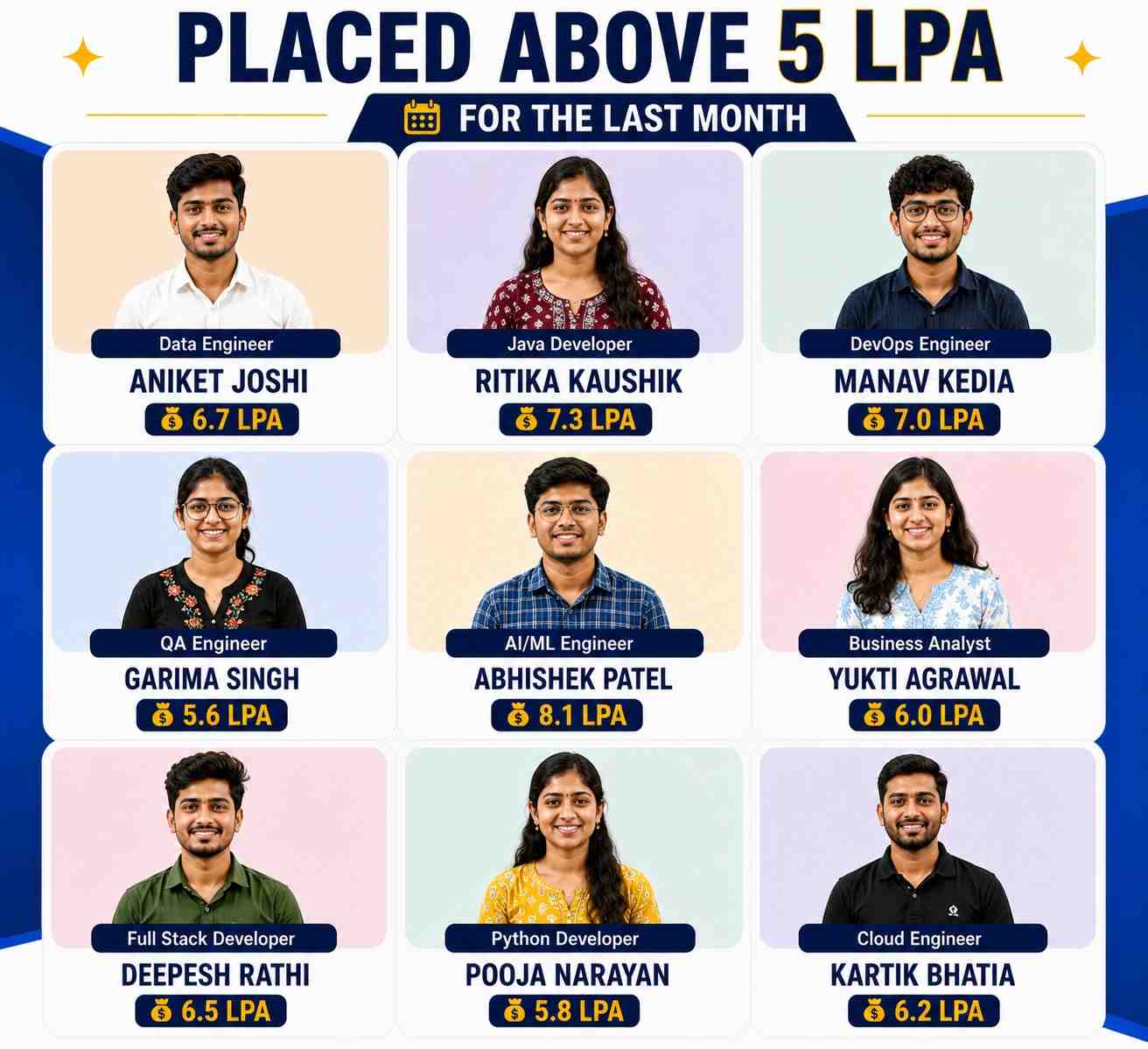
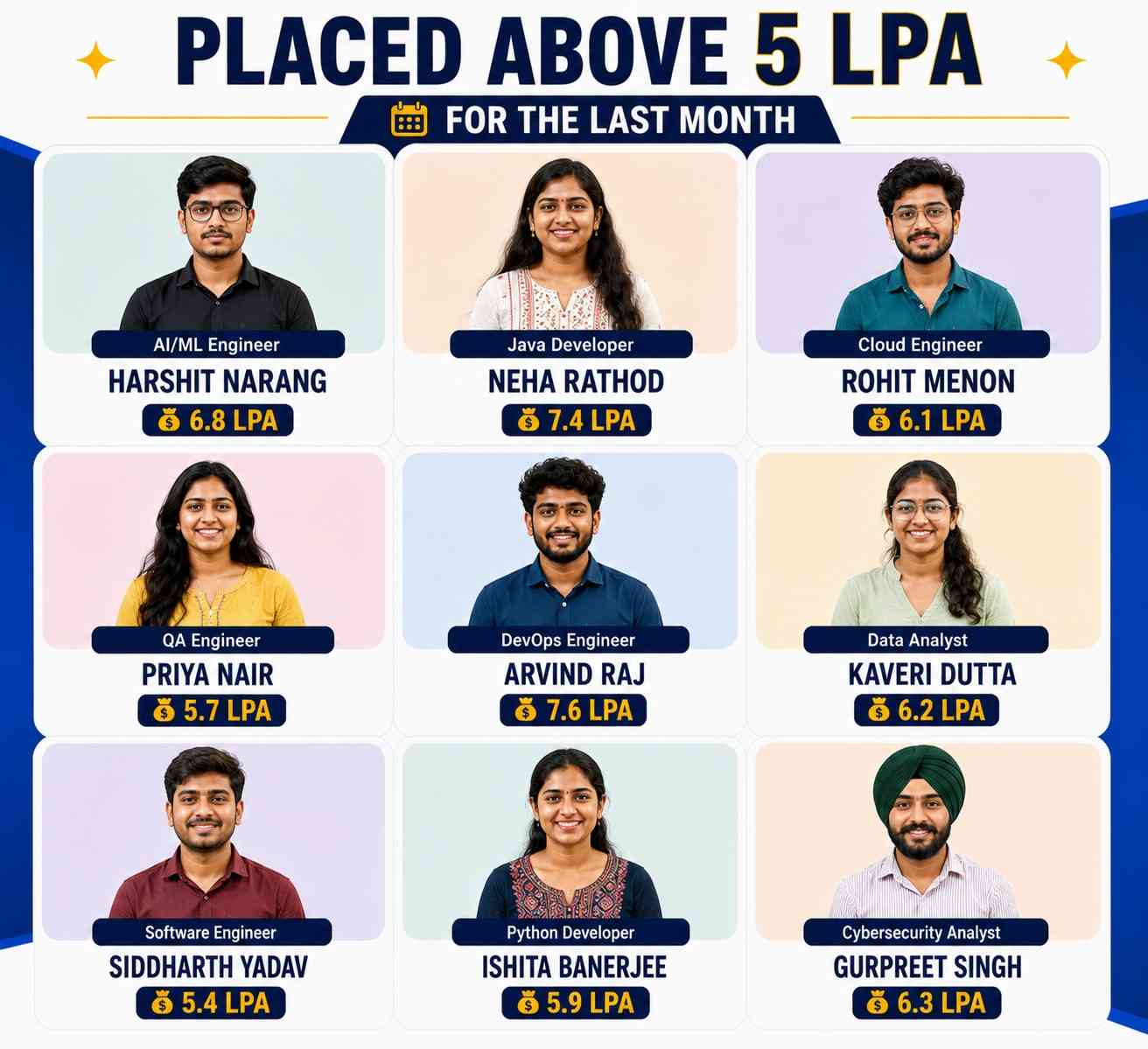
Join Our 100% Job Guaranteed
Best SAP ABAP Training in Siruseri
Explore Active Opportunities on
 by ACTE
Live
1000+
Jobs and Internships
Quality Training With Affordable Fees in Siruseri!
 Fees Starts From
INR
36,000
INR 16,500

10569+
(Placed)
5556+
(Placed)
7894+
(Placed)
4220+
(Placed)