Overview Of PLC and SCADA Training in Seattle
The PLC and SCADA Internship Course in Seattle is structured to equip learners with practical expertise in programmable logic controllers, SCADA applications, ladder programming, HMI interfaces, factory automation, process supervision, control engineering, industrial networking, and automated production systems. The PLC and SCADA Course in Seattle emphasizes practical application through controller programming, input and output setup, control sequence development, HMI configuration, SCADA integration, alarm handling, process data tracking, and interconnected automation solutions. Participants gain knowledge of PLC architecture, sensors, actuators, timers, counters, analog inputs, communication standards, motor operations, process supervision, and fault analysis through instructor-guided sessions and application-oriented exercises. Skilled trainers deliver practical demonstrations, programming approaches, system configuration, troubleshooting procedures, and project-driven activities that improve technical knowledge and analytical abilities. The curriculum also strengthens documentation, communication, system evaluation, industrial teamwork, automation deployment, and diagnostic capabilities needed in manufacturing environments. Practical exercises and PLC and SCADA Internship Training sessions introduce workplace-based assignments and realistic industrial automation applications. Certification guidance, resume preparation, interview coaching, career advice, and placement support contribute to professional readiness. Learners additionally explore HMI connectivity, SCADA graphics, industrial networking, Modbus protocols, control panel functionality, automation practices, and expandable industrial control applications through guided technical instruction.
Course Information
Explore Professional Job Roles in PLC and SCADA
- PLC Programmer: Create PLC applications, establish control sequences, validate automation logic, diagnose operational faults, and maintain dependable machine performance across industrial facilities.
- SCADA Engineer: Implement SCADA applications, design visualization screens, configure tags and alarms, evaluate operational data, resolve technical problems, and maintain real-time process supervision.
- Automation Engineer: Develop automation strategies, connect PLC and SCADA platforms, configure field devices, validate control functions, resolve technical faults, and optimize manufacturing performance.
- Control Systems Engineer: Create control methodologies, configure PLC hardware, connect HMI and SCADA applications, supervise processes, diagnose control failures, and contribute to projects.
- HMI Developer: Build operator displays, configure interface elements, connect controller hardware, create machine dashboards, verify operating functions, and improve industrial equipment interaction.
- Industrial Automation Technician: Set up automation devices, connect PLC and HMI equipment, assist with SCADA configuration, diagnose panel faults, verify machinery, and perform system maintenance.
Learn Core PLC and SCADA Technologies
- PLC Programming Software: Create controller applications, configure logical functions, manage input and output signals, validate operating sequences, and maintain dependable machine control in manufacturing.
- SCADA Applications: Supervise production processes, configure system tags and alarms, display live operating information, manage visualization screens, and improve monitoring across industrial facilities.
- HMI Platforms: Develop operator displays, configure visual controls, connect programmable controllers, observe machine conditions, and enable interactive operation of industrial automation equipment.
- Industrial Networking: Establish connections between PLC, HMI, and SCADA applications, transfer operating information, diagnose network failures, and maintain stable industrial communication.
- PLC and SCADA Supervision: Track automated operations, evaluate process information, handle alarms, recognize system faults, and maintain effective industrial process supervision in real time.
- Industrial Control Solutions: Integrate PLC, SCADA, HMI, sensors, and actuators, establish operating sequences, diagnose equipment faults, and support automated manufacturing and process control.
Build Your Future with PLC and SCADA Expertise
- PLC Programmer: Write controller applications, establish control sequences, verify automation functions, diagnose machine faults, and maintain dependable industrial control operations.
- SCADA Engineer: Develop SCADA configurations, create process displays, organize tags and alarms, interpret operating information, resolve technical faults, and maintain continuous industrial supervision.
- Automation Engineer: Develop control solutions, integrate PLC and SCADA applications, configure field instruments, verify automated processes, diagnose equipment problems, and contribute to factory.
- Control Systems Engineer: Design control methods, configure programmable controllers, integrate HMI and SCADA applications, supervise operations, correct technical problems, and improve performance.
- PLC and SCADA Support Specialist: Service automation equipment, investigate PLC and SCADA faults, assist with system configuration, supervise operations, and deliver technical troubleshooting support.
- Industrial Automation Engineer: Deploy PLC, SCADA, and HMI applications, coordinate automation tasks, configure control equipment, diagnose operational faults, and enhance manufacturing process efficiency.
Major Benefits of PLC and SCADA Training
- Technical Automation Expertise: Develop PLC programming, SCADA setup, HMI configuration, fault diagnosis, industrial networking, and control engineering skills with guidance from automation specialists.
- Practical Industry Projects: Improve technical abilities through applied assignments, factory scenarios, supervised workshops, PLC programming, SCADA implementation, and project-oriented activities.
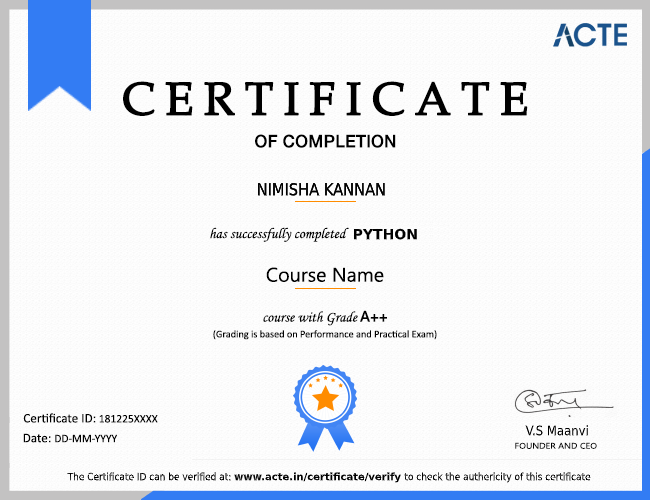
- PLC and SCADA Certification Preparation: Build certification readiness through organized instruction, technical mentoring, assessment exercises, and individualized guidance to improve industrial knowledge.
- Professional Career Guidance: Improve employment readiness through technical development, resume preparation, interview coaching, career counseling, and placement Support for related positions.
- Industrial Automation Learning: Explore PLC programming, SCADA integration, HMI configuration, fault analysis, industrial networking, and control engineering methods with experienced technical instructors.
- Career Placement Assistance: Access resume guidance, interview preparation, career counseling, employer connections, and placement assistance when exploring suitable career opportunities.
Show More

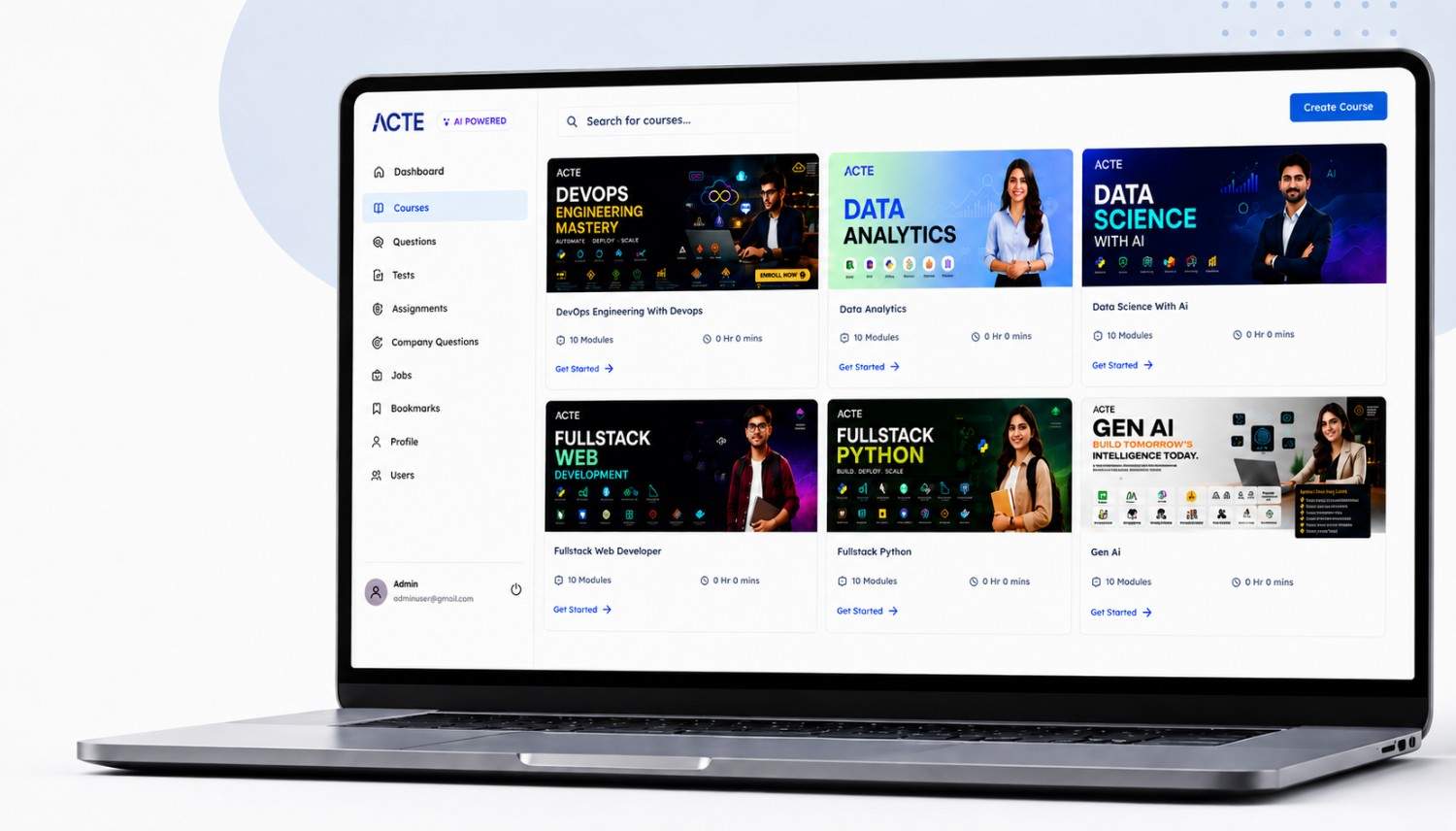
 LMS
LMS