Best SAP SD Training In Rajaji Nagar ⭐ Best SAP SD Course In Rajaji Nagar | Updated 2026
Join Our 100% Job Guaranteed

Best SAP SD Training in Rajaji Nagar

  • Advance Your Career Through The SAP SD Training Institute In Rajaji Nagar.
  • The SAP SD Course Covers Essential Concepts And Enterprise Sales Operations Effectively.
  • Develop Practical Expertise Through SAP SD Projects And Industry-Based Business Scenarios.
  • Earn A Professional SAP SD Certificate With Dedicated Career And Placement Assistance.
  • Receive Guidance To Enhance Your Resume And Prepare For SAP SD Job Interviews.
  • Select Convenient Learning Schedules With Weekday, Weekend, And Fast-Track Sessions.

Explore Active Opportunities on by ACTE

Live 1000+ Jobs and Internships
Quality Training With Affordable Fees in Rajaji Nagar!

⭐ Fees Starts From

INR 36,000
INR 16,500
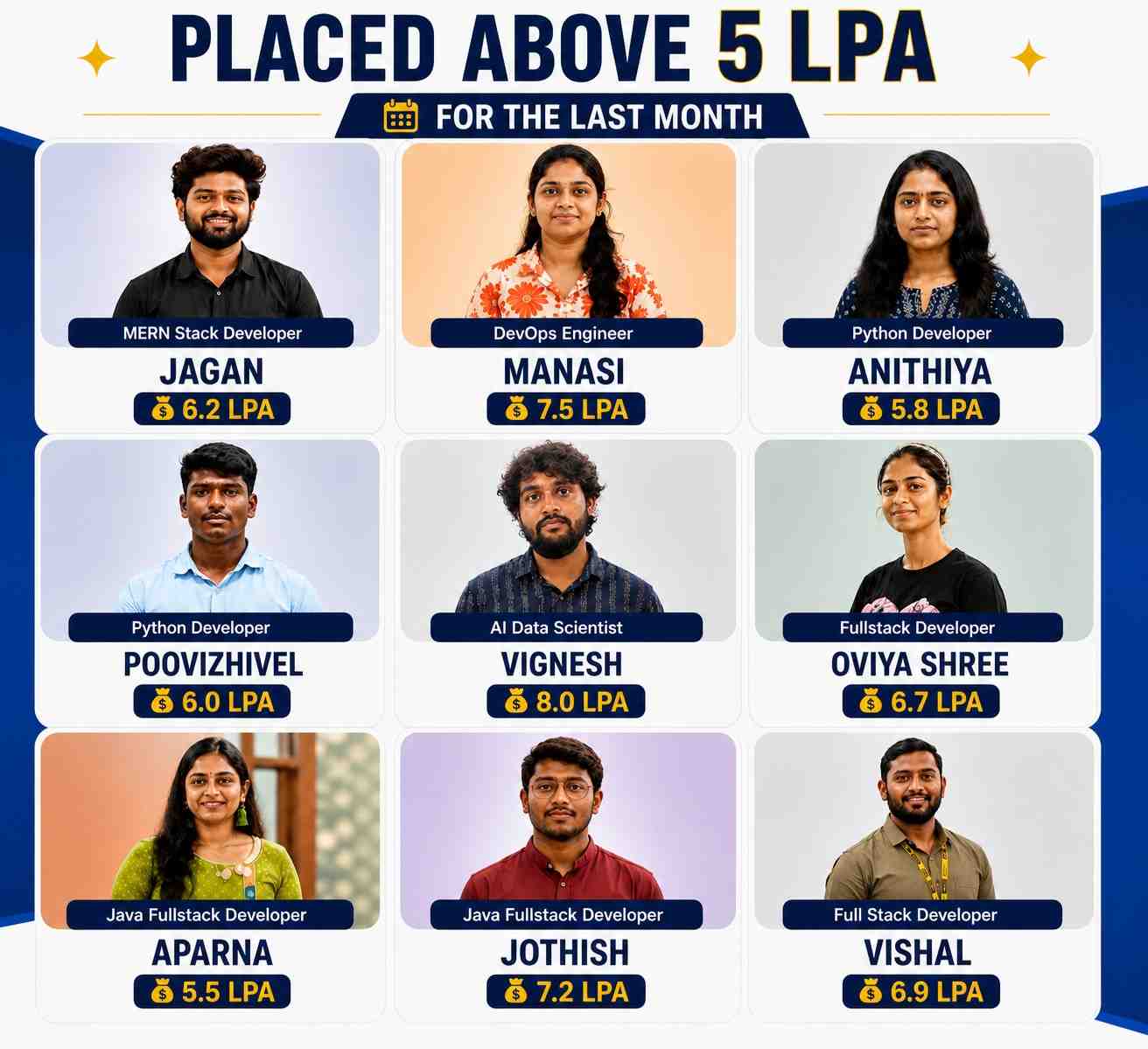
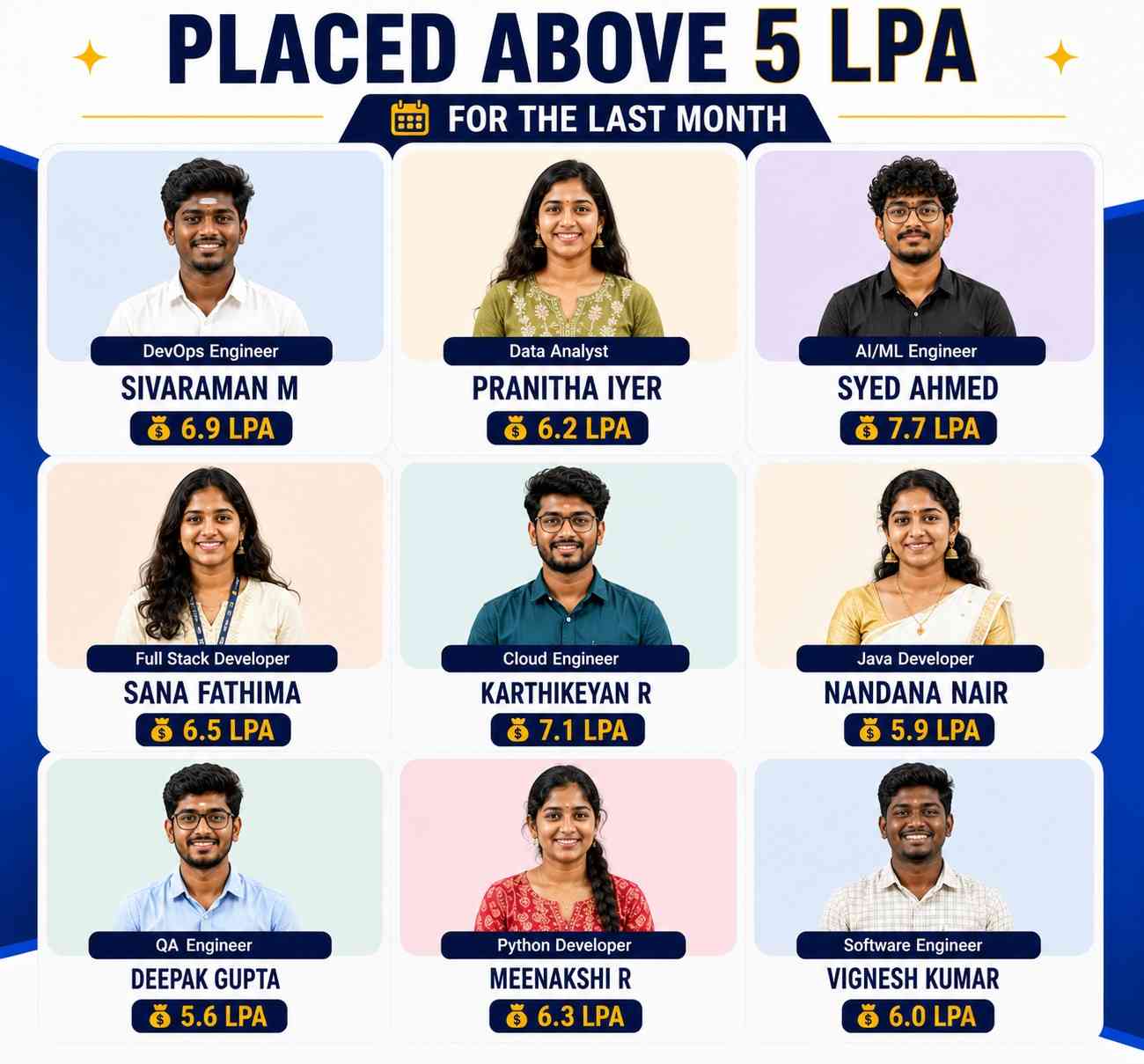
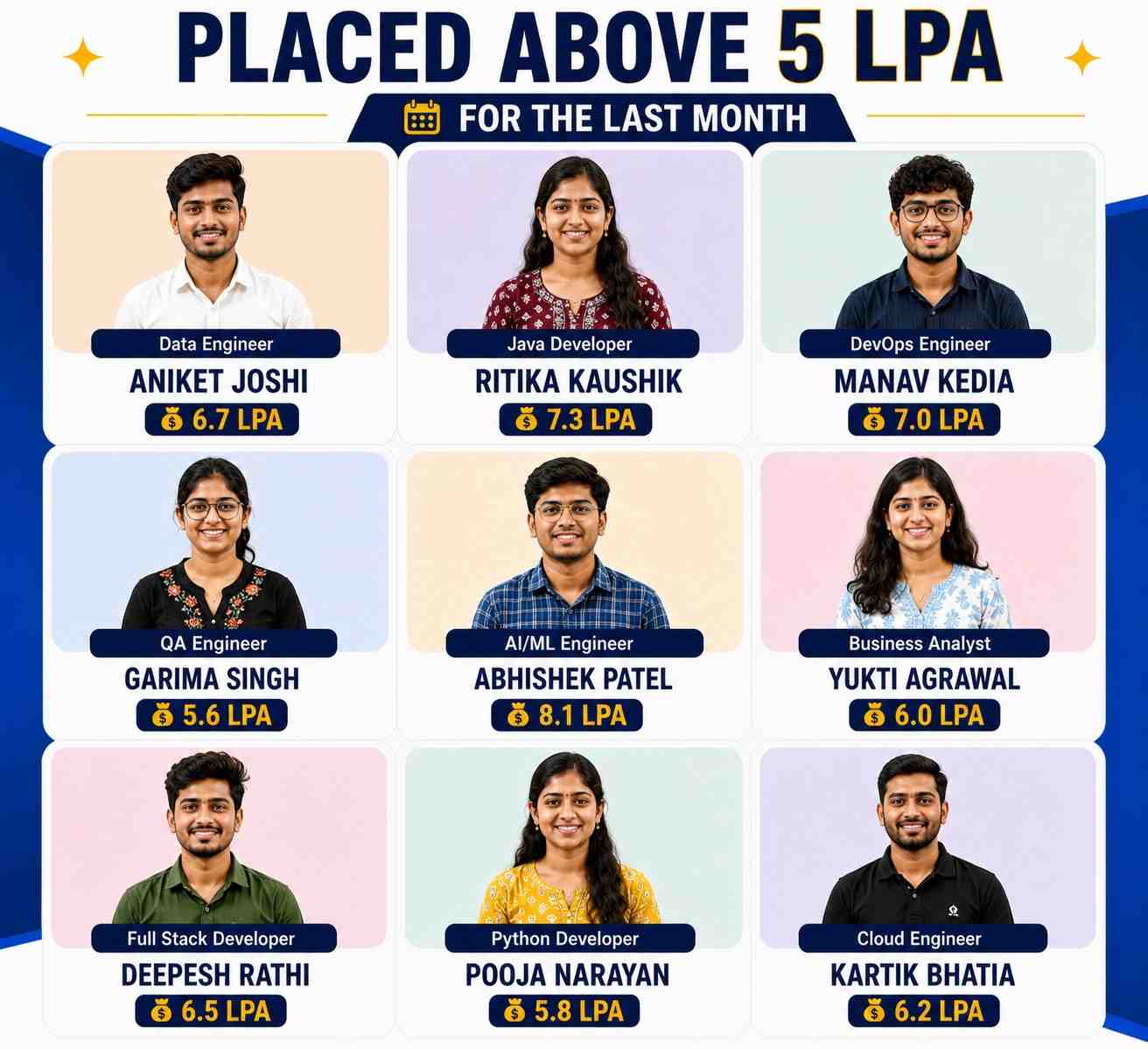
11059+ (Placed)
Freshers To IT
5256+ (Placed)
NON-IT to IT
7954+ (Placed)
Career Gap
4140+ (Placed)
Less Then 60%

Our Hiring Partners

Discover Your Learning Path with SAP SD Training


SAP SD Training in Rajaji Nagar provides a structured learning experience that takes participants from basic Sales and Distribution concepts to advanced system configuration, implementation methods, and enterprise process management. With expert-led instruction and practical assignments, learners explore sales order processing, pricing, billing, shipping, delivery management, and customer master records to understand the complete order-to-cash cycle. On completing the program, participants can consider career opportunities such as SAP SD Consultant, SAP Functional Support Analyst, Sales Operations Executive, and SAP End User across multiple industries.

Key Skills You Can Acquire Through SAP SD Course

Suitable for graduates, beginners, and working professionals who want to understand SAP Sales and Distribution, enterprise sales activities, and ERP business processes through a well-organized learning program.
Develop hands-on knowledge of sales order handling, pricing procedures, billing operations, shipping activities, delivery management, and customer master records through practical exercises and project-based learning.
Improve your SAP SD capabilities in customer management, sales administration, invoice processing, pricing configuration, and distribution operations with guided system practice and career-oriented training.
Understand SAP SD concepts with support from experienced instructors through configuration walkthroughs, implementation examples, business scenarios, and assignments based on common enterprise requirements.
Build the functional knowledge needed to work with SAP SD configurations, assist business teams, manage sales workflows, and prepare for relevant SAP certification examinations through consistent practice.
Explore professional roles such as SAP SD Consultant, SAP Functional Support Analyst, Sales Operations Executive, SAP Sales Analyst, and SAP End User in different enterprise environments and business sectors.

Explore More SAP SD Course Features and Learning Advantages


Why Choose This SAP SD Course Learning Program?

  • Build functional expertise through SAP SD lessons covering sales order processing, pricing, billing, shipping and customer master data management.
  • Receive career development guidance and placement assistance while identifying suitable employment opportunities in organizations requiring SAP SD skills.
  • Join a growing training community with more than 11,000 successful learners placed through a network of over 350 recruitment partners nationwide.
  • Learn from knowledgeable SAP SD instructors with more than 10 years of experience in functional consulting, implementation, and enterprise project activities.
  • Improve your professional capabilities through guided assignments, practical business projects, and career development support from industry experts.
  • Choose flexible weekday, weekend, and fast-track schedules with budget-friendly training options and placement guidance during your learning period.
  • Explore business-oriented SAP SD scenarios to understand enterprise sales requirements and develop confidence in handling functional operations.

How SAP SD Training Can Shape Your Professional Journey

  • Structured Learning from Basics to Advanced Configuration: Follow a progressive learning method that introduces fundamental Sales and Distribution concepts before covering advanced configuration and implementation activities. Instructor demonstrations and practical exercises help participants understand SAP SD functions.
  • Career Opportunities Across Business Sectors: Manufacturing, retail, healthcare, automotive, logistics, IT, FMCG, and e-commerce organizations use SAP SD to manage sales operations. The training introduces relevant business processes and helps candidates prepare for positions such as SAP SD Consultant and Sales Operations Analyst.
  • Learning Resources and Practical Industry Knowledge: Explore SAP Learning Hub resources, technical sessions, and implementation-based learning materials. These resources help participants understand enterprise software developments, improve their functional abilities, and become familiar with changing business technology requirements.
  • Build a Foundation for Long-Term Career Progression: Organizations depend on SAP SD applications to coordinate customer orders, pricing, deliveries, and billing activities. Professionals can expand their experience by participating in implementation assignments, workflow optimization, application support, and enterprise transformation initiatives.
  • Develop Complete Sales and Distribution Process Knowledge: Study customer master records, sales orders, pricing conditions, delivery documents, billing activities, and credit management. Understand how these functions connect to support organized business operations and improve the handling of customer requirements.

SAP SD Applications, Configuration Areas, and Tools Covered

  • Core SAP SD Business Functions: Study sales order management, pricing, billing, delivery processing, shipping, and customer transaction handling to understand the complete order-to-cash process. Gain functional knowledge of enterprise sales activities through configuration demonstrations, system exercises, and practical business examples.
  • SAP Implementation Guide and System Settings: Explore configuration activities involving sales organizations, divisions, partner determination, billing settings, and organizational structures through the SAP Implementation Guide (IMG). Learn how to align system configurations with business needs and maintain consistent sales workflows.
  • Sales Reporting and Business Analysis Features: Understand SAP Fiori, SAP S/4HANA reporting, SAP BW/BI, and standard reporting capabilities for reviewing sales performance, tracking operational KPIs, examining customer transactions, and preparing business reports that support management decisions.
  • Integration with Other SAP Functional Modules: Learn how SAP SD connects with SAP MM, FI, PP, and WM to coordinate sales, inventory, financial postings, production requirements, and warehouse operations. Understand how integrated business processes support accurate information exchange between enterprise departments.
  • Functional Assignments and Business-Based Projects: Work on learning activities involving customer inquiries, quotations, sales orders, pricing, deliveries, billing, returns, and order-to-cash processing. These assignments strengthen system knowledge and help participants understand common enterprise sales requirements.

Important SAP SD Functional Topics for Internship and Career Preparation

  • Sales and Distribution Basics with Enterprise Configuration: Understand organizational structures, sales document settings, delivery activities, billing procedures, and output determination. Develop the functional foundation required to configure SAP SD applications and assist enterprise teams with regular sales operations.
  • End-to-End Order-to-Cash Process Understanding: Explore the business flow from customer inquiries and quotations to order creation, delivery processing, goods issue, billing, invoicing, and payment-related activities. Learn how organizations coordinate customer requirements throughout the complete sales cycle.
  • System Configuration and Business Process Customization: Practise setting up sales organizations, distribution channels, divisions, pricing procedures, shipping conditions, billing types, output settings, and copy control. Understand integration with SAP MM, FI, PP, and WM to support connected enterprise activities.
  • Sales Workflow Administration and Process Management: Gain knowledge of returns handling, availability checks, output management, and workflow-related activities. Learn how these functions support consistent business transactions, reduce manual effort, and improve the coordination of customer service operations.
  • Sales Reporting and Operational Performance Review: Learn to examine SAP SD reports, review sales KPIs, evaluate transaction information, and prepare useful business summaries. Understand how reporting functions help organizations monitor performance and identify opportunities for process improvement.

Professional Capabilities You Can Build with SAP SD Training Institute

  • Strong Understanding of SAP SD Functional Processes: Develop knowledge of sales order management, shipping, delivery processing, customer master data, and credit management. Understand how to coordinate order-to-cash activities, maintain transaction accuracy, and support efficient enterprise sales operations.
  • Practical System Configuration Skills: Learn to maintain sales organizations, distribution channels, billing documents, shipping conditions, partner functions, and output settings. Understand how SAP SD configurations can be adapted to business requirements while maintaining reliable sales workflows.
  • Enterprise Project and Implementation Knowledge: Strengthen your functional abilities through exercises involving quotations, order processing, delivery management, credit control, and customer master maintenance. Practise working through business scenarios to understand common configuration and implementation requirements.
  • Reporting and Analytical Skills: Understand how to review sales reports, monitor business KPIs, examine transaction records, and prepare operational summaries. Explore reporting features and analytical methods that help enterprise teams evaluate performance and make informed business decisions.
  • Knowledge of Connected SAP Business Applications: Study the relationship between SAP SD and SAP MM, FI, PP, and WM to understand integrated enterprise workflows. Learn how information moves between functional departments and how connected applications support business operations.

Career Paths to Consider After Completing SAP SD Training

  • SAP SD Functional Consultant: Understand business requirements, configure SAP SD applications, maintain sales processes, adjust system settings, and provide functional recommendations. Work with business users to support order-to-cash operations, improve workflow efficiency, and address enterprise requirements.
  • SAP SD Application Support Analyst: Assist users with application-related issues, examine sales transactions, identify configuration problems, maintain master records, and respond to functional queries. Support business continuity by investigating reported issues and helping maintain reliable SAP operations.
  • SAP SD End User: Handle customer orders, quotations, delivery documents, billing transactions, shipping activities, returns, and customer information. Perform regular SAP SD tasks accurately while coordinating with other departments to support daily business operations and maintain smooth transaction processing across the organization.
  • Sales Operations Executive: Coordinate order activities, follow delivery schedules, assist with billing tasks, review sales performance, and reports. Support customer requirements while maintaining organized sales administration and distribution activities, ensuring timely order fulfilment and effective communication with business teams.
  • SAP Business Process Analyst: Review existing sales workflows, identify process gaps, suggest system improvements, participate in SAP implementation activities, and document business requirements. Help organizations improve operational processes and maintain effective enterprise application workflows.

Why Fresh Graduates Can Consider Starting with SAP SD Course

  • Step-by-Step Functional Learning for Beginners: The training introduces SAP SD through basic concepts, instructor demonstrations, guided activities, and practical business examples. Fresh graduates can develop an understanding of enterprise sales operations while building the functional knowledge needed for entry-level opportunities.
  • Career Scope Across Multiple Industries: Manufacturing, retail, healthcare, automotive, IT, pharmaceuticals, logistics, and e-commerce companies use SAP SD in their business operations. Learners can explore different professional paths and develop experience in enterprise sales and distribution activities.
  • Learning Resources for SAP Product Knowledge: Use official SAP documentation, SAP Learning Hub materials, technical webinars, and implementation examples to improve your understanding. Continue learning about functional updates and enterprise application requirements as your knowledge develops.
  • Exposure to Integrated ERP Functional Areas: Understand how SAP SD interacts with SAP MM, FI, PP, and WM to support connected business processes. Knowledge of these modules can help graduates explore additional opportunities in ERP support, functional consulting, and implementation projects.
  • Scope for International Projects and Career Development: SAP SD knowledge can support career progression towards enterprise implementation assignments, remote consulting activities, and application support projects. Build practical experience and gradually prepare for responsibilities in multinational organizations.

Explore Remote Work Opportunities with SAP SD Expertise

  • Remote Functional Consulting and Application Support: SAP SD professionals may handle configuration requirements, review business processes, and assist users through remote project arrangements. Organizations engage qualified consultants for implementation and enterprise transformation activities across different locations.
  • Independent Consulting and Freelance Projects: Experienced SAP SD professionals can explore assignments through platforms such as Upwork, Freelancer, and Toptal. Functional knowledge of order processing, master data, pricing, and configuration may help consultants identify suitable freelance projects and client requirements.
  • Online Coordination with Distributed Business Teams: SAP Fiori, digital workflows, and enterprise applications support communication among teams working from different locations. Professionals can coordinate with project members, customers, and business users while assisting with sales and distribution processes.
  • Efficient Business Workflows Through SAP Functions: SAP SD supports sales order handling, pricing, delivery management, billing, and reporting through connected enterprise processes. These functions help organizations organize transactions, reduce repetitive manual activities, and improve coordination among distributed teams.
  • Professional Networking Across SAP Communities: Participate in SAP user communities, technical webinars, certification activities, and industry events to connect with other professionals. Build industry relationships, expand functional knowledge, and discover potential consulting and remote project opportunities.

Gain Practical Exposure Through SAP SD Career Training

  • Practical Sales Transaction Management: Practise creating sales orders, processing invoices, managing returns, and updating customer master information through SAP SD activities. Understand how these transactions contribute to enterprise sales administration and the complete order-to-cash process.
  • Experience with SAP Functional Applications: Explore SAP S/4HANA, SAP Fiori, SAP IMG, reporting applications, and business analysis features to understand configuration, transaction monitoring, reporting, and workflow management across connected enterprise environments.
  • Trainer Guidance and Functional Mentoring: Receive learning support from experienced SAP professionals who explain configuration activities, review business processes, and discuss practical implementation methods. Improve your understanding through guided assignments and exposure to enterprise application support scenarios.
  • Business Communication and Cross-Department Coordination: Understand how sales, finance, procurement, logistics, production, and warehouse teams work together through integrated SAP applications. Develop communication, teamwork, analytical thinking, and problem-solving abilities while exploring connected business activities.
  • Opportunities for Continued Career Advancement: Begin by learning essential SAP SD operations and gradually develop knowledge of implementation, application support, and system improvement. Build a foundation for progressing towards consulting responsibilities, project coordination, and advanced enterprise roles.

Companies with SAP SD Consulting and Functional Career Opportunities

  • Accenture: Accenture offers SAP-related project opportunities involving enterprise implementation, functional consulting, application modernization, and digital transformation. SAP SD professionals may work with clients across different industries and contribute to sales process improvements and enterprise application projects.
  • Infosys: Infosys works with SAP professionals on enterprise configuration, sales process management, order-to-cash operations, and application support. Candidates can explore SAP-related assignments serving manufacturing, retail, automotive, healthcare, logistics, and technology organizations.
  • Tata Consultancy Services (TCS): TCS provides enterprise technology projects where SAP SD professionals may contribute to sales process configuration, application integration, order management, and large-scale implementation activities for domestic and international clients.
  • Capgemini: Capgemini works on SAP consulting, application implementation, system migration, business process optimization, and enterprise integration projects. SAP SD professionals may gain exposure to different SAP platforms, customer requirements, and digital transformation activities.
  • Cognizant: Cognizant provides opportunities across SAP S/4HANA projects, application maintenance, functional support, sales workflow improvement, and enterprise modernization. Professionals may contribute to client assignments across multiple industries and business environments.
Show More

Upcoming Batches For Classroom and Online

Weekdays
16 - Nov - 2026
08:00 AM & 10:00 AM
Weekdays
18 - Nov - 2026
08:00 AM & 10:00 AM
Weekends
21 - Nov - 2026
(10:00 AM - 01:30 PM)
Weekends
22 - Nov - 2026
(09:00 AM - 02:00 PM)
Can't find a batch you were looking for?
INR ₹16500
INR ₹36000

OFF Expires in

Who Should Take a SAP SD Certification Course

IT Professionals

Non-IT Career Switchers

Fresh Graduates

Working Professionals

Diploma Holders

Professionals from Other Fields

Salary Hike

Graduates with Less Than 60%

Show More

Job Roles For SAP SD Certification Training

SAP SD Consultant

Sales Analyst

SAP End-User

Distribution Coordinator

Compliance Specialist

Order Management Specialist

Billing Specialist

Shipping & Logistics Expert

Show More

What’s included ?

Convenient learning format

📊 Free Aptitude and Technical Skills Training

  • Learn basic maths and logical thinking to solve problems easily.
  • Understand simple coding and technical concepts step by step.
  • Get ready for exams and interviews with regular practice.
Dedicated career services

🛠️ Hands-On Projects

  • Work on real-time projects to apply what you learn.
  • Build mini apps and tools daily to enhance your coding skills.
  • Gain practical experience just like in real jobs.
Learn from the best

🧠 Launch Your Career in Top MNC Companies

  • Master technical and HR interview rounds.
  • Gain confidence with expert mock interview practice.
  • Improve your chances of getting hired faster.
Learn from the best

🎯 Interview Preparation For Freshers

  • Practice company-based interview questions.
  • Take online assessment tests to crack interviews
  • Practice confidently with real-world interview and project-based questions.
Learn from the best

🧪 LMS Self Learning Platform

  • Explore expert trainer videos and documents to boost your learning.
  • Study anytime with on-demand videos and detailed documents.
  • Top MNC interview questions & self coding practice.

SAP SD Course Syllabus

  • 🏫 Classroom Training
  • 💻 Online Training
  • 🚫 No Pre Request (Any Vertical)
  • 🏭 Industrial Expert

Joining SAP SD Training in Rajaji Nagar helps learners develop the functional knowledge and practical abilities needed to pursue a career in sales and distribution management. This job-focused program introduces participants to various SAP SD roles within established companies across manufacturing, retail, IT, logistics, automotive, and related sectors, while offering valuable insight into business workflows and modern SAP applications across real-world enterprise environments. Through flexible learning options, learners build expertise in Sales Order Processing, Pricing, Billing, Shipping, Delivery Management, and Customer Master Data, gaining the confidence to configure, handle, and improve complete sales processes.

  • SAP SD Fundamentals: Learn the essential concepts of Sales and Distribution, enterprise business workflows, and SAP SD industry best practices.
  • SAP SD Configuration & Administration: Gain practical knowledge in configuring SAP SD modules, master records, and managing order-to-cash business cycles.
  • SAP SD Business Process Execution: Develop hands-on expertise in sales order management, billing, shipping, and real-time SAP SD implementation projects.
  • SAP SD Reporting & Analytics: Utilize SAP Fiori, SAP S/4HANA, dashboards, and reporting tools to monitor sales performance and generate valuable insights.
Introduction to SAP SD
Core SAP SD Modules
SAP SD Administration & Configuration
SAP SD Process Execution
Integration & Automation in SD
SD Reporting & Analytics
SAP SD Strategy & Real-Time Projects

This module introduces the fundamentals of SAP SD:

  • Introduction to SAP SD: Understand the fundamentals of Sales and Distribution, enterprise workflows, and the role of SAP SD in ERP environments.
  • Core Business Functions: Learn Sales Order Processing, Pricing, Billing, Shipping, and Customer Master Data with practical business examples.
  • SAP Technology Overview: Get familiar with SAP S/4HANA, SAP Fiori, SAP ECC, and their importance in enterprise sales and distribution operations.
  • Career Opportunities: Discover career options such as SAP SD Consultant, Functional Consultant, Sales Operations Executive, and SAP End User.

This module focuses on SAP SD configuration and business processes:

  • SAP SD Configuration: Learn to configure Sales Organizations, Distribution Channels, Pricing Procedures, Shipping Points, and Customer Master settings.
  • Master Data Management: Create and maintain customer records, material master data, sales areas, and organizational structures within SAP SD.
  • Order-to-Cash Process: Execute quotations, sales orders, deliveries, billing documents, returns processing, and shipping workflows effectively.
  • Sales Reporting: Build reports, monitor sales KPIs, create dashboards, and evaluate business performance using SAP reporting solutions.

Learn advanced SAP SD administration and implementation techniques:

  • SAP Platform Navigation: Work with SAP S/4HANA, SAP Fiori, SAP IMG, and configuration tools to administer enterprise sales operations.
  • Business Process Automation: Configure SAP workflows, output determination, automation features, and process optimization for efficient business execution.
  • User Roles and Security: Manage authorization profiles, user roles, access permissions, and security settings within SAP SD environments.
  • Performance Analysis: Monitor sales transactions, delivery activities, billing processes, and business performance using real-time analytics.

This module provides practical expertise in SAP SD implementation:

  • Sales Process Execution: Perform sales order creation, delivery processing, billing activities, returns management, and customer master maintenance.
  • SAP Business Applications: Utilize SAP Fiori applications, SAP S/4HANA interfaces, and reporting tools to manage SAP SD business operations.
  • Order-to-Cash Management: Configure inquiries, quotations, sales orders, deliveries, billing documents, and complete order-to-cash workflows.
  • Configuration Testing: Test SAP SD configurations, validate business transactions, troubleshoot issues, and maintain system reliability.

Learn to integrate and optimize SAP SD business processes:

  • Module Integration: Integrate SAP SD with SAP MM, FI, PP, and WM modules to support seamless enterprise business operations.
  • Business Process Automation: Automate sales orders, pricing, billing, shipping, and reporting activities using SAP SD capabilities.
  • Enterprise System Connectivity: Connect SAP SD with external applications and ERP platforms to ensure efficient enterprise data exchange.
  • Workflow Enhancement: Apply SAP best practices to improve operational efficiency, customer satisfaction, and end-to-end sales execution.

Master SAP SD reporting and business performance optimization:

  • Business Performance Monitoring: Monitor sales activities, deliveries, billing status, and KPIs using SAP Fiori dashboards and reporting solutions.
  • Sales Reporting: Analyze sales orders, pricing performance, customer transactions, and billing efficiency using SAP SD reports.
  • Operational Performance Analysis: Measure workflow efficiency, business productivity, compliance, and customer service using performance metrics.
  • Master Data Administration: Maintain customer master records, material masters, sales organizations, and distribution structures with accuracy.

Strengthen your SAP SD skills through live implementation projects:

  • Project Planning: Analyze business requirements, define implementation goals, and prepare SAP SD project execution strategies.
  • Real-Time Implementation: Complete hands-on SAP SD projects covering quotations, sales orders, pricing, deliveries, billing, and customer management.
  • Business Process Evaluation: Assess sales performance, operational reports, fulfillment efficiency, and KPIs to optimize business processes.
  • Final Capstone Project: Build a complete SAP SD solution covering configuration, reporting, workflow automation, and end-to-end order-to-cash operations.

🎁 Free Addon Programs

Aptitude, Spoken English

🎯 Our Placement Activities

Daily Task, Soft Skills, Projects, Group Discussions, Resume Preparation, Mock Interview

Explore Practical SAP SD Projects and Enterprise Business Scenarios

Placement Support Overview

Discover SAP SD Career Paths and Job Opportunities in Rajaji Nagar

Entry-Level SAP SD Support Executive

Company Code: SOM583 Rajaji Nagar, Bangalore
₹25,000 – ₹45,000 a month Any Degree / B.E Exp 0–2 yrs
  • Assist in preparing sales orders, organize transaction documents, verify customer order information, and work with delivery teams to maintain efficient order processing.
View Career Details

Associate SAP SD Functional Consultant

Company Code: SPA827 Rajaji Nagar, Bangalore
₹22,000 – ₹40,000 a month Any Degree Exp 1–3 yrs
  • Work on sales document configuration, pricing conditions, discount settings, and functional validation to support reliable SAP SD operations and business requirements.
View Career Details

SAP Billing and Accounts Support Analyst

Company Code: SBP694 Rajaji Nagar, Bangalore
₹28,000 – ₹48,000 a month Any Degree / B.E Exp 2–4 yrs
  • Examine billing records, assist in generating invoices, process credit and debit notes, and validate sales transactions to maintain precise billing documentation.
View Career Details

SAP Logistics and Dispatch Support Executive

Company Code: SDM315 Rajaji Nagar, Bangalore
₹20,000 – ₹38,000 a month Any Degree Exp 0–3 yrs
  • Prepare delivery-related documents, assist in shipment coordination, follow warehouse picking and packing activities, and track dispatch timelines for customer orders.
View Career Details

Customer Master Data Support Specialist

Company Code: SMD762 Rajaji Nagar, Bangalore
₹24,000 – ₹42,000 a month Any Degree / B.E Exp 1–4 yrs
  • Maintain customer master information, check account details, update partner data, and ensure consistent customer records across SAP SD business transactions.
View Career Details

SAP Sales Process Monitoring Analyst

Company Code: SLP428 Rajaji Nagar, Bangalore
₹26,000 – ₹44,000 a month Any Degree Exp 1–3 yrs
    • Track customer orders, check delivery status, assess sales operations, and prepare performance reports to help streamline distribution and order management.
View Career Details

Order-to-Cash Operations Associate

Company Code: SOP956 Rajaji Nagar, Bangalore
₹23,000 – ₹43,000 a month Any Degree Exp 0–3 yrs
  • Support end-to-end order-to-cash activities, validate sales records, follow invoice processing, and coordinate order closure while addressing customer and business requirements.
View Career Details

Discover SAP SD Internship Opportunities and Career-Building Advantages in Rajaji Nagar

Hands-On SAP SD Business Project Training

  • 1. Explore SAP SD business tools while practicing customer orders, delivery tasks, and daily sales administration activities.
  • 2. Apply business requirements through guided projects and complete essential sales and distribution tasks using SAP SD.
Schedule Training

Specialized SAP SD Configuration Sessions

  • 1. Attend focused workshops covering SAP SD functions, system configuration methods, and practical enterprise sales processes.
  • 2. Build functional knowledge through exercises on sales documents, pricing conditions, billing tasks, and workflow controls.
Schedule Training

Convenient Internship Support and Learning Guidance

  • 1. Learn in a supportive setting with flexible schedules, trainer guidance, and useful SAP SD practice opportunities.
  • 2. Manage your learning plan with regular guidance from trainers and fellow learners during internship practice sessions.
Schedule Training

Expert Guidance and Team-Based Project Activities

  • 1. Receive expert SAP SD mentoring to strengthen functional skills, practical knowledge, and confidence for future roles.
  • 2. Join team projects and shared business exercises to improve SAP SD knowledge, technical skills, and collaboration.
Schedule Training

Professional Skills Development and Interview Preparation

  • 1. Develop communication, teamwork, analytical reasoning, and time management skills for professional SAP SD tasks.
  • 2. Prepare for recruitment with mock interviews, technical discussions, sample questions, and career guidance sessions.
Schedule Training

Course Completion Credentials and Career Value

  • 1. Present your SAP SD knowledge and completed practical assignments through a recognized course completion certificate.
  • 2. Improve your career profile with project experience and credentials that reflect your SAP SD skills and knowledge.
Schedule Training

Sample Resume for SAP SD (Fresher)

  • 1. Simple and Clean Resume Layout– Use a professional format with clear sections such as career summary, SAP SD skills, certifications, education, and project experience.
  • 2. List of SAP SD Skills You Possess– Highlight skills like Sales Order Management, Delivery & Shipping, Billing & Invoicing, Pricing Configuration, Customer Master Data, Integration with MM/FI, Reporting, and SD Workflow Automation.
  • 3. Real-Time Projects and Achievements– Include 1–2 SAP SD projects with concise descriptions, the modules and tools used, and measurable outcomes or achievements, such as reduced order processing time or improved billing accuracy.

Prepare for SAP SD Functional Interviews with Practical Questions

Ans:

Copy control determines how information moves between sales documents, such as quotations, orders, deliveries, and billing documents. It controls data transfer at different document levels and helps maintain consistency during transaction processing.

Ans:

An availability check confirms whether the requested material quantity can be supplied for a customer order. It considers:
  • Current available stock.
  • Incoming purchase and production supplies.
  • Existing reservations and requirements.
  • Confirmed quantities and expected delivery dates.

Ans:

Revenue account determination assigns the correct general ledger accounts to revenue-related billing transactions. It uses configuration factors such as:
  • Chart of accounts.
  • Sales organization.
  • Customer account assignment group.
  • Material account assignment group.
  • Account key from the pricing procedure.
These settings help generate appropriate financial postings during billing.

Ans:

An incompletion log identifies missing or incomplete information in sales documents, deliveries, and billing documents. It helps users:
  • Identify mandatory fields that have not been maintained.
  • Correct missing customer or transaction details.
  • Check whether documents are ready for further processing.
  • Reduce errors during subsequent sales activities.

Ans:

A delivery split happens when items from a sales order or multiple orders are processed through separate outbound delivery documents. This can occur because of differences in:
  • Shipping points.
  • Planned delivery dates.
  • Ship-to parties.
  • Routes and other delivery-related parameters.

Ans:

Route determination selects the transportation route used to deliver goods from the shipping location to the customer. The system considers factors such as the departure zone, destination zone, shipping conditions, and transportation group to determine the appropriate route.

Ans:

Returns processing manages products sent back by customers. The typical activities include:
  • Create a customer returns order.
  • Generate the relevant returns delivery document.
  • Receive and inspect the returned products.
  • Record the appropriate goods movement.
  • Process a credit memo when applicable.

Ans:

A sales document type controls how a particular sales transaction is processed in SAP SD. Its functions include:
  • Defining document number ranges.
  • Controlling permitted business transactions.
  • Determining relevant document settings.
  • Supporting different sales processes.
Examples include inquiries, quotations, standard orders, and returns orders.

Ans:

A pro forma invoice is a preliminary document generally used for informational, quotation, or customs purposes. A commercial invoice is an actual billing document used to record customer charges and create relevant accounting entries.

Ans:

When an accounting-relevant billing document is released to accounting, SAP SD transfers the billing information to SAP FI. The integration supports:
  • Customer receivable postings.
  • Revenue account updates.
  • Applicable tax postings.
  • Financial document creation and tracking.
The relevant accounts are determined through the configured account determination settings.

MNC-Wise SAP SD Interview Preparation and Career Questions

1. How do you configure a sales order rejection reason in SAP SD?

Ans:

Rejection reasons are configured to record why a customer does not proceed with particular sales order items. They help maintain accurate order status and support sales reporting and analysis.
2. What is the purpose of customer-material information records?

Ans:

Customer-material information records maintain customer-specific details about products. They can contain:
  • Customer-specific material numbers.
  • Material descriptions used by customers.
  • Delivery-related information.
  • Customer-specific units of measure.
3. How does product substitution work in SAP SD?

Ans:

Product substitution allows SAP to propose an alternative material when the originally requested product needs to be replaced. The process uses configured substitution records and business rules.
4. What is a sales order confirmation?

Ans:

A sales order confirmation communicates important order information to the customer, including product details, quantities, and confirmed delivery dates. It helps establish a clear understanding of the requested sales transaction.
5. What is the purpose of a sales document reason?

Ans:

A sales document reason records why a particular sales transaction was created. It supports business reporting, order analysis, and tracking of different sales activities.
6. How do you manage partial deliveries in SAP SD?

Ans:

Partial delivery processing allows a customer order to be fulfilled through multiple deliveries. The system uses customer master settings and sales document controls to manage permitted delivery quantities and schedules.
7. What is the purpose of a customer hierarchy?

Ans:

A customer hierarchy represents relationships between different customer accounts. It supports business processes such as:
  • Customer classification.
  • Pricing determination.
  • Sales reporting.
  • Organizational customer management.
8. How does SAP SD manage sales order blocks?

Ans:

Sales order blocks temporarily restrict selected follow-on activities. They may be applied for credit checks, delivery restrictions, billing controls, or additional business approvals.
9. What is the purpose of a billing cancellation document?

Ans:

A billing cancellation document reverses the accounting and billing effects of an incorrect invoice. It maintains document history and supports the creation of a corrected billing document when required.
10. How do you analyze document flow in SAP SD?

Ans:

Document flow displays the relationship between connected sales transactions. It helps consultants trace:
  • Quotation and sales order references.
  • Outbound delivery documents.
  • Goods issue activities.
  • Billing and accounting documents.

1. What is the purpose of a sales inquiry in SAP SD?

Ans:

A sales inquiry records a customer's request for product or service information. It allows the sales team to understand customer requirements before preparing a quotation or creating a sales order.
2. How is a quotation converted into a sales order?

Ans:

A quotation can be referenced while creating a sales order. SAP copies relevant information according to copy control settings, reducing repeated data entry and maintaining document relationships.
3. What is the role of a sales unit in material master data?

Ans:

The sales unit identifies the unit in which a material is sold to customers. It helps maintain consistent quantity information across sales orders, deliveries, and billing documents.
4. How does SAP SD determine the shipping point?

Ans:

Shipping point determination generally considers:
  • Shipping conditions from customer master data or sales documents.
  • Loading group maintained in the material master.
  • Delivering plant assigned to the sales order.
These factors help the system propose the appropriate shipping location.
5. What is the purpose of a loading group?

Ans:

A loading group is maintained in material master data and represents the loading requirements of a product. It contributes to shipping point determination and supports warehouse and dispatch activities.
6. How do you configure a cash sales process?

Ans:

Cash sales use a dedicated sales document type and related configuration settings. The process supports immediate payment and delivery-related activities according to the organization's business requirements.
7. What is the difference between order-related and delivery-related billing?

Ans:

Order-related billing creates invoices with reference to sales orders, while delivery-related billing generates invoices based on outbound delivery documents. The applicable method depends on the item category and billing configuration.
8. What is a billing relevance indicator?

Ans:

Billing relevance determines how a sales document item becomes eligible for invoicing. It helps control whether billing takes place based on an order, delivery, or another configured business process.
9. How do you manage customer-specific pricing?

Ans:

Customer-specific pricing is maintained using condition records and pricing configuration. The system evaluates relevant condition tables and access sequences to determine applicable prices and discounts.
10. Why is a sales order status important?

Ans:

Sales order status provides information about the progress of a transaction. It helps users identify whether the order is open, partially processed, delivered, billed, or completed.

1. What is the purpose of a sales organization assignment?

Ans:

A sales organization is assigned to a company code to connect sales activities with the financial organizational structure. This assignment supports consistent business transactions and financial reporting.
2. How does plant determination work in SAP SD?

Ans:

Plant determination identifies the location from which materials are supplied. The system can consider customer-material information records, customer master data, and material master data when proposing a delivering plant.
3. What is a condition supplement in SAP SD pricing?

Ans:

Condition supplements allow additional pricing conditions to be maintained together with a main condition record. They help apply related charges or discounts during pricing determination.
4. What is the function of a pricing requirement routine?

Ans:

A pricing requirement routine applies specific conditions before a pricing element is considered. It helps control the situations in which a condition type or pricing procedure step should be processed.
5. How does SAP SD support intercompany sales?

Ans:

Intercompany sales support transactions in which one company code sells goods supplied by a plant belonging to another company code. The process involves relevant sales, delivery, intercompany billing, and financial integration settings.
6. What is the purpose of an output determination procedure?

Ans:

Output determination identifies the messages or documents that need to be generated for a business transaction. It supports communication through configured output types, partner functions, and transmission settings.
7. What is the role of a sales item category?

Ans:

An item category controls how individual items behave in sales documents. It influences:
  • Pricing relevance.
  • Delivery processing.
  • Billing requirements.
  • Schedule line determination.
8. How does SAP SD integrate with SAP MM during delivery?

Ans:

SAP SD connects with SAP MM during outbound delivery and goods movement activities. The integration updates inventory information and records the relevant material movements when goods issue is posted.
9. What is the purpose of a sales BOM?

Ans:

A sales bill of material represents a product that consists of multiple components. It allows SAP to process a main product and its relevant components during sales order creation and subsequent processing.
10. How do you test a pricing procedure change?

Ans:

I create suitable test sales orders and verify the pricing results. I check condition records, calculation steps, subtotals, discounts, taxes, and account keys to confirm that the updated procedure works as expected.

1. A sales order is created without a confirmed delivery quantity. What would you check?

Ans:

I examine the material availability, plant assignment, schedule line settings, and existing stock requirements. I also review the availability check results to identify why the requested quantity was not confirmed.
2. A customer receives an incorrect discount. How would you investigate it?

Ans:

I review the condition records, pricing date, access sequence, customer details, and material information. I also examine pricing analysis to identify the condition responsible for the incorrect discount.
3. A delivery is created but the goods issue cannot be posted. What would you do?

Ans:

I check the delivery status, picking completion, stock availability, and any blocking messages. I also review the relevant warehouse and inventory settings before attempting the goods issue again.
4. A billing document contains an incorrect tax amount. How would you resolve it?

Ans:

I examine the tax condition records, customer and material tax classifications, pricing procedure, and relevant tax configuration. After identifying the cause, I follow the approved correction and rebilling process.
5. A sales order is blocked for delivery. Which details would you verify?

Ans:

I review the delivery block, credit status, order completion status, confirmed quantities, and shipping information. I then identify the reason for the restriction and follow the appropriate approval process.
6. A customer requests delivery to a different address. How would you handle it?

Ans:

I verify the requested ship-to details and check whether the sales order permits the address change. I update the relevant information according to business authorization and review its impact on delivery documents.
7. The billing due list does not display an expected delivery. What would you inspect?

Ans:

I check the delivery status, goods issue completion, billing relevance, billing block, and billing date. I also review the document flow to identify any missing prerequisite.
8. A customer return is received with damaged goods. How would you process it?

Ans:

I follow the configured returns process and record the returned quantity and inspection outcome. Depending on the business rules, the goods may be moved to blocked or other designated stock, followed by the appropriate credit or replacement process.
9. A sales order contains an incorrect material description. What would you check?

Ans:

I verify the material master description, language settings, customer-material information record, and any manually entered sales text. I then identify the source of the incorrect description.
10. A user reports that a sales document cannot be changed. How would you investigate?

Ans:

I review the document status, authorization restrictions, subsequent document creation, and field control settings. These checks help determine whether the restriction is caused by business processing or system permissions.

1. How do you prepare an SAP SD functional specification?

Ans:

A functional specification explains the business requirement and expected system behavior. It generally includes:
  • Business process background.
  • Functional requirements and process flow.
  • Input fields and expected outputs.
  • Validation rules and error handling.
  • Test scenarios and acceptance criteria.
2. What steps are involved in an SAP SD implementation?

Ans:

An implementation generally includes requirement gathering, process analysis, system configuration, development coordination, testing, data migration, user training, and go-live support. The exact activities depend on project scope and methodology.
3. How do you handle an SAP SD production support ticket?

Ans:

I first understand the reported issue and collect relevant document details. Then I:
  • Reproduce the problem where possible.
  • Review system messages and document status.
  • Identify the root cause.
  • Coordinate with the relevant technical or functional team.
  • Test the correction and document the resolution.
4. What is the purpose of IDocs in SAP SD integration?

Ans:

IDocs are structured data containers used to exchange business information between SAP systems and external applications. They support integration scenarios such as sales orders, deliveries, and billing data transfers.
5. How do you approach an SAP S/4HANA Sales migration?

Ans:

I begin by reviewing existing sales processes, master data, custom developments, and integration requirements. I then support data mapping, configuration adjustments, testing, reconciliation, and business validation based on the migration plan.
6. What is the importance of regression testing in SAP SD?

Ans:

Regression testing verifies that existing business processes continue to work after a system change. It helps identify unexpected impacts on:
  • Sales order processing.
  • Pricing and discounts.
  • Outbound deliveries.
  • Billing and accounting integration.
7. How do you coordinate SAP SD changes with other functional teams?

Ans:

I discuss process dependencies with SAP MM, FI, PP, and other relevant teams. I document integration impacts, agree on testing requirements, and coordinate validation to ensure connected business processes function correctly.
8. What is the role of an SAP SD cutover plan?

Ans:

A cutover plan organizes the activities required to move an SAP solution into production. It covers final data migration, configuration transport, open transaction handling, validation, user readiness, and post-go-live responsibilities.
9. How do you prioritize multiple SAP SD support issues?

Ans:

I assess each issue based on business impact, urgency, affected users, and operational dependencies. Critical problems affecting order processing, deliveries, or billing are handled according to the agreed support priority and service-level requirements.
10. How do you document an SAP SD configuration change?

Ans:

I record the business requirement, affected configuration settings, implementation details, dependencies, and testing evidence. I also maintain the relevant change references and approval records to support future maintenance and audits.


Important PG and Hostel Details:

The accommodation options mentioned below are shared for your convenience and general information. These PGs and hostels are independently managed and have no official connection with the training institute. Contact the respective property owners to check current room availability, facilities, monthly rent, deposit requirements, and reservation procedures before confirming your stay.

Women's PG and Hostel Accommodation

Rajajinagar 4th Block
  • Balaji Hostels for Women : +91 98800 89538
  • Deepikaa PG for Ladies : +91 99006 21619
Rajajinagar 3rd Block
  • Shree Kalika PG for Ladies : +91 74061 02629
  • Anu Ladies PG : +91 70220 66314
Rajajinagar 1st R Block
  • Royal Ladies PG : +91 81288 12819
  • Ananya Ladies PG : +91 97402 38183
Rajajinagar and Orion Mall Area
  • Shrunga Ladies PG : +91 63668 19390
  • Nakshatra PG for Ladies : +91 98807 43233

Men's PG and Hostel Accommodation

Rajajinagar 5th Block
  • Sri Guru PG for Men : +91 70197 67606
  • Sri Nandhikeswara Boys PG : +91 74839 28356
Shivanagar
  • SJR PG for Boys : +91 98441 02204
  • Dhivyashree Boys PG : +91 96062 71107
Gayathri Nagar
  • Shri Krupa PG Home for Gents : +91 98868 52512
  • Amulya Reddy Boys PG : +91 73537 55581
Rajajinagar Industrial Town
  • Nisarga Boys PG : +91 99000 77559
  • Poorna Bodha PG : +91 96867 93022

Find SAP SD Career Opportunities and Job Listings in Rajaji Nagar

  • 1. SAP SD Implementation and Support Consultant Vacancies
  • 2. Entry-Level SAP Sales and Distribution Analyst Roles
  • 3. SAP Order Management and OTC Executive Openings
  • 4. SAP S/4HANA Sales Functional Consultant Opportunities
  • 5. SAP SD Application Support and Process Specialist Positions

Getting Started With SAP SD Course in Bangalore

No Coding
8 Lakhs+ CTC
No Work Pressure
WFH Jobs (Remote)

Why SAP SD is the Ultimate Career Choice


High Demand

Companies prefer multi-skilled professionals can handle entire project cycles.

Global Opportunities

Open doors to remote and international job markets.

High Salary

Enjoy competitive salaries and rapid career advancement.

Flexible Career Path

Explore roles such as developer, architect, freelancer, or entrepreneur.

Future-Proof Career

Stay relevant with skills that are consistently in demand in the evolving tech landscape.

Versatility Across Industries

Work in various domains like e-commerce, healthcare, finance, and more.

Career Support

Placement Assistance
Exclusive access to ACTE Job portal
Mock Interview Preparation
1 on 1 Career Mentoring Sessions
Career Oriented Sessions
Resume & LinkedIn Profile Building

Build Career Confidence Through SAP SD Certification Training


Improve your career prospects with SAP SD certification preparation by gaining practical knowledge of sales and distribution processes. Through hands-on tasks, instructor-led practice, and industry-based projects, SAP SD Training in Rajaji Nagar helps you develop functional expertise for ERP support, sales management, and SAP consulting opportunities.

SAP SD Certification Training in Rajaji Nagar
  • Fundamentals of SAP SD and Enterprise Sales Processes
  • Functional Setup and SAP SD Implementation Concepts
  • Sales Document Creation and Order Management Skills
  • Pricing Conditions, Delivery Processing, and Billing Operations
  • Advanced SAP SD Configuration and Process Knowledge

Completing SAP SD certification preparation can showcase your understanding of sales workflows and enhance the skills section of your resume. Although certification by itself cannot assure employment, combining your learning with system practice, project experience, business process knowledge, effective communication, and interview preparation can improve your readiness for relevant job roles.

The time needed for preparation depends on your previous ERP knowledge, understanding of sales activities, regular study habits, and desired certification level. Beginners may spend several weeks learning the basic concepts, while developing broader functional expertise can take a few months of structured study, practical exercises, topic revision, and project-based learning.

  • Showcases your understanding of SAP SD modules and sales workflows
  • Builds relevant capabilities for ERP support and sales administration positions
  • Expands your knowledge of order processing, pricing, shipping, and invoicing
  • Enhances your resume with an additional SAP-related training credential
  • Provides practical exposure through system exercises and business case studies
  • Understand the core SAP SD topics and essential sales operations
  • Follow a structured timetable to cover the complete learning syllabus
  • Perform configuration exercises and practice common sales transactions
  • Review mock assessments to identify topics that need additional practice

Complete Your Training

Download your SAP SD course completion certificate instantly in PDF format after successfully completing the SAP SD training program.

Earn Your Certification

Receive an industry-recognized SAP SD certificate upon successfully completing your SAP SD training program.

Get Certified

Lowest SAP SD Training Fees in Bangalore

Affordable, Quality Training for Freshers to Launch IT Careers & Land Top Placements.
Call Course Advisor

How is ACTE's SAP SD Training in Bangalore Different?

Feature

ACTE Technologies

Other Institutes

Affordable Fees

Competitive Pricing With Flexible Payment Options.

Higher SAP SD Fees With Limited Payment Options.

Industry Experts

Experienced Trainers From SAP SD Projects With Hands-on Learning.

Mainly Theoretical Classes With Minimal Practical Exposure.

Updated Syllabus

Up-to-date SAP SD Curriculum Covering Sales, Distribution, and Order Management.

Outdated Curriculum With Limited SAP SD Practical Exercises.

Hands-on Projects

Real SAP SD Projects, Order-to-Cash Scenarios, and Integration with MM/FI Modules.

Simple Assignments With Minimal Real-world Relevance.

Certification

Globally Recognized SAP SD Certification With Career Advantages.

Basic Certification With Limited Industry Value.

Placement Support

Strong Placement Support With Mock Interviews and Industry Tie-ups.

Limited Placement Assistance With Fewer Opportunities.

Industry Partnerships

Collaborations With Top Tech Firms for Internships and SAP SD Projects.

No Industry Connections, Minimal Internship Opportunities.

Batch Size

Small Batches Ensuring Personalized Learning.

Large Batches With Limited Individual Attention.

LMS Features

Lifetime Access to SAP SD Videos, Practice Exercises, and Resume Support in Portal.

No LMS Support or Additional Learning Perks.

Training Support

Dedicated Mentors, 24/7 Doubt Resolution, and Personalized Guidance.

Limited Mentor Support and No After-hours Assistance.

FAQ


1. What Topics and Sales Activities Are Included in SAP SD Training in Rajaji Nagar?

The course explains essential sales and distribution functions such as customer data maintenance, sales order creation, pricing, delivery processing, and billing. Learners explore how these activities connect and support the complete order-to-cash business process.
Learners practise defining enterprise structures, setting up sales documents, assigning item categories, configuring schedule lines, and working with pricing procedures. Practical demonstrations explain how these settings support different organizational requirements.
  • Defining Sales Areas and Assigning Distribution Channels
  • Creating and Updating Customer and Material Master Records
  • Processing Sales Orders and Understanding Document Categories
  • Setting Up Pricing Conditions and Condition Records
  • Managing Outbound Deliveries and Customer Billing
Training exercises cover business requirements, system settings, sales transactions, and document checks. By completing these activities, participants understand how SAP SD processes are applied to everyday sales and distribution requirements.
Beginners first explore ERP basics, SAP navigation, and commonly used sales terms. The learning process then moves into enterprise structures, master data, pricing, delivery, and billing with step-by-step trainer support and practical activities.
Candidates with degrees in commerce, business, management, or other educational streams can enrol in this program. Individuals involved in sales coordination, distribution, and customer service can also develop useful knowledge of SAP SD business functions.
Yes, beginners can join without having worked on SAP software before. They can learn introductory ERP concepts and navigation first, followed by sales configuration, customer data handling, and transaction processing through guided sessions.
Yes, students from commerce and management backgrounds can develop an understanding of how organizations manage sales operations through SAP SD. Knowledge of customer records, pricing, order processing, and billing can prepare them for relevant junior ERP and sales support roles.
Yes, employees involved in logistics, sales administration, order fulfilment, and customer support can expand their knowledge of integrated business operations. Learning SAP SD helps them understand how their regular activities are managed within an ERP environment.
Basic computer usage, communication skills, and an understanding of customer-facing business activities can make learning easier. Curiosity about ERP applications and regular practice with SAP transactions can further support progress throughout the course.

1. What Employment Preparation Assistance Can SAP SD Trainees Receive?

Career guidance can cover resume development, mock interviews, project presentation techniques, and job application support. These activities help participants explain their SAP SD knowledge and communicate their practical learning experience to recruiters.

2. How Can Learners Present Their SAP SD Project Experience in an Interview?

Explain the business objective, functional requirements, configuration steps, transactions handled, and project outcome. Examples involving customer master records, pricing, order creation, delivery, and billing can help demonstrate your understanding of SAP SD processes.

3. What Career Roles Can Candidates Explore After SAP SD Course Completion?

Based on their practical knowledge and previous experience, learners may consider positions such as junior SAP SD consultant, ERP functional support analyst, order processing executive, billing support analyst, sales operations associate, or application support executive.

4. Which SAP SD Concepts Should Candidates Know for Functional Interviews?

Candidates should understand enterprise structures, pricing configuration, partner functions, copy control, shipping activities, and billing procedures. Practising business-related scenarios and explaining project tasks can also improve their ability to answer functional interview questions.

5. How Can SAP SD Learners Create a Strong Resume for Job Applications?

Include relevant SAP SD topics, configuration experience, practical assignments, project details, and previous employment responsibilities in your resume. Practise common interview topics and compare job descriptions to identify the functional skills expected by employers.
Visit official SAP learning and certification platforms to review current examination information, credential options, eligibility conditions, and assessment guidelines. Always refer to SAP resources for the latest details before selecting a certification.
A training completion certificate usually verifies that a learner has finished a particular course. It is different from an official SAP certification, which requires candidates to complete the applicable assessment and credential process established by SAP.
Follow the relevant SAP learning syllabus, study official preparation materials, and practise functional activities in an SAP system. Revising sales documents, pricing, delivery processing, billing, and integration topics can improve your understanding of the subject.
Review your existing SAP knowledge, preferred job responsibilities, professional goals, and the solution covered by the certification. Check the official examination scope and any required prerequisites before deciding which credential is appropriate.
Practise different sales scenarios, explore updated SAP features, and follow relevant product developments to maintain your functional knowledge. Refer to official SAP certification guidelines to check whether your chosen credential includes renewal or maintenance conditions.

1. What Should Be Included in the SAP SD Training Fee Details?

Before enrolling, examine the course curriculum, learning hours, instructor experience, hands-on exercises, project sessions, and SAP system availability. Ask for a detailed breakdown of the fees, payment terms, and any additional costs involved.

2. Why Can SAP SD Course Fees Differ Between Training Providers?

The overall cost may depend on the duration, course level, training mode, instructor involvement, and access to practical SAP environments. Compare the curriculum, learning resources, and included support before choosing a suitable training provider.

3. Is Access to a Live SAP Practice Environment Important During Training?

Practical system access allows learners to perform configuration activities and understand business transactions. Confirm whether the course includes an SAP practice environment, project exercises, study resources, and whether any extra charges apply for these facilities.

4. What Is the Difference in Cost Between Online and Classroom SAP SD Training?

Fees may differ depending on whether the program is delivered through classroom sessions, online classes, or a blended format. Review the session timings, instructor interaction, practical learning opportunities, and additional facilities offered with each option.

5. Which Training Features Should Be Evaluated Before Paying the Course Fee?

Evaluate the syllabus coverage, trainer qualifications, hands-on practice, project assistance, course schedule, SAP system access, certificate information, and career guidance. Comparing these features can help you make an informed decision before confirming your enrolment.
Acte Technologies WhatsApp