Overview of Appian Course in Hebbal
Appian course in Hebbal provides comprehensive training in low-code application development, business process automation, and enterprise workflow management using the Appian platform. The program helps learners understand how to design scalable business applications that improve operational efficiency, automate repetitive processes, and support digital transformation initiatives across organizations. Participants gain practical knowledge of process modeling, SAIL interfaces, records, expressions, data management, integrations, security configurations, application deployment, and lifecycle management through hands-on exercises and real-time projects. The Appian Course in Hebbal training emphasizes implementation-focused learning with industry use cases, enabling learners to develop, test, and deploy enterprise applications confidently. Through case studies, workflow automation projects, and guided practical sessions, learners strengthen their technical skills, solve real business challenges, optimize application performance, and prepare for successful careers as Appian developers and low-code application professionals.
Additional Information
Career Roles After Completing Appian Training in Hebbal
-
Appian Developer: Designs and develops enterprise-grade Appian applications, builds automated workflows, configures platform components, and delivers scalable low-code business solutions.
-
Workflow Automation Engineer: Creates automated business workflows,integrates enterprise systems, and improves organizational efficiency using the Appian platform.
-
Low-Code Application Consultant: Evaluates business requirements, recommends Appian-based solutions, guides implementation strategies, and supports organizations in digital application development.
-
Business Process Developer: Develops process models, automates business workflows, configures enterprise applications, and optimizes operational efficiency using Appian low-code capabilities.
-
Appian Support Specialist: Maintains Appian applications, resolves technical issues, manages platform configurations, and ensures reliable performance across enterprise business environments.
-
Digital Transformation Analyst: Supports enterprise automation initiatives, enhances business processes, implements Appian solutions, and drives digital transformation through low-code technologies.
Widely Used Tools and Platforms in Appian Training in Hebbal
-
Appian Designer: Learn to create low-code business applications, configure workflows, design interfaces, manage data, and develop scalable enterprise solutions through hands-on projects.
-
Process Modeler: Design and automate business workflows by configuring process flows, tasks, approvals, business rules, and decision paths to improve operational efficiency.
-
Interface Designer: Build responsive forms, dashboards, and interactive user interfaces using drag-and-drop components to deliver seamless experiences across web and mobile platforms.
-
Records: Organize and manage enterprise business data in centralized records, enabling users to access information, perform actions, and monitor business processes efficiently.
-
Admin Console: Manage Appian environments, user accounts, security settings, deployments, system monitoring, and platform administration to ensure reliable application performance.
-
Integration Objects: Connect Appian applications with databases, APIs, web services, and external systems to enable secure data exchange and enterprise workflow integration.
Advantages of Appian Internship Training in Hebbal
-
Real-Time Project Exposure: Build practical experience through live Appian projects, workflow automation assignments, and enterprise application scenarios that reflect real business environments.
-
Better Platform Understanding: Develop in-depth knowledge of Appian architecture, application components, security, configurations, and development practices used across enterprise projects.
-
Automation Skill Development: Learn to automate business workflows using Appian, streamline operations, reduce manual effort, and improve productivity through low-code development techniques.
-
Professional Implementation Knowledge: Understand enterprise application development, testing, deployment, configuration management, and implementation practices followed in real Appian projects.
-
Career Readiness Support: Strengthen job readiness through practical assignments, expert mentoring, mock interviews, project-based learning, resume guidance, and technical interview preparation.
-
Modern Technology Expertise: Gain expertise in Appian low-code development, workflow automation, and digital transformation technologies that support modern enterprise business solutions.
Future Opportunities After Appian Placement Training in Hebbal
-
Growing Low-Code Market: Expanding adoption of low-code platforms has created strong demand for Appian professionals who can develop enterprise applications and automate business workflows.
-
Enterprise Automation Demand: Organizations actively seek Appian experts to design automated workflows, streamline operations, improve productivity, and accelerate digital transformation initiatives.
-
Multiple Industry Applications: Appian expertise opens career opportunities across banking, healthcare, insurance, manufacturing, government, retail, and enterprise technology sectors worldwide.
-
Advanced Career Paths: Build a rewarding career by progressing into roles such as Appian Solution Architect, Technical Consultant, Automation Lead, and Enterprise Platform Specialist.
-
Continuous Learning Scope: Stay competitive by learning new Appian features, advanced automation capabilities, and modern development practices that align with evolving industry standards.
-
Long-Term Career Growth: The increasing focus on enterprise automation and digital transformation ensures stable career growth, attractive salaries, and global opportunities for Appian professionals.
Show More

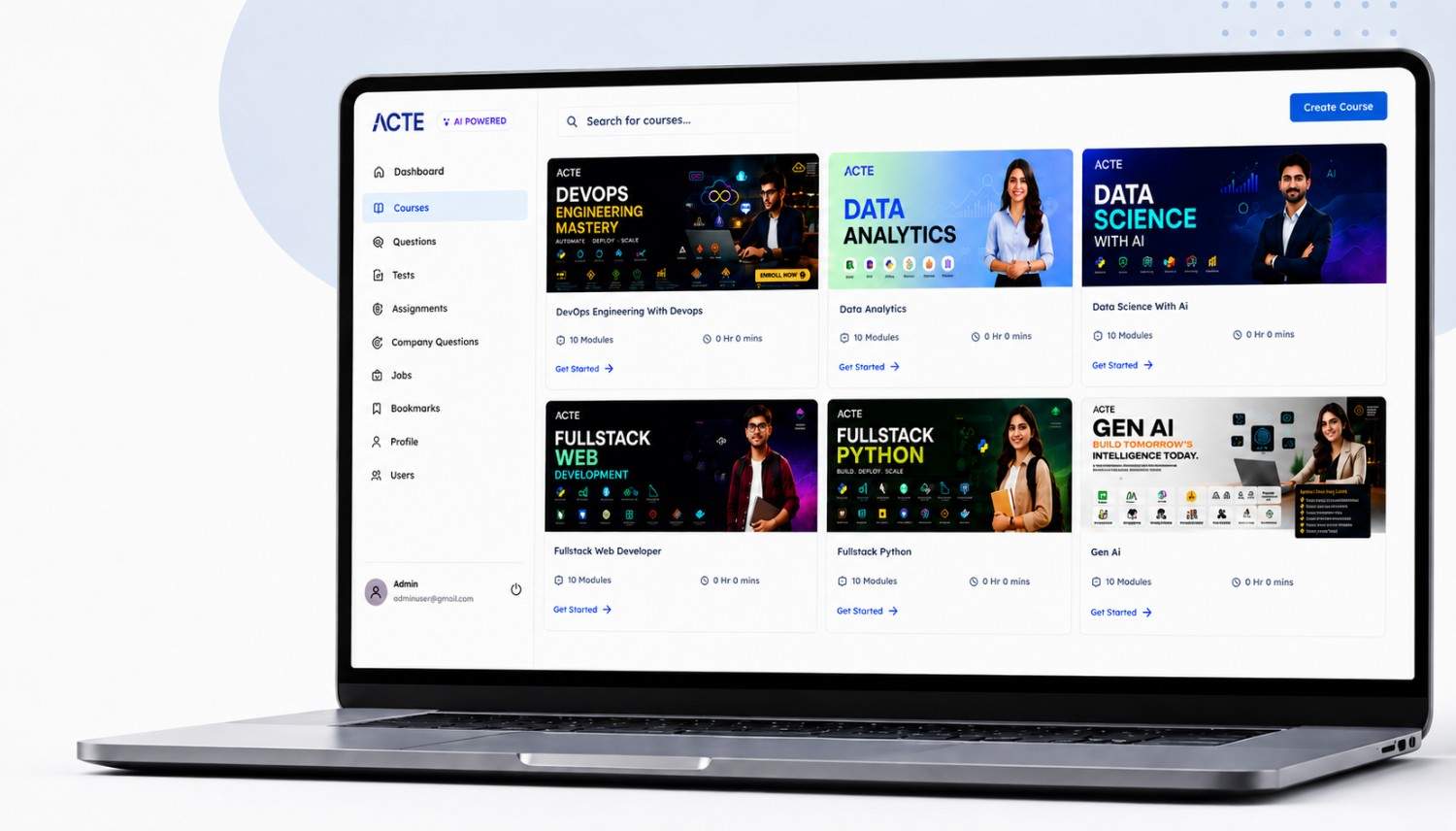
 LMS
LMS