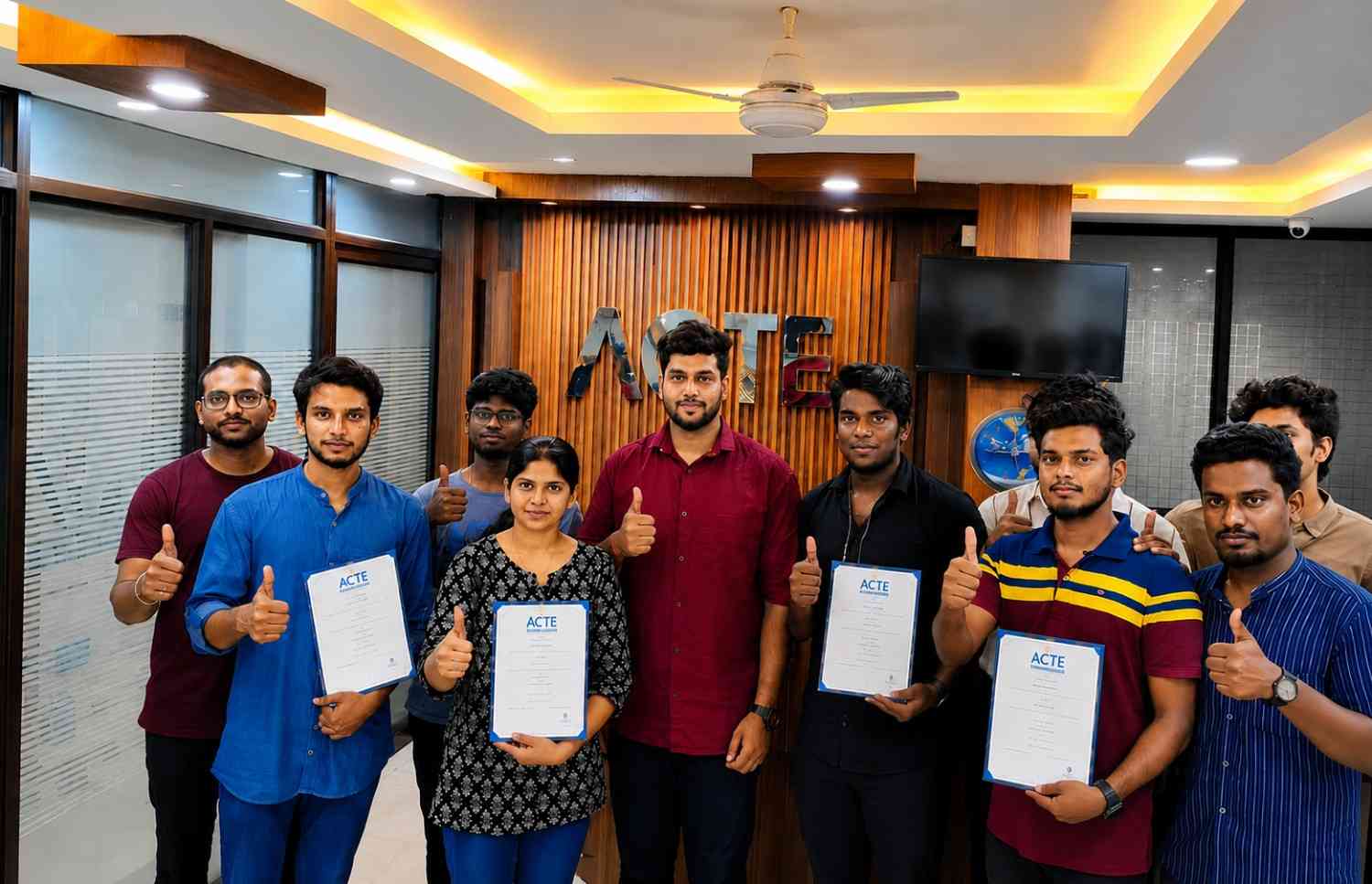
Overview of Hardware Development Course in Gurgaon
The Hardware Development course in Gurgaon is designed to offer participants comprehensive knowledge and hands-on experience in contemporary electronic hardware technologies. The program starts with fundamental subjects such as electronic components, circuit designing principles, and hardware architecture, before advancing toward specialized areas like embedded systems, PCB development, system integration, and product engineering procedures. Participants learn to evaluate circuit performance, comprehend hardware functionality, and develop reliable solutions that meet industry standards. The Hardware Development course in Gurgaon also covers embedded technologies and firmware fundamentals required for intelligent applications across IoT, robotics, industrial automation, automotive technology, medical equipment, and consumer electronics. Through practical training sessions, learners gain experience in schematic development, circuit simulation, PCB layout creation, testing techniques, and prototype engineering. The curriculum also focuses on strengthening analytical thinking, troubleshooting skills, design enhancement, and professional engineering practices required to build successful careers in hardware and embedded technology fields.
Additional Info
Principal Roles and Duties of Hardware Design and Development Specialists
- Hardware Engineer: Develops, constructs, and validates electronic hardware systems, creates circuit configurations, and maintains consistent performance across different industrial applications.
- Embedded Systems Engineer: Develops embedded firmware and software for hardware platforms, connects electronic components with applications, and improves overall system performance.
- PCB Designer: Designs comprehensive PCB layouts, arranges components effectively, handles signal routing, and maintains reliable, production-ready circuit board designs.
- Test Engineer: Conducts hardware verification and testing, identifies design defects, confirms functionality, and maintains compliance with quality and reliability requirements.
- Design Engineer: Develops creative hardware concepts, builds and assesses prototypes, improves product performance, and provides solutions that correspond with industry demands.
- Maintenance Engineer: Conducts routine maintenance, locates hardware problems, completes repair activities, and maintains reliable functioning of electronic systems and equipment.
Tools & Platforms Utilized in Hardware Design and Development Course in Gurgaon
- Arduino: An open-source development platform utilized for embedded projects, enabling participants to create, program, and evaluate interactive hardware applications with ease.
- MATLAB: An advanced engineering application used for modeling, simulation, and evaluation to examine system performance and address complex design challenges.
- Proteus: Electronic circuit simulation software employed to create, validate, and diagnose circuits before developing physical prototypes.
- Keil: An embedded programming environment used for developing, compiling, and troubleshooting microcontroller code for effective firmware creation.
- Altium Designer: A professional PCB development application used to build circuit layouts, enhance component positioning, and create manufacturing-ready hardware boards.
- Multisim: A circuit simulation environment used to evaluate electronic designs, identify faults, and enhance system performance before actual implementation.
Essential Skills in Hardware Design and Development Placement Training in Gurgaon
- Basic Electronics Concepts: Learn core principles such as voltage, current, resistance, and circuit operation to effectively evaluate electronic systems.
- Circuit Design: Develop, simulate, and optimize electronic circuits to enhance functionality, minimize defects, and maintain dependable operation.
- Embedded Technology: Study microcontrollers, embedded platforms, and firmware connectivity to develop intelligent devices for automation and IoT solutions.
- PCB Development: Create printed circuit boards with professional tools while applying appropriate routing, component placement, and dependable hardware practices.
- Prototype Development: Create and evaluate functional hardware prototypes, verify system performance, resolve problems, and enhance design effectiveness.
- Technical Documentation: Develop organized documentation covering design specifications, testing procedures, and project processes for efficient teamwork.
Career Opportunities After Hardware Design and Development Internship Training in Gurgaon
- Rising Industry Demand: The expanding adoption of IoT, robotics, automation, and intelligent systems is generating significant demand for hardware specialists.
- Diverse Career Opportunities: Professionals can pursue positions in automotive electronics, medical equipment, telecommunications, aerospace, and industrial automation sectors.
- Strong Industry Importance: Hardware engineering has an essential role in product development, maintaining consistent demand throughout technology and manufacturing industries.
- Ongoing Skill Development: Specialists need to enhance their expertise with emerging tools and technologies to remain competitive within the changing industry.
- Hands-On Experience: Practical project involvement strengthens designing, testing, troubleshooting, and validation abilities for real-world engineering assignments.
- Professional Growth: With practical experience, specialists can advance toward positions such as Hardware Architect, Senior Design Engineer, or R&D Specialist.
Show More

 LMS
LMS