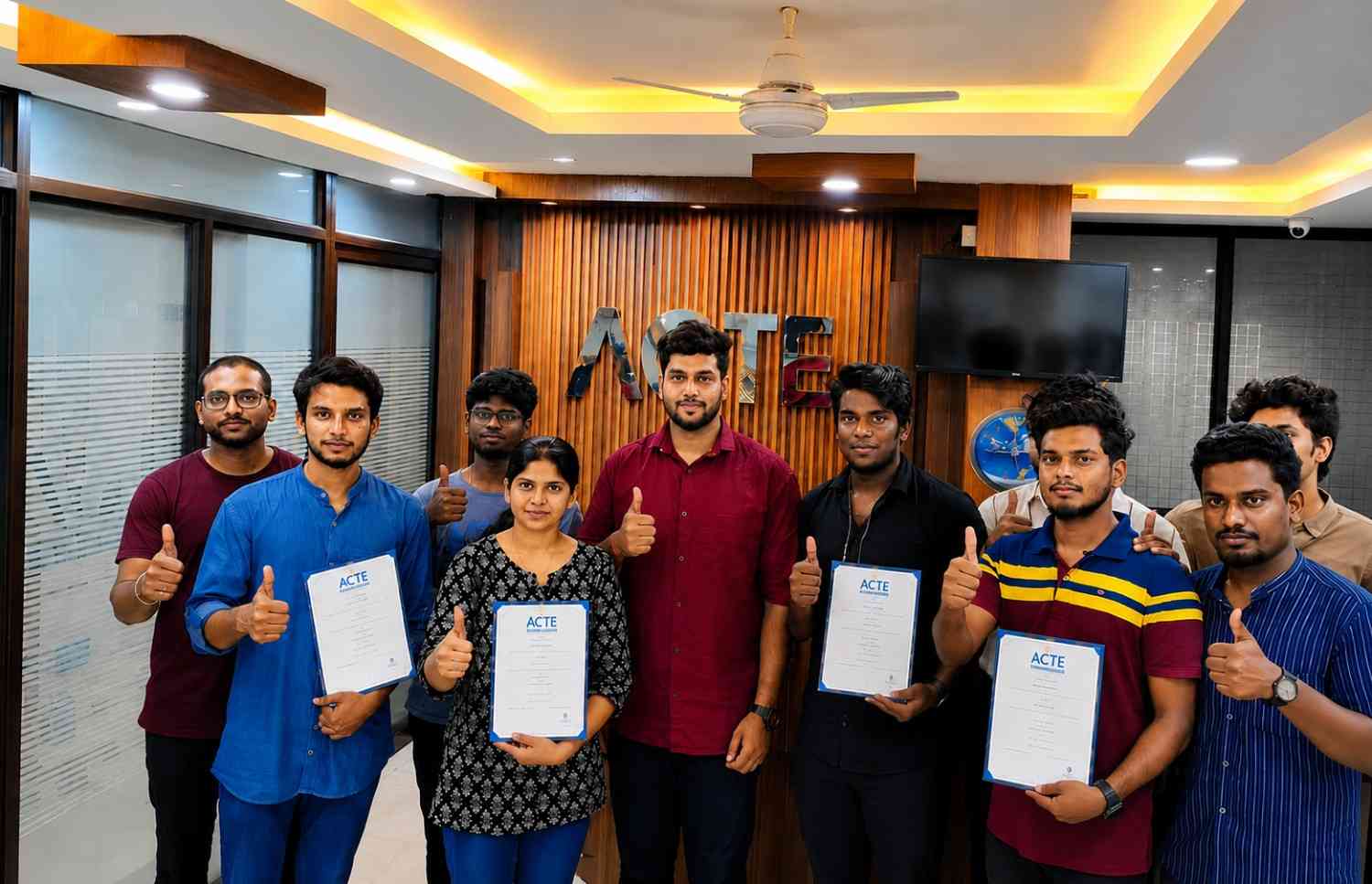
Overview of Hardware Development Course in Maraimalai Nagar
The Hardware Design and Development course in Maraimalai Nagar is carefully structured to provide learners with a complete and practical understanding of how electronic systems are conceived, designed, developed, and transformed into fully functional hardware products. The program begins with fundamental concepts of electronic circuit design, component behavior, and basic system architecture, and gradually progresses toward advanced topics such as system integration, hardware optimization, and complete product development. Students are trained to analyze electronic components in detail, understand signal flow and circuit behavior, and design efficient hardware systems where multiple subsystems interact seamlessly to achieve desired performance. The Hardware Development course in Maraimalai Nagar also introduces essential firmware and embedded system development concepts that support modern intelligent devices used across IoT applications, industrial automation, automotive electronics, healthcare devices, and consumer electronics. Learners gain strong practical exposure through simulation tools, PCB designing techniques, schematic development, and real-time prototyping exercises that replicate industry scenarios. In addition, the training emphasizes critical thinking, problem-solving abilities, design accuracy, and structured engineering workflows.
Additional Info
Key Roles and Responsibilities in Hardware Design and Development Professionals
- Hardware Engineer :
Designing and developing electronic systems and hardware used in various devices. They focus on circuit creation and ensuring reliable hardware functionality across applications.
- Embedded Systems Engineer :
This role focuses on embedded software that operates hardware platforms, interaction between electronic circuits and software logic for efficient system performance.
- PCB Designer :
Responsible for creating accurate printed circuit board layouts by placing components strategically and ensuring proper electrical routing and design stability for efficient and operation.
- Test Engineer :
Responsible for validating hardware modules against quality standards, performing functional testing, and ensuring system reliability before deployment in real-world industrial applications.
- Design Engineer :
Works on developing innovative hardware concepts by creating prototypes, testing ideas and delivering efficient engineering solutions that meet performance and industry requirements effectively.
- Maintenance Engineer :
Handles regular inspection and maintenance of hardware systems to ensure smooth performance and improve the overall durability and reliability of electronic systems.
Software & Platforms Used in Hardware Design and Development Course in Maraimalai Nagar
- Arduino :
A popular open-source hardware platform used to design and build small electronic systems. It allows learners to program and create interactive real-time embedded projects effectively.
- MATLAB :
A technical computing tool used for system modeling, data analysis, and simulations. It helps learners visualize electrical behavior, analyze circuits, and interpret complex engineering data efficiently.
- Proteus :
A circuit simulation software used to design and test electronic systems virtually. It enables engineers to validate circuit performance and troubleshoot designs before building physical prototypes.
- Keil :
An embedded development environment used for programming microcontrollers. It supports coding, compiling, and debugging firmware applications used in various hardware-based electronic systems.
- Altium Designer :
PCB design tool used for creating complex circuit board layouts. It helps engineers place components accurately and design reliable, production-ready electronic hardware systems.
- Multisim :
An electronic circuit simulation software used to analyze and test circuit behavior virtually. It helps refine designs, detect errors, and improve performance before real hardware implementation.
Core Competencies in Hardware Design and Development Training in Maraimalai Nagar
- Basic Electronics Concepts:
Understand core electrical principles such as voltage, current flow and circuit behavior to analyze how complete electronic systems operate effectively in real-world applications.
- Design of Circuits:
Develop and refine electronic circuits using simulation tools to identify errors, improve performance, and ensure efficient system operation with optimized output and stability.
- Embedded Technology:
Gain knowledge of microcontroller-based systems and understand how embedded software interacts with hardware in smart devices and IoT applications effectively.
- PCB Development:
Use professional tools like Altium Designer to design and arrange circuit components, ensuring proper routing, stability, and reliable performance in real-world hardware systems.
- Prototype Building:
Work with Arduino platforms to build hardware prototypes, test functionality, troubleshoot errors, and refine designs before moving into final production and deployment stages.
- Technical Documentation:
Create structured technical reports covering design, testing, and development processes to improve clarity, collaboration, and accurate communication among engineering teams.
Job Opportunities After Hardware Design and Development Training Institute in Maraimalai Nagar
- Rising Industry Requirement:
The rapid growth of smart devices, robotics, and connected systems has significantly increased demand for skilled hardware engineers across modern technology-driven industries.
- Wide Employment Options:
Professionals can explore diverse career opportunities in automotive systems, healthcare devices, industrial automation, and telecom infrastructure sectors.
- Strong Market Importance:
Hardware plays a vital role in physical product development, ensuring consistent demand and stable job opportunities across multiple established and emerging industries.
- Ongoing Knowledge Upgradation:
Engineers must continuously update their skills with evolving tools and emerging technologies to stay competitive and relevant in the fast-changing industry landscape.
- Practical Engineering Exposure:
Provides strong hands-on experience in designing and validating electronic systems, helping learners gain real-world engineering and problem-solving capabilities.
- Growth Potential in Career:
With experience and expertise, professionals can advance into senior roles such as system architect, lead hardware engineer, design specialist, or research and development expert.
Show More

 LMS
LMS