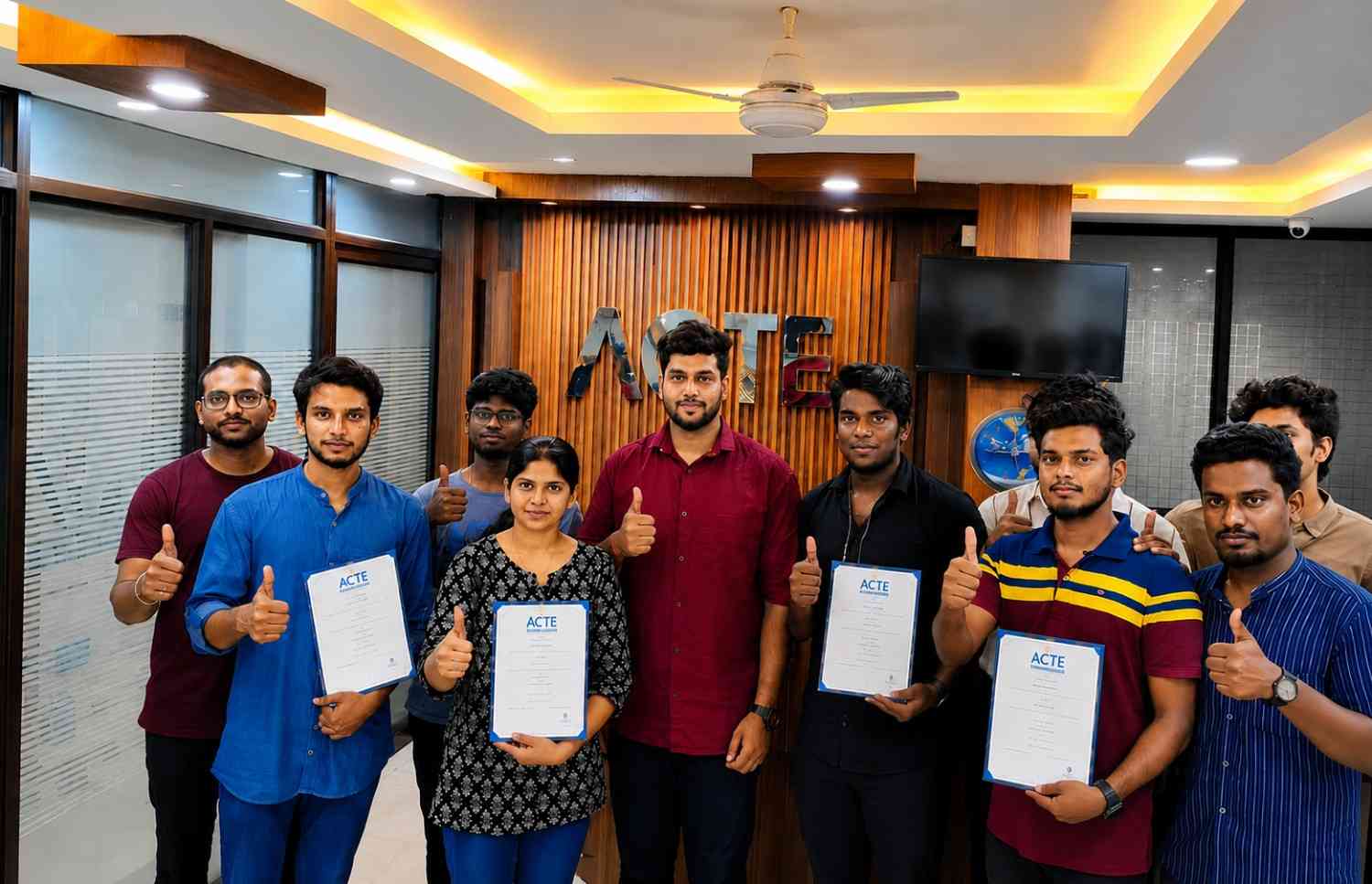
Overview of Hardware Design and Development Course in Noida
The Hardware Design and Development course in Noida is structured to provide learners with extensive understanding and practical exposure to modern electronic hardware technologies. The program begins with essential topics including electronic components, circuit design concepts, and hardware architecture, then progresses into specialized domains such as embedded systems, PCB creation, system integration, and product engineering practices. Participants learn to assess circuit behavior, understand hardware operations, and create dependable solutions that satisfy industry requirements. The Hardware Design and Development course in Noida also introduces embedded technologies and firmware basics needed for intelligent applications across IoT, robotics, industrial automation, automotive systems, medical devices, and consumer electronics. Through practical learning sessions, participants gain experience in schematic design, circuit modeling, PCB layout development, testing methods, and prototype creation. The curriculum additionally emphasizes improving analytical abilities, troubleshooting techniques, design optimization, and professional engineering methods essential for developing successful careers in hardware and embedded technology domains.
Additional Information
Key Positions and Responsibilities of Hardware Design and Development Professionals
- Hardware Engineer: Creates, develops, and verifies electronic hardware systems, prepares circuit designs, and ensures stable performance across various industrial applications.
- Embedded Systems Engineer: Creates embedded firmware and software for hardware platforms, integrates electronic components with applications, and enhances complete system efficiency.
- PCB Designer: Develops detailed PCB layouts, positions components appropriately, manages signal routing, and ensures dependable, production-ready circuit board designs.
- Test Engineer: Performs hardware validation and testing, detects design issues, verifies functionality, and ensures adherence to quality and reliability standards.
- Design Engineer: Creates innovative hardware concepts, develops and evaluates prototypes, enhances product efficiency, and delivers solutions aligned with industry requirements.
- Maintenance Engineer: Performs regular maintenance, identifies hardware issues, carries out repair tasks, and ensures dependable operation of electronic systems and equipment.
Tools & Platforms Used in Hardware Design and Development Course in Noida
- Arduino: An open-source development platform used for embedded projects, allowing learners to design, program, test, and prototype interactive hardware applications conveniently.
- MATLAB: A sophisticated engineering tool utilized for modeling, simulation, analysis, and evaluation to assess system behavior and solve complex design problems effectively.
- Proteus: Electronic circuit simulation software used to design, verify, simulate, and troubleshoot circuits before producing physical prototypes for practical hardware applications.
- Keil: An embedded development environment utilized for creating, compiling, testing, and debugging microcontroller programs to support efficient and reliable firmware development.
- Altium Designer: A professional PCB design application used to create circuit layouts, optimize component placement, manage routing, and produce manufacturing-ready hardware boards.
- Multisim: A circuit simulation platform used to assess electronic designs, detect errors, analyze circuit behavior, and improve system functionality before practical deployment.
Core Skills in Hardware Design and Development Placement Training in Noida
- Basic Electronics Knowledge: Understand fundamental concepts such as voltage, current, resistance, and circuit behavior to effectively analyze electronic systems.
- Circuit Design: Design, simulate, and optimize electronic circuits to enhance performance, minimize faults, and ensure dependable functionality across diverse applications.
- Embedded Technology: Explore microcontrollers, embedded platforms, and firmware integration to build intelligent devices for automation and IoT applications.
- PCB Development: Design printed circuit boards using professional applications while following suitable routing, component placement, and reliable hardware practices.
- Prototype Development: Build and assess functional hardware prototypes, validate system performance, troubleshoot issues, and improve design efficiency.
- Technical Documentation: Prepare structured documentation covering design requirements, testing methods, and project procedures for productive collaboration.
Career Opportunities After Hardware Design and Development Internship Training in Noida
- Increasing Industry Demand: The growing adoption of IoT, robotics, automation, and intelligent technologies is creating substantial demand for skilled hardware professionals across industries.
- Wide Career Opportunities: Professionals can explore diverse roles across automotive electronics, medical devices, telecommunications, aerospace, and industrial automation industries.
- Significant Industry Relevance: Hardware engineering plays a vital part in product development, sustaining consistent demand across technology and manufacturing sectors worldwide.
- Continuous Skill Enhancement: Professionals must regularly update their knowledge of emerging tools, technologies, and industry practices to remain competitive in evolving markets.
- Practical Experience: Participation in hands-on projects strengthens design, testing, troubleshooting, and validation capabilities for real-world engineering tasks and professional responsibilities.
- Career Advancement: With practical expertise, professionals can progress toward advanced roles such as Hardware Architect, Senior Design Engineer, or R&D Specialist positions.
Show More

 LMS
LMS