Best Hardware Design Training In OMR ⭐ Hardware Development Course With Certification In OMR. | Updated 2026
Home » Others Courses Online » Hardware Design and Development Training in OMR

Hardware Design and Development Training in OMR

Rated #1 Recognized as the No.1 Institute for Hardware Design Development Training

Our Hardware Design Development Training provides an in-depth, hands-on learning experience to help you master the concepts, techniques, tools, methodologies, and best practices of hardware design.

This course covers key topics such as circuit design, PCB layout, hardware troubleshooting, component selection, testing, and performance analysis. Through practical projects, you will develop the skills needed to create efficient hardware solutions, and the performance and reliability of your hardware systems.

  • Join our training program for hardware design development now!
  • Join Over 350 Hiring Companies and 13,898+ Successful Graduates.
  • Gain Practical Experience with Real-World Hardware Design Projects.
  • Unlock New Career Opportunities in Electronics and Hardware Engineering.
  • Affordable, Industry-Recognized Curriculum with 100% Placement Support.
  • Earn your Hardware Design Development Certification and advance your IT career!

  • Start With Hardware Design And Development Training In OMR To Build A Successful Career.
  • Develop Confidence Through Hands-On Training, Industry Exposure, And Practical Skill Development.
  • Receive Placement Assistance And Career Guidance For Opportunities In Hardware Design.
  • Master Circuit Design And Real-Time Development Through Practical Projects And Lab Sessions.

Job Assistance

1,200+ Enrolled

In collaboration with

65+ Hrs.

Duration

Online/Offline

Format

LMS

Life Time Access

Quality Training With Affordable Fee

⭐ Fees Starts From

INR 36,000
INR 16,500
100% Placements | Get Hired in Top MNC

Our Hiring Partners

Enroll in Hardware Design and Development Training in OMR

  • This program covers circuit design, embedded systems, PCB layout, microcontrollers, and hardware testing. It strengthens core electronics knowledge and helps learners understand how components interact within complete systems used in modern hardware development and product engineering workflows.
  • Participants gain practical exposure through live projects involving prototyping, debugging, and optimisation. These activities improve analytical thinking and ensure hands-on learning in Hardware Design and Development training in OMR with industry-relevant problem solving skills.
  • Internship opportunities allow students to work on real-time projects with industry professionals in Chennai. This experience enhances technical skills, builds confidence, and provides insight into real-world hardware development processes and industry expectations and improves employability readiness.
  • The training is guided by experienced engineers who share practical industry knowledge. They help students understand current market requirements, modern design methodologies, and evolving hardware technologies used in embedded and electronic product development sectors.
  • Both foundational and advanced concepts are taught using industry-standard tools, real-world examples, and case studies. This helps learners develop strong technical capabilities and confidently handle complex hardware systems and design challenges in professional environments.
  • Career support in Hardware Design and Development training in OMR also provided, including resume building, interview preparation, and placement assistance, helping students move into hardware design and development roles in leading companies and electronics product-based organisations.

Skills You Will Gain from Hardware Design and Development Training

Learn the fundamentals of electronic circuits and embedded systems through structured training in OMR.

Work on real-time hardware projects that include testing, debugging, and prototype development.

Gain experience using microcontrollers, development boards, and modern design tools for hardware solutions.

Receive certification along with expert guidance, hands-on learning, and placement assistance for career growth.

Your IT Career Starts Here

550+ Students Placed Every Month!

Get inspired by their progress in the Career Growth Report.

Other Categories Placements
  • Non-IT to IT (Career Transition) 2371+
  • Diploma Candidates3001+
  • Non-Engineering Students (Arts & Science)3419+
  • Engineering Students3571+
  • CTC Greater than 5 LPA4542+
  • Academic Percentage Less than 60%5583+
  • Career Break / Gap Students2588+

Upcoming Batches For Classroom and Online

Weekdays
01 - Jun - 2026
08:00 AM & 10:00 AM
Weekdays
03 - Jun - 2026
08:00 AM & 10:00 AM
Weekends
06 - Jun - 2026
(10:00 AM - 01:30 PM)
Weekends
07 - May - 2026
(09:00 AM - 02:00 PM)
Can't find a batch you were looking for?
INR 16,500
INR 36,000

OFF Expires in

Who Should Take a Hardware Design Development Training

IT Professionals

Non-IT Career Switchers

Fresh Graduates

Working Professionals

Diploma Holders

Professionals from Other Fields

Salary Hike

Graduates with Less Than 60%

Show More

Job Roles For Hardware Development Certification Course

Hardware Engineer

PCB Designer

Embedded Engineer

Firmware Developer

Test Engineer

Circuit Designer

System Integrator

Validation Engineer

Show More

What’s included ?

Convenient learning format

📊 Free Aptitude and Technical Skills Training

  • Learn basic maths and logical thinking to solve problems easily.
  • Understand simple coding and technical concepts step by step.
  • Get ready for exams and interviews with regular practice.
Dedicated career services

🛠️ Hands-On Projects

  • Work on real-time projects to apply what you learn.
  • Build mini apps and tools daily to enhance your coding skills.
  • Gain practical experience just like in real jobs.
Learn from the best

🧠 Launch Your Career in Top MNC Companies

  • Master technical and HR interview rounds.
  • Gain confidence with expert mock interview practice.
  • Improve your chances of getting hired faster.
Learn from the best

🎯 Interview Preparation For Freshers

  • Practice company-based interview questions.
  • Take online assessment tests to crack interviews
  • Practice confidently with real-world interview and project-based questions.
Learn from the best

🧪 LMS Self Learning Platform

  • Explore expert trainer videos and documents to boost your learning.
  • Study anytime with on-demand videos and detailed documents.
  • Top MNC interview questions & self coding practice.

Curriculum

Syllabus of Hardware Design and Development Training in OMR
Module 1: Electronics Basics
  • Components
  • Circuits
  • Analog vs Digital
  • Ohm’s Law
  • Tools
Module 2: Digital Electronics
  • Logic Gates
  • Flip-Flops
  • Counters
  • Registers
  • Boolean Algebra
  • Timing
Module 3: Microcontrollers
  • Architecture
  • Programming
  • I/O
  • Timers
  • Interrupts
  • Communication
Module 4: Embedded Systems
  • RTOS
  • Firmware
  • Memory
  • Drivers
  • Applications
Module 5: PCB Design
  • Schematic Design
  • Layout
  • Routing
  • Multilayer
  • Design Rules
  • PCB Prototyping
Module 6: Communication Protocols
  • UART
  • SPI
  • I2C
  • CAN
  • Ethernet
Module 7: Testing & Debugging
  • Testing Methods
  • Oscilloscope
  • Fault Detection
  • Debugging
  • Validation
  • Performance Analysis
Module 8: Product Development
  • Prototyping
  • Manufacturing
  • Documentation
  • Compliance
  • Lifecycle
Show More
Show Less

Course Objectives

This certification validates your ability to design and develop hardware systems, including embedded systems and circuit design.
  • Learn fundamental circuit design concepts
  • Understand PCB design and development
  • Gain knowledge of embedded systems
  • Build and develop hardware prototypes
Basic knowledge of electronics and circuits is recommended. A computer with required software tools is also needed.
Yes, it offers strong career value as hardware and embedded systems are widely used in automotive, robotics, and IoT industries.
  • Arduino
  • MATLAB
  • Proteus
  • KiCad
  • OrCAD
Yes, beginners can start with basics and gradually advance through hands-on practical learning.
You can pursue roles such as Hardware Engineer or Embedded Systems Engineer with strong growth potential.
It is moderately to highly challenging, especially for beginners without electronics background.
  • Builds strong core engineering skills
  • High demand across tech industries
  • Emphasis on practical, hands-on learning
  • Circuit design and testing
  • PCB layout design
  • Microcontroller programming
  • Troubleshooting and debugging
  • Real-time project development
Hardware design offers strong industry demand, innovation opportunities, and long-term career stability in electronics and embedded systems domains.
Industries such as automotive, robotics, IoT, aerospace, consumer electronics, and industrial automation heavily rely on hardware design professionals.
Show More

Overview of Hardware Design and Development Course in OMR

The Hardware Design and Development Course in OMR provides a complete understanding of the entire hardware development lifecycle, starting from initial schematic design to prototyping, testing, validation, and final production. Learners gain strong foundational knowledge in circuit design principles, electronic components, and system architecture, enabling them to build efficient and reliable hardware solutions for real-world applications. The Hardware Design and Development Course in OMR also covers embedded programming, allowing students to integrate software with hardware for intelligent systems used in robotics, automotive electronics, IoT devices, and modern consumer electronics. In addition to theoretical concepts, the program strongly emphasizes hands-on practical training using industry-standard simulation tools, PCB design software, and prototyping techniques. Students work on real-time projects that enhance their problem-solving abilities, analytical thinking, and technical confidence. By the end of the course, learners are well-prepared to design, develop, and troubleshoot complex hardware systems while meeting industry requirements and standards in the electronics and embedded systems domain.

Additional Info

Job Roles and Responsibilities in Hardware Design and Development

  • Hardware Engineer: Designs electronic systems, integrates components, and optimizes hardware performance for reliable industrial and real-time applications.
  • Embedded Systems Engineer: Develops embedded software and ensures seamless interaction between hardware and software for efficient system control and automation solutions.
  • PCB Designer: Creates precise PCB layouts with correct routing and placement to ensure signal integrity, performance, and manufacturable circuit designs.
  • Test Engineer: Evaluates hardware components through testing and validation to ensure quality, reliability, and performance before production release.
  • Design Engineer: Develops innovative hardware products using design, prototyping, and testing methods to enhance efficiency and real-world usability.
  • Maintenance Engineer: Maintains hardware systems, performs troubleshooting, and ensures continuous operation with reduced downtime and improved reliability.

Tools Covered in Hardware Design and Development Training

  • Arduino: An open-source platform used for developing embedded systems and hardware prototypes. It allows engineers to build, test, and control devices using microcontrollers and sensors.
  • MATLAB: A powerful simulation and analysis tool used for electronic system modeling. Helps engineers design, test, and visualize system performance using advanced mathematical and engineering.
  • Proteus: A circuit simulation software used to design and test electronic circuits virtually. It helps detect design errors before physical implementation, saving time and improving accuracy.
  • Keil: A development environment used for programming and debugging microcontrollers. It supports efficient embedded system development with advanced coding and testing features.
  • Altium Designer: A professional PCB design tool used for creating complex circuit board layouts. Ensures high precision, reliability, and optimized hardware design for electronic systems.
  • Multisim: A circuit simulation tool used for designing, testing, and analyzing electronic circuits. Helps engineers validate circuit performance before building physical prototypes.

Essential Skills Gained in Hardware Design and Development Training

  • Electronic Fundamentals: Covers basic concepts like voltage, current, resistance, and circuit behavior. Helps understand how electronic components interact in real systems.
  • Circuit Design: Focuses on designing, analyzing, and optimizing electronic circuits using simulation tools. Improves troubleshooting skills and system performance.
  • Embedded Systems: Teaches microcontroller programming and integration of hardware with software systems used in IoT and automation applications.
  • PCB Design: Involves creating printed circuit board layouts using professional design tools with correct routing and signal integrity.
  • Prototyping: Uses Arduino to build and test hardware models before final production, helping validate designs and improve functionality.
  • Documentation: Involves preparing technical reports and project documentation to improve communication and ensure clear engineering records.

Career Scope of Hardware Design and Development Training

  • Growing Demand: Increasing use of IoT, robotics, and embedded systems has created high demand for hardware professionals in modern industries.
  • Versatile Opportunities: Hardware professionals can work in automotive, electronics, healthcare, and telecommunications sectors with flexible career paths.
  • Industry Relevance: Hardware design is essential for building real-world electronic products, ensuring long-term job stability across industries.
  • Continuous Learning: Rapid technological advancements require professionals to regularly update skills and adapt to new tools and technologies.
  • Hands-on Experience: The field provides strong practical exposure to designing, testing, and building real hardware systems.
  • Career Growth: With experience, professionals can advance into senior engineer, embedded architect, or R&D positions with leadership roles.
Show More

Need customized curriculum?

Hands-on Real-Time Hardware Design and Development Projects

Top Hiring Partners for Hardware Design Placement in OMR

  • Real-time tools and placement support help learners build strong skills in embedded systems, circuit design, and PCB development for industry readiness.
  • Professional guidance on resume building, interview preparation, and communication skills helps students perform confidently in technical and HR interviews.
  • Hardware Design placement in OMR with top hiring partners like HCL, Wipro, Dell, Accenture, Google, CTS, TCS, IBM BigFix and others offer global opportunities for skilled hardware professionals.
  • Hands-on industry exposure through IoT, microcontroller, and circuit design projects strengthens practical knowledge and real-world engineering experience.
  • Industry-focused training prepares learners for roles such as Hardware Engineer, Embedded Systems Engineer, and Design Engineer in core electronics fields.
  • Assignments, mock interviews, aptitude practice, and recruiter guidance improve problem-solving skills and boost overall career confidence.
  • Continuous career support and Hardware Design placement in OMR assistance help students improve technical skills and increase chances of success in engineering job roles.

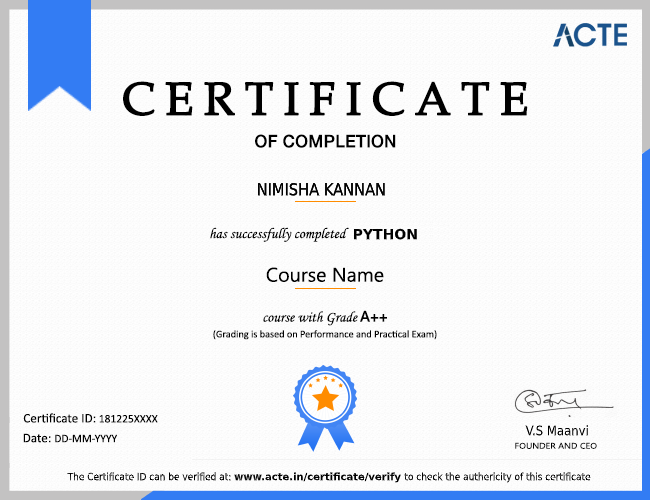
Get Certified in Hardware Design And Development

The Hardware Design & Development certification program is designed to help both beginners and experienced learners strengthen their skills in circuit design, embedded systems, and PCB development. This certification training combines theoretical concepts with practical training to build strong hands-on experience in designing, testing, and managing hardware systems. Learners work with real-time tools and industry-based applications, gaining the confidence and technical expertise required for core engineering roles. The program also prepares students for career opportunities such as Hardware Engineer and Embedded Systems Engineer in the electronics industry.

Complete Your Course

a downloadable Certificate in PDF format, immediately available to you when you complete your Course

Get Certified

a physical version of your officially branded and security-marked Certificate.

Get Certified

Learn from Expert Hardware Design And Development Trainers

  • Experienced MNC professionals offer placement support, real-time project exposure, and certified Hardware Design and Development trainers with 7+ years of industry expertise.
  • Complex electronics concepts are simplified through hands-on training in embedded systems and hardware design for better understanding and clarity.
  • Career guidance and technical mentoring are provided to help students understand industry expectations and prepare for hardware engineering job roles.
  • Advanced topics like PCB design, embedded systems, and hardware simulation are covered to meet current industry standards and technical requirements.
  • Hardware Design and Development trainers have strong industry knowledge in PCB design, embedded systems, and circuit development, helping students gain practical engineering skills.
  • Real-world projects, lab sessions, and practical exercises enhance problem-solving skills and improve hands-on technical experience in hardware development.
  • Continuous mentorship and industry insights help learners build confidence and prepare effectively for successful careers in hardware engineering roles.

Authorized Partners

ACTE TRAINING INSTITUTE PVT LTD is the unique Authorised Oracle Partner, Authorised Microsoft Partner, Authorised Pearson Vue Exam Center, Authorised PSI Exam Center, Authorised Partner Of AWS .

100% Placements | Get Hired in Top MNC

    Career Support

    Placement Assistance

    Exclusive access to ACTE Job portal

    Mock Interview Preparation

    1 on 1 Career Mentoring Sessions

    Career Oriented Sessions

    Resume & LinkedIn Profile Building

    We Offer High-Quality Training at The Lowest Prices.

    Affordable, Quality Training for Freshers to Launch IT Careers & Land Top Placements.

    What Makes ACTE Training Different?

    Feature

    ACTE Technologies

    Other Institutes

    Affordable Fees

    Competitive Pricing With Flexible Payment Options.

    Higher Fees With Limited Payment Options.

    Industry Experts

    Well Experienced Trainer From a Relevant Field With Practical Training

    Theoretical Class With Limited Practical

    Updated Syllabus

    Updated and Industry-relevant Course Curriculum With Hands-on Learning.

    Outdated Curriculum With Limited Practical Training.

    Hands-on projects

    Real-world Projects With Live Case Studies and Collaboration With Companies.

    Basic Projects With Limited Real-world Application.

    Certification

    Industry-recognized Certifications With Global Validity.

    Basic Certifications With Limited Recognition.

    Placement Support

    Strong Placement Support With Tie-ups With Top Companies and Mock Interviews.

    Basic Placement Support

    Industry Partnerships

    Strong Ties With Top Tech Companies for Internships and Placements

    No Partnerships, Limited Opportunities

    Batch Size

    Small Batch Sizes for Personalized Attention.

    Large Batch Sizes With Limited Individual Focus.

    LMS Features

    Lifetime Access Course video Materials in LMS, Online Interview Practice, upload resumes in Placement Portal.

    No LMS Features or Perks.

    Training Support

    Dedicated Mentors, 24/7 Doubt Resolution, and Personalized Guidance.

    Limited Mentor Support and No After-hours Assistance.

    FAQs

    Looking for better Discount Price?

    Call now: +91-7669 100 251 and know the exciting offers available for you!
    • ACTE is the Legend in offering placement to the students. Please visit our Placed Students List on our website
    • We have strong relationship with over 700+ Top MNCs like SAP, Oracle, Amazon, HCL, Wipro, Dell, Accenture, Google, CTS, TCS, IBM etc.
    • More than 3500+ students placed in last year in India & Globally
    • ACTE conducts development sessions including mock interviews, presentation skills to prepare students to face a challenging interview situation with ease.
    • 85% percent placement record
    • Our Placement Cell support you till you get placed in better MNC
    • Please Visit Your Student Portal | Here FREE Lifetime Online Student Portal help you to access the Job Openings, Study Materials, Videos, Recorded Section & Top MNC interview Questions
    ACTE certification validates your technical knowledge and practical skills in hardware design and development. It enhances your resume and improves your chances of getting hired. While recognition may vary across companies, it becomes highly valuable when combined with hands-on project experience.
    Yes, students will work on real-time projects such as circuit design, PCB layout, and embedded system implementation. These projects help you gain practical experience and understand real-world hardware development processes.
    At ACTE, all instructors are highly experienced professionals with 10 to 12 years of relevant experience in the IT and electronics industries. They work in live corporate environments, ensuring they stay up to date with the latest industry trends and practices. Several expert instructors are available and are selected based on their technical expertise, teaching ability, and hands-on experience in hardware design, embedded systems, and PCB development.
    If you miss a class, you can access recorded sessions through the student portal. Make-up sessions are also available. Study materials are provided to ensure you don’t miss important topics.
    ACTE offers classroom training, online sessions, one-on-one training, fast-track courses, and customized training options. This flexibility allows you to choose a learning mode that suits your schedule.

    Why should I enroll in the Hardware Design and Development Master Program Training at ACTE?

    The Hardware Design and Development Master Program at ACTE provides hands-on experience in circuit design, PCB layout, embedded systems, and hardware testing. You will gain practical exposure to real-time applications, and after completion, you will receive ACTE certification, preparing you for roles in electronics and embedded systems industries.
    Yes We Provide Lifetime Access for Student’s Portal Study Materials, Videos & Top MNC Interview Question.
    Yes, the course includes extensive hands-on training through real-world projects and lab sessions. This helps you build strong technical skills and prepares you for industry challenges.
    Yes, we offer complete job assistance after course completion. This includes practical training, hands-on project experience, and support with resume preparation. We also provide aptitude training, mock interviews, and group discussions to help you perform confidently in job interviews.
    The internationally renowned ACTE Hardware Design and Development Course completion certification will be awarded to you.
    For the Hardware Design and Development Course course, we provide recorded video lessons. You can learn at your own pace by using our course platform to view the pre-recorded sessions after completing the payment and enrolment process.
    You can contact our support number at +91 76691 00251 Directly can do by ACTE.in's E-commerce payment system Login or directly walk-in to one of the ACTE branches in India
    Show More

    Job Opportunities in Hardware Design Development

    More Than 35% Prefer Hardware Design Development. Hardware Design Development Is One of the Most Popular and In-Demand Technologies in the Tech World.