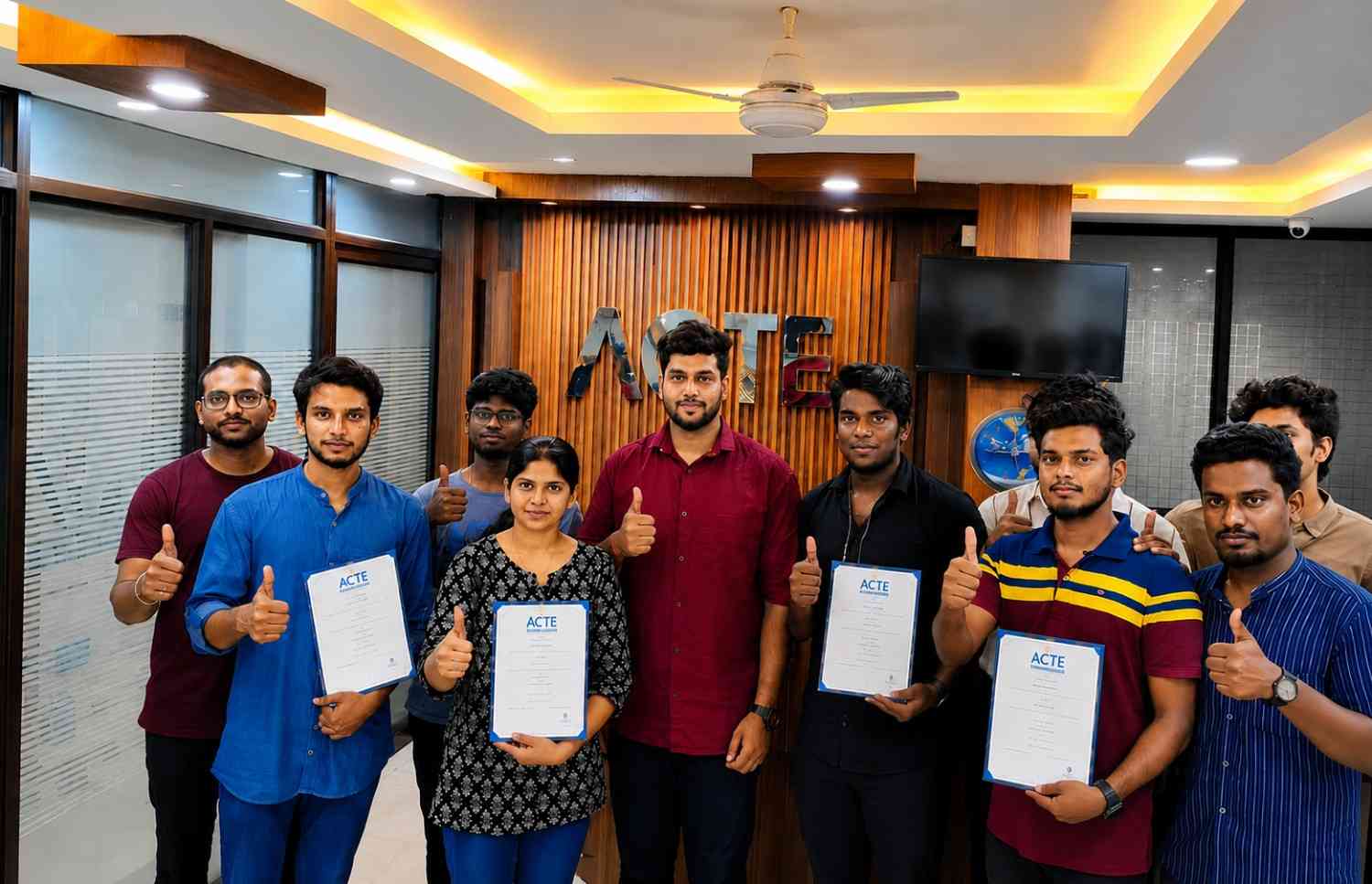
Overview of Hardware Design and Development Course in Rajaji Nagar
Hardware Design and Development Course in Rajaji Nagar provides comprehensive training in designing, developing, testing, and implementing modern electronic systems. The course covers essential topics such as circuit design, embedded systems, PCB design, microcontroller programming, hardware debugging, system integration, and performance optimization. By combining theoretical concepts with practical implementation, learners develop the technical expertise required to build reliable hardware solutions for industries including robotics, automotive, consumer electronics, industrial automation, and IoT. Through real-time projects, simulation tools, PCB design software, hardware prototyping, and testing techniques, students gain hands-on experience in developing and optimizing electronic devices that meet industry standards. The Hardware Design and Development Course in Rajaji Nagar also includes practical laboratory sessions, live projects, and expert mentorship to strengthen analytical thinking, troubleshooting skills, and confidence in handling real-world hardware challenges. In addition, the Hardware Design and Development Internship in Rajaji Nagar provides valuable industry exposure, allowing learners to work on real-time projects and understand professional development practices. With certification, placement assistance, and career-focused training, this course equips students with the knowledge and practical skills needed to build successful careers in hardware design and embedded systems engineering.
Additional Info
Job Roles and Responsibilities for Hardware Design and Development Professionals
- Hardware Engineer :
Designs, develops, and tests electronic circuits and hardware systems while improving performance, reliability, and efficiency for a wide range of electronic devices.
- Embedded Engineer :
Develops embedded software that works with hardware, ensuring seamless communication, efficient functionality, and reliable performance in embedded systems.
- PCB Designer :
Creates accurate PCB layouts, placing and connecting components efficiently to ensure reliable, high-performance, and manufacturable electronic products.
- Test Engineer :
Evaluates hardware systems through testing and debugging to identify defects, verify quality, and ensure products meet performance and reliability standards.
- Design Engineer :
Develops innovative hardware solutions by designing prototypes, validating concepts, and refining products to meet technical and industry requirements.
- Maintenance Engineer :
Maintains, troubleshoots, and repairs hardware systems to improve performance, reduce downtime, and ensure long-term operational reliability.
Widely Used Tools and Platforms in Hardware Design and Development Training in Rajaji Nagar
- Arduino :
An open-source platform for building embedded systems, enabling learners to prototype, program, and test electronic projects using sensors, actuators, and microcontrollers.
- MATLAB :
A simulation and analysis tool used to model electronic systems, visualize data, and validate hardware designs before real-world implementation.
- Proteus :
A circuit simulation software that helps design, test, and debug electronic circuits virtually, reducing development time and improving design accuracy.
- Keil :
A microcontroller development tool used for coding, compiling, and debugging embedded applications with efficient performance and reliable execution.
- Altium Designer :
A professional PCB design software for creating accurate circuit layouts, improving board performance, reliability, and manufacturing efficiency.
- Multisim :
An electronic circuit simulation tool used to analyze, test, and optimize circuit designs before developing physical hardware prototypes.
Essential Skills You’ll Learn in a Hardware Design and Development Training
- Electronics Basics :
Learn core electronics concepts, including voltage, current, resistance, and circuit behavior, to understand how electronic components work together in hardware systems.
- Circuit Design :
Design, analyze, and optimize electronic circuits using simulation tools while improving performance, efficiency, and overall system reliability.
- Embedded Systems :
Gain knowledge of microcontrollers and embedded systems to develop smart hardware solutions for automation, IoT, and consumer electronics.
- PCB Design :
Learn PCB layout, component placement, routing, and signal optimization to create reliable and efficient printed circuit board designs.
- Prototyping :
Build, test, and validate hardware prototypes using development platforms to improve functionality before final product deployment.
- Hardware Debugging :
Identify, troubleshoot, and resolve hardware issues using testing and diagnostic tools to ensure reliable system performance.
- Documentation :
Create technical documents, design reports, and test records while collaborating effectively with teams throughout the hardware development process.
Career Scope of Hardware Design and Development Training
- High Demand :
The rapid growth of IoT, robotics, and embedded systems has created strong demand for skilled hardware professionals across multiple technology-driven industries.
- Career Options :
Hardware professionals can build careers in automotive, healthcare, electronics, telecommunications, industrial automation, and consumer technology sectors.
- Industry Value :
Hardware design skills remain essential for developing reliable electronic products, ensuring long-term career opportunities and job stability.
- Skill Growth :
Continuous learning of new tools, technologies, and embedded systems helps professionals stay competitive in the evolving electronics industry.
- Practical Learning :
The field offers hands-on experience in designing, testing, debugging, and developing hardware systems for real-world engineering applications.
- Career Growth :
With experience, professionals can progress to roles such as Senior Hardware Engineer, Embedded Systems Architect, or Research and Development Engineer.
Show More

 LMS
LMS