Best MicroSoft Azure Training in Hebbal| MicroSoft Azure Course With Placements | Updated 2026
Join Our 100% Job Guaranteed

MicroSoft Azure Training in Hebbal

  • Join Microsoft Azure Training Institute in Hebbal to Build Cloud Expertise.
  • The Microsoft Azure Course in Hebbal Covers Virtual Machines and Azure Storage.
  • Work on Real-Time Projects to Gain Practical Experience with Expert Mentorship.
  • Achieve an Industry-Recognized Microsoft Azure Certification with Placement Assistance.
  • Get Professional Support in Resume Preparation and Confident Interviews.
  • Select Flexible Batch Options Including Weekday, Weekend, and Fast-Track Programs.

WANT IT JOB

Become a Microsoft Azure Administrator in 3 Months

Freshers Salary

3 LPA

To

8 LPA

Quality Training With Affordable Fees in Hebbal!

⭐ Fees Starts From

INR 36,000
INR 16,500

10587+

(Placed)
Freshers To IT

8657+

(Placed)
NON-IT To IT

7490+

(Placed)
Career Gap

4987+

(Placed)
Less Then 60%

Our Hiring Partners

Overview of the Microsoft Azure Course

Our Microsoft Azure Training in Hebbal is ideal for beginners and professionals aiming to build strong expertise in cloud computing and Azure services. The course covers key modules such as Virtual Machines, Azure Storage, Azure Active Directory, VNet, Azure Functions, ARM Templates, and cloud security best practices. Guided by experienced trainers, participants prepare for globally recognized certifications while gaining practical insights from real-world cloud deployments. Students also work on industry-focused Azure use cases to strengthen technical skills, solution architecture knowledge, and readiness to handle real-time cloud challenges. Enroll in our Microsoft Azure Course in Hebbal to master these in-demand cloud skills.

What You’ll Learn from the Microsoft Azure Certification Course

Gain a clear understanding of Microsoft Azure core services, cloud architecture, and secure resource management through practical, interactive hands-on sessions.

Strengthen your expertise in auditing, incident response, and policy implementation through our Microsoft Azure Training in Hebbal, designed to prepare you for real-world cloud security challenges.

Build hands-on expertise in network security, identity and access management, and compliance enforcement to confidently manage real-world cloud environments.

Develop real-world expertise by working on simulated enterprise projects that mirror daily Azure operations and practical cloud challenges.

Enhance your problem-solving, troubleshooting, and analytical skills as you progress from core Azure fundamentals to advanced, professional-level cloud expertise.

Master the skills to design, deploy, and manage secure, scalable, and highly available cloud infrastructures through our Microsoft Azure Course in Hebbal.

Additional Info

Course Highlights

  • Build solid Microsoft Azure expertise by mastering cloud fundamentals, core Azure services, architecture design concepts, and security best practices.
  • Get dedicated career support with Azure placement assistance from leading companies hiring cloud and DevOps professionals.
  • Become part of 11,000+ successful learners trained and placed through our strong network of 350+ hiring partners.
  • Learn from certified trainers with 10+ years of real-world experience in Microsoft Azure and modern cloud technologies.
  • Gain hands-on skills through structured sessions, interactive labs, and live cloud projects.
  • Enjoy flexible weekday and weekend batches, affordable fees, and internship opportunities tailored for freshers and career switchers.
  • Advance your career with an industry-recognized Microsoft Azure Course in Hebbal that strengthens credibility and long-term growth.

Benefits You Gain from an Microsoft Azure Training in Hebbal

  • Seamless Scalability : Azure allows your business to scale effortlessly as demand changes. You can increase resources during peak traffic and reduce them when usage drops to control costs. This flexible scaling keeps performance consistent and efficient, ensuring smooth operations at all times.
  • Advanced Security : Azure safeguards your data with robust security measures, including encryption and multi-factor authentication. You have full control over user access and data permissions. Microsoft adheres to strict compliance standards, providing a highly secure cloud environment.
  • Cost Efficiency : Azure eliminates the need for expensive physical infrastructure. You pay only for the resources you use, reducing unnecessary expenses. With flexible pricing options and minimal maintenance requirements, it offers an economical solution for businesses of all sizes.
  • Global Availability : With data centers located worldwide, Azure enables you to deliver services from the nearest region. This improves speed, performance, and reliability. Businesses can expand internationally without investing in additional infrastructure, ensuring a better customer experience.
  • Reliable Data Backup : Azure securely stores backup copies of your data across multiple locations. In case of system failures, data can be restored quickly to minimize downtime. Automated backups and easy management ensure uninterrupted business continuity.

Important Tools Covered in Microsoft Azure Course in Hebbal

  • Azure Virtual Machines : Azure Virtual Machines enable you to create and manage virtual servers in the cloud. You can customize CPU, memory, and storage according to your requirements. They offer the flexibility to start or stop instances anytime, helping reduce infrastructure costs. Ideal for application hosting, development, and testing environments.
  • Azure App Service : Azure App Service allows you to host websites and web applications without managing underlying servers. It supports multiple programming languages such as .NET, Python, and Java. With automatic scaling and built-in management features, deploying and maintaining applications becomes simple and efficient.
  • Azure SQL Database : Azure SQL Database is a fully managed cloud database service that securely stores your data. It offers automated backups, updates, and scalability to handle growing workloads. This ensures reliable performance while simplifying database administration.
  • Azure Blob Storage : Azure Blob Storage provides secure cloud storage for unstructured data such as images, videos, and documents. Files can be accessed anytime from anywhere with internet connectivity. It follows a pay-as-you-use model and supports automated backup and data management for business needs.
  • Azure DevOps : Azure DevOps delivers a complete set of tools for development teams to plan projects, manage code repositories, and automate deployments. It enhances collaboration, speeds up testing and delivery, and improves overall software development efficiency.

Must-Know Frameworks for Aspiring Microsoft Azure

  • .NET Framework : .NET is a powerful framework for building Windows, web, and cloud-based applications. It integrates smoothly with Azure services such as App Service and Virtual Machines. Developers can use languages like C#, F#, and VB.NET to create secure, high-performance applications. Azure offers seamless deployment and management tools, making .NET a preferred choice for enterprise cloud solutions.
  • Node.js : Node.js enables developers to build server-side applications using JavaScript. It is lightweight, fast, and well-suited for real-time cloud applications. Azure supports Node.js with auto-scaling capabilities and easy integration with other services. Developers can efficiently create APIs and web applications, making it a popular option for modern cloud development.
  • Python (Django/Flask) : Python frameworks such as Django and Flask are widely used on Azure to develop web applications and APIs. They streamline development and accelerate project delivery. Azure simplifies deployment and management of Python applications, while also supporting AI and data analytics integrations. This makes Python frameworks highly flexible for cloud-based solutions.
  • Java Spring : Spring is a comprehensive framework for developing Java applications, particularly for large-scale projects. Azure provides reliable services to deploy, scale, and secure Spring-based applications. With support for databases, microservices, and cloud integrations, Spring is well-suited for enterprise-grade cloud environments.
  • Angular : Angular is a front-end framework used to build dynamic and responsive web interfaces. It works effectively with Azure-hosted applications to deliver high performance. Angular promotes structured code organization and integrates smoothly with backend services and APIs, enhancing the overall user experience of cloud applications.

Essential Skills You’ll Learn in a Microsoft Azure Certification Course

  • Cloud Computing Knowledge : Azure training builds strong practical knowledge of cloud computing concepts. You learn how applications and data operate on cloud infrastructure, along with scaling, availability, and performance optimization strategies. These skills enable you to design and manage efficient cloud solutions, which are essential in today’s IT landscape.
  • Networking Skills : Azure helps you develop expertise in configuring secure connections between cloud resources. You gain hands-on experience with virtual networks, IP addressing, and firewall configurations. It also strengthens your troubleshooting and traffic optimization abilities, ensuring secure and reliable cloud operations.
  • Security Management : Azure provides practical exposure to securing cloud environments. You learn identity and access management, data encryption, compliance standards, and threat detection techniques. These capabilities are critical for safeguarding applications and sensitive business information.
  • Data Management : Azure enables you to manage both structured and unstructured data effectively. You work with databases, storage services, and analytics tools while implementing backup, recovery, and optimization strategies. This ensures data remains secure, accessible, and reliable across cloud platforms.
  • DevOps & Automation : Azure introduces you to DevOps practices and cloud automation techniques. You gain experience in automated deployments, continuous integration, monitoring, and version control tools. Automation improves operational efficiency and reduces errors, making you proficient in delivering modern cloud solutions.

Key Roles and Responsibilities of Microsoft Azure Profession

  • Azure Administrator : An Azure Administrator manages and maintains cloud infrastructure. Responsibilities include configuring virtual networks, handling storage accounts, and managing virtual machines. System performance and health are continuously monitored, along with backup and disaster recovery processes. Ensuring secure access and uninterrupted cloud operations is a key responsibility.
  • Azure Developer : An Azure Developer designs, builds, and deploys applications on the Azure platform. Services such as App Service and Azure Functions are utilized to develop scalable solutions. Applications are tested, optimized, and integrated with databases and external systems. Regular updates and enhancements ensure reliability and high performance.
  • Azure Solutions Architect : An Azure Solutions Architect designs and plans cloud architectures aligned with business objectives. The right combination of Azure services is selected to ensure scalability, cost efficiency, and security. Performance, reliability, and governance are prioritized. They also provide technical leadership and guidance throughout project execution.
  • Azure DevOps Engineer : An Azure DevOps Engineer streamlines development processes through automation and collaboration tools. CI/CD pipelines are implemented and maintained for efficient software delivery. Version control, monitoring systems, and release management tools are effectively utilized to improve deployment speed and reduce operational errors.
  • Azure Security Engineer : An Azure Security Engineer focuses on securing cloud environments and ensuring compliance standards are met. Identity management, encryption, and threat detection mechanisms are implemented and monitored. Regular security audits and risk assessments are conducted to maintain a strong and resilient cloud security posture.

Why Microsoft Azure is the Smart Choice for Freshers

  • High Industry Demand : The global cloud computing market is growing rapidly, with organizations increasingly adopting Microsoft Azure for storage, applications, and security solutions. Skilled professionals are needed to manage and optimize these cloud environments. Freshers with Azure certification gain a competitive edge in job applications, increasing their chances of faster employment.
  • Strong Career Advancement : Azure offers structured career growth opportunities, starting from entry-level roles to senior positions with experience. Certifications enhance professional credibility and open pathways to specialized and leadership roles. Continuous upskilling in Azure ensures steady and rewarding career progression in the cloud domain.
  • Competitive Salary Potential : Due to rising demand, cloud professionals command attractive salary packages. Azure expertise adds significant value to a fresher’s profile, with many organizations offering competitive starting salaries. Income potential continues to grow with experience, certifications, and technical specialization.
  • Diverse Career Opportunities : Azure skills are applicable across industries including IT, healthcare, finance, and education. Career options range from cloud administrator and developer to security engineer and architect roles. This diversity allows freshers to explore various technical paths while ensuring long-term job stability.
  • Solid Technical Foundation : An Azure course builds a strong base in cloud computing, networking, and security principles. Hands-on training enhances problem-solving abilities and technical expertise. A solid understanding of cloud services prepares freshers for modern IT environments and supports future learning in advanced technologies.

Landing Remote Jobs with Microsoft Azure Skills

  • Location Independence : Azure is a cloud-based platform accessible from anywhere with an internet connection. Cloud resources such as servers and databases can be monitored and managed remotely without relying on physical office infrastructure. Many organizations now support remote cloud teams, increasing flexibility and expanding remote job opportunities.
  • Global Career Opportunities : Azure is widely adopted across the world, making certified professionals highly valuable internationally. Companies in multiple countries actively seek Azure expertise, and remote hiring allows businesses to recruit talent globally. Strong cloud skills open doors to opportunities beyond local markets.
  • Seamless Digital Collaboration : Azure integrates effectively with collaboration and monitoring tools. Deployments, performance tracking, and project updates can be handled online through cloud dashboards. Communication platforms keep distributed teams connected, enabling smooth and efficient remote operations.
  • DevOps and Automation Expertise : Azure training covers automation, scripting, and CI/CD pipeline management. Automated deployments reduce manual intervention, while continuous monitoring tools allow systems to be managed from any location. These capabilities improve productivity and are highly valued in remote cloud roles.
  • Advanced Security Management : Azure provides robust security features, including identity management and secure remote access controls. Encryption and compliance tools protect business data and applications. Strong security frameworks give organizations confidence in hiring remote Azure professionals.

What to Expert in Your First Microsoft Azure Jobs

  • Continuous Learning and Upskilling : Working in Azure requires ongoing learning as cloud technologies continue to evolve. Microsoft regularly introduces new features and updates, encouraging professionals to stay current through training and certifications. Hands-on experience strengthens technical expertise and supports long-term career development.
  • Collaborative Team Environment : Azure projects involve close coordination between developers, DevOps engineers, and security teams. Regular discussions help align project goals, timelines, and deliverables. Clear communication minimizes errors and delays, creating a productive and efficient work environment.
  • Cloud Infrastructure Management : Daily responsibilities include managing virtual machines, databases, and network resources. System performance, availability, backup, and disaster recovery processes must be consistently monitored. Regular updates and optimizations ensure stable and efficient cloud operations.
  • Security and Compliance Focus : Azure roles emphasize maintaining strong security standards. Identity management, access control, and compliance requirements are carefully implemented. Monitoring tools help detect and prevent potential threats, ensuring data and systems remain protected.
  • Problem-Solving and Troubleshooting : Cloud environments may present unexpected technical challenges. Identifying issues through system logs and monitoring dashboards requires analytical thinking. Quick and effective troubleshooting minimizes downtime and strengthens confidence in handling complex situations.

Leading Companies are Hiring for Microsoft Azure Professionals

  • Oracle : Oracle, a global technology leader, leverages Microsoft Azure to support portions of its cloud infrastructure. Azure professionals contribute to integration services, data management, and scalable cloud systems serving international clients. The focus remains on performance, security, and enterprise-grade reliability. Working at Oracle provides exposure to both advanced cloud platforms and database technologies.
  • Capital One : Capital One utilizes Azure to power mission-critical banking and financial applications. Azure engineers, DevOps specialists, and security professionals work on building secure and scalable cloud environments. Teams collaborate on automation, analytics, and digital transformation initiatives. Experience here strengthens expertise in both financial systems and enterprise cloud architecture.
  • Deloitte : Deloitte integrates Azure cloud solutions with strategic business consulting for global enterprises. Professionals design secure, compliant cloud environments and lead migration and optimization projects. Exposure to diverse client requirements enhances architectural, analytical, and advisory skills. Deloitte offers strong career growth in cloud consulting and enterprise transformation.
  • GEICO : GEICO relies on Azure to manage applications, data platforms, and large-scale cloud operations. Cloud professionals focus on modernizing legacy systems and enhancing customer-facing digital services. Azure supports secure data handling and scalable application hosting. Working here builds both technical cloud capabilities and industry-specific knowledge.
  • Guidehouse : Guidehouse, a consulting firm, uses Azure to deliver cloud-based solutions for government and enterprise clients. Professionals engage in analytics, security implementations, and cloud migration initiatives. Projects emphasize improving operational efficiency and data-driven decision-making. This environment develops both technical expertise and client-focused consulting skills.
Show More

Upcoming Batches For Classroom and Online

Weekdays
16 - Mar - 2026
08:00 AM & 10:00 AM
Weekdays
18 - Mar - 2026
08:00 AM & 10:00 AM
Weekends
21 - Mar - 2026
(10:00 AM - 01:30 PM)
Weekends
22 - Mar - 2026
(09:00 AM - 02:00 PM)
Can't find a batch you were looking for?
INR ₹16500
INR ₹36000

OFF Expires in

Who Should Take a Microsoft Azure Course in Hebbal

IT Professionals

Non-IT Career Switchers

Fresh Graduates

Working Professionals

Diploma Holders

Professionals from Other Fields

Salary Hike

Graduates with Less Than 60%

Show More

Job Roles For Microsoft Azure Training in Hebbal

Azure Cloud Administrator

Azure Solutions Architect

Azure DevOps Engineer

Azure Data Engineer

Azure AI Engineer

Azure Security Engineer

Azure Cloud Consultant

Azure Integration Specialist

Show More

Tools Covered For Microsoft Azure Course in Offline

Azure Virtual Machines Azure Blob Storage Azure SQL Database Azure Active Directory Azure Kubernetes Service Azure DevOps Azure Functions Azure Logic Apps

What’s included ?

Convenient learning format

📊 Free Aptitude and Technical Skills Training

  • Learn basic maths and logical thinking to solve problems easily.
  • Understand simple coding and technical concepts step by step.
  • Get ready for exams and interviews with regular practice.
Dedicated career services

🛠️ Hands-On Projects

  • Work on real-time projects to apply what you learn.
  • Build mini apps and tools daily to enhance your coding skills.
  • Gain practical experience just like in real jobs.
Learn from the best

🧠 AI Powered Self Interview Practice Portal

  • Practice interview questions with instant AI feedback.
  • Improve your answers by speaking and reviewing them.
  • Build confidence with real-time mock interview sessions.
Learn from the best

🎯 Interview Preparation For Freshers

  • Practice company-based interview questions.
  • Take online assessment tests to crack interviews
  • Practice confidently with real-world interview and project-based questions.
Learn from the best

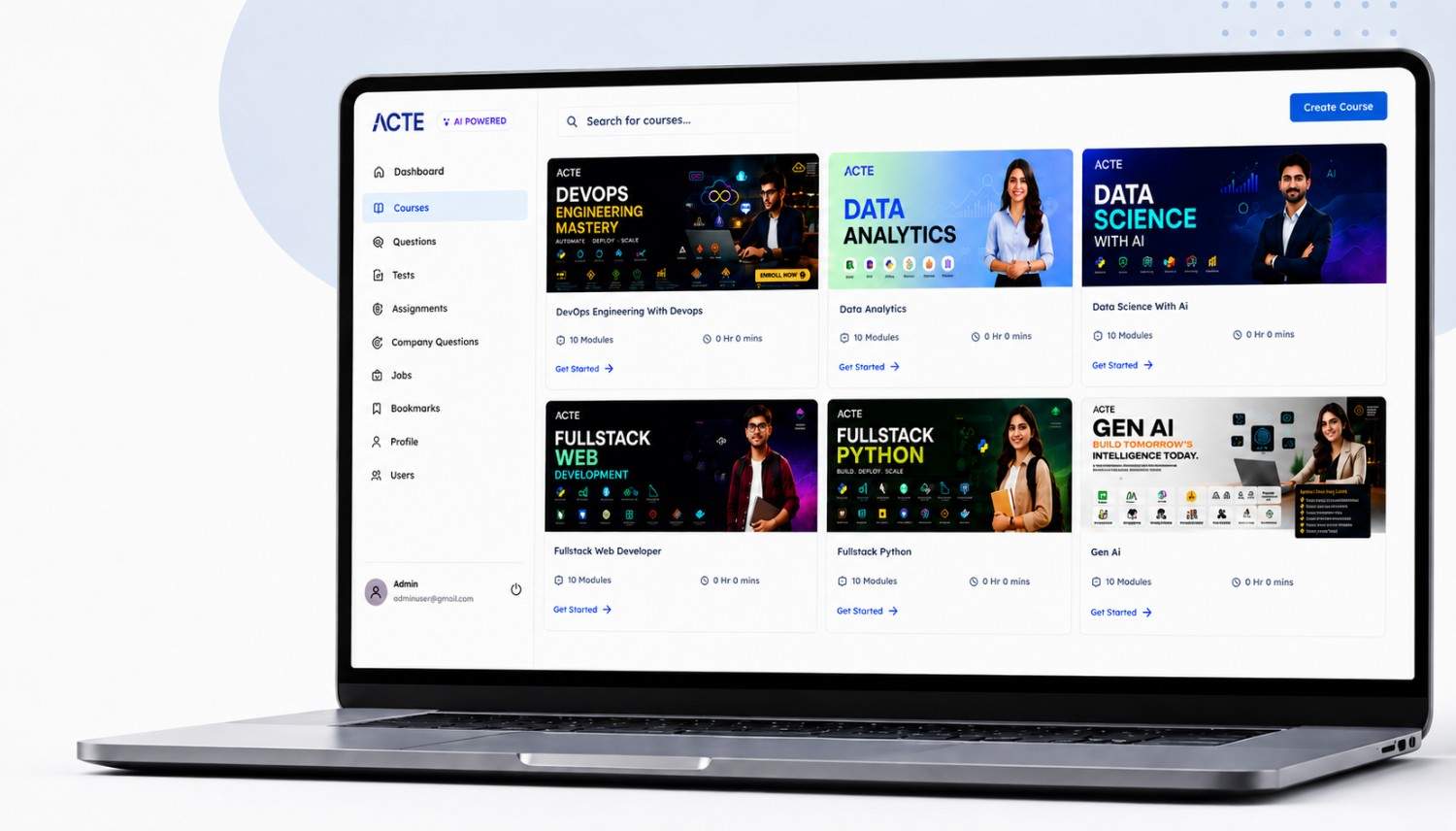
🧪 LMS Online Learning Platform

  • Explore expert trainer videos and documents to boost your learning.
  • Study anytime with on-demand videos and detailed documents.
  • Quickly find topics with organized learning materials.

Microsoft Azure Course Curriculum

  • 🏫 Classroom Training
  • 💻 Online Training
  • 🚫 No Pre Request (Any Vertical)
  • 🏭 Industrial Expert

Our Microsoft Azure Training in Hebbal offers a complete learning pathway for beginners and aspiring cloud professionals who want to build real expertise. The Microsoft Azure Course covers both foundational and advanced topics, including Virtual Machines, Azure Storage, App Services, Azure Functions, Networking, DevOps tools, and core security practices. Strong focus is given to cloud architecture design, workflow optimization, and enterprise-grade solutions to prepare learners for real-world cloud environments. Participants gain practical exposure through live projects, resource management, security configurations, and scalable deployment strategies. With dedicated placement assistance, including resume preparation and interview support, students are well-prepared to start and grow a successful career in Microsoft Azure and cloud technologies.

  • Master Azure Basics – Understand Microsoft Azure fundamentals, cloud infrastructure, and service models.
  • Upgrade Your Cloud Skills – Work with Azure VMs, Storage, App Services, Networking, and DevOps integration to strengthen architecture.
  • Real-Time Practical Learning – Participate in hands-on labs and live projects as part of our Microsoft Azure Training to gain job-ready experience.
  • Deploy & Manage Efficiently – Design, automate, monitor, and manage scalable Azure environments confidently.
Introduction to Microsoft Azure
Azure Environment Setup & Configuration
Core Azure Services
Azure Security & Compliance
Azure Integrations & Automation
Advanced Azure Topics
Azure Projects & Hands-on Practice

Forms the foundational knowledge to understand Microsoft Azure cloud technologies:

  • Overview of Microsoft Azure – History, evolution, cloud architecture and key services.
  • Cloud Computing Concepts – IaaS, PaaS, SaaS, public, private and hybrid cloud models.
  • Tools & Technologies – Azure Virtual Machines, Storage, Networking, Security and Monitoring.
  • Career Paths – Roles such as Azure Cloud Engineer, Solutions Architect, DevOps Engineer, Cloud Administrator.

Covers initial setup and core configuration:

  • Azure Tenant & Subscription Setup – Creating and managing Azure accounts, subscriptions and resource groups.
  • Virtual Networks & Subnets – Designing secure network architecture and connectivity.
  • User & Role Management – Configuring Azure Active Directory, roles and permissions.
  • Resource Configuration – Deploying VMs, storage accounts and basic services.

Deep dive into essential cloud services:

  • Compute Services – Managing Virtual Machines, App Services and Containers.
  • Storage Solutions – Azure Blob, File, Queue and Disk storage management.
  • Networking – Virtual Networks, VPN Gateway, Load Balancer and NSG configurations.
  • Security & Identity – Configuring Azure AD, MFA and role-based access control.

Learn to secure and maintain Azure cloud environments:

  • Security Policies & RBAC – Implementing identity and access management.
  • Compliance & Governance – Ensuring ISO, GDPR and internal compliance standards.
  • Monitoring & Reporting – Using Azure Monitor, Log Analytics and Security Center.
  • Resource Optimization – Cost management, alerts and best practices.

Understand enterprise integration and workflow automation:

  • Azure Logic Apps & Functions – Automating tasks and business workflows.
  • APIs & SDKs – Using Azure REST APIs and SDKs for integration.
  • Third-party Integrations – Connecting Azure with on-premises systems, SaaS apps and DevOps tools.
  • Monitoring & Analytics Tools – Dashboards, alerts and custom reporting.

Focus on emerging and specialized skills:

  • Advanced Networking & Security – Virtual WAN, Application Gateway, advanced firewall setup.
  • Cloud Analytics – Using Azure Synapse, Power BI and Log Analytics for insights.
  • Hybrid & Multi-cloud Solutions – Managing Azure Stack and cross-cloud deployments.
  • Advanced Automation – Implementing Infrastructure as Code (IaC) with ARM templates and Terraform.

Apply all skills learned in real-world scenarios:

  • Real-time Projects – Deploying VMs, storage, networks and cloud applications.
  • Security & Compliance Audits – Validating policies, access controls and resource compliance.
  • Monitoring & Dashboards – Creating Azure Monitor dashboards and analytics reports.
  • Scenario-based Exercises – Simulating enterprise cloud challenges and resolving them using Azure tools.

🎁 Free Addon Programs

Aptitude, Spoken English.

🎯 Our Placement Activities

Daily Task, Soft Skills, Projects, Group Discussions, Resume Preparation, Mock Interview.

Get Hands-on Experience With Microsoft Azure Projects

Placement Support Overview

Today's Top Job Openings for Microsoft Azure Professionals

Azure Cloud Engineer

Company Code: NFS098

Bangalore, Karnataka

₹25,000 – ₹40,000 per month

B.E/B.Tech in CS/IT or related field

Exp 0–2 years

  • We are seeking Azure Cloud Engineers to support cloud deployments, manage virtual machines, storage, and networking. This role assists in implementing cloud solutions, troubleshooting issues, and working with senior teams to maintain secure, scalable environments using Azure services.
  • Easy Apply

    Azure Cloud Administrator

    Company Code: TCS765

    Bangalore, Karnataka

    ₹33,000 – ₹58,000 per month

    B.E/B.Tech in Computer Science/IT

    Exp 0–2 years

  • Now accepting applications for Azure Cloud Administrators to assist in managing and monitoring cloud infrastructure, set up access controls, and support backup and recovery operations. Work with teams to ensure smooth cloud resource usage.
  • Easy Apply

    Azure Developer

    Company Code: CON441

    Bangalore, Karnataka

    ₹41,000 – ₹75,000 per month

    B.E/B.Tech in Computer Science/IT

    Exp 0–2 yearS

  • We’re hiring Azure Developers to create and deploy cloud applications, write scripts for automation, and integrate Azure services in software solutions. Work closely with project teams on application development and delivery.
  • Easy Apply

    Junior Cloud & DevOps Engineer (Azure)

    Company Code: IGC432

    Bangalore, Karnataka

    ₹50,000 – ₹66,000 per month

    B.E/B.Tech in Information Technology/CS

    Exp 0–2 years

  • We’re looking for Junior Cloud & DevOps Engineers to support automation, maintain CI/CD pipelines, and assist in configuring Azure resources. This role helps improve deployment workflows and infrastructure reliability.
  • Easy Apply

    Azure Support Engineer

    Company Code: MCS109

    Bangalore, Karnataka

    ₹50,000 – ₹66,000 per month

    B.Tech/B.E or equivalent in CS/IT

    Exp 0–2 yearS

  • We’re hiring Azure Support Engineers to troubleshoot and resolve customer issues on Azure. Role includes working with technical teams to ensure platform stability and assisting users with cloud configurations and best practices.
  • Easy Apply

    Azure Data Engineer (Entry Level)

    Company Code: WPO876

    Bangalore, Karnataka

    ₹33,000 – ₹58,000 per month

    B.E/B.Tech in CS/IT/Computer Engineering

    Exp 0–2 years

  • We are accepting applications for Azure Data Engineers to help build data pipelines, manage ETL processes, and process data using Azure tools like Data Factory and Synapse Analytics. Team members support data workflows and optimization.
  • Easy Apply

    Azure DevOps Engineer (Entry Level)

    Company Code: ACC543

    Bangalore, Karnataka

    ₹41,000 – ₹75,000 per month

    B.E/B.Tech in Computer Science/IT

    Exp 0–2 years

  • We’re looking for Azure DevOps Engineers to assist in building and managing CI/CD pipelines, support automation tools, and help streamline software delivery using Azure DevOps and Git. Collaboration with development teams is key.
  • Easy Apply

    Cloud Security Associate (Azure)

    Company Code: CAP210

    Bangalore, Karnataka

    ₹33,000 – ₹66,000 per month

    B.E/B.Tech in CS/IT or equivalent

    Exp 0–2 year

  • We are hiring Cloud Security Associates to help enforce security policies, monitor platform safety, and support identity management using Azure tools. Role includes assisting in compliance checks and basic vulnerability assessments.
  • Easy Apply

    Internship Highlights for Microsoft Azure

    Real-Time Projects

    • 1. Gain hands-on experience by working on live industry-based applications.
    • 2. Understand real-world problem-solving through Microsoft Azure scenarios.
    Book Session

    Skill Development Workshops

    • 1. Participate in focused sessions on trending technologies and tools.
    • 2. Learn directly from industry experts through guided practical exercises.
    Book Session

    Employee Welfare

    • 1. Enjoy benefits like health coverage, flexible hours, and wellness programs.
    • 2. Companies prioritize mental well-being and work-life balance for all employees.
    Book Session

    Mentorship & Peer Learning

    • 1. Learn under experienced mentor guide your technical and career growth.
    • 2. Collaborate with peers to enhance learning through code reviews and group projects.
    Book Session

    Soft Skills & Career Readiness

    • 1. Improve communication, teamwork, and time management skills.
    • 2. Prepare for interviews and workplace dynamics with mock sessions and guidance.
    Book Session

    Certification

    • 1. Earn recognized credentials to validate your Microsoft Azure skills.
    • 2. Boost your resume with course or project completion certificates from reputed platforms.
    Book Session

    Sample Resume for Microsoft Azure (Fresher)

    • 1. Simple and Neat Resume Format

      Use a clean layout with clear sections like summary, skills, education, and projects.

    • 2. List of Technologies You Know

      Mention skills like Azure Virtual Machines, Azure Storage, Azure Networking, Azure Active Directory, Azure DevOps.

    • 3. Real-Time Projects and Achievements

      Add 1–2 real-time projects with a short description and the tools used.

    Top Microsoft Azure Tricky Interview Questions and Answers (2026 Guide)

    Ans:

    Microsoft Azure is a cloud computing platform that delivers services such as computing power, databases, networking, and storage over the internet. Unlike traditional on-premises systems that require physical hardware and manual maintenance, Azure operates on virtualized infrastructure. Resources can be scaled instantly based on demand, and organizations pay only for what they use. This model improves agility, reduces capital expenditure, and enhances operational efficiency.

    Ans:

    A Resource Group acts as a logical container that organizes related Azure resources within a single unit. It simplifies deployment, monitoring, and lifecycle management. Access control can be applied at the group level, improving governance and security. Cost tracking also becomes more structured when resources are grouped together.

    Ans:

    Azure maintains governance through Role-Based Access Control (RBAC), Azure Policy, and Management Groups. RBAC restricts permissions based on defined roles, while Azure Policy enforces organizational standards across resources. Management Groups extend governance controls across multiple subscriptions. These tools collectively ensure compliance, security, and regulatory alignment.

    Ans:

    Azure ensures reliability through distributed infrastructure and redundancy strategies. Availability Zones isolate resources across separate physical locations. Load Balancers and Traffic Manager distribute workloads to healthy instances. Backup and replication services protect critical data. These mechanisms maintain continuous service even during hardware or regional failures.

    Ans:

    Azure Virtual Machines are scalable cloud-based servers that run custom operating systems and applications. Businesses can configure CPU, memory, and storage according to their needs. They support both Windows and Linux environments and are widely used for hosting applications, development testing, and enterprise workloads.

    Ans:

    An Azure Subscription defines a billing and management boundary for resources. All deployed services fall under a subscription for tracking usage and costs. Multiple subscriptions can separate departments or environments such as development and production. This structure enhances budgeting, governance, and access control.

    Ans:

    Virtual Machine Scale Sets automatically adjust the number of VM instances based on workload demand. They distribute traffic evenly and maintain performance during peak usage. Updates and maintenance can be applied across instances simultaneously. This ensures scalability, reliability, and cost efficiency.

    Ans:

    Azure Automation, Azure Functions, and CI/CD pipelines enable automated cloud operations. Scripts and configuration tools manage updates, deployments, and monitoring tasks. Desired State Configuration maintains consistent system settings. Automation improves efficiency and minimizes manual errors.

    Ans:

    Azure Kubernetes Service (AKS) provides a managed platform for deploying and orchestrating containerized applications. It simplifies cluster management by handling scaling, upgrades, and monitoring. AKS supports microservices architecture and integrates with DevOps tools, reducing infrastructure complexity.

    Ans:

    Virtual Machine Extensions enhance existing VMs by adding additional configuration or management capabilities. They can install applications, enable monitoring, configure security settings, or automate system tasks. Extensions streamline deployment processes and improve overall VM maintainability.

    Company-Specific Interview Questions from Top MNCs

    1. How does Azure IaaS differ from PaaS in functionality and usage?

    Ans:

    Azure IaaS offers virtualized infrastructure like servers, storage, and networking, giving administrators complete control over operating systems and configurations. In contrast, PaaS provides a fully managed platform for deploying, testing, and running applications without handling underlying servers. IaaS allows maximum flexibility and customization, whereas PaaS simplifies management, accelerates deployment, and reduces maintenance responsibilities for developers.

    2. What separates Azure CLI from PowerShell in cloud management?

    Ans:

    Azure CLI is a command-line tool that works across multiple operating systems and offers straightforward commands to manage cloud resources. Azure PowerShell is tailored for Windows environments and provides scripting capabilities for automating complex administrative tasks. CLI is lightweight and easy for routine operations, while PowerShell is ideal for advanced automation and detailed infrastructure management.

    3. How does Azure monitor application and system performance?

    Ans:

    Azure Monitor along with Log Analytics tracks resource health, performance, and usage patterns. These tools gather telemetry, visualize data in dashboards, and generate alerts for anomalies. Continuous monitoring allows administrators to optimize resource utilization, detect issues early, and maintain operational efficiency. Insights provided by these tools support proactive maintenance and decision-making.

    4. What types of storage solutions does Azure provide for businesses?

    Ans:

    Azure supports multiple storage options, including SQL Database for structured data, Blob Storage for unstructured data, Cosmos DB for semi-structured data, and Data Lake for large-scale analytics. It also enables automated backups, archiving, and data pipelines for analysis. These capabilities allow organizations to manage diverse datasets securely, reliably, and with high availability across global operations.

    5. How are Resource Groups different from Subscriptions in Azure?

    Ans:

    Resource Groups group related cloud resources like VMs, web apps, and databases to simplify management and deployment. Subscriptions define the billing, access policies, and service quotas for the resources under an account. While Resource Groups are used for operational control and organization, Subscriptions manage cost, security, and governance at a broader level across multiple projects.

    6. What services does Azure Security Center provide?

    Ans:

    Azure Security Center offers a unified view of security across Azure and hybrid environments. It continuously scans resources for vulnerabilities, enforces compliance with security rules, and provides threat detection and recommendations. Security Center helps prevent attacks, maintain operational safety, and meet regulatory standards, giving administrators centralized control over security posture.

    7. Why are Azure Virtual Networks essential in cloud deployments?

    Ans:

    Azure Virtual Networks create isolated and secure connections between cloud services and on-premises networks. They manage traffic, allow segmentation, and protect resources from unauthorized access. VNets are necessary for building scalable, reliable, and secure cloud architectures, ensuring services communicate efficiently without compromising security.

    8. How do Backup and Site Recovery differ in Azure?

    Ans:

    Azure Backup safeguards data by creating secure copies that can be restored if needed. Azure Site Recovery replicates workloads to secondary sites to maintain business continuity during disasters. Backup focuses on recovering lost or corrupted files, while Site Recovery guarantees ongoing operations during outages, ensuring minimal disruption to critical applications.

    9. How are alerts and notifications handled in Azure?

    Ans:

    Azure allows administrators to configure alerts for performance deviations, security events, or unusual activity. Alerts can trigger emails, SMS, or integrations with other systems. This proactive notification system ensures quick response to issues, reduces potential downtime, and helps maintain reliable and secure operations across cloud resources.

    10. What are the functions of Azure Policies and RBAC in governance?

    Ans:

    Azure Policies define constraints and rules for resource deployment, like allowed regions or VM configurations, ensuring compliance with organizational guidelines. Role-Based Access Control assigns permissions to users or teams for accessing specific resources. Together, these tools regulate both what resources can be used and who can manage them, enhancing security, compliance, and operational governance.

    1. How do IaaS, PaaS, and SaaS offerings in Azure differ in purpose?

    Ans:

    Azure Infrastructure as a Service (IaaS) provides essential cloud resources such as VMs, storage, and network services, allowing full control over the operating environment. Platform as a Service (PaaS) offers a managed development platform for building and running applications without managing servers. Software as a Service (SaaS) provides cloud-hosted applications ready for use by end users. Each model addresses different organizational needs, from complete infrastructure control to immediate software accessibility.

    2. What approaches does Azure use to secure cloud workloads?

    Ans:

    Security in Azure includes identity and access management, encryption for data at rest and in transit, and multi-factor authentication. Azure Security Center monitors resources for threats and compliance issues, while Network Security Groups manage traffic flow. Together, these measures safeguard cloud workloads against potential attacks and ensure data protection across all services.

    3. What types of user accounts are present in Azure, and how should access be managed?

    Ans:

    Azure provides accounts such as owners, contributors, and readers, each with different access levels. Temporary users, contractors, or users with unnecessary privileges should have restricted access. Applying least privilege ensures that accounts only have access required for their roles, reducing the likelihood of security breaches and accidental resource changes.

    4. How does Azure provide activity tracking and auditing?

    Ans:

    Azure Activity Logs, along with Azure Monitor and Security Center, record operations like resource changes, policy updates, and login activities. Reviewing these logs helps detect unusual or unauthorized actions, supports compliance requirements, and increases accountability. These auditing capabilities allow administrators to maintain visibility into all cloud operations.

    5. Why is an Azure Resource Group important?

    Ans:

    Resource Groups organize related Azure assets, including virtual machines, storage, and databases, into a single management unit. They streamline deployment, monitoring, and maintenance of grouped resources. By maintaining logical grouping, organizations can improve operational efficiency, enforce consistency, and simplify resource management across projects.

    6. How do RBAC and Azure Policies complement each other?

    Ans:

    RBAC provides role-specific permissions, allowing users, groups, or applications to perform only authorized tasks. Azure Policies set deployment rules and restrictions to maintain organizational standards. When used together, they ensure that resources are deployed appropriately and accessed securely, supporting compliance and governance across cloud environments.

    7. How are errors and exceptions handled during Azure deployments?

    Ans:

    Deployment failures are managed with automation scripts, rollback mechanisms, and predefined policies that help restore systems to a stable state. This approach allows administrators to address errors without impacting other resources. Proper exception management ensures system stability, minimizes downtime, and maintains application reliability.

    8. How is cloud performance monitored in Azure?

    Ans:

    Azure Monitor and Application Insights collect data on CPU, memory usage, response times, and other performance metrics. Teams can analyze this information to optimize workloads, detect issues early, and ensure seamless service. Continuous monitoring helps maintain reliability and high performance across applications and infrastructure.

    9. What is the difference between a standard user account and an Azure Administrator account?

    Ans:

    Standard users have limited permissions to access only assigned resources, while Azure Administrators have elevated privileges to manage subscriptions, security policies, and resource deployment. Because of their broader access, administrator accounts require stricter security measures to prevent accidental or malicious changes.

    10. What are the fundamental components of Azure, and why are they necessary?

    Ans:

    Core Azure components include Virtual Machines for compute, Networking for secure connectivity, Storage for data handling, Databases for structured and unstructured data, and Azure DevOps for development and deployment pipelines. These elements provide the foundation for deploying, scaling, monitoring, and managing applications efficiently while ensuring security, performance, and reliability.

    1. How are Azure Virtual Machines, App Services, and Functions used differently?

    Ans:

    Azure Virtual Machines provide complete control over OS and computing resources, making them ideal for workloads that require customization or specific environments. App Services offer a fully managed platform for hosting web applications, streamlining deployment, and handling automatic scaling without managing the server infrastructure. Azure Functions enable serverless computing, executing code in response to events or triggers, which is useful for lightweight or intermittent tasks. Each service targets specific operational and workload scenarios.

    2. What is the difference between Azure Monitor and Azure Automation?

    Ans:

    Azure Monitor collects metrics, logs, and telemetry to give insights on application performance, resource utilization, and operational health. Azure Automation, by contrast, executes repetitive tasks like patching, scaling, and workflow orchestration automatically. Monitor focuses on visibility and analysis, whereas Automation reduces manual effort and ensures operational efficiency through automation.

    3. What is the purpose of Azure Active Directory?

    Ans:

    Azure Active Directory acts as a cloud-based identity and access management system. It manages authentication, single sign-on, and role-based permissions for both users and applications. By integrating with Microsoft and third-party services, Azure AD secures access and ensures controlled operations across cloud and hybrid infrastructures.

    4. Why are Resource Groups used in Azure?

    Ans:

    Resource Groups organize related cloud resources, including virtual machines, storage, and network components, under a single logical container. They facilitate easier monitoring, deployment, and lifecycle management. Using Resource Groups allows organizations to maintain structure, enforce governance, and simplify operational tasks.

    5. How do Azure Policies compare with RBAC?

    Ans:

    Azure Policies enforce rules on resource deployment, ensuring compliance with organizational standards, such as allowed regions or resource types. RBAC assigns specific permissions to users, groups, or applications, defining what actions they can take. Policies control governance, while RBAC manages access, and together they provide a secure and compliant cloud environment.

    6. What is the difference between a Tenant and a Subscription in Azure?

    Ans:

    A Tenant in Azure refers to an instance of Azure Active Directory responsible for identity management, user authentication, and access control. A Subscription is a billing unit that contains resources, tracks costs, and applies quotas. While the Tenant focuses on managing identities, the Subscription is concerned with resource usage, cost management, and operational limits.

    7. How is auditing conducted in Azure?

    Ans:

    Auditing involves monitoring and recording actions such as creation, modification, deletion, and access to resources. Tools like Activity Logs and Azure Monitor provide detailed insights to detect anomalies, enforce accountability, and ensure compliance with regulations or organizational policies. Effective auditing enhances transparency and security in cloud operations.

    8. How does Azure support system integration?

    Ans:

    Azure allows integration with on-premises environments, DevOps tools, databases, ERP platforms, and external applications. This enables hybrid cloud operations, automated workflows, and smooth data transfer between cloud and existing infrastructure. Integration capabilities increase operational efficiency and expand the functionality of cloud deployments.

    9. How are Azure Automation and Reporting distinct?

    Ans:

    Azure Automation automates operational tasks such as scaling, updates, and resource management. Reporting, using Azure Monitor or Power BI, provides insights into resource performance, compliance, and utilization trends. While Automation acts directly on resources, Reporting offers analytics that guide informed decisions and strategy planning.

    10. What is an Azure Role and why is it essential?

    Ans:

    An Azure Role defines permissions under RBAC, specifying what actions users, groups, or applications can perform on cloud resources. Roles are essential for controlling access, enforcing security policies, and ensuring proper governance. Assigning roles correctly ensures that only authorized users can perform operations, protecting resources and maintaining compliance.

    1. How can Microsoft Azure be described as a cloud platform?

    Ans:

    Microsoft Azure is a cloud ecosystem providing a variety of services such as computing, storage, networking, databases, AI, and analytics. It allows companies to deploy, manage, and scale applications worldwide without physical servers. Azure ensures security, reliability, and scalability, making it suitable for enterprise operations and modern cloud-based applications.

    2. How do Azure Virtual Machines compare to App Services?

    Ans:

    Azure Virtual Machines give complete control over the operating system and hardware resources, which is ideal for custom workloads and legacy applications. App Services provide a managed hosting platform for web applications, handling scaling and infrastructure automatically. While VMs allow detailed customization, App Services focus on simplifying deployment and reducing operational management for web apps.

    3. What is the purpose of an Azure Subscription?

    Ans:

    An Azure Subscription is a container for managing cloud resources like VMs, storage, networks, and databases. It links resources to billing accounts, usage quotas, and permission controls. Subscriptions also help segregate development, testing, and production environments, ensuring efficient cost management and organized resource allocation.

    4. What is the difference between User and Administrator Accounts in Azure?

    Ans:

    User Accounts are given limited access, allowing interaction only with resources assigned to them. Administrator Accounts have higher privileges to manage subscriptions, configure services, assign roles, and enforce security policies. Admin accounts require enhanced security practices to protect sensitive operations and maintain cloud integrity.

    5. Why are Azure Roles and RBAC necessary?

    Ans:

    Azure Roles define specific permissions for users, groups, or applications, such as Reader, Contributor, and Owner. Role-Based Access Control (RBAC) ensures these permissions are applied correctly across subscriptions and resources. Together, roles and RBAC enable secure access, enforce governance, and minimize risk by restricting operations to authorized users.

    6. What is an Azure Resource Group, and how does it help?

    Ans:

    An Azure Resource Group is a logical container for grouping related cloud resources like virtual machines, storage, and databases. It simplifies resource management, deployment, monitoring, and access control. Organizing resources this way improves visibility, ensures consistent configuration, and enhances operational efficiency.

    7. How does an Azure Tenant differ from a Subscription?

    Ans:

    An Azure Tenant represents an instance of Microsoft Entra ID (Azure AD), managing authentication, identities, and access policies. A Subscription controls access to Azure services, resource provisioning, and billing. While Tenants focus on user identity management, Subscriptions deal with resource allocation, operational organization, and financial management.

    8. What is the role of Azure Policies in governance?

    Ans:

    Azure Policies set rules to enforce compliance and standards across cloud resources. They can restrict regions, VM types, and configurations to ensure consistent deployment practices. Policies help organizations maintain governance, reduce errors, and standardize operations across multiple subscriptions.

    9. How does Azure Monitor assist with resource management?

    Ans:

    Azure Monitor gathers telemetry, metrics, and logs to evaluate cloud resource performance and efficiency. It identifies anomalies, tracks usage patterns, and optimizes application and infrastructure performance. With its dashboards and alerts, Azure Monitor enables proactive monitoring and ensures smooth, reliable cloud operations.

    10. How does cloud management in Azure improve on traditional IT?

    Ans:

    Azure provides automated infrastructure management, elastic scaling, and global resource availability, reducing reliance on physical servers and manual maintenance. It lowers operational costs, accelerates deployment, improves monitoring, and increases flexibility. This approach allows organizations to concentrate on strategic initiatives instead of managing hardware.

    1. How can Microsoft Azure be explained, and why do organizations rely on it?

    Ans:

    Microsoft Azure is a cloud platform offering services such as compute, storage, networking, databases, analytics, and AI. It helps companies reduce dependency on physical infrastructure, scale resources as needed, and accelerate application deployment. With secure, globally available data centers, Azure allows organizations to develop modern, scalable, and dependable cloud-based solutions efficiently.

    2. How can companies maximize performance and efficiency in Azure?

    Ans:

    Organizations can improve efficiency by implementing auto-scaling for resources, monitoring system health with Azure Monitor, and applying recommendations from Azure Advisor. Optimizing storage tiers, choosing the right VM sizes, and adhering to security best practices ensures workloads are cost-effective, resilient, and high-performing. These steps maintain operational balance and minimize unnecessary expenditures.

    3. What are Azure Virtual Machines, and when are they most beneficial?

    Ans:

    Azure Virtual Machines are cloud-hosted servers providing customizable computing power. They are ideal when businesses need full control over the operating system or must run specialized or legacy applications. VMs are frequently used for moving on-premises workloads to the cloud, supporting test and development environments, or hosting applications that require dedicated resources.

    4. Why are Azure Resource Groups important for cloud management?

    Ans:

    Azure Resource Groups act as organizational containers for related resources like virtual machines, storage, and databases. They simplify deployment, monitoring, access management, and cost tracking by managing multiple resources together. Resource Groups improve operational efficiency, enable consistent management, and streamline resource lifecycle processes, which is crucial for organized cloud operations.

    5. How do Azure Storage and Azure SQL Database differ?

    Ans:

    Azure Storage provides scalable storage for unstructured and semi-structured data, including files, disks, and blobs. Azure SQL Database is a managed relational database for structured, transactional workloads. While Azure Storage allows flexible storage for different data types, Azure SQL Database ensures reliable queries, consistency, and high availability for relational data, completing a full cloud data ecosystem.

    6. What is the role of Azure Active Directory (Azure AD)?

    Ans:

    Azure Active Directory is a cloud service for identity and access management, enabling secure login, authentication, and user management for cloud and on-premises applications. It supports single sign-on, multi-factor authentication, and role-based permissions to protect resources. Azure AD centralizes identity control, ensuring secure and organized access to organizational assets.

    7. How does monitoring work in Azure?

    Ans:

    Monitoring in Azure uses tools like Azure Monitor, Log Analytics, and Application Insights to track system health, performance, and uptime. These tools help detect issues, optimize resource usage, and provide actionable insights. Continuous monitoring ensures workloads remain stable, reliable, and efficient, while enabling proactive problem detection and resolution.

    8. What is the difference between a VNet and a Subnet in Azure?

    Ans:

    A Virtual Network (VNet) provides a private network space for cloud resources to communicate securely. A Subnet divides a VNet into smaller segments to organize resources, manage IP addresses, and enhance security. VNets establish the overall network, while Subnets provide structured divisions for better resource management and secure connectivity.

    9. What are Azure Alerts and their benefits?

    Ans:

    Azure Alerts notify administrators of abnormal behavior, potential security threats, or performance issues in real time. Alerts can be sent through emails, SMS, or integrated monitoring systems. They allow teams to act quickly, maintaining secure, efficient, and high-performing cloud environments.

    10. Why are Audit Logs essential in Azure?

    Ans:

    Audit Logs track all actions, changes, and access events within Azure resources. They are critical for compliance, accountability, and security monitoring. By reviewing Audit Logs, organizations can detect unauthorized activities, maintain transparency, and ensure that cloud resources are managed according to company policies and regulatory requirements.


    Disclaimer Note:

    The details mentioned here are for supportive purposes only. There are no tie-ups or links with the corresponding PGs.

    Ladies PG Accommodation

      Electronic City
    • 7 Hills PG for Ladies : 79752 78904
    • Sanjeeva PG for Ladies : 94937 94737
    • BTM Layout
    • GRACE Ladies Paying Guest : 99029 46624
    • The princess Luxury pg for ladies : 85534 06098
    • Marathahalli
    • Amaravate ladies pg : 81234 23355
    • Royal Luxury PG for Ladies : 97402 91555
    • Rajaji Nagar
    • Shree Kalika P.G For Ladies : 74061 02629
    • N M Ladies PG : 91084 46056
    • Jaya Nagar
    • Shreeniketana Luxurious Ladies P.G : 96202 49962
    • Aashirwad ladies pg : 77600 55115

    Mens PG Accommodation

      Electronic City
    • SRI SAI BALAJI PG : 77608 88889
    • VSL PG FOR GENTS : 93536 53275
    • BTM Layout
    • Atithi executive Pg for Gents : 97393 07626
    • Fine Stay PG for Gents : 74111 13997
    • Marathahalli
    • Sri Vasavi Kanyaka Pg : 90667 40874
    • GVS PG FOR GENTS : 88805 82244
    • Rajaji Nagar
    • Sri Guru P.G For Men : 70197 67606
    • Sri Siddaganga mens Pg : 99456 41316
    • Jaya Nagar
    • Sri Manjunatheshwara Men's Luxury PG : 93804 14376
    • Sri Lakshmi pg for men's : 91582 44933

    Top Microsoft Azure Job Opportunities for Freshers

    • 1. Microsoft Azure Jobs at Startups and IT Companies
    • 2. Campus Placements and IT Service Jobs
    • 3. Internship-to-Job Programs
    • 4. Apply Through Job Portals
    • 5. Skills That Help You Get Hired

    Getting Started With Microsoft Azure Course in Hebbal

    No Coding
    8 Lakhs+ CTC
    No Work Pressure
    WFH Jobs (Remote)

    Why Microsoft Azure is the Ultimate Career Choice

    High Demand

    Companies prefer multi-skilled professionals who can handle entire project cycles.

    Global Opportunities

    Open doors to remote and international job markets.

    High Salary

    Enjoy competitive salaries and rapid career advancement.

    Flexible Career Path

    Explore roles such as developer, architect, freelancer, or entrepreneur.

    Future-Proof Career

    Stay relevant with skills that are consistently in demand in the evolving tech landscape.

    Versatility Across Industries

    Work in various domains like e-commerce, healthcare, finance, and more.

    Career Support

    Placement Assistance

    Exclusive access to ACTE Job portal

    Mock Interview Preparation

    1 on 1 Career Mentoring Sessions

    Career Oriented Sessions

    Resume & LinkedIn Profile Building

    Get Advanced Microsoft Azure Certification

    You'll receive a certificate proving your industry readiness.Just complete your projects and pass the pre-placement assessment.This certification validates your skills and prepares you for real-world roles.

    • Azure Architect Expert
    • Azure Security Specialist Associate
    • Azure AI Solutions Associate
    • Azure Data Solutions Engineer
    • Azure DevOps Expert
    • Azure Beginner Fundamentals
    • Azure Administrator Associate

    A Microsoft Azure certification boosts job opportunities, with placement support included in the training. It validates hands-on Azure and cloud skills, increasing credibility with employers. Certified professionals are preferred as they can manage cloud environments efficiently from day one, making them valuable assets to IT teams.

    The time required varies depending on experience and exam level. Entry-level certifications, like Azure Fundamentals, generally need around 4–6 weeks of dedicated preparation. Advanced exams, such as Azure Solutions Architect or DevOps Engineer, often require 3–6 months of study, including hands-on labs and real-world practice. Practical exercises, scenario-based learning, and repeated practice exams can also impact readiness.

    • Confirms your skills and knowledge in cloud computing and Azure services
    • Expands career opportunities in IT, cloud operations, and development roles
    • Potentially increases salary and career growth possibilities
    • Enhances professional recognition among employers and clients
    • Grants access to Microsoft’s network of certified professionals
    • Demonstrates dedication to professional development and technical expertise

    Effective preparation strategies include:

    • Review official Microsoft exam guides and objectives thoroughly
    • Enroll in structured learning programs, video courses, and tutorials
    • Engage in practical exercises using Azure free tier, labs, and projects
    • Use Microsoft Learn, documentation, and community forums for deeper insights
    • Take practice tests to assess knowledge gaps and improve confidence
    • Collaborate with study groups or discussion boards to clarify concepts

    Complete Your Course

    A Downloadable Certificate in PDF Format, Immediately Available to You When You Complete Your Course.

    Get Certified

    A Physical Version of Your Officially Branded and Security-Marked Certificate.

    Get Certified

    Lowest Microsoft Azure Course Fees

    Affordable, Quality Training for Freshers to Launch IT Careers & Land Top Placements.

    Call Course Advisor

    How Is ACTE's Microsoft Azure Certification Training Different?

    Feature

    ACTE Technologies

    Other Institutes

    Affordable Fees

    Competitive Pricing With Flexible Payment Options.

    Higher Microsoft Azure Course Fees With Limited Payment Options.

    Industry Experts

    Well Experienced Trainer From a Relevant Field With Practical Microsoft Azure Training

    Theoretical Class With Limited Practical

    Updated Syllabus

    Updated and Industry-relevant Microsoft Azure Course Curriculum With Hands-on Learning.

    Outdated Curriculum With Limited Practical Training.

    Hands-on projects

    Real-world Microsoft Azure Projects With Live Case Studies and Collaboration With Companies.

    Basic Projects With Limited Real-world Application.

    Certification

    Industry-recognized Microsoft Azure Certifications With Global Validity.

    Basic Microsoft Azure Certifications With Limited Recognition.

    Placement Support

    Strong Placement Support With Tie-ups With Top Companies and Mock Interviews.

    Basic Microsoft Azure Placement Support

    Industry Partnerships

    Strong Ties With Top Tech Companies for Internships and Placements

    No Partnerships, Limited Opportunities

    Batch Size

    Small Batch Sizes for Personalized Attention.

    Large Batch Sizes With Limited Individual Focus.

    LMS Features

    Lifetime Access Course video Materials in LMS, Online Interview Practice, upload resumes in Placement Portal.

    No LMS Features or Perks.

    Training Support

    Dedicated Mentors, 24/7 Doubt Resolution, and Personalized Guidance.

    Limited Mentor Support and No After-hours Assistance.

    Microsoft Azure Course FAQs

    1. What background knowledge is suggested before starting Azure courses?

    No prior experience is strictly required, but understanding basic cloud concepts, networking principles, databases, and coding fundamentals can help. Beginners may start with foundational courses, while professionals may opt for advanced, role-specific certifications.
    Microsoft Azure offers excellent career prospects. With enterprises globally migrating to cloud environments, demand for Azure-skilled professionals is increasing rapidly. Certification and practical experience make candidates highly employable in roles like cloud administrator, DevOps engineer, data analyst, and cloud architect.
    The curriculum covers cloud architecture, virtual machines, networking, storage solutions, AI and ML, DevOps, Kubernetes, security practices, data analytics, and application deployment. The courses combine theory with practical exercises for comprehensive learning.
    Yes. Students gain hands-on experience with tasks such as creating virtual machines, managing storage, setting up secure networks, deploying AI models, and automating DevOps workflows. These exercises ensure learners can handle real-world cloud projects confidently.
    Yes. Learners receive support with resume preparation, interview strategies, and professional guidance to highlight certifications, skills, and projects, helping them secure employment efficiently.
    Anyone interested in cloud technology can enroll, including students, IT professionals, developers, and system administrators seeking career transitions into cloud computing.
    No degree is necessary. While a technical background is helpful, employers prioritize practical skills, project experience, and certifications over formal education for cloud-related roles.
    Basic networking, database, virtualization, and operating system knowledge is advantageous. Familiarity with coding can help in advanced modules, though beginner courses provide step-by-step guidance from the basics.
    Not at all. Courses focus on cloud setup, deployment, and service management. Coding knowledge may help with advanced exercises, but beginners can start without any programming experience.

    1. What kind of placement support is offered?

    Students receive comprehensive career assistance, including resume crafting, mock interviews, counseling, and links to hiring partners, ensuring readiness for cloud-related job opportunities.

    2. Do students gain project experience for employment purposes?

    Yes. Learners work on real-world assignments like deploying applications in the cloud, configuring secure networks, and implementing DevOps pipelines, strengthening their resumes and demonstrating practical skills.

    3. Are Azure-certified learners eligible to apply for top IT firms?

    Absolutely. Certification, combined with hands-on experience, allows learners to apply to leading IT companies, cloud service providers, and businesses using Azure for operations.

    4. Is placement help available for fresh graduates?

    Yes. Even individuals with no prior work experience benefit from placement assistance. Hands-on labs, certification, and career coaching prepare freshers for entry-level cloud roles.
    Yes. Upon course completion, students are awarded a certificate and are prepared for internationally recognized Azure certifications such as AZ-900, AZ-104, and AZ-305 to boost career credibility.
    Azure skills are in high demand globally. Certification opens pathways to lucrative careers in cloud engineering, DevOps, security, and data management, enhancing employability and career advancement.
    Understanding operating systems, networking, and databases is useful. However, beginner courses are designed to start from the basics, allowing anyone to learn Azure without prior experience.
    It equips learners with practical cloud skills, hands-on project experience, and recognized certification, preparing them for roles like Cloud Engineer, Azure Administrator, or Solutions Architect.
    Students learn cloud fundamentals, compute resources, storage management, networking, security, identity management, monitoring, automation, DevOps integration, AI services, and hybrid cloud solutions, preparing them for enterprise-level projects.

    1. Is placement support included in the course fee?

    Yes. Training fees generally include career support such as resume guidance, interview preparation, and access to industry hiring partners.
    Fees differ based on curriculum depth, practical lab facilities, teaching methods, and additional support services. Institutes with extensive hands-on training tend to charge more.
    Yes. Programs are affordable and often offer flexible payment plans, enabling learners to begin their cloud careers without financial challenges.
    Typically, fees are standardized across cities to ensure consistent quality of training, tools, and student support, regardless of location.
    Learn (Cloud Infrastructure + Virtual Machines + Azure DevOps + Security & Compliance) Starting at 16,500/- Only.
    Acte Technologies WhatsApp