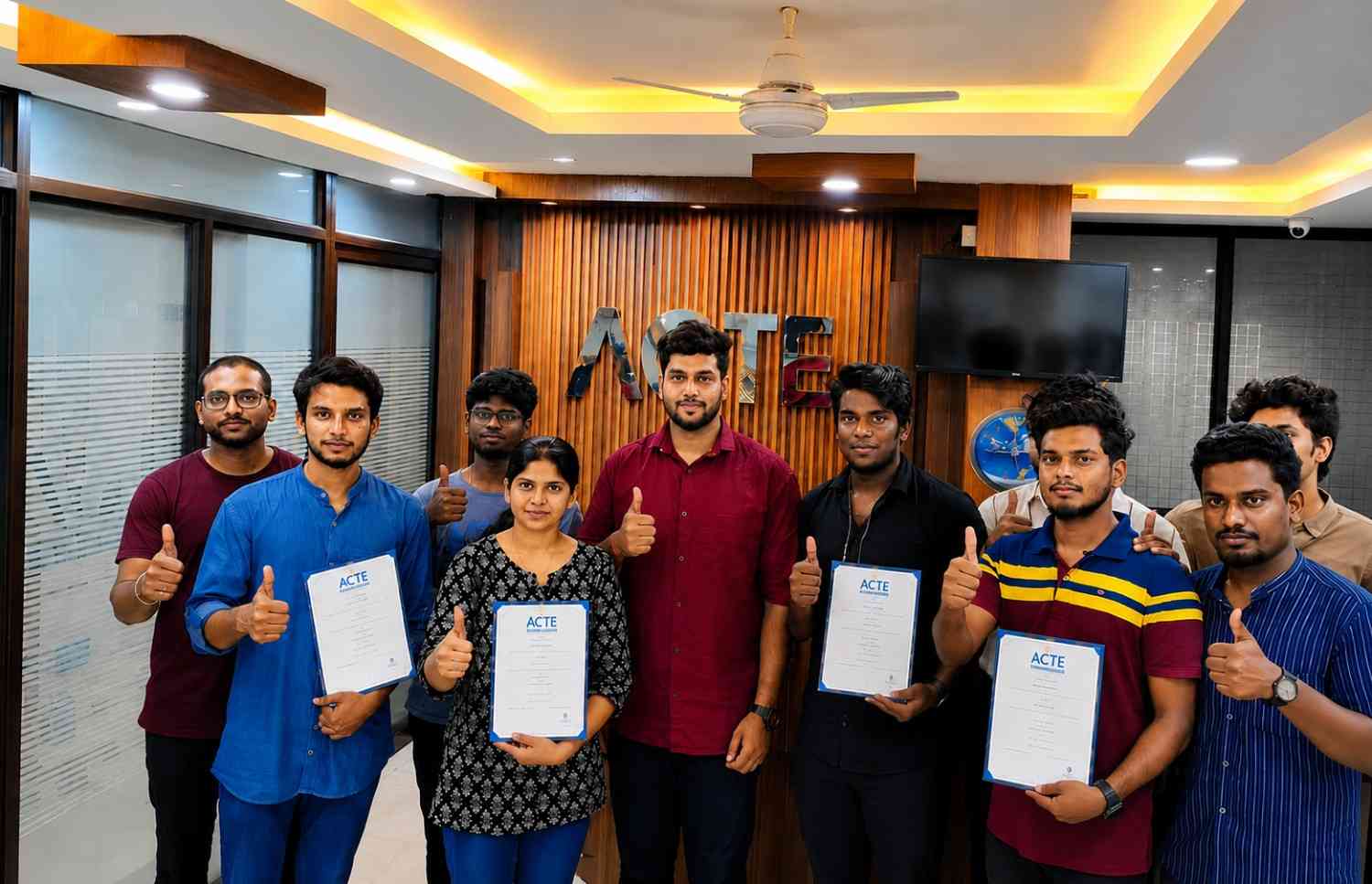
Overview Of PCB Design Course In Siruseri
Build a successful career in the electronics industry with our PCB Design course in Siruseri, carefully structured for students, freshers, diploma holders, engineering graduates, working professionals, and anyone interested in mastering PCB design. The course starts with the basics of electronics and systematically advances to professional-level topics such as schematic design, PCB layout creation, component placement, signal routing, multilayer PCB design, design rule checking (DRC), circuit validation, and fabrication file generation. Learners gain extensive practical exposure through real-time projects, hands-on lab sessions, and industry-focused assignments using leading PCB design software commonly employed by electronics companies. Our PCB Design placement course in Siruseri focuses on developing job-ready skills through live project implementation, practical case studies, and expert-led training that mirrors real-world PCB design processes. To support career growth, we also provide internship opportunities, placement assistance, resume-building guidance, aptitude and technical training, mock interview sessions, and communication skill development. With continuous mentoring from experienced industry professionals, students develop the confidence and expertise required to design high-quality, reliable, and industry-standard printed circuit boards.
Additional Info
Career Opportunities and Responsibilities for PCB Design Professionals
- PCB Design Engineer:
Creates efficient and reliable printed circuit board designs by developing schematics, positioning components and generating manufacturing-ready fabrication files.
- PCB Layout Designer:
Converts circuit schematics into optimized PCB layouts by handling component placement and ensuring compliance with design standards and manufacturing guidelines.
- Hardware Design Engineer:
Designs and develops electronic hardware by integrating PCB layouts with microcontrollers, processors and peripheral devices while performing functional testing and validation.
- Electronics Design Engineer:
Develops, simulates, and verifies electronic circuits using industry-standard PCB design software to deliver high-performance, reliable, and quality-driven electronic products.
- Electronics Research and Development Engineer:
Focuses on designing innovative PCB solutions, building prototypes and enhancing electronic circuit performance for advanced product development.
- PCB Manufacturing Support Engineer:
Coordinates with production teams by reviewing fabrication and assembly files, improving PCB assembly processes, and maintaining product quality production.
Key PCB Design Tools Covered in PCB Design Placement Training in Siruseri
- Altium Designer:
Gain practical experience with Altium Designer to create electronic schematics, design PCB layouts, perform signal routing, verify designs, and generate fabrication-ready manufacturing files.
- KiCad:
Learn to design professional printed circuit boards using KiCad by creating schematics, developing multilayer PCB layouts, managing component libraries, and performing design validation.
- Autodesk Eagle CAD:
Develop PCB design skills with Autodesk Eagle CAD by building schematics, organizing component libraries, and streamlining prototype development through cloud-enabled features.
- Proteus Design Suite:
Work with Proteus to simulate electronic circuits, validate embedded system designs, test microcontroller-based applications, and verify PCB functionality before manufacturing.
- EasyEDA:
Build hands-on expertise in EasyEDA by designing schematics, creating PCB layouts, managing electronic components, and developing prototypes through its browser-based design platform.
- Cadence OrCAD:
Master Cadence OrCAD for advanced PCB development, circuit simulation, signal integrity analysis, and preparation of production-ready design files for industrial projects.
Essential Skills You’ll Learn in a PCB Design Certification Course in Siruseri
- PCB Design Engineering:
Learn to design professional PCB layouts, optimize component placement, route signals efficiently, perform DRC checks, and generate fabrication-ready files for production.
- Hardware Design:
Develop skills to design, integrate, and test electronic hardware by combining PCB layouts, processors, sensors, and components into reliable electronic systems.
- Electronics Circuit Design:
Master electronic circuit design by creating, analyzing, simulating, and validating circuits that deliver high performance, reliability, and industry-standard quality.
- Research and Development:
Build expertise in developing PCB prototypes, troubleshooting design challenges, and supporting innovative electronic product development.
- Product Development:
Gain practical knowledge to design manufacturable PCBs, improve product functionality, ensure quality, enhance reliability, and support complete product development.
- Manufacturing and Testing:
Learn PCB verification, testing, fabrication file generation, defect identification, and manufacturing processes to deliver high-quality and production-ready circuit boards.
Future Scope of PCB Design Course Institute in Siruseri
- Expanding Electronics Industry:
Build a rewarding career as PCB design experts are increasingly sought after in consumer electronics, automation, healthcare devices, telecom, and industrial sectors.
- IoT and Embedded Systems:
Create smart electronic solutions by designing compact, high-performance PCBs for IoT devices, embedded systems, sensors, wearables, and connected technologies.
- Automotive and Electric Vehicles:
Explore opportunities in automotive electronics by designing PCBs for electric vehicles, battery systems, ADAS, infotainment, and intelligent mobility solutions.
- Aerospace and Defence:
Develop high-reliability PCBs for aerospace, defence, satellites, avionics, and mission-critical electronic systems that require precision and quality standards.
- Research and Product Innovation:
Contribute to next-generation electronic products by developing advanced PCB designs, improving hardware performance, and supporting research and innovation.
- Global Career Opportunities:
Earn globally recognized PCB design skills and pursue careers in electronics manufacturing, embedded systems, hardware engineering, and product development.

 LMS
LMS