Best Salesforce Training in Texas⭐ Salesforce Course in Texas | Updated 2026
Home » Cloud Computing Course in Chennai » Best Salesforce Training in Texas

Best Salesforce Training in Texas

Rated #1 Recognized as the No.1 Institute for Salesforce Admin Training in BTM Layout

Enroll in a Salesforce Admin Course Training in BTM Layout to grow your career in Salesforce administration via practical experience and improve your abilities under the knowledgeable supervision of specialists in the field.

Our online course on Salesforce administration gives students the skills they need to set up and maintain Salesforce apps. Acquire the necessary knowledge of data management, reporting, automation, and Salesforce platform customization to propel corporate success. Our course also provides hands-on experience.

  • Access 400+ hiring clients and unlimited interviews.
  • Gain hands-on experience with real Salesforce projects.
  • Sign up for the Salesforce Admin Course in BTM Layout today!
  • Boost your job opportunities with 16,874+ skilled professionals.
  • Master Salesforce administration and thrive in the CRM market.
  • Enjoy an affordable, industry-recognized program with 100% placement.
  • Advance Your Skills With Salesforce Training Institute In Texas And Build Expertise.
  • Explore Salesforce Administration, Automation, Reporting, And Dashboards With Training.
  • Receive Mentoring And Placement Assistance To Pursue Salesforce Administrator Opportunities.
  • Strengthen Knowledge Through Projects And Flexible Training Modes For Career Growth.

Job Assistance

1,200+ Enrolled

In collaboration with

65+ Hrs.

Duration

Online/Offline

Format

LMS

Life Time Access

Quality Training With Affordable Fee

⭐ Fees Starts From

INR 36,000
INR 16,500
100% Placements | Get Hired in Top MNC

Our Hiring Partners

Master CRM Administration Through Salesforce Training In Texas

  • Salesforce Training in Texas develops practical expertise in CRM administration, platform configuration, user management, security settings, workflow automation, reporting, dashboards, and business process management to prepare participants for Salesforce administrator positions.
  • Learners study Salesforce architecture, organization configuration, user administration, profiles, roles, permission sets, objects, data handling, automation features, reports, dashboards, and administrative procedures through guided lessons and hands-on implementation exercises.
  • Hands-on activities teach participants to create user accounts, manage permissions, configure sharing rules, customize standard and custom objects, automate workflows, generate reports, and build dashboards while gaining confidence in administering Salesforce environments efficiently.
  • The curriculum explores Salesforce security, user access, data management, automation tools, approval processes, reporting, permission settings, and CRM optimization. Participants learn to protect business information and help organizations maintain efficient operational processes.
  • Practical assignments explore sales management, customer support, user administration, workflow automation, and reporting requirements. Industry-oriented case studies develop troubleshooting abilities, analytical reasoning, platform expertise, and customer relationship management improvement skills.
  • The Salesforce Training in Texas program offers certification preparation, resume development, mock interviews, placement guidance, and career mentoring. These learning resources help participants improve professional competencies and pursue opportunities in Salesforce administration and CRM technologies.

Core Competencies Developed Through Salesforce Training

Manage Salesforce users, access permissions, security settings, reports, dashboards, and platform configurations through practical administration tasks.

Customize CRM applications, configure business workflows, establish approval procedures,and develop Salesforce solutions for organizational needs.

Develop Salesforce Administration expertise through guided assignments, practical business scenarios, and interactive CRM platform exercises.

Improve professional readiness with certification preparation, technical interview coaching,and industry-relevant Salesforce Administration competencies.

Salesforce Training Program

Salesforce

Salesforce Administrator Training Program

38k Learners Weekend / Weekday Live Class
  • Salesforce Administration
  • Real-Time Salesforce Projects
  • Certification & Interview Guidance
Module 1: Introduction to Salesforce
  • Introduction to Cloud Computing
  • Cloud Computing Service Models (IaaS, PaaS, SaaS)
  • What is Salesforce?
  • Evolution of Salesforce CRM
  • Salesforce Products and Cloud Offerings
  • Salesforce Editions
  • Creating a Salesforce Developer Account
  • Module 2: Organization Setup
  • Company Profile Setup
  • User Interface Configuration
  • Search Settings
  • Chatter Configuration
  • Organization Settings
  • Module 3: Security and Data Access
  • Login Access Restrictions
  • Object-Level Security
  • Record-Level Security
  • Role Hierarchy
  • Sharing Rules and Record Access Exceptions
  • Field-Level Security
  • Organization-Wide Defaults (OWD)
  • Module 4: Data Management
  • Data Import Wizard
  • Salesforce Data Loader
  • Importing New Records
  • Updating Existing Records
  • Upsert Operations
  • Export and Export All
  • Mass Transfer of Records
  • Weekly Data Backup
  • Mass Delete Records
  • Module 5: Process Automation
  • Email Administration
  • Workflow Rules
  • Approval Processes
  • Automating Lead Management
  • Automating Case Management
  • Introduction to Process Automation
  • Module 6: Salesforce Navigation
  • Salesforce Data Model
  • Navigation and User Interface
  • Help & Training Resources
  • Roll-Up Summary Fields
  • Cross-Object Formula Fields
  • Module 7: User Management
  • Managing User Profiles
  • Creating and Managing Users
  • Troubleshooting Login Issues
  • Chatter Free Users
  • Chatter External Users
  • Module 8: Customization
  • Managing Standard Fields
  • Creating Custom Fields
  • Picklists
  • Lookup Relationships
  • Formula Fields
  • Page Layouts
  • Record Types
  • Business Processes
  • Data Quality Management
  • Module 9: Reports and Dashboards
  • Running and Modifying Reports
  • Report Builder
  • Report Filters
  • Report Summaries
  • Bucket Fields
  • Printing and Exporting Reports
  • Scheduling and Emailing Reports
  • Dashboard Creation
  • Adding Dashboards to the Home Page
  • Module 10: Advanced Administration
  • Queues
  • Public Groups
  • Assignment Rules
  • Auto-Response Rules
  • Escalation Rules
  • Salesforce Best Practices
  • Salesforce

    Salesforce Development Training Program

    42k Learners Weekend / Weekday Live Class
    • Salesforce Development & Apex Programming
    • Lightning Components, APIs & Integrations
    • Hands-on Projects with Certification Support
    Module 1: Introduction to Salesforce Development
  • Overview of the Salesforce Platform
  • Evolution and Architecture of Salesforce
  • Setting Up the Salesforce Development Environment
  • Introduction to Apex Programming
  • Introduction to Visualforce
  • Introduction to Lightning Platform
  • Module 2: Salesforce Architecture
  • Salesforce Multi-Tenant Architecture
  • Standard and Custom Objects
  • Fields and Relationships
  • Salesforce Data Model
  • Lightning Platform Architecture
  • Salesforce Metadata and Components
  • Module 3: Apex Programming
  • Introduction to Apex Language
  • Apex Syntax and Data Types
  • Classes and Objects
  • SOQL (Salesforce Object Query Language)
  • SOSL (Salesforce Object Search Language)
  • DML Operations
  • Apex Triggers
  • Collections
  • Exception Handling
  • Governor Limits
  • Best Practices for Apex Development
  • Module 4: Visualforce Pages and Controllers
  • Introduction to Visualforce
  • Creating Visualforce Pages
  • Standard Controllers
  • Custom Controllers
  • Controller Extensions
  • Visualforce Components
  • Expressions and Data Binding
  • Integrating Visualforce with Apex
  • Module 5: Salesforce Lightning Development
  • Introduction to Lightning Experience
  • Lightning Component Framework
  • Aura Components
  • Lightning Web Components (LWC)
  • Component Communication
  • Event Handling
  • Working with Salesforce Data
  • Navigation and UI Development
  • Integrating Lightning Components with Apex
  • Module 6: Salesforce Data Management
  • Salesforce Data Loader
  • Data Import and Export
  • Data Migration
  • Data Validation
  • Duplicate Management
  • Reports and Dashboards
  • Data Quality Best Practices
  • Module 7: Salesforce Integration and APIs
  • Introduction to Salesforce APIs
  • REST API
  • SOAP API
  • Bulk API
  • Platform Events
  • External Objects
  • Salesforce Connect
  • Integrating with External Applications
  • API Authentication and Security
  • Error Handling and API Limits
  • Module 8: Testing and Debugging
  • Apex Testing Framework
  • Writing Test Classes
  • Code Coverage
  • Debug Logs
  • Developer Console
  • Debugging Techniques
  • Unit Testing
  • Integration Testing
  • Test Execution and Validation
  • Module 9: Deployment and Performance Optimization
  • Salesforce Deployment Process
  • Change Sets
  • Salesforce DX (SFDX) Introduction
  • Performance Optimization
  • Application Lifecycle Management (ALM)
  • Deployment Best Practices
  • Package Development
  • Release Management
  • Module 10: Best Practices and Real-Time Project
  • Salesforce Development Best Practices
  • Secure Coding Practices
  • Design Patterns
  • Building an End-to-End Salesforce Application
  • Third-Party Integrations
  • Performance and Security Considerations
  • Real-Time Project Implementation
  • Project Deployment
  • Interview Preparation and Coding Tips
  • Salesforce

    Salesforce CPQ Training Program

    28k Learners Weekend / Weekday Live Class
    • Salesforce CPQ Configuration & Pricing
    • Real-Time CPQ Implementation Projects
    • Certification & Interview Preparation
    Module 1: Salesforce CPQ Overview
  • Lead-to-Cash Process
  • Salesforce CPQ Architecture
  • CPQ Components and Benefits
  • CPQ Business Flow
  • Module 2: CPQ Installation and Configuration
  • Package Installation Best Practices
  • Upgrade and Patch Installation
  • CPQ Package Configuration
  • Post-Installation Configuration
  • Page Layout and Button Configuration
  • Module 3: Sales Cloud Fundamentals
  • Lead Creation
  • Lead Conversion
  • Account Creation
  • Contact Creation
  • Opportunity Creation
  • Opportunity Management
  • Module 4: Product Configuration
  • Standalone Products
  • Product Bundles
  • Bundle Features
  • Product Options
  • Option Constraints
  • Configuration Attributes
  • Module 5: Advanced Product Configuration
  • Nested Bundles
  • Dynamic Bundles
  • Asset Conversion Methods
  • Option Selection Layout
  • Configuration Patterns
  • Optional Products
  • Opportunity Synchronization
  • Module 6: Product Rules
  • Product Rule Overview
  • Selection Rules
  • Lookup Queries
  • Validation Rules
  • Alert Rules
  • Filter Rules
  • Module 7: Custom Actions
  • Introduction to Custom Actions
  • Creating and Managing Custom Actions
  • Custom Action Configuration
  • Module 8: Guided Selling
  • Guided Selling Overview
  • Product Recommendation Rules
  • Guided Selling Configuration
  • Module 9: Pricing Waterfall
  • Original Price
  • List Price
  • Option Price
  • Special Price
  • Regular Price
  • Customer Price
  • Partner Price
  • Distributor Price
  • Module 10: Discounting
  • Discount Schedules
  • Option Discounts
  • Quote Line Discounts
  • Quote-Level Discounts
  • Group Discounts
  • Tier-Based Discounts
  • Package Discounts
  • Partner Discounts
  • Distributor Discounts
  • Contractual Discounts
  • Module 11: Pricing Methods
  • List Pricing
  • Cost Pricing
  • Percent of Total Pricing
  • Block Pricing
  • Module 12: Usage-Based Pricing
  • Usage-Based Products
  • Consumption Pricing
  • Usage Schedules
  • Module 13: Multi-Dimensional Quoting
  • Multi-Dimensional Quotes
  • Subscription Pricing
  • Segment-Based Pricing
  • Module 14: Contract Pricing
  • Contract Pricing Concepts
  • Price Agreements
  • Customer-Specific Pricing
  • Module 15: Pricing Rules
  • Creating Pricing Rules
  • Lookup Objects
  • Pricing Rule Evaluation
  • Price Actions
  • Price Conditions
  • Module 16: Quote Templates
  • Quote Template Basics
  • Advanced Quote Templates
  • Template Sections
  • Template Content
  • Document Generation
  • Additional Documents
  • Translation Support
  • Module 17: Contract Management
  • Contracts Overview
  • Contract Creation
  • Contract Lifecycle
  • Module 18: Order Management
  • Order Management Process
  • Order Creation
  • Order Processing
  • Module 19: Quote-to-Order Flow
  • Complete Quoting Process
  • Quote Lifecycle
  • Quote Conversion
  • Module 20: Contract Amendments
  • Amendment Process
  • Updating Existing Contracts
  • Amendment Scenarios
  • Module 21: Renewals
  • Renewal Opportunities
  • Renewal Quotes
  • Automated Renewals
  • Module 22: Add-On Products
  • Add-On Product Configuration
  • Cross-Sell and Up-Sell Products
  • Module 23: Cancellation Management
  • Full Contract Cancellation
  • Cancellation Process
  • Module 24: Partial Cancellation
  • Partial Cancellation Process
  • Line-Level Cancellations
  • Module 25: Asset Amendments
  • Asset Management
  • Asset Amendments
  • Asset Lifecycle
  • Module 26: Subscription Orders
  • Subscription-Based Products
  • Subscription Order Processing
  • Subscription Lifecycle Management
  • Module 27: Localization and Multi-Currency
  • Localization Settings
  • Multi-Currency Configuration
  • Currency Conversion
  • Regional Pricing
  • Module 28: Approval Management
  • CPQ Approval Package Installation
  • Approval Rules
  • Smart Approvals
  • Approval Conditions
  • Approver Configuration
  • Module 29: Project Implementation Best Practices
  • CPQ Implementation Lifecycle
  • Requirement Gathering
  • Solution Design
  • Deployment Best Practices
  • Module 30: Performance and Troubleshooting
  • Performance Optimization
  • Troubleshooting Common Issues
  • Debugging CPQ Configurations
  • Module 31: Salesforce CPQ Data Model
  • CPQ Data Schema
  • Object Relationships
  • Data Flow
  • Key CPQ Objects
  • Module 32: Migration Scenarios
  • CPQ Data Migration
  • Metadata Migration
  • Deployment Strategies
  • Change Sets
  • Module 33: Salesforce CPQ APIs
  • CPQ API Overview
  • API Classes
  • Integration Scenarios
  • API Best Practices
  • Module 34: Customization Best Practices
  • CPQ Customization Guidelines
  • Declarative vs. Programmatic Customization
  • Performance Considerations
  • Design Best Practices
  • Module 35: Miscellaneous Topics
  • Advanced CPQ Features
  • Real-Time Business Scenarios
  • Common Interview Questions
  • CPQ Certification Tips
  • Industry Best Practices
  • Salesforce

    Salesforce Business Analyst Training Program

    44k Learners Weekend / Weekday Live Class
    • Salesforce CRM & Business Analysis
    • Requirement Gathering & Documentation
    • Live Project
    Module 1: Basics and Overview
  • What is Cloud Computing?
  • Overview on SaaS, PaaS, IaaS
  • What is CRM? Architecture of CRM and Its Uses
  • Creation of Salesforce Account for Practice
  • Overview of MVC Model
  • Deep Understanding of Applications, Objects, Fields, and Tabs
  • Module 2: Understanding Salesforce
  • Understanding Salesforce User Interface
  • Understanding Sales Standard App
  • Objects – Standard & Custom
  • Fields – Standard & Custom
  • Data Types
  • Creation of Object, Tab & App
  • Field Dependencies – State & Country Example
  • Object Relationships
  • Module 3: Relationship and Lookup Filters
  • Lookup Relationship and Master Detail Relationship
  • Junction Object (Many-to-Many Relationship)
  • Lookup Filters
  • Formula Fields
  • Rollup Summary Field
  • Module 4: Record Types, Page Layouts, and Page Layout Assignment
  • Introduction to Page Layout
  • Profiles – Set of Permissions and Visibilities
  • Users and Profiles
  • Permission Sets – Additional Permissions
  • Field Level Security
  • Record Types
  • Record Types and Page Layouts
  • Record Ownership
  • Module 5: Salesforce CRM Functionality Overview
  • Sharing Settings – OWD, Sharing Rules, Manual Sharing
  • Organization Wide Defaults
  • Sharing Rules
  • Manual Sharing
  • Creating Profile, Permission Set, and Sharing Settings
  • Creating Roles & Implementing Role Hierarchy
  • Creating Queue
  • Setting Up Public Groups
  • Module 6: Workflow Automation, Process Builder, and History Tracking
  • Validation Rules
  • Workflows & Approval Processes
  • Auditing Process
  • Field History Tracking
  • Data Management
  • Process Builder
  • Module 7: Visualization Using Reports and Dashboards
  • Classic Reports
  • Lightning Reports
  • Dashboards (Classic & Lightning)
  • Module 8: Apex Triggers & Custom Visualforce Pages
  • Apex Triggers
  • SOQL and SOSL
  • Visualforce Pages
  • Apex Classes
  • Standard Controller & Standard List Controller
  • Custom Controller
  • JavaScript / JQuery in Visualforce Page
  • Module 9: Business Analyst Overview
  • Business Analysis Process and Techniques
  • Stakeholder Need Analysis
  • Introduction to Software Development Life Cycles
  • Requirement Lifecycles
  • SDLC Models
  • Module 10: Requirement Process
  • Requirement Analysis and Transformation Techniques
  • Functional and Non-Functional Requirements
  • Finalizing Requirements
  • Module 11: Documentation & Quality Assurance
  • BRS & SRS Document
  • Overview of Testing and UAT Testing
  • Impact Analysis in Software Testing
  • Business Analysis Process and ER Diagram
  • Tools for Designing Use Cases and Data Model
  • Salesforce

    Salesforce Lightning Training Program

    31k Learners Weekend / Weekday Live Class
    • Lightning Web Components & Apex Development
    • Salesforce AI & Integration
    • Certification Preparation with Real-Time Projects
    Module 1: Introduction to Salesforce Platform & Lightning Framework (2 Hours)
  • Overview of Salesforce CRM Architecture
  • Understanding Salesforce Lightning vs. Classic
  • Lightning Experience Overview
  • Components of Salesforce Lightning (App Builder, Components, Pages)
  • Introduction to AI Capabilities in Salesforce (Einstein, GPT, and AI Cloud)
  • Assignment: Explore Salesforce Lightning Experience and Customize a Lightning App
  • Job-Oriented Scenario: Set Up a Salesforce Developer Org and Configure Lightning App Navigation
  • Module 2: Salesforce Data Model & Object Management (3 Hours)
  • Standard and Custom Objects
  • Fields, Relationships, and Schema Builder
  • Formula Fields, Roll-Up Summary, and Validation Rules
  • Record Types, Page Layouts, and Field-Level Security
  • SOQL & SOSL Queries
  • Assignment: Create Custom Objects and Relationships for a Student Management Application
  • Job-Oriented Scenario: Design the Data Model for a Customer Support Application
  • Module 3: Apex Programming (Backend Development) (6 Hours)
  • Apex Classes, Triggers, and Batch Apex
  • Apex Best Practices & Governor Limits
  • Exception Handling and Debugging
  • Test Classes and Code Coverage
  • Async Apex (Queueable, Schedulable, Future Methods)
  • Assignment: Create a Trigger to Auto-Update Related Records
  • Job-Oriented Scenario: Develop a Batch Process to Auto-Close Inactive Service Cases
  • Module 4: Lightning Aura Components (4 Hours)
  • Attributes, Events, and Component Bundles
  • Client-Server Communication with Apex Controller
  • Introduction to Aura Framework
  • Component & Application Architecture
  • Aura vs. Lightning Web Components (LWC)
  • Build an Aura Component for Dynamic Record Display and Filtering
  • Develop a Component for Account Lookup and Related Contact Listing
  • Module 5: Lightning Web Components (LWC) (8 Hours)
  • LWC Architecture & Lifecycle Hooks
  • HTML, CSS, and JavaScript in LWC
  • Decorators: @track, @api, @wire
  • Using Apex in LWC (Imperative & Reactive Calls)
  • LWC Event Handling & Communication
  • Conditional Rendering and Iteration
  • Reusable LWC Components
  • LWC Testing and Deployment
  • Build an LWC for Managing Employee Records with Dynamic UI Updates
  • Develop a Real-Time Dashboard in LWC for Sales KPIs with Drill-Down Filters
  • Module 6: Lightning App Builder, Flows & UI Automation (3 Hours)
  • Lightning App Builder Overview
  • Customizing Lightning Pages with Components
  • Salesforce Flow Builder (Record-Triggered, Screen, Scheduled)
  • Embedding LWCs in Flows
  • Declarative vs. Programmatic Automation
  • Assignment: Create a Screen Flow that Automates Lead Qualification Using LWC Input Components
  • Job-Oriented Scenario: Automate Service Case Routing Using Flow and LWC Integration
  • Module 7: Integration & API Development (5 Hours)
  • REST & SOAP API Basics in Salesforce
  • Apex Callouts for External System Integration
  • Named Credentials & OAuth 2.0 Authentication
  • Platform Events & Streaming API
  • Integrating LWC with REST APIs
  • Salesforce Connect and External Objects
  • Integrate Salesforce with an External HR Application Using REST API
  • Fetch Product Catalog Data from a Third-Party API and Display it in LWC
  • Module 8: Salesforce AI & Einstein Integration (5 Hours)
  • Introduction to Salesforce Einstein & AI Cloud
  • Einstein Prediction Builder
  • Einstein Discovery
  • Integrating Einstein GPT into Lightning Components
  • OpenAI (ChatGPT) Integration with Salesforce
  • AI-Based Recommendations Using Apex
  • AI for Case Classification & Next Best Action
  • Build an Einstein Prediction Model for Lead Conversion Probability
  • Integrate a ChatGPT-Powered Conversational Assistant into Lightning Apps
  • Create an AI-Driven Component that Suggests Products Based on Customer Purchase History
  • Module 9: DevOps, Testing & Deployment (4 Hours)
  • Git & GitHub Integration
  • Salesforce CLI and VS Code Setup
  • Sandboxes, Change Sets & Metadata API
  • Apex Testing and Jest Testing for LWC
  • CI/CD Using GitHub Actions or Azure DevOps
  • Deploy a Custom LWC and Apex Project from Sandbox to Production Using Change Sets
  • Set Up a CI/CD Pipeline for Automated Salesforce Deployments
  • Module 10: Real-Time Projects (6–8 Hours)
  • Project 1: AI-Enhanced Sales Dashboard
  • Project 2: Customer Support Automation System
  • Project 3: HR Employee Performance Portal
  • Your IT Career Starts Here

    550+ Students Placed Every Month!

    Get inspired by their progress in the Career Growth Report.

    Other Categories Placements
    • Non-IT to IT (Career Transition) 2371+
    • Diploma Candidates3001+
    • Non-Engineering Students (Arts & Science)3419+
    • Engineering Students3571+
    • CTC Greater than 5 LPA4542+
    • Academic Percentage Less than 60%5583+
    • Career Break / Gap Students2588+

    Upcoming Batches For Classroom and Online

    Weekdays
    12 - Oct - 2026
    08:00 AM & 10:00 AM
    Weekdays
    14 - Oct - 2026
    08:00 AM & 10:00 AM
    Weekends
    17 - Oct - 2026
    (10:00 AM - 01:30 PM)
    Weekends
    18 - Oct - 2026
    (09:00 AM - 02:00 PM)
    Can't find a batch you were looking for?
    INR 16,500
    INR 36,000

    OFF Expires in

    Who Should Take a Salesforce Certification Training

    IT Professionals

    Non-IT Career Switchers

    Fresh Graduates

    Working Professionals

    Diploma Holders

    Professionals from Other Fields

    Salary Hike

    Graduates with Less Than 60%

    Show More

    Job Roles For Salesforce Certification Course

    ServiceNow Administrator

    ServiceNow Developer

    ServiceNow Consultant

    ServiceNow Business Analyst

    ServiceNow Specialist

    ServiceNow Solution Architect

    IT Service Manager

    ServiceNow ITOM Specialist

    Show More

    What’s included ?

    Convenient learning format

    📊 Free Aptitude and Technical Skills Training

    • Learn basic maths and logical thinking to solve problems easily.
    • Understand simple coding and technical concepts step by step.
    • Get ready for exams and interviews with regular practice.
    Dedicated career services

    🛠️ Hands-On Projects

    • Work on real-time projects to apply what you learn.
    • Build mini apps and tools daily to enhance your coding skills.
    • Gain practical experience just like in real jobs.
    Learn from the best

    🧠 Launch Your Career in Top MNC Companies

    • Master technical and HR interview rounds.
    • Gain confidence with expert mock interview practice.
    • Improve your chances of getting hired faster.
    Learn from the best

    🎯 Interview Preparation For Freshers

    • Practice company-based interview questions.
    • Take online assessment tests to crack interviews
    • Practice confidently with real-world interview and project-based questions.
    Learn from the best

    🧪 LMS Self Learning Platform

    • Explore expert trainer videos and documents to boost your learning.
    • Study anytime with on-demand videos and detailed documents.
    • Top MNC interview questions & self coding practice.

    Curriculum

    Syllabus of Salesforce Training in Texas
    Module 1: Introduction to Salesforce
    • Overview of Salesforce CRM
    • Salesforce architecture and features
    • Understanding Salesforce editions
    • User interface and navigation basics
    • Salesforce roles and responsibilities
    • Importance of Salesforce in business
    Module 2: User Management
    • Creating and managing users
    • Profiles and permission sets
    • Role hierarchy and sharing rules
    • Login access and security settings
    • Delegated administration
    • Managing licenses and storage
    • Best practices for user management
    Module 3: Data Management
    • Data import wizard
    • Data loader basics
    • Data validation rules
    • Duplicate management
    • Data backup and recovery
    Module 4: Security & Access
    • Organization-wide defaults
    • Field-level security
    • Sharing settings and rules
    • Record-level security
    • Profiles vs. permission sets
    • Monitoring login history
    Module 5: Workflow & Automation
    • Workflow rules and actions
    • Process builder basics
    • Approval processes
    • Assignment rules
    • Email alerts and notifications
    • Automation best practices
    • Case studies on automation
    Module 6: Reports & Dashboards
    • Creating standard reports
    • Custom report types
    • Dashboards and components
    • Filters and grouping
    • Scheduling reports
    • Best practices for reporting
    Module 7: App & Object Management
    • Standard vs. custom objects
    • Creating custom fields
    • Page layouts and record types
    • Apps and tabs management
    • Schema builder overview
    Module 8: Final Project & Certification Preparation
    • End-to-end Salesforce admin project
    • Hands-on user and data management
    • Workflow automation exercises
    • Testing and validation
    • Mock exams and practice questions
    • Certification readiness assessment
    Show More
    Show Less

    Salesforce Training Learning Goals

    Salesforce training in Texas introduces CRM administration, platform customization, workflow automation, security configuration, and data handling. Learners acquire practical knowledge to maintain Salesforce environments through instructor-led sessions and industry-related business exercises.
    The program is designed for graduates, freshers, working professionals, and beginners exploring CRM platforms. Basic computer familiarity is helpful, while knowledge of customer service or business processes may provide an additional benefit.
    Learners practice Salesforce setup, object configuration, workflow automation, access control, report generation, dashboard creation, and hands-on CRM tasks that improve their platform administration and configuration capabilities.
    Training strengthens knowledge of Salesforce customization, CRM automation, user permissions, data administration, reporting, dashboards, and platform maintenance, preparing learners to explore Salesforce-related positions across different business environments.
    Salesforce training supports career exploration in CRM administration, application customization, platform support, workflow automation, customer relationship management, and cloud-based business applications across various industries.
    Salesforce helps businesses manage customer relationships and operational activities. Trained professionals configure applications, streamline workflows, protect business records, manage user access, and improve customer relationship management processes.
    • Strengthen practical Salesforce administration knowledge.
    • Practice CRM concepts through hands-on assignments.
    • Prepare for relevant Salesforce career opportunities.
    • Build technical confidence through guided exercises.
    Yes, beginners and experienced professionals can enroll in the program. Lessons introduce core Salesforce concepts before progressing to administration, automation, security, reporting, dashboards, data handling, and essential CRM workflows.
    • Salesforce setup, platform configuration, and customization
    • User permissions, profiles, roles, and security settings
    • Flow Builder, workflow automation, and approval processes
    • Reports, dashboards, and CRM data administration
    Graduates may pursue positions such as Salesforce Administrator, CRM Administrator, Salesforce Support Specialist, Business Analyst, CRM Consultant, and Salesforce Application Support Associate, depending on their skills and experience.
    Participants gain practical familiarity with Salesforce Setup, Object Manager, Flow Builder, Reports, Dashboards, Validation Rules, Profiles, Permission Sets, Data Import utilities, and essential platform security controls.
    • Salesforce Administrator
    • CRM Application Specialist
    • Salesforce Business Operations Analyst
    • CRM Support Consultant
    Show More

    Salesforce Training in Texas: Comprehensive Course Overview

    Salesforce Internship Training in Texas is suitable for aspiring professionals, college graduates, IT employees, CRM users, and individuals interested in developing hands-on Salesforce knowledge. The Salesforce Course in Texas explores user management, access controls, security settings, object configuration, workflow automation, approval rules, reports, dashboards, data administration, and customer relationship management. Through guided exercises, configuration tasks, and practical projects, participants strengthen their abilities in platform customization, business automation, troubleshooting, and data management. The curriculum introduces information security, permission settings, reporting techniques, workflow optimization, and maintaining reliable business records. Experienced instructors deliver practical demonstrations, guided exercises, and industry-relevant business scenarios. Participants also receive certification guidance, resume preparation, interview practice, placement support, and career mentoring. The program helps learners develop professional competencies for opportunities in Salesforce Administration, CRM consulting, business applications, and cloud-based technologies.

    Comprehensive Salesforce Training Course Details

    Career Paths After Completing Salesforce Training in Texas

    • Salesforce Administrator: Configures Salesforce environments, manages platform customization, maintains CRM features, and supports reliable system performance to improve business productivity.
    • Salesforce Technical Support Specialist: Assists users, addresses technical concerns, investigates configuration issues, and helps maintain Salesforce performance across business departments.
    • CRM Configuration Specialist: Evaluates business needs, configures Salesforce components, customizes CRM applications, and supports platform improvements for effective customer relationship management.
    • Salesforce Operations Analyst: Oversees CRM activities, maintains information accuracy, supports reporting requirements, and optimizes Salesforce workflows to improve operational efficiency.
    • Salesforce Deployment Coordinator: Organizes releases, coordinates deployment tasks, performs testing, and supports successful implementation of Salesforce updates across environments.
    • CRM Automation Specialist: Designs automated workflows, simplifies business procedures, configures Salesforce automation tools, and enhances operational productivity through effective CRM solutions.

    Essential Salesforce Features and Tools Included in Certification Training

    • Salesforce Object Relationships: Learn how Salesforce objects connect to organize business information, structure records, and build integrated CRM solutions according to organizational needs.
    • Salesforce Flow Builder: Practice designing automated flows, simplifying routine operations, reducing manual work, and improving business efficiency through Salesforce automation capabilities.
    • Data Validation Rules: Configure validation rules to maintain information quality, prevent incorrect entries, and ensure consistent and dependable records across Salesforce applications.
    • Reports and Dashboard Configuration: Build tailored reports, examine CRM data, and create dashboards that enable business teams to monitor results and support informed decisions.
    • Salesforce Security Administration: Understand profiles, roles, permission sets, and sharing settings to protect CRM records and assign appropriate access to business information.
    • Salesforce Sandbox Administration: Explore sandbox environments for testing configurations, developing customizations,and preparing changes without disrupting live Salesforce operations.

    Advantages of Salesforce Placement Training in Texas

    • Foundation for CRM Careers: Salesforce knowledge establishes a foundation for cloud technology careers, helping learners administer CRM applications and explore opportunities across business sectors.
    • Hands-On Industry Learning: Practical assignments and workplace scenarios build experience in Salesforce configuration, application implementation, and professional CRM administration procedures.
    • Expanding Cloud Career Opportunities: Wider Salesforce adoption creates opportunities for individuals who can configure, maintain, troubleshoot, and support customer relationship management platforms.
    • Diverse Professional Career Options: Salesforce capabilities support opportunities in platform administration, CRM consulting, business analysis, technical support, and enterprise application services.
    • Enhanced Technical Competencies: Structured training improves platform knowledge, troubleshooting techniques, and professional confidence required to manage Salesforce applications effectively.
    • Cross-Industry Employment Possibilities: Salesforce specialists can explore opportunities in finance, healthcare, retail, education, manufacturing, information technology, and other business sectors.

    Professional Opportunities After Salesforce Training in Texas

    • Growth of CRM Platforms: Increasing CRM implementation creates demand for Salesforce professionals who manage applications, streamline workflows, and support efficient business activities.
    • Expansion of Workflow Automation: Rising automation needs create opportunities for specialists who develop workflows, simplify repetitive tasks, and improve productivity with Salesforce tools.
    • Growing Demand for Data Administration: Organizations require Salesforce professionals to maintain customer records, improve reporting accuracy, and support data-informed operational decisions.
    • Progression Into Consulting Careers: Experienced administrators can explore consulting positions by developing expertise in solution configuration, business requirements, and CRM implementation planning.
    • Ongoing Salesforce Platform Development: Regular platform updates and emerging capabilities encourage professionals to refresh their knowledge and adapt to changing CRM technologies.
    • Sustained Professional Development: Salesforce knowledge supports career development as businesses adopt cloud applications for customer engagement, workflow automation, and digital transformation.
    Show More

    Need customized curriculum?

    Hands-On Salesforce Projects

    Leading Companies Offering Salesforce Placement Support

    • Salesforce Placement Support in Texas helps students identify employers looking for talent in CRM administration, platform customization, and cloud-based technologies.
    • Businesses across various sectors recruit Salesforce experts to oversee CRM systems, configure applications, organize customer information, and improve business productivity.
    • Banking, medical, retail, IT, and consulting industries require Salesforce specialists to maintain CRM platforms and contribute to digital transformation initiatives.
    • Employers such as Microsoft, Oracle, Capgemini, Amazon, Salesforce, Deloitte, Accenture, and IBM hire Salesforce talent for administration, technical support, and CRM positions.
    • Expanding enterprises and global organizations look for Salesforce experts who can automate business processes, streamline CRM activities, and implement reliable platform solutions.
    • Salesforce-certified candidates can explore positions including Salesforce Administrator, CRM Business Analyst, Technical Support Executive, and Salesforce Implementation Consultant across industries.
    • Salesforce Placement Support in Texas provides resume development, mock interviews, job search guidance, and career counseling to help learners identify relevant employment opportunities.

    Build Your CRM Skills with Salesforce Certification

    Salesforce certification training in Texas enables learners to develop hands-on skills in configuring, administering, and optimizing Salesforce CRM solutions. With practical tasks, business use cases, and professional guidance, participants gain experience in user management, security settings, data handling, workflow automation, reports, dashboards, and application customization. The course strengthens core competencies for streamlining business processes, managing CRM operations, and pursuing career paths in Salesforce Administration and CRM support.

    Finish Your Course

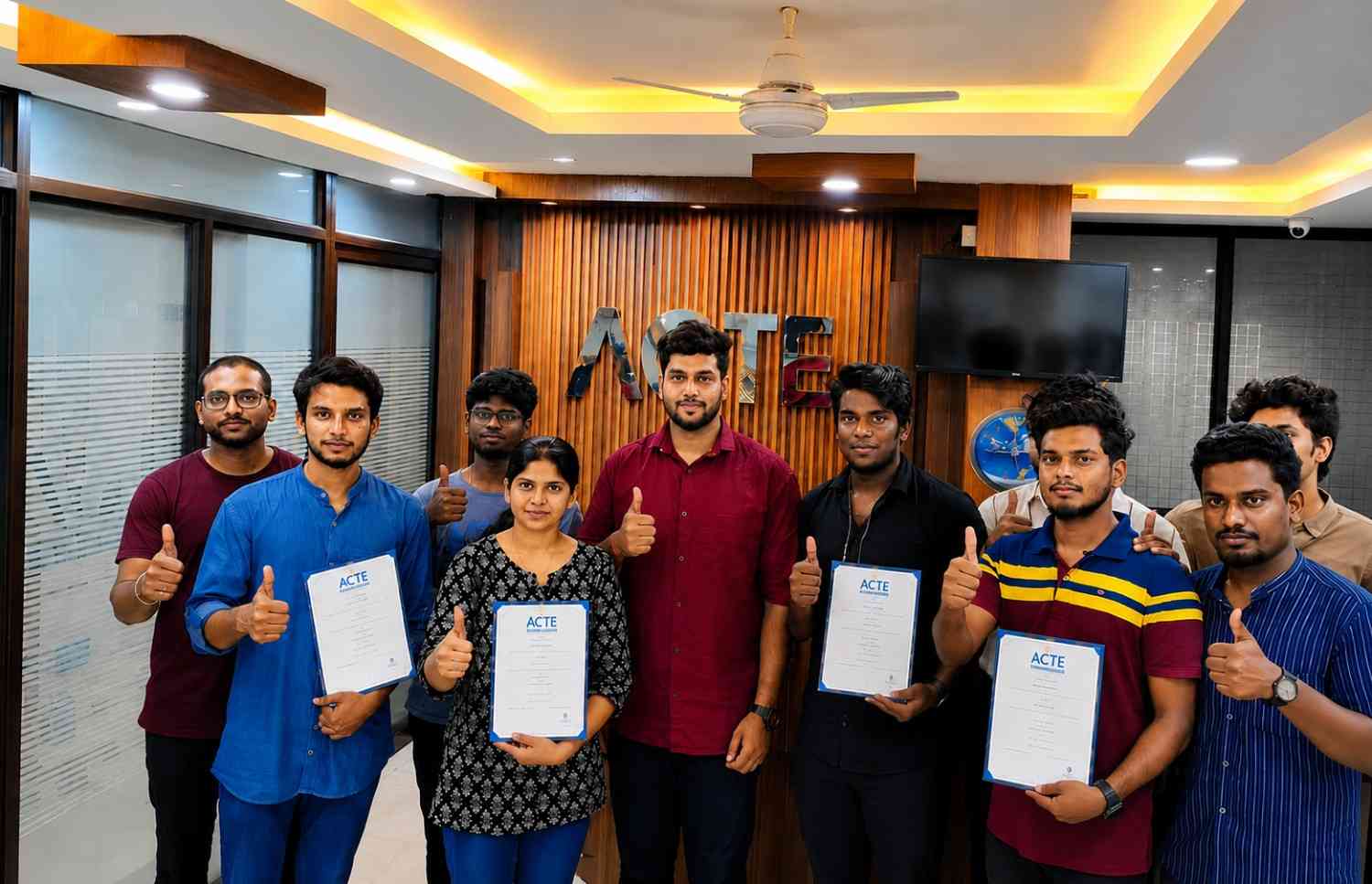
    a downloadable PDF certificate, conveniently accessible once you have successfully completed your training program

    Receive Your Certificate

    a printed copy of your officially branded Certificate featuring security markings.

    Get Certified

    Expert Salesforce Trainers for Career Success in Texas

    • Salesforce Trainers in Texas deliver hands-on training in CRM management, platform setup, user administration, and essential Salesforce functions.
    • Industry experts demonstrate Salesforce objects, access controls, automation tools, reports, dashboards, and data management through real business scenarios.
    • Participants enhance Salesforce expertise through practical projects, guided assignments, and interactive exercises that develop configuration and troubleshooting abilities.
    • Salesforce Trainers guide learners through platform customization, workflow automation, application configuration, and administrative practices for enterprise CRM systems.
    • The program offers practical experience with Salesforce applications, automation capabilities, data handling, reporting methods, and troubleshooting techniques used by industry professionals.
    • Career support covers interview coaching, resume development, certification guidance, and industry knowledge to help candidates explore Salesforce Administrator positions.
    • Qualified Salesforce instructors in Texas deliver career-oriented training featuring modern CRM practices, project guidance, and competencies matching evolving industry expectations.

    Authorized Partners

    ACTE TRAINING INSTITUTE PVT LTD is the unique Authorised Oracle Partner, Authorised Microsoft Partner, Authorised Pearson Vue Exam Center, Authorised PSI Exam Center, Authorised Partner Of AWS .

    100% Placements | Get Hired in Top MNC

      Career Support

      Placement Assistance

      Exclusive access to ACTE Job portal

      Mock Interview Preparation

      1 on 1 Career Mentoring Sessions

      Career Oriented Sessions

      Resume & LinkedIn Profile Building

      We Offer High-Quality Training at The Lowest Prices.

      Affordable, Quality Training for Freshers to Launch IT Careers & Land Top Placements.

      What Makes ACTE Training Different?

      Feature

      ACTE Technologies

      Other Institutes

      Affordable Fees

      Competitive Pricing With Flexible Payment Options.

      Higher Fees With Limited Payment Options.

      Industry Experts

      Well Experienced Trainer From a Relevant Field With Practical Training

      Theoretical Class With Limited Practical

      Updated Syllabus

      Updated and Industry-relevant Course Curriculum With Hands-on Learning.

      Outdated Curriculum With Limited Practical Training.

      Hands-on projects

      Real-world Projects With Live Case Studies and Collaboration With Companies.

      Basic Projects With Limited Real-world Application.

      Certification

      Industry-recognized Certifications With Global Validity.

      Basic Certifications With Limited Recognition.

      Placement Support

      Strong Placement Support With Tie-ups With Top Companies and Mock Interviews.

      Basic Placement Support

      Industry Partnerships

      Strong Ties With Top Tech Companies for Internships and Placements

      No Partnerships, Limited Opportunities

      Batch Size

      Small Batch Sizes for Personalized Attention.

      Large Batch Sizes With Limited Individual Focus.

      LMS Features

      Lifetime Access Course video Materials in LMS, Online Interview Practice, upload resumes in Placement Portal.

      No LMS Features or Perks.

      Training Support

      Dedicated Mentors, 24/7 Doubt Resolution, and Personalized Guidance.

      Limited Mentor Support and No After-hours Assistance.

      Frequently Asked Questions

      Want to know about available discounts?

      Contact our team at +91-7669 100 251 to learn about the latest course offers and available discounts!
      • ACTE supports learners with placement opportunities and career guidance. Explore our Student Placement List on our official website.
      • We maintain industry connections with 700+ leading companies, including Microsoft, Oracle, Amazon, HCL, Wipro, Dell, Accenture, Google, CTS, TCS, and IBM.
      • Over 3500+ learners were placed in the previous year across India and international markets.
      • ACTE provides career development sessions, mock interviews, and presentation training to help candidates approach challenging interviews with confidence.
      • Placement assistance is available to support career development.
      • Our placement team guides learners throughout their job search and helps them explore suitable opportunities with leading companies.
      • Access your Student Portal for FREE lifetime access to job openings, learning resources, videos, recorded sessions, and interview questions from leading companies.

      Is ACTE certification valuable for Salesforce training in Texas?

      ACTE certification demonstrates the skills and knowledge gained during training and can support professional development. Its value may vary depending on employer requirements, industry standards, and the relevance of the certification to specific Salesforce roles in Texas.

      Are live projects included in Salesforce training in Texas?

      Yes, practical projects are included in many Salesforce training programmes. These activities help learners apply classroom concepts, understand real business scenarios, and develop hands-on skills that can improve their readiness for professional opportunities.

      Who conducts Salesforce training in Texas?

      ACTE trainers bring relevant industry experience and practical IT knowledge to the classroom. They are subject matter specialists who help learners understand Salesforce concepts through structured lessons, demonstrations, and practical exercises.

      What happens if I miss a Salesforce training session?

      If you miss a class at ACTE, you can enquire about make-up sessions or access available recorded lessons. Course materials and learning resources can also help you review missed topics and continue your Salesforce training.

      Which training formats are available for the Salesforce course?

      Learners can choose from classroom, one-to-one, fast-track, customized, and online training options, subject to availability. These flexible formats help you balance Salesforce learning with your personal and professional responsibilities.

      Why choose ACTE for Salesforce certification training?

      ACTE offers structured Salesforce instruction, industry-relevant course content, experienced trainers, practical exercises, certification guidance, and placement assistance. These learning resources help students strengthen their technical knowledge and prepare for career opportunities in the Salesforce ecosystem.
      Upon successful course completion, you will receive an ACTE course completion certificate.

      Does the Salesforce course provide enough hands-on practice?

      Yes, Salesforce training includes practical exercises, interactive learning sessions, and project-based activities to strengthen your technical abilities. Group discussions and mock interviews may also help improve communication, problem-solving, and interview performance. This approach prepares learners to handle practical tasks and collaborate effectively in professional environments.

      How can I register for the Salesforce course at ACTE?

      For enrollment assistance, email enquiry@acte.in or log in to ACTE's website to explore the available payment options. You may also contact the training team to learn about course availability and enrollment procedures for Texas learners.
      Yes, learners can access available study resources through the Student Portal, including learning materials, videos, and interview preparation questions, subject to the programme's access terms.

      How can I watch recorded Salesforce training lessons?

      Recorded lessons may be available as part of the training programme. Once you complete enrollment and payment, you can access the provided recordings through the learning platform and revisit the lessons at a convenient time.
      Yes, ACTE provides career support after course completion. Assistance may include resume preparation, interview practice, job search guidance, and help identifying relevant employers to support your Salesforce career journey.
      Show More

      Job Opportunities in Salesforce

      More than 35% of Developers Prefer Salesforce. Salesforce is the Most Popular and In-Demand Platform in the Tech World.