Best SAP ABAP Training In Porur ⭐ SAP ABAP Course In Porur | Updated 2026
Join Our 100% Job Guaranteed

Best SAP ABAP Training in Porur

  • Enroll In A Top SAP ABAP Training Institute In Porur To Build Advanced ABAP Skills.
  • Our SAP ABAP Course Covers Core Advanced Concepts, Programming & Enhancements.
  • Choose Flexible Learning Options With Weekday, Weekend, And Fast-Track Batches.
  • Build Practical Skills Through Real-Time Projects Led By Certified Professionals.
  • Gain An Industry-Recognized SAP ABAP Certification With Dedicated Placement Support.
  • Receive Career Guidance To Build A Professional Resume And Prepare For Interviews.

Explore Active Opportunities on by ACTE

Live 1000+ Jobs and Internships
Quality Training With Affordable Fees in Porur!

⭐ Fees Starts From

INR 36,000
INR 16,500

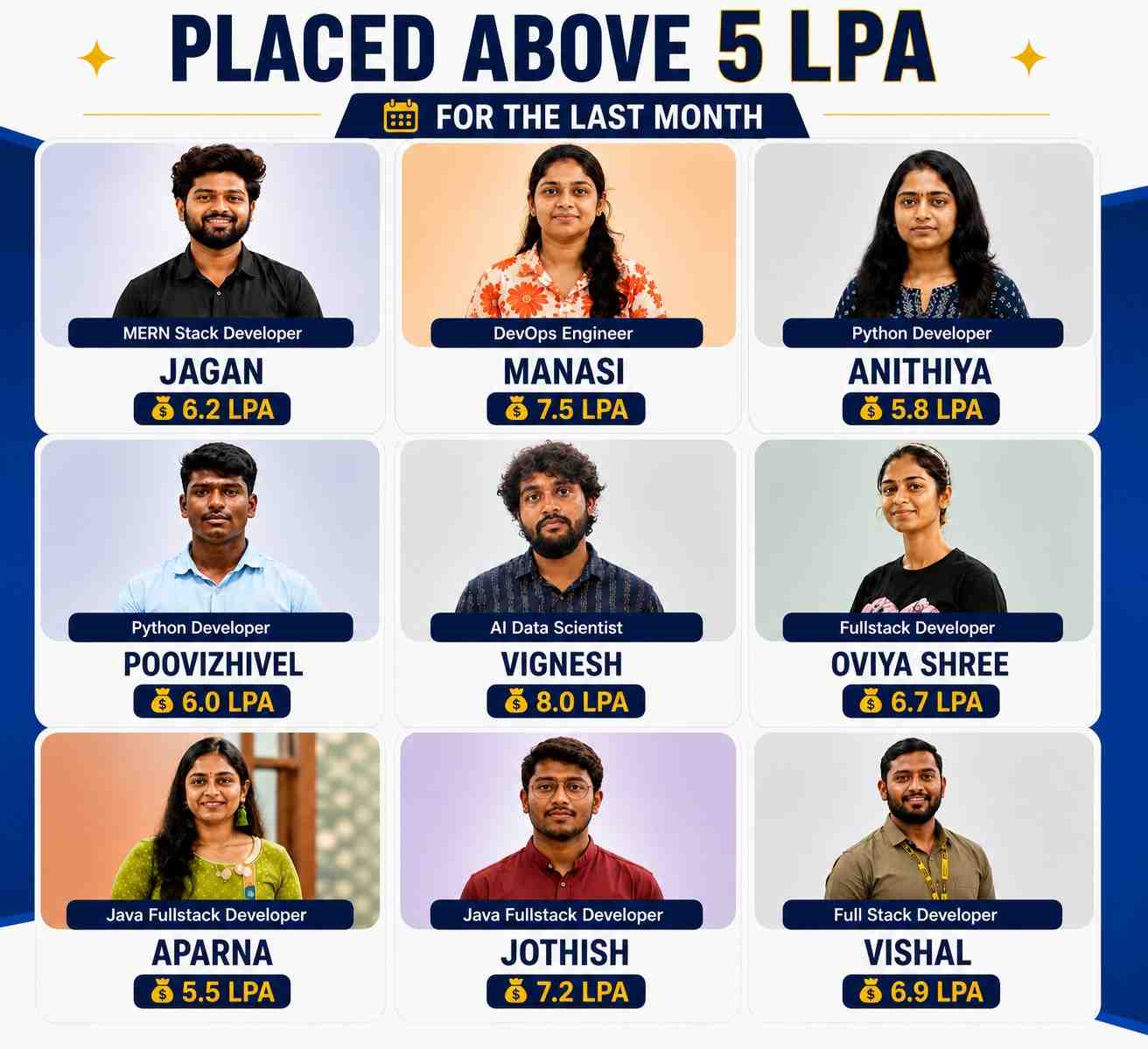
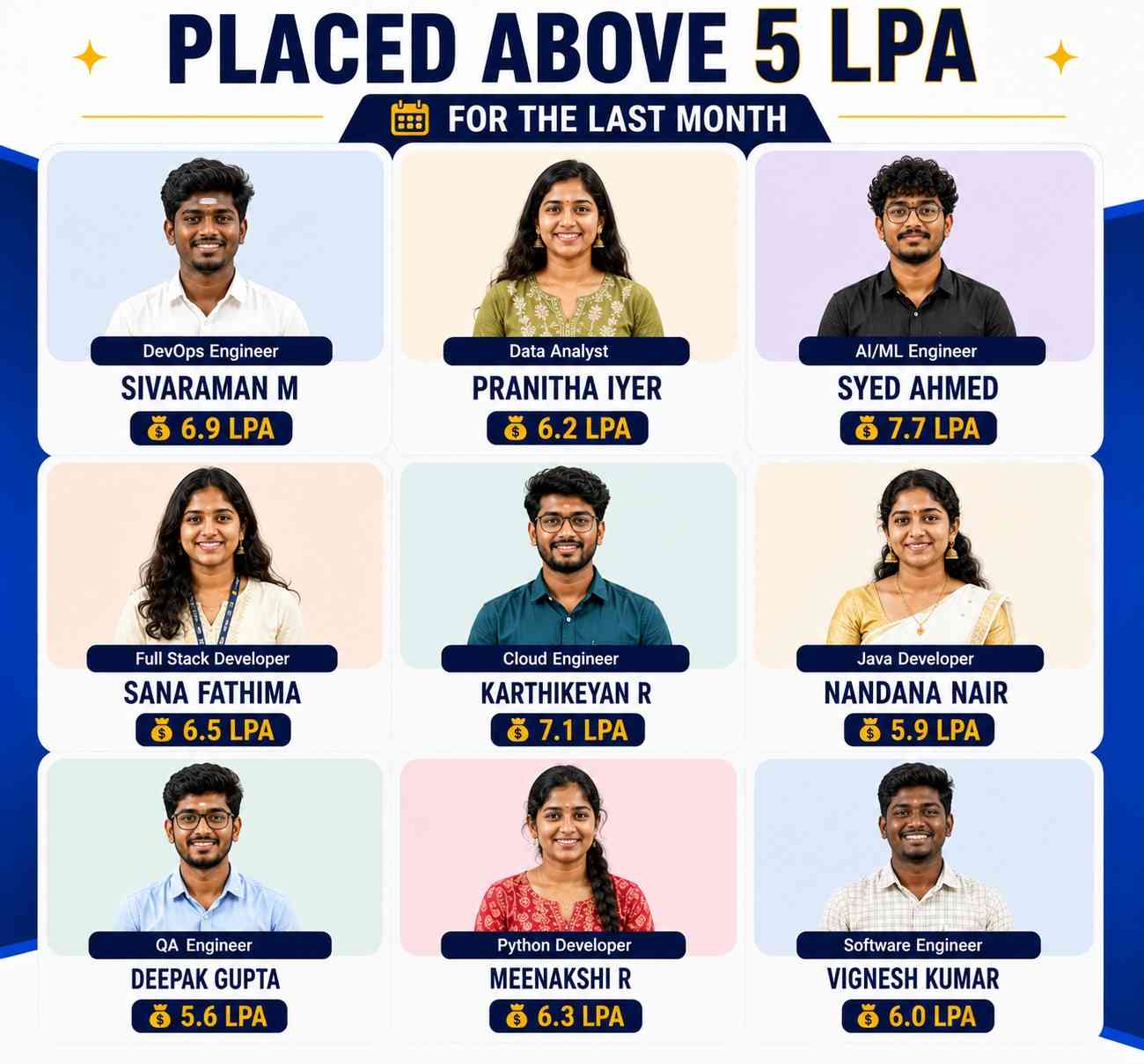
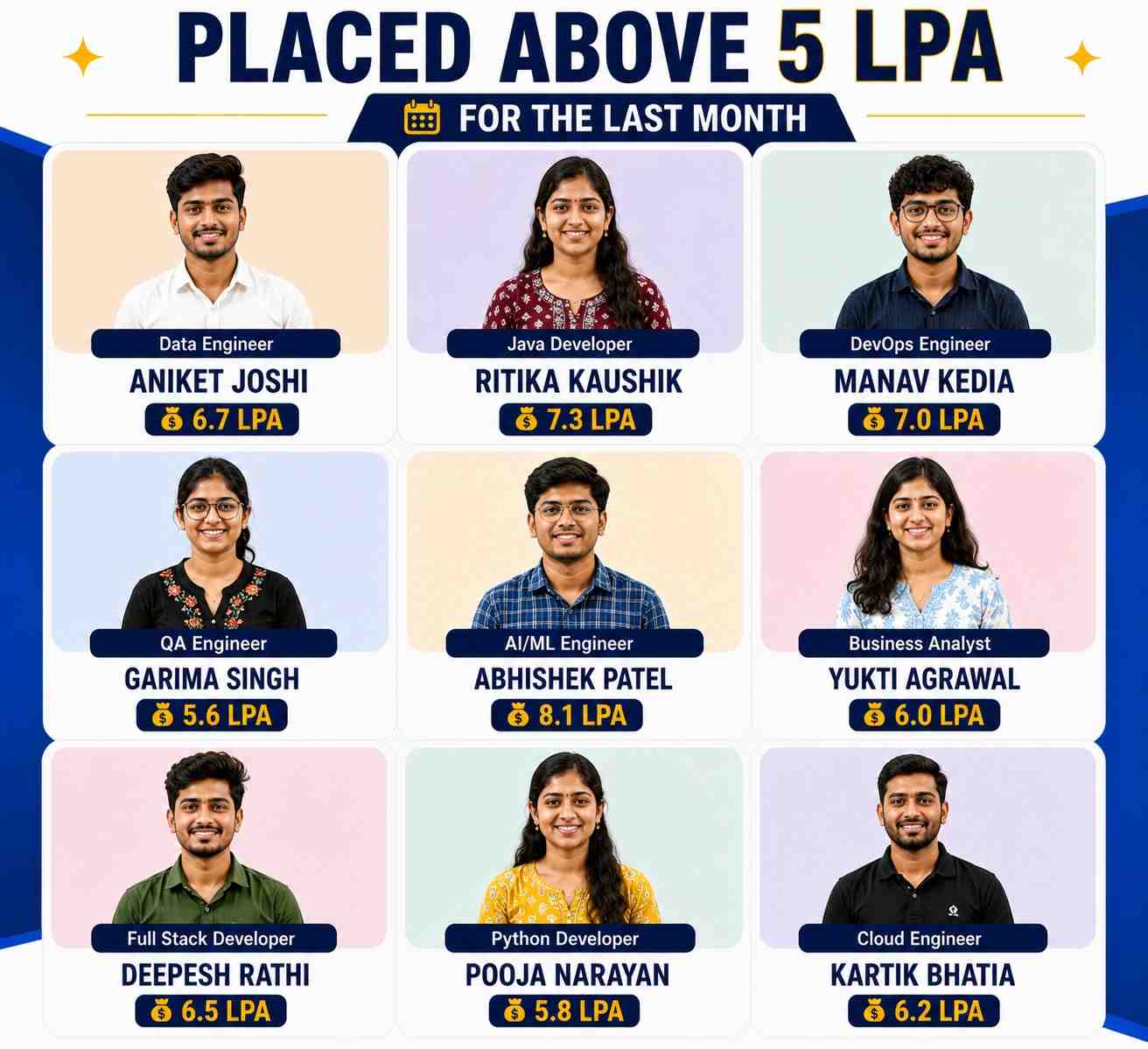
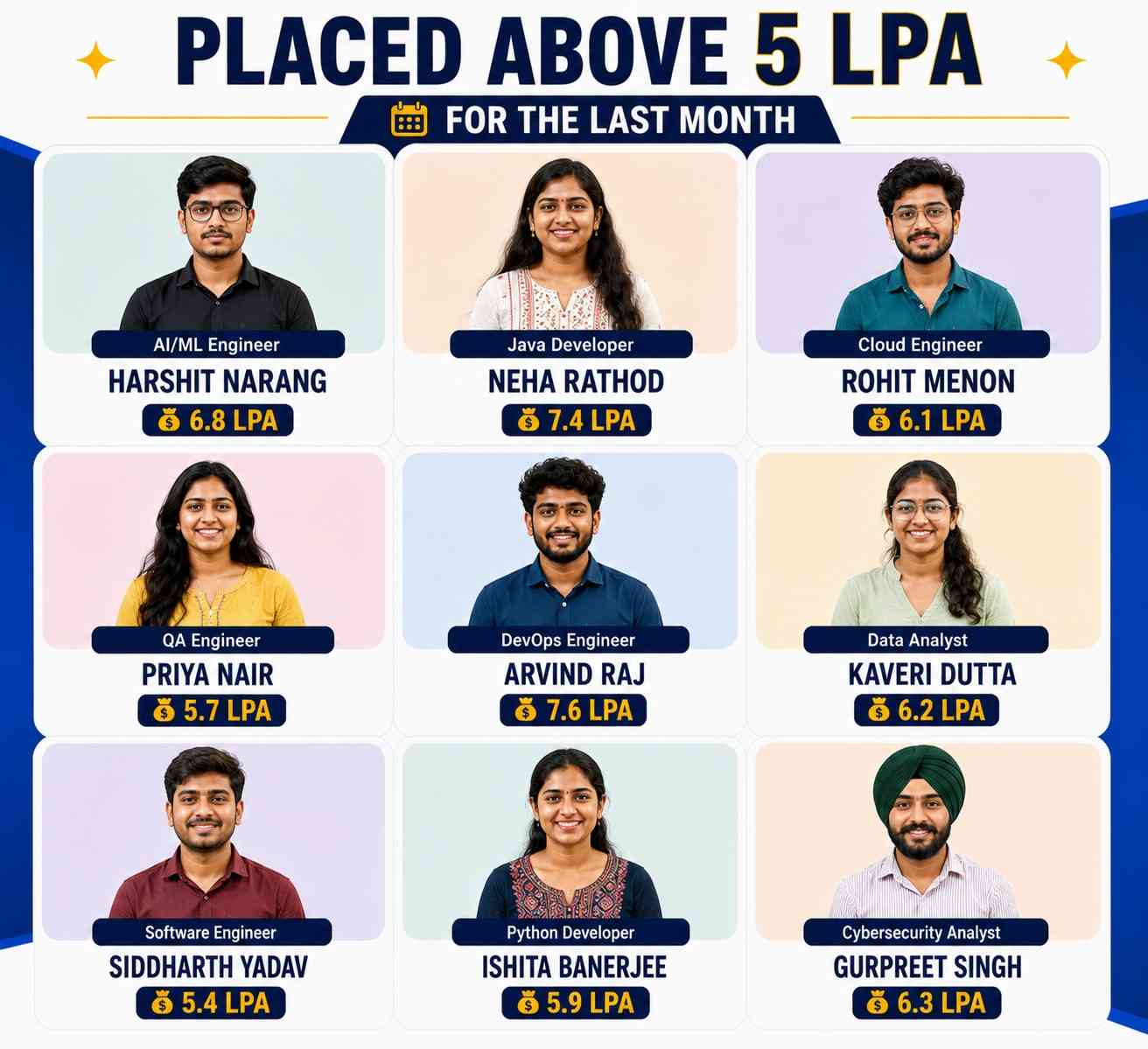
10569+

(Placed)
Freshers To IT

5556+

(Placed)
NON-IT to IT

7894+

(Placed)
Career Gap

4220+

(Placed)
Less Then 60%

Our Hiring Partners

Overview of SAP ABAP Course in Porur

Our SAP ABAP Training in Porur features a structured syllabus merging basic coding fundamentals with elite enterprise methodologies, enabling learners to achieve robust technical capability. Via hands-on labs and authentic corporate scenarios, students conquer essential ABAP pillars like the Data Dictionary, Reports, Module Pool design, Enhancements, Forms, and Object-Oriented paradigms. This course equips you to create, modify, and optimize SAP programs to satisfy unique enterprise needs. It builds your ability to deliver stable, scalable solutions inside corporate SAP landscapes while opening doors to jobs like SAP ABAP Developer, Technical Consultant, and Software Engineer. Industry-recognized credentials authenticate your skills and clear pathways to global IT opportunities.

What You'll Learn From SAP ABAP Training in Porur

SAP ABAP Classes in Porur are ideally tailored to suit fresh graduates and ambitious career professionals aiming to establish a deep, comprehensive foundation in corporate coding and software engineering inside modern enterprise SAP ecosystems.

Attendees receive rigorous, hands-on, and practical interaction with core ABAP domains encompassing Data Dictionary, Reports, Enhancements, Smart Forms, and Object-Oriented models to foster robust real-world expertise and professional readiness.

Investigate principal enterprise engineering pillars like Data Dictionary, Reports, Module Pool programming, Enhancements, and OOP while thoroughly mastering execution logic, advanced system debugging, and critical performance tuning skills.

The robust curriculum includes engaging interactive workshops, live enterprise ABAP coding projects, and thoroughly supervised practical tasks directed by veteran corporate mentors boasting rich technical programming backgrounds and extensive industry experience.

Upon successful course completion, graduates can expertly architect, build, and adjust custom SAP applications for complex operational demands while securing an industry-respected professional certificate that validates their technical competence.

This immersive study program thoroughly prepares participants for rewarding, lucrative roles in SAP ABAP Development, Technical Consulting, S/4HANA migrations, Fiori UI modifications, cloud-native extensions, and advanced enterprise software engineering.

Additional Info

Course Highlights

  • Launch a successful SAP ABAP profession through expert practical instruction spanning basic scripting, user exits, and sophisticated Object-Oriented design techniques.
  • Gain comprehensive placement support featuring direct pathways into open positions from companies constantly scouting for certified, employment-ready ABAP specialists.
  • Become part of a massive educational community featuring over 11,000 learners successfully educated and recruited through a trusted network of 350+ corporate partners.
  • Study directly under seasoned instructors possessing over a decade of hands-on, operational SAP ABAP development and complex system deployment expertise.
  • Leverage simplified training structures, practical project modules, and continuous personalized career guidance spanning your entire educational journey.
  • Choose a cost-effective learning path featuring adaptable timetable choices and full placement backing, tailored specifically for motivated freshers and rising specialists.
  • Solidify your core ABAP competencies via industry-driven training modules designed to render you self-assured for high-value programming job openings.

Exploring the Benefits of SAP ABAP Training in Offline

  • Beginner-Friendly Learning: SAP ABAP centers heavily on intuitive software design and structured scripting, making it exceptionally accessible to novices and career switchers alike. Its organized syntax, interactive guided labs, and transparent illustrations ease intricate coding ideas for starters entering the technology sector.
  • Useful Across Multiple Industries: SAP ABAP is seamlessly implemented across diverse commercial domains like global manufacturing, IT services, retail chains, financial institutions, telecom, and logistics networks. This wide market acceptance generates versatile, high-paying career tracks for aspiring ABAP Developers and Technical Consultants.
  • Extensive Community and Resources: The wider enterprise SAP ecosystem provides exceptionally rich study utilities via official Learning Hubs, active developer forums, instructional tutorials, live webinars, and detailed manuals. Regular platform updates and supportive peer groups allow experts to constantly hone skills.
  • Career Opportunities and Competitive Pay: Businesses heavily depend on skilled ABAP professionals to build, alter, upkeep, and upgrade essential enterprise software tools. These advanced technical skills unlock immediate access to varied high-profile roles, steady career advancement, and exceptionally lucrative salary brackets.
  • Strong Problem-Solving and Development Skills: SAP ABAP empowers modern developers to solve complex corporate hurdles through automated reports, customized utilities, targeted enhancements, and deep performance optimizations, helping organizations streamline daily operational workflows efficiently.

Essential Tools for SAP ABAP Training in Porur

  • SAP ABAP Workbench: Master core ABAP programming modules like the Data Dictionary and advanced system debugging utilities for building tailored, enterprise-grade SAP applications. Learn precise workspace navigation, secure object handling, and rigorous quality code standards.
  • Development and Configuration Tools: Gain practical, hands-on insights into transaction codes like SE80, SE38, SE11, and enhancement structures utilized to draft, adjust, and polish SAP code to fit stringent enterprise standards. Learn object-oriented programming, modular layouts, and system configurations.
  • Reporting and Forms: Build advanced ALV Reports, Smart Forms, and traditional SAP Scripts to generate dynamic reports and structured business files. Learn comprehensive layout design, high-volume data management, and precise output generation like corporate billing invoices.
  • Integration Tools: Connect complex ABAP systems with core functional modules like MM and SD for smooth data exchanges, end-to-end automation, and cross-functional enterprise flows. Explore technologies like BAPIs, RFCs, IDocs, and APIs to link SAP environments externally.
  • Practical Development and Real-Time Projects: Practice building sophisticated reports, technical interfaces, enhancements, and custom forms via live project tasks and realistic business scenarios. Tackle complex debugging hurdles and performance bottlenecks to ensure absolute technical readiness.

Top Modules Every SAP ABAP Professional Should Know

  • ABAP Fundamentals: Master foundational ABAP programming principles like complex data declarations, internal tables, loop controls, and modularization frameworks. Form a solid, reliable baseline to construct high-speed, scalable applications before moving to advanced topics.
  • Reports and Module Pool Programming: Learn to build classical and interactive reporting solutions together with module pool routines for dynamic screen designing. Gain practical command over interface flow control, user navigation, and structured data presentation.
  • Data Dictionary and Enhancements: Explore Data Dictionary database tables, transparent views, and extension frameworks like user exits and BADIs. Learn how to stretch standard system capabilities safely to match fluid and demanding business rules.
  • Forms and Interfaces: Gain complete, end-to-end knowledge of Smart Forms, SAP Scripts, and integration interfaces used for official document outputs and seamless data migration. Produce professional layouts and reliable cross-platform links.
  • Object-Oriented ABAP and Performance Optimization: Build deep proficiency in Object-Oriented ABAP design methods and advanced performance tuning strategies. Learn to write clean, reusable scripts, accelerate runtime execution speeds, and structure robust enterprise applications.

Must-Have Skills You Will Gain in SAP ABAP Training in Porur

  • ABAP Programming Fundamentals: Develop a crystal-clear grasp of data types, internal tables, loops, and modularization methods. Gain practical confidence in writing, debugging, and refining custom programs while significantly boosting overall execution speed.
  • Advanced Development and Customization: Gain comprehensive hands-on exposure to reports, module pool structures, complex enhancements, and custom forms. Learn to adapt standard system features and build tailored code solutions for unique, challenging business use cases.
  • Real-Time SAP ABAP Projects: Engage actively in realistic enterprise scenarios involving report creation, complex interface design, and functional modifications. Secure critical project exposure to handle demanding enterprise environments and apply skills in real workplaces.
  • Debugging and Performance Optimization: Master structured code reviews, systemic debugging routines, and advanced performance analysis methods. Build specialized expertise to spot software bugs, reduce server resource consumption, and stabilize enterprise application workflows.
Show More

Upcoming Batches For Classroom and Online

Weekdays
14 - Sep - 2026
08:00 AM & 10:00 AM
Weekdays
16 - Sep- 2026
08:00 AM & 10:00 AM
Weekends
19 - Sep - 2026
(10:00 AM - 01:30 PM)
Weekends
20 - Sep - 2026
(09:00 AM - 02:00 PM)
Can't find a batch you were looking for?
INR ₹16500
INR ₹36000

OFF Expires in

Who Should Take a SAP ABAP Certification Course

IT Professionals

Non-IT Career Switchers

Fresh Graduates

Working Professionals

Diploma Holders

Professionals from Other Fields

Salary Hike

Graduates with Less Than 60%

Show More

Job Roles For SAP ABAP Certification Training

SAP ABAP Developer

ABAP Technical Consultant

SAP Reports Developer

Interface Developer

Data Migration Specialist

SAP Workflow Developer

Forms Develope

SAP Technical Consultant

Show More

What’s included ?

Convenient learning format

📊 Free Aptitude and Technical Skills Training

  • Learn basic maths and logical thinking to solve problems easily.
  • Understand simple coding and technical concepts step by step.
  • Get ready for exams and interviews with regular practice.
Dedicated career services

🛠️ Hands-On Projects

  • Work on real-time projects to apply what you learn.
  • Build mini apps and tools daily to enhance your coding skills.
  • Gain practical experience just like in real jobs.
Learn from the best

🧠 Launch Your Career in Top MNC Companies

  • Master technical and HR interview rounds.
  • Gain confidence with expert mock interview practice.
  • Improve your chances of getting hired faster.
Learn from the best

🎯 Interview Preparation For Freshers

  • Practice company-based interview questions.
  • Take online assessment tests to crack interviews
  • Practice confidently with real-world interview and project-based questions.
Learn from the best

🧪 LMS Self Learning Platform

  • Explore expert trainer videos and documents to boost your learning.
  • Study anytime with on-demand videos and detailed documents.
  • Top MNC interview questions & self coding practice.

SAP FICO Course Syllabus

  • 🏫 Classroom Training
  • 💻 Online Training
  • 🚫 No Pre Request (Any Vertical)
  • 🏭 Industrial Expert

Enrolling in our SAP ABAP Training in Porur equips participants with essential technical competencies required for lucrative enterprise programming careers, precisely aligned with personal professional objectives. This syllabus unlocks high-demand technical positions across top corporations and competitive international markets, providing direct exposure to modern cloud enterprise platforms and advanced SAP technologies. Via adaptable learning schedules, students master specialized domains such as dynamic reporting, data dictionary architecture, module pool design, and Object-Oriented ABAP, while building a robust foundation in building, customizing, and tuning enterprise software solutions.

  • Core SAP ABAP Principles: Conquer syntax foundations, standard coding guidelines, and fundamental SAP ABAP technical concepts.
  • Development & Object Management: Build tailored software programs, administer data dictionary elements, and uphold pristine code quality standards.
  • Implementation & Business Solutions: Architect interactive reports, dialog transactions, and system modifications to optimize daily enterprise operations.
  • Debugging & Performance Optimization: Leverage the ABAP Workbench, advanced tracking utilities, and performance tuning methods for peak system execution.
Introduction to SAP ABAP
Core SAP ABAP Fundamentals
Advanced ABAP Development
Programming & Execution
System Integration & Enhancements
Reporting & Code Debugging
Practical Projects & Scenarios

This section provides a thorough introduction to SAP ABAP:

  • Importance of SAP ABAP: Evaluate corporate impact, global adoption trends, and business value of SAP development across major industry sectors.
  • Core Concepts: Understand database dictionaries, report generation styles, internal table structures, and object-oriented syntax for building robust foundations.
  • Key Platforms: Explore modern SAP S/4HANA environments and ABAP Workbench toolkit capabilities for contemporary enterprise programming systems.
  • Career Paths: Discover diverse professional roles including ABAP engineers and application support specialists to map out your career roadmap.

This segment investigates essential SAP ABAP functionalities and features:

  • Program Creation: Develop classical reports, dialog display screens, and critical business apps to satisfy routine enterprise functional demands smoothly.
  • Data Dictionary Management: Organize corporate information by configuring custom database tables and data domains for absolute data integrity.
  • Customization Techniques: Deploy customer user exits and code enhancements to adapt standard SAP workflows to unique client operational guidelines.
  • Reporting & Troubleshooting: Build analytical reporting layouts, audit code runtimes, and deploy debugging tools to quickly trace and eliminate technical errors.

Learn how to expertly establish and manage SAP ABAP development environments:

  • Development Interface: Navigate across the ABAP Workbench, transaction codes SE80, SE38, and core developer utilities to maximize daily coding productivity.
  • Automation Strategies: Construct modular, reusable code blocks, function modules, and streamlined modifications to accelerate feature delivery cycles.
  • Security & Access Controls: Manage system role authorizations, user profile assignments, and secure programming protocols to protect corporate assets.
  • Performance Tracking: Monitor program execution speeds, trace runtime exceptions, and optimize software loops to guarantee frictionless system performance.

This unit offers practical training for SAP ABAP implementation and creation:

  • Solution Creation: Engineer custom reporting scripts, data communication interfaces, and targeted program enhancements per precise customer specifications.
  • UI & Application Components: Build intuitive interfaces using SAP Fiori applications and module pool screens to ensure a seamless user experience.
  • Logic Implementation: Execute complex business rules, batch data processing routines, and tailored enterprise workflows across demanding landscapes.
  • Testing & Rollout: Verify execution results, analyze script behavior, and ensure optimal application performance prior to pushing changes into live production.

Discover how to connect and extend SAP ABAP applications smoothly:

  • Module Integration: Interlink your custom ABAP routines with core functional SAP layers like Materials Management (MM) and Sales & Distribution (SD).
  • Modification Practices: Apply user exits and BADIs to adapt core standard business processing flows without compromising foundational system integrity.
  • External Connectivity: Bridge SAP ecosystems with external third-party software using BAPIs, RFCs, and IDocs for secure cross-platform data exchange.
  • Workflow Streamlining: Implement strict coding architectures and object-oriented patterns to enhance long-term software maintainability and efficiency.

Master performance tracking and optimization techniques for SAP ABAP applications:

  • Monitoring Utilities: Utilize runtime performance traces, system logs, and code analysis tools to audit application activity and identify system latencies.
  • Performance Analytics: Tune SQL queries and apply code profiling procedures to minimize database server strain and maximize software execution speed.
  • Quality Standards: Evaluate script execution quality, error management robustness, and adherence to enterprise clean-code protocols for stable builds.
  • Database Handling: Manage data dictionary items, table maintenance views, and organized data structures to secure long-term data integrity.

Apply your SAP ABAP skills directly through real-world commercial scenarios:

  • Project Planning: Translate abstract business demands into structured technical blueprints and milestone delivery timelines for systematic project execution.
  • Practical Assignments: Complete hands-on development exercises featuring custom reports and dynamic smart forms to build true career confidence.
  • Code Reviews: Audit structural health, resolve execution bottlenecks, and refine application logic based on experienced technical mentorship feedback.
  • Capstone Delivery: Build comprehensive end-to-end enterprise SAP applications covering full system design, custom development, and optimization phases.

🎁 Free Addon Programs

Aptitude, Spoken English

🎯 Our Placement Activities

Daily Task, Soft Skills, Projects, Group Discussions, Resume Preparation, Mock Interview

Build Real-World Expertise by Mastering SAP ABAP Through Live Projects

Placement Support Overview

Trending Job Openings for SAP ABAP in Porur

SAP S/4HANA ABAP Developer

Company Code : PRR452

Porur, Chennai

₹30,000 – ₹50,000 a month

B.E / B.Tech / MCA

Exp 0-2 yrs

  • We are hiring an SAP S/4HANA ABAP Developer to construct custom Core Data Services (CDS) views, managed transactions, and streamlined enterprise reports locally.
  • Easy Apply

    SAP Fiori & ABAP Consultant

    Company Code : PRT739

    Porur, Chennai

    ₹35,000 – ₹60,000 a month

    B.Tech / Any Degree

    Exp 1-3 yrs

  • Join our Porur branch as an SAP Fiori & ABAP Consultant to design intuitive UI extensions and integrate secure OData services for modern corporate apps.
  • Easy Apply

    SAP ABAP Technical Analyst

    Company Code : PRA621

    Porur, Chennai

    ₹40,000 – ₹70,000 a month

    Any Degree

    Exp 2-4 yrs

  • Seeking an SAP ABAP Technical Analyst in Porur to evaluate solution blueprints, profile execution runtime bottlenecks, and execute seamless code tweaks.
  • Easy Apply

    SAP ABAP Cloud Developer

    Company Code : PRC884

    Porur, Chennai

    ₹28,000 – ₹45,000 a month

    B.E. / B.Tech / M.Sc

    Exp 0–2 yrs

  • Looking for an SAP ABAP Cloud Developer to leverage the ABAP RESTful Application Programming Model (RAP) for building side-by-side cloud enhancements.
  • Easy Apply

    SAP ABAP Interface Specialist

    Company Code : PRB537

    Porur, Chennai

    ₹32,000 – ₹55,000 a month

    Any Degree

    Exp 1-3 yrs

  • Work as an SAP ABAP Interface Specialist in Porur to build API web services, configure IDocs, and manage cross-platform enterprise data connections.
  • Easy Apply

    SAP ABAP Production Support

    Company Code : PRS269

    Porur, Chennai

    ₹45,000 – ₹80,000 a month

    Any Degree

    Exp 3–6 yrs

  • We’re hiring an SAP ABAP Production Support Lead to handle complex troubleshooting tasks, manage transport requests, and guarantee operational continuity.
  • Easy Apply

    SAP OData Developer

    Company Code : PRO418

    Porur, Chennai

    ₹38,000 – ₹65,000 a month

    Any Degree

    Exp 2–4 yrs

  • Join our Porur development hub as an SAP OData & Gateway Developer to expose backend SAP logic securely for third-party mobile and browser apps.
  • Easy Apply

    SAP ABAP Migration Engineer

    Company Code : PRM562

    Porur, Chennai

    ₹35,000 – ₹58,000 a month

    B.Tech / MCA

    Exp 1–3 yrs

  • Execute custom code adaptations, Unicode conversions, and software upgrade checks to assist organizations during major S/4HANA transitions.
  • Easy Apply

    Highlights for SAP ABAP Internship in Porur

    Real-Time Projects

    • 1. Acquire practical, hands-on experience through active execution of enterprise SAP ABAP coding modules, custom database table setups, and tailored reporting tools.
    • 2. Master effective problem-solving strategies using advanced data pipelines, modular troubleshooting techniques, and professional software maintenance methods.
    Book Session

    Skill Development Workshops

    • 1. Engage in dynamic, interactive technical workshops focused on modern SAP S/4HANA technologies, OData web services, and cloud integration architectures.
    • 2. Learn directly from experienced Porur industry mentors through guided lab sessions covering ALV grids, BADIs, and IDoc communication pipelines.
    Book Session

    Employee Welfare

    • 1. Benefit from flexible training timetables, a collaborative workspace environment, and continuous administrative and academic support throughout your tenure.
    • 2. Enjoy a positive, stress-free corporate ambiance designed to promote optimal work-life integration and long-term well-being for future technical specialists.
    Book Session

    Mentorship & Peer Learning

    • 1. Leverage one-on-one guidance from seasoned SAP enterprise architects to sharpen your technical acumen and guide your career development path.
    • 2. Cooperate alongside fellow interns on joint coding assignments and group tasks to mimic real-world agile software engineering development cycles.
    Book Session

    Soft Skills & Career Readiness

    • 1. Enhance your professional communication, client-facing presentation abilities, and structured agile execution methodologies essential for consultant roles.
    • 2. Build complete confidence for upcoming corporate interviews with realistic mock evaluation panels, personal CV critiques, and focused skill assessments.
    Book Session

    Certification

    • 1. Earn a valued, industry-recognized internship completion credential verifying your specialized SAP ABAP design, development, and integration capabilities.
    • 2. Boost your professional portfolio and market value significantly using authorized certification documents issued by our leading training center in Porur.
    Book Session

    Sample Resume for SAP ABAP (Fresher)

    • 1. Clean and Professional Resume Format

      – Use a well-structured layout with sections like summary, SAP ABAP technical skills, certifications, education, and project experience.

    • 2. Highlight Your SAP ABAP Skills

      – Showcase skills such as ABAP Reports (Classical & ALV), Data Dictionary, Module Pool Programming, Enhancements, BAPIs, IDocs, SmartForms/Adobe Forms, and Debugging.

    • 3. Projects and Practical Experience

      – Include 1–2 SAP ABAP projects with brief descriptions, tools/techniques used, and key outcomes or functionalities developed.

    Top SAP ABAP Trending Interview Questions and Answers (2026 Porur Guide)

    Ans:

    ABAP Cloud utilizes released public APIs, cloud-ready syntax restrictions, and the ABAP RESTful Application Programming Model (RAP) to build upgrade-stable side-by-side extensions. Developers in Porur implement these concepts to ensure seamless integration with SAP BTP without modifying core standard layers.

    Ans:

    • Managed Scenario: The framework automatically handles standard database operations (create, update, delete) and transactional consistency, reducing custom boilerplate coding.
    • Unmanaged Scenario: The developer manually implements the behavior pool logic to interface with legacy function modules or custom application layers.
    • Both approaches provide robust foundations for developing cloud-ready Fiori applications and modern service endpoints.

    Ans:

    Developers construct underlying CDS views, define behavior specifications, encapsulate them inside a service definition, and publish the package through a service binding. This automatically generates high-performance OData v4 endpoints for client-side consumption.

    Ans:

    • Push data-intensive computations down to the database layer using CDS views or AMDPs.
    • Avoid using legacy statements like SELECT * and retrieve only required fields.
    • Utilize modern internal table expressions, table buffering, and fast hash-based lookups to minimize runtime latency.

    Ans:

    Transaction control relies on standard LUW (Logical Unit of Work) concepts, update function modules, and generated lock objects (ENQUEUE/DEQUEUE). In RAP models, locking behavior is handled automatically via behavior definitions to prevent concurrent data conflicts.

    Ans:

    • They guarantee that custom code will not break during major software upgrades or cloud migrations.
    • They prevent risky direct database table modifications by relying on standard extension points and public objects.
    • They ensure long-term stability and maintainability for corporate technology projects.

    Ans:

    IDoc setup involves defining partner profiles, port configurations, basic types, and extension structures. Monitoring and troubleshooting are performed using transactions like WE02, BD87, and SM58 to track message flows and resolve communication failures.

    Ans:

    BADIs are object-oriented enhancement spots provided by SAP that allow developers to inject custom logic into standard transactions safely. Multiple implementations can be created and filtered based on specific business rules or organizational criteria.

    Ans:

    ABAP Unit enables developers to write automated white-box test methods within local test classes. It helps verify isolated code modules, catch logical errors early, and ensure code coverage standards are met before releasing transport requests.

    Ans:

    • Identify performance bottlenecks in classical reporting programs.
    • Rebuild data selection logic using optimized Core Data Services (CDS) views with associations and annotations.
    • Refactor output generation to feed modern ALV grid controls or SAP Fiori analytical dashboards for enhanced user experiences.

    Latest SAP ABAP Company-Specific Interview Questions for Porur (2026)

    1. How would you describe Core Data Services (CDS) views to a non-technical business user?

    Ans:

    Custom CDS views act as a foundational building block for high-performance data modeling in SAP S/4HANA. They push data-intensive logic down directly to the database layer, minimizing duplicate information and streamlining enterprise analytics and corporate reporting frameworks.

    2. What should an SAP ABAP consultant know about the transition from ECC to S/4HANA?

    Ans:

    An SAP ABAP consultant should understand modern S/4HANA architectures, the ABAP RESTful Application Programming Model (RAP), ABAP Cloud principles, custom code remediation, Fiori integration, and embedded analytics. Proficiency in code optimization, syntax adaptations, and performance tracing is also essential.

    3. How would you analyze a new technical development requirement raised by a business team?

    Ans:

    I would start by understanding the existing workflow and the core business objective behind the request. I would document the requirement, check available standard SAP functionality and released APIs, assess configuration possibilities and integration dependencies, and evaluate testing and maintenance impacts before recommending a solution.

    4. What does the clean-core development approach mean in an S/4HANA implementation?

    Ans:

    Clean core means keeping the standard SAP system untouched by modifications while utilizing upgrade-stable, cloud-ready side-by-side extensions. This approach reduces unnecessary technical debt, simplifies system maintenance, and supports smoother software upgrades and future innovations.

    5. In what ways can SAP Fiori and modern UI extensions enhance technical user experience?

    Ans:

    SAP Fiori provides intuitive, role-based applications that allow users to complete tasks, monitor real-time data processes, and access analytical insights through clean interfaces. Developers utilize OData services and UI annotations to deliver streamlined user experiences aligned with specific corporate responsibilities.

    6. What steps would you follow when troubleshooting a runtime error or short dump in ABAP programs?

    Ans:

    I would review the short dump via transaction ST22 to identify the error code, failing program statement, and active call stack. Then I would examine the underlying data structures, source code logic, database locks, or authorization settings. After pinpointing the root cause, I would apply the necessary fix, retest the script, and confirm stable execution.

    7. Why is automation becoming critical in SAP ABAP development and testing?

    Ans:

    Automation helps minimize repetitive manual tasks such as code quality scans, unit testing, transport deployment, and regression checks. Modern development environments combine automated testing tools, ABAP Test Cockpit (ATC), and CI/CD pipelines to boost productivity while maintaining robust technical standards.

    8. How would you test an end-to-end custom SAP ABAP development scenario?

    Ans:

    I would define the technical test scenario, verify required master data and custom database setups, execute the complete code workflow, verify database transactions, review output logs, and reconcile results against expected technical values. Any software defects found would be documented, debugged, and re-evaluated.

    9. Which performance profiling capabilities are useful for an S/4HANA ABAP consultant?

    Ans:

    A consultant should understand database tracing (ST05), ABAP runtime analysis (SE30/SAT), SQL performance tuning, Code Inspector checks, and ATC analysis. These tools help evaluate execution time, runtime bottlenecks, and database load to optimize overall application performance.

    10. What would you do if standard SAP functionality or released APIs do not completely satisfy a technical requirement?

    Ans:

    I would first re-validate the business requirement and explore alternative standard extension points or BAdIs. If custom development is unavoidable, I would implement an upgrade-safe solution following clean-core guidelines, ensuring appropriate security, performance tuning, and thorough maintenance planning.


    1. How is Core Data Services (CDS) extension handled in SAP S/4HANA?

    Ans:

    CDS view extensions allow developers to add new fields or associations to standard or custom views without modifying the underlying base object. This ensures upgrade stability and keeps custom logic separate from core SAP code repositories.

    2. How can ABAP RESTful Application Programming Model (RAP) support cloud-ready transformation programs?

    Ans:

    RAP provides a standardized framework for building enterprise-grade, cloud-ready applications and OData services on SAP BTP and S/4HANA. It unifies data modeling, behavior implementations, and service bindings to accelerate digital transformation strategies.

    3. How would you verify data integrity and code behavior after a custom code migration?

    Ans:

    I would execute custom code tests, review ATC check results, validate syntax adjustments, run ABAP Unit test classes, and compare runtime behavior against expected specifications. Any warnings or performance regressions would be investigated and resolved prior to system release.

    4. What is the purpose of AMDP (ABAP Managed Database Procedures) in SAP HANA optimization?

    Ans:

    AMDPs allow developers to write database procedures directly in SQLScript inside global ABAP classes. They are utilized for heavy data processing, complex calculations, and heavy mathematical operations that cannot be handled efficiently via standard declarative CDS views.

    5. How would you investigate an unoptimized Open SQL performance issue in a custom report?

    Ans:

    I would use the SQL Performance Trace (ST05) and ABAP Runtime Analysis (SAT) tools to identify expensive database queries, missing indexes, or loops over internal tables. I would then refactor the query using inner joins, host variables, or CDS views to push processing down to the database layer.

    6. What does Entity Manipulation Language (EML) provide in ABAP RAP development?

    Ans:

    EML is an internal language used within behavior implementations to read, create, update, and delete business object instances transactionally. It ensures data consistency and transaction control across managed and unmanaged RAP scenarios.

    7. How would you execute a robust interface integration test involving IDocs and APIs?

    Ans:

    I would establish partner profiles and port configurations, trigger test inbound or outbound message flows, track transmission logs via transactions like WE02 or SM58, and verify payload mappings. Any communication or structural errors would be debugged, corrected, and retested.

    8. Which code quality checks should be reviewed before releasing a transport request?

    Ans:

    I would run ABAP Test Cockpit (ATC) scans, check code inspector results, verify naming conventions, ensure strict syntax compliance, check for unused variables or dead code, and review transport dependency orders to maintain high deployment standards.

    9. How can AI-assisted coding tools and Joule support SAP ABAP developers?

    Ans:

    AI assistants can help generate boilerplate code patterns, interpret syntax errors, suggest performance optimizations, assist with code refactoring, and provide technical guidance. Developers should still review outputs, perform peer testing, and apply strict software engineering judgment.

    10. How would you communicate a complex architectural bug or technical bottleneck to a non-technical stakeholder?

    Ans:

    I would avoid deep technical jargon and explain the problem in terms of business impact, system stability, and user experience. I would outline the root cause, proposed fix, testing plan, and estimated delivery timeline so stakeholders can make informed project decisions.

    1. What are SAP Business Application Studio and ABAP Development Tools (ADT) used for?

    Ans:

    ADT (Eclipse-based) and Business Application Studio serve as modern integrated development environments for creating cloud-ready ABAP programs, CDS views, RAP applications, and side-by-side extensions, replacing traditional SAP GUI transaction editors.

    2. How does OData service generation work within SAP Gateway and RAP frameworks?

    Ans:

    OData services expose core backend SAP business logic as web-accessible REST APIs. Using RAP service bindings, developers can automatically publish data models as OData v2 or v4 services for consumption by Fiori apps or external systems.

    3. What approach would you take to resolve an interface mapping mismatch between SAP and a third-party application?

    Ans:

    I would compare payload structures, data types, mandatory fields, and formatting rules between the source system and SAP. After identifying the discrepancies in the proxy or IDoc mapping, I would implement the corrected transformation logic, retest the payload flow, and verify successful data integration.

    4. Why is code encapsulation and object-oriented programming essential in modern ABAP development?

    Ans:

    Object-oriented programming (classes, interfaces, inheritance, polymorphism) promotes modular architecture, code reusability, and easier unit testing. It helps separate UI presentation, business logic, and database operations cleanly.

    5. How can custom ALV (SAP List Viewer) reports be optimized for high-volume data handling?

    Ans:

    I would optimize data selection by using indexed fields or CDS views, implementing server-side pagination or parallel processing where necessary, avoiding nested loops over internal tables, and utilizing field symbols or reference variables for data manipulation.

    6. What distinguishes classical procedural ABAP from object-oriented and ABAP Cloud development?

    Ans:

    Procedural ABAP relies heavily on function modules, global variables, and open SQL statements without strict restrictions. Object-oriented and ABAP Cloud development enforce modular classes, strict syntax rules, restricted API usage, and cloud-ready standards to guarantee upgrade stability.

    7. What steps would you follow when preparing an ABAP custom code remediation plan for a migration project?

    Ans:

    I would run the Custom Code Migration Worklist in transaction SCI/ATC, categorize syntax errors and warnings, identify deprecated database tables or function modules, prioritize custom objects for adaptation, execute code refactoring, and validate changes through testing cycles.

    8. Why is automated unit testing critical during ABAP enhancement projects?

    Ans:

    Automated ABAP Unit testing allows developers to verify isolated code modules rapidly during code refactoring and software updates. It helps catch regressions early, ensures high code coverage, and maintains stable application performance.

    9. How would you troubleshoot a locked or failed transport request in the transport management system (STMS)?

    Ans:

    I would check transport logs (STMS) to identify the specific error code or object lock. I would verify object dependencies, release active user locks, clear transport buffer queues if necessary, and re-import the transport request in the correct sequence.

    10. Which technical skills are essential for an SAP ABAP consultant working on cloud migration projects?

    Ans:

    Essential skills include proficiency in ABAP Cloud, CDS views, RAP, OData services, Open SQL optimization, ADT in Eclipse, clean-core design principles, ATC quality checks, integration techniques, and strong analytical troubleshooting abilities.

    1. How can ABAP Cloud support clean core maintenance and upgrade-stable custom developments?

    Ans:

    ABAP Cloud restricts developers to released SAP public APIs and cloud-compliant syntax. This ensures that custom developments remain fully isolated from standard software layers, preventing technical debt and making future S/4HANA upgrades smooth and risk-free.

    2. What role does artificial intelligence play in modern SAP ABAP development workflows?

    Ans:

    AI tools assist developers with syntax generation, automated documentation, code explanation, refactoring suggestions, and unit test generation. These capabilities boost developer productivity while requiring rigorous human code review and compliance checks.

    3. What is Joule in SAP and how can ABAP technical teams benefit from its capabilities?

    Ans:

    Joule is SAP's generative AI copilot that allows users to interact with enterprise applications using natural language. For technical teams, it can help retrieve documentation, query system states, analyze logs, and navigate development tools more efficiently.

    4. How would you evaluate a custom ABAP code snippet for potential performance bottlenecks before production release?

    Ans:

    I would analyze database access patterns to ensure database operations are pushed down via CDS views or indexed queries, check for nested loops over internal tables, verify that internal table reads use binary search or hash keys, and review SAT runtime trace results.

    5. How would you investigate a discrepancy between an ALV report output and raw database table records?

    Ans:

    I would check the selection screen parameters, authorization filters, internal table data manipulation logic, and any dynamic runtime calculations applied in the report code. I would then compare the processed internal table records directly against database table entries using data browser (SE16N).

    <6. What does parallel processing mean in ABAP background job optimization?

    Ans:

    Parallel processing involves splitting a massive data workload into smaller chunks and executing them simultaneously across multiple background work processes using asynchronous function calls (`CALL FUNCTION STARTING NEW TASK`), significantly reducing overall execution runtime.

    7. How would you contribute to a large-scale SAP data migration project using ABAP migration objects?

    Ans:

    I would assist in designing custom data conversion programs, writing validation rules, executing LSMW or SAP S/4HANA Migration Cockpit custom migration objects, reconciling extracted and migrated data counts, and troubleshooting load errors.

    8. What security and authorization checks are crucial when developing custom ABAP transaction programs?

    Ans:

    Critical checks include implementing explicit authorization object validations (`AUTHORITY-CHECK`), validating user roles, securing parameter inputs against SQL injection vulnerabilities, and ensuring sensitive data is masked or restricted according to corporate compliance guidelines.

    9. How can custom enhancement spots and BAdIs help adapt standard SAP business transactions safely?

    Ans:

    Enhancement spots and BAdIs provide predefined hook points within standard SAP programs where developers can attach custom object-oriented implementations, allowing custom business logic execution without altering original SAP source code.

    10. How would you resolve conflicting technical priorities between a functional consultant and a development team?

    Ans:

    I would review the functional requirements against technical feasibility, system performance impacts, and clean-core guidelines. I would facilitate alignment meetings to propose standard-compliant, maintainable technical solutions that satisfy business goals without compromising system stability.

    1. What does SAP Business AI mean for modern ABAP development and enterprise applications?

    Ans:

    SAP Business AI integrates artificial intelligence seamlessly into business software. In custom development, it empowers developers to build intelligent, automated workflows, predictive data services, and enhanced user experiences while maintaining enterprise security.

    2. What is the difference between classical custom development and clean-core compliant ABAP extensions?

    Ans:

    Classical custom development often involved modifying standard SAP objects or using direct database table updates, which created upgrade conflicts. Clean-core compliant extensions rely exclusively on released public APIs, cloud-ready syntax, and side-by-side architecture on SAP BTP.

    3. How would you design an ABAP extension architecture for a multi-entity global enterprise?

    Ans:

    I would analyze cross-border data requirements, localization rules, multi-currency needs, and organizational reporting structures. Based on this, I would design modular ABAP classes, reusable CDS analytical views, secure OData integration services, and clean-core extension frameworks.

    4. What steps would you take to troubleshoot a syntax error or activation failure in a complex CDS view?

    Ans:

    I would review the ADT syntax check logs and activation error messages, verify field annotations, check association cardinalities, validate foreign key relationships with underlying database tables, and test SQL selection clauses independently.

    5. What is SAP Document and Reporting Compliance, and how do ABAP developers support it?

    Ans:

    It handles electronic invoicing and statutory tax reporting mandates across global jurisdictions. ABAP developers support this by configuring e-document frameworks, implementing custom mapping frameworks, and managing XML/JSON payload generation interfaces.

    6. How would you optimize an inefficient custom database update or batch data processing program?

    Ans:

    I would refactor row-by-row database modifications into optimized bulk operations (`MODIFY ZTABLE FROM TABLE ...`), implement parallel processing for large datasets, add database table buffering where appropriate, and eliminate redundant database hits.

    7. Which metrics would you monitor to evaluate the performance and health of custom ABAP applications?

    Ans:

    I would monitor runtime execution duration (SAT/ST05), short dump frequencies (ST22), transport error rates (STMS), ATC code quality violation counts, background job failure logs (SM37), and database table growth patterns.

    8. How does ABAP integrate with cloud services and external web applications via REST APIs?

    Ans:

    ABAP utilizes the HTTP client framework (`CL_HTTP_CLIENT`), REST library classes, and communication arrangements to consume and expose secure RESTful web services, enabling seamless interoperability between SAP backend systems and cloud platforms.

    9. What rigorous checks must be completed before promoting custom ABAP code to a production environment?

    Ans:

    I would verify successful ATC quality checks, review unit test coverage results, confirm integration test sign-offs, check transport sequence dependencies, ensure proper authorization object implementation, and secure formal change management approval.

    10. Which core SAP ABAP skills are most critical for securing S/4HANA development roles in Porur?

    Ans:

    • Strong mastery of Object-Oriented ABAP and modern Open SQL
    • Proficiency in Core Data Services (CDS) views and AMDP implementation
    • Hands-on experience with ABAP RESTful Application Programming Model (RAP)
    • Expertise in building and consuming OData v2/v4 services
    • Knowledge of ABAP Cloud and clean-core development principles
    • Integration capabilities with IDocs, Proxies, and REST APIs
    • Code optimization and performance tuning skills (SAT, ST05, ATC)
    • Familiarity with ADT in Eclipse and Fiori UI extensions
    • Automated unit testing and quality assurance practices
    • Strong problem-solving and technical communication skills

    Important Notice:

    Please be advised that the details shared here serve solely as a reference and guide. We maintain no official partnerships, business tie-ups, or formal affiliations with any of the paying guest facilities listed below.

    Women's PG Stay

      Porur
    • Sree Shakthi Ladies Hostel : 90031 98767
    • Friends Ladies Hostel : 73389 19836
    • Porur Garden
    • Sri Devi Women's Hostel : 98401 23456
    • Secure Nest Ladies PG : 97112 34567
    • Arcot Road Porur
    • Lakshmi Ladies PG : 94441 56789
    • Mugalivakkam Porur
    • Green Leaf Women's Hostel : 91234 56789
    • Madhanandhapuram Porur
    • Royal Ladies PG : 99400 12345

    Men's PG Stay

      Porur
    • SIDDHANS Men's PG : 88259 71908
    • Jaswanth Raaj Mens PG : 89255 15888
    • Porur Garden
    • Saisri Boys Hostel : 96001 23456
    • Elite Men's PG : 95001 23456
    • Arcot Road Porur
    • Stayspace Men's PG : 98402 34567
    • Mugalivakkam Porur
    • Balaji Boys Hostel : 97890 12345
    • Madhanandhapuram Porur
    • Executive Men's PG : 98844 55667

    Top SAP ABAP Job Opportunities for Freshers in Porur

    • 1. Junior SAP ABAP Developer and Technical Trainee Roles
    • 2. Fresher-Level SAP Customization and Application Support Opportunities
    • 3. SAP ABAP Programming Executive and Report Development Positions
    • 4. Entry-Level SAP ABAP Implementation and Technical Support Roles
    • 5. SAP Technical Analyst and Software Development Opportunities for Freshers

    Getting Started With SAP ABAP Course in Chennai

    No Coding
    8 Lakhs+ CTC
    No Work Pressure
    WFH Jobs (Remote)

    Why SAP ABAP is the Ultimate Career Choice

    High Demand

    Companies prefer multi-skilled professionals can handle entire project cycles.

    Global Opportunities

    Open doors to remote and international job markets.

    High Salary

    Enjoy competitive salaries and rapid career advancement.

    Flexible Career Path

    Explore roles such as developer, architect, freelancer, or entrepreneur.

    Future-Proof Career

    Stay relevant with skills that are consistently in demand in the evolving tech landscape.

    Versatility Across Industries

    Work in various domains like e-commerce, healthcare, finance, and more.

    Career Support

    Placement Assistance

    Exclusive access to ACTE Job portal

    Mock Interview Preparation

    1 on 1 Career Mentoring Sessions

    Career Oriented Sessions

    Resume & LinkedIn Profile Building

    Get Advanced SAP ABAP & S/4HANA Certification in Porur

    Obtain industry-recognized validation that demonstrates your high-level programming expertise within contemporary enterprise SAP landscapes. Master core coding techniques, cloud-based extension workflows, and corporate system architectures to boost your career progression across Porur and broader Chennai technology corridors. Gain hands-on competence in advanced frameworks including the RESTful ABAP Programming Model (RAP), Core Data Services (CDS), and the SAP Business Technology Platform (BTP).

    SAP ABAP Certification Porur
    • Certified SAP ABAP Developer (Cloud & S/4HANA Track)
    • SAP ABAP Technical Consultant & BTP Extension Credential
    • Core Data Services (CDS) & AMDP Optimization Specialist
    • RESTful ABAP Programming Model (RAP) & Fiori Integration Expert
    • Professional SAP Enterprise Architect & Developer Pathway

    Earning an SAP ABAP certification validates your development competencies and substantially raises your resume shortlisting rate among premier technology firms in Porur. Backed by dedicated placement assistance, practical project portfolios, and interview preparation workshops, it streamlines your transition to lucrative technical careers.

    Duration depends upon your selected batch schedule. Comprehensive weekday or weekend tracks typically span across 6 to 12 weeks, ensuring deep practical immersion in foundational language syntax and S/4HANA enterprise guidelines prior to final examination.

    • Globally acknowledged validation of advanced enterprise development expertise
    • Direct pipeline to high-compensation engineering roles across leading MNCs
    • Enhanced professional authority for managing complex cloud migration assignments
    • Significantly improved resume visibility and recruiter response metrics
    • Practical exposure to solving intricate business logic performance hurdles
    • Immersive, interactive learning sessions hosted at our dedicated Porur facility
    • Rigorous code reviews, debugging labs, and optimization tuning exercises
    • Simulation-driven mock tests modeled after authentic SAP certification formats
    • End-to-end portfolio compilation using real-world enterprise project case studies
    • Personalized career counseling, resume structuring, and interview coordination

    Complete Your Course

    A Downloadable Certificate in PDF Format, Immediately Available to You When You Complete Your SAP ABAP Course

    Get Certified

    A Physical Version of Your Officially Branded and Security-Marked SAP ABAP Certificate.

    Get Certified

    Lowest SAP ABAP Training Fees in Chennai

    Affordable, Quality Training for Freshers to Launch IT Careers & Land Top Placements.

    Call Course Advisor

    How is ACTE's SAP ABAP Training in Chennai Different?

    Feature

    ACTE Technologies

    Other Institutes

    Affordable Fees

    Budget-Friendly Fees With Flexible Payment Options.

    Higher Course Fees With Limited Flexibility.

    Expert Trainers

    Certified Professionals With Real-Time SAP ABAP Development Experience.

    Mostly Theory-Based Training With Less Industry Exposure.

    Updated Curriculum

    Industry-Aligned SAP ABAP Syllabus With Hands-on Coding Practice.

    Outdated Topics With Minimal Practical Learning.

    Hands-on Projects

    Real-Time ABAP Projects Including Reports, Enhancements, and Integrations.

    Basic Projects With Limited Real-World Exposure.

    Certification

    Recognized SAP ABAP Certification With Industry Value.

    Certifications With Limited Industry Recognition.

    Placement Support

    Dedicated Placement Support With Mock Interviews and Top Company Tie-ups.

    Basic Support With Fewer Job Opportunities.

    Industry Connections

    Strong Network With IT Companies for Internships and Placements.

    Limited or No Industry Collaborations.

    Batch Size

    Small Batches Ensuring Personalized Attention.

    Large Batches With Less Individual Focus.

    LMS Access

    Lifetime Access to Course Materials, Recordings, and Interview Resources.

    Limited or No Learning Management Support.

    Training Support

    24/7 Mentor Support, Doubt Clarification, and Career Guidance.

    Minimal Support Beyond Classroom Sessions.

    FAQ

    1. What Advanced Topics Are Covered in the SAP ABAP Sessions in Porur?

    The curriculum dives deep into modern S/4HANA paradigms, encompassing Core Data Services (CDS) views, ABAP Managed Database Procedures (AMDP), the RESTful ABAP Programming Model (RAP), and cloud extensions on the SAP Business Technology Platform (BTP).
    Yes. Special emphasis is placed on writing high-performance database queries using advanced Open SQL, minimizing database load, analyzing memory consumption, and applying code Inspector checks to streamline enterprise solutions.
    Absolutely. Trainees learn how to bind back-end transactional logic built via OData services and RAP directly with responsive SAP Fiori elements to deliver modern user experiences.
    Yes, modern cloud extensibility patterns are heavily highlighted, teaching you how to decouple custom modifications from the core SAP ERP system using side-by-side extension strategies.
    The training follows a heavy lab-driven model where you build, deploy, test, and troubleshoot custom business objects directly on real-time connected SAP S/4HANA server landscapes.
    It is tailor-made for engineering graduates, technical consultants, software programmers, IT professionals wanting to transition into ERP tech tracks, and existing legacy ABAPers looking to upgrade to S/4HANA.
    No prior ERP background is mandatory, though a solid grasp of basic programming logic, object-oriented concepts, and relational databases will significantly accelerate your learning speed.
    Yes, provided they commit to mastering foundational coding syntax, database structures, and structural debugging practices delivered step-by-step through our structured mentorship modules.
    An aptitude for breaking down complex organizational workflows into logical computational models, writing clean algorithms, and isolating bugs methodically will ensure smooth progression.
    Definitely. Experienced developers transition smoothly by mapping their existing general-purpose coding language paradigms directly to modern ABAP for SAP HANA syntax rules and cloud-native frameworks.

    1. What Designations Can I Target After Completing the Training?

    You can successfully target high-demand roles such as SAP S/4HANA Technical Consultant, ABAP on HANA Developer, BTP Extension Specialist, and Enterprise Solution Architect.

    2. How Do Mock Interviews and Portfolio Building Enhance Placement Odds?

    Simulated technical interviews conducted by seasoned architects help build confidence, while a deployment-ready project portfolio lets recruiters evaluate your hands-on coding capabilities instantly.

    3. Which Technical Concepts Are Most Frequently Grilled in MNC Interviews?

    Recruiters frequently test candidates on CDS view annotations, AMDP debugging techniques, handling large internal datasets, RAP transactional behaviors, and custom enhancements handling.

    4. Is Corporate Placement Assistance Available Post-Training in Porur?

    Yes, our dedicated placement cell coordinates resume optimization drives, shares direct interview schedules, and links certified candidates with top tier technology firms across Chennai.

    5. How Can I Tailor My Resume to Catch Recruiter Attention?

    Highlight specific S/4HANA project scenarios handled during labs, list modern tech stacks like RAP and CDS explicitly, and feature your official certification badges prominently at the top.
    Through regular concept revisions, chapter-wise quizzes, performance tracking metrics, and full-length mock examinations formatted closely after official global SAP certification criteria.
    Special focus must be given to code translation rules under HANA database architecture, object-oriented design patterns, error handling classes, and core extensibility concepts.
    Yes, solving complex business logic problems on live environments bridges the gap between raw theory and practical application, making multiple-choice certification questions much easier to solve.
    Globally verified credentials provide instant professional credibility, unlocking higher compensation brackets, international project assignments, and leadership responsibilities within corporate structures.
    You can display your digital badge and course credentials on professional networking sites like LinkedIn, your CV portfolio, and corporate internal skill registry portals.

    1. What Elements Determine the Pricing Structure of the Program?

    Pricing factors include dedicated server uptime hours, depth of the modern S/4HANA syllabus, expert trainer credentials, personalized mentoring depth, and overall placement support packages.

    2. Are Flexible Timing and Weekend Batch Options Provided?

    Yes, flexible choices including dedicated weekday fast-track sessions and comfortable weekend classes are available to accommodate college students and working corporate employees.

    3. Does the Fee Structure Cover 24/7 Server Access for Coding?

    Comprehensive packages typically include unhindered remote practice server access, ensuring students can execute homework tasks and practice codes outside formal class hours.

    4. What Parameters Should I Check Before Finalizing My Enrollment?

    Verify the syllabus depth, trainer background, dedicated lab infrastructure, duration of server access, mock test structures, and explicit job assistance guarantees before registering.

    5. How Can I Pick the Most Suitable Batch Structure?

    Evaluate your current daily routine, professional commitments, and target timeline for completing job applications to decide between an intensive weekday schedule or a relaxed weekend program.
    Acte Technologies WhatsApp