Our SAP FICO Training in OMR is designed to help learners understand modern financial management and controlling processes within SAP environments. The program covers important areas such as General Ledger, Accounts Payable, Accounts Receivable, Asset Accounting, Cost Center Accounting, Profit Center Accounting, and Controlling. Along with accounting fundamentals, learners are introduced to SAP S/4HANA Finance, SAP Fiori applications, financial reporting, process integration, and practical business scenarios. Hands-on exercises and project-based activities help participants understand how finance transactions, reporting, reconciliation, cost monitoring, and period-end activities are handled in an enterprise ERP environment. The training is suitable for graduates, finance professionals, accounting learners, and working individuals who want to develop SAP finance skills and explore career opportunities in consulting, ERP support, financial operations, reporting, and controlling.
What You'll Learn From SAP FICO Course
Understand the fundamentals of SAP Financial Accounting and Controlling while learning how enterprise organizations manage accounting transactions, financial records, cost information, and reporting through integrated SAP systems.
Explore important FICO components including General Ledger, Accounts Payable, Accounts Receivable, Asset Accounting, Cost Centers, Profit Centers, Internal Orders, and other controlling processes used in business finance operations.
Gain practical exposure to finance activities such as journal posting, invoice processing, payments, reconciliation, account clearing, asset transactions, cost allocation, financial closing, and reporting through business-oriented exercises.
Learn how SAP FICO works with modern technologies such as SAP S/4HANA Finance, SAP Fiori, integrated reporting, and analytics to support faster access to financial information and more efficient business processes.
Understand the functional concepts behind SAP FICO configuration, organizational structures, master data, document controls, account determination, integration settings, and finance-related business requirements.
Develop job-oriented knowledge through practical assignments, project discussions, troubleshooting scenarios, reporting activities, and interview preparation designed around modern SAP finance career requirements.
Additional Info
Course Highlights
Build a strong SAP FICO foundation covering Financial Accounting, General Ledger, vendor and customer accounting, cost control, and financial reporting.
Explore modern SAP finance concepts such as S/4HANA Finance, SAP Fiori, integrated reporting, real-time data, and digital accounting workflows.
Gain practical exposure through exercises, business scenarios, projects, and trainer-guided sessions based on common enterprise finance processes.
Understand SAP FICO configuration basics, including organizational structures, master data, document settings, account determination, and module integration.
Develop practical skills in postings, invoice processing, payments, clearing, reconciliation, period-end activities, cost allocation, and financial reporting.
Follow a career-focused learning approach designed for freshers, finance professionals, accounting learners, and working individuals exploring SAP FICO roles.
Improve your job readiness with functional knowledge, problem-solving abilities, reporting expertise, and awareness of modern SAP finance practices.
Benefits of Learning SAP FICO Through Offline Training
Trainer-Led Interaction: Offline SAP FICO classes provide direct interaction with trainers, allowing learners to discuss accounting situations, configuration concepts, reporting questions, and business process challenges while receiving personalized explanations and practical guidance during the session.
Hands-On Practice: Classroom learning provides a structured environment for practicing SAP transactions, understanding system screens, following finance workflows, and applying concepts through guided exercises, practical assignments, and real-time business examples.
Faster Doubt Resolution: Learners can immediately raise questions related to accounting entries, configuration, integration, reports, or transaction processing. Direct discussions with trainers can help clarify complex concepts and improve confidence while performing practical SAP activities.
Structured Learning Routine: Regular classroom sessions encourage learners to maintain consistency across theory, system practice, assignments, and project activities. A planned learning schedule can help reduce knowledge gaps and support steady progress throughout the SAP FICO course.
Collaborative Practice: Offline environments allow learners to discuss SAP scenarios with trainers and peers, compare different approaches, participate in problem-solving activities, and gain practical perspectives on finance processes commonly followed in enterprise organizations.
Modern Tools and Technologies Covered in SAP FICO Training in OMR
SAP S/4HANA Finance: Understand the modern SAP finance environment and explore how integrated financial data, simplified processes, centralized information, and improved reporting capabilities support contemporary enterprise finance operations.
SAP Fiori Applications: Learn about the role of Fiori-based applications in accessing finance functions through intuitive user interfaces. Explore how business users can work with relevant financial tasks, approvals, information, and analytical applications.
SAP Financial Accounting: Study General Ledger, Accounts Payable, Accounts Receivable, Asset Accounting, bank-related processes, document posting, clearing, and reconciliation to understand the core activities of enterprise financial accounting.
SAP Controlling: Explore Cost Centers, Profit Centers, Internal Orders, cost allocation, planning, budgeting concepts, and variance analysis to understand how organizations monitor costs and evaluate internal business performance.
SAP Reporting and Analytics: Develop awareness of financial reporting, analytical applications, dashboards, account information, and management-oriented insights that help finance teams review business performance and make informed decisions.
SAP Integration: Understand how FICO connects with SAP MM, SD, and other business functions. Learn how procurement, inventory, sales, delivery, billing, and operational activities can create corresponding financial impacts within integrated SAP processes.
Key SAP FICO Modules to Master
General Ledger Accounting: Learn how financial transactions are recorded and organized through the General Ledger. Understand journal entries, accounting documents, account balances, reconciliation, adjustments, and activities associated with financial reporting and closing.
Accounts Payable: Study the complete vendor accounting flow, including supplier invoices, payment processing, outstanding liabilities, clearing, reconciliation, and related financial controls used to maintain accurate accounts payable information.
Accounts Receivable: Understand customer-related financial activities such as billing-related accounting, incoming payments, outstanding receivables, account clearing, reconciliation, and monitoring of customer balances within SAP.
Asset Accounting: Explore the management of fixed assets from acquisition and capitalization through depreciation, transfers, adjustments, retirement, and reporting. Understand how asset transactions affect financial accounting records.
Controlling: Learn how Cost Centers, Profit Centers, Internal Orders, allocations, planning, and variance analysis help organizations understand internal costs, monitor performance, and evaluate financial efficiency across business areas.
Financial Closing and Reporting: Understand important activities associated with period-end processing, account review, reconciliation, financial statements, reporting, and analysis to support reliable and timely financial information.
Practical Skills You Can Develop Through SAP FICO Training in OMR
Accounting Transaction Handling: Practice common finance activities such as journal entries, vendor invoices, customer transactions, payments, receipts, account clearing, asset postings, and other accounting operations performed within SAP systems.
Finance Configuration Knowledge: Understand the functional purpose of configuration activities involving company structures, fiscal periods, document types, posting controls, master data, account determination, and other settings required for SAP finance processes.
Reconciliation Skills: Learn how financial information is reviewed and reconciled across accounts and business processes. Practice concepts related to clearing, balance verification, transaction review, and period-end finance activities.
Cost and Performance Monitoring: Develop knowledge of Cost Centers, Profit Centers, Internal Orders, planning, allocations, and variance analysis. Understand how controlling information can help organizations monitor expenses and evaluate operational performance.
Financial Data Analysis: Work with financial reports and accounting information to identify differences, examine account balances, review business results, and communicate relevant observations for financial and management analysis.
Integrated Business Process Knowledge: Understand the connection between finance and operational areas such as procurement, inventory, sales, delivery, and billing. This helps learners see how business activities influence accounting information in SAP.
Career Roles After SAP FICO Training
Junior SAP FICO Consultant: Support experienced consultants with requirement analysis, finance configuration activities, functional testing, documentation, issue investigation, and user support while developing practical knowledge of SAP finance implementations.
SAP Finance Support Associate: Assist business users with routine finance-related issues, transaction errors, report-related queries, and process questions. The role can also involve ticket documentation, issue tracking, testing, and coordination with functional teams.
Finance ERP Analyst: Work with ERP-generated financial information, prepare reports, review accounting data, analyze variances, and support finance teams in understanding and improving business processes supported by enterprise systems.
SAP FICO Trainee: Begin with supervised finance activities while developing knowledge of FI and CO processes, SAP transactions, configuration concepts, documentation, testing, reporting, and integration between different business functions.
Financial Systems Analyst: Assist in understanding finance system requirements, reviewing accounting workflows, supporting reports, identifying process gaps, documenting functional requirements, and coordinating between finance users and technology teams.
Cost Accounting Executive: Work with cost information, Cost Centers, Profit Centers, Internal Orders, budgets, allocations, and variance reports to support expense monitoring, departmental analysis, planning, and cost-control activities.
Why SAP FICO Remains Relevant for Modern Finance Careers
Combination of Finance and ERP: SAP FICO brings accounting knowledge together with enterprise technology. This combination helps professionals understand not only financial transactions but also how finance processes are connected across large business operations.
Growing S/4HANA Adoption: Modern SAP environments increasingly focus on S/4HANA-based finance processes, integrated data, simplified workflows, and analytics. Learning current SAP finance concepts can help professionals prepare for evolving ERP environments.
Digital Finance Operations: Finance teams increasingly depend on automated workflows, digital approvals, centralized data, dashboards, and integrated applications. SAP FICO knowledge can help professionals understand these technology-supported finance processes.
Analytics-Oriented Finance: Modern finance roles increasingly require professionals to interpret financial information rather than only record transactions. SAP reporting and analytical capabilities can support skills related to financial review, variance analysis, and business insights.
Continuous Career Development: Professionals can expand their SAP knowledge by progressing from core FI and CO concepts toward S/4HANA Finance, Fiori, reporting, integration, implementation practices, business process optimization, and specialized finance functions.
How SAP FICO Skills Can Support Remote and Hybrid Career Opportunities
Digital Finance Support: Many finance support activities depend on digital systems, ticketing platforms, reporting applications, documentation, and virtual communication. SAP knowledge can support professionals working with distributed finance and technology teams.
Remote Project Collaboration: SAP implementation and support projects can involve consultants, finance users, analysts, developers, and project managers located in different places. Professionals need strong communication and documentation skills to contribute effectively.
Virtual Reporting Activities: Financial reports, dashboards, account information, and analytical data can be accessed digitally. Professionals with SAP reporting knowledge can assist finance teams in reviewing information and preparing business-oriented insights.
Online Functional Support: SAP finance professionals may participate in issue analysis, requirement discussions, testing, documentation, and user support through digital collaboration platforms, depending on the organization's operating model.
Global Process Exposure: SAP projects can involve standardized finance processes across multiple business units and locations. Understanding integrated accounting workflows and communicating clearly can help professionals participate in distributed project environments.
What to Expect in Your First SAP FICO Job
Supporting Finance Operations: Entry-level professionals may assist with journal postings, vendor and customer transactions, account reconciliation, reporting, asset activities, and other routine SAP finance processes while working according to organizational procedures.
Understanding End-to-End Processes: New professionals may learn business cycles such as procure-to-pay, order-to-cash, record-to-report, asset management, financial closing, and cost management to understand how individual SAP transactions fit into broader workflows.
Working With SAP Applications: Depending on the organization, employees may work with SAP GUI, SAP Fiori applications, S/4HANA Finance functions, reports, dashboards, workflow tools, and ticketing platforms as part of regular finance system activities.
Supporting Experienced Professionals: Junior team members may assist consultants, finance managers, analysts, and support teams with documentation, testing, issue analysis, report preparation, user queries, and other assigned finance system activities.
Learning Troubleshooting: As practical experience develops, professionals can learn to identify transaction errors, trace process-related issues, understand configuration dependencies, analyze functional requirements, and contribute to issue resolution.
Moving Toward Advanced Responsibilities: With experience, professionals may take on responsibilities involving configuration, testing, implementation support, reporting, integration, business analysis, process optimization, or specialized SAP finance functions.
Companies and Industries Where SAP FICO Professionals Can Explore Opportunities
IT and Consulting Companies: Technology and consulting organizations frequently work on ERP implementation, application support, finance transformation, system integration, testing, and business process improvement projects where SAP functional knowledge can be relevant.
Manufacturing Organizations: Manufacturing businesses depend on integrated finance, procurement, inventory, production, sales, and cost-management processes. SAP FICO professionals can explore roles connected with accounting, controlling, reporting, and ERP support.
Retail and E-Commerce: Retail businesses manage large volumes of sales, billing, payments, inventory, vendor transactions, and financial information. SAP finance skills can support roles involving accounting operations, reporting, reconciliation, and business systems.
Banking and Financial Services: Finance-oriented organizations require structured accounting, reporting, compliance, reconciliation, and financial control processes. Professionals with suitable SAP and finance knowledge can explore relevant ERP and financial systems roles.
Logistics and Telecommunications: Organizations managing large operational networks require financial tracking, cost management, billing, vendor accounting, and reporting. SAP FICO knowledge can be useful for finance operations and enterprise application support functions.
Healthcare and Other Enterprises: Large organizations across healthcare, services, infrastructure, energy, and other sectors may use enterprise finance systems to manage accounting, reporting, procurement-related financial activities, and controlling processes.
Learn basic maths and logical thinking to solve problems easily.
Understand simple coding and technical concepts step by step.
Get ready for exams and interviews with regular practice.
🛠️ Hands-On Projects
Work on real-time projects to apply what you learn.
Build mini apps and tools daily to enhance your coding skills.
Gain practical experience just like in real jobs.
🧠 Launch Your Career in Top MNC Companies
Master technical and HR interview rounds.
Gain confidence with expert mock interview practice.
Improve your chances of getting hired faster.
🎯 Interview Preparation For Freshers
Practice company-based interview questions.
Take online assessment tests to crack interviews
Practice confidently with real-world interview and project-based questions.
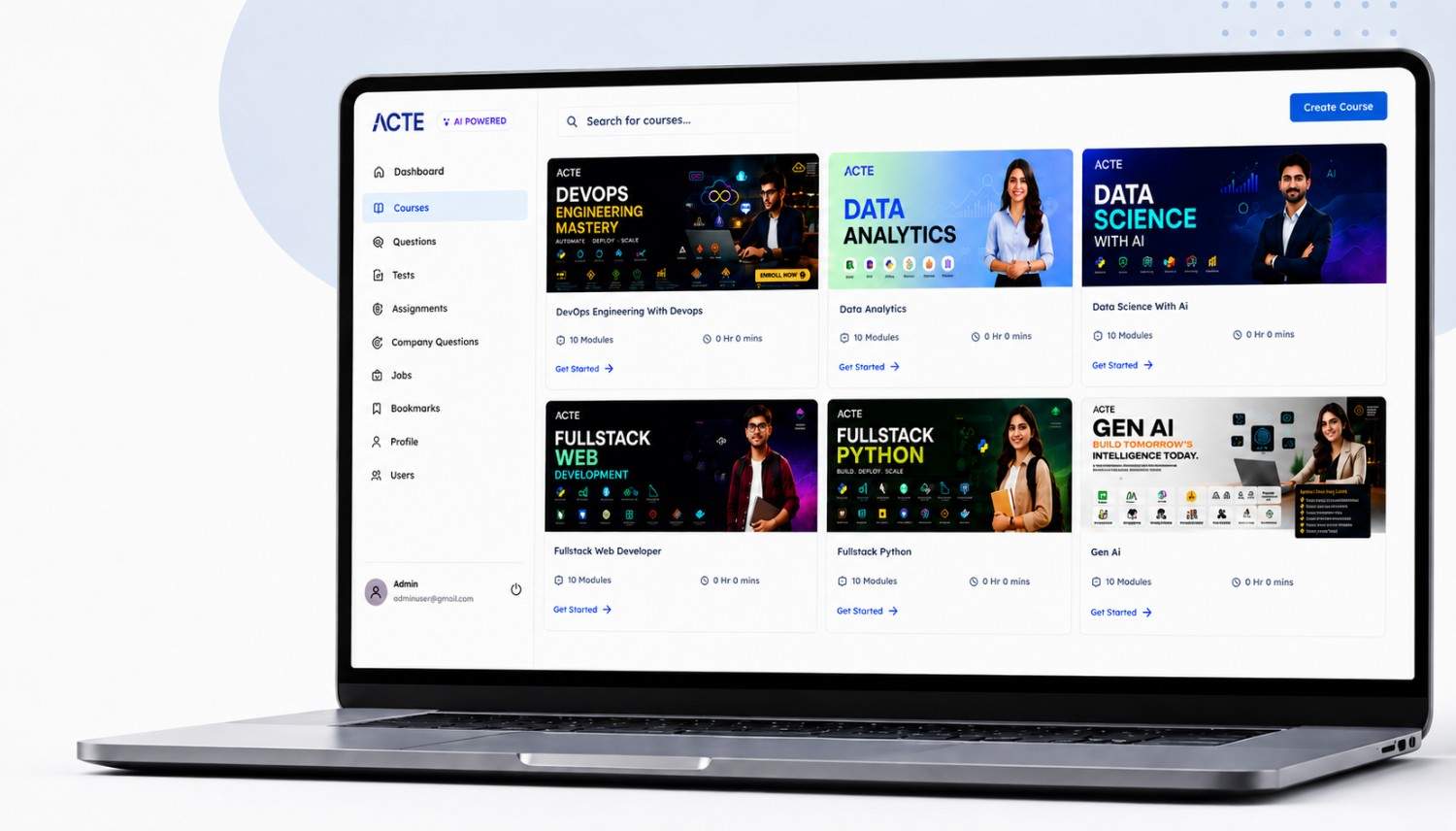
🧪 LMS Self Learning Platform
Explore expert trainer videos and documents to boost your learning.
Study anytime with on-demand videos and detailed documents.
Top MNC interview questions & self coding practice.
SAP FICO Course Syllabus
🏫 Classroom Training
💻 Online Training
🚫 No Pre Request (Any Vertical)
🏭 Industrial Expert
Enrolling in SAP FICO Training in OMR helps learners build a practical combination of accounting knowledge, ERP expertise, and financial process skills required in today's digital business environment. The course explains how organizations use SAP to record financial transactions, manage payables and receivables, control operational costs and generate business reports. Learners gain exposure to General Ledger (GL), Accounts Payable (AP), Accounts Receivable (AR), Asset Accounting, Cost Center Accounting, Profit Center Accounting, and Controlling (CO). The program also introduces SAP S/4HANA Finance, SAP Fiori applications, reporting, integration, and process automation. Practical assignments, business cases, system exercises, and project activities help participants develop functional SAP FICO knowledge applicable to consulting, ERP support, reporting, and controlling roles.
SAP FICO Essentials: Learn core accounting principles, controlling functions, SAP structures, finance terminology, and ERP-based financial processes.
FICO Configuration & Management: Understand key organizational settings, finance master data, posting controls, and basic SAP finance configuration.
Finance Process Execution: Practice common journal entries, vendor and customer accounting, payments, clearing, reconciliation, and asset transactions.
Reporting & Financial Insights:Explore SAP Fiori, S/4HANA Finance reporting, interactive dashboards, and tools for analyzing financial information.
SAP FICO Essentials
Core FICO Components
SAP FICO Configuration & Administration
SAP FICO Business Process Training
FICO Integration & Process Automation
Financial Reporting & Analytics
SAP FICO Projects & Real-World Practice
Understand the Fundamentals of SAP FICO and Its Importance in Enterprise Finance:
Introduction to SAP FICO: Learn how SAP FICO helps businesses manage financial transactions, accounting records, cost data and essential financial controls.
Key Finance Functions:Explore General Ledger, Accounts Payable, Accounts Receivable, Asset Accounting, Cost Centers, Profit Centers, and Controlling concepts.
Current SAP Finance Environment:Explore S/4HANA Finance, SAP Fiori, integrated data, modern interfaces, and digital finance capabilities used by enterprises.
Career Application:Understand SAP FICO career responsibilities across consulting, ERP support, financial analysis, accounting, reporting, and controlling roles.
Study the Major SAP FICO Areas That Support Day-to-Day and Strategic Finance Operations:
Financial Accounting Areas: Study General Ledger, Accounts Payable, Accounts Receivable, Asset Accounting, and FI functions for maintaining financial records.
Controlling Areas:Learn Cost Centers, Profit Centers, Internal Orders, cost allocation, planning, budgeting, and performance monitoring through SAP Controlling.
Enterprise Finance Structures: Understand company codes, chart of accounts, fiscal years, business areas, cost centers, and profit centers used in SAP finance.
Transaction Lifecycle:Follow accounting activities from postings and invoice processing through payments, reconciliation, adjustments, and financial closing.
Financial Data Review:Learn how account balances, financial statements, costs, transactions, and management reports are reviewed for business decisions.
Develop Practical Knowledge of SAP FICO Setup, Configuration and System Controls:
SAP Interface & Navigation: Explore SAP S/4HANA screens, Fiori applications, finance workspaces, menus, and navigation methods used in FICO activities.
Finance Configuration Basics: Learn how organizational units, fiscal periods, posting rules, document types, and account controls support finance requirements.
Master Data Handling: Understand G/L accounts, business partners, customers, suppliers, assets and profit centers for reliable finance information.
Roles & Financial Controls: Learn basic user roles, authorization concepts and controls that help protect sensitive financial information.
System & Process Review: Review postings, balances, reports, reconciliation status, and transaction results to identify errors and support timely issue resolution.
Practice SAP FICO Transactions and Understand Key Finance Processes:
Accounting Transactions: Practice journal entries, supplier invoices, customer postings, payments, asset acquisitions, depreciation, and routine finance activities.
Payables & Receivables: Understand vendor and customer transactions from invoice posting through payment, balance review, and reconciliation activities.
Account Reconciliation: Practice comparing financial records, identifying differences, reviewing balances, and maintaining accurate accounting data.
Testing & Business Validation: Learn to validate configurations by testing transactions, checking balances, and confirming expected SAP system results.
Understand FICO Integration With Other SAP Functions for Efficient Finance Workflows:
Procurement Integration:Understand how purchasing, goods receipts, invoice verification, and supplier activities create related financial entries in FICO.
Sales Integration:Explore how sales orders, deliveries, billing, customer transactions, and revenue activities connect with financial accounting processes.
Automated Financial Entries:Learn how account determination, recurring transactions, and workflows reduce manual effort and improve consistency.
Connected Enterprise Processes:Understand how financial information moves across procurement and other functions to maintain connected records.
Finance Process Enhancement:Explore how automation, standard procedures, and digital workflows improve accuracy and finance process efficiency.
Use SAP FICO Reporting and Analytics for Financial Insights:
Accounting Reports:Learn to review G/L balances, customer and supplier positions, asset information, expenses, journal entries, and financial records.
Fiori-Based Insights:Explore SAP Fiori applications, analytical screens, dashboards, and role-based interfaces for easier access to financial information.
Actual vs Planned Analysis:Learn how finance teams compare planned and actual figures, investigate deviations and identify areas needing attention.
Finance Performance Indicators:Study indicators related to receivables, payables, expenses, closing timelines, transaction accuracy, and reporting performance.
Business-Focused Analysis:Develop skills to interpret financial information and communicate findings that support budgeting, forecasting, cost management.
Apply SAP FICO Knowledge Through Practical Projects and Case Studies:
Finance Requirement Understanding: Learn to identify business needs, understand finance workflows and determine the functional scope of FICO projects.
Enterprise Finance Scenarios: Apply SAP FICO knowledge to cases involving General Ledger, suppliers, customers, assets, Cost Centers and Controlling.
Configuration Exercises: Practice configuration concepts involving organizational structures, fiscal settings, account determination, and master data.
Functional Testing & Troubleshooting: Test business scenarios, review results, investigate posting differences and follow structured troubleshooting methods.
Reconciliation & Reporting Practice: Work with reports, reconciliation tasks, transaction comparisons, and outputs to verify accurate finance results.
End-to-End Capstone Project:Complete a practical FICO project covering configuration, integration, reconciliation, reporting, closing, analysis, and improvements.
Practical SAP FICO Projects for Industry Readiness
Project 1
Accounts Receivable & Customer Clearing
Create a customer accounting scenario covering invoice postings, incoming payments, open-item management, and account clearing. Analyze outstanding balances and practice maintaining accurate receivable records.
Project 2
Bank Accounting & Cash Management
Develop a practical bank accounting project involving bank transactions, cash movements, account reconciliation, and financial postings. Review differences between bank records and SAP balances for accurate cash management.
Project 3
Procure-to-Pay Finance Integration
Build an SAP FICO scenario connecting procurement activities with financial accounting. Practice purchase postings, goods receipt impacts, invoice verification, vendor accounting, payment processing, and reconciliation activities.
Project 4
Order-to-Cash Accounting Workflow
Develop an integrated finance scenario covering sales transactions, billing, customer accounting, revenue postings, incoming payments, clearing, and reconciliation while reviewing the financial impact of the complete sales cycle.
Project 5
Month-End Closing & Financial Reporting
Complete a practical month-end closing project involving account reviews, adjustments, reconciliation, closing activities, and financial reports. Analyze results and identify issues before final reporting.
Assist with SAP finance functions, business requirements, accounting processes, configuration support, user documentation, testing activities, and day-to-day enterprise finance operations.
Provide functional support for SAP finance users, review transaction issues, assist with accounting queries, and maintain accurate FICO process records.
Support FICO configuration activities, master data updates, functional testing, transaction verification, and improvements to finance system processes.
Handle routine SAP finance activities, monitor accounting entries, assist with reconciliation, review financial records, and support daily FICO operations.
Contribute to SAP FICO implementation activities through configuration support, test execution, documentation, issue tracking, and finance team coordination.
Coordinate SAP finance workflows, review process performance, document requirements, identify accounting gaps, and assist with process improvement initiatives.
Latest SAP FICO Interview Questions and Answers for OMR (2026)
Ans:
SAP S/4HANA Finance uses a simplified data model and the Universal Journal to integrate financial and controlling information. It also provides real-time reporting, improved analytics, and modern SAP Fiori-based applications compared with traditional SAP ECC Finance.
Ans:
The Universal Journal provides a single source of accounting information for Financial Accounting and Controlling.
It stores financial and controlling data in a unified structure, reducing data redundancy.
It supports real-time reporting, analysis, and closer integration between FI and CO processes.
Ans:
SAP Fiori provides role-based applications and user interfaces for performing finance activities. Finance users can access tasks such as journal posting, invoice processing, approvals, reporting, and analytical information through relevant Fiori applications.
Ans:
Business Partner is the central master data approach used in SAP S/4HANA for managing customers and suppliers. A business partner can contain general information along with customer or supplier-specific roles and financial data, supporting consistent master data management.
Ans:
A Company Code is the organizational unit used for external financial reporting and legally required financial statements.
A Controlling Area is used for internal management accounting and cost controlling.
One controlling area can be assigned to one or more company codes when the required organizational conditions are met.
Ans:
Document Splitting distributes accounting document amounts across relevant dimensions such as profit centers or segments. It helps organizations produce balanced financial information for different organizational areas and supports detailed financial reporting.
Ans:
SAP FICO integrates with Sales and Distribution when sales and billing activities create financial postings. Customer accounting, revenue, taxes, receivables, and related financial information can be updated automatically based on configured integration and account determination.
Ans:
Account-Based Profitability Analysis evaluates profitability using accounting information and Universal Journal data. It helps organizations analyze revenues, costs, margins, and profitability across relevant characteristics such as products, customers, or market segments.
Ans:
Parallel ledgers allow organizations to maintain financial information according to different accounting principles or reporting requirements. This supports statutory, group, or other accounting views within the SAP financial environment.
Ans:
First, review the accounting document and identify the incorrect posting or account assignment.
Check master data, posting keys, document types, tax settings, and account determination where applicable.
Review the related business process and configuration before testing the correction.
Document the issue and validate the corrected result to ensure the expected financial impact is achieved.
Latest SAP FICO Company-Specific Interview Questions for OMR (2026)
1. How would you explain the Universal Journal to a business user?
Ans:
The Universal Journal provides a common data foundation for financial accounting and controlling in SAP S/4HANA. I would explain that it brings relevant FI and CO information together, helping organizations reduce data duplication and perform integrated financial analysis and reporting.
2. What changes should an SAP FICO consultant understand when moving from ECC to S/4HANA?
Ans:
A consultant should understand the simplified S/4HANA data model, Universal Journal, Business Partner approach, modern Asset Accounting, Fiori applications, embedded analytics, and changes to traditional finance processes. The consultant should also understand how these changes affect configuration, testing, migration, and business processes.
3. How would you approach an SAP FICO requirement from a business team?
Ans:
I would first understand the current business process, identify the actual requirement, document the expected outcome, and determine whether standard SAP functionality can support it. I would then evaluate configuration options, integration dependencies, testing requirements, and reporting impact before proposing a solution.
4. What is clean core and why is it relevant to S/4HANA projects?
Ans:
Clean core is an approach that minimizes unnecessary modifications to standard SAP software and favors standard functionality, suitable extensions, and upgrade-friendly designs. It helps organizations maintain a more manageable S/4HANA environment and supports smoother innovation and future upgrades.
5. How can SAP Fiori improve finance operations?
Ans:
SAP Fiori provides role-based applications that allow finance users to perform tasks, review financial information, approve activities, and access analytics through simplified interfaces. It can improve usability by presenting users with applications and information relevant to their responsibilities.
6. How would you troubleshoot a failed automatic accounting entry?
Ans:
I would examine the error message and accounting document, then review master data, account determination, posting configuration, tax settings, organizational assignments, and integration points. After identifying the root cause, I would apply the approved correction, retest the transaction, and verify the resulting accounting impact.
7. What role does automation play in modern SAP Finance?
Ans:
Automation can reduce repetitive manual activities such as invoice processing, payment-related tasks, reconciliation, journal processing, and reporting. Modern SAP Finance capabilities increasingly combine automation, analytics, and AI-assisted workflows to improve efficiency while keeping appropriate human review and controls.
8. How would you validate an end-to-end finance process?
Ans:
I would prepare a business scenario, verify master data and configuration, execute the complete transaction flow, check FI and CO postings, validate reports, and reconcile the results with expected values. I would also document defects and retest corrected scenarios.
9. What finance analytics capabilities should an S/4HANA FICO consultant understand?
Ans:
A consultant should understand real-time financial reporting, analytical applications, KPI monitoring, multidimensional analysis, and Fiori-based reporting. They should also know how business users can use financial information to analyze costs, revenues, profitability, and operational performance.
10. How would you manage a finance requirement that standard SAP cannot fully support?
Ans:
I would first confirm the business requirement and investigate available standard functionality or configuration alternatives. If an extension is genuinely required, I would evaluate a suitable upgrade-friendly approach while considering clean-core principles, integration, security, testing, maintenance, and long-term business impact.
1. How does Business Partner master data work in SAP S/4HANA?
Ans:
Business Partner provides a central approach for managing customer and supplier master data in S/4HANA. Relevant roles and organizational information can be maintained for different business relationships, helping organizations maintain consistent master data.
2. What is the importance of Central Finance in an SAP transformation?
Ans:
Central Finance can provide a consolidated financial view across different source systems. It can help organizations centralize financial reporting and gradually transform finance processes while maintaining connectivity with existing system landscapes.
3. How would you perform reconciliation after financial data migration?
Ans:
I would compare source-system balances with migrated SAP balances at appropriate organizational and account levels. I would validate opening balances, customer and supplier positions, asset values, G/L balances, and relevant reports, then investigate and document any differences.
4. What is an allocation cycle in SAP Controlling?
Ans:
An allocation cycle distributes costs from sender objects to receiver objects based on defined business rules. Depending on the process, the allocation can use percentages, quantities, statistical key figures, or other relevant allocation bases.
5. How would you investigate an unexpected Cost Center variance?
Ans:
I would compare planned and actual costs, identify the affected cost elements and transactions, review unusual postings, and check whether allocations or activity-related postings contributed to the variance. I would then discuss significant findings with the responsible business team.
6. What is embedded analytics in SAP S/4HANA Finance?
Ans:
Embedded analytics enables users to analyze operational and financial information directly within the S/4HANA environment. It supports real-time reporting, KPI monitoring, analytical applications, and business-focused insights without relying entirely on separate reporting environments.
7. How would you approach an SAP FICO integration testing scenario?
Ans:
I would define the complete business flow, prepare required master data, coordinate with connected modules, execute transactions, and verify the resulting accounting documents. I would validate G/L, customer, vendor, asset, and controlling impacts wherever applicable.
8. What should a consultant check before a month-end close?
Ans:
The consultant should review open transactions, reconciliation status, depreciation, accruals, valuations, allocations, required adjustments, and reporting readiness. The exact activities depend on the organization's closing process and accounting policies.
9. How can AI-assisted finance capabilities change traditional accounting work?
Ans:
AI-assisted capabilities can help users interpret errors, process information, support reconciliation, analyze financial data, and automate selected repetitive activities. Finance professionals still need to validate results, apply accounting judgment, and maintain appropriate controls.
10. How would you explain a complex SAP FICO issue to a non-technical stakeholder?
Ans:
I would explain the issue using business terminology rather than technical SAP terms. I would describe the impact, probable cause, proposed solution, risks, testing status, and expected outcome so that the stakeholder can make an informed decision.
1. What is SAP Group Reporting and why is it important?
Ans:
SAP Group Reporting supports consolidated financial reporting by bringing together financial information from relevant entities. It helps organizations analyze group-level financial results, perform consolidation activities, and prepare management and statutory reporting according to business requirements.
2. What is intercompany accounting in SAP S/4HANA?
Ans:
Intercompany accounting handles financial transactions between entities within the same corporate group. Proper configuration and reconciliation help ensure that corresponding receivables, payables, revenues, costs, and other financial impacts are recorded consistently.
3. How would you resolve an intercompany reconciliation difference?
Ans:
I would compare the corresponding documents in both entities, check amounts, currencies, posting dates, references, master data, and transaction status. I would identify the source of the mismatch, coordinate with the relevant entity, correct the issue according to business controls, and confirm that balances reconcile.
4. What is the purpose of document splitting?
Ans:
Document splitting can distribute accounting amounts across dimensions such as profit centers or segments. It helps organizations generate balanced financial information for relevant reporting dimensions and supports more detailed financial analysis.
5. How would you analyze profitability using SAP FICO?
Ans:
I would review revenue, costs, margins, and relevant profitability characteristics such as customer, product, market, or organizational dimensions. I would compare actual results with expectations and identify the major factors influencing profitability.
6. What is the difference between account-based and costing-based profitability analysis?
Ans:
Account-based profitability analysis is closely integrated with financial accounting and the Universal Journal in S/4HANA. Costing-based profitability analysis uses value fields to analyze profitability. The appropriate approach depends on the organization's reporting requirements and SAP solution design.
7. How would you prepare FICO for an SAP implementation project?
Ans:
I would begin with business-process analysis and requirement gathering, followed by solution design, organizational structure setup, configuration, master-data preparation, integration planning, testing, migration validation, user training, and cutover preparation.
8. What is the importance of test automation in SAP projects?
Ans:
Test automation can help repeatedly validate important business scenarios, especially during upgrades, releases, integrations, and regression testing. It can improve testing consistency and reduce manual effort while still requiring appropriate review of test coverage and results.
9. How would you handle a failed finance interface between SAP and another system?
Ans:
I would identify the failed interface message, review the error details, determine whether the issue is related to data, mapping, configuration, connectivity, or the receiving system, and coordinate with the technical team when necessary. After correction, I would reprocess and reconcile the transaction.
10. What skills make an SAP FICO consultant effective in a cloud transformation project?
Ans:
Important skills include strong FI and CO process knowledge, S/4HANA understanding, cloud implementation awareness, integration knowledge, testing, data migration, analytics, Fiori, business communication, problem-solving, and an understanding of clean-core principles.
1. How does SAP support automated financial close activities?
Ans:
SAP Finance supports structured closing processes involving reconciliations, journal entries, accruals, depreciation, valuations, allocations, and reporting. Increasingly, automation and AI-assisted capabilities can help identify issues, process repetitive activities, and provide finance users with faster insights during close.
2. What is the role of AI in modern SAP Finance?
Ans:
AI is increasingly being used to assist finance teams with tasks such as explaining system information, analyzing exceptions, supporting invoice and payment processes, assisting reconciliations, and providing natural-language access to business information. SAP's 2026 finance updates place strong emphasis on Joule and AI-assisted finance workflows.
3. What is Joule and how can it support finance users?
Ans:
Joule is SAP's conversational AI experience that can help users access information and perform supported tasks using natural-language interaction. In finance, SAP has introduced capabilities around financial information, errors, journal entries, fixed assets, and other finance-related activities.
4. How would you evaluate an AI-assisted finance process before business adoption?
Ans:
I would evaluate the business objective, data quality, accuracy of results, exception handling, authorization requirements, auditability, security, and human-review controls. I would also perform representative testing before allowing the capability to support production finance activities.
5. How would you investigate a difference between a financial report and a transaction-level document?
Ans:
I would confirm the reporting period, company code, ledger, account selection, currencies, organizational dimensions, and report filters. I would then trace the reported amount back to individual accounting documents and identify whether the difference is caused by selection criteria, timing, configuration, or data.
6. What is parallel accounting in SAP S/4HANA?
Ans:
Parallel accounting allows an organization to represent financial information according to different accounting principles or reporting requirements. Relevant ledger structures and configuration can support statutory, group, or other required accounting views.
7. How would you support a finance data migration project?
Ans:
I would understand the migration scope, validate source data, define mapping requirements, prepare transformation rules, participate in mock migrations, reconcile migrated balances, document defects, and support final validation before cutover.
8. What are important controls in an SAP Finance environment?
Ans:
Important controls include authorization management, segregation of duties, posting-period controls, master-data governance, approval workflows, audit trails, reconciliation, change management, and monitoring of sensitive financial transactions.
9. How can SAP FICO support real-time decision-making?
Ans:
S/4HANA's integrated financial data model and analytical capabilities allow users to access current financial information and analyze business performance more quickly. Finance teams can use real-time information to monitor costs, cash, profitability, receivables, payables, and other key indicators.
10. How would you handle conflicting requirements from finance and IT teams?
Ans:
I would document both requirements, clarify the underlying business objective, assess the technical and financial impact, and identify standard SAP solutions where possible. I would then facilitate a solution that balances business value, system stability, compliance, maintainability, and implementation effort.
1. What is SAP Business AI in the context of finance?
Ans:
SAP Business AI brings AI capabilities into business processes and applications. For finance, current SAP capabilities focus on areas such as intelligent assistance, automation, financial analysis, transaction support, and improving the efficiency of repetitive finance processes.
2. What is the difference between SAP FICO configuration and customization?
Ans:
Configuration uses SAP's available settings to adapt standard functionality to business requirements, while customization generally involves developing or modifying functionality beyond standard configuration. In modern S/4HANA projects, consultants are expected to favor standard functionality and upgrade-friendly extension approaches.
3. How would you design a finance solution for a multi-company organization?
Ans:
I would understand the legal entities, currencies, accounting principles, reporting requirements, organizational structure, and management-accounting needs. Based on these requirements, I would design company codes, ledgers, controlling structures, master data, reporting dimensions, and integration processes.
4. How would you troubleshoot an incorrect tax posting?
Ans:
I would review the accounting document, tax code, tax procedure, relevant master data, jurisdiction requirements where applicable, account determination, and configuration. I would reproduce the issue in a controlled test scenario, identify the cause, correct the approved configuration or data, and validate the resulting posting.
5. What is the role of SAP Document and Reporting Compliance?
Ans:
SAP Document and Reporting Compliance supports electronic document and reporting requirements that vary by country and regulatory environment. A consultant should understand the relevant business requirement, configuration dependencies, document flow, compliance validation, and integration with financial processes.
6. How would you improve an inefficient Accounts Payable process?
Ans:
I would analyze the current invoice-to-payment process, identify manual bottlenecks, duplicate activities, approval delays, and reconciliation issues. I would then evaluate standard SAP automation, workflow, master-data improvements, analytics, and integration opportunities while ensuring appropriate financial controls.
7. How would you monitor Accounts Receivable performance?
Ans:
I would monitor customer open items, overdue receivables, payment trends, clearing status, aging information, and relevant collection indicators. I would use SAP reports and analytical applications to identify customers or processes requiring attention.
8. How does SAP FICO integrate with procurement and sales processes?
Ans:
Procurement transactions can generate financial impacts related to goods movements, invoices, and suppliers, while sales processes can create postings related to billing, revenue, taxes, and customer receivables. Proper integration and account determination ensure that operational activities create appropriate financial records.
9. What would you check before transporting a finance configuration to production?
Ans:
I would verify the approved requirement, configuration dependencies, transport sequence, test results, integration impacts, authorization considerations, and business sign-off. I would also ensure that the production deployment follows the organization's change-management and release procedures.
10. Which SAP FICO skills are most valuable for current S/4HANA finance roles?
Ans:
Strong FI and CO business-process knowledge
SAP S/4HANA Finance and Universal Journal understanding
SAP Fiori and embedded analytics awareness
Business Partner and master-data knowledge
Cloud implementation and clean-core concepts
Finance integration with MM and SD
Data migration and reconciliation skills
Testing, support, and troubleshooting abilities
Awareness of AI-assisted finance and Joule capabilities
Strong communication and business-requirement analysis skills
Accommodation Information Notice:
The PG and hostel details provided below are intended only as general accommodation references for students. These options are shared for convenience, and we do not have any official association, partnership, affiliation, or responsibility for the accommodation providers listed.
Ladies PG & Hostel Options
Velachery
Sanz Live Women's PG : 72007 19990
Krishnaveni Castle : 90801 95007
Anna Nagar
Pentos Women's PG : 93427 57797
Women's Nest - Ladies PG : 94451 25894
OMR
MSR Luxury PG : 89399 91922
Porur
Sree Shakthi Ladies Hostel : 90031 98767
Friends Ladies Hostel : 73389 19836
Tambaram
CK HIVE Girls Ladies PG : 90948 58303
Layaa Women’s Hostel : 63797 00573
Mens PG & Hostel Options
Velachery
Stayflix PG for Men's : 96000 45088
DJ Men's PG Velachery : 90803 19242
Anna Nagar
Stay Inn Men's Hostel(PG) : 94454 87884
Brights Boys Hostel : 88387 88921
OMR
Sree Siddhi Vinayaka Mens PG : 95577 95579
Rudhra Men’s PG : 93636 45199
Porur
SIDDHANS Men's PG : 88259 71908
Jaswanth Raaj Mens PG : 89255 15888
Tambaram
Sri Sai Grn Men's PG : 81228 24076
Rolexx Men's PG : 80988 84848
Top SAP FICO Career Opportunities for Freshers in OMR
1. SAP S/4HANA Finance Associate Trainee Roles
2. Junior SAP FICO Functional Consultant Opportunities
Companies prefer multi-skilled professionals can handle entire project cycles.
Global Opportunities
Open doors to remote and international job markets.
High Salary
Enjoy competitive salaries and rapid career advancement.
Flexible Career Path
Explore roles such as developer, architect, freelancer, or entrepreneur.
Future-Proof Career
Stay relevant with skills that are consistently in demand in the evolving tech landscape.
Versatility Across Industries
Work in various domains like e-commerce, healthcare, finance, and more.
Career Support
Placement Assistance
Exclusive access to ACTE Job portal
Mock Interview Preparation
1 on 1 Career Mentoring Sessions
Career Oriented Sessions
Resume & LinkedIn Profile Building
Shape Your Career with SAP FICO Certification in OMR
Strengthen your career profile with SAP FICO certification training designed around practical finance and controlling scenarios. Build functional expertise through hands-on exercises, business-oriented case studies, and project-based learning that can support your preparation for SAP S/4HANA Finance and ERP career opportunities.
📜 Showcase Your SAP Finance Skills
Gain certification that demonstrates your knowledge of financial accounting, controlling, SAP finance processes, and commonly used enterprise business scenarios.
🚀 Get Ready for SAP FICO Opportunities
Combine certification with practical assignments, project exposure, and interview preparation to improve your confidence and demonstrate stronger job readiness.
💼 Strengthen Your Profile with Practical Projects
Work on simulated finance workflows and project-based exercises that help you apply SAP FICO concepts and confidently explain your functional knowledge during interviews.
Which SAP FICO Certification Options Can Learners Explore?
Foundation-Level SAP FICO Certification
SAP S/4HANA Finance Functional Certification
SAP Financial Accounting Certification
SAP Management Accounting and Controlling Certification
Advanced SAP Finance Functional Consultant Certification
Can SAP FICO Certification Support Long-Term Career Growth?
SAP FICO certification can demonstrate structured learning and familiarity with important finance and controlling concepts. For stronger career development, candidates should complement certification with accounting fundamentals, practical SAP experience, project knowledge, communication skills, and focused interview preparation.
How Much Time Is Needed to Prepare for SAP FICO Certification?
Preparation time varies based on your accounting knowledge, SAP experience, learning pace, and selected certification level. Beginners may need several weeks of consistent preparation, while candidates targeting advanced functional skills may require additional time for configuration practice, business scenarios, and hands-on projects.
What Are the Key Advantages of SAP FICO Certification?
Offers structured recognition of SAP Finance and Controlling knowledge
Helps demonstrate familiarity with core FI and CO processes
Can enhance your resume for suitable SAP and finance-related positions
Improves confidence when answering SAP FICO interview questions
Encourages practical application of finance concepts through business scenarios
What Is an Effective Way to Prepare for SAP FICO Certification?
Strengthen your understanding of accounting and financial management fundamentals
Learn SAP FI and CO processes systematically from core to advanced topics
Practice relevant SAP transactions, configuration concepts, and business scenarios
Use practice questions and assessments to identify areas that need improvement
Complete hands-on projects covering realistic finance and controlling processes
Follow current SAP learning resources and stay informed about evolving S/4HANA Finance capabilities
Complete Your Course
A Downloadable Certificate in PDF Format, Immediately Available to You When You Complete Your SAP FICO Course
Get Certified
A Physical Version of Your Officially Branded and Security-Marked SAP FICO Certificate.
1. What Topics Are Covered in SAP FICO Training in OMR?
SAP FICO training covers essential financial accounting and controlling
concepts such as General Ledger, Accounts Payable, Accounts Receivable,
Asset Accounting, Cost Center Accounting, Profit Center Accounting,
and financial reporting processes.
2. Will SAP FICO Training Include Practical Exercises?
Learners can work on practical accounting scenarios, SAP transaction
exercises, configuration activities, document processing, and reporting
tasks to develop a better understanding of real-world SAP FICO workflows.
3. Which SAP FICO Fundamentals Are Important for New Learners?
SAP organizational structures and financial settings
General Ledger accounting and journal postings
Accounts Payable and vendor payment processes
Accounts Receivable and customer receipt activities
Controlling, cost management, and financial analysis
4. Are Realistic Business Workflows Part of SAP FICO Learning?
Business-oriented exercises can explain how processes such as
procure-to-pay, order-to-cash, asset management, period-end closing,
and financial reporting are handled through SAP FICO.
5. Is SAP FICO Suitable for Someone New to SAP?
Yes. Beginners can start with fundamental accounting and SAP concepts
and gradually move into FICO configuration, transaction processing,
integration, reporting, and practical finance scenarios.
1. Who Can Enroll in SAP FICO Training in OMR?
SAP FICO can be suitable for commerce graduates, accounting professionals,
finance executives, ERP aspirants, working professionals, and freshers
who want to develop skills in SAP-based financial processes.
2. Do I Need Accounting Basics Before Learning SAP FICO?
A basic understanding of accounting can be beneficial because SAP FI
works closely with concepts such as debits, credits, ledgers, receivables,
payables, journal entries, and financial statements.
3. Can Commerce Graduates Build SAP FICO Skills Through Training?
Commerce graduates can combine their existing accounting knowledge
with SAP FICO concepts, configuration practice, business process
exercises, project work, and interview preparation to develop relevant skills.
4. Can Finance Professionals Learn SAP FICO in OMR?
Yes. Professionals with finance or accounting experience can use SAP FICO
training to expand their knowledge of enterprise finance operations,
SAP transactions, configuration concepts, integration, and ERP reporting.
5. What Skills Can Make SAP FICO Learning Easier?
Accounting awareness, analytical thinking, attention to detail,
logical reasoning, problem-solving skills, and an interest in
understanding business processes can support effective SAP FICO learning.
1. What Job Roles Can SAP FICO Learners Target?
Based on their background and practical skills, learners can explore
positions such as SAP FICO trainee, finance ERP associate, SAP application
support executive, junior functional consultant, and SAP finance analyst.
2. How Do SAP FICO Projects Add Value to a Fresher Resume?
Practical projects give learners opportunities to demonstrate their
understanding of finance workflows, SAP transactions, configuration,
testing, troubleshooting, and reporting when discussing their skills
during interviews.
3. Which Interview Areas Should SAP FICO Candidates Practice?
Candidates should prepare accounting fundamentals, FI and CO configuration,
integration concepts, business process scenarios, troubleshooting methods,
project responsibilities, and end-to-end transaction flows.
4. Does SAP FICO Training Support Resume Development?
Career support can help learners present their SAP knowledge, accounting
background, practical exercises, project experience, and relevant strengths
in a structured resume for suitable finance and ERP positions.
5. How Should Freshers Prepare for SAP FICO Interviews?
Freshers can strengthen their preparation by revising FI and CO concepts,
understanding complete finance workflows, practicing business scenarios,
completing hands-on projects, preparing practical interview answers,
and taking part in mock interview sessions.
1. What Does an SAP FICO Training Completion Certificate Show?
A course completion certificate can show that a learner has completed
the relevant training curriculum and its specified learning activities.
It serves as supporting documentation and should be combined with
practical SAP knowledge and relevant experience.
2. How Does Certification Support Practical SAP FICO Learning?
Certification can add a formal credential to a learner's profile while
hands-on system practice, project exposure, accounting knowledge,
and functional understanding demonstrate practical capability.
3. What SAP FICO Concepts Should I Understand Before Certification?
Candidates should understand financial organizational structures,
General Ledger, Accounts Payable, Accounts Receivable, Asset Accounting,
Controlling, integration concepts, and financial reporting.
4. Is SAP S/4HANA Finance Relevant to SAP FICO Learners?
SAP S/4HANA Finance knowledge can be useful for learners preparing
for modern SAP finance environments. Understanding updated processes,
integrated data structures, and core FI and CO concepts can provide
a broader functional foundation.
5. Is an SAP FICO Certificate Enough to Secure a Job?
No. A certificate by itself cannot guarantee employment. Candidates
can improve their career prospects by developing accounting knowledge,
practical SAP skills, project experience, communication skills,
and strong interview preparation.
1. What Determines SAP FICO Training Fees in OMR?
SAP FICO training fees can depend on factors such as course duration,
training mode, trainer experience, practical SAP system access,
project assignments, study materials, certification assistance,
and career support services.
2. What Features Should I Check Before Comparing SAP FICO Course Fees?
When comparing programs, consider the syllabus, practical training,
trainer expertise, duration, SAP system access, project assignments,
learning materials, certification assistance, and career guidance
instead of focusing only on the course price.
3. Can Hands-On SAP System Access Affect Course Pricing?
Training costs may vary when programs include SAP system access,
additional practical exercises, project assignments, or extended
learning resources. Learners should confirm the complete inclusions
before choosing a course.
4. Are Online and Classroom SAP FICO Training Fees Usually Identical?
Not always. Fees can vary between classroom, online, hybrid,
weekend, and customized programs depending on the teaching format,
duration, resources, and level of individual support provided.
5. How Can I Select the Right SAP FICO Training Program in OMR?
Evaluate the curriculum, FI and CO coverage, practical learning method,
project opportunities, trainer expertise, class schedule, certification
information, support services, and overall learning value before enrolling.

 LMS
LMS



 by ACTE
 Fees Starts From