Best SAP FICO Training In Velachery ⭐ SAP FICO Course In Velachery | Updated 2026
Join Our 100% Job Guaranteed

Best SAP FICO Training in Velachery

  • Join A Leading SAP FICO Training Institute In Velachery To Master Financial Accounting.
  • Our SAP FICO Course In Velachery Covers Core Concepts And Financial Reporting.
  • Choose Flexible Weekday, Weekend, And Fast-Track Batches To Suit Your Learning Schedule.
  • Gain Practical Knowledge Through SAP FICO Projects With Expert Professional Guidance.
  • Earn An Industry-Recognized SAP FICO Certification With Dedicated Placement Assistance.
  • Build A Strong Career With Expert Resume Building And Interview Preparation.

Explore Active Opportunities on by ACTE

Live 1000+ Jobs and Internships
Quality Training With Affordable Fees in Velachery!

⭐ Fees Starts From

INR 36,000
INR 16,500

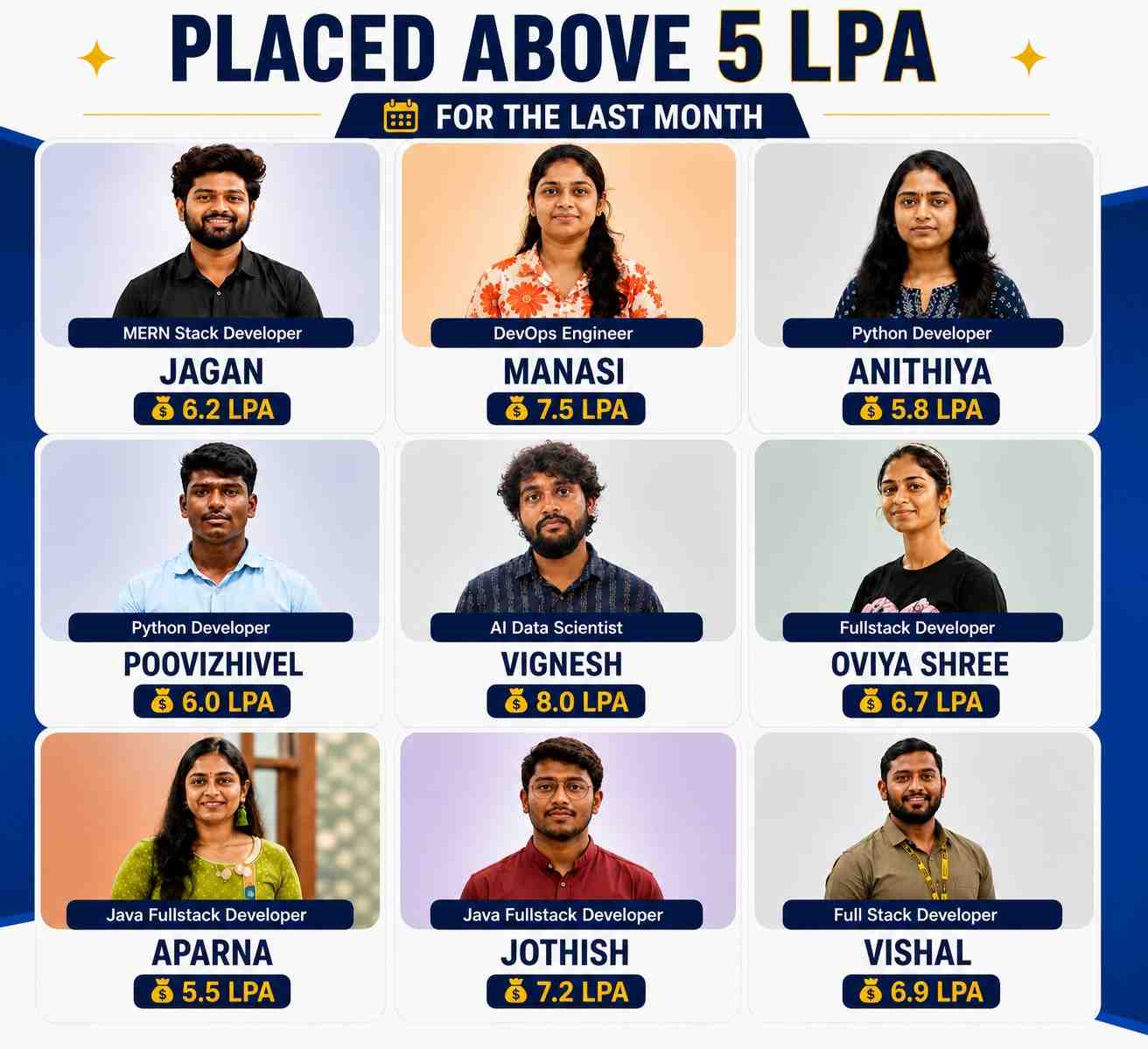
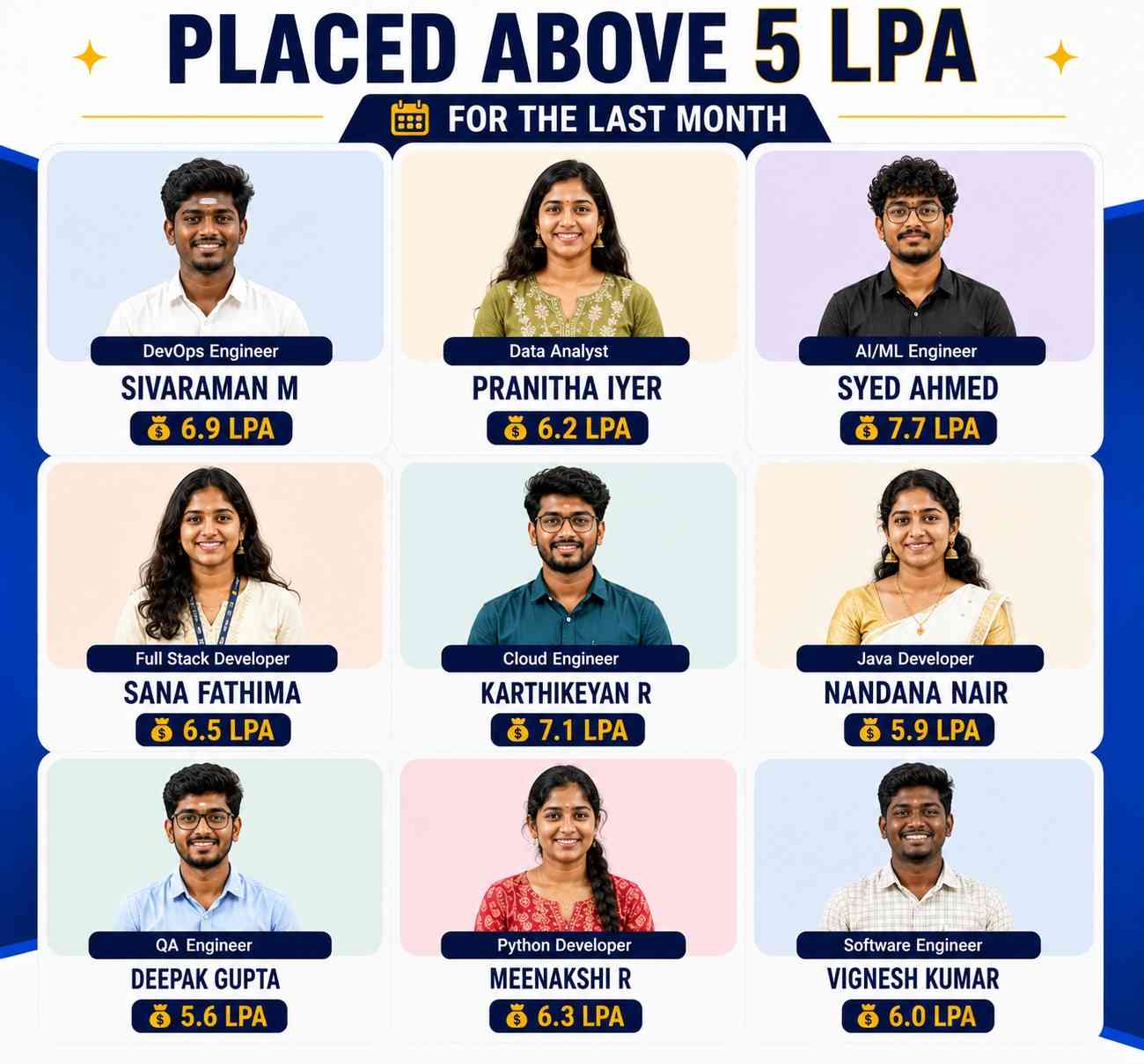
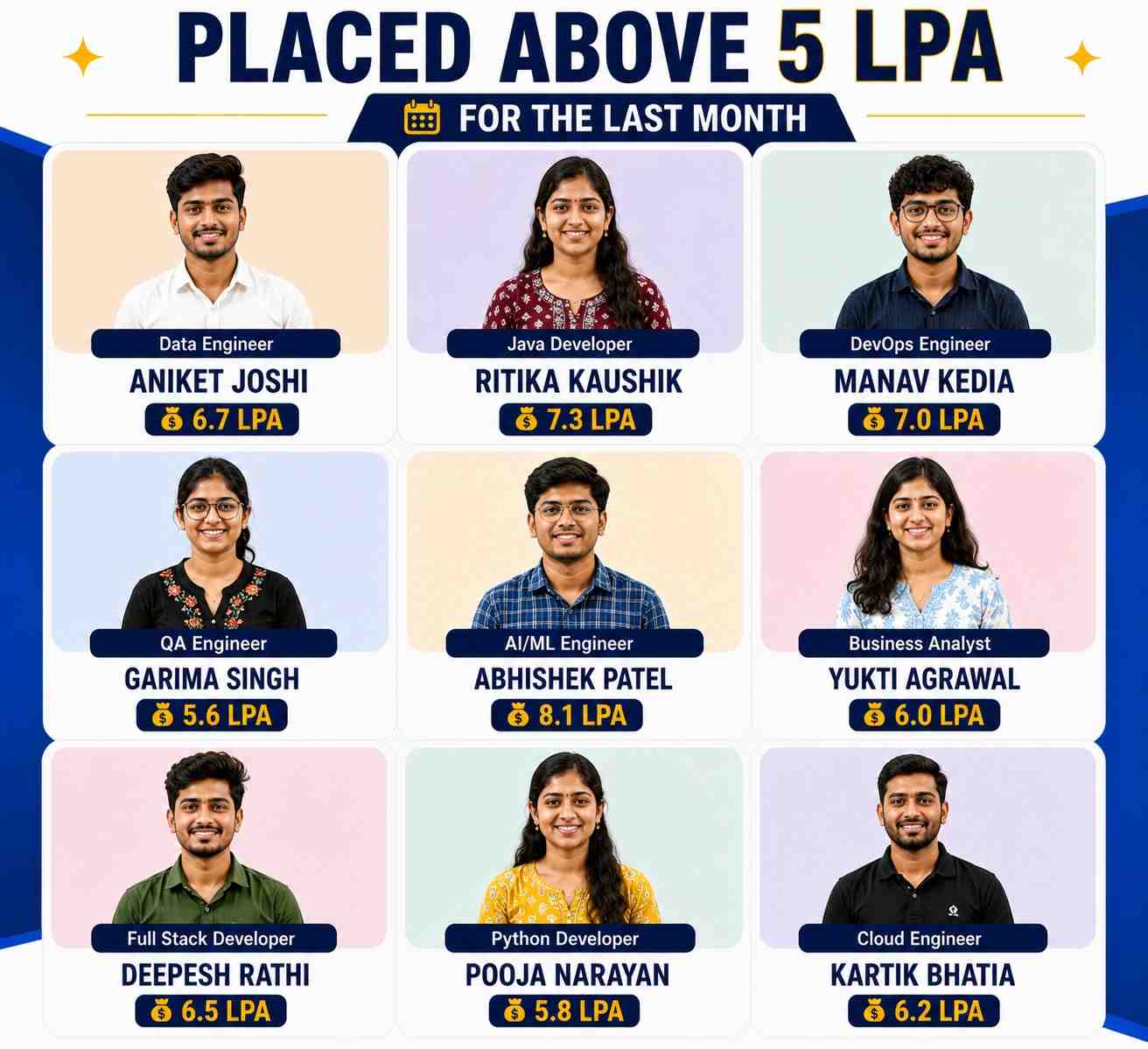
10569+

(Placed)
Freshers To IT

5556+

(Placed)
NON-IT to IT

7894+

(Placed)
Career Gap

4220+

(Placed)
Less Then 60%

Our Hiring Partners

Overview of SAP FICO Course

Our SAP FICO Training in Velachery offers a systematic learning journey covering financial accounting fundamentals, controlling concepts, advanced configuration, and practical SAP finance processes. With real-time business scenarios and hands-on exercises, you will gain experience in key areas including General Ledger (GL), Accounts Payable (AP), Accounts Receivable (AR), Asset Accounting, Cost Center Accounting, and Controlling (CO). The program helps you understand how to configure, manage, monitor, and improve SAP financial processes while supporting efficient business operations. Through practical assignments and project exposure, you can prepare for career opportunities such as SAP FICO Consultant, SAP Financial Analyst, SAP End User, or Cost Controller, while industry-focused certification and placement guidance can further strengthen your professional profile.

What You'll Learn From SAP FICO Course

SAP FICO Training in Velachery is suitable for freshers, graduates, accounting professionals, and working individuals who want to develop practical knowledge of financial accounting and controlling through SAP.

During the training, learners explore important SAP FICO functions such as General Ledger (GL), Accounts Payable (AP), Accounts Receivable (AR), Asset Accounting, Cost Centers, and Controlling (CO).

Gain practical knowledge of SAP FICO modules including GL, AP, AR, Asset Accounting, and CO while developing skills in financial configuration, reporting, reconciliation, and business process management.

The course includes interactive sessions, practical assignments, real-time SAP FICO projects, and business-based exercises supported by experienced trainers with professional SAP finance knowledge.

At the end of the course, you will understand how to configure and handle SAP FICO processes for practical business requirements and gain certification that demonstrates your functional knowledge.

This career-focused program prepares learners for diverse opportunities in SAP FICO Consulting, financial reporting, and enterprise finance management, helping them build practical skills for long-term growth in the SAP industry.

Additional Info

Course Highlights

  • Start your SAP FICO career with practical training in Financial Accounting, Controlling, GL, AP, AR, Asset Accounting, Cost Centers, and financial reporting.
  • Get dedicated career and placement support with assistance in identifying suitable opportunities from organizations looking for trained SAP FICO professionals.
  • Learn through a growing training network with more than 11,000 students trained and placed with the support of 350+ hiring partners.
  • Gain knowledge from experienced trainers having 10+ years of practical exposure in SAP FICO implementation, configuration, and enterprise finance operations.
  • Follow an easy-to-understand learning approach with practical assignments, project-based exercises, expert guidance, and continuous career assistance.
  • Choose affordable training options, flexible schedules, and placement assistance designed to support the needs of freshers and working professionals.
  • Build industry-relevant SAP FICO knowledge through practical exposure and develop the confidence required to pursue finance and SAP career opportunities.

Exploring the Benefits of SAP FICO Training in Offline

  • Easy Learning Approach: SAP FICO provides a structured way to understand accounting and controlling processes. With guided demonstrations, classroom discussions, practical activities, and business examples, beginners can gradually develop confidence in working with enterprise resource planning systems and financial processes.
  • Applicable Across Industries: SAP FICO is used in manufacturing, information technology, retail, banking, telecommunications, logistics, and many other sectors. Its broad business application allows professionals to explore different career options in consulting, finance operations, controlling, and SAP support functions.
  • Rich Learning Resources: SAP has an extensive professional ecosystem that includes learning platforms, documentation, discussion communities, tutorials, webinars, and implementation resources. These materials help learners improve their understanding and stay familiar with changing SAP technologies and industry practices.
  • Strong Career Opportunities: Organizations use SAP FICO to manage accounting, financial reporting, cost analysis, compliance, and business performance. Professionals with relevant SAP finance skills can explore opportunities in implementation, consulting, support, analysis, controlling, and enterprise finance operations.
  • Improves Business Processes: SAP FICO helps organizations manage accounting activities, monitor costs, analyze financial information, and streamline finance workflows. Professionals can use these capabilities to reduce manual errors, improve reporting accuracy, strengthen controls, and support better financial decision-making.

Essential Tools for SAP FICO Training in Velachery

  • SAP FICO Components: Understand important financial areas such as General Ledger (GL), Accounts Payable (AP), Accounts Receivable (AR), Asset Accounting, and Controlling (CO) to manage and monitor different enterprise accounting processes effectively in real-world business environments.
  • SAP Configuration Tools: Learn to work with SAP IMG and related configuration functions for defining organizational structures, financial settings, master data, document controls, and other FICO requirements according to specific business processes and organizational needs.
  • Reporting and Analytics: Explore SAP Fiori, SAP S/4HANA reporting features, and related analytics capabilities to generate financial reports, examine business information, identify important trends, and provide useful data for management planning and informed decision-making.
  • Integration With SAP Modules: Understand how SAP FICO works together with modules such as MM and SD. Learn how procurement, inventory, sales, billing, and financial activities exchange information to maintain accurate, connected, and efficient business processes across the organization.
  • Real-Time Financial Workflows: Practice accounting activities including journal entries, invoice processing, account reconciliation, cost allocation, financial closing, and reporting through simulated scenarios and practical projects that reflect common business requirements and real-world finance operations.

Top Modules Every SAP FICO Professional Should Know

  • Financial Accounting (FI): Learn the fundamentals of General Ledger, Accounts Payable, Accounts Receivable, Asset Accounting, and related FI processes. Develop the ability to manage financial transactions, maintain records, perform reconciliation, and support accurate enterprise accounting activities.
  • Controlling (CO): Understand Cost Center Accounting, Profit Center Accounting, Internal Orders, and other controlling functions. Learn how companies monitor costs, evaluate performance, manage budgets, analyze departmental expenses, and use financial information to improve operational planning.
  • SAP FICO Configuration: Explore the basic configuration activities required to establish SAP financial processes. Learn about organizational structures, master data, document settings, account determination, integration points, and system settings used to support business-specific finance requirements.
  • Compliance and Internal Controls: Understand the role of financial controls, accounting procedures, audit requirements, and compliance practices within SAP environments. Learn how accurate records, proper controls, and supporting documentation contribute to reliable financial governance and audit readiness.
  • Financial Reporting: Develop the ability to create and interpret financial reports, compare actual and planned figures, analyze variances, and identify useful financial insights. Learn how reporting information can support business planning, management review, and strategic decision-making.

Must-Have Skills You Will Gain in SAP FICO Course in Velachery

  • Financial Accounting Skills: Develop a strong understanding of General Ledger, vendor accounting, customer accounting, asset accounting, and financial document processing. Learn to perform accounting activities systematically while maintaining accuracy, consistency, and proper financial controls.
  • Cost Management: Gain practical knowledge of cost centers, profit centers, internal orders, budgeting, and cost analysis. Learn how controlling information helps organizations monitor expenses, evaluate financial performance, manage budgets, and improve overall operational profitability.
  • Practical SAP FICO Operations: Work with common finance activities such as document posting, invoice processing, account clearing, reconciliation, period-end activities, and financial closing. Practical scenarios help you understand how SAP FICO processes are applied in business environments.
  • Reporting and Analysis: Learn to prepare financial reports, review variances, analyze accounting information, and use SAP reporting capabilities. Develop the ability to identify relevant financial insights that can assist management with planning, monitoring, and business decisions.
  • Cross-Module Integration: Understand the integration between SAP FICO and modules such as MM and SD. Learn how financial information moves through procurement, inventory, sales, billing, and accounting processes to support connected and efficient enterprise operations.

Roles and Responsibilities After SAP FICO Training Institute

  • SAP FICO Consultant: Assist with SAP FICO implementation and configuration, understand business requirements, support testing activities, troubleshoot functional issues, and help organizations establish effective and streamlined finance processes using SAP solutions across different business environments.
  • Financial Analyst: Use SAP financial information to prepare detailed reports, analyze business performance, review financial variances, and support budgeting and forecasting activities. Provide useful financial observations and actionable insights that can assist management in making informed business decisions.
  • SAP End-User: Perform regular finance transactions such as vendor invoices, customer receipts, payments, journal entries, asset postings, and account reconciliation. Follow organizational procedures while maintaining accurate, reliable, and properly updated financial information within SAP systems.
  • Cost Controller: Manage and review cost center information, internal orders, profit centers, budgets, and cost reports. Analyze organizational expenses and provide accurate financial information that supports cost control, effective financial planning, improved budgeting, and stronger departmental performance.
  • Compliance and Audit Specialist: Support financial control activities, audit procedures, compliance requirements, and record management. Help identify discrepancies, maintain essential supporting documents, assist internal and external auditors, and contribute to stronger financial governance, compliance, and risk management practices.

The Benefits of SAP FICO for Recent Graduates as a Career Option

  • Practical Career Foundation: SAP FICO allows graduates to combine accounting knowledge with enterprise technology. Structured lessons, hands-on exercises, and business scenarios help beginners understand how finance functions are managed through modern ERP systems.
  • Demand in Different Sectors: SAP finance skills are useful in industries such as IT, manufacturing, retail, logistics, financial services, and consulting. Graduates can explore different opportunities based on their interests in accounting, consulting, reporting, controlling, or SAP support.
  • Ongoing Skill Development: SAP offers extensive documentation, professional communities, training resources, webinars, tutorials, and learning materials. Graduates can continue developing their expertise, learn new functionality, and stay informed about evolving enterprise finance technologies.
  • Understanding of Integrated Systems: SAP FICO works closely with modules such as MM and SD, helping graduates understand how finance interacts with procurement, inventory, sales, and other business functions. This integrated knowledge can improve their understanding of enterprise operations.
  • Remote and Consulting Opportunities: With suitable experience and technical knowledge, SAP FICO professionals can explore consulting, application support, freelance assignments, and remote project opportunities. Specialized skills and practical implementation experience can help expand their professional options.

How SAP FICO Skills Help You Get Remote Jobs

  • Supports Remote Finance Operations: SAP FICO professionals can perform several finance-related activities digitally, including reporting, system support, process monitoring, and consulting. This makes their skills relevant to organizations operating with distributed finance and technology teams.
  • Freelance Consulting Opportunities: Skilled SAP FICO consultants can explore project-based assignments through professional networks and freelance platforms. A strong portfolio, practical implementation knowledge, and experience solving finance process challenges can help professionals attract suitable clients.
  • Virtual Team Collaboration: SAP workflows, reporting dashboards, digital approvals, and centralized financial information support collaboration between teams working from different locations. Professionals can coordinate finance activities and communicate with business users through online work environments.
  • Process Automation: SAP FICO supports automated workflows, recurring accounting activities, reporting processes, and standardized finance operations. Professionals who understand these features can help reduce repetitive work, improve accuracy, accelerate reporting, and increase overall productivity.
  • Global Networking: SAP communities, professional groups, webinars, online events, and international projects allow FICO professionals to connect with experts worldwide. Building professional relationships can increase awareness of remote consulting assignments and global SAP career opportunities.

What to Expect in Your First SAP FICO Job

  • Financial Transaction Handling: You may initially work with activities related to General Ledger, Accounts Payable, Accounts Receivable, Asset Accounting, and Controlling. These responsibilities help you understand how enterprise financial transactions are processed and maintained within SAP.
  • Understanding SAP Workflows: Gain exposure to SAP Fiori, SAP S/4HANA environments, financial reports, dashboards, and transaction processes. New professionals generally begin by learning existing workflows before taking on advanced configuration, troubleshooting, or support responsibilities.
  • Mentoring and Reviews: Senior consultants, finance managers, and project leads may review your work and provide guidance. Regular feedback helps improve transaction accuracy, documentation, troubleshooting skills, process knowledge, and understanding of business requirements.
  • Team Collaboration: Work with accountants, finance users, consultants, business analysts, and professionals from other SAP modules. Effective communication and coordination are important for resolving issues, understanding requirements, and delivering accurate finance solutions.
  • Continuous Professional Growth: Start with fundamental SAP FICO activities and gradually progress toward advanced reporting, configuration, integration, troubleshooting, and optimization. Practical experience helps build the expertise needed for higher-level consulting and finance technology roles.

Top Companies Hiring SAP FICO Professionals

  • Google: Google operates complex global business and financial environments where enterprise technology and finance processes play an important role. Professionals with SAP FICO knowledge may explore relevant opportunities involving finance systems, enterprise applications, and business process support.
  • Microsoft: Microsoft has extensive finance, technology, and enterprise operations that require effective financial systems and business processes. SAP FICO professionals may find opportunities connected with financial operations, ERP environments, reporting, and enterprise transformation initiatives.
  • Accenture: Accenture provides consulting and technology services with significant SAP capabilities. SAP FICO professionals can contribute to implementation, transformation, application support, integration, and optimization projects for clients across industries and international markets.
  • Infosys: Infosys delivers enterprise consulting, technology, and application services to organizations worldwide. SAP FICO professionals may work on implementation projects, application maintenance, finance transformation, system integration, and process improvement initiatives.
  • Tata Consultancy Services (TCS): TCS works on large enterprise technology and SAP projects for global clients. SAP FICO professionals can explore roles involving finance transformation, configuration, implementation support, application management, reporting, and business process optimization.
Show More

Upcoming Batches For Classroom and Online

Weekdays
07 - Sep - 2026
08:00 AM & 10:00 AM
Weekdays
09 - Sep- 2026
08:00 AM & 10:00 AM
Weekends
12 - Sep - 2026
(10:00 AM - 01:30 PM)
Weekends
13 - Sep - 2026
(09:00 AM - 02:00 PM)
Can't find a batch you were looking for?
INR ₹16500
INR ₹36000

OFF Expires in

Who Should Take a SAP FICO Certification Course

IT Professionals

Non-IT Career Switchers

Fresh Graduates

Working Professionals

Diploma Holders

Professionals from Other Fields

Salary Hike

Graduates with Less Than 60%

Show More

Job Roles For SAP FICO Certification Training

SAP FICO Consultant

Financial Analyst

SAP End-User

Cost Controller

Audit Specialist

Accounts Payable Specialist

Accounts Receivable Specialist

Asset Accounting Expert

Show More

What’s included ?

Convenient learning format

📊 Free Aptitude and Technical Skills Training

  • Learn basic maths and logical thinking to solve problems easily.
  • Understand simple coding and technical concepts step by step.
  • Get ready for exams and interviews with regular practice.
Dedicated career services

🛠️ Hands-On Projects

  • Work on real-time projects to apply what you learn.
  • Build mini apps and tools daily to enhance your coding skills.
  • Gain practical experience just like in real jobs.
Learn from the best

🧠 Launch Your Career in Top MNC Companies

  • Master technical and HR interview rounds.
  • Gain confidence with expert mock interview practice.
  • Improve your chances of getting hired faster.
Learn from the best

🎯 Interview Preparation For Freshers

  • Practice company-based interview questions.
  • Take online assessment tests to crack interviews
  • Practice confidently with real-world interview and project-based questions.
Learn from the best

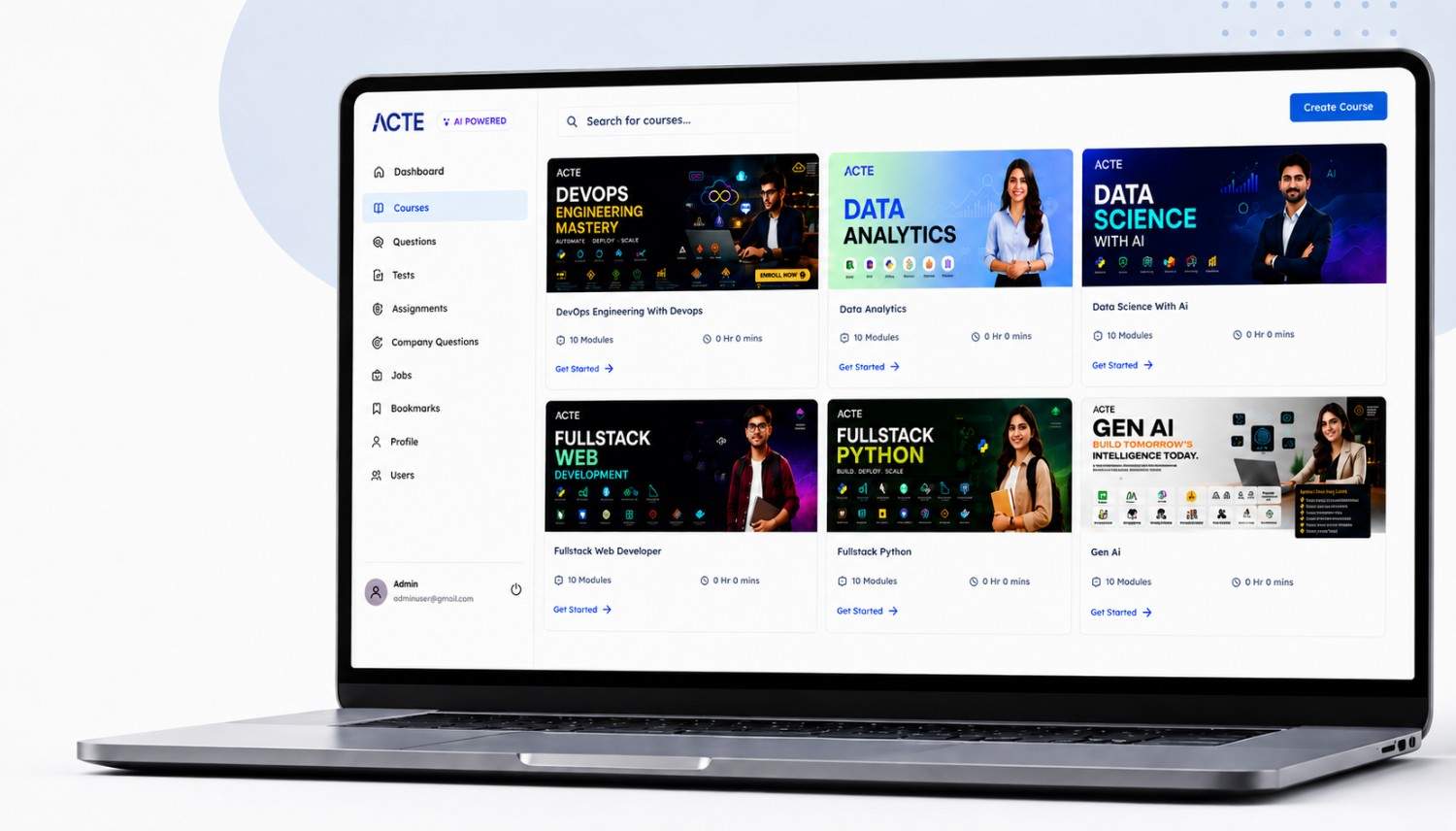
🧪 LMS Self Learning Platform

  • Explore expert trainer videos and documents to boost your learning.
  • Study anytime with on-demand videos and detailed documents.
  • Top MNC interview questions & self coding practice.

SAP FICO Course Syllabus

  • 🏫 Classroom Training
  • 💻 Online Training
  • 🚫 No Pre Request (Any Vertical)
  • 🏭 Industrial Expert

Choosing SAP FICO Training in Velachery enables learners to combine accounting knowledge with practical ERP skills and prepare for opportunities in modern finance environments. The training focuses on how organizations record transactions, control expenditures, manage financial data, and generate reports using SAP solutions. Participants can explore functional areas including General Ledger (GL), Accounts Payable (AP), Accounts Receivable (AR), Asset Accounting, and Controlling (CO), while gaining practical exposure to configuration, transaction processing, reconciliation, financial closing, and reporting. This learning approach helps students build job-oriented SAP FICO capabilities and develop a stronger foundation for consulting, analysis, finance operations, and controlling roles.

  • SAP FICO Fundamentals: Build a clear understanding of accounting principles, controlling functions, organizational structures, and essential SAP finance terminology.
  • SAP FICO Module Administration & Management: Gain knowledge of financial master data, configuration activities, and structured FICO process management.
  • SAP FICO Development & Process Implementation: Practice business transactions, financial postings, closing procedures, and accounting workflows.
  • SAP FICO Tools & Analytics:Learn how SAP Fiori, S/4HANA reporting, dashboards, and analytical features can be used to review and interpret financial information.
Introduction to SAP FICO
Core SAP FICO Modules
SAP FICO Administration Training
SAP FICO Process Implementation
Integration & Automation in FICO
FICO Reporting & Analytics
SAP FICO Strategy & Real-Time Projects

This module helps learners understand the basic structure and purpose of SAP FICO:

  • Business Role of SAP FICO: Learn how SAP finance solutions help organizations record transactions, maintain accounts, and evaluate financial performance.
  • Financial Functions:Study General Ledger (GL), Accounts Payable (AP), Accounts Receivable (AR) and Controlling (CO) with practical business examples.
  • SAP Technology Overview: Become familiar with SAP S/4HANA, SAP Fiori, and the interfaces commonly used for modern finance and accounting operations.
  • Professional Opportunities:Understand career possibilities in SAP consulting, financial analysis, accounting operations, controlling, and SAP application support.

Explore the core FICO components and understand how they support daily finance activities:

  • Financial Module Setup: Study the configuration requirements for General Ledger, vendor accounting, customer accounting, assets, and controlling functions.
  • Organizational Data:Understand company codes, business areas, cost centers, profit centers, chart of accounts, and other structures used in SAP finance.
  • Accounting Workflows: Learn how posting, clearing, payment processing, reconciliation, and closing activities are organized within SAP FICO.
  • Finance Information Review: Prepare and interpret financial statements, account reports, cost information, and management-oriented financial data.

Develop practical knowledge of SAP FICO administration, user management, and maintenance:

  • System Administration: Explore SAP S/4HANA screens, SAP Fiori applications, configuration areas, and navigation methods used by FICO professionals.
  • Operational Efficiency: Understand recurring activities, automated workflows, standard functions, and reusable configurations that simplify finance operations.
  • Authorization Management: Learn about user roles, access permissions, authorization concepts, and controls required for secure financial system usage.
  • Activity Monitoring: Review financial postings, reconciliation status, transaction activities, and performance information to identify operational issues.

Gain hands-on experience in executing and validating important SAP FICO business processes:

  • Accounting Activities: Enter and manage vendor bills, customer transactions, incoming and outgoing payments, journal documents, and asset-related postings.
  • Application Features:Use SAP Fiori applications, financial workspaces, dashboards, and transaction interfaces for routine FICO activities.
  • Business Process Handling: Work through account clearing, reconciliation, financial period closing, payment processing, and other accounting procedures.
  • Quality Testing: Check system settings, validate accounting results, review balances, test business scenarios, and confirm reporting accuracy.

Understand how integrated SAP environments connect finance with other business operations:

  • Business Module Connectivity: Study the relationship between FICO, MM, SD, and other SAP areas to understand how transactions affect financial records.
  • Automated Finance Activities: Learn how automated postings and standardized reconciliation processes can reduce repetitive accounting work.
  • Application Integration:Learn the fundamentals of exchanging information between SAP FICO and external business applications when required.
  • Workflow Improvement:Understand how structured workflows and predefined procedures can make financial operations more consistent and efficient.

Learn how SAP FICO information can be transformed into useful reports and business insights:

  • Financial Dashboards:Explore SAP Fiori dashboards, financial summaries, monitoring screens, and visual indicators used to review accounting information.
  • Data Interpretation:Study variance evaluation, expense analysis, reconciliation results, and financial trends to understand organizational performance.
  • KPIs & Metrics: Track important measures such as financial accuracy, reporting timelines, transaction volumes, process efficiency, and control effectiveness.
  • Finance Data Tools:Work with chart of accounts, financial master records, organizational structures, and accounting hierarchies required for consistent reporting.

Put your SAP FICO knowledge into practice through business cases and implementation:

  • Project Preparation: Gather business requirements, define finance objectives, and organize the main stages of an SAP FICO implementation.
  • Live Projects: Apply FICO concepts to practical scenarios covering ledger accounting, payables, receivables, assets, cost centers, and controlling.
  • Performance Review: Review transaction results, financial reports, reconciliations, and performance indicators to identify issues and recommend improvements.
  • Capstone Project:Complete an SAP FICO case covering configuration, transactions, reporting, reconciliation, integration, and process improvement.

🎁 Free Addon Programs

Aptitude, Spoken English

🎯 Our Placement Activities

Daily Task, Soft Skills, Projects, Group Discussions, Resume Preparation, Mock Interview

Build Practical Expertise Through SAP FICO Projects

Placement Support Overview

Latest SAP FICO Job Opportunities in Velachery

SAP FICO Functional Consultant

Company Code : VFC318

Velachery, Tamilnadu

₹24,000 – ₹36,000 a month

Any Degree

Exp 0-2 yrs

  • We are looking for an SAP FICO Functional Consultant to support financial configuration, accounting processes, master data, and business requirements.
  • Easy Apply

    SAP Finance Support Associate

    Company Code : VFS427

    Velachery, Tamilnadu

    ₹21,000 – ₹34,000 a month

    B.Com / B.Tech

    Exp 0-2 yrs

  • Join our finance support team to handle SAP transactions, assist users with accounting issues, maintain records, and support daily FICO operations.
  • Easy Apply

    SAP FICO Reporting Analyst

    Company Code : VRA536

    Velachery, Tamilnadu

    ₹27,000 – ₹42,000 a month

    Any Degree

    Exp 1-3 yrs

  • Seeking an SAP FICO Reporting Analyst to prepare financial reports, analyze accounting data, track key metrics, and support management reporting requirements.
  • Easy Apply

    SAP FICO Configuration Associate

    Company Code : VCA641

    Velachery, Tamilnadu

    ₹23,000 – ₹38,000 a month

    B.E. / B.Com

    Exp 0-2 yrs

  • Work on SAP FICO configuration activities, organizational structures, master data settings, and testing tasks while supporting finance process improvements.
  • Easy Apply

    SAP Controlling Executive

    Company Code : VCE752

    Velachery, Tamilnadu

    ₹22,000 – ₹40,000 a month

    Any Degree

    Exp 1-3 yrs

  • Support controlling activities by working with cost centers, internal orders, allocations, budget information, and financial analysis within SAP FICO.
  • Easy Apply

    SAP FICO Operations Specialist

    Company Code : VOS863

    Velachery, Tamilnadu

    ₹20,000 – ₹45,000 a month

    Any Degree

    Exp 0-4 yrs

  • Handle routine SAP finance operations, monitor accounting transactions, assist with reconciliations, and help maintain accurate financial processing.
  • Easy Apply

    SAP FICO Implementation Associate

    Company Code : VIA974

    Velachery, Tamilnadu

    ₹25,000 – ₹44,000 a month

    Any Degree

    Exp 1-3 yrs

  • Assist with SAP FICO implementation activities, business testing, documentation, and coordination across finance.
  • Easy Apply

    SAP FICO Process Analyst

    Company Code : VPA185

    Velachery, Tamilnadu

    ₹26,000 – ₹46,000 a month

    Any Degree

    Exp 1-4 yrs

  • Analyze finance processes, document SAP workflows, identify process gaps, and support improvements across accounting, controlling, reconciliation, and reporting activities.
  • Easy Apply

    SAP FICO Internship Highlights

    Practical Project Exposure

    • 1. Work on practical SAP FICO assignments involving accounting transactions, reporting, and financial workflows.
    • 2. Gain experience by applying FICO concepts to business scenarios and implementation-based activities.
    Book Session

    Technical Training Sessions

    • 1. Explore important SAP FICO functions, configuration concepts, reporting features, and finance processes.
    • 2. Receive practical guidance from experienced trainers through demonstrations and structured exercises.
    Book Session

    Professional Work Environment

    • 1. Understand professional finance workflows, team coordination, task management, and workplace practices.
    • 2. Develop better awareness of organizational processes and professional responsibilities within SAP FICO teams.
    Book Session

    Mentoring & Collaborative Learning

    • 1. Get support from SAP FICO mentors while working through technical tasks and finance-related scenarios.
    • 2. Collaborate with fellow learners on case studies, discussions, and practical project activities.
    Book Session

    Career & Workplace Skills

    • 1. Strengthen communication, presentation, teamwork, and problem-solving abilities for SAP FICO careers.
    • 2. Prepare for interviews and professional situations through mock interviews, resume guidance, and practical discussions.
    Book Session

    Internship Certification

    • 1. Receive a certificate that demonstrates your participation and practical exposure to SAP FICO activities.
    • 2. Add project and internship credentials to your resume to strengthen your profile for entry-level opportunities.
    Book Session

    Sample Resume for SAP FICO (Fresher)

    • 1. Simple and Neat Resume Format

      – Use a clean layout with clear sections such as summary, SAP FICO skills, certifications, education, and projects.

    • 2. List of SAP FICO Skills You Know

      – Highlight skills like Financial Accounting (FI), Controlling (CO), Asset Accounting, Cost Center Accounting, Integration with MM/SD, Reporting, and Month-End/Year-End Closing processes.

    • 3. Real-Time Projects and Achievements

      – Include 1–2 SAP FICO projects with a brief description, modules/tools used, and key outcomes or achievements.

    Top SAP FICO Interview Questions and Answers for Velachery (2026)

    Ans:

    Parallel accounting allows an organization to maintain financial records according to more than one accounting standard. For example, a business may need to follow IFRS along with local accounting regulations. SAP FICO supports this by using parallel ledgers linked to different accounting principles, making it possible to prepare financial statements according to the required reporting standards.

    Ans:

    • Internal Orders are used to collect and monitor costs for specific activities, events, or short-term projects.
    • They help organizations track planned and actual expenses against individual business activities.
    • Internal Orders also support cost allocation, settlement, and detailed management reporting.

    Ans:

    Document Splitting divides accounting documents according to selected characteristics such as profit center, segment, or business area. It helps ensure that financial information is available at the required organizational level. This feature supports balanced reporting, improves financial transparency, and helps organizations meet detailed reporting requirements.

    Ans:

    • Combines financial and management accounting information within an integrated environment.
    • Supports detailed financial reporting across different organizational dimensions.
    • Provides capabilities for parallel accounting and document splitting.
    • Helps simplify financial processes and improve visibility into accounting information.
    • Supports reporting by characteristics such as segments and profit centers.

    Ans:

    The New General Ledger provides an integrated approach to financial accounting and management reporting. It supports detailed reporting, parallel accounting, document splitting, and improved financial data organization. These capabilities help businesses manage complex accounting requirements while providing consistent information for analysis and financial decision-making.

    Ans:

    • SAP FSCM helps organizations manage and improve financial supply chain activities.
    • It provides capabilities for areas such as credit management, collections, and cash management.
    • These functions help businesses strengthen cash flow visibility, manage financial risks, and improve overall working capital processes.

    Ans:

    The Controlling module helps organizations monitor internal costs, analyze profitability, and support management planning. It uses components such as cost centers, internal orders, profit centers, and cost elements to track expenses and evaluate business performance. CO also supports cost allocation and profitability analysis, helping management make informed financial decisions.

    Ans:

    Foreign currency valuation is used to determine the financial impact of exchange rate changes on foreign currency balances. SAP FICO can evaluate open items such as customer and vendor balances using the applicable exchange rates. The resulting valuation adjustments help organizations present more accurate financial information at the reporting date.

    Ans:

    SAP FICO and Materials Management are closely connected so that procurement and inventory activities can create the required financial postings. When purchasing or goods movement transactions take place in MM, relevant accounting entries can be generated in FICO. This integration keeps financial records updated and helps organizations monitor procurement costs, inventory values, and related expenses.

    Ans:

    Lockbox Processing helps automate the recording and application of customer payments received through participating banks. Payment information can be transferred into SAP and matched with outstanding customer items. This reduces manual payment processing, supports faster reconciliation, and helps keep Accounts Receivable records updated accurately.

    Company-Specific SAP FICO Interview Questions for Velachery

    1. What business functions are covered by SAP FICO?

    Ans:

    SAP FICO supports financial accounting and management accounting activities within an organization. It covers areas such as General Ledger, Accounts Payable, Accounts Receivable, Asset Accounting, cost management, profitability analysis, and financial reporting.

    2. What should be considered before configuring an SAP FICO system?

    Ans:

    • Understand the organization's financial structure and reporting requirements
    • Define company codes, charts of accounts, and controlling structures
    • Maintain accurate financial master data
    • Identify integration requirements with MM, SD, and other modules
    • Follow appropriate accounting and compliance requirements

    3. How would you analyze requirements for an SAP FICO implementation?

    Ans:

    I would first understand existing finance processes through discussions with business users and stakeholders. I would document transaction flows, reporting requirements, organizational structures, and process gaps before mapping the requirements to suitable SAP FICO configurations.

    4. How can SAP FICO improve financial process efficiency?

    Ans:

    • Automating repetitive accounting activities
    • Providing centralized financial information
    • Reducing manual reconciliation activities
    • Supporting faster financial reporting
    • Improving visibility into costs and business performance

    5. Why is master data important in SAP FICO?

    Ans:

    Master data provides the foundation for accurate financial transactions and reporting. Information such as G/L accounts, customer records, vendor records, cost centers, and asset masters must be maintained correctly so that postings, reconciliation, and financial reports produce reliable results.

    6. How would you troubleshoot an incorrect financial posting?

    Ans:

    • Review the accounting document and posting details
    • Check relevant master data and configuration
    • Verify account determination and posting rules
    • Compare the transaction with the expected business process
    • Correct the issue and perform validation testing

    7. What is the importance of integration in SAP FICO?

    Ans:

    Integration allows financial information generated by business activities to flow into the appropriate accounting processes. For example, procurement and sales activities can create corresponding financial postings, helping maintain consistent records and supporting real-time financial visibility.

    8. What are the major stages of an SAP FICO implementation?

    Ans:

    • Requirement Study: Understand business and finance requirements
    • Solution Design: Plan organizational structures and processes
    • Configuration: Configure relevant FI and CO components
    • Testing: Validate individual and integrated business scenarios
    • Go-Live: Deploy the solution and provide production support

    9. How do you verify financial data before go-live?

    Ans:

    Financial data can be verified through reconciliation, test postings, report comparison, master data checks, and user acceptance testing. These activities help confirm that transactions and financial reports produce expected results before the system is moved into production.

    10. How do you maintain quality throughout an SAP FICO project?

    Ans:

    • Follow documented configuration standards
    • Perform regular transaction and data validation
    • Maintain clear project documentation
    • Conduct structured testing at every stage
    • Review solutions with functional and business teams

    1. What is the purpose of the General Ledger in SAP FICO?

    Ans:

    The General Ledger acts as the central area for recording financial transactions. It brings together accounting information from different business processes and supports financial statements, account analysis, and reporting activities.

    2. Which skills are useful for an SAP FICO professional?

    Ans:

    • Knowledge of accounting and controlling principles
    • Understanding of GL, AP, AR, Asset Accounting, and CO
    • Practical configuration knowledge
    • Awareness of SAP integration with other modules
    • Strong analytical and communication abilities

    3. How would you start a new SAP FICO implementation assignment?

    Ans:

    I would begin by understanding the organization's financial structure and existing processes. After gathering requirements, I would define organizational elements, configure required FICO components, prepare test scenarios, validate results, and support the deployment process.

    4. How are Accounts Payable and Accounts Receivable used?

    Ans:

    Accounts Payable manages vendor-related financial transactions such as invoices and payments, while Accounts Receivable handles customer billing, incoming payments, and outstanding balances. Both areas support reconciliation and accurate financial reporting.

    5. How do you improve user efficiency in SAP FICO?

    Ans:

    I focus on simplified transaction processes, appropriate user roles, clear documentation, and proper training. Standardized workflows and SAP Fiori applications can also help users complete common finance activities more efficiently.

    6. Which SAP FICO components are commonly used in business processes?

    Ans:

    • General Ledger: Central financial accounting
    • Accounts Payable: Vendor accounting and payment activities
    • Accounts Receivable: Customer accounting and collections
    • Asset Accounting: Fixed asset transactions and valuation
    • Controlling: Cost monitoring and profitability analysis

    7. Why are financial reports important in SAP FICO?

    Ans:

    Financial reports help organizations review revenue, expenses, balances, profitability, and other accounting information. Accurate reports provide management with useful information for financial planning, performance evaluation, and decision-making.

    8. How would you resolve an issue reported by an SAP FICO user?

    Ans:

    • Understand and document the reported issue
    • Reproduce the problem when possible
    • Review configuration, master data, and transaction details
    • Identify and apply the appropriate correction
    • Test the solution before communicating the resolution

    9. What testing methods are useful in an SAP FICO project?

    Ans:

    • Unit Testing: Verify individual configurations
    • Integration Testing: Check connected business processes
    • UAT: Validate scenarios with business users
    • Regression Testing: Confirm existing processes remain stable
    • Reconciliation: Compare financial results for accuracy

    10. How can you continue improving your SAP FICO knowledge?

    Ans:

    I would regularly review SAP product updates, study new finance features, practice configuration scenarios, participate in professional learning sessions, and work on practical business cases to strengthen my functional knowledge.

    1. How does an SAP FICO Consultant contribute to a project?

    Ans:

    An SAP FICO Consultant translates business finance requirements into SAP processes and configurations. The role may include requirement analysis, configuration, testing, documentation, user support, and coordination with technical and business teams.

    2. Why is organizational structure important in SAP FICO?

    Ans:

    Organizational elements define how financial information is recorded and reported within SAP. Structures such as company codes, controlling areas, profit centers, and cost centers help businesses organize accounting data according to their operational and reporting requirements.

    3. What practices help ensure a successful FICO implementation?

    Ans:

    • Understand business requirements before configuration
    • Keep financial master data accurate and consistent
    • Use standard SAP functionality wherever appropriate
    • Complete detailed testing before deployment
    • Provide proper documentation and user training

    4. How do you manage financial master data in SAP?

    Ans:

    I maintain relevant customer, vendor, G/L account, asset, cost center, and profit center information according to defined business requirements. Proper validation and authorization controls help maintain data quality and reduce transaction errors.

    5. What is the importance of security in SAP FICO?

    Ans:

    Financial systems contain sensitive accounting information, so access must be controlled carefully. Role-based authorizations and appropriate access restrictions help ensure users can perform their responsibilities without receiving unnecessary financial system access.

    6. How does Controlling help management?

    Ans:

    Controlling provides information about costs, internal activities, profitability, and organizational performance. Cost centers, internal orders, profit centers, and profitability analysis can help management evaluate expenses and make better planning decisions.

    7. What steps would you follow for an SAP FICO project lifecycle?

    Ans:

    • Business Analysis: Identify finance requirements
    • Process Mapping: Map current and future accounting processes
    • Configuration: Set up the required FICO functionality
    • Validation: Test transactions and reporting results
    • Deployment: Support go-live and post-implementation activities

    8. How would you manage different stakeholder requirements?

    Ans:

    • Record requirements from each stakeholder group
    • Evaluate business priority and financial impact
    • Identify dependencies between requirements
    • Discuss feasible SAP solutions with stakeholders
    • Confirm the final approach through testing and approval

    9. How do you maintain reliable financial reporting?

    Ans:

    Reliable reporting depends on accurate master data, correct configuration, validated transactions, and regular reconciliation. I would also compare reports with expected business results and investigate unusual balances or inconsistencies.

    10. What is your approach to learning new SAP FICO functionality?

    Ans:

    I combine documentation study with practical exercises and business scenarios. I also review system changes, explore relevant SAP features, and practice new functionality in a controlled environment before applying the knowledge to project situations.

    1. What is the difference between FI and CO in SAP?

    Ans:

    FI focuses primarily on external financial accounting, including recording transactions and preparing financial statements. CO focuses on internal management accounting, including cost monitoring, planning, allocations, and profitability analysis.

    2. How would you configure a company code for financial accounting?

    Ans:

    The process involves defining the company code and assigning appropriate organizational and accounting settings. Relevant elements such as chart of accounts, fiscal year, currencies, and posting controls are then aligned with the organization's financial requirements.

    3. Which areas are normally included in an SAP FICO implementation?

    Ans:

    • General Ledger accounting
    • Vendor and customer accounting
    • Fixed Asset Accounting
    • Cost Center and Internal Order accounting
    • Profitability and management reporting
    • Integration with procurement and sales processes

    4. How do you handle financial period-end activities?

    Ans:

    Period-end activities may include reviewing open transactions, completing required reconciliations, performing valuations and adjustments, checking account balances, and generating financial reports. The exact activities depend on the organization's accounting procedures.

    5. How do you control access to sensitive financial transactions?

    Ans:

    Access can be controlled through appropriate user roles and authorizations. Users should receive only the permissions required for their responsibilities, while access reviews and audit controls help maintain appropriate financial system security.

    6. How can SAP FICO support management reporting?

    Ans:

    SAP FICO organizes accounting and controlling information so organizations can generate reports on revenue, expenses, costs, profitability, and other financial indicators. These reports help management evaluate performance and plan future activities.

    7. How would you test a newly configured FICO process?

    Ans:

    I would create business scenarios covering normal and exception cases, perform test postings, verify accounting documents, check related reports, and reconcile the results with expected outcomes. Integration and user acceptance testing would follow as required.

    8. How do you handle a configuration issue discovered during testing?

    Ans:

    • Document the failed scenario and expected result
    • Identify the configuration or master data causing the issue
    • Discuss the impact with relevant functional teams
    • Apply the required correction in the appropriate environment
    • Retest the scenario and document the outcome

    9. Why is reconciliation important in SAP FICO?

    Ans:

    Reconciliation helps verify that financial balances and transaction information are consistent across relevant accounts and processes. It can identify missing postings, incorrect entries, or differences that need investigation before reporting.

    10. What qualities make a strong SAP FICO consultant?

    Ans:

    A strong consultant combines accounting knowledge, SAP functional skills, analytical thinking, communication, problem-solving, and an understanding of business processes. The ability to translate business requirements into practical SAP solutions is especially important.

    1. How would you explain SAP FICO to a business stakeholder?

    Ans:

    I would explain SAP FICO as a solution that helps an organization record financial transactions, manage accounting activities, monitor internal costs, and generate financial information. It connects finance processes with other business operations to provide consistent financial data.

    2. How do you decide which SAP FICO configuration is suitable for a business?

    Ans:

    I first study the business process, accounting requirements, reporting needs, and compliance considerations. I then compare those requirements with standard SAP functionality and select a configuration that meets the business objective while keeping the process maintainable.

    3. What process do you follow when introducing a new FICO functionality?

    Ans:

    • Collect and analyze business requirements
    • Review existing processes and identify gaps
    • Design the required SAP solution
    • Configure and test the functionality
    • Obtain business approval before deployment
    • Provide documentation and post-go-live support

    4. How would you identify the cause of a reconciliation difference?

    Ans:

    I would compare the affected balances and transaction documents, review posting dates and account assignments, check integration entries, and verify relevant master data. Once the source of the difference is identified, I would correct it and perform reconciliation again.

    5. How can SAP FICO help control organizational costs?

    Ans:

    Controlling features such as cost centers, internal orders, profit centers, and allocations help organizations track expenses by business area. Managers can compare planned and actual costs and use the information to identify areas requiring attention.

    6. What would you check if a financial report shows unexpected results?

    Ans:

    • Verify the report selection criteria
    • Check relevant accounting documents
    • Review master data and account assignments
    • Validate configuration and posting rules
    • Compare the report with reconciled financial balances

    7. How do you coordinate with technical teams during an SAP FICO project?

    Ans:

    I clearly document functional requirements, expected system behavior, field requirements, and business scenarios. I work with technical teams during development and testing, review the delivered solution, and confirm that it meets the original finance requirement.

    8. How do you manage changes requested after testing?

    Ans:

    I assess the requested change, understand its business impact, review dependencies, and obtain the required approval. After making the change, I conduct appropriate testing to ensure that the modification does not negatively affect existing financial processes.

    9. What role does documentation play in an SAP FICO project?

    Ans:

    Documentation records requirements, configurations, test scenarios, process flows, and support procedures. Good documentation helps project teams maintain consistency, makes troubleshooting easier, and supports future system maintenance and knowledge transfer.

    10. How would you prepare for an SAP FICO interview?

    Ans:

    I would revise core accounting concepts, understand FI and CO processes, practice configuration and transaction scenarios, review integration concepts, and prepare practical examples from business cases. Mock interviews and hands-on exercises can also improve confidence and interview readiness.


    Important Disclaimer:

    The accommodation details provided below are intended only as a helpful reference for students. We do not have any official association, partnership, or tie-up with the listed PG accommodations.

    Ladies PG Accommodation

      Velachery
    • Sanz Live Women's PG : 72007 19990
    • Krishnaveni Castle : 90801 95007
    • Anna Nagar
    • Pentos Women's PG : 93427 57797
    • Women's Nest - Ladies PG : 94451 25894
    • OMR
    • MSR Luxury PG : 89399 91922
    • Porur
    • Sree Shakthi Ladies Hostel : 90031 98767
    • Friends Ladies Hostel : 73389 19836
    • Tambaram
    • CK HIVE Girls Ladies PG : 90948 58303
    • Layaa Women’s Hostel : 63797 00573

    Mens PG Accommodation

      Velachery
    • Stayflix PG for Men's : 96000 45088
    • DJ Men's PG Velachery : 90803 19242
    • Anna Nagar
    • Stay Inn Men's Hostel(PG) : 94454 87884
    • Brights Boys Hostel : 88387 88921
    • OMR
    • Sree Siddhi Vinayaka Mens PG : 95577 95579
    • Rudhra Men’s PG : 93636 45199
    • Porur
    • SIDDHANS Men's PG : 88259 71908
    • Jaswanth Raaj Mens PG : 89255 15888
    • Tambaram
    • Sri Sai Grn Men's PG : 81228 24076
    • Rolexx Men's PG : 80988 84848

    Top SAP FICO Career Opportunities for Freshers in Velachery

    • 1. Junior SAP FICO Consultant Positions
    • 2. SAP Finance Support and Application Support Roles
    • 3. Accounts and SAP FICO Executive Opportunities
    • 4. SAP FICO Trainee and Associate Consultant Jobs
    • 5. Entry-Level Finance and ERP Analyst Positions

    Getting Started With SAP FICO Course in Chennai

    No Coding
    8 Lakhs+ CTC
    No Work Pressure
    WFH Jobs (Remote)

    Why SAP FICO is the Ultimate Career Choice

    High Demand

    Companies prefer multi-skilled professionals can handle entire project cycles.

    Global Opportunities

    Open doors to remote and international job markets.

    High Salary

    Enjoy competitive salaries and rapid career advancement.

    Flexible Career Path

    Explore roles such as developer, architect, freelancer, or entrepreneur.

    Future-Proof Career

    Stay relevant with skills that are consistently in demand in the evolving tech landscape.

    Versatility Across Industries

    Work in various domains like e-commerce, healthcare, finance, and more.

    Career Support

    Placement Assistance

    Exclusive access to ACTE Job portal

    Mock Interview Preparation

    1 on 1 Career Mentoring Sessions

    Career Oriented Sessions

    Resume & LinkedIn Profile Building

    Advance Your Career with SAP FICO Certification in Velachery

    Build professional credibility with an SAP FICO certification designed to demonstrate your practical knowledge of financial accounting and controlling. Complete hands-on exercises, project assignments, and assessments to strengthen your readiness for finance and SAP consulting opportunities.

    SAP FICO Certification
    • SAP FICO Foundation Certification
    • SAP FICO Functional Consultant Certification
    • SAP Financial Accounting Specialist Certification
    • SAP Controlling and Management Accounting Certification
    • Advanced SAP FICO Solution Professional Certification

    An SAP FICO certification can demonstrate your knowledge of finance and controlling processes and add value to your professional profile. However, certification alone does not guarantee employment. Combining certification with practical SAP exercises, project exposure, accounting knowledge, communication abilities, and interview preparation can make your profile stronger for relevant job opportunities.

    Preparation time varies according to your accounting background, SAP experience, learning method, and certification objectives. Learners with basic knowledge may need several weeks for foundational preparation, while comprehensive functional preparation can take a few months with consistent practice and project-based learning.

    • Demonstrates structured knowledge of SAP FICO functionality
    • Supports career growth across SAP finance and ERP-related positions
    • Improves professional confidence when discussing SAP finance processes
    • Adds a relevant credential to your resume and professional profiles
    • Encourages practical learning through business scenarios and SAP project exercises
    • Build a strong foundation in accounting, FI, and CO concepts
    • Follow a structured SAP FICO learning plan
    • Practice important configuration and transaction scenarios
    • Use mock assessments to identify and improve weak areas
    • Complete practical projects covering common finance business processes
    • Review SAP learning resources and participate in professional communities

    Complete Your Course

    A Downloadable Certificate in PDF Format, Immediately Available to You When You Complete Your SAP FICO Course

    Get Certified

    A Physical Version of Your Officially Branded and Security-Marked SAP FICO Certificate.

    Get Certified

    Lowest SAP FICO Training Fees in Chennai

    Affordable, Quality Training for Freshers to Launch IT Careers & Land Top Placements.

    Call Course Advisor

    How is ACTE's SAP FICO Training in Chennai Different?

    Feature

    ACTE Technologies

    Other Institutes

    Affordable Fees

    Competitive Pricing With Flexible Payment Options.

    Higher SAP FICO Fees With Limited Payment Options.

    Industry Experts

    Experienced Trainers From Relevant Fields With Practical SAP FICO Training.

    Theoretical Class With Limited Practical Exposure.

    Updated Syllabus

    Updated and Industry-Relevant SAP FICO Curriculum With Hands-on Learning.

    Outdated Curriculum With Limited Practical Training.

    Hands-on Projects

    Real-world SAP FICO Projects With Live Case Studies and Collaboration With Companies.

    Basic Projects With Limited Real-world Application.

    Certification

    Industry-Recognized SAP FICO Certifications With Global Validity.

    Basic SAP FICO Certifications With Limited Recognition.

    Placement Support

    Strong Placement Support With Tie-ups With Top Companies and Mock Interviews.

    Basic Placement Support With Limited Opportunities.

    Industry Partnerships

    Strong Ties With Top Tech Companies for Internships and Placements.

    No Partnerships, Limited Opportunities.

    Batch Size

    Small Batch Sizes for Personalized Attention.

    Large Batch Sizes With Limited Individual Focus.

    LMS Features

    Lifetime Access to Course Videos, Online Interview Practice, and Resume Upload in Placement Portal.

    No LMS Features or Perks.

    Training Support

    Dedicated Mentors, 24/7 Doubt Resolution, and Personalized Guidance.

    Limited Mentor Support and No After-hours Assistance.

    FAQ

    1. What Is Covered in SAP FICO Training in Velachery?

    The course covers Financial Accounting, Controlling, General Ledger, Accounts Payable, Accounts Receivable, and financial reporting.
    Yes, learners practice SAP FICO processes using practical business scenarios and configuration exercises.
    • General Ledger and Financial Accounting
    • Accounts Payable and Accounts Receivable
    • Asset and Cost Center Accounting
    • Profit Center and Controlling
    • Financial Reporting and Integration
    Practical projects help learners understand configuration, accounting transactions, reporting, and business processes.
    Yes, beginner-friendly training starts with SAP and accounting basics before moving to advanced FICO concepts.
    Students, graduates, accountants, finance professionals, and working professionals can join the course.
    A finance degree is helpful but not mandatory. Basic accounting knowledge is enough to get started.
    Yes, freshers can learn SAP FICO through structured lessons and practical exercises.
    No. The training can begin with SAP fundamentals and gradually introduce FICO processes.
    Basic accounting, analytical thinking, and an interest in business processes can make learning easier.

    1. Is Career Support Available After SAP FICO Training?

    Career support may include resume preparation, interview guidance, mock interviews, and job search assistance.

    2. Will I Get Project Experience for My Resume?

    Practical project work can help learners demonstrate SAP FICO knowledge and business process understanding.

    3. What Jobs Can I Target After SAP FICO Internship Training?

    Depending on qualifications, learners can explore SAP FICO Consultant, SAP Support, Finance Analyst, and ERP-related roles.

    4. Does the Course Include Interview Preparation?

    Interview preparation may include technical questions, scenario-based discussions, mock interviews, and project explanations.

    5. Can Freshers Get Career Guidance?

    Yes, freshers can receive guidance on resumes, interviews, projects, and suitable entry-level SAP opportunities.
    A course completion certificate may be provided after successfully completing the training requirements.
    Certification can strengthen your profile when combined with practical SAP FICO knowledge and project experience.
    Beginners can prepare for certification after learning the required SAP FICO concepts and completing suitable training.
    Training can cover GL, AP, AR, Asset Accounting, Cost Center, Profit Center, Controlling, and financial reporting.
    It can support career growth by demonstrating structured learning and knowledge of SAP finance processes.

    1. What Determines SAP FICO Course Fees in Velachery?

    Fees may depend on course duration, trainer experience, learning mode, practical training, projects, and additional services.

    2. Is SAP FICO Training Affordable for Beginners?

    Training options are available at different price levels based on course format and included features.

    3. Does the Course Fee Include Practical Training?

    This depends on the institute. Learners should check whether practical sessions and system access are included.

    4. Are Online and Classroom SAP FICO Fees Different?

    Fees can vary between online, classroom, hybrid, and one-to-one training formats.

    5. What Should I Check Before Choosing SAP FICO Placement Training?

    Compare the syllabus, trainer experience, practical exposure, projects, certification, course duration, and career support.
    Acte Technologies WhatsApp