Best SAP SD Training In BTM Layout ⭐ Best SAP SD Course In BTM Layout | Updated 2026
Join Our 100% Job Guaranteed

Best SAP SD Training in BTM Layout

  • Advance Your Career with the SAP SD Institute in BTM Layout and Develop Sales Skills.
  • The SAP SD Course in BTM Layout Covers Basic Concepts and Configuration Techniques.
  • Develop Practical Skills Through Real-Time SAP SD Projects Under Industry Professionals.
  • Obtain a Recognized SAP SD Certification Along with Dedicated Placement Support.
  • Get Expert Guidance to Strengthen Your Resume and Prepare for Job Interviews.
  • Select Training Schedules, Including Weekday, Weekend, and Accelerated Learning Programs.

Explore Active Opportunities on by ACTE

Live 1000+ Jobs and Internships
Quality Training With Affordable Fees in BTM Layout!

⭐ Fees Starts From

INR 36,000
INR 16,500
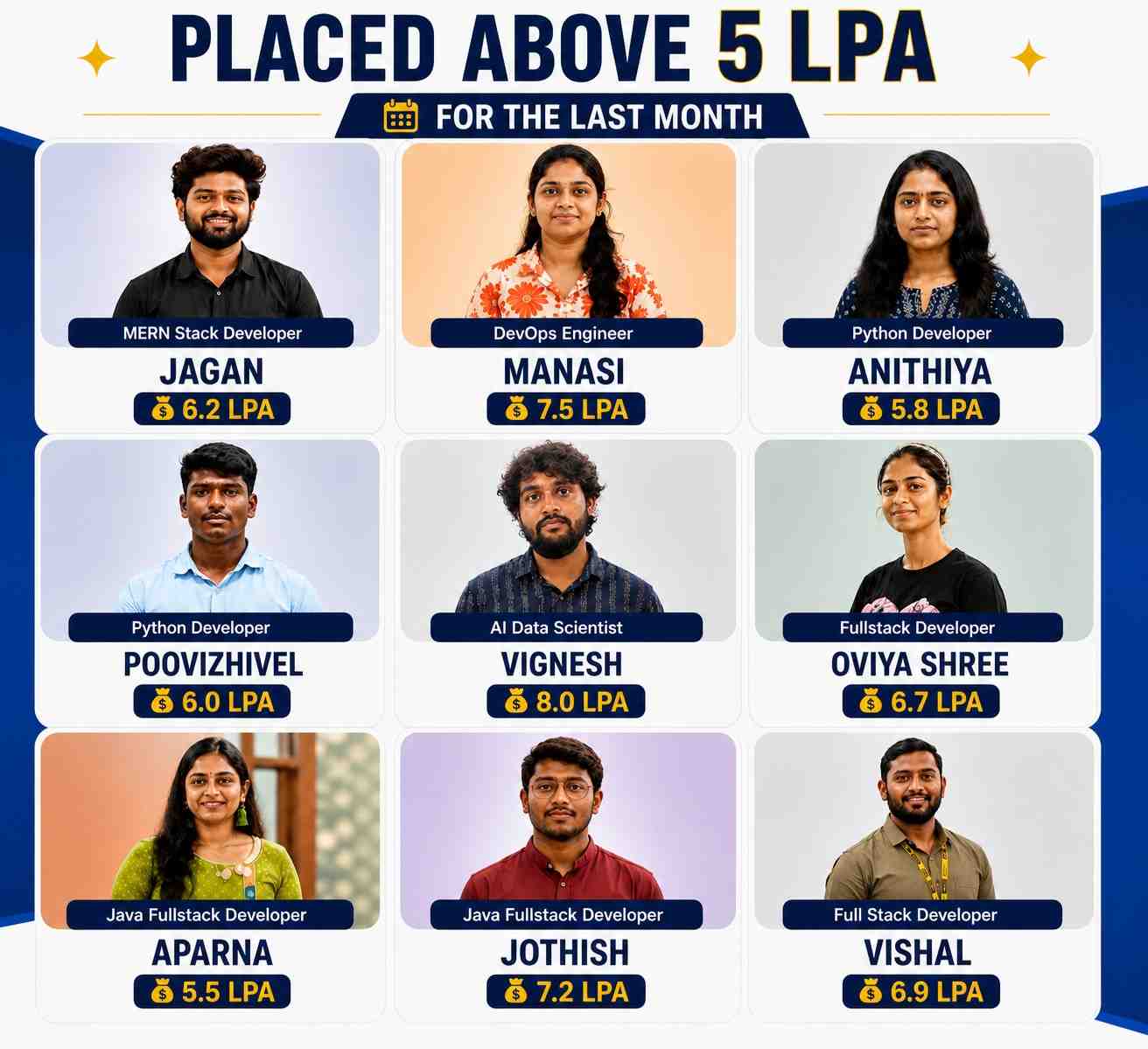
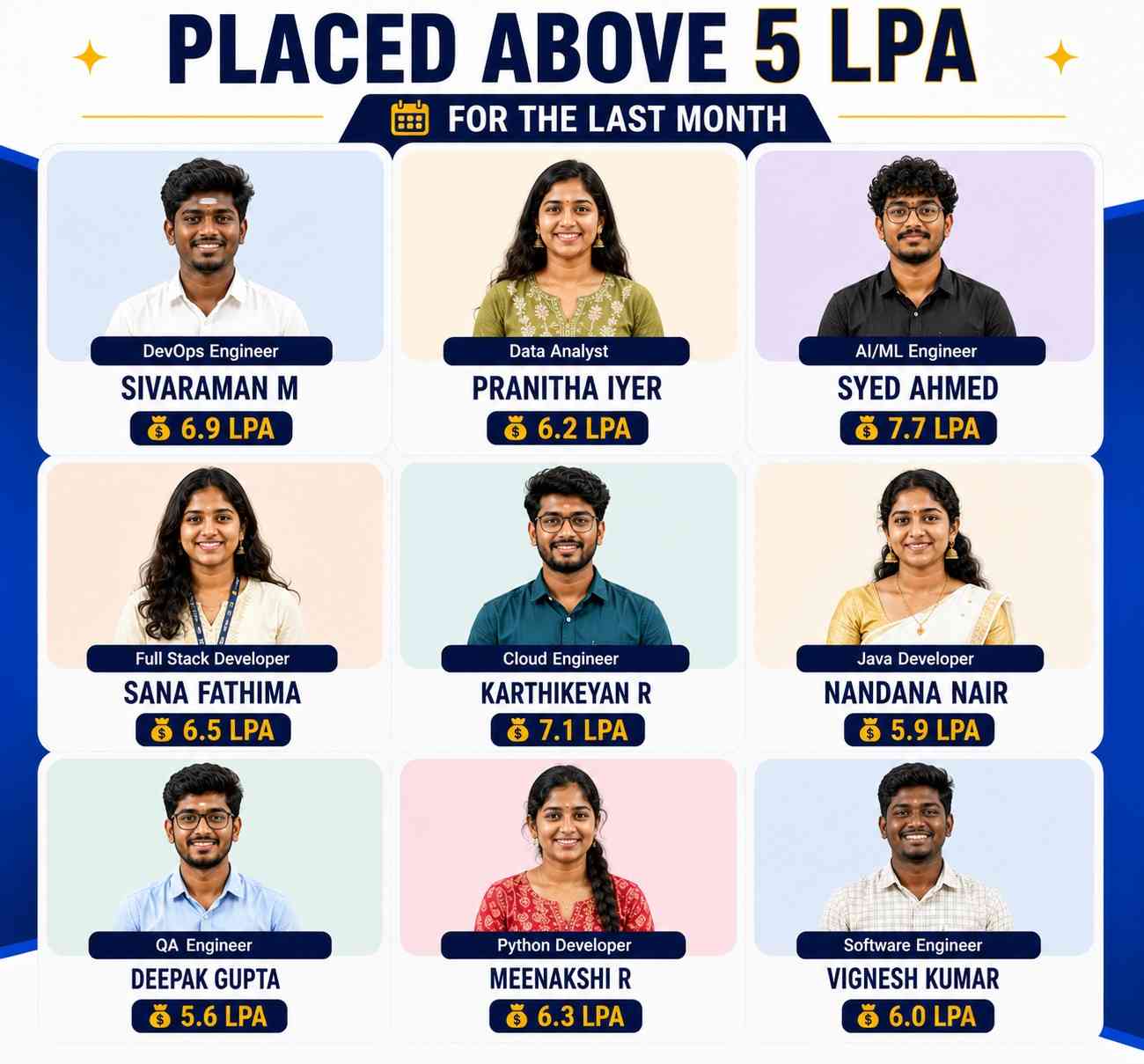
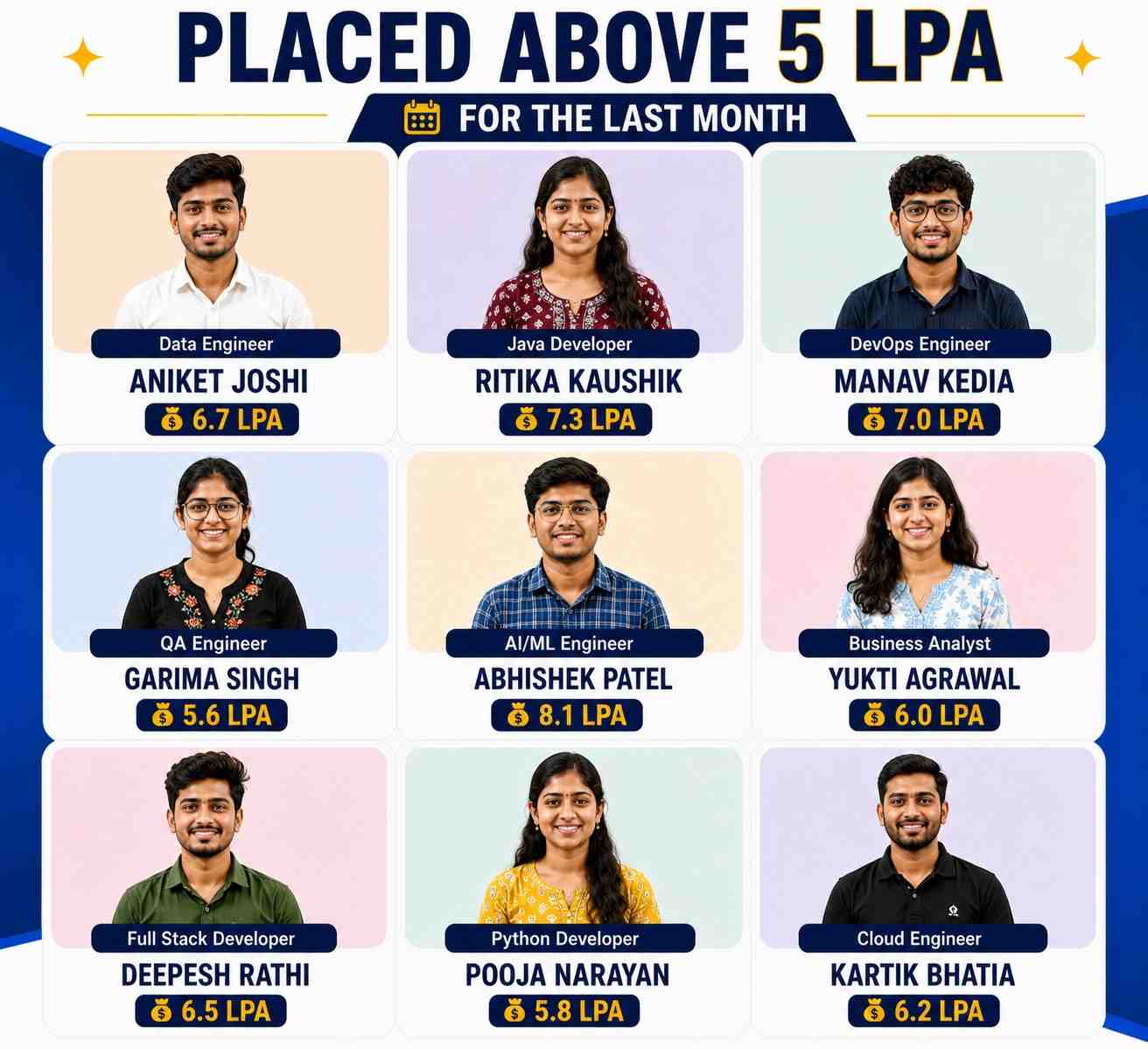
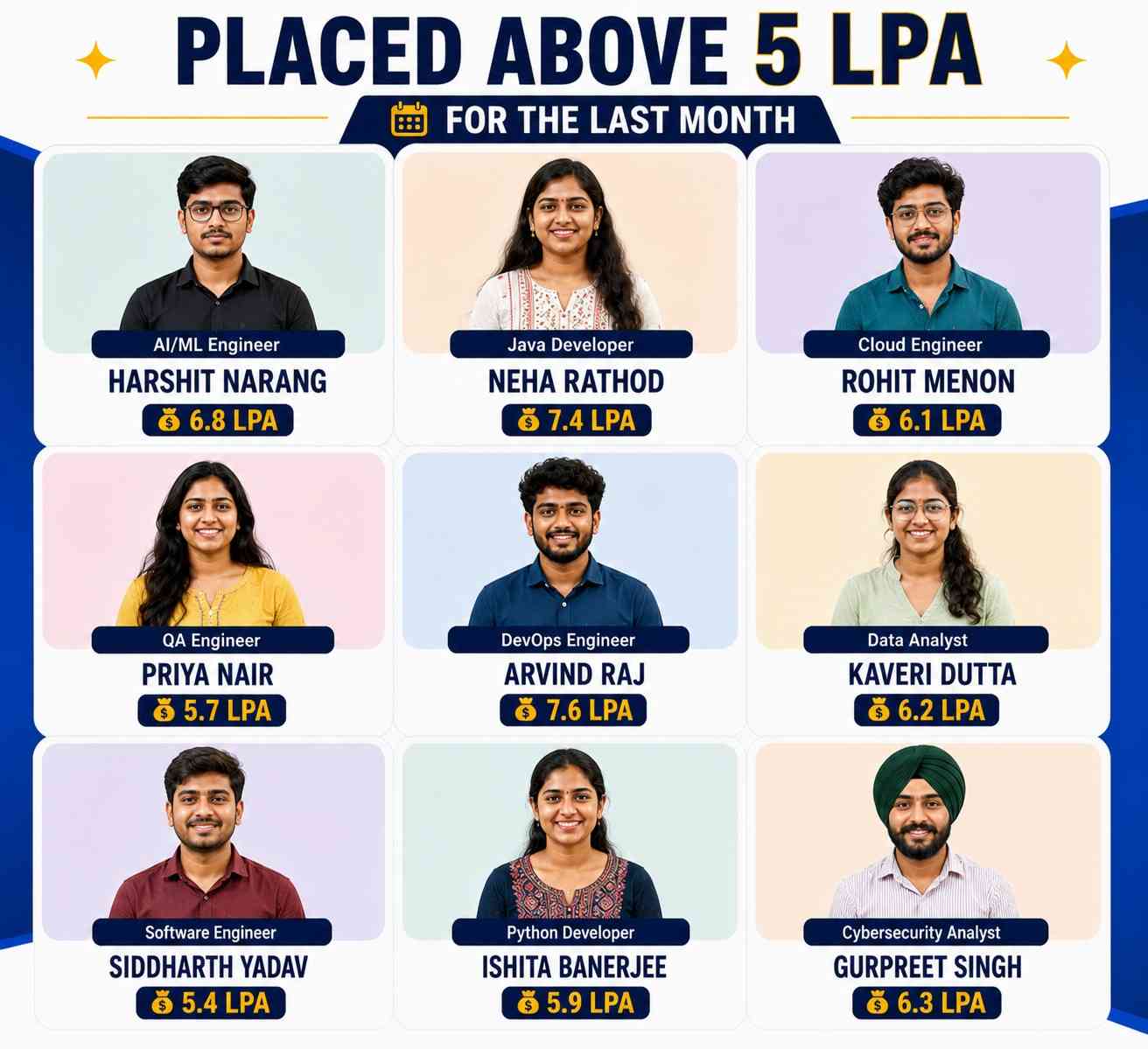
11059+ (Placed)
Freshers To IT
5256+ (Placed)
NON-IT to IT
7954+ (Placed)
Career Gap
4140+ (Placed)
Less Then 60%

Our Hiring Partners

Complete Overview of SAP SD Training


Our SAP SD Training in BTM Layout provides a structured learning experience that begins with the core concepts of Sales and Distribution and progresses towards advanced SAP SD configuration, implementation, and business process administration, helping learners acquire practical knowledge relevant to industry requirements. With interactive training sessions and real-time project practice, you will develop detailed knowledge of Sales Order Processing, Pricing, Billing, Shipping, Delivery Management, and Customer Master Data, preparing you to handle end-to-end order-to-cash operations effectively. After completing the training successfully, you can explore career opportunities as an SAP SD Consultant, SAP Functional Consultant, SAP SD Support Analyst, Sales Operations Executive, and SAP End User in various industry sectors.

Key Learning Outcomes of SAP SD Course

This SAP SD Training in BTM Layout is suitable for fresh graduates and working professionals who want to develop functional knowledge of SAP Sales and Distribution and enterprise business operations.
Develop hands-on expertise in Sales Order Processing, Pricing, Billing, Shipping, Delivery Management, and Customer Master Data through practical exercises and real-time project assignments.
Improve job-related SAP SD capabilities covering sales order management, pricing setup, billing operations, shipping activities, and customer master data maintenance through practical exercises and industry-focused training sessions.
Understand SAP SD with guidance from experienced trainers, practical implementation exercises, business case studies, and industry-based assignments led by certified professionals.
Complete the program with the knowledge to customize SAP SD functionalities, improve enterprise workflows, and obtain an industry-recognized SAP SD certification.
Explore professional opportunities as an SAP SD Consultant, Functional Consultant, SAP SD Support Analyst, Sales Operations Executive, and SAP End User.

Course Details and Additional Information


Key Features of SAP SD Training

  • Master SAP SD concepts with professional training covering Sales Order Processing, Pricing, Billing, Shipping, and Customer Master Data management.
  • Receive complete career placement guidance and access opportunities to connect with reputed organizations recruiting qualified SAP SD specialists.
  • Join a growing training community with more than 11,000 successful learners placed through over 350 established recruitment partners.
  • Get trained by certified SAP SD specialists with 10+ years of practical experience in implementation, consulting, and enterprise-level projects.
  • Improve your functional knowledge through practical projects, industry-based assignments, and individual career guidance from experienced trainers.
  • Pick suitable weekday, weekend, or fast-track training schedules with budget-friendly course fees and dedicated placement support services for learners.
  • Build practical SAP SD knowledge by exploring industry-based business situations and gain confidence in handling enterprise sales operations.

Why Choose SAP SD Training for Professional Development?

  • Structured Training from Basics to Advanced: The SAP SD curriculum provides an organized learning journey that covers Sales and Distribution fundamentals before introducing advanced configuration and implementation methods. With practical exercises and configuration activities, learners develop the confidence.
  • Career Options in Multiple Business Sectors: Companies operating in manufacturing, retail, logistics, healthcare, automotive, IT, FMCG, and e-commerce regularly seek professionals with SAP SD knowledge. This training prepares candidates for career opportunities such as SAP SD Consultant and SAP End User across different industries.
  • Practical Resources for Industry Learning: Explore SAP Learning Hub materials, practical exercises, professional workshops, and implementation-based learning resources. These materials help participants understand evolving SAP technologies, follow industry practices, and improve their knowledge of enterprise applications.
  • Better Long-Term Career Prospects: Businesses use SAP SD solutions to improve sales administration and strengthen customer relationships. As a result, trained professionals can pursue career advancement, gain experience in enterprise implementation activities, and participate in major business transformation initiatives.
  • Advanced Understanding of Sales Operations: Gain practical knowledge of sales orders, pricing procedures, billing activities, delivery management, customer master records, and credit management. Develop the ability to simplify business workflows, improve operational performance, and support connected enterprise activities.

Important Technologies and Tools Covered in SAP SD

  • Core SAP SD Features: Understand Sales Order Processing, Pricing, Billing, Shipping, and Order Management to perform complete order-to-cash activities. Develop practical skills in handling customer transactions, managing sales functions, and supporting enterprise workflows through industry-related implementation exercises.
  • SAP IMG Customization: Practice setting up sales organizations, distribution channels, billing configurations, partner determination, and organizational structures through the SAP Implementation Guide (IMG). Understand how to adapt SAP SD settings to organizational requirements while maintaining efficient sales and distribution operations.
  • Sales Analytics and Reporting Solutions: Explore SAP Fiori, SAP S/4HANA reports, SAP BW/BI, and standard reporting functionalities to measure sales performance, track business KPIs, examine customer transactions, and prepare useful reports that assist operational planning and business decisions.
  • Integration with Other SAP Modules: Learn the integration between SAP SD and SAP MM, FI, PP, and WM to maintain connected enterprise activities, accurate master data exchange, correct financial entries, synchronized inventory information, and coordination between sales, finance, production, and warehouse departments.
  • Industry-Based Projects and Practical Exercises: Gain implementation experience by completing business assignments involving inquiries, quotations, deliveries, billing, returns and end-to-end order-to-cash activities. These exercises strengthen your SAP SD configuration knowledge and prepare you to handle practical business requirements.

Core SAP SD Modules to Master for Your Career

  • Introduction to SAP SD: Understand enterprise organizational structures, customer master records, delivery processing, billing functions, and output determination to manage complete sales and distribution operations. Establish a solid functional foundation for configuring and maintaining SAP SD applications within enterprise environments.
  • End-to-End Order-to-Cash Management: Study the complete business cycle, starting from customer inquiries and quotations through sales orders, deliveries, goods issue, billing, invoicing, and payment activities. Understanding this complete workflow helps organizations improve customer experiences and achieve better business productivity.
  • SAP SD Settings and Functional Customization: Configure sales organizations, distribution channels, divisions, pricing procedures, shipping conditions, output determination, billing settings, and copy controls. Learn to connect SAP SD with SAP MM, FI, PP, and WM to manage enterprise workflows and fulfil specific organizational requirements.
  • Sales Distribution and Workflow Administration: Build functional expertise in returns processing, availability checks, output control, and workflow settings. These functions enable businesses to automate routine activities, maintain process consistency, improve operational productivity, and deliver effective customer service.
  • Business Reporting and Sales Analysis: Generate SAP SD reports, measure sales KPIs, review operational results, examine customer and sales information, and prepare useful business insights through SAP reporting features. Apply analytical knowledge to support business planning, workflow improvements, and informed management decisions.

Professional Competencies Developed Through SAP SD Training

  • Strong Functional Knowledge of SAP SD: Build detailed expertise in sales order processing, shipping, delivery administration, customer master records, and credit management. Understand how to execute complete order-to-cash activities efficiently while enhancing operational productivity and supporting business performance in enterprise organizations.
  • Advanced SAP SD Configuration Skills: Develop hands-on abilities in configuring sales organizations, distribution channels, billing documents, shipping conditions, output determination, and partner functions. Learn to modify SAP SD processes according to business needs while simplifying sales activities and maintaining workflow efficiency.
  • Practical Implementation Knowledge: Strengthen your implementation capabilities through assignments involving quotations, sales orders, deliveries, billing, returns administration, credit control, and customer master data maintenance. Improve functional and configuration expertise by solving practical SAP SD business requirements.
  • Sales Reporting and Analytical Abilities: Understand how to prepare SAP SD reports, measure sales KPIs, review organizational performance, examine transaction details, and generate actionable business insights. Use SAP reporting applications, dashboards, analytical functions, and performance tracking methods to support effective decision-making.
  • Functional Integration Across SAP Modules: Explore how SAP SD connects with SAP MM, FI, PP, and WM to manage integrated enterprise activities. Understand data communication, improve coordination between business departments, and maintain smooth operational workflows across different SAP functional areas.

Career Responsibilities After Completing SAP SD Course

  • SAP SD Functional Consultant: Understand business requirements, configure SAP SD applications, implement sales and distribution workflows, customize system settings, and deliver functional assistance. Work with business teams to enhance order-to-cash activities, improve operational productivity, and support organizational performance.
  • SAP SD Application Support Consultant: Handle regular SAP SD application issues, examine sales transactions, identify system errors, maintain master records, and assist users with functional queries. Support continuous business activities by monitoring application performance and resolving reported issues within appropriate timelines.
  • SAP SD End User: Process customer orders, quotations, deliveries, billing records, shipping activities, returns transactions, and customer master information. Perform routine SAP SD operations accurately while supporting uninterrupted order processing and maintaining consistent business activities across different departments.
  • Sales Operations Specialist: Manage customer orders, follow delivery progress, coordinate billing activities, review sales performance, and prepare operational summaries. Support business productivity by fulfilling customer requirements on time and maintaining organized sales and distribution activities.
  • Business Process Analyst: Review existing sales workflows, discover process improvement areas, suggest SAP SD enhancements, participate in implementation assignments, and maintain organizational process standards. Assist businesses in improving enterprise operations, increasing efficiency, and strengthening customer satisfaction.

Why Fresh Graduates Should Consider SAP SD as a Career

  • Easy-to-Follow Learning Structure: SAP SD provides an organized training curriculum supported by practical exercises, guided assignments, and industry-related business examples. Fresh graduates can understand enterprise sales activities step by step while developing the functional SAP knowledge needed to begin their professional careers.
  • Opportunities Across Different Industries: Organizations in manufacturing, retail, logistics, healthcare, automotive, IT, pharmaceuticals, and e-commerce require professionals familiar with SAP SD. Graduates can explore different job opportunities, competitive compensation, international project exposure, and long-term professional development.
  • Access to Updated Learning Materials: Make use of SAP Learning Hub, official product guides, technical webinars, professional communities, implementation examples, and additional learning resources. Improve your functional understanding continuously while following new SAP developments and changing enterprise technology requirements.
  • Broader Enterprise Resource Planning Knowledge: Understand the working relationship between SAP SD and SAP MM, FI, PP, WM, and other enterprise modules. Developing cross-functional ERP knowledge improves technical understanding and creates additional opportunities in SAP implementation, functional consulting, and support domains.
  • International Employment Possibilities: SAP SD professionals can contribute to overseas implementation assignments, remote consulting projects and independent consulting activities. Develop broader industry knowledge and pursue long-term professional growth with multinational businesses and established SAP consulting organizations.

Ways to Build a Remote Career with SAP SD Internship Training Expertise

  • Opportunities for Working Remotely: SAP SD specialists can manage configuration activities, analyze enterprise requirements, and provide functional assistance from different locations. Companies across the world recruit qualified consultants for SAP implementation, application support, and business modernization initiatives through remote.
  • International Freelance Project Opportunities: Experienced SAP SD professionals can explore project requirements through platforms such as Upwork, Freelancer, and Toptal. Knowledge of sales orders, customer master records, and SAP customization can help consultants pursue international freelance assignments and extended client projects.
  • Effective Online Team Coordination: SAP SD enables distributed business teams to work together through SAP Fiori, digital workflow approvals, and cloud-based enterprise applications. Professionals can coordinate with clients, business users, and project teams while managing sales and distribution activities across multiple organizational locations.
  • Increased Efficiency Through Process Automation: SAP SD simplifies order processing, pricing, billing, reporting, delivery activities, and workflow administration through automated business functions. These capabilities reduce repetitive manual tasks, minimize transaction errors and support productive remote enterprise operations.
  • Develop International Professional Connections: Participate in SAP communities, certification courses, technical webinars and international industry events to establish valuable career relationships. Expand your functional knowledge and identify potential remote consulting assignments with organizations worldwide.

Your Initial Experience in an SAP SD Placement Course Job Role

  • Practical Enterprise Sales Activities: Handle routine SAP SD operations such as sales order creation, billing processing, returns administration, and customer master record maintenance while gaining practical business exposure. Understand how organizations execute complete order-to-cash activities through SAP enterprise applications.
  • Exposure to SAP Business Technologies: Work with SAP S/4HANA, SAP Fiori, SAP IMG, reporting applications, and business analytics solutions to customize enterprise workflows, review transactions, prepare reports, and maintain end-to-end order-to-cash activities across connected SAP environments.
  • Continuous Mentoring from Experienced Professionals: Receive guidance from qualified SAP consultants who help you understand configuration procedures, review functional activities, improve technical knowledge, and follow recommended industry practices while contributing to implementation projects and enterprise application support activities.
  • Coordination with Different Business Departments: Work alongside finance, procurement, warehouse, logistics, production, and sales teams to maintain connected SAP business activities. Improve communication, collaboration, analytical reasoning, and problem-solving capabilities while contributing to successful enterprise process management.
  • Opportunities for Professional Advancement: Start by managing basic SAP SD responsibilities and gradually develop expertise in implementation, optimization, and solution planning. Build a reliable career foundation that supports progression into senior consulting positions, management responsibilities, and international enterprise projects.

Leading Organizations Recruiting SAP SD Training Experts

  • Accenture: Accenture offers SAP SD career opportunities across enterprise implementation, functional consulting, cloud modernization, and digital transformation projects. Professionals can gain international client exposure, work with advanced SAP applications and contribute to business modernization programs across several industry sectors.
  • Infosys: Infosys recruits SAP SD specialists to customize enterprise applications, improve sales workflows, streamline order-to-cash activities, and maintain business operations across manufacturing, retail, healthcare, automotive, logistics, and technology organizations around the world.
  • Tata Consultancy Services (TCS): TCS provides opportunities for SAP SD professionals to administer order-to-cash workflows, configure enterprise applications, connect business systems, and participate in large-scale SAP implementation assignments for international clients across multiple business sectors.
  • Capgemini: Capgemini recruits SAP SD consultants for application implementation, system migration, enterprise integration, process enhancement, and digital business transformation assignments. Professionals gain experience working with international clients, modern SAP platforms, and complex enterprise application environments.
  • Cognizant: Cognizant offers opportunities for SAP SD specialists to contribute to SAP S/4HANA implementation, application maintenance, sales workflow improvement, functional consulting, and enterprise modernization projects while working with international customers across different industries and technology environments.
Show More

Upcoming Batches For Classroom and Online

Weekdays
09 - Nov - 2026
08:00 AM & 10:00 AM
Weekdays
11 - Nov - 2026
08:00 AM & 10:00 AM
Weekends
14 - Nov - 2026
(10:00 AM - 01:30 PM)
Weekends
15 - Nov - 2026
(09:00 AM - 02:00 PM)
Can't find a batch you were looking for?
INR ₹16500
INR ₹36000

OFF Expires in

Who Should Take a SAP SD Certification Course

IT Professionals

Non-IT Career Switchers

Fresh Graduates

Working Professionals

Diploma Holders

Professionals from Other Fields

Salary Hike

Graduates with Less Than 60%

Show More

Job Roles For SAP SD Certification Training

SAP SD Consultant

Sales Analyst

SAP End-User

Distribution Coordinator

Compliance Specialist

Order Management Specialist

Billing Specialist

Shipping & Logistics Expert

Show More

What’s included ?

Convenient learning format

📊 Free Aptitude and Technical Skills Training

  • Learn basic maths and logical thinking to solve problems easily.
  • Understand simple coding and technical concepts step by step.
  • Get ready for exams and interviews with regular practice.
Dedicated career services

🛠️ Hands-On Projects

  • Work on real-time projects to apply what you learn.
  • Build mini apps and tools daily to enhance your coding skills.
  • Gain practical experience just like in real jobs.
Learn from the best

🧠 Launch Your Career in Top MNC Companies

  • Master technical and HR interview rounds.
  • Gain confidence with expert mock interview practice.
  • Improve your chances of getting hired faster.
Learn from the best

🎯 Interview Preparation For Freshers

  • Practice company-based interview questions.
  • Take online assessment tests to crack interviews
  • Practice confidently with real-world interview and project-based questions.
Learn from the best

🧪 LMS Self Learning Platform

  • Explore expert trainer videos and documents to boost your learning.
  • Study anytime with on-demand videos and detailed documents.
  • Top MNC interview questions & self coding practice.

SAP SD Course Syllabus

  • 🏫 Classroom Training
  • 💻 Online Training
  • 🚫 No Pre Request (Any Vertical)
  • 🏭 Industrial Expert

Joining SAP SD Training in BTM Layout helps learners develop the functional knowledge and practical abilities needed to establish a rewarding career in sales and distribution operations. This industry-focused program prepares candidates for various SAP SD positions in reputed companies across manufacturing, retail, IT, logistics, automotive, and other business sectors while offering practical experience with real-world business processes and modern SAP solutions. Through convenient learning schedules, participants develop expertise in Sales Order Processing, Pricing, Billing, Shipping, Delivery Management, and Customer Master Data, while gaining the confidence to configure, handle, and streamline complete sales and distribution workflows effectively using SAP SD.

  • SAP SD Fundamentals: Learn the essential concepts of Sales and Distribution, enterprise business workflows, and SAP SD industry best practices.
  • SAP SD Configuration & Administration: Gain practical knowledge in configuring SAP SD modules, master records, and managing order-to-cash business cycles.
  • SAP SD Business Process Execution: Develop hands-on expertise in sales order management, billing, shipping, and real-time SAP SD implementation projects.
  • SAP SD Reporting & Analytics: Utilize SAP Fiori, SAP S/4HANA, dashboards, and reporting tools to monitor sales performance and generate valuable insights.
Introduction to SAP SD
Core SAP SD Modules
SAP SD Administration & Configuration
SAP SD Process Execution
Integration & Automation in SD
SD Reporting & Analytics
SAP SD Strategy & Real-Time Projects

This module introduces the fundamentals of SAP SD:

  • Introduction to SAP SD: Understand the fundamentals of Sales and Distribution, enterprise workflows, and the role of SAP SD in ERP environments.
  • Core Business Functions: Learn Sales Order Processing, Pricing, Billing, Shipping, and Customer Master Data with practical business examples.
  • SAP Technology Overview: Get familiar with SAP S/4HANA, SAP Fiori, SAP ECC, and their importance in enterprise sales and distribution operations.
  • Career Opportunities: Discover career options such as SAP SD Consultant, Functional Consultant, Sales Operations Executive, and SAP End User.

This module focuses on SAP SD configuration and business processes:

  • SAP SD Configuration: Learn to configure Sales Organizations, Distribution Channels, Pricing Procedures, Shipping Points, and Customer Master settings.
  • Master Data Management: Create and maintain customer records, material master data, sales areas, and organizational structures within SAP SD.
  • Order-to-Cash Process: Execute quotations, sales orders, deliveries, billing documents, returns processing, and shipping workflows effectively.
  • Sales Reporting: Build reports, monitor sales KPIs, create dashboards, and evaluate business performance using SAP reporting solutions.

Learn advanced SAP SD administration and implementation techniques:

  • SAP Platform Navigation: Work with SAP S/4HANA, SAP Fiori, SAP IMG, and configuration tools to administer enterprise sales operations.
  • Business Process Automation: Configure SAP workflows, output determination, automation features, and process optimization for efficient business execution.
  • User Roles and Security: Manage authorization profiles, user roles, access permissions, and security settings within SAP SD environments.
  • Performance Analysis: Monitor sales transactions, delivery activities, billing processes, and business performance using real-time analytics.

This module provides practical expertise in SAP SD implementation:

  • Sales Process Execution: Perform sales order creation, delivery processing, billing activities, returns management, and customer master maintenance.
  • SAP Business Applications: Utilize SAP Fiori applications, SAP S/4HANA interfaces, and reporting tools to manage SAP SD business operations.
  • Order-to-Cash Management: Configure inquiries, quotations, sales orders, deliveries, billing documents, and complete order-to-cash workflows.
  • Configuration Testing: Test SAP SD configurations, validate business transactions, troubleshoot issues, and maintain system reliability.

Learn to integrate and optimize SAP SD business processes:

  • Module Integration: Integrate SAP SD with SAP MM, FI, PP, and WM modules to support seamless enterprise business operations.
  • Business Process Automation: Automate sales orders, pricing, billing, shipping, and reporting activities using SAP SD capabilities.
  • Enterprise System Connectivity: Connect SAP SD with external applications and ERP platforms to ensure efficient enterprise data exchange.
  • Workflow Enhancement: Apply SAP best practices to improve operational efficiency, customer satisfaction, and end-to-end sales execution.

Master SAP SD reporting and business performance optimization:

  • Business Performance Monitoring: Monitor sales activities, deliveries, billing status, and KPIs using SAP Fiori dashboards and reporting solutions.
  • Sales Reporting: Analyze sales orders, pricing performance, customer transactions, and billing efficiency using SAP SD reports.
  • Operational Performance Analysis: Measure workflow efficiency, business productivity, compliance, and customer service using performance metrics.
  • Master Data Administration: Maintain customer master records, material masters, sales organizations, and distribution structures with accuracy.

Strengthen your SAP SD skills through live implementation projects:

  • Project Planning: Analyze business requirements, define implementation goals, and prepare SAP SD project execution strategies.
  • Real-Time Implementation: Complete hands-on SAP SD projects covering quotations, sales orders, pricing, deliveries, billing, and customer management.
  • Business Process Evaluation: Assess sales performance, operational reports, fulfillment efficiency, and KPIs to optimize business processes.
  • Final Capstone Project: Build a complete SAP SD solution covering configuration, reporting, workflow automation, and end-to-end order-to-cash operations.

🎁 Free Addon Programs

Aptitude, Spoken English

🎯 Our Placement Activities

Daily Task, Soft Skills, Projects, Group Discussions, Resume Preparation, Mock Interview

Build Practical Expertise Through Industry-Based SAP SD Projects

Placement Support Overview

Latest Career Opportunities for SAP SD Professionals in BTM Layout

SAP Order Specialist

Company Code: SOM583 BTM Layout, Bangalore
₹25,000 – ₹45,000 a month Any Degree / B.E Exp 0–2 yrs
  • Manage customer orders, configure sales documents, monitor order confirmations, and coordinate delivery activities to maintain efficient sales operations.
Easy Apply

SAP Pricing Analyst

Company Code: SPA827 BTM Layout, Bangalore
₹22,000 – ₹40,000 a month Any Degree Exp 1–3 yrs
  • Maintain pricing conditions, configure discount structures, analyze pricing procedures, and ensure accurate calculations across SAP SD sales transactions.
Easy Apply

SAP Billing Process Specialist

Company Code: SBP694 BTM Layout, Bangalore
₹28,000 – ₹48,000 a month Any Degree / B.E Exp 2–4 yrs
  • Handle billing document configuration, invoice generation, credit memos, and billing verification while maintaining accurate financial transaction records.
Easy Apply

SAP Delivery Executive

Company Code: SDM315 BTM Layout, Bangalore
₹20,000 – ₹38,000 a month Any Degree Exp 0–3 yrs
  • Coordinate outbound deliveries, monitor shipment schedules, manage picking and packing activities, and ensure timely order fulfillment.
Easy Apply

SAP Master Data Specialist

Company Code: SMD762 BTM Layout, Bangalore
₹24,000 – ₹42,000 a month Any Degree / B.E Exp 1–4 yrs
  • Maintain customer and material master information, validate business records, manage data updates, and ensure consistency across SAP SD operations.
Easy Apply

SAP Logistics Process Analyst

Company Code: SLP428 BTM Layout, Bangalore
₹26,000 – ₹44,000 a month Any Degree Exp 1–3 yrs
  • Analyze logistics workflows, track shipment activities, coordinate inventory movements, and improve delivery performance through SAP SD processes.
Easy Apply

SAP OTC Process Executive

Company Code: SOP956 BTM Layout, Bangalore
₹23,000 – ₹43,000 a month Any Degree Exp 0–3 yrs
  • Monitor end-to-end order-to-cash activities, coordinate sales documentation, review billing transactions, and support timely customer order completion.
Easy Apply

Internship Opportunities and Learning Benefits in SAP SD

Practical Industry Projects

  • 1. Work with practical SAP SD applications and understand customer orders, delivery management, and complete sales operations.
  • 2. Explore real-world business challenges and perform essential sales and distribution activities through guided project assignments and practical training sessions.
Book Session

Technical Training Sessions

  • 1. Attend specialized workshops covering modern SAP SD functionalities, and recommended industry practices.
  • 2. Develop functional knowledge through trainer-led activities involving sales documents, pricing procedures, billing operations, and process automation.
Book Session

Internship Support & Benefits

  • 1. Access a supportive learning environment with flexible training schedules, professional guidance, and opportunities for practical skill development.
  • 2. Maintain a healthy learning routine while receiving continuous assistance from trainers and fellow SAP SD participants.
Book Session

Expert Guidance & Team Activities

  • 1. Receive personalized guidance from experienced SAP SD professionals to improve functional understanding and professional development.
  • 2. Work alongside other learners on practical assignments, collaborative exercises, and business scenarios to strengthen technical knowledge.
Book Session

Professional Skills & Job Preparation

  • 1. Strengthen workplace communication, collaboration, problem-solving, and time management abilities required for SAP SD professional positions.
  • 2. Improve interview performance through practice assessments, industry-based discussions, mock interviews, and career preparation sessions.
Book Session

Course Credentials & Recognition

  • 1. Demonstrate your SAP SD functional knowledge and practical learning achievements through recognized course completion credentials.
  • 2. Strengthen your professional profile with practical project experience and recognized training certificates that effectively highlight your SAP SD capabilities.
Book Session

Sample Resume for SAP SD (Fresher)

  • 1. Simple and Clean Resume Layout– Use a professional format with clear sections such as career summary, SAP SD skills, certifications, education, and project experience.
  • 2. List of SAP SD Skills You Possess– Highlight skills like Sales Order Management, Delivery & Shipping, Billing & Invoicing, Pricing Configuration, Customer Master Data, Integration with MM/FI, Reporting, and SD Workflow Automation.
  • 3. Real-Time Projects and Achievements– Include 1–2 SAP SD projects with concise descriptions, the modules and tools used, and measurable outcomes or achievements, such as reduced order processing time or improved billing accuracy.

Important SAP SD Technical Interview Questions and Answers

Ans:

An inquiry is a customer's request for information about products, prices, or availability without a purchase commitment. A quotation is a formal sales proposal that provides specific pricing, quantities, and validity details. Both documents help organizations manage customer requests before creating sales orders.

Ans:

The pricing procedure determines how prices, discounts, surcharges, taxes, and other charges are calculated in a sales document. It uses condition types, access sequences, condition records, and pricing procedures to calculate the final value of customer transactions based on configured business requirements.

Ans:

Copy control defines how information moves from one sales document to another. It manages the transfer of relevant data between inquiries, quotations, sales orders, deliveries, and billing documents. It also controls data transfer routines, quantity updates, and document flow requirements.

Ans:

An availability check determines whether the required quantity of a material can be supplied on the requested delivery date. SAP checks available stock and relevant receipts and requirements to provide accurate delivery information. This functionality helps businesses manage customer expectations and delivery commitments.

Ans:

A delivery document records the activities involved in supplying products to customers, including picking, packing, and goods issue. A billing document records the financial details of a sales transaction, including customer charges, taxes, discounts, and invoice information.

Ans:

Output determination manages the communication of sales-related documents to customers and business partners. It supports the generation and distribution of order confirmations, delivery notes, invoices, and other business documents through configured output channels such as email, print, or electronic communication.

Ans:

Credit management helps organizations monitor customer credit exposure and evaluate financial risks during sales transactions. It checks customer credit limits, outstanding balances, and relevant commitments to determine whether additional sales orders or deliveries require approval or restriction.

Ans:

An item category controls how individual items behave within a sales document. It determines important functions such as pricing relevance, delivery relevance, billing relevance, and schedule line requirements. Item categories help configure different sales scenarios according to organizational business processes.

Ans:

Document flow displays the relationship between different documents created during a sales transaction. It helps users track inquiries, quotations, sales orders, deliveries, goods issue, and billing documents. This feature provides transparency and makes it easier to identify the status of business transactions.

Ans:

SAP SD integrates with SAP FI to transfer financial information generated through billing activities. When an invoice is created, the system can automatically generate corresponding accounting entries based on account determination settings. This integration helps maintain accurate revenue records, customer receivables, and financial reporting.

Company-Specific Interview Questions from Top MNCs

1. What is SAP SD?

Ans:

SAP SD (Sales and Distribution) is a core module in SAP ERP that manages order-to-cash processes. It helps organizations handle sales orders, pricing, deliveries, billing, and customer relationship management efficiently.
2. What are the key principles of good SAP SD implementation?

Ans:

  • Ensure accurate and consistent sales and master data configuration
  • Define proper organizational structure (Sales Organization, Distribution Channel, Division)
  • Maintain material and customer master data integrity
  • Enable integration with other SAP modules like MM and FI
  • Align system configuration with business processes and compliance requirements
3. How do you conduct requirement gathering for SAP SD projects?

Ans:

Requirement gathering involves understanding sales processes, customer needs, pricing rules, and reporting requirements through stakeholder discussions, workshops, and process analysis. These insights guide system configuration and implementation.
4. What factors do you consider when designing SAP SD for usability?

Ans:

  • User-friendly transaction codes and navigation for sales order processing
  • Clear billing and delivery document flow
  • Role-based access and authorization for sales and logistics teams
  • Seamless integration with inventory and finance processes
  • Accurate and real-time sales data visibility
5. What is the role of pricing and billing in SAP SD?

Ans:

Pricing determines product and service costs based on various conditions (discounts, surcharges, taxes). Billing ensures correct invoicing for goods and services, integrating with FI for accounting and revenue recognition.
6. How do you create effective SAP SD reports and dashboards?

Ans:

  • Identify key sales metrics such as order volume, revenue, and delivery performance
  • Use standard SAP reports or create custom reports using SAP Query or CDS views
  • Ensure data accuracy and real-time updates
  • Provide clear layouts for sales analysis and forecasting
  • Continuously improve reports based on business feedback
7. What is SAP SD automation?

Ans:

SAP SD automation refers to streamlining processes like order processing, delivery scheduling, and billing using predefined workflows, pricing routines, and batch jobs. It improves efficiency and reduces manual errors.
8. What are the stages of an SAP SD implementation?

Ans:

  • Requirement Analysis: Understand sales, delivery, and billing processes
  • Design: Define system architecture and configuration for SD organizational units
  • Configuration: Set up Sales Organization, Distribution Channel, Pricing, Billing, and Shipping modules
  • Testing: Perform unit, integration, and user acceptance testing
  • Deployment & Support: Go-live and provide ongoing support and maintenance
9. How do you validate your SAP SD implementation?

Ans:

Validation is done through order-to-cash process testing, reconciliation of delivery and billing documents, user acceptance testing, and audit checks to ensure system meets business and compliance requirements.
10. How do you ensure consistency across SAP SD implementations?

Ans:

  • Follow standardized configuration practices for sales, shipping, and billing
  • Maintain proper documentation of master data and configurations
  • Use consistent naming conventions for document types and condition records
  • Reuse tested configurations and templates
  • Conduct regular audits and reviews to align with best practices

1. What is SAP SD and how is it different from other ERP modules?

Ans:

SAP SD (Sales and Distribution) is a core SAP module that manages order-to-cash processes including sales orders, deliveries, billing, and customer management. Unlike other modules like MM (procurement) or FI (finance), SD focuses on sales operations and revenue realization.
2. What are the essential skills a SAP SD professional should have?

Ans:

  • Strong understanding of sales, shipping, and billing processes
  • Knowledge of SAP SD components like Sales Order, Pricing, Delivery, and Billing
  • Ability to configure and customize SD system settings
  • Understanding of integration with MM, FI, and CRM modules
  • Good communication, analytical thinking, and problem-solving skills
3. How do you approach a new SAP SD project?

Ans:

I start by analyzing business requirements and sales processes through stakeholder discussions. Then, I configure organizational units, define master data, set up pricing and billing routines, perform testing, and ensure smooth deployment.
4. What is the role of Sales Order Management in SAP SD and why is it important?

Ans:

Sales Order Management is central to SAP SD, tracking customer orders from creation to delivery. It ensures accurate order processing, real-time inventory updates, and proper integration with billing and finance.
5. How do you ensure your SAP SD solution is user-friendly and efficient?

Ans:

I focus on proper configuration, intuitive transaction flows, and clear document structures. Role-based access, proper documentation, and end-user training ensure efficient use of the system.
6. What tools and components do you use in SAP SD and why?

Ans:

  • Sales Order Processing: For managing customer orders
  • Delivery & Shipping: For handling logistics and goods movement
  • Billing: For generating invoices and integration with FI
  • Pricing & Condition Techniques: For accurate pricing and discounts
  • Integration with MM & FI: To ensure smooth end-to-end business processes
7. Explain the importance of reporting in SAP SD.

Ans:

Reporting in SAP SD provides insights into sales performance, delivery status, and billing. Reports like order status, sales analysis, and delivery tracking help management make informed decisions and improve customer service.
8. How do you handle issues or feedback during SAP SD implementation?

Ans:

  • Collect and document feedback from users and stakeholders
  • Analyze issues related to configuration, master data, or workflow
  • Implement necessary adjustments and test the solutions
  • Communicate updates clearly with the team
  • Ensure solutions are scalable and aligned with business requirements
9. What methods do you use for testing SAP SD implementations?

Ans:

  • User Acceptance Testing (UAT): Validate real business scenarios
  • Unit Testing: Test individual SD configurations
  • Integration Testing: Ensure smooth interaction with MM, FI, and other modules
  • Regression Testing: Verify system stability after changes
  • Data Validation: Ensure accuracy of sales, delivery, and billing data
10. How do you stay updated with SAP SD trends and updates?

Ans:

I follow SAP updates, attend webinars, explore official SAP documentation, and participate in SAP communities. Continuous learning and hands-on practice help me stay aligned with industry best practices.

1. What is the difference between an SAP SD Consultant and an SAP SD Functional Analyst?

Ans:

An SAP SD Consultant focuses on configuring and implementing SAP SD system settings based on business requirements. An SAP SD Functional Analyst analyzes sales and distribution processes, gathers requirements, and ensures the system aligns with business operations. Consultants handle configuration, while analysts focus on process alignment and support.
2. How do you gather business requirements for an SAP SD project and why is it important?

Ans:

Requirement gathering involves stakeholder interviews, workshops, and analysis of sales, shipping, and billing processes. This ensures proper system configuration, accurate reporting, and alignment with organizational goals.
3. What are some best practices for SAP SD implementation?

Ans:

  • Ensure accurate master data for customers and materials
  • Maintain proper organizational structure (Sales Org, Distribution Channel, Division)
  • Follow standard SAP naming conventions and best practices
  • Enable seamless integration with modules like MM and FI
  • Perform thorough testing before go-live
4. What tools and components do you prefer for SAP SD implementation and deployment?

Ans:

  • Sales Order Processing for managing customer orders
  • Delivery & Shipping for logistics and goods movement
  • Billing for invoicing and integration with FI
  • Pricing & Condition Techniques for accurate pricing and discounts
  • Integration with MM & FI for end-to-end business processes
  • SAP reporting tools for sales and performance analysis
5. Explain the importance of data security in SAP SD projects.

Ans:

Data security ensures sensitive customer and sales data is protected from unauthorized access. Role-based access control, authorization objects, and audit trails help maintain compliance, protect sensitive data, and ensure system integrity.
6. How do you manage sales data and processes effectively in SAP SD?

Ans:

  • Define and maintain accurate customer and material master data
  • Configure sales, delivery, and billing processes based on business needs
  • Ensure proper validation and reconciliation of orders and invoices
  • Automate repetitive tasks like pricing and billing
  • Monitor reports and sales performance regularly
7. Describe your SAP SD project implementation process from start to finish.

Ans:

  • Requirement Analysis: Understand sales, shipping, and billing requirements
  • Design: Define system architecture and configuration for SD modules
  • Configuration: Set up Sales Organization, Distribution Channel, Pricing, Delivery, and Billing
  • Testing: Perform unit, integration, and UAT testing
  • Deployment & Support: Go-live and provide ongoing maintenance
8. How do you handle feedback from multiple stakeholders in an SAP SD project?

Ans:

  • Document all feedback clearly
  • Prioritize based on business impact
  • Adjust configurations as required
  • Communicate updates effectively
  • Validate changes through testing and user approval
9. What are some key SAP SD best practices you follow?

Ans:

  • Follow standard SAP configuration practices
  • Maintain clear documentation
  • Ensure data accuracy and consistency
  • Perform regular reconciliation and validation
  • Monitor system performance and improve continuously
10. How do you stay updated with the latest SAP SD trends and technologies?

Ans:

  • Follow SAP official updates and documentation
  • Attend SAP webinars, training sessions, and workshops
  • Engage with SAP community forums and experts
  • Practice hands-on in SAP environments
  • Earn relevant SAP certifications

1. What is the difference between an SAP SD Consultant and an SAP SD Developer?

Ans:

An SAP SD Consultant focuses on configuring sales, shipping, and billing processes based on business requirements. An SAP SD Developer works on technical aspects like custom reports, enhancements, and integrations using ABAP. Consultants handle functional configuration, while developers handle coding and system customization.
2. How do you approach requirement gathering in an SAP SD project?

Ans:

Requirement gathering involves stakeholder discussions, workshops, and analysis of sales, shipping, and billing processes. This ensures proper system configuration, accurate reporting, and alignment with organizational goals.
3. What are the common components you use in SAP SD implementation?

Ans:

  • Sales Order Processing
  • Delivery & Shipping
  • Billing & Invoicing
  • Pricing & Condition Techniques
  • Integration with SAP MM and FI modules
  • Sales reporting tools for analysis
4. Can you explain what Sales & Distribution in SAP SD is and how you use it?

Ans:

SAP SD manages order-to-cash processes including sales orders, deliveries, pricing, and billing. It ensures accurate sales processing, inventory updates, and timely revenue recognition while integrating with MM and FI for end-to-end business operations.
5. How do you ensure your SAP SD implementation is secure and accessible to users?

Ans:

I implement role-based authorizations, access controls, and audit trails to protect sensitive sales and customer data. For usability, I ensure clear transaction flows, proper documentation, and end-user training so the system is secure and user-friendly.
6. What is your process for creating SAP SD reports and monitoring sales performance?

Ans:

I identify key sales metrics such as order volume, revenue, and delivery performance. I use standard SAP reports or create custom reports, validate data accuracy, and refine reporting continuously based on business requirements.
7. How do you validate your SAP SD solutions?

Ans:

Validation is done through unit testing, integration testing, and user acceptance testing (UAT). I also perform reconciliation of deliveries, billing, and pricing to ensure accuracy and reliability before go-live.
8. What are the key principles of a good SAP SD implementation?

Ans:

  • Maintain accurate master data for customers and materials
  • Use standard SAP configurations and best practices
  • Ensure seamless integration with other modules (MM, FI)
  • Follow proper documentation and naming conventions
  • Automate processes to improve efficiency
9. How do you handle conflicting feedback from stakeholders in an SAP SD project?

Ans:

I gather and document all feedback, analyze business impact, prioritize requirements, and communicate trade-offs clearly. Solutions are proposed to balance business needs with system capabilities.
10. How do you keep yourself updated with SAP SD trends and technologies?

Ans:

I follow SAP updates, read official documentation, attend webinars and training sessions, engage with SAP communities, and practice hands-on in SAP SD environments to stay updated with the latest features and best practices.


1. How do you define the difference between an SAP SD Consultant and an SAP SD Developer?

Ans:

An SAP SD Consultant focuses on configuring sales, shipping, and billing processes, managing business requirements, and implementing SAP SD solutions. An SAP SD Developer handles technical aspects such as ABAP programming, custom reports, and enhancements. Consultants manage functional configuration, while developers extend system functionality through coding.
2. How do you prioritize features when implementing an SAP SD solution for a diverse business use case?

Ans:

I prioritize based on business impact, compliance requirements, and user needs. Stakeholder inputs, sales and delivery process dependencies, and reporting needs guide decisions, ensuring critical SD functions are implemented first.
3. What process do you follow to implement a new SAP SD solution or feature?

Ans:

  • Understand business requirements for sales, shipping, and billing
  • Define organizational structure and master data (Sales Org, Customer, Material)
  • Configure SD modules such as Sales Orders, Delivery, Billing, and Pricing
  • Integrate with MM and FI modules
  • Perform testing and validation in sandbox environments
  • Deploy to production and provide post-go-live support
4. How do you incorporate data security and accessibility in SAP SD solutions?

Ans:

I implement role-based access control, authorization objects, and audit trails to secure sales and customer data. For accessibility, I ensure proper documentation, user training, and intuitive transaction flows for ease of use.
5. How do you measure the success of your SAP SD implementation?

Ans:

Success is measured using KPIs such as order processing accuracy, billing efficiency, delivery performance, system performance, and user adoption. Reports, audit results, and stakeholder feedback help evaluate effectiveness.
6. Explain a challenging SAP SD problem you faced and how you solved it.

Ans:

I handled a delivery and billing mismatch issue. I analyzed configuration settings, checked integration with MM and FI, corrected master data, and validated transactions. After testing, the issue was resolved ensuring accurate order-to-cash processing.
7. What tools and components do you use for SAP SD implementation and collaboration?

Ans:

  • Sales Order Processing, Delivery & Shipping, Billing & Invoicing
  • Pricing & Condition Techniques for accurate pricing
  • Integration with MM & FI for end-to-end processes
  • SAP reporting tools for sales analysis
  • ABAP for custom developments
  • SAP Solution Manager for project tracking
8. How do you handle conflicting feedback from stakeholders during an SAP SD project?

Ans:

I document and analyze feedback based on business priorities and compliance requirements. I communicate trade-offs clearly, prioritize key requirements, and validate solutions through testing and stakeholder approval.
9. What role does data play in your SAP SD projects?

Ans:

Data is critical in SAP SD for accurate order processing, billing, and delivery tracking. I ensure high-quality master data, validate transactions, and maintain consistency to support reliable sales and distribution processes.
10. How do you keep your SAP SD skills up to date in a fast-evolving environment?

Ans:

I follow SAP updates, attend training sessions and webinars, participate in SAP community forums, and gain hands-on experience with new features and implementations in SAP SD.

Accommodation Information Disclaimer:

The accommodation details provided below are for general guidance only. These PG facilities are independently managed, and there are no official partnerships or affiliations with the listed properties. Please verify availability, facilities, and contact details before booking.

Ladies PG Accommodation

BTM Layout
  • [Verified Ladies PG Name] : [Contact Number]
  • [Verified Women's Residency Name] : [Contact Number]
HSR Layout
  • [Verified Ladies Hostel Name] : [Contact Number]
  • [Verified Women's PG Name] : [Contact Number]
Bommanahalli
  • [Verified Ladies Residency Name] : [Contact Number]
  • [Verified Women's PG Name] : [Contact Number]
JP Nagar
  • [Verified Ladies PG Name] : [Contact Number]
  • [Verified Women's Hostel Name] : [Contact Number]
Jayanagar
  • [Verified Ladies Residency Name] : [Contact Number]
  • [Verified Women's PG Name] : [Contact Number]

Mens PG Accommodation

BTM Layout
  • [Verified Men's PG Name] : [Contact Number]
  • [Verified Gents Residency Name] : [Contact Number]
HSR Layout
  • [Verified Men's Hostel Name] : [Contact Number]
  • [Verified Gents PG Name] : [Contact Number]
Bommanahalli
  • [Verified Men's Residency Name] : [Contact Number]
  • [Verified Gents PG Name] : [Contact Number]
JP Nagar
  • [Verified Men's PG Name] : [Contact Number]
  • [Verified Gents Hostel Name] : [Contact Number]
Jayanagar
  • [Verified Men's Residency Name] : [Contact Number]
  • [Verified Gents PG Name] : [Contact Number]

Explore Entry-Level SAP SD Career Opportunities in BTM Layout

  • 1. Junior SAP Sales Order Processing Associate Positions
  • 2. SAP SD Customer Master Data Executive Opportunities
  • 3. Entry-Level SAP Billing and Pricing Analyst Roles
  • 4. SAP Delivery and Distribution Support Trainee Jobs
  • 5. Junior SAP Order Management and Operations Roles

Getting Started With SAP SD Course in Bangalore

No Coding
8 Lakhs+ CTC
No Work Pressure
WFH Jobs (Remote)

Why SAP SD is the Ultimate Career Choice


High Demand

Companies prefer multi-skilled professionals can handle entire project cycles.

Global Opportunities

Open doors to remote and international job markets.

High Salary

Enjoy competitive salaries and rapid career advancement.

Flexible Career Path

Explore roles such as developer, architect, freelancer, or entrepreneur.

Future-Proof Career

Stay relevant with skills that are consistently in demand in the evolving tech landscape.

Versatility Across Industries

Work in various domains like e-commerce, healthcare, finance, and more.

Career Support

Placement Assistance
Exclusive access to ACTE Job portal
Mock Interview Preparation
1 on 1 Career Mentoring Sessions
Career Oriented Sessions
Resume & LinkedIn Profile Building

Build Your Career with SAP SD Certification


Enhance your career profile with SAP SD certification that highlights your understanding of sales and distribution processes. Through hands-on exercises, practical projects, and guided assessments, SAP SD Training in BTM Layout helps you develop functional knowledge for opportunities in sales operations, ERP support, and SAP consulting.

SAP SD Certification Training in BTM Layout
  • SAP SD Fundamentals and Process Knowledge Certification
  • SAP SD Functional Consultant Certification
  • SAP Sales Order Management Skills Certification
  • SAP Pricing and Billing Process Certification
  • Advanced SAP SD Configuration Skills Certification

SAP SD certification can demonstrate your understanding of sales and distribution functions while strengthening your professional profile. However, certification by itself does not ensure employment. Combining it with practical training, project experience, business process knowledge, communication skills, and interview preparation can improve your suitability for relevant job opportunities.

Preparation time depends on your previous ERP knowledge, understanding of sales processes, study routine, and selected certification. Beginners may need several weeks to learn the basics, while detailed functional preparation can require a few months of regular study, revision, practical exercises, and project experience.

  • Highlights your understanding of SAP SD processes and business functions
  • Supports professional development in sales operations and ERP management
  • Builds confidence in discussing sales orders, pricing, delivery, and billing
  • Strengthens your resume with relevant SAP learning credentials
  • Encourages functional knowledge through practical exercises and business projects
  • Understand sales and distribution fundamentals with SAP SD concepts
  • Follow a regular learning schedule covering essential course topics
  • Practice configuration activities and sales transaction scenarios
  • Take mock assessments to identify topics that need improvement
  • Work on practical projects based on common sales business requirements
  • Refer to official SAP learning materials and relevant professional resources

Complete Your Training

Download your SAP SD course completion certificate instantly in PDF format after successfully completing the SAP SD training program.

Earn Your Certification

Receive an industry-recognized SAP SD certificate upon successfully completing your SAP SD training program.

Get Certified

Lowest SAP SD Training Fees in Bangalore

Affordable, Quality Training for Freshers to Launch IT Careers & Land Top Placements.
Call Course Advisor

How is ACTE's SAP SD Training in Bangalore Different?

Feature

ACTE Technologies

Other Institutes

Affordable Fees

Competitive Pricing With Flexible Payment Options.

Higher SAP SD Fees With Limited Payment Options.

Industry Experts

Experienced Trainers From SAP SD Projects With Hands-on Learning.

Mainly Theoretical Classes With Minimal Practical Exposure.

Updated Syllabus

Up-to-date SAP SD Curriculum Covering Sales, Distribution, and Order Management.

Outdated Curriculum With Limited SAP SD Practical Exercises.

Hands-on Projects

Real SAP SD Projects, Order-to-Cash Scenarios, and Integration with MM/FI Modules.

Simple Assignments With Minimal Real-world Relevance.

Certification

Globally Recognized SAP SD Certification With Career Advantages.

Basic Certification With Limited Industry Value.

Placement Support

Strong Placement Support With Mock Interviews and Industry Tie-ups.

Limited Placement Assistance With Fewer Opportunities.

Industry Partnerships

Collaborations With Top Tech Firms for Internships and SAP SD Projects.

No Industry Connections, Minimal Internship Opportunities.

Batch Size

Small Batches Ensuring Personalized Learning.

Large Batches With Limited Individual Attention.

LMS Features

Lifetime Access to SAP SD Videos, Practice Exercises, and Resume Support in Portal.

No LMS Support or Additional Learning Perks.

Training Support

Dedicated Mentors, 24/7 Doubt Resolution, and Personalized Guidance.

Limited Mentor Support and No After-hours Assistance.

FAQ


1. How Does SAP SD Training in BTM Layout Explain Sales and Distribution Operations?

The course covers customer data, sales orders, pricing, deliveries, billing, and shipping. Learners understand how SAP SD manages everyday sales and distribution activities.
Learners practice configuration, sales documents, pricing, delivery, and billing. These exercises connect SAP SD concepts with real business activities.
  • Creating Customer Records and Updating Sales Data
  • Managing Inquiries, Quotations, and Sales Orders
  • Setting Up Pricing Conditions and Discounts
  • Processing Outbound Deliveries and Shipping
  • Preparing Billing Documents and Sales Reports
Projects involve business requirements, sales configuration, document handling, and workflow testing. They help learners understand practical SAP SD operations.
Beginners start with SAP navigation and sales basics before learning master data, order processing, pricing, and delivery configuration through guided practice.
Graduates, students, sales executives, logistics employees, and customer service professionals can join. The course suits individuals interested in ERP applications.
Yes, beginners can start with sales basics, customer information, and order processing before exploring SAP SD transactions and configuration.
Fresh graduates can learn enterprise sales processes, practice SAP transactions, and complete assignments to prepare for entry-level SAP and sales operations roles.
Yes, sales and logistics professionals can improve their ERP knowledge through practical SAP SD sessions while managing their existing work responsibilities.
Basic computer knowledge, communication, logical thinking, and interest in sales operations are helpful. Regular practice improves understanding of SAP workflows.

1. What Career Preparation Assistance Can SAP SD Learners Receive?

Career guidance may include resume preparation, mock interviews, project presentation tips, and assistance finding relevant job opportunities.

2. How Can I Highlight SAP SD Project Experience in My Job Profile?

Mention project objectives, SAP SD functions, responsibilities, and outcomes. Include practical work involving customer data, pricing, sales orders, delivery, and billing.

3. What Professional Opportunities Can I Explore After Completing SAP SD Placement Course?

Learners may explore SAP SD consultant, sales operations analyst, order management executive, SAP support associate, billing specialist, and logistics coordinator roles.

4. How Can I Present My SAP SD Internship Training Knowledge Effectively During Interviews?

Revise pricing procedures, item categories, copy control, delivery, and billing. Explain your project responsibilities and practical knowledge with clear examples.

5. What Steps Can Beginners Take to Improve Their SAP SD Job Readiness?

Practice SAP transactions, complete configuration exercises, prepare a skills-based resume, and review technical and general interview questions.
Check the credential provider, certificate title, and verification process. Training completion certificates differ from official SAP certifications.
A training certificate confirms course completion, while official SAP certification requires meeting SAP's applicable assessment and eligibility requirements.
Study SAP SD fundamentals, review the certification syllabus, practice business scenarios, and check the latest examination guidelines.
Choose a credential based on your SAP knowledge, work experience, target role, and the relevant SAP solution. Review its official syllabus before applying.
Follow SAP updates, practice sales scenarios, and gain project experience. Check the certification provider's guidelines for any renewal requirements.

1. What Details Should I Review Before Enrolling in SAP SD Training Fee?

Review the syllabus, duration, trainer experience, practical sessions, project work, and SAP access. Confirm the complete fee and payment terms before enrolling.

2. Do SAP SD Training Charges Change Based on Learning Requirements?

Fees vary by course level, duration, mentoring, and practical coverage. Ask the provider for a clear breakdown of each training package.

3. Are SAP Software Practice Sessions and Project Activities Included in the Fee?

Inclusions depend on the selected package. Confirm whether SAP access, assignments, project guidance, and learning materials are covered.

4. Does Choosing Online or Classroom SAP SD Training Change the Course Fee?

Fees may differ for classroom, online, hybrid, and individual sessions. Compare teaching hours, practical access, flexibility, and included services.

5. What Should I Compare When Selecting an SAP SD Training Package?

Compare the syllabus, practical sessions, trainer experience, duration, system access, certification details, and career support before choosing a package.
Acte Technologies WhatsApp