Best SAP SD Training In Marathahalli ⭐ Best SAP SD Course In Marathahalli | Updated 2026
Join Our 100% Job Guaranteed

Best SAP SD Training in Marathahalli

  • Enhance Your Career With The SAP SD Institute In Marathahalli And Improve Knowledge.
  • The SAP SD Course In Marathahalli Explains Core Concepts And Sales Processes.
  • Build Industry-Relevant Skills Through SAP SD Projects And Real-Time Business Assignments.
  • Receive A Recognized SAP SD Certification Along With Dedicated Placement Support.
  • Get Assistance To Improve Your Resume And Prepare For Technical Interviews.
  • Choose Training Timings, Including Weekday, Weekend, And Fast-Track Learning Options.

Explore Active Opportunities on by ACTE

Live 1000+ Jobs and Internships
Quality Training With Affordable Fees in Marathahalli!

⭐ Fees Starts From

INR 36,000
INR 16,500
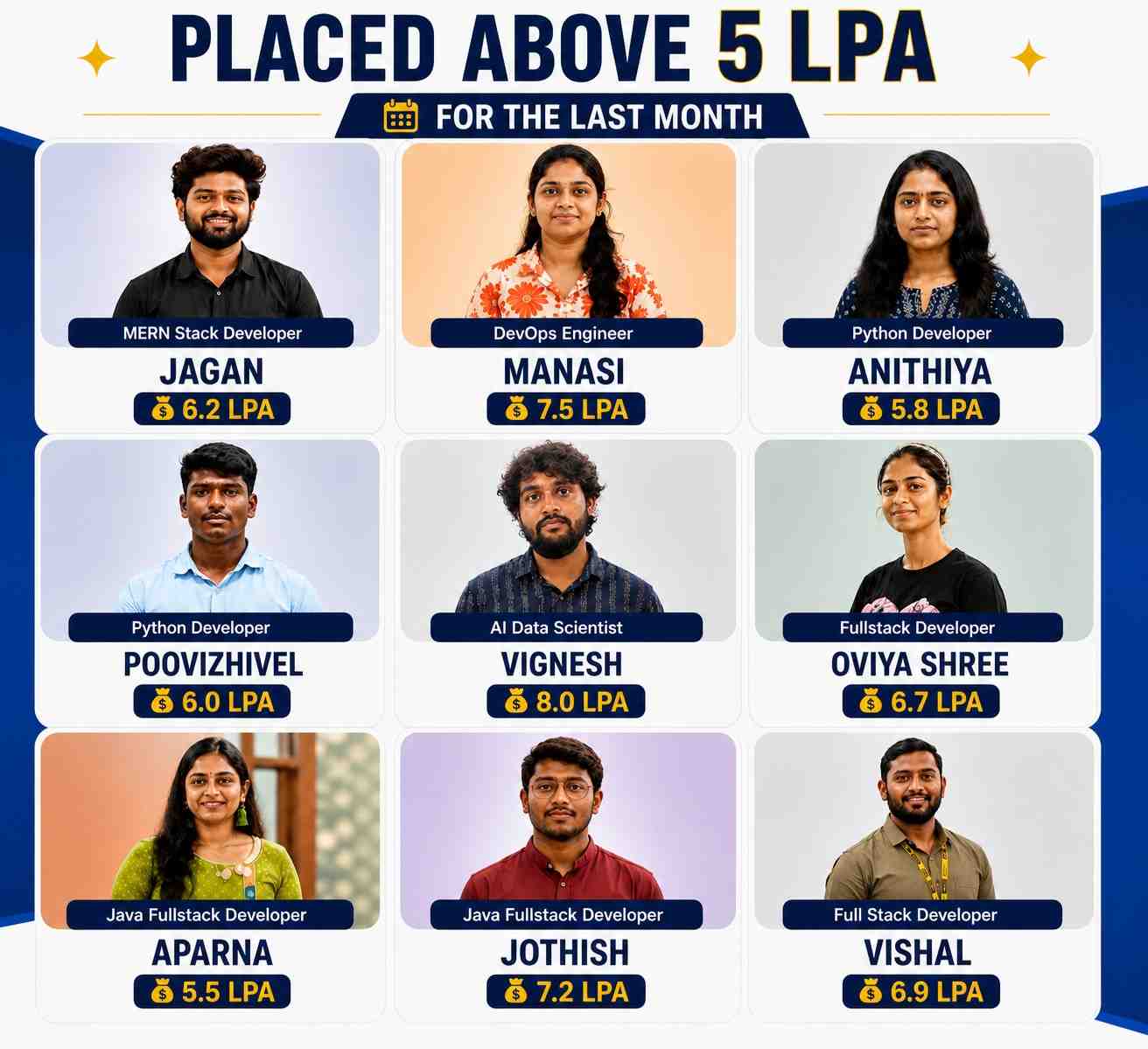
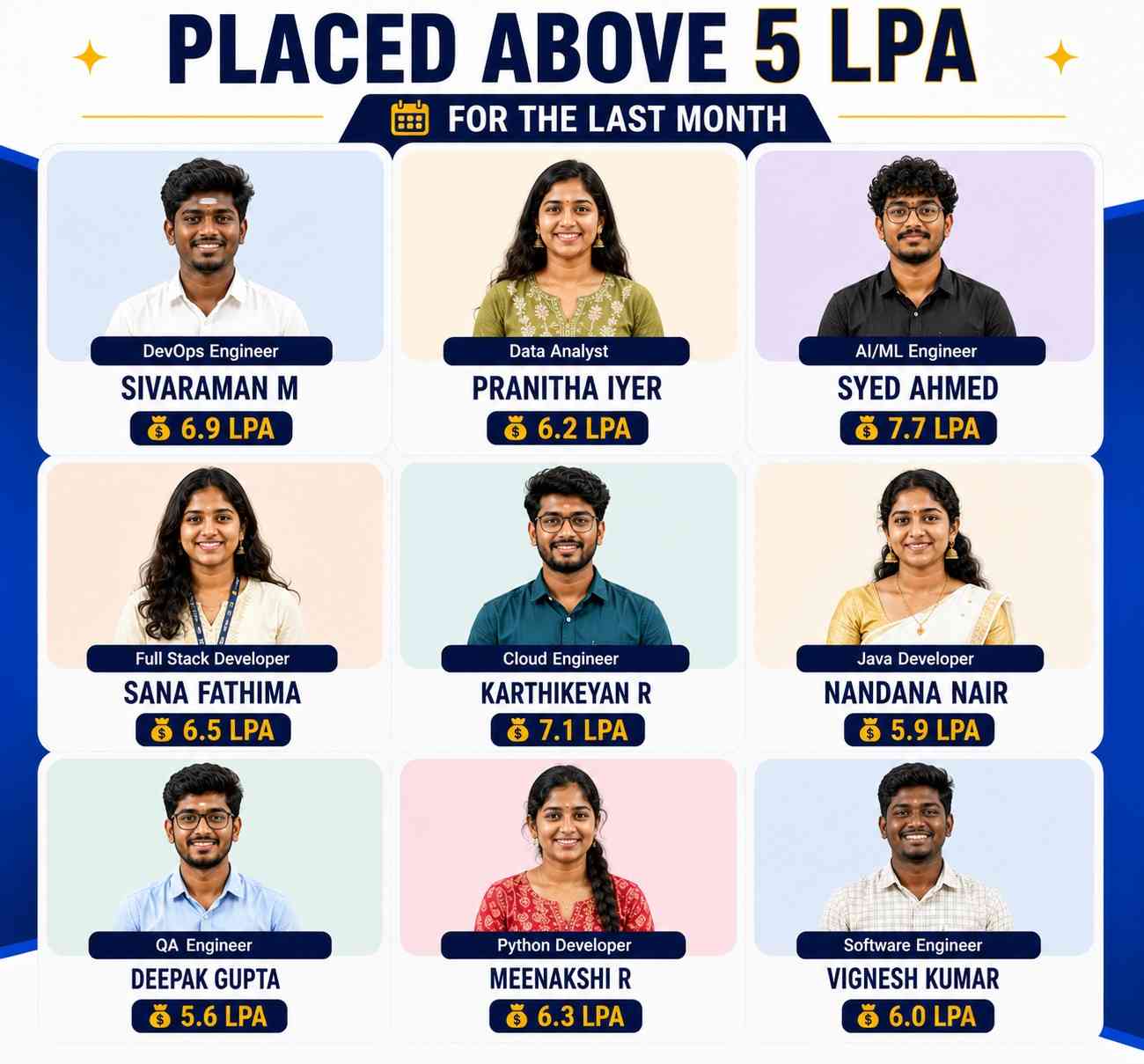
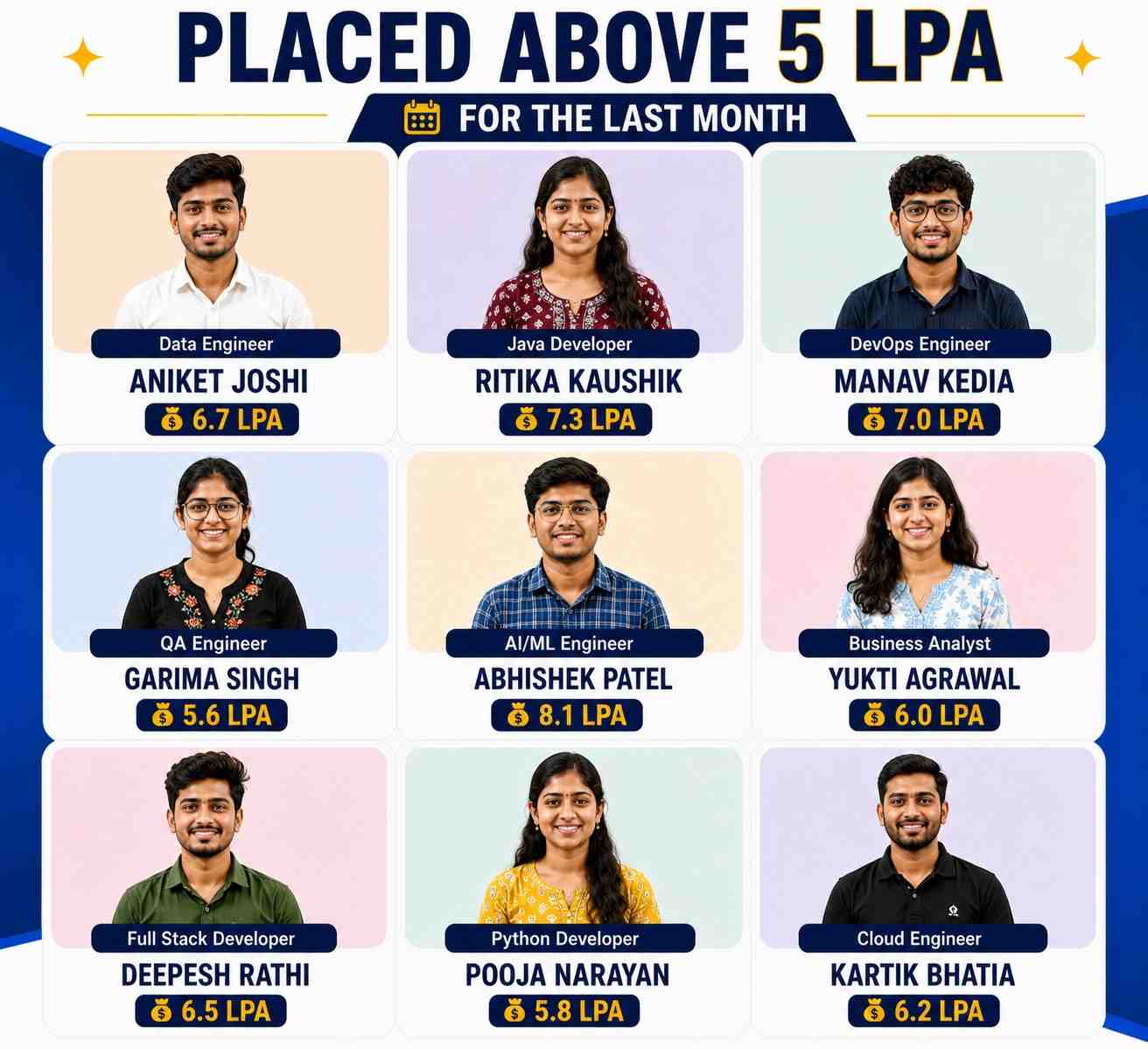
11059+ (Placed)
Freshers To IT
5256+ (Placed)
NON-IT to IT
7954+ (Placed)
Career Gap
4140+ (Placed)
Less Then 60%

Our Hiring Partners

Explore the Complete SAP SD Training Program


Our SAP SD Training in Marathahalli offers a progressive learning program that introduces learners to Sales and Distribution fundamentals before moving into advanced configuration, system implementation, and enterprise sales management. Through instructor-led sessions and practical project activities, participants gain working knowledge of Sales Order Management, Billing, Shipping, Delivery Processing, and Customer Master Data, enabling them to understand complete order-to-cash business operations. After successfully finishing the course, learners can pursue career paths such as SAP SD Functional Consultant, SAP Sales Analyst, Sales Operations Specialist, and SAP End User across different business sectors.

What You Will Gain from SAP SD Course

Designed for fresh graduates and experienced professionals interested in learning SAP Sales and Distribution functions, enterprise sales processes, and essential ERP business operations through structured training.
Acquire practical experience in Sales Order Management, Pricing, Billing, Shipping, Delivery Processing, and Customer Master Data through guided exercises and business-oriented project activities.
Strengthen your professional SAP SD knowledge in sales administration, pricing configuration, invoice processing, shipping operations, and customer information management through practical sessions and career-focused learning.
Learn SAP SD from skilled trainers through system configuration demonstrations, implementation practice, business scenarios, and practical assignments designed around enterprise requirements.
Finish the course with the functional understanding required to configure SAP SD processes, support business operations, improve sales workflows, and prepare for an industry-recognized SAP SD certification.
Prepare for career roles including SAP SD Functional Consultant, SAP Application Support Consultant, Sales Operations Specialist, SAP Sales Analyst, and SAP End User across various industries and enterprise business environments.

Additional Course Information and Training Benefits


What Makes Our SAP SD Training Valuable?

  • Develop SAP SD knowledge through sessions covering Sales Order Management, Pricing, Billing, Shipping, and Customer Master Data administration.
  • Access structured career guidance and placement assistance while exploring employment opportunities with organizations seeking skilled SAP SD professionals.
  • Become part of an expanding learning network with over 11,000 successful learners placed through a network of more than 350 recruitment partners.
  • Learn from experienced SAP SD trainers with over 10 years of practical exposure to implementation activities, functional consulting, and enterprise projects.
  • Strengthen your technical abilities through practical assignments, business-based projects, and personalized career guidance from industry professionals.
  • Select convenient weekday, weekend, or fast-track batches with affordable course fees and dedicated placement assistance throughout your learning journey.
  • Understand actual enterprise sales requirements through practical business scenarios and develop the confidence to manage SAP SD operations.

How SAP SD Course Supports Your Career Growth

  • Progressive Learning from Fundamentals to Configuration: The SAP SD program follows a step-by-step approach, beginning with essential Sales and Distribution concepts and gradually introducing advanced configuration and implementation activities. Practical demonstrations and system exercises help learners build functional confidence.
  • Career Opportunities Across Various Industries: Businesses in manufacturing, retail, logistics, healthcare, automotive, IT, FMCG, and e-commerce require professionals who understand SAP SD operations. The course helps candidates prepare for positions such as SAP SD Consultant and SAP End User in different business environments.
  • Useful Learning Resources and Industry Exposure: Access SAP Learning Hub resources, guided system exercises, technical workshops, and implementation-oriented study materials. These resources help learners understand SAP developments, recognize industry requirements, and expand their knowledge of enterprise software applications.
  • Opportunities for Sustainable Career Development: Organizations depend on SAP SD applications to manage sales activities and maintain customer relationships. Skilled professionals can develop their experience through enterprise implementation work, business process improvements, and large-scale digital transformation projects.
  • Comprehensive Knowledge of Sales and Distribution: Understand sales orders, pricing conditions, billing documents, delivery activities, customer master records, and credit management. Learn how to organize business workflows, improve sales operations, and support connected enterprise processes.

SAP SD Technologies and Functional Tools You Will Explore

  • Essential SAP SD Functionalities: Explore Sales Order Processing, Pricing, Billing, Shipping, and Order Management to understand complete order-to-cash operations. Build practical knowledge of customer transactions, sales activities, and enterprise workflows through configuration demonstrations and business-related exercises.
  • SAP Implementation Guide (IMG) Configuration: Learn to configure sales organizations, distribution channels, billing procedures, partner determination, and enterprise organizational structures using the SAP Implementation Guide (IMG). Understand how system settings can be aligned with business requirements to maintain smooth sales.
  • Sales Performance Reporting and Analytics: Work with SAP Fiori, SAP S/4HANA reporting, SAP BW/BI, and standard reporting features to evaluate sales performance, monitor business KPIs, analyze customer transactions, and create meaningful reports for operational planning and management decisions.
  • Cross-Module SAP Integration: Understand how SAP SD works with SAP MM, FI, PP, and WM to support connected enterprise processes, accurate master data exchange, financial postings, inventory updates, and coordination among sales, finance, production, and warehouse teams.
  • Practical Business Projects and Assignments: Develop implementation knowledge through assignments covering inquiries, quotations, sales orders, deliveries, billing, returns, and complete order-to-cash processes. These practical activities improve configuration skills and prepare learners to address common enterprise business requirements.

Essential SAP SD Internship Training Functional Areas for Professional Success

  • SAP SD Fundamentals and Organizational Setup: Learn about enterprise organizational structures, delivery processing, billing activities, and output determination to understand complete sales and distribution operations. Build a strong functional foundation for configuring and supporting SAP SD applications in enterprise environments.
  • Complete Order-to-Cash Business Cycle: Understand the entire sales process, beginning with customer inquiries and quotations and continuing through sales orders, delivery creation, goods issue, billing, invoicing, and payment activities. This knowledge helps learners understand how businesses manage customer requirements.
  • SAP SD Configuration and Business Customization: Practice configuring sales organizations, distribution channels, divisions, pricing procedures, shipping conditions, output determination, billing settings, and copy controls. Explore integration with SAP MM, FI, PP, and WM to support connected workflows and specific business requirements.
  • Sales Process Management and Workflow Controls: Develop practical knowledge of returns processing, availability checks, output management, and workflow configuration. Understand how these functions help organizations automate regular operations, maintain consistent processes, increase productivity, and improve customer service.
  • Sales Reports and Business Performance Analysis: Learn to prepare SAP SD reports, monitor sales KPIs, evaluate operational performance, analyze customer and transaction information, and generate useful business insights through reporting functionalities. Apply analytical skills to support business planning and process improvement.

Functional and Technical Skills You Can Develop

  • In-Depth SAP SD Functional Understanding: Develop strong knowledge of sales order processing, shipping operations, delivery management, customer master records, and credit administration. Understand how to manage order-to-cash activities effectively while improving operational efficiency and supporting enterprise business performance.
  • Practical SAP SD System Configuration: Gain experience configuring sales organizations, distribution channels, billing documents, shipping conditions, output determination, and partner functions. Learn to adjust SAP SD settings to meet business requirements while improving sales administration and maintaining consistent workflows.
  • Enterprise Implementation and Project Experience: Improve your implementation capabilities through practical activities involving quotations, sales orders, delivery processing, credit control, and customer master maintenance. Build functional and configuration knowledge by working through realistic SAP SD business scenarios.
  • Reporting, Analysis, and Business Insights: Understand how to create SAP SD reports, track sales KPIs, examine organizational performance, review transaction records, and prepare useful business insights. Explore reporting applications, dashboards, analytical features, and performance monitoring techniques that support informed decisions.
  • Integration Knowledge Across SAP Applications: Study the relationship between SAP SD and SAP MM, FI, PP, and WM to understand connected enterprise operations. Learn about information exchange, departmental coordination, and integrated workflows across different SAP functional areas.

Career Roles You Can Explore After SAP SD Training Institute

  • SAP SD Functional Consultant: Analyze business requirements, configure SAP SD applications, establish sales and distribution processes, customize system settings, and provide functional guidance. Coordinate with business teams to improve order-to-cash operations, increase productivity, and support enterprise objectives.
  • SAP SD Application Support Specialist: Resolve day-to-day SAP SD application issues, investigate sales transactions, identify configuration errors, update master records, and assist users with functional questions. Help maintain uninterrupted business operations by monitoring application activities and addressing reported problems.
  • SAP SD End User: Manage customer orders, quotations, deliveries, billing documents, shipping transactions, returns, and customer master information. Carry out regular SAP SD activities accurately while supporting smooth order processing and consistent business operations across departments.
  • Sales Operations Executive: Coordinate customer orders, monitor delivery schedules, support billing operations, analyze sales performance, and prepare business reports. Help improve operational efficiency by responding to customer requirements and maintaining organized sales and distribution processes.
  • SAP Business Process Analyst: Examine existing sales operations, identify workflow improvement opportunities, recommend SAP SD changes, participate in implementation activities, and follow business process standards. Support organizations in improving enterprise performance, streamlining operations, and enhancing customer satisfaction.

Why SAP SD Is a Good Starting Point for Fresh Graduates

  • Beginner-Friendly Functional Learning: SAP SD follows a structured training approach supported by practical demonstrations, guided assignments, and business-related examples. Fresh graduates can gradually understand enterprise sales operations while developing the SAP functional knowledge required to begin their professional journey.
  • Employment Scope Across Multiple Sectors: Companies in manufacturing, retail, logistics, healthcare, automotive, IT, pharmaceuticals, and e-commerce look for professionals familiar with SAP SD. Graduates can explore different career paths, salary opportunities, international project exposure, and long-term professional growth.
  • Learning Support for Updated SAP Applications: Explore SAP Learning Hub, official product documentation, technical webinars, implementation examples, and additional learning resources. Continue developing your functional knowledge while staying informed about SAP updates and changing enterprise technology needs.
  • Understanding of Integrated ERP Applications: Discover how SAP SD connects with SAP MM, FI, PP, WM, and other enterprise modules. Building knowledge across different ERP functions strengthens your technical understanding and opens additional career paths in SAP consulting, implementation, and application support.
  • Global Career and Project Exposure: SAP SD professionals can participate in international implementation assignments, remote consulting projects, and independent consulting activities. Expand your enterprise knowledge and work towards long-term career development with multinational organizations and SAP service providers.

Building Remote Career Opportunities with SAP SD Skills

  • Remote SAP Consulting and Support Roles: SAP SD professionals can handle configuration activities, understand business requirements, and provide functional support from different locations. Organizations recruit qualified consultants for SAP implementation and enterprise transformation projects through remote working arrangements.
  • Freelance SAP SD Consulting Assignments: Skilled SAP SD professionals can search for project opportunities on platforms such as Upwork, Freelancer, and Toptal. Experience with sales orders, customer master records, and system configuration can help consultants apply for international freelance projects and long-term client assignments.
  • Virtual Collaboration with Business Teams: SAP SD supports distributed teams through SAP Fiori, digital approval workflows, and cloud-enabled enterprise applications. Professionals can coordinate with clients, business users, and project members while managing sales and distribution operations across different locations.
  • Streamlined Enterprise Operations Through Automation: SAP SD supports order processing, pricing, billing, reporting, delivery management, and workflow activities through integrated business functions. These capabilities help reduce repetitive manual work, limit transaction errors, and maintain efficient enterprise operations across remote teams.
  • Networking with Global SAP Professionals: Connect with SAP communities, certification programs, technical webinars, and international industry events to build professional relationships. Expand your functional expertise and discover potential remote consulting projects with businesses across different countries.

Practical Work Experience Through SAP SD Placement Training

  • Hands-On Experience with Sales Transactions: Perform regular SAP SD activities such as creating sales orders, processing billing documents, managing returns, and maintaining customer master records while learning practical enterprise requirements. Understand how organizations complete order-to-cash operations using SAP business applications.
  • Working Knowledge of SAP Enterprise Tools: Explore SAP S/4HANA, SAP Fiori, SAP IMG, reporting applications, and business analytics tools to configure workflows, examine transactions, generate reports, and manage order-to-cash activities across integrated SAP environments.
  • Professional Mentoring and Technical Guidance: Learn from experienced SAP professionals who explain configuration methods, review functional processes, improve technical understanding, and introduce industry practices while supporting your participation in implementation assignments and enterprise application support activities.
  • Business Coordination and Team Collaboration: Interact with finance, procurement, warehouse, logistics, production, and sales departments to understand integrated SAP operations. Develop communication, teamwork, analytical thinking, and problem-solving skills while learning to manage connected enterprise business processes.
  • Long-Term Professional Growth Opportunities: Begin with essential SAP SD responsibilities and gradually build expertise in implementation, system optimization, and solution planning. Develop a strong career foundation for progressing into advanced consulting positions, leadership responsibilities, and international enterprise projects.

Top Companies Offering SAP SD Career Opportunities

  • Accenture: Accenture provides SAP SD career opportunities in enterprise implementation, functional consulting, cloud modernization, and digital transformation initiatives. Professionals can work with international clients, explore advanced SAP applications, and contribute to business improvement projects across a wide range of industries.
  • Infosys: Infosys hires SAP SD professionals to configure enterprise applications, enhance sales processes, manage order-to-cash activities, and support business operations across manufacturing, retail, healthcare, automotive, logistics, and technology sectors worldwide.
  • Tata Consultancy Services (TCS): TCS offers opportunities for SAP SD specialists to manage order-to-cash processes, customize enterprise applications, integrate business systems, and participate in large SAP implementation projects for clients across different industries and international markets.
  • Capgemini: Capgemini provides SAP SD consulting opportunities involving application implementation, system migration, enterprise integration, process optimization, and digital transformation. Professionals can gain exposure to international customers, modern SAP platforms, and complex enterprise application projects.
  • Cognizant: Cognizant recruits SAP SD specialists for SAP S/4HANA implementation, application support, sales process optimization, functional consulting, and enterprise modernization initiatives. Professionals can contribute to client projects across different industries while gaining experience with international business environments.
Show More

Upcoming Batches For Classroom and Online

Weekdays
09 - Nov - 2026
08:00 AM & 10:00 AM
Weekdays
11 - Nov - 2026
08:00 AM & 10:00 AM
Weekends
14 - Nov - 2026
(10:00 AM - 01:30 PM)
Weekends
15 - Nov - 2026
(09:00 AM - 02:00 PM)
Can't find a batch you were looking for?
INR ₹16500
INR ₹36000

OFF Expires in

Who Should Take a SAP SD Certification Course

IT Professionals

Non-IT Career Switchers

Fresh Graduates

Working Professionals

Diploma Holders

Professionals from Other Fields

Salary Hike

Graduates with Less Than 60%

Show More

Job Roles For SAP SD Certification Training

SAP SD Consultant

Sales Analyst

SAP End-User

Distribution Coordinator

Compliance Specialist

Order Management Specialist

Billing Specialist

Shipping & Logistics Expert

Show More

What’s included ?

Convenient learning format

📊 Free Aptitude and Technical Skills Training

  • Learn basic maths and logical thinking to solve problems easily.
  • Understand simple coding and technical concepts step by step.
  • Get ready for exams and interviews with regular practice.
Dedicated career services

🛠️ Hands-On Projects

  • Work on real-time projects to apply what you learn.
  • Build mini apps and tools daily to enhance your coding skills.
  • Gain practical experience just like in real jobs.
Learn from the best

🧠 Launch Your Career in Top MNC Companies

  • Master technical and HR interview rounds.
  • Gain confidence with expert mock interview practice.
  • Improve your chances of getting hired faster.
Learn from the best

🎯 Interview Preparation For Freshers

  • Practice company-based interview questions.
  • Take online assessment tests to crack interviews
  • Practice confidently with real-world interview and project-based questions.
Learn from the best

🧪 LMS Self Learning Platform

  • Explore expert trainer videos and documents to boost your learning.
  • Study anytime with on-demand videos and detailed documents.
  • Top MNC interview questions & self coding practice.

SAP SD Course Syllabus

  • 🏫 Classroom Training
  • 💻 Online Training
  • 🚫 No Pre Request (Any Vertical)
  • 🏭 Industrial Expert

Enrolling in SAP SD Training in Marathahalli enables learners to gain the functional understanding and hands-on skills required to build a successful career in sales and distribution management. This career-oriented course prepares participants for different SAP SD job roles in established organizations across manufacturing, retail, IT, logistics, automotive, and other industries while providing practical exposure to business operations and current SAP applications. With flexible training options, learners strengthen their knowledge of Sales Order Processing, Pricing, Billing, Shipping, Delivery Management, and Customer Master Data while developing the confidence to configure, manage, and optimize end-to-end sales.

  • SAP SD Fundamentals: Learn the essential concepts of Sales and Distribution, enterprise business workflows, and SAP SD industry best practices.
  • SAP SD Configuration & Administration: Gain practical knowledge in configuring SAP SD modules, master records, and managing order-to-cash business cycles.
  • SAP SD Business Process Execution: Develop hands-on expertise in sales order management, billing, shipping, and real-time SAP SD implementation projects.
  • SAP SD Reporting & Analytics: Utilize SAP Fiori, SAP S/4HANA, dashboards, and reporting tools to monitor sales performance and generate valuable insights.
Introduction to SAP SD
Core SAP SD Modules
SAP SD Administration & Configuration
SAP SD Process Execution
Integration & Automation in SD
SD Reporting & Analytics
SAP SD Strategy & Real-Time Projects

This module introduces the fundamentals of SAP SD:

  • Introduction to SAP SD: Understand the fundamentals of Sales and Distribution, enterprise workflows, and the role of SAP SD in ERP environments.
  • Core Business Functions: Learn Sales Order Processing, Pricing, Billing, Shipping, and Customer Master Data with practical business examples.
  • SAP Technology Overview: Get familiar with SAP S/4HANA, SAP Fiori, SAP ECC, and their importance in enterprise sales and distribution operations.
  • Career Opportunities: Discover career options such as SAP SD Consultant, Functional Consultant, Sales Operations Executive, and SAP End User.

This module focuses on SAP SD configuration and business processes:

  • SAP SD Configuration: Learn to configure Sales Organizations, Distribution Channels, Pricing Procedures, Shipping Points, and Customer Master settings.
  • Master Data Management: Create and maintain customer records, material master data, sales areas, and organizational structures within SAP SD.
  • Order-to-Cash Process: Execute quotations, sales orders, deliveries, billing documents, returns processing, and shipping workflows effectively.
  • Sales Reporting: Build reports, monitor sales KPIs, create dashboards, and evaluate business performance using SAP reporting solutions.

Learn advanced SAP SD administration and implementation techniques:

  • SAP Platform Navigation: Work with SAP S/4HANA, SAP Fiori, SAP IMG, and configuration tools to administer enterprise sales operations.
  • Business Process Automation: Configure SAP workflows, output determination, automation features, and process optimization for efficient business execution.
  • User Roles and Security: Manage authorization profiles, user roles, access permissions, and security settings within SAP SD environments.
  • Performance Analysis: Monitor sales transactions, delivery activities, billing processes, and business performance using real-time analytics.

This module provides practical expertise in SAP SD implementation:

  • Sales Process Execution: Perform sales order creation, delivery processing, billing activities, returns management, and customer master maintenance.
  • SAP Business Applications: Utilize SAP Fiori applications, SAP S/4HANA interfaces, and reporting tools to manage SAP SD business operations.
  • Order-to-Cash Management: Configure inquiries, quotations, sales orders, deliveries, billing documents, and complete order-to-cash workflows.
  • Configuration Testing: Test SAP SD configurations, validate business transactions, troubleshoot issues, and maintain system reliability.

Learn to integrate and optimize SAP SD business processes:

  • Module Integration: Integrate SAP SD with SAP MM, FI, PP, and WM modules to support seamless enterprise business operations.
  • Business Process Automation: Automate sales orders, pricing, billing, shipping, and reporting activities using SAP SD capabilities.
  • Enterprise System Connectivity: Connect SAP SD with external applications and ERP platforms to ensure efficient enterprise data exchange.
  • Workflow Enhancement: Apply SAP best practices to improve operational efficiency, customer satisfaction, and end-to-end sales execution.

Master SAP SD reporting and business performance optimization:

  • Business Performance Monitoring: Monitor sales activities, deliveries, billing status, and KPIs using SAP Fiori dashboards and reporting solutions.
  • Sales Reporting: Analyze sales orders, pricing performance, customer transactions, and billing efficiency using SAP SD reports.
  • Operational Performance Analysis: Measure workflow efficiency, business productivity, compliance, and customer service using performance metrics.
  • Master Data Administration: Maintain customer master records, material masters, sales organizations, and distribution structures with accuracy.

Strengthen your SAP SD skills through live implementation projects:

  • Project Planning: Analyze business requirements, define implementation goals, and prepare SAP SD project execution strategies.
  • Real-Time Implementation: Complete hands-on SAP SD projects covering quotations, sales orders, pricing, deliveries, billing, and customer management.
  • Business Process Evaluation: Assess sales performance, operational reports, fulfillment efficiency, and KPIs to optimize business processes.
  • Final Capstone Project: Build a complete SAP SD solution covering configuration, reporting, workflow automation, and end-to-end order-to-cash operations.

🎁 Free Addon Programs

Aptitude, Spoken English

🎯 Our Placement Activities

Daily Task, Soft Skills, Projects, Group Discussions, Resume Preparation, Mock Interview

Explore SAP SD Projects and Real-World Business Applications

Placement Support Overview

Explore SAP SD Job Roles and Career Openings in Marathahalli

Junior SAP SD Associate

Company Code: SOM583 Marathahalli, Bangalore
₹25,000 – ₹45,000 a month Any Degree / B.E Exp 0–2 yrs
  • Support sales order creation, maintain document records, review order details, and coordinate with delivery teams to ensure smooth customer order processing.
Explore Role

SAP SD Configuration Associate

Company Code: SPA827 Marathahalli, Bangalore
₹22,000 – ₹40,000 a month Any Degree Exp 1–3 yrs
  • Assist with sales document settings, pricing conditions, discount configuration, and functional testing to maintain accurate SAP SD business processes.
Explore Role

SAP Invoice and Billing Analyst

Company Code: SBP694 Marathahalli, Bangalore
₹28,000 – ₹48,000 a month Any Degree / B.E Exp 2–4 yrs
  • Review billing documents, support invoice processing, manage credit and debit memos, and verify transaction details for accurate sales documentation.
Explore Role

SAP Shipping and Delivery Coordinator

Company Code: SDM315 Marathahalli, Bangalore
₹20,000 – ₹38,000 a month Any Degree Exp 0–3 yrs
  • Assist with delivery document creation, coordinate shipment activities, follow picking and packing procedures, and monitor order dispatch schedules.
Explore Role

SAP Customer Data Management Executive

Company Code: SMD762 Marathahalli, Bangalore
₹24,000 – ₹42,000 a month Any Degree / B.E Exp 1–4 yrs
  • Update customer master records, verify account information, maintain partner details, and support accurate data management across SAP SD transactions.
Explore Role

SAP Sales Operations Support Analyst

Company Code: SLP428 Marathahalli, Bangalore
₹26,000 – ₹44,000 a month Any Degree Exp 1–3 yrs
  • Review sales activities, monitor customer orders, examine delivery progress, and analyze operational reports to improve distribution workflows.
Explore Role

SAP Order-to-Cash Support Executive

Company Code: SOP956 Marathahalli, Bangalore
₹23,000 – ₹43,000 a month Any Degree Exp 0–3 yrs
  • Assist with complete order-to-cash operations, verify sales documents, track billing activities, and coordinate order completion to support customer requirements.
Explore Role

SAP SD Internship Training and Professional Development Benefits in Marathahalli

Real-Time SAP SD Project Experience

  • 1. Practice with SAP SD business applications and learn customer order handling, delivery processing, and sales administration.
  • 2. Understand practical business requirements and complete important sales and distribution tasks through instructor-guided projects and hands-on learning activities.
Book Session

Advanced Functional Learning Workshops

  • 1. Participate in focused workshops that introduce essential SAP SD features, configuration methods, and current business practices.
  • 2. Improve your functional understanding through guided exercises involving sales documents, pricing settings, billing processes, and workflow management.
Book Session

Flexible Internship Learning Assistance

  • 1. Benefit from an encouraging training environment with convenient schedules, expert assistance, and practical learning opportunities.
  • 2. Balance your learning activities while receiving regular support from trainers and other SAP SD learners throughout your internship and practical training sessions.
Book Session

Trainer Mentoring and Collaborative Learning

    • 1. Get guidance from skilled SAP SD trainers to enhance your functional abilities, improve practical knowledge, and build professional confidence for future career opportunities.
  • 2. Participate in group projects, shared learning activities, and business exercises to develop stronger technical and teamwork skills.
Book Session

Workplace Readiness and Career Development

  • 1. Build essential communication, teamwork, analytical thinking, and time management skills for professional SAP SD responsibilities.
  • 2. Prepare for recruitment assessments through mock interviews, practical discussions, sample questions, and structured career guidance sessions.
Book Session

Training Certification and Skill Recognition

  • 1. Showcase your SAP SD functional understanding and practical course accomplishments through a course completion certificate.
  • 2. Enhance your career profile with project-based learning experience and training credentials that demonstrate your SAP SD knowledge and capabilities.
Book Session

Sample Resume for SAP SD (Fresher)

  • 1. Simple and Clean Resume Layout– Use a professional format with clear sections such as career summary, SAP SD skills, certifications, education, and project experience.
  • 2. List of SAP SD Skills You Possess– Highlight skills like Sales Order Management, Delivery & Shipping, Billing & Invoicing, Pricing Configuration, Customer Master Data, Integration with MM/FI, Reporting, and SD Workflow Automation.
  • 3. Real-Time Projects and Achievements– Include 1–2 SAP SD projects with concise descriptions, the modules and tools used, and measurable outcomes or achievements, such as reduced order processing time or improved billing accuracy.

Frequently Asked SAP SD Functional Interview Questions

Ans:

The main organizational units include sales organization, distribution channel, division, sales area, sales office, and sales group. These structures define how sales activities are organized and managed within an enterprise.

Ans:

An item category controls item-level functions such as pricing, billing, and delivery relevance. A schedule line category manages delivery schedules, movement types, and availability requirements for individual sales order items.

Ans:

Partner determination identifies the business partners involved in a sales transaction. Common partner functions include sold-to party, ship-to party, bill-to party, and payer. It ensures that customer responsibilities are assigned correctly during sales processing.

Ans:

The condition technique determines values such as prices, discounts, and taxes using condition tables, access sequences, condition types, and pricing procedures. It helps businesses apply pricing rules according to customer and material requirements.

Ans:

A sales area is a combination of sales organization, distribution channel, and division. It defines the organizational structure responsible for handling customer sales activities and processing sales transactions.

Ans:

Make-to-stock production manufactures products based on expected demand and stores them as inventory. Make-to-order production begins after receiving a specific customer order, allowing products to be manufactured according to individual requirements.

Ans:

A shipping point represents the organizational location responsible for processing outbound deliveries. It supports shipping activities such as picking, packing, and goods issue based on delivery requirements and configuration settings.

Ans:

A credit memo reduces the amount payable by a customer, usually because of returns, pricing adjustments, or billing corrections. A debit memo increases the amount payable when additional charges or billing adjustments are required.

Ans:

Text determination manages text information in sales documents, customer records, and delivery documents. It automatically transfers configured text details into relevant documents, reducing manual entry and maintaining consistent business communication.

Ans:

Post Goods Issue confirms that products have been dispatched from the warehouse to the customer. It updates inventory quantities, records the relevant material movements, and creates corresponding accounting entries based on the configured integration with SAP MM and FI.

Company-Wise SAP SD Interview Preparation Questions

1. How do you configure a sales organization in SAP SD?

Ans:

A sales organization is configured in the enterprise structure and assigned to a company code. It represents the organizational unit responsible for selling products and managing customer transactions.
2. How do you manage customer master data in SAP SD?

Ans:

Customer master data is maintained through general data, company code data, and sales area data. These records contain customer details, payment information, shipping preferences, and sales-related settings.
3. What is the purpose of sales document type configuration?

Ans:

Sales document types define how different sales transactions are processed. They control document numbering, required functions, delivery-related settings, and other processing rules for inquiries, quotations, and sales orders.
4. How do you configure a sales area in SAP SD?

Ans:

A sales area is created by combining a sales organization, distribution channel, and division. The configuration helps define the business structure used for customer sales and distribution activities.
5. What is the purpose of condition records?

Ans:

Condition records store pricing information such as base prices, discounts, freight charges, and taxes. SAP uses these records during pricing determination to calculate values in sales documents.
6. How do you configure a delivery document in SAP SD?

Ans:

Delivery configuration involves defining delivery types, item categories, shipping settings, and relevant document controls. These settings support outbound delivery creation and subsequent warehouse activities.
7. What is the purpose of account determination in SAP SD?

Ans:

Account determination identifies the appropriate general ledger accounts for sales-related financial postings. It connects billing transactions with SAP FI using configured account assignment rules.
8. How do you handle incomplete sales documents?

Ans:

The incompletion log identifies missing information in sales documents. Users can review the required fields, update the relevant data, and complete the document before further processing.
9. What is the purpose of a billing block?

Ans:

A billing block temporarily prevents a sales document or delivery from being processed for billing. It can be used when additional approvals, checks, or business validations are required.
10. How do you troubleshoot incorrect pricing in a sales order?

Ans:

I examine the pricing analysis, condition records, access sequences, and pricing procedure settings. I also verify customer and material data to identify the reason for incorrect price determination.

1. What is the difference between standard and third-party sales processing?

Ans:

In standard sales processing, the selling organization delivers goods from its own inventory. In third-party processing, the supplier delivers products directly to the customer based on the sales order requirements.
2. How does material determination work in SAP SD?

Ans:

Material determination automatically proposes an alternative material in a sales document based on configured condition records. It helps manage product substitutions and material replacement scenarios.
3. What is the function of a route in SAP SD?

Ans:

A route determines the transportation path used to deliver products to customers. It supports transportation scheduling and delivery planning based on shipping conditions, transportation zones, and other relevant settings.
4. How do you configure a billing document type?

Ans:

Billing document types are configured to control invoice processing, document numbering, posting requirements, and cancellation settings. They determine how different billing transactions are handled in SAP SD.
5. What is the use of a schedule line category?

Ans:

A schedule line category controls delivery-related information for sales order items. It determines availability checks, delivery relevance, and the movement type used during goods movement processing.
6. How does SAP SD handle customer returns?

Ans:

Customer returns are processed through return sales documents, followed by the relevant return delivery and goods receipt activities. Depending on the business requirement, a credit memo can be created to adjust the customer's account.
7. What is the difference between a sales office and a sales group?

Ans:

A sales office represents a geographical or organizational sales location. A sales group represents a team of sales employees responsible for handling particular customers or sales activities.
8. How do you manage a free-of-charge delivery?

Ans:

Free-of-charge delivery processing is used when products are supplied without charging the customer. A suitable sales document type and relevant item category settings are configured to support the transaction.
9. Why is material master data important in SAP SD?

Ans:

Material master data provides product information required for sales, delivery, pricing, and inventory activities. Sales-related views contain details such as sales units, delivering plants, and other distribution settings.
10. How do you identify the reason for a failed delivery creation?

Ans:

I review the sales order status, delivery blocks, schedule lines, confirmed quantities, shipping point, and relevant master data. These checks help identify missing requirements or configuration issues.

1. How do you configure a new distribution channel?

Ans:

A distribution channel is defined in the enterprise structure and assigned to the relevant sales organization. It represents the method through which products or services reach customers.
2. What is the purpose of an access sequence in pricing?

Ans:

An access sequence determines the order in which SAP searches condition tables for valid pricing records. It helps the system identify the appropriate price or discount based on configured business criteria.
3. What is a billing due list?

Ans:

A billing due list displays sales documents and deliveries that are eligible for billing. It helps billing teams identify pending transactions and generate invoices according to business requirements.
4. How does text determination support sales processing?

Ans:

Text determination automatically proposes relevant text information in sales documents. It helps transfer customer instructions, delivery notes, and other business messages into the appropriate document fields.
5. What is the role of a delivering plant in SAP SD?

Ans:

A delivering plant identifies the location from which products are supplied to customers. It plays an important role in inventory availability, shipping point determination, and delivery processing.
6. How do you configure a sales document copy requirement?

Ans:

Copy requirements are assigned within copy control settings to determine whether a source document can be copied into a subsequent document. They help apply business rules during document creation.
7. What is the purpose of a condition exclusion group?

Ans:

Condition exclusion helps prevent incompatible pricing conditions from being applied together. It allows the pricing procedure to select or exclude condition records according to configured business rules.
8. How does SAP SD integrate with production planning?

Ans:

SAP SD integrates with SAP PP through requirements transfer and sales-related planning processes. Customer demand can influence production planning, helping organizations coordinate sales orders with manufacturing activities.
9. What is the purpose of a billing plan?

Ans:

A billing plan defines when billing should take place for a sales transaction. It supports milestone-based or periodic billing based on the contract and configured business requirements.
10. How do you investigate a missing accounting document after billing?

Ans:

I check the billing document status, release status, account determination settings, and any posting errors. I also verify the relevant financial configuration before attempting to release the billing document to accounting.

1. A customer cannot place an order for a material. How would you investigate the issue?

Ans:

I verify customer and material master data, sales area extensions, material sales status, and relevant sales document settings. I also check for order blocks or missing organizational assignments.
2. What would you check if a sales order displays an incorrect delivering plant?

Ans:

I review the customer master, material master, customer-material information records, and plant determination settings. I verify the relevant sales area and configuration to identify the incorrect plant proposal.
3. How would you resolve a pricing condition that is not appearing in a sales order?

Ans:

I inspect the pricing procedure, condition type, access sequence, condition record validity, and exclusion settings. I also use pricing analysis to determine why the expected condition was not selected.
4. What steps would you follow if an outbound delivery is not being created?

Ans:

I examine the confirmed schedule lines, delivery date, shipping point, delivery block, and order status. I also check whether the item is relevant for delivery and whether all required data is available.
5. How would you handle an incorrect customer invoice?

Ans:

I identify the source of the error by reviewing pricing conditions, quantities, taxes, and billing data. Depending on the situation, I follow the appropriate correction process using cancellation, rebilling, or a credit or debit memo.
6. What would you do if a customer requests a change after sales order creation?

Ans:

I check the current document status and identify which fields can still be modified. I update the permitted information, review the impact on delivery and billing, and communicate relevant changes to the concerned teams.
7. How would you investigate a mismatch between delivery and billing quantities?

Ans:

I review the delivery document, picking quantity, goods issue status, billing relevance, and copy control settings. I compare the document flow to identify where the quantity difference occurred.
8. How do you manage a sales order that exceeds a customer's credit limit?

Ans:

I review the customer's credit exposure and credit status, then follow the configured credit management process. The order may require additional review or approval before further processing.
9. What would you check if an invoice is not transferred to SAP FI?

Ans:

I verify the billing document status, account determination, posting period, and relevant financial settings. I also examine the error message to identify the reason for the failed accounting transfer.
10. How would you test a change made to an existing SAP SD configuration?

Ans:

I prepare test scenarios covering the affected sales processes, perform unit and integration testing, and verify pricing, delivery, and billing results. I also obtain user confirmation before the change is moved into production.

1. How do you approach an SAP SD business process improvement project?

Ans:

I begin by reviewing existing sales, delivery, and billing workflows. I identify process gaps, collect stakeholder requirements, evaluate standard SAP capabilities, and recommend configuration improvements supported by testing.
2. How do you manage data migration during an SAP SD implementation?

Ans:

I identify the required customer, material, pricing, and sales-related records. I validate source data, map fields to the target system, perform test loads, and reconcile the migrated information before final deployment.
3. What factors should be considered when implementing SAP S/4HANA Sales?

Ans:

Important considerations include business process requirements, master data quality, organizational structure, pricing, order management, delivery processing, billing, integration, and the impact of system changes on existing operations.
4. How do you manage integration between SAP SD and external applications?

Ans:

I review the integration requirements, data formats, communication methods, and error-handling procedures. Depending on the system landscape, integration may use APIs, IDocs, or other supported interfaces.
5. How do you identify performance problems in SAP SD transactions?

Ans:

I examine transaction response times, document volumes, system messages, and relevant application logs. I work with technical teams to investigate database, configuration, and integration-related performance concerns.
6. What is the importance of functional specifications in SAP SD projects?

Ans:

Functional specifications describe the business requirement, expected system behavior, process logic, and required development changes. They help functional consultants, developers, and testing teams work toward a common solution.
7. How do you manage change requests during an SAP SD implementation?

Ans:

I document each request, assess its business impact, identify dependencies, and obtain the required approval. After implementation, I arrange testing and maintain appropriate documentation before deployment.
8. How do you ensure data quality across SAP SD transactions?

Ans:

I maintain accurate customer and material master records, apply appropriate validation rules, review transaction errors, and perform regular data checks. Consistent master data helps prevent issues in sales, delivery, and billing activities.
9. What is the role of user acceptance testing in an SAP SD project?

Ans:

User acceptance testing confirms whether the configured solution meets actual business requirements. Business users execute practical scenarios, report issues, and approve the solution before it is released for production use.
10. How do you support SAP SD operations after project go-live?

Ans:

I monitor reported issues, investigate transaction errors, support end users, and coordinate with technical teams when required. I also review recurring problems and recommend improvements to maintain stable business operations.


Important Accommodation Information:

The PG and hostel details listed below are provided for general reference. These accommodations are independently operated and are not officially associated with the training institute. Please contact the property directly to confirm room availability, facilities, rental charges, and booking details before making a decision.

Women's PG and Hostel Facilities

Marathahalli
  • Oxygen PG for Ladies : +91 76768 29816
  • SLV Star Ladies PG : +91 88848 34165
Kadubeesanahalli
  • Queens Paradise Studio Rooms : +91 91081 91452
  • Sunrise Comforts PG for Ladies : +91 96866 43646
Doddanekkundi
  • Sri Balaji New Luxury PG for Ladies : +91 96635 13819
  • Lakshmi Ganapathi PG for Ladies : +91 88843 73396
Munnekolala
  • Sri Srinivasa Luxury PG for Ladies : +91 91488 68011
  • Meghana Luxury PG for Ladies : +91 96638 87471
Bellandur
  • Oxygen PG for Ladies : +91 77954 94819
  • Sunrise Comforts PG Contact : +91 96866 43646

Men's PG and Hostel Facilities

Marathahalli
  • Oxygen PG for Gents : +91 77954 89819
  • Sri Vasavi Gents PG : +91 96668 25222
Kadubeesanahalli and Nearby Areas
  • K V R Studio Rooms for Men : +91 91081 91452
  • Urban Nest PG for Men : +91 90080 14526
Doddanekkundi
  • Shree Venkateshwara Luxury PG for Gents : +91 99635 59461
  • Sri Sai Balaji PG for Men : +91 99025 11222
Munnekolala
  • D S R Executive PG for Men : +91 95387 76564
  • Ashok Reddy Luxury PG for Men : +91 97427 17788
Aswath Nagar
  • ICON LIVING Gents PG : +91 94949 59193
  • GVS PG for Gents : +91 88805 82244

Explore Current SAP SD Job Opportunities in Marathahalli

  • 1. SAP SD Functional Consultant Job Openings
  • 2. Junior Analyst – SAP SD Positions
  • 3. SAP Order-to-Cash (OTC) Analyst Opportunities
  • 4. SAP S/4HANA Sales and Distribution Consultant Roles
  • 5. SAP SD Sales and Distribution Consultant Vacancies

Getting Started With SAP SD Course in Bangalore

No Coding
8 Lakhs+ CTC
No Work Pressure
WFH Jobs (Remote)

Why SAP SD is the Ultimate Career Choice


High Demand

Companies prefer multi-skilled professionals can handle entire project cycles.

Global Opportunities

Open doors to remote and international job markets.

High Salary

Enjoy competitive salaries and rapid career advancement.

Flexible Career Path

Explore roles such as developer, architect, freelancer, or entrepreneur.

Future-Proof Career

Stay relevant with skills that are consistently in demand in the evolving tech landscape.

Versatility Across Industries

Work in various domains like e-commerce, healthcare, finance, and more.

Career Support

Placement Assistance
Exclusive access to ACTE Job portal
Mock Interview Preparation
1 on 1 Career Mentoring Sessions
Career Oriented Sessions
Resume & LinkedIn Profile Building

Advance Your Professional Skills with SAP SD Certification


Strengthen your professional profile with SAP SD certification by developing a clear understanding of sales and distribution operations. With practical assignments, guided exercises, and business-oriented projects, SAP SD Training in Marathahalli helps you gain functional skills relevant to sales operations, ERP administration, and SAP consulting careers.

SAP SD Certification Course in Marathahalli
  • SAP SD Core Concepts and Business Process Certification
  • SAP SD Functional Implementation Certification
  • SAP Sales Order Processing and Management Certification
  • SAP Pricing, Delivery, and Billing Knowledge Certification
  • Advanced SAP SD Functional Configuration Certification

An SAP SD certification can help demonstrate your knowledge of sales and distribution activities and add value to your professional profile. However, earning a certificate alone does not guarantee a job. Combining certification preparation with practical exercises, project exposure, business process understanding, communication abilities, and interview practice can help you prepare for relevant employment opportunities.

The preparation period varies according to your existing ERP experience, familiarity with sales operations, learning consistency, and certification goals. New learners may require several weeks to understand the fundamentals, whereas comprehensive functional preparation may take a few months of consistent learning, practice sessions, revision, and project work.

  • Demonstrates your knowledge of SAP SD functionality and sales processes
  • Helps develop professional skills for ERP and sales operations roles
  • Improves your understanding of order management, pricing, delivery, and billing
  • Adds relevant SAP training credentials to your professional resume
  • Develops practical functional knowledge through assignments and business scenarios
  • Learn the essential SAP SD concepts and sales process fundamentals
  • Create a consistent study plan to complete the important training modules
  • Practice system configuration and different sales transaction activities
  • Attempt practice tests to recognize areas that require further attention

Complete Your Training

Download your SAP SD course completion certificate instantly in PDF format after successfully completing the SAP SD training program.

Earn Your Certification

Receive an industry-recognized SAP SD certificate upon successfully completing your SAP SD training program.

Get Certified

Lowest SAP SD Training Fees in Bangalore

Affordable, Quality Training for Freshers to Launch IT Careers & Land Top Placements.
Call Course Advisor

How is ACTE's SAP SD Training in Bangalore Different?

Feature

ACTE Technologies

Other Institutes

Affordable Fees

Competitive Pricing With Flexible Payment Options.

Higher SAP SD Fees With Limited Payment Options.

Industry Experts

Experienced Trainers From SAP SD Projects With Hands-on Learning.

Mainly Theoretical Classes With Minimal Practical Exposure.

Updated Syllabus

Up-to-date SAP SD Curriculum Covering Sales, Distribution, and Order Management.

Outdated Curriculum With Limited SAP SD Practical Exercises.

Hands-on Projects

Real SAP SD Projects, Order-to-Cash Scenarios, and Integration with MM/FI Modules.

Simple Assignments With Minimal Real-world Relevance.

Certification

Globally Recognized SAP SD Certification With Career Advantages.

Basic Certification With Limited Industry Value.

Placement Support

Strong Placement Support With Mock Interviews and Industry Tie-ups.

Limited Placement Assistance With Fewer Opportunities.

Industry Partnerships

Collaborations With Top Tech Firms for Internships and SAP SD Projects.

No Industry Connections, Minimal Internship Opportunities.

Batch Size

Small Batches Ensuring Personalized Learning.

Large Batches With Limited Individual Attention.

LMS Features

Lifetime Access to SAP SD Videos, Practice Exercises, and Resume Support in Portal.

No LMS Support or Additional Learning Perks.

Training Support

Dedicated Mentors, 24/7 Doubt Resolution, and Personalized Guidance.

Limited Mentor Support and No After-hours Assistance.

FAQ


1. What Key Business Processes Are Covered in SAP SD Training in Marathahalli?

The program introduces enterprise sales activities, including customer master records, order management, pricing, shipping, and invoicing. Participants learn how these functions work together throughout the order-to-cash cycle.
Participants work with organizational settings, sales document configuration, item categories, schedule lines, and pricing procedures. Guided system activities help connect configuration settings with business requirements.
  • Configuring Sales Organizations and Distribution Channels
  • Maintaining Customer and Material Master Information
  • Creating Sales Orders and Managing Document Types
  • Maintaining Condition Records and Pricing Procedures
  • Handling Delivery Documents and Billing Activities
Practical assignments introduce common sales requirements, configuration tasks, transaction processing, and document verification. These activities help participants understand how SAP SD supports business operations.
New learners begin with ERP fundamentals, SAP navigation, and basic sales terminology. They gradually progress to organizational structures, master data, pricing, delivery, and billing through instructor-guided exercises.
Graduates from commerce, business administration, management, and other academic backgrounds can consider this program. Sales, distribution, and customer service professionals may also benefit from learning SAP SD functionality.
Previous SAP experience is not essential for beginners. Training can start with basic ERP concepts and system navigation before introducing sales configuration, master data management, and business transactions.
Yes, commerce and management graduates can study SAP SD to understand enterprise sales processes. Learning customer management, pricing, order handling, and billing can help them prepare for suitable entry-level ERP-related positions.
Professionals working in sales administration, logistics, order processing, and customer operations can improve their understanding of enterprise workflows. SAP SD knowledge can help them connect their existing responsibilities with ERP-based processes.
Familiarity with computers, business communication, customer handling, and basic sales activities can be useful. An interest in enterprise applications and willingness to practise SAP transactions also support the learning process.

1. What Career Development Resources Are Available During SAP SD Training?

Career preparation may include resume improvement, interview practice, project explanation guidance, and job-search assistance. These activities help learners present their SAP SD knowledge during recruitment processes.

2. How Should Candidates Describe Their SAP SD Practical Projects to Recruiters?

Candidates can explain the business requirement, configuration activities, transactions performed, and results achieved in each project. Describing customer master data, pricing, sales orders, delivery, and billing tasks can demonstrate functional understanding.

3. Which Job Positions Can SAP SD Learners Target After Completing Their Training?

Depending on their knowledge and experience, candidates can explore junior SAP SD consultant, functional support analyst, order management executive, billing analyst, sales operations associate, and ERP support positions.

4. How Can Practical SAP SD Knowledge Help During Technical Recruitment Rounds?

Understanding organizational structures, pricing conditions, partner determination, copy control, shipping, and billing helps candidates discuss functional scenarios. Project-based examples can also make their interview explanations clearer.

5. How Can Learners Prepare Their Profiles for SAP SD Employment Opportunities?

Build a clear resume highlighting SAP SD concepts, configuration knowledge, project assignments, and relevant work experience. Practise functional interview questions and review job descriptions to identify the skills employers require.
Learners should refer to official SAP learning and certification resources for current examination details, available credentials, assessment requirements, and verification procedures.
A course completion certificate generally confirms participation in or completion of a training program. It should not be confused with an official SAP certification, which follows SAP's own assessment and credentialing process.
Use the relevant SAP learning materials, certification topics, system exercises, and practice scenarios. Reviewing sales documents, pricing, delivery, billing, and integration concepts can strengthen subject understanding.
Consider your current SAP experience, preferred functional role, career objectives, and the SAP solution covered by the credential. Check the official certification scope and prerequisites before making your selection.
Continue practising business scenarios, follow relevant SAP product updates, and explore new functional features. Review official certification policies to understand whether your selected credential has maintenance or renewal requirements.

1. Which Course Details Should I Check Before Paying the SAP SD Training Fee?

Review the course syllabus, total training hours, trainer background, practical assignments, project coverage, and system access. Request a complete fee breakdown and payment information before confirming your enrolment.

2. What Factors Influence the Pricing of SAP SD Training Programs?

Training costs can depend on course duration, learning level, delivery format, trainer support, and practical system access. Compare the included services and learning coverage before selecting a program.

3. Should I Check SAP System Access Before Selecting a Training Package?

Yes, confirm whether the package provides access to an SAP practice environment, configuration exercises, project assignments, and study materials. Ask about any additional charges for system access or learning resources.

4. Are There Different Fee Structures for Online and Classroom SAP SD Programs?

Course charges may vary between classroom, online, and blended learning formats. Check the training schedule, trainer interaction, practical activities, and support services included in each option.

5. What Training Features Should I Compare Before Finalising My SAP SD Enrolment?

Compare the functional syllabus, trainer expertise, practical sessions, project guidance, course duration, SAP system availability, certificate details, and career preparation assistance before choosing your training option.
Acte Technologies WhatsApp