LMS
LMS
Last updated on 11th May 2026| 11096

- Introduction Workday Professionals In High Demand
- Massive Global Cloud Migration
- Unified Data and Single System Architecture
- User-Friendly Mobile Experience
- Continuous Innovation and Regular Updates
- High ROI for Enterprise Businesses
- Expanding Beyond HR into Finance
- Shortage of Skilled Workday Talent
- Conclusion
Introduction Workday Professionals In High Demand
The enterprise software job market is shifting Workday Professionals In High Demand rapidly, and companies are moving away from outdated legacy systems faster than ever before. Workday has positioned itself as the absolute leader in this transition, specifically dominating the human resources and finance sectors. Because of this massive shift, the need for people who know how to implement and manage this software has skyrocketed. It is no longer just large tech companies making the switch; manufacturing firms, healthcare networks, and retail giants are all deploying Workday to modernize their operations. This creates a massive vacuum in the job market where the supply of qualified consultants cannot keep up with the number of new projects starting. Workday Training helps You Understanding why this demand exists helps you realize that learning Workday is not just a temporary trend, but a long-term career safety net. Below is a detailed look at exactly what is driving this explosive need for Workday expertise across the globe. Staying aware of these industry shifts ensures you prepare strategically, and aligning your skills with Workday Professionals In High Demand makes you stand out faster. Over time, this foresight positions you as a fresher ready to thrive in the Workday ecosystem.
Massive Global Cloud Migration
The primary driver behind the high demand for Workday professionals is the massive global shift away from on-premise servers to cloud-based platforms. Older systems require companies to maintain their own expensive hardware, pay for massive IT teams to run it, and suffer through painful upgrade cycles every few years. Workday completely eliminates this by hosting everything on the cloud and pushing updates automatically twice a year. As a fresher or experienced professional, knowing how to navigate this cloud transition makes you incredibly valuable in Workday Training. You are not just maintaining a system; you are actively helping enterprises modernize their entire technological backbone, which guarantees continuous job flow for years to come. Building expertise in cloud migration strengthens your career foundation, and practicing with real scenarios ensures you can handle enterprise challenges confidently. Over time, this knowledge makes you indispensable to organizations undergoing digital transformation.
Ready to Pursue Your Workday Certificate? View The Workday Training Offered By ACTE Right Now!
Unified Data and Single System Architecture
- Eliminating Data Silos: In older systems, HR data, payroll data, and talent data were often stored in completely different databases that could not talk to each other. Workday uses a single unified data model where everything is connected. This drastically reduces errors and makes the system highly efficient.
- One Source of Truth: Because all data lives in one place, executives no longer have to argue over whose spreadsheet is accurate. If a manager updates an employee’s salary, that change instantly reflects in payroll, benefits, and reporting. Companies need professionals who understand how to map this unified architecture correctly.
- Faster Configuration Time: Since the data model is unified, consultants do not have to build complex integrations between different modules. This means Workday implementations are generally faster and smoother. Basic Of workday Every Freshers Should Know and Professionals who know how to leverage this architecture can deliver projects much quicker, making them highly sought after by consulting firms.
- Easier Troubleshooting: When something goes wrong in a fragmented legacy system, finding the root cause is a nightmare. In Workday, tracing an error is much simpler because the data flows through a single, connected structure. Businesses hire Workday experts specifically because they can resolve issues in half the time it takes on older platforms.
- Better Employee Self-Service: The unified system allows employees to access everything from their pay stubs to their training courses in one single login portal. Companies are hiring Workday professionals to optimize this self-service experience, which significantly reduces the workload on HR helpdesks.

User-Friendly Mobile Experience
Old enterprise software was notoriously ugly, clunky, and required a thick manual to navigate. Workday completely changed the game by building its interface to look and feel like a modern consumer app. It is highly intuitive, visually clean, and designed so that an employee can request time off or check their benefits on their phone without calling HR for help. This focus on user experience is a massive selling point for companies, but it also drives demand for professionals. While the interface is easy for the end-user, configuring that beautiful interface to follow strict business rules requires deep technical knowledge. Workday HCM Basics Freshers Need To know then Companies need Workday professionals who can build custom dashboards, configure mobile-friendly business processes, and ensure the system looks just as good on a phone screen as it does on a laptop. Bridging the gap between aesthetic design and enterprise logic is a highly paid skill. Developing this expertise makes you stand out, and practicing mobile workflows ensures you can deliver seamless experiences. Over time, this ability positions you as a fresher who understands both design and enterprise functionality.
Continuous Innovation and Regular Updates
Workday operates on a bi-annual update cycle, meaning the system gets new features, security patches, and UI improvements every March and September. Unlike legacy systems where a new feature might take years to develop, Workday continuously evolves. This constant innovation is great for the product, but it creates a massive headache for companies. Every six months, businesses need skilled professionals to test the new updates in a sandbox environment, ensure their custom configurations are not broken, and train their employees on the new features. Becoming a workday consultant This never-ending update cycle guarantees that Workday professionals will never run out of work. You are not just hired to set up a system and leave; you are hired to maintain, upgrade, and optimize the software continuously. This ongoing need for maintenance creates incredible long-term job security for anyone in the Workday ecosystem. Staying proactive with updates ensures you remain relevant, and mastering sandbox testing builds confidence in handling enterprise changes. Over time, this consistency transforms you into a consultant companies rely on for stability and innovation.
Excited to Obtaining Your Workday Certificate? View The Workday Training Offered By ACTE Right Now!
High ROI for Enterprise Businesses
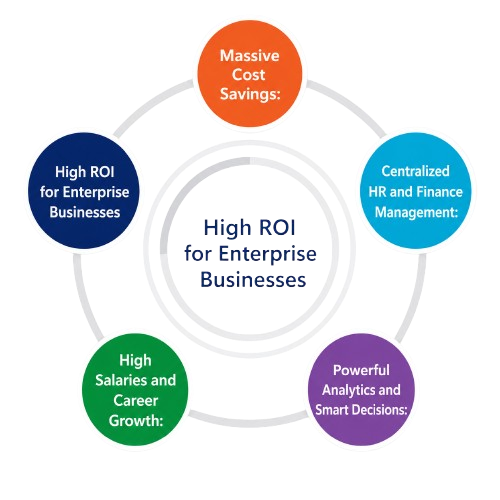
- Massive Cost Savings: Workday helps companies reduce operational expenses by combining HR and finance systems into one platform. Businesses save money on software licensing and IT infrastructure costs. It also reduces manual administrative work and improves efficiency. These savings create a strong financial advantage for enterprise organizations.
- Centralized HR and Finance Management: Workday centralizes HR and finance data in a single system for easier management. Employees and executives can access real-time information quickly and accurately. This improves communication and reduces data duplication errors. Companies achieve smoother workflows and better operational control.
- Powerful Analytics and Smart Decisions: Workday provides advanced analytics that help businesses track workforce and financial trends. Executives use real-time insights to make faster and smarter decisions and Workday Jobs For Freshers. The system helps identify inefficiencies before they become expensive problems. This improves productivity and overall business performance.
- Importance of Certified Professionals: Companies prefer certified Workday professionals because implementation quality directly affects business success. Skilled experts ensure smooth deployment and proper system configuration. Businesses avoid hiring inexperienced consultants for such important projects. Certified professionals help organizations achieve maximum return on investment.
- High Salaries and Career Growth: Workday professionals often receive high salaries because their skills provide strong business value. Companies pay premium salaries to experts who can save time and reduce costs. Candidates who explain financial benefits during interviews stand out quickly. This high demand also creates excellent long-term career growth opportunities.
Are You Considering Pursuing a Workday Master’s Degree? Enroll For Workday Expert Masters Program Training Course Today!
Expanding Beyond HR into Finance
- Expansion into Financial Management: Workday originally became popular through Human Capital Management solutions. Over time, the company expanded strongly into the Financial Management sector. It now provides tools for accounting, expenses, and revenue management. This growth increased Workday’s importance across entire organizations.
- Cloud-First Financial Solutions: Workday Financials follows the same cloud-first strategy used in its HR platform. The system manages general ledger, accounts payable, and financial operations efficiently. Companies prefer it because data is accessible in real time from anywhere. This improves flexibility, speed, and overall financial management.
- Growing Demand for Workday Finance: Many companies already using Workday HCM are now adopting Workday Financials. Businesses want a unified platform for both HR and finance operations and How To Start Career in Workday As a Fresher . This expansion has significantly increased the demand for Workday professionals. As a result, the Workday job market continues to grow rapidly.
- Opportunities for Finance Professionals: Workday Finance creates strong career opportunities for people with accounting and finance backgrounds. Professionals can enter the Workday ecosystem without deep technical development skills. Their finance knowledge becomes highly valuable during implementation projects. This provides a direct path into consulting and enterprise roles.
- Competitive Advantage Through Integration Knowledge: Understanding how Workday Financials integrates with Workday HCM gives professionals a major advantage. Companies prefer experts who understand both HR and finance workflows together. This broader knowledge increases project value and consulting opportunities. It also helps candidates stand out strongly during interviews.
Want to Learn About Workday? Explore Our Workday Interview Questions and Answers Featuring the Most Frequently Asked Questions in Job Interviews.
Shortage of Skilled Workday Talent
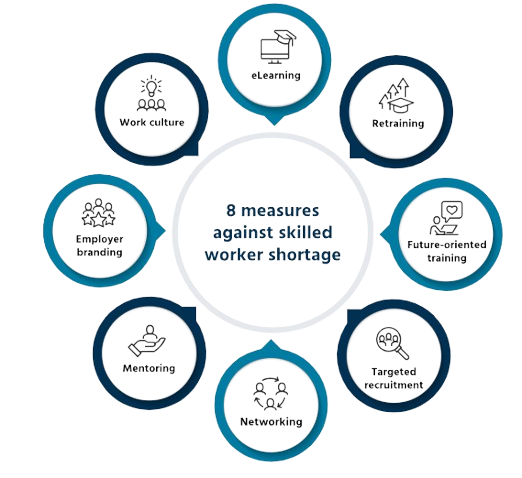
The most basic economic principle of supply and demand is the ultimate reason Workday professionals are in such high demand right now. The supply of qualified Workday consultants is incredibly low compared to the massive number of enterprise projects being initiated. Universities do not teach Workday Training in standard computer science or business degree programs, meaning companies cannot easily hire fresh graduates off campus.
Conclusion
The Workday Professionals In High Demand is not a temporary bubble it is a structural shift in how global enterprises manage their most important assets: people and money. The combination of massive cloud migrations, unified data architectures, and continuous system updates ensures that companies will need Workday expertise for decades to come. The fact that the software is expanding beyond HR into finance only adds fuel to the fire, creating even more job openings across different business domains. For anyone looking to enter the tech or consulting space, ignoring this trend would be a massive missed opportunity so join Workday Training. The barrier to entry is low compared to heavy coding languages, but the financial rewards and job security are just as high, if not higher. Take the time to learn the platform, get your official certification, and position yourself in a market where employers are actively hunting for your exact skill set. Staying consistent with your learning path ensures long-term success, and committing to certification builds credibility that recruiters value. Over time, this strategy transforms you into a fresher who thrives in the Workday ecosystem with strong career growth.