Best Power BI Training in Coimbatore ⭐ Power BI Course in Coimbatore With Placement | Updated 2026
Join Our 100% Job Guaranteed

Power BI Training in Coimbatore

  • Join the Power BI Training Institute in Coimbatore to Gain Skills in Data Visualization & BI.
  • Our Power BI Course in Coimbatore Includes DAX, Power Query, and Data Modeling.
  • Work on Industry-Based Projects to Strengthen Practical Knowledge with Expert Guidance.
  • Receive an Industry-Recognized Power BI Certification Along with Placement Assistance.
  • Get Support for Portfolio Creation, Resume Enhancement, and Interview Preparation.
  • Flexible Learning Modes Available with Weekday, Weekend, and Fast-Track Batch Options.

WANT IT JOB

Become a Power BI Developer in 3 Months

Freshers Salary

3 LPA

To

8 LPA

Quality Training With Affordable Fees in Coimbatore!

⭐ Fees Starts From

INR 36,000
INR 16,500

9598+

(Placed)
Freshers To IT

4582+

(Placed)
NON-IT To IT

7198+

(Placed)
Career Gap

3189+

(Placed)
Less Then 60%

Our Hiring Partners

Overview of the Power BI Course

The Power BI Course in Coimbatore is designed for freshers who want to start a career in data analytics and business intelligence. In this Power BI Training in Coimbatore, you will learn how to create interactive dashboards, reports, and data visualizations using simple tools and real-time examples. The course covers data modeling, DAX basics, report building, and connecting data from different sources. Students will also get practical exposure through Power BI Internships to gain hands-on experience. Our program supports career growth with dedicated Power BI Placement assistance and interview preparation. After completing the training, learners will receive a Power BI Certification Course completion certificate to showcase their skills.

What You'll Learn From Power BI Certification Training

Learn the fundamentals of data analytics including data visualization, report creation, and dashboard design using Microsoft Power BI tools.

Understand how to import, clean, and transform data from multiple sources while building strong data modeling skills during the Power BI Training in Coimbatore.

Work on practical projects to create interactive reports and business dashboards that help organizations make better data-driven decisions.

Explore advanced topics such as DAX formulas, data relationships, Power Query, and performance optimization for professional reporting.

Gain hands-on experience in building real-time analytics solutions and business insights through the Power BI Course in Coimbatore.

Develop analytical thinking and problem-solving abilities while learning how to present meaningful insights from raw data effectively.

Additional Info

Course Highlights

  • Build Strong BI Skills Learn Power BI basics, data transformation, visualization, DAX formulas, dashboards, and business reporting techniques.
  • Career-Focused Training Get complete career guidance and Power BI Placement support with opportunities from leading analytics and IT companies.
  • Large Learning Community Join thousands of learners who have successfully completed our professional Power BI Training in Coimbatore.
  • Expert Trainers Learn from experienced professionals with 10+ years of expertise in data analytics, reporting, and business intelligence tools.
  • Hands-On Learning Work on real-time datasets, practical assignments, and industry-based projects to gain real-world experience.
  • Flexible Learning Options Choose convenient batches, budget-friendly fees, and practical Power BI Internships for better industry exposure.
  • Professional Certification Earn a recognized Power BI Certification Course completion certificate to strengthen your resume and career opportunities.

Benefits You Gain from an Power BI Course in Coimbatore

  • Easy Data Visualization : Power BI helps you turn complex data into simple charts, graphs, and dashboards. It makes information easier to read and understand quickly. Even beginners can create visual reports without deep technical knowledge. Businesses use these visuals to track performance and trends. This helps teams make faster and smarter decisions.
  • Better Business Decisions : Power BI provides clear insights from large amounts of data. Managers and teams can analyze reports to understand what is working and what needs improvement. The dashboards show real-time information for better planning. With accurate data, companies can reduce risks and improve strategies. This leads to smarter and more confident business decisions.
  • Connect Multiple Data Sources : Power BI allows users to connect data from many sources like Excel, databases, and cloud services. This means all important data can be viewed in one place. It saves time because you don’t need to check multiple tools. Users can combine and analyze data easily. This helps organizations get a complete view of their business information.
  • Interactive Dashboards : Power BI dashboards are interactive and easy to use. Users can click on charts, filters, and visuals to explore data in detail. This makes data analysis more flexible and engaging. Teams can quickly find useful insights from the dashboard. It improves understanding of business performance and trends.
  • Real-Time Data Monitoring : Power BI can update data in real time from connected sources. This helps businesses monitor performance instantly. Managers can see the latest information without waiting for manual reports. It improves productivity and quick decision making. Real-time data helps organizations stay updated and competitive in the market.

Important Tools Covered in Power BI Training in Coimbatore

  • Power BI Desktop : Power BI Desktop is the main tool used to create reports and dashboards. It allows users to import data from different sources like Excel, databases, and online services. You can clean and transform data using simple features inside the tool. It also helps you build charts, graphs, and visual reports easily. This tool is mostly used by analysts to design and develop reports before sharing them.
  • Power BI Service : Power BI Service is an online platform used to publish and share reports. After creating reports in Power BI Desktop, you can upload them to the Power BI Service. It allows teams to access dashboards from anywhere through the internet. Users can also collaborate and view reports in real time. This makes it easier for organizations to share business insights across departments.
  • Power Query : Power Query is a data preparation tool used in Power BI. It helps users clean, transform, and organize raw data before analysis. With Power Query, you can remove errors, filter data, and combine multiple datasets. It uses a simple interface so beginners can easily manage data tasks. This tool saves time and improves the quality of the data used for reports.
  • DAX (Data Analysis Expressions) : DAX is a formula language used in Power BI to perform calculations. It helps create custom measures, calculated columns, and advanced data analysis. With DAX, users can build powerful calculations for reports and dashboards. It is similar to Excel formulas but designed for large datasets. Learning DAX helps analysts create more meaningful and accurate insights.
  • Power BI Mobile : Power BI Mobile allows users to access dashboards and reports on smartphones or tablets. It helps managers and teams view important business data anytime and anywhere. The mobile app provides a simple and user-friendly interface. Users can also receive alerts when there are important changes in the data. This helps businesses stay updated and make quick decisions even when they are away from the office.

Top Frameworks Every Power BI Should Know

  • Power Query Framework : Power Query is an important framework in Power BI used for data preparation. It helps users collect data from different sources like Excel, databases, and websites. With Power Query, you can clean, filter, and transform raw data into a useful format. It uses a step-by-step process that makes data transformation easy to understand. This framework is very helpful for preparing accurate data before creating reports.
  • DAX Framework : DAX (Data Analysis Expressions) is a calculation framework used in Power BI. It helps users create formulas for calculations, measures, and data analysis. With DAX, you can calculate totals, percentages, and trends in large datasets. It works similar to Excel formulas but is more powerful for business analytics. Learning DAX helps you build smarter and more dynamic reports.
  • Power BI Data Modeling Framework : The data modeling framework helps organize and connect different datasets in Power BI. It allows users to create relationships between tables for better analysis. This framework improves the performance and accuracy of reports. Proper data modeling makes dashboards faster and easier to understand. It is an important step for building professional business intelligence solutions.
  • Power BI Visualization Framework : The visualization framework is used to create charts, graphs, and dashboards in Power BI. It helps turn complex data into clear and interactive visuals. Users can choose from different visual types like bar charts, pie charts, and maps. This framework makes data easy to understand for business teams. Good visualizations help companies quickly identify trends and insights.
  • Power BI Integration Framework : The integration framework allows Power BI to connect with other tools and services. It can integrate with platforms like Excel, Azure, SQL Server, and cloud services. This makes it easier to collect and analyze data from multiple systems. Integration helps businesses bring all their data into one reporting platform. It improves efficiency and provides a complete view of business performance.

Essential Skills You’ll Learn in a Power BI Certification Course

  • Data Visualization Skills : In Power BI, you will learn how to turn raw data into clear charts, graphs, and dashboards. These visuals help people understand information quickly and easily. You will learn how to choose the right visual for different types of data. This skill helps businesses see trends and patterns clearly. Good data visualization makes reports more useful and easy to present.
  • Data Modeling Skills : Data modeling helps you organize and connect different datasets in Power BI. You will learn how to create relationships between tables to improve analysis. This skill helps make reports faster and more accurate. Proper data modeling also makes large datasets easier to manage. It is an important skill for building professional and reliable dashboards.
  • DAX Calculation Skills : DAX is a formula language used in Power BI for calculations and data analysis. You will learn how to create measures, calculated columns, and custom formulas. This helps you perform advanced calculations on large datasets. DAX allows you to build dynamic and interactive reports. Learning this skill improves your ability to analyze data effectively.
  • Data Cleaning and Transformation : Data cleaning is the process of preparing raw data for analysis. In Power BI, you will learn how to remove errors, filter unnecessary information, and format data properly. This ensures the data used in reports is accurate and reliable. Clean data helps produce better insights and results. This skill is very important for any data analyst.
  • Business Insight and Reporting : Power BI helps you understand how to turn data into meaningful business insights. You will learn how to create reports that support business decisions. These reports help companies track performance and identify problems. You will also learn how to present data in a clear and professional way. This skill helps organizations make smarter and faster decisions.

Key Roles and Responsibilities of Power BI Profession

  • Power BI Developer : A Power BI Developer designs and builds interactive dashboards and reports for businesses. They gather data from multiple sources and transform it into meaningful insights. The role requires creating data models, DAX calculations, and visualizations for decision-making. Developers also optimize reports for performance and user experience. Their work helps companies track key metrics and analyze trends efficiently.
  • Data Analyst : A Data Analyst in Power BI collects and interprets data to support business decisions. They clean, organize, and model data for accurate reporting. Analysts create charts, dashboards, and performance indicators to identify trends. They also perform data-driven analysis to solve business problems. This role ensures that managers have reliable information to make strategic choices.
  • Business Intelligence (BI) Consultant : A BI Consultant uses Power BI to advise businesses on improving performance through data insights. They analyze existing systems and suggest data solutions and reporting strategies. Consultants design dashboards and KPIs tailored to business goals. They also provide training and support for teams to use Power BI effectively. Their guidance helps organizations make informed, data-backed decisions.
  • Data Engineer : A Data Engineer manages and prepares large datasets for analysis in Power BI. They build pipelines to extract, transform, and load (ETL) data efficiently. Engineers ensure data quality, consistency, and availability for reporting. They work closely with analysts and developers to support dashboards and models. This role is critical for maintaining reliable and accurate business intelligence systems.
  • Report Analyst / Power BI Analyst : A Report Analyst creates and maintains reports and dashboards that track business performance. They interpret data to identify trends, risks, and opportunities. Analysts provide insights that help teams make decisions quickly. They also customize visuals and reports based on user requirements. Their work ensures that stakeholders have clear and actionable information.

Why Power BI is the Smart Choice for Freshers

  • High Demand for Power BI Professionals : Power BI skills are in high demand as companies increasingly rely on data for decision-making. Businesses across industries need professionals who can create dashboards and reports. This demand creates many job opportunities for freshers. Organizations value employees who can turn data into actionable insights. Learning Power BI opens doors to a stable and growing career.
  • Good Salary Opportunities : Power BI professionals often receive competitive salaries even at the entry level. Companies are willing to pay well for skilled analysts and developers. Freshers with Power BI knowledge can start with attractive pay packages. The earning potential increases with experience and advanced skills. This makes Power BI a financially rewarding career choice.
  • Wide Range of Job Roles : Power BI knowledge allows freshers to explore multiple roles like Data Analyst, BI Developer, or Report Analyst. Each role focuses on different aspects of data handling and reporting. This variety ensures flexibility in career growth and learning. It helps individuals choose paths aligned with their interests. Multiple roles increase career stability and opportunities in the industry.
  • Hands-On Learning and Projects : Power BI training includes practical projects and real-world datasets. Freshers gain experience by building dashboards, reports, and visualizations. This hands-on exposure makes learning easier and more effective. Practical skills help secure internships and placements in companies. Real-world practice improves confidence and job readiness for freshers.
  • Industry Recognition and Certification : Completing a Power BI course provides an industry-recognized certification. It validates skills and enhances credibility in the job market. Employers prefer certified candidates for analytics and reporting roles. Certification improves chances of getting placements and career growth. This makes Power BI an excellent career option for freshers.

Landing Remote Jobs with Power BI Skills

  • Global Demand for Power BI Professionals : Power BI skills are needed by companies all over the world to analyze data and create reports. Businesses often hire remote professionals to manage dashboards and provide insights from anywhere. Skilled Power BI users can work with clients across different time zones. This opens opportunities for freshers and experienced professionals alike. High demand makes it easier to find remote job roles.
  • Ability to Work on Cloud and Online Platforms : Power BI allows dashboards and reports to be shared online through the cloud. This makes it easy for teams and managers to access data from any location. Remote professionals can collaborate with teams without being physically present in the office. The cloud-based nature of Power BI supports efficient remote working. This flexibility is highly valued by employers hiring remotely.
  • Create Reports and Dashboards Independently : Power BI skills enable professionals to build reports and dashboards without constant supervision. This independence is ideal for remote work where direct monitoring is limited. Professionals can deliver insights and updates on schedule. Being able to work autonomously increases trust with remote employers. Strong reporting skills ensure productivity even outside an office environment.
  • Analyze Large Datasets Remotely : Power BI allows users to connect to multiple data sources and analyze large datasets efficiently. Remote employees can handle business intelligence tasks without needing on-site servers. Insights from data can be shared with management instantly online. This makes remote analysts valuable for decision-making. The ability to work with big data remotely increases job opportunities.
  • Flexible Career Growth Opportunities : Remote roles in Power BI offer flexibility to explore multiple industries and projects. Professionals can gain experience in different business domains without relocating. Skills in visualization, DAX, and data modeling enhance career prospects globally. Remote jobs also allow building a diverse portfolio of projects. This flexibility makes Power BI skills a key advantage for working remotely.

What to Expect in Your First Power BI Jobs

  • Learning the Company’s Data Systems : In the first Power BI job, understanding how the company collects and stores data is essential. Freshers need to get familiar with databases, spreadsheets, and cloud sources. This helps in creating accurate and meaningful reports. Learning the data structure ensures that dashboards are reliable. It builds a strong foundation for future reporting and analysis tasks.
  • Building Reports and Dashboards : Creating interactive dashboards and reports is a key responsibility in the first job. Analysts work with managers to understand reporting requirements. The focus is on presenting data in a clear and visual way. Reports are often reviewed and improved based on feedback. This task helps develop real-world Power BI skills and experience.
  • Collaborating with Teams : Teamwork is important in a Power BI role, as insights are shared with different departments. Freshers often work with business users, developers, and managers to understand data needs. Collaboration ensures that reports provide the right information for decisions. Communication skills are essential to explain visualizations clearly. Working with teams improves both technical and professional skills.
  • Performing Data Cleaning and Analysis : Data often comes with errors or missing information, so cleaning and preparing it is a major part of the job. Freshers learn to filter, transform, and organize datasets using Power Query. This ensures that dashboards and reports are accurate. Analyzing clean data helps uncover trends and insights. Developing this skill is critical for building credibility as a Power BI professional.
  • Learning Advanced Power BI Features : The first job also exposes freshers to advanced features like DAX formulas, data modeling, and automation. These skills help create more powerful and interactive reports. Hands-on experience with these features improves problem-solving abilities. Continuous learning ensures career growth in business intelligence roles. Exposure to advanced tools prepares employees for higher-level Power BI responsibilities.

Leading Companies are Hiring for Power BI Professionals

  • Microsoft : Microsoft is the company behind Power BI, so it constantly works on improving and expanding the tool. It offers exciting projects related to business intelligence, analytics, and cloud-based solutions. Power BI professionals at Microsoft work with advanced technologies and global teams. The company provides strong growth opportunities and exposure to real-world BI challenges. Microsoft’s innovative environment makes it a top choice for Power BI talent.
  • Accenture : Accenture is a global professional services and consulting firm that works with many industries to solve data and analytics problems. Power BI experts at Accenture help build dashboards and reporting systems for large enterprise clients. The company focuses on digital transformation and data-driven solutions. This gives professionals a chance to work on diverse business scenarios. Accenture is known for strong career development and global exposure.
  • Deloitte : Deloitte is one of the world’s leading consulting and advisory firms with a strong focus on business intelligence solutions. Power BI specialists here work on projects involving data analysis, reporting, and strategic insights for clients. The company serves sectors like finance, healthcare, and technology. Working at Deloitte provides experience with enterprise-level BI implementations. It helps professionals grow both technical and consulting skills.
  • Cognizant : Cognizant is a major IT services and consulting company that hires Power BI analysts and developers to support analytics and data reporting projects. Professionals in this company work on cloud-based and AI-enabled BI solutions for global clients. The role often involves transforming data into business insights that help improve operations. Cognizant offers exposure to diverse technologies and tools alongside Power BI. It’s a good option for building a strong analytics career.
  • IBM : IBM is a global technology leader known for delivering software, hardware, and business solutions to many industries. Power BI professionals at IBM work on data analytics projects that support decision-making and performance tracking. The company integrates Power BI with other data platforms and enterprise systems. This helps professionals gain experience in advanced BI and big data environments. IBM’s strong tech reputation makes it attractive for analytics careers.
Show More

Upcoming Batches For Classroom and Online

Weekdays
30 - Mar - 2026
08:00 AM & 10:00 AM
Weekdays
01 - Apr - 2026
08:00 AM & 10:00 AM
Weekends
4 - Apr - 2026
(10:00 AM - 01:30 PM)
Weekends
5 - Apr - 2026
(09:00 AM - 02:00 PM)
Can't find a batch you were looking for?
INR ₹16500
INR ₹36000

OFF Expires in

Who Should Take a Power BI Certification Training

IT Professionals

Non-IT Career Switchers

Fresh Graduates

Working Professionals

Diploma Holders

Professionals from Other Fields

Salary Hike

Graduates with Less Than 60%

Show More

Job Roles For Power BI Training in Coimbatore

Power BI Developer

Business Intelligence Analyst

Data Analyst

Data Engineer

Power BI Consultant

BI Architect

Data Scientist

Reporting Analyst

Show More

Tools Covered For Power BI Course in Offline

Power BI Desktop Power BI Service Power BI Data Gateway Power BI Mobile Apps Power BI Report Builder Power BI Report Server Power Query Power Pivot

What’s included ?

Convenient learning format

📊 Free Aptitude and Technical Skills Training

  • Learn basic maths and logical thinking to solve problems easily.
  • Understand simple coding and technical concepts step by step.
  • Get ready for exams and interviews with regular practice.
Dedicated career services

🛠️ Hands-On Projects

  • Work on real-time projects to apply what you learn.
  • Build mini apps and tools daily to enhance your coding skills.
  • Gain practical experience just like in real jobs.
Learn from the best

🧠 AI Powered Self Interview Practice Portal

  • Practice interview questions with instant AI feedback.
  • Improve your answers by speaking and reviewing them.
  • Build confidence with real-time mock interview sessions.
Learn from the best

🎯 Interview Preparation For Freshers

  • Practice company-based interview questions.
  • Take online assessment tests to crack interviews
  • Practice confidently with real-world interview and project-based questions.
Learn from the best

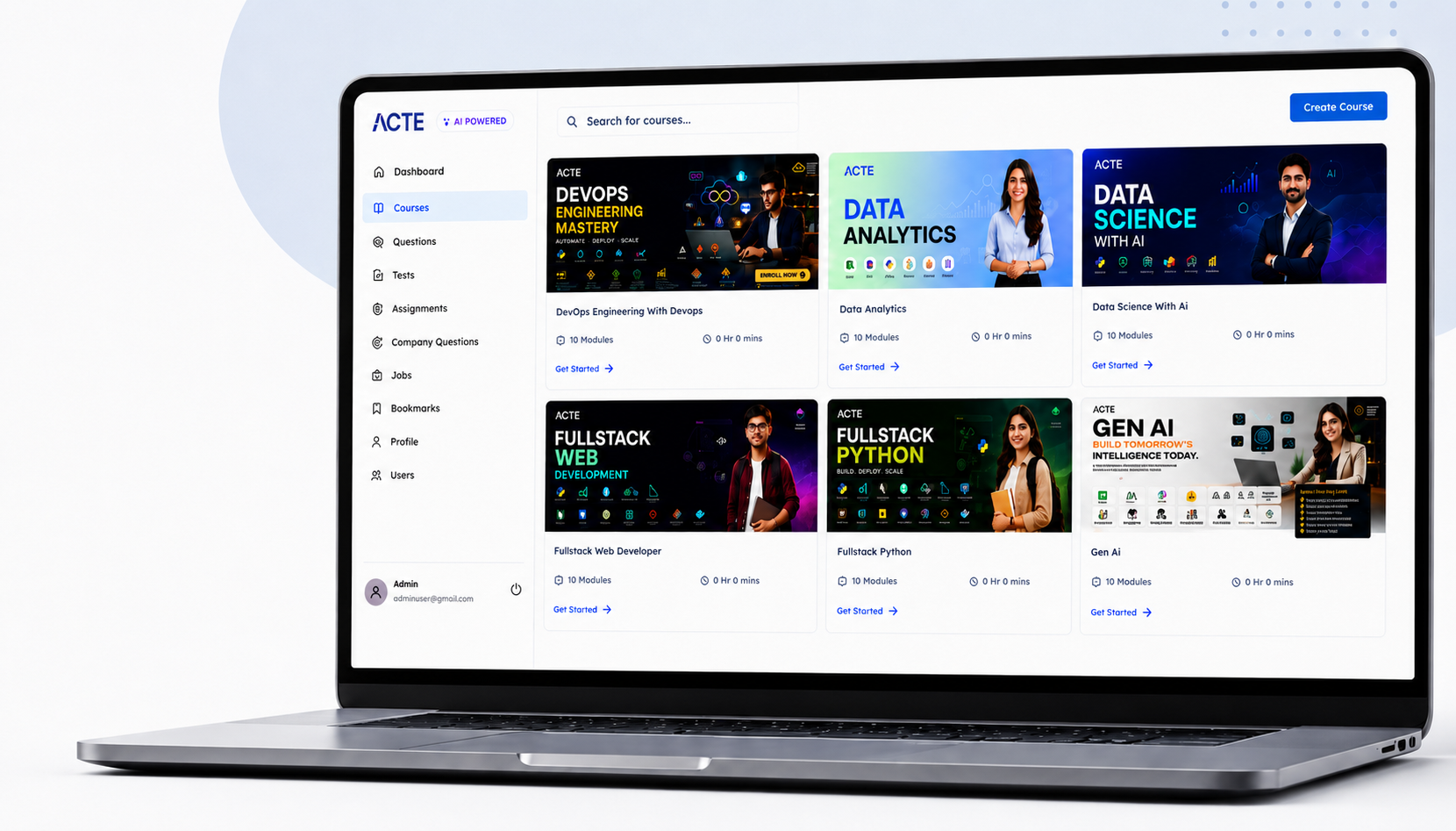
🧪 LMS Online Learning Platform

  • Explore expert trainer videos and documents to boost your learning.
  • Study anytime with on-demand videos and detailed documents.
  • Quickly find topics with organized learning materials.

Power BI Course Curriculum

  • 🏫 Classroom Training
  • 💻 Online Training
  • 🚫 No Pre Request (Any Vertical)
  • 🏭 Industrial Expert

Our Power BI Training in Coimbatore offers a comprehensive curriculum for beginners and aspiring data professionals. Learn essential Power BI Training concepts, including data modeling, DAX formulas, report creation, and interactive dashboard development. Gain practical experience through Power BI Internships in Coimbatore and real-time projects to strengthen hands-on skills. The Power BI Course in Coimbatore also covers data cleaning, visualization best practices, and connecting to multiple data sources. Dedicated placement support guides learners with resume building and interview preparation. This Power BI Certification Course ensures a strong foundation for a successful career in Power BI.

  • Introduction to Power BI – Learn the basics of Power BI, including tables, data types, relationships, and core reporting concepts.
  • Advanced Concepts – Explore DAX formulas, Power Query, data modeling, and performance optimization for effective dashboards.
  • Hands-On Projects – Build real-time dashboards, interactive reports, and visualizations to gain practical experience.
  • Analytics Tools – Use Power BI Desktop, Service, and other tools to create, share, and manage professional reports.
  • Deployment & Collaboration – Publish reports on cloud or servers, and learn collaboration, version control, and report management.
Power BI Foundamentals
Data Loading and Transformation
Data Modeling
DAX (Data Analysis Expressions)
Data Visualization Techniques
Power BI Service and Publishing
Security and Advanced Features

Understand the basics of Power BI and how it helps in data analysis:

  • Power BI Overview – Learn what Power BI is and why its used
  • Power BI Interface – Explore the layout and components of Power BI Desktop
  • Types of Power BI Tools – Desktop, Service and Mobile overview
  • Installation – Install Power BI Desktop and set up the environment
  • Connecting Data – Connect to Excel, CSV and other file formats

Learn to bring in data and make it ready for reporting using Power Query:

  • Power Query Editor – Explore the user interface for data transformation
  • Data Cleaning – Remove errors, blank rows and fix data formats
  • M Language Basics – Understand the scripting behind Power Query
  • Column and Row Operations – Add, remove, split and merge columns
  • Append and Merge Queries – Combine data from multiple sources

Organize your data for efficient reporting and performance:

  • Relationships – Create and manage relationships between tables
  • Star and Snowflake Schema – Understand data modeling structures
  • Calculated Columns – Add new data fields using expressions
  • Hierarchies – Create drill-down levels in your data
  • Data Categories – Tag columns as location, web URL or images

Use DAX to perform advanced calculations and metrics:

  • DAX Syntax – Learn DAX formulas are written
  • Calculated Measures – Create KPIs like total sales, profit margin, etc.
  • Aggregation Functions – Use SUM, AVERAGE, COUNT, etc.
  • Time Intelligence – Work with YTD, MTD, QTD calculations
  • Filter Functions – Use CALCULATE, FILTER, ALL for dynamic analysis

Create insightful visuals and dashboards:

  • Basic Charts – Bar, Column, Line, Pie and Donut charts
  • Advanced Visuals – Maps, Matrix, Waterfall, Funnel and Gauge charts
  • Slicers and Filters – Add interactivity to your reports
  • Tooltips and Bookmarks – Improve the user experience
  • Custom Visuals – Import visuals from Power BI marketplace

Learn to share, schedule and manage reports online:

  • Power BI Service – Navigate the cloud based platform
  • Workspaces – Organize and manage report access
  • Report Publishing – Upload dashboards to the Power BI Service
  • Dashboard vs Report – Understand the difference and use cases
  • Data Refresh – Schedule automatic updates for your data

Protect your data and explore advanced options:

  • Row-Level Security – Control who sees what data
  • Q and A Visual – Enable natural language queries in reports
  • Drill-through and Drill-down – Enable deeper data exploration
  • Performance Analyzer – Optimize your report speed
  • Export and Embed – Share reports via PDF, PowerPoint or websites

🎁 Free Addon Programs

Aptitude, Spoken English.

🎯 Our Placement Activities

Daily Task, Soft Skills, Projects, Group Discussions, Resume Preparation, Mock Interview.

Gain Pracical Experience With Power BI Projects

Placement Support Overview

Today's Top Job Openings for Power BI Professionals

Power BI Developer

Company Code: PMV198

Coimbatore, Tamil Nadu

₹41,000 – ₹1,22,000 per month

B.E./B.Tech/MCA/M.Sc in Computer Science / IT

Exp 0–2 years

  • We are hiring a Power BI Developer to build and maintain interactive dashboards and reports. Collaborate with cross-functional teams, optimize data models, and support ongoing BI requirements. Ideal for beginners looking to grow in analytics.
  • Easy Apply

    Power BI Analyst

    Company Code: VAR245

    Coimbatore, Tamil Nadu

    ₹30,000 – ₹70,000 per month

    B.Sc/BCA/B.E./B.Tech in IT / Computer Science / Statistics

    Exp 0–2 years

  • Assist in interpreting data, creating reports, and supporting business decision-making using Power BI. Ideal for freshers ready to start a BI career and translate datasets into actionable insights.
  • Easy Apply

    BI Developer (Power BI Focus)

    Company Code: LIT368

    Coimbatore, Tamil Nadu

    ₹35,000 – ₹80,000 per month

    B.E./B.Tech/MCA/M.Sc in IT or Data Analytics

    Exp 0–2 years

  • Build automated dashboards, support ETL tasks, and collaborate on reporting solutions. Freshers will work closely with senior developers to enhance data workflows. Passion for analytics and visualization preferred.
  • Easy Apply

    Data Analyst (Power BI + SQL)

    Company Code: ITA784

    Coimbatore, Tamil Nadu

    ₹30,000 – ₹75,000 per month

    B.Sc/BCA/B.E./B.Tech/MCA in Computing / Analytics

    Exp 0–2 years

  • Interpret business data, develop visual insights, and improve reporting processes using Power BI and SQL. Ideal for freshers who enjoy problem-solving with BI tools.
  • Easy Apply

    Power BI Reporting Specialist

    Company Code: SPR245

    Coimbatore, Tamil Nadu

    ₹35,000 – ₹80,000 per month

    B.E./B.Tech/MCA/Statistics/Data Analytics

    Exp 0–2 years

  • Design impactful Power BI reports and dashboards. Collaborate with stakeholders to gather requirements and deliver insightful visualizations. Perfect for communicative, analytical thinkers.
  • Easy Apply

    Junior Power BI Consultant

    Company Code: BIA658

    Coimbatore, Tamil Nadu

    ₹50,000 – ₹1,00,000 per month

    B.E./B.Tech/MCA in IT / Analytics

    Exp 0–2 years

  • Implement BI solutions, support dashboard development, and assist in training users. Gain hands-on experience in data modeling and client-facing BI projects. Ideal for freshers with strong analytical skills.
  • Easy Apply

    Data Visualization Specialist (Power BI)

    Company Code: ENT753

    Coimbatore, Tamil Nadu

    ₹35,000 – ₹90,000 per month

    B.E./B.Tech/MCA/Data Science/Design Analytics

    Exp 0–2 years

  • Build intuitive dashboards, optimize report performance in Power BI, and communicate insights effectively. Ideal for creative analysts who can translate data into visuals.
  • Easy Apply

    Power BI & Data Reporting Intern

    Company Code: SMT885

    Coimbatore, Tamil Nadu

    ₹30,000 – ₹65,000 per month

    B.E./B.Tech/MCA/Statistics/Data Analytics

    Exp 0–2 years

  • Manage dashboard creation, handle data transformation, and support reporting automation. Receive mentoring and career growth opportunities while working with real business data.
  • Easy Apply

    Highlights for Power BI Internships in Coimbatore

    Real Time Projects

    • 1. Gain hands-on experience by working on live Power BI-based applications.
    • 2. Understand real-world problem-solving through scenarios.
    Book Session

    Skill Development Workshops

    • 1. Participate in focused sessions on trending technologies and tools.
    • 2. Learn directly from industry experts through guided practical exercises.
    Book Session

    Employee Welfare

    • 1. Enjoy benefits like health coverage, flexible hours, and wellness programs.
    • 2. Companies prioritize mental well-being and work-life balance for all employees.
    Book Session

    Mentorship & Peer Learning

    • 1. Learn under experienced mentors who guide your technical and career growth.
    • 2. Collaborate with peers to enhance learning through code reviews and group projects.
    Book Session

    Soft Skills & Career Readiness

    • 1. Improve communication, teamwork, and time management skills.
    • 2. Prepare for interviews and workplace dynamics with mock sessions and guidance.
    Book Session

    Certification

    • 1. Earn recognized credentials to validate your Power BI skills.
    • 2. Boost your resume with course or project completion certificates from reputed platforms.
    Book Session

    Sample Resume for Power BI (Fresher)

    • 1. Simple and Neat Resume Format

      – Use a clean layout with clear sections like summary, skills, education, and projects.

    • 2. List of Technologies You Know

      – Mention Skills like Power BI Desktop, DAX, Power Query, Data Modeling, Report Designing, Power BI Service, Row-Level Security.

    • 3. Real-Time Projects and Achievements

      – Add 1–2 real-time projects with a short description and the tools used.

    Top Power BI Tricky Interview Questions and Answers (2026 Guide)

    Ans:

    A calculated column can be added by navigating to the Data view in Power BI Desktop and selecting “New Column” from the Modeling menu. Using DAX formulas, each row in the table is evaluated according to the defined logic. Once created, the column becomes part of the table permanently and can be used in visuals, filters, and relationships. Calculated columns are useful for performing row-level computations without changing the source data. This approach ensures the data remains organized while enabling enhanced analysis.

    Ans:

    A measure is a calculation that dynamically summarizes data based on the filters or visual context applied in a report. Unlike columns, measures do not store values; they are computed on-the-fly when needed. Measures are written using DAX expressions to calculate totals, averages, percentages, or other metrics efficiently. They allow interactive reporting and help produce context-sensitive analytics. Measures are essential for creating flexible, high-performance dashboards.

    Ans:

    Slicers act as interactive filters that let users control the data displayed in visuals on a report page. Selecting a specific value, like a category, date, or region, automatically updates all connected visuals. They offer a convenient way to analyze different segments of data without modifying the original tables. Slicers enhance the interactivity of reports and make it easier to explore datasets. They provide a user-friendly method to drill into specific details quickly.

    Ans:

    After publishing a report to Power BI Service, scheduled refresh can be set up through the dataset settings. Users can configure refresh intervals, such as daily, hourly, or multiple times per day, depending on requirements. For on-premises data, a gateway may be required to maintain secure connectivity. Scheduled refresh ensures that reports always display the latest data without manual updates. This feature is essential for real-time and accurate reporting.

    Ans:

    DirectQuery allows Power BI to fetch data directly from the source every time a report is interacted with, instead of storing it in the data model. It is ideal for very large datasets or when real-time updates are needed. This ensures that reports reflect the current state of the data without duplicating it. DirectQuery is suitable for live databases and dynamic reporting scenarios. It helps maintain up-to-date information for decision-making.

    Ans:

    A report in Power BI is a detailed, multi-page document that provides in-depth data analysis using a single dataset. It may include multiple charts, tables, and visuals for exploration. A dashboard, by contrast, is a single-page overview combining visuals from one or more reports or datasets. Reports allow detailed analysis, while dashboards provide quick insights and summaries. Dashboards are ideal for monitoring key metrics at a glance.

    Ans:

    Hierarchies are created by grouping multiple related fields, such as Year, Quarter, and Month, using the “Create Hierarchy” option. This organizes data into levels, allowing users to drill down from summaries to detailed information. Hierarchies make report navigation easier and enhance user interactivity. They are helpful in breaking down complex datasets step by step. Proper hierarchies improve the clarity and usability of dashboards.

    Ans:

    The Power Query Editor allows users to clean, transform, and prepare raw data before loading it into the data model. Tasks like filtering rows, merging tables, changing data types, and removing duplicates can be performed without coding. Each transformation is stored as sequential steps, ensuring consistency and repeatability. This tool ensures that datasets are accurate and well-structured. It is a critical step for reliable analysis and reporting.

    Ans:

    A calculated table is generated using a DAX formula in the Modeling tab to create a new table derived from existing data. It can be based on filtered rows, aggregated results, or combined tables. Calculated tables are useful for custom datasets that support advanced relationships and reporting needs. They allow users to organize data in ways that enhance analysis. This feature helps create tailored datasets for specific reporting scenarios.

    Ans:

    The Power BI Developer API allows integration of Power BI functionalities into other applications and workflows. It supports embedding reports and dashboards, automating publishing, and managing datasets, workspaces, and user access programmatically. Organizations can use it to create custom analytics solutions or centralize report management. The API expands Power BI’s flexibility and automation potential. It is ideal for developers building enterprise-scale BI solutions.

    Company-Specific Interview Questions from Top MNCs

    1. What is Power BI and what are its main components?

    Ans:

    Power BI is a Microsoft business intelligence platform that helps organizations analyze, visualize, and share data insights efficiently. Its key parts include Power BI Desktop for building reports, Power BI Service, a cloud-based platform for sharing and collaboration, and Power BI Mobile, which allows users to view dashboards on smartphones and tablets. Together, these components create a unified ecosystem for designing, distributing, and monitoring interactive reports and analytics.

    2. How can data from multiple sources be brought into Power BI?

    Ans:

    Power BI provides connectivity to a wide range of data sources, such as Excel, SQL databases, cloud storage services, and web APIs, through the “Get Data” option. Users can choose to either import data into Power BI or query it directly from the source. This flexibility allows combining datasets from different platforms into a single model for comprehensive analysis. It ensures businesses can work with consolidated and accurate data efficiently.

    3. What is DAX and how is it different from Power Query?

    Ans:

    DAX, or Data Analysis Expressions, is a formula language used inside Power BI to perform calculations and create measures after data has been loaded into the model. In comparison, Power Query is used prior to loading data to clean, transform, and structure raw datasets. Essentially, Power Query prepares data for analysis, while DAX executes computations and aggregations within the data model. Both work together to enable accurate and dynamic reporting.

    4. How do calculated columns differ from measures in Power BI?

    Ans:

    Calculated columns are static fields in a table, computed for each row using DAX formulas, and stored as part of the dataset. Measures, on the other hand, are dynamic calculations computed only when used in a visual or report context. While calculated columns occupy space in the data model, measures are efficient for large datasets since they calculate on the fly. This distinction allows measures to provide summary calculations without increasing the dataset size.

    5. What is row-level security (RLS) and how is it applied in Power BI?

    Ans:

    Row-level security ensures that users see only the data relevant to their role or permissions. In Power BI Desktop, RLS is implemented by creating roles and applying filters on tables to restrict access. Once the report is published to Power BI Service, specific users are assigned to these roles. This approach protects sensitive data while allowing authorized users to access only what they are permitted to see. It is essential for maintaining data confidentiality.

    6. What methods can enhance the performance of Power BI reports?

    Ans:

    Report efficiency can be improved by simplifying complex DAX calculations, optimizing data models, and removing unnecessary columns. Limiting the number of visuals on a page and using aggregation tables can also speed up reports. Additionally, enabling query folding in Power Query ensures transformations are executed by the source system, reducing processing time. These strategies collectively enhance report performance and provide a smoother user experience.

    7. What types of filters exist in Power BI?

    Ans:

    Power BI provides multiple filtering options to control the display of data. Visual-level filters affect a single visual, page-level filters influence all visuals on a page, and report-level filters apply across the entire report. Slicers provide interactive, user-friendly filtering options that allow dynamic exploration of data. These filtering capabilities help users focus on relevant data and gain actionable insights quickly.

    8. Why is a Power BI Gateway required?

    Ans:

    A Power BI Gateway creates a secure connection between on-premises data sources and the Power BI cloud service. It enables scheduled refreshes or real-time data updates without transferring sensitive data outside the organization. Gateways ensure that reports and dashboards stay current while protecting company information. They are crucial for businesses using on-premises systems alongside cloud reporting solutions.

    9. How does Power BI handle data refresh operations?

    Ans:

    Data refresh in Power BI ensures that reports show the latest information from underlying sources. In Power BI Service, users can schedule automatic refreshes at specific intervals. On-premises data requires a gateway for secure connectivity. Power BI supports full refreshes, which reload all data, and incremental refreshes, which update only new or modified records. This functionality makes managing large datasets more efficient and ensures reports are always up to date.

    10. What are the differences between Import, DirectQuery, and Live Connection modes in Power BI?

    Ans:

    Import mode brings data into Power BI for fast performance but requires periodic refreshes to stay updated. DirectQuery queries data from the source in real time as users interact with visuals, ideal for live reporting, though performance depends on the source. Live Connection connects directly to external Analysis Services models, providing live data access without storing it in Power BI. Each mode balances performance, real-time access, and data storage needs.

    1. Why is Power BI essential and how does it enhance business intelligence?

    Ans:

    Power BI is a powerful analytics tool that transforms raw datasets into interactive and visually appealing reports and dashboards. It supports business intelligence by enabling quick data aggregation, visualization, and insights from multiple sources. Integration with Microsoft tools allows businesses to monitor key metrics, spot trends, and make data-driven decisions effectively. Its combination of speed, flexibility, and clear visualization makes it highly valuable for modern organizational reporting.

    2. How can multiple data sources be combined in Power BI?

    Ans:

    Power BI provides options to connect to diverse sources, including Excel files, SQL databases, cloud platforms, and web APIs using the “Get Data” feature. After selecting a source, users authenticate and either import the data or query it live. This capability allows consolidation of different datasets into a single model for unified analysis. It ensures that businesses can work with a comprehensive view of their data efficiently.

    3. What distinguishes Power Query from DAX in Power BI?

    Ans:

    Power Query is utilized before data is loaded into the model to clean, reshape, and organize raw data. DAX (Data Analysis Expressions), in contrast, operates on loaded data to perform calculations, aggregations, and dynamic metrics. Essentially, Power Query prepares and structures data for reporting, while DAX provides the analytical computations required for complex insights. Both together enable accurate, efficient, and interactive reporting.

    4. When should calculated columns be used instead of measures in Power BI?

    Ans:

    Calculated columns create static values for each row in a table, storing results within the data model. Measures, on the other hand, calculate values dynamically depending on filters, slicers, and visual context. Columns are suitable for row-specific calculations that remain constant, while measures are preferred for summaries, aggregations, or context-dependent calculations in reports. This distinction ensures optimized performance and flexibility.

    5. How is row-level security (RLS) applied in Power BI?

    Ans:

    Row-level security limits data visibility so that users can only access information relevant to their role. It is implemented by creating roles in Power BI Desktop and applying table filters to define access rules. Once the report is published to Power BI Service, users are assigned to these roles, ensuring controlled and secure access. RLS is critical for protecting sensitive data and maintaining compliance within an organization.

    6. What are the methods to refresh data in Power BI?

    Ans:

    Power BI allows both automatic and manual data refreshes to keep reports current. For on-premises sources, a gateway ensures secure connections during refresh. A full refresh reloads all data, while incremental refresh updates only new or modified records, which is more efficient for large datasets. These options ensure that reports reflect the most up-to-date information with minimal manual effort.

    7. How can Power BI report performance be improved?

    Ans:

    Report efficiency can be enhanced by optimizing the data model, such as removing unnecessary columns or tables to reduce load. Simplifying DAX formulas, limiting visuals per page, and using aggregation tables also improves speed. Enabling query folding in Power Query pushes transformations to the source system, reducing processing time. Collectively, these techniques make dashboards faster and more responsive for users.

    8. What is the purpose of bookmarks in Power BI reports?

    Ans:

    Bookmarks allow users to save a specific state of a report, including applied filters, slicers, and visual selections. They can be combined with buttons to create interactive navigation, storyboards, or customized workflows within a report. This functionality improves usability, makes reports more engaging, and allows users to switch between different perspectives quickly. Bookmarks enhance interactivity and storytelling in dashboards.

    9. What is the difference between Import mode and DirectQuery in Power BI?

    Ans:

    Import mode loads data into Power BI, providing fast performance and offline access, but requires periodic refresh to stay current. DirectQuery leaves the data at the source and queries it live whenever users interact with visuals, enabling real-time insights but sometimes affecting speed. The choice depends on data volume, update frequency, and the need for real-time reporting. Both modes provide flexibility for different business requirements.

    10. How are table relationships handled in Power BI?

    Ans:

    Relationships link tables using key columns to create a connected data model. Users define the type of relationship, cardinality, cross-filter direction, and whether it is active or inactive. Properly configured relationships ensure that measures and visuals reflect accurate data across tables. This allows consistent reporting and precise calculations in dashboards. Correct relationship management is essential for reliable data analysis in Power BI.

    1. What is Power BI and how does it improve business reporting?

    Ans:

    Power BI is a comprehensive business analytics platform that converts raw data into visually interactive reports and dashboards. It allows data to be gathered from multiple sources, structured effectively, and displayed in a clear and understandable format. Using Power BI Desktop for report creation, Power BI Service for cloud-based sharing, and Power BI Mobile for access on smartphones, it ensures seamless reporting across devices. This unified system enhances how organizations analyze data and communicate insights efficiently.

    2. What does DAX stand for in Power BI and why is it significant?

    Ans:

    DAX, short for Data Analysis Expressions, is a specialized formula language in Power BI used to create calculations, measures, and custom tables. It enables aggregation, filtering, comparison, and complex computations within the data model. By providing context-aware calculations, DAX allows reports to be dynamic and interactive, adding advanced analytical capabilities that support informed decision-making.

    3. What types of relationships can be defined between tables in Power BI?

    Ans:

    Power BI supports one-to-one, one-to-many, and many-to-many relationships between tables. A one-to-one relationship links a single record in one table to a single record in another. One-to-many connects one row in a primary table to multiple rows in a related table. Many-to-many allows multiple rows in both tables to relate, often using an intermediate or bridge table. Properly setting relationships ensures accurate calculations and coherent data modeling.

    4. How do Import mode and DirectQuery mode differ in Power BI?

    Ans:

    Import mode loads data into the Power BI model, enabling fast report performance and offline access. It requires periodic refreshes to update the dataset. DirectQuery, in contrast, leaves data in the source system and queries it live whenever users interact with visuals. While this provides real-time insights, performance may vary depending on the data size and source system. Each mode has advantages depending on reporting requirements and dataset scale.

    5. What are Key Performance Indicators (KPIs) in Power BI and how do they work?

    Ans:

    KPIs are visual tools that display how a particular metric is performing against a set target. They usually present the current value, the expected goal, and a visual signal, such as colors or icons, to indicate performance status. KPIs allow organizations to quickly assess whether objectives are being achieved. They simplify monitoring and make strategic analysis more efficient by providing an immediate overview of key business metrics.

    6. Which data sources are compatible with Power BI?

    Ans:

    Power BI can connect to numerous data sources including relational databases like SQL Server, Oracle, and MySQL, cloud platforms such as Azure, Snowflake, and Google BigQuery, and file formats like Excel, CSV, XML, and JSON. It also integrates with web services and APIs, including SharePoint and Dynamics 365. This wide compatibility allows users to consolidate data from multiple systems for comprehensive reporting and analysis.

    7. How does Power BI enable performance monitoring using KPIs?

    Ans:

    Power BI tracks performance by comparing actual results against defined targets through KPI visuals. These visuals use colors, symbols, or arrows to indicate whether performance is above, below, or on track. This immediate visual feedback helps decision-makers identify trends, detect deviations, and address issues proactively. KPIs streamline monitoring and support faster, more accurate business decisions.

    8. What is the role of Power Query Editor in Power BI?

    Ans:

    Power Query Editor is a tool within Power BI used for connecting, cleaning, and transforming data before it enters the report model. Users can filter rows, change formats, remove duplicates, and merge tables without coding expertise. This ensures that only structured, accurate, and analysis-ready data is loaded into Power BI. The editor simplifies data preparation and enhances the reliability of reports.

    9. What are hierarchies in Power BI and why are they useful?

    Ans:

    Hierarchies organize data into multiple levels, allowing users to drill down from summary to detailed views. For example, a time hierarchy may include Year, Quarter, Month, and Day, while a geography hierarchy may include Country, State, and City. Hierarchies improve navigation, simplify data exploration, and enhance interactivity in dashboards. They make complex datasets easier to analyze and visualize effectively.

    10. What connection modes are available in Power BI for data access?

    Ans:

    Power BI offers three main connection options: Import, DirectQuery, and Live Connection. Import mode loads data into Power BI for fast performance and offline use. DirectQuery queries data from the source in real time, ensuring up-to-date insights but possibly affecting speed. Live Connection links directly to external Analysis Services models, allowing live reporting without storing data in Power BI. These modes offer flexibility depending on data size and real-time needs.


    1. How does Power BI differ from Excel for analyzing data?

    Ans:

    Power BI provides a more advanced platform for interactive visualizations and dashboards compared to Excel’s traditional spreadsheet approach. It can handle large datasets efficiently and connect to multiple data sources seamlessly. Unlike Excel, Power BI supports real-time dashboards, automated data refresh, and effortless cloud sharing. These capabilities make it a comprehensive tool for modern business intelligence and data-driven decision-making.

    2. How does Power BI handle data extraction and transformation using Power Query?

    Ans:

    Power Query serves as the data preparation engine within Power BI, enabling users to connect to various sources and transform data before loading it into the model. Tasks like filtering rows, merging tables, splitting columns, and reshaping datasets can be performed through its visual interface without coding. Once transformations are applied, the clean data is loaded into the report, ensuring accurate and analysis-ready datasets.

    3. What is DAX in Power BI and which functions are commonly used?

    Ans:

    DAX, or Data Analysis Expressions, is the formula language in Power BI used to create measures, calculated columns, and advanced computations. It extends Excel-like formulas to provide powerful analytical capabilities within data models. Frequently used DAX functions include SUM for totals, AVERAGE for calculating means, CALCULATE to apply filters dynamically, and IF for conditional logic. These functions enhance the analytical depth and interactivity of reports.

    4. How are relationships between tables defined in Power BI?

    Ans:

    Relationships in Power BI are created by linking common fields, such as primary and foreign keys, across tables. Supported relationship types include one-to-one, one-to-many, and many-to-many, depending on the dataset structure. Once configured, tables can interact seamlessly without manual merging. Correct relationship setup ensures consistent calculations and accurate visualizations across multiple datasets.

    5. What is the difference between Import and DirectQuery modes in Power BI?

    Ans:

    Import mode loads data directly into Power BI, enabling fast performance and offline access but requiring scheduled refreshes for updates. DirectQuery, in contrast, keeps data at the source and retrieves it live whenever visuals are used, supporting real-time insights. Import mode is best for high-speed performance, while DirectQuery is ideal for large, frequently updated datasets that require current information. Each mode is chosen based on data size, update frequency, and performance needs.

    6. How can slicers be used to filter data in Power BI reports?

    Ans:

    Slicers are interactive visuals that allow users to filter data across multiple charts and tables. By adding a field to a slicer, selecting specific values automatically updates all connected visuals in the report. This provides a simple, user-friendly way to explore data without modifying the report structure. Slicers improve interactivity and enable focused analysis of specific data segments.

    7. What is row-level security (RLS) and how is it implemented in Power BI?

    Ans:

    Row-level security restricts access to data, ensuring that users only view records relevant to their roles. It is set up by defining roles and applying filter rules within Power BI Desktop. After publishing to Power BI Service, users are assigned to these roles to manage their data visibility. RLS protects sensitive information and ensures secure, controlled access to reports.

    8. What techniques can improve Power BI report performance?

    Ans:

    Report performance can be enhanced by optimizing the data model, removing unnecessary tables or columns, and simplifying complex DAX formulas. Reducing the number of visuals on a page, using aggregation tables, and enabling query folding also improves responsiveness. The Performance Analyzer tool helps identify bottlenecks. These steps collectively ensure faster and smoother dashboards for end users.

    9. How are Power BI reports shared and distributed?

    Ans:

    Reports created in Power BI Desktop can be published to Power BI Service for sharing and collaboration. Access can be granted to individuals or via shared workspaces. Reports can also be embedded into applications such as Microsoft Teams or SharePoint, and email subscriptions can be set up for automatic updates. These options allow secure and efficient distribution to stakeholders.

    10. What are the key features of Power BI Service and how does it differ from Desktop?

    Ans:

    Power BI Service is a cloud-based platform focused on hosting, sharing, and managing reports created in Power BI Desktop. While Desktop is mainly used for designing and building reports, the Service enables collaboration, scheduled refresh, and access control. Users can view dashboards remotely, share insights, and work in teams. Together, Desktop and Service form a complete environment for developing, publishing, and managing interactive analytics.

    1. What is Power BI and what are its main components?

    Ans:

    Power BI is a Microsoft analytics platform that helps businesses connect to multiple data sources, process information, and create interactive dashboards and reports. Its key elements include Power BI Desktop for designing reports, Power BI Service for cloud-based sharing and collaboration, and Power BI Mobile for accessing dashboards on mobile devices. Together, these components provide a complete ecosystem for analyzing, visualizing, and distributing data insights effectively.

    2. How does Power Query help with data transformation in Power BI?

    Ans:

    Power Query serves as the data preparation engine in Power BI, allowing users to clean, structure, and transform raw data before analysis. It supports connecting to various data sources and performing operations such as filtering records, combining tables, splitting columns, and converting data types using an easy-to-use interface. These steps ensure the dataset is accurate, organized, and ready for reporting, which improves the reliability of insights generated from the model.

    3. What is DAX in Power BI and how does SUMX differ from SUM?

    Ans:

    DAX (Data Analysis Expressions) is the formula language in Power BI used for creating calculations, including measures, calculated columns, and custom tables. The SUM function adds all values in a column, while SUMX evaluates an expression for each row and then totals the results. This row-by-row evaluation makes SUMX more flexible for performing complex or conditional calculations within reports, adding more analytical depth than SUM alone.

    4. What is a data model in Power BI and why is it important?

    Ans:

    A data model in Power BI represents the structured arrangement of tables, relationships, and calculations that define how data interacts within a report. It allows information from different sources to be connected in a single framework. A well-designed model improves report performance, ensures accurate calculations, and provides clarity in analytics. Strong data modeling is essential for producing efficient, insightful, and reliable reports.

    5. How are tables connected in Power BI?

    Ans:

    Tables in Power BI are linked using relationships based on shared fields, such as primary keys or unique identifiers. These relationships allow data to flow properly across visuals, ensuring accurate aggregation and reporting. Connections can be detected automatically or created manually depending on the dataset structure. One-to-many relationships are commonly used to connect a main table to its related records in another table.

    6. What are calculated columns and how do they differ from measures?

    Ans:

    Calculated columns are new fields added to a table using DAX that are computed for each row and stored in the data model. Measures, in contrast, calculate values dynamically when included in a visual and do not occupy storage. Calculated columns are ideal for row-level computations, while measures are better suited for aggregations like totals, averages, or ratios. This distinction affects report performance and storage usage.

    7. How do Power BI Desktop and Power BI Service differ in purpose?

    Ans:

    Power BI Desktop is an application used for importing data, transforming it, and creating interactive reports. Power BI Service is a cloud platform that enables report publishing, collaboration, scheduling automatic data refresh, and access control. Desktop focuses on report creation, whereas the Service is used for distribution, monitoring, and team-based analytics. Both work together to provide an end-to-end reporting solution.

    8. How does Power BI ensure users see only relevant data?

    Ans:

    Power BI implements Row-Level Security (RLS) to control data access, restricting users to only the records that match their role. Roles are created in the data model, and filters are applied to limit visibility. After publishing, users are assigned to these roles to enforce access rules. This ensures sensitive data remains protected and users can only interact with information appropriate for their responsibilities.

    9. What is the difference between Import and DirectQuery modes, and when should each be used?

    Ans:

    Import mode brings data into Power BI for fast performance and offline access, but requires periodic refreshes to stay updated. DirectQuery mode leaves data in the original source and queries it live when reports are used, supporting real-time analysis. DirectQuery is ideal for large or frequently changing datasets, while Import mode is preferred for faster performance and smaller, static datasets. The choice depends on data size, update frequency, and reporting needs.

    10. How can complex dashboards be optimized for better performance?

    Ans:

    Dashboards with numerous visuals and large datasets can experience slow loading due to heavy calculations and data volume. Performance can be improved by removing unnecessary fields, reducing visual count, optimizing DAX formulas, and using aggregation tables. Refining the data model structure and enabling query folding also speeds up rendering. These practices enhance responsiveness while maintaining accuracy and detailed insights.

    Disclaimer Note:

    The details mentioned here are for supportive purposes only. There are no tie-ups or links with the corresponding PGs.

    Ladies PG Accommodation

      Peelamedu
    • Vedha Ladies Hostel : 73050 10332
    • Prestige Living : 90034 56856
    • Gandhipuram
    • Sri Thangam Ladies Hostel : 94434 79426
    • Apple Ladies Hostel : 88838 40100
    • Saravanampatti
    • Radha Ladies Hostel : 97503 36136
    • Lovely Nest : 97888 66603
    • Lakshmipuram
    • Titanstay Elite Ladies Hostel : 63806 42930
    • Bharath Jothi Ladies Hostel : 98430 12789
    • Kalapatti
    • LARA Ladies Hostel : 88074 97949
    • Yazhini Ladies Hostel : 99425 82888

    Mens PG Accommodation

      Peelamedu
    • Zolo Mayflower : 88845 18010
    • Zolo Captive : 88845 18010
    • Gandhipuram
    • Shanthi Mansion : 98422 99861
    • Zolo Einstein : 88845 18010
    • Saravanampatti
    • Whats Up Mens Home : 99422 21035
    • The Executive Grande PG for Men : 95979 10995
    • Lakshmipuram
    • In men’s pg & hostel : 96268 33233
    • SKY PG : 74116 50311
    • Kalapatti
    • Zolo Troy : 88845 18010
    • Stanza Living Adana House : 80460 07419

    Top Power BI Job Opportunities for Freshers

    • 1. Power BI Jobs at Startups and IT Companies
    • 2. Campus Placements and IT Service Jobs
    • 3. Internship-to-Job Programs
    • 4. Apply Through Job Portals
    • 5. Skills That Help You Get Hired

    Getting Started With Power BI Course in Coimbatore

    No Coding
    8 Lakhs+ CTC
    No Work Pressure
    WFH Jobs (Remote)

    Why Power BI is the Ultimate Career Choice

    High Demand

    Companies prefer multi-skilled professionals who can handle entire project cycles.

    Global Opportunities

    Open doors to remote and international job markets.

    High Salary

    Enjoy competitive salaries and rapid career advancement.

    Flexible Career Path

    Explore roles such as developer, architect, freelancer, or entrepreneur.

    Future-Proof Career

    Stay relevant with skills that are consistently in demand in the evolving tech landscape.

    Versatility Across Industries

    Work in various domains like e-commerce, healthcare, finance, and more.

    Career Support

    Placement Assistance

    Exclusive access to ACTE Job portal

    Mock Interview Preparation

    1 on 1 Career Mentoring Sessions

    Career Oriented Sessions

    Resume & LinkedIn Profile Building

    Get Advanced Power BI Certification

    You'll receive a certificate proving your industry readiness.Just complete your projects and pass the pre-placement assessment.This certification validates your skills and prepares you for real-world roles.

    • PL-300: Microsoft Power BI Data Analyst Associate
    • Power BI Certification for Business Intelligence Applications
    • Microsoft Certified: Data Analyst Associate
    • Professional Power BI Skills Certification

    Yes, achieving a Power BI certification significantly enhances employability in business intelligence and data analytics roles. We provide placement support and it guarantees job assistance after certification, helping learners connect with top hiring companies. Certification proves technical knowledge, practical skills, and dedication to professional growth, making employers more confident in hiring certified candidates.

    The preparation period depends on your familiarity with data analytics and reporting tools. Beginners typically require around 2–4 months of focused study and hands-on practice with Power BI. Professionals with prior experience in analytics or BI tools may complete their preparation within 3–6 weeks. Consistent practice with real datasets, reviewing exam objectives, and completing sample exercises can reduce preparation time and build confidence for the exam.

    • Validates expertise in data visualization, reporting, and analytics using Power BI.
    • Strengthens your resume and improves opportunities for interviews.
    • Increases potential for higher salary packages and career advancement.
    • Enhances credibility and recognition in the data analytics industry.
    • Provides structured learning and systematic skill development for long-term growth.
    • Study the official Microsoft PL-300 exam objectives and syllabus in detail.
    • Practice designing dashboards, reports, and data models in Power BI Desktop.
    • Work with real-world datasets to gain hands-on, practical experience.
    • Attempt mock tests, practice questions, and sample exams for exam readiness.
    • Join online training programs, forums, and study groups for guidance and peer support.

    Complete Your Course

    A Downloadable Certificate in PDF Format, Immediately Available to You When You Complete Your Course.

    Get Certified

    A Physical Version of Your Officially Branded and Security-Marked Certificate.

    Get Certified

    Lowest Power BI Course Fees in Coimbatore

    Affordable, Quality Training for Freshers to Launch IT Careers & Land Top Placements.

    Call Course Advisor

    How is ACTE's Power BI Course in Coimbatore Different?

    Feature

    ACTE Technologies

    Other Institutes

    Affordable Fees

    Competitive Pricing With Flexible Payment Options.

    Higher Power BI Course Fees With Limited Payment Options.

    Industry Experts

    Well Experienced Trainer From a Relevant Field With Practical Power BI Training

    Theoretical Class With Limited Practical

    Updated Syllabus

    Updated and Industry-relevant Power BI Course Curriculum With Hands-on Learning.

    Outdated Curriculum With Limited Practical Training.

    Hands-on projects

    Real-world Power BI Projects With Live Case Studies and Collaboration With Companies.

    Basic Projects With Limited Real-world Application.

    Certification

    Industry-recognized Power BI Certifications With Global Validity.

    Basic Power BI Certifications With Limited Recognition.

    Placement Support

    Strong Placement Support With Tie-ups With Top Companies and Mock Interviews.

    Basic Placement Support

    Industry Partnerships

    Strong Ties With Top Tech Companies for Internships and Placements

    No Partnerships, Limited Opportunities

    Batch Size

    Small Batch Sizes for Personalized Attention.

    Large Batch Sizes With Limited Individual Focus.

    LMS Features

    Lifetime Access Course video Materials in LMS, Online Interview Practice, upload resumes in Placement Portal.

    No LMS Features or Perks.

    Training Support

    Dedicated Mentors, 24/7 Doubt Resolution, and Personalized Guidance.

    Limited Mentor Support and No After-hours Assistance.

    Power BI Course FAQs

    1. What prerequisites are needed to start learning Power BI?

    To start learning Power BI, only basic computer skills and logical thinking are necessary. While prior exposure to Excel or understanding of simple data concepts can be beneficial, it is not required. The course is structured to guide beginners step by step, making it easy for anyone to grasp concepts and progress confidently.
    Power BI offers a strong career path because it is widely used across industries including finance, healthcare, retail, marketing, and IT. Organizations are increasingly relying on data-driven insights for strategic decision-making, which increases the demand for Power BI professionals.

    A typical Power BI course begins with connecting to multiple data sources and preparing datasets using Power Query. It then focuses on data modeling, creating visualizations, and building interactive dashboards. Advanced topics include DAX formulas, implementing security measures, optimizing report performance.

    Hands-on projects are an integral part of Power BI training. Learners work with real or simulated business datasets to design dashboards, generate insights, and solve analytical problems. These practical exercises reinforce theoretical knowledge, help in understanding industry requirements.
    Most training programs provide dedicated resume support to help learners present their technical expertise, certifications, and completed projects effectively. This guidance ensures candidates highlight their Power BI skills in a professional manner. A well-crafted resume improves visibility among recruiters.
    Anyone with an interest in data analysis can enroll in a Power BI training program, including students, fresh graduates, and working professionals looking to upskill. The course is designed to prepare participants for careers in business intelligence, reporting, and data analytics across a variety of industries.
    A formal degree is not a strict requirement for a career in Power BI. Employers often prioritize practical knowledge, hands-on experience, and relevant certifications over academic qualifications. Individuals from different educational backgrounds can enter the field of business intelligence by developing strong analytical and technical skills.
    Learners only need basic computer skills and logical reasoning abilities before starting a Power BI course. Prior familiarity with Excel or databases can provide a slight advantage but is not essential. The course is structured to support beginners, gradually building concepts to ensure smooth learning and steady progress.
    Coding is not mandatory to learn Power BI since it offers a user-friendly interface for creating reports and dashboards. While advanced analytics may involve DAX formulas, these are introduced gradually in the course. This makes the tool accessible to individuals from non-technical backgrounds.

    1. Does the Power BI program offer job placement support?

    Yes, most institutes offering Power BI training provide placement assistance, which includes resume preparation, interview practice, and career guidance. Some institutions also collaborate with hiring companies or organize recruitment drives to connect learners with potential employers.

    2. Are learners given projects that can be presented during job applications?

    Yes, students work on practical assignments and live projects during training. These projects mimic real-world business scenarios, allowing learners to create dashboards and analytical reports. Such projects can be showcased in a professional portfolio, demonstrating technical skills and practical experience to recruiters.

    3. Can learners apply to reputed organizations after completing the Power BI course?

    Upon completing training, gaining hands-on experience, and earning certification, learners can confidently apply to leading companies across sectors like IT, finance, healthcare, and retail. Organizations actively hire professionals skilled in Power BI for business intelligence and analytics roles.

    4. Is placement guidance provided for freshers without prior work experience?

    Yes, beginner-friendly placement guidance is offered for individuals with no prior experience. Programs include foundational learning, project exposure, interview coaching, and career counseling. This comprehensive support ensures that freshers can smoothly transition into analytics and business intelligence roles.
    Yes, learners typically receive a certificate upon successfully completing the Power BI course. This credential validates their knowledge and practical skills, enhancing professional credibility. Certification serves as proof of competence when applying for business intelligence and data analytics roles.
    Learning Power BI is highly valuable in today’s data-driven environment. Organizations increasingly rely on analytics for strategic decision-making, and mastering Power BI equips professionals to convert raw data into actionable insights.
    No advanced technical knowledge is required to start learning Power BI. Basic computer literacy and logical thinking are sufficient. The training introduces concepts gradually, ensuring clarity, confidence, and a solid understanding of the tool throughout the learning process.
    Power BI training provides hands-on experience aligned with real-world industry requirements. Through live projects and certification, learners demonstrate practical skills and technical knowledge. This combination increases employability and qualifies candidates for roles in reporting, analytics, and business intelligence.
    A typical certification program covers connecting and transforming data using Power Query, creating data models and relationships, designing interactive dashboards, applying DAX formulas, implementing row-level security, publishing reports via Power BI Service, and optimizing report performance. These topics ensure a complete understanding of Power BI.

    1. Is job support provided after enrolling and paying the course fee?

    Yes, most institutes include placement support as part of the course, which may involve resume refinement, mock interviews, and guidance for job applications. This structured assistance helps learners approach employment opportunities with confidence.
    Fees vary based on curriculum depth, teaching quality, practical exposure, and additional services like placement assistance. Institutes offering extensive hands-on projects, updated tools, and personalized mentorship typically charge higher fees than basic programs.
    Yes, the course fees are designed to be budget-friendly for beginners and freshers. The pricing ensures learners can access practical training, real-time project exposure, and placement support without financial strain. Placement assistance is also provided and it guarantees a job for eligible candidates after completion.
    No, the training maintains consistent and affordable fees across locations to make learning accessible to all. Along with high-quality instruction, placement support is included, which guarantees a job for eligible participants after successful completion of the course.
    Learn (Power BI Desktop + DAX + Power Query + Data Modeling + Report Designing + Power BI Service + Data Visualization)Starting at 16,500/- Only.
    Acte Technologies WhatsApp