Best PMP Course in BTM Layout | PMP Training With Placement | Updated 2025

PMP Training for All Graduates, NON-IT, Diploma & Career Gaps — Starting From ₹16,500/- only.

Download Brouchure
Join Our 100% Job Guaranteed

Best PMP Course in BTM Layout

  • Join Our PMP Training Institute in BTM Layout to Master Project Management Concepts.
  • Our PMP Training in BTM Layout Covers PMBOK Guide, Process Groups.
  • Gain Hands-On Experience With Case Studies and Learn from Experienced Professionals.
  • Achieve Your PMP Certification in BTM Layout With 100% Placement Assistance.
  • Get Expert Support in Resume Building, Interview Preparation, and Career Growth.
  • Choose a Flexible Learning Schedule with Weekday, Weekend, or Fast-Track Batches.

WANT IT JOB

Become a Project Manager in 3 Months

Freshers Salary

3 LPA

To

8 LPA

Quality Training With Affordable Fees in BTM Layout!

⭐ Fees Starts From

INR 36,000
INR 16,500

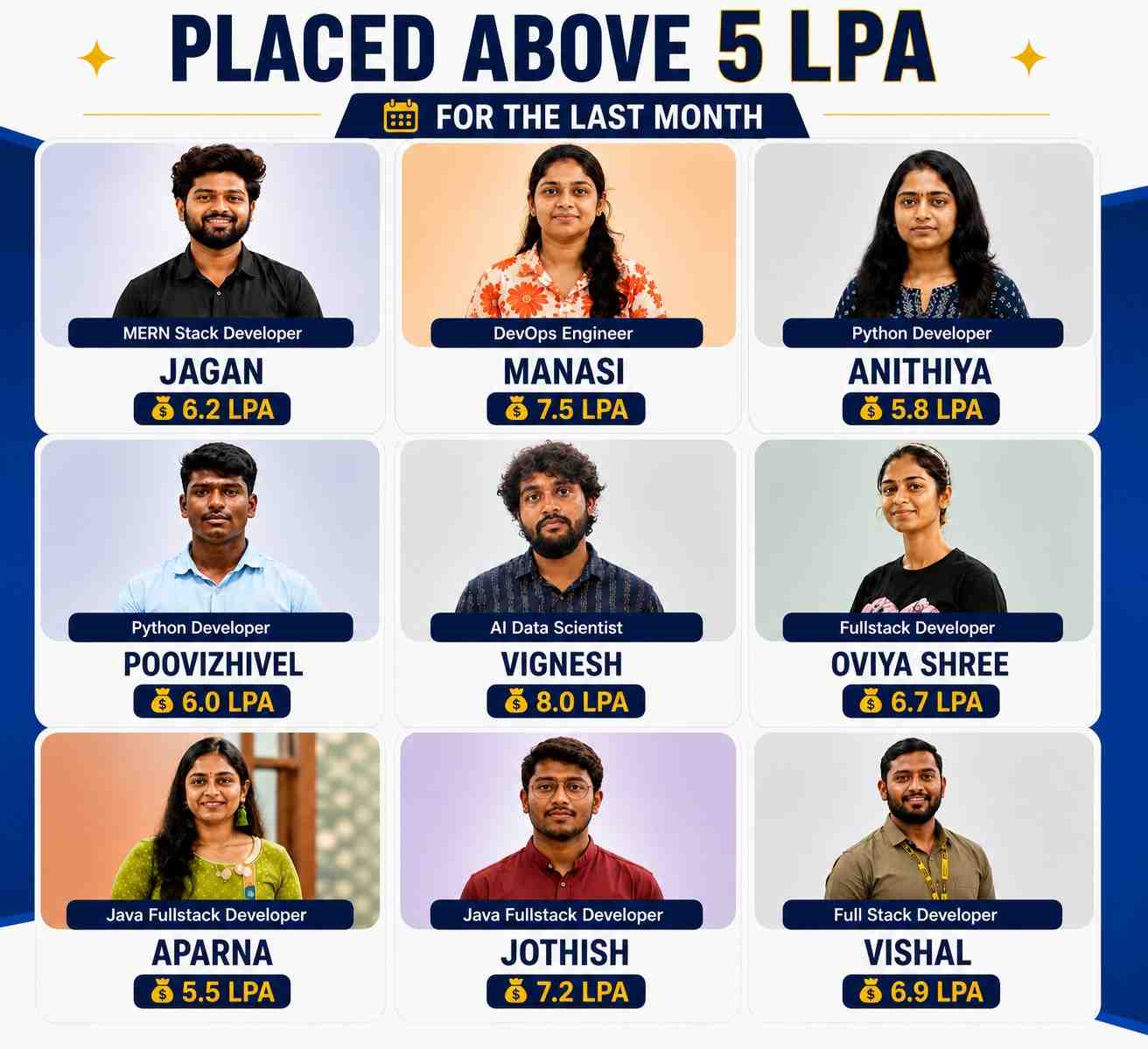
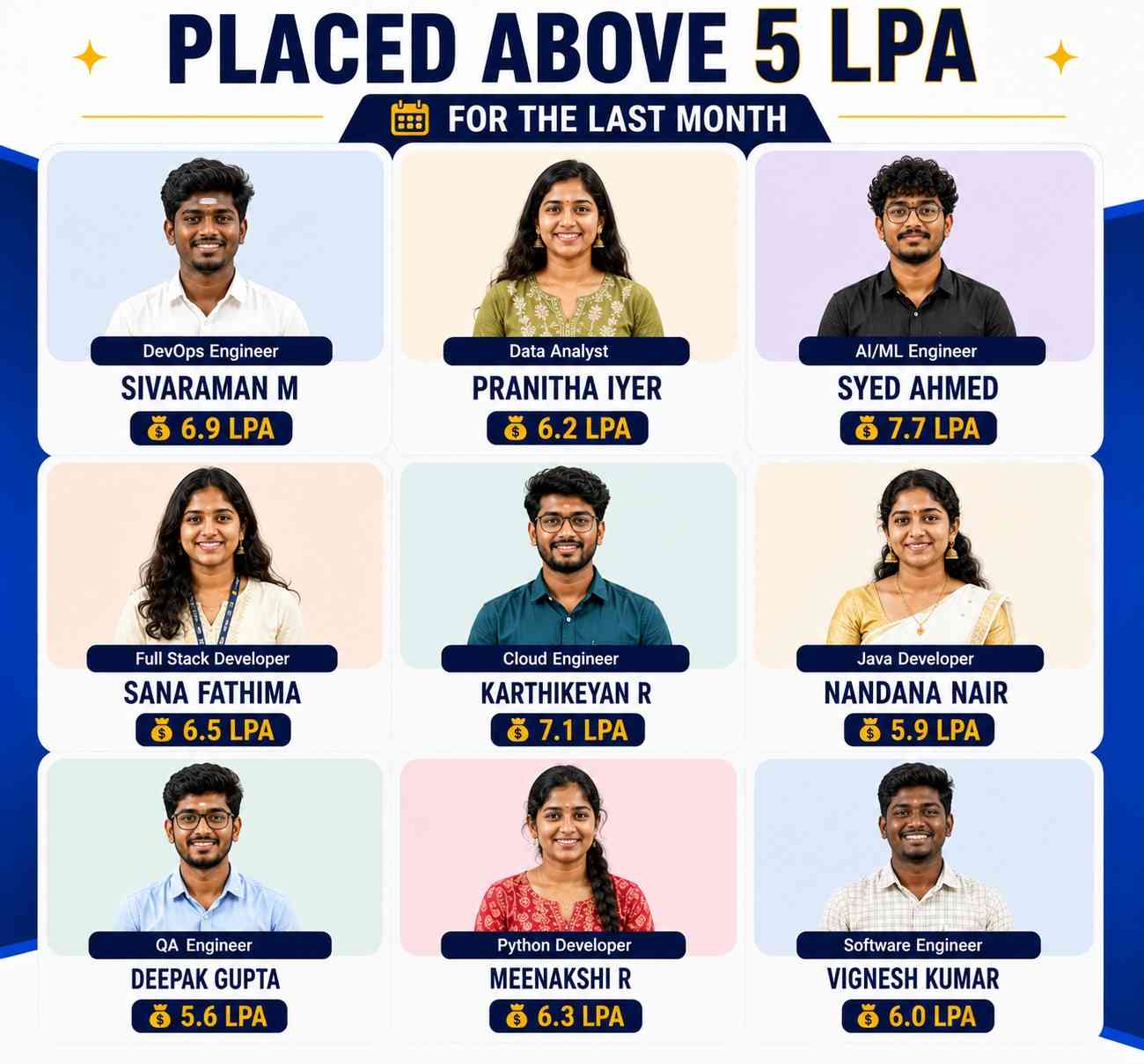
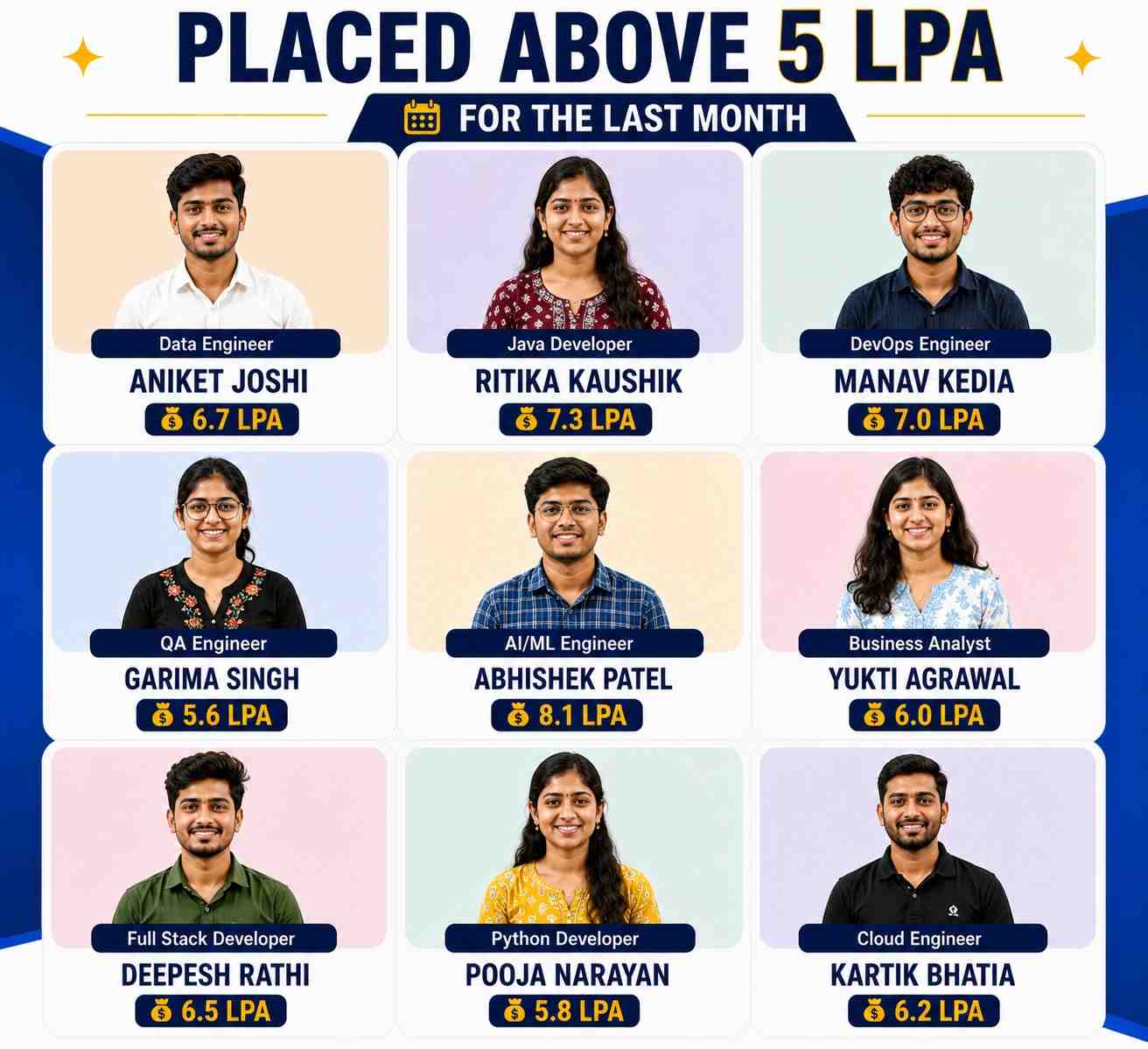
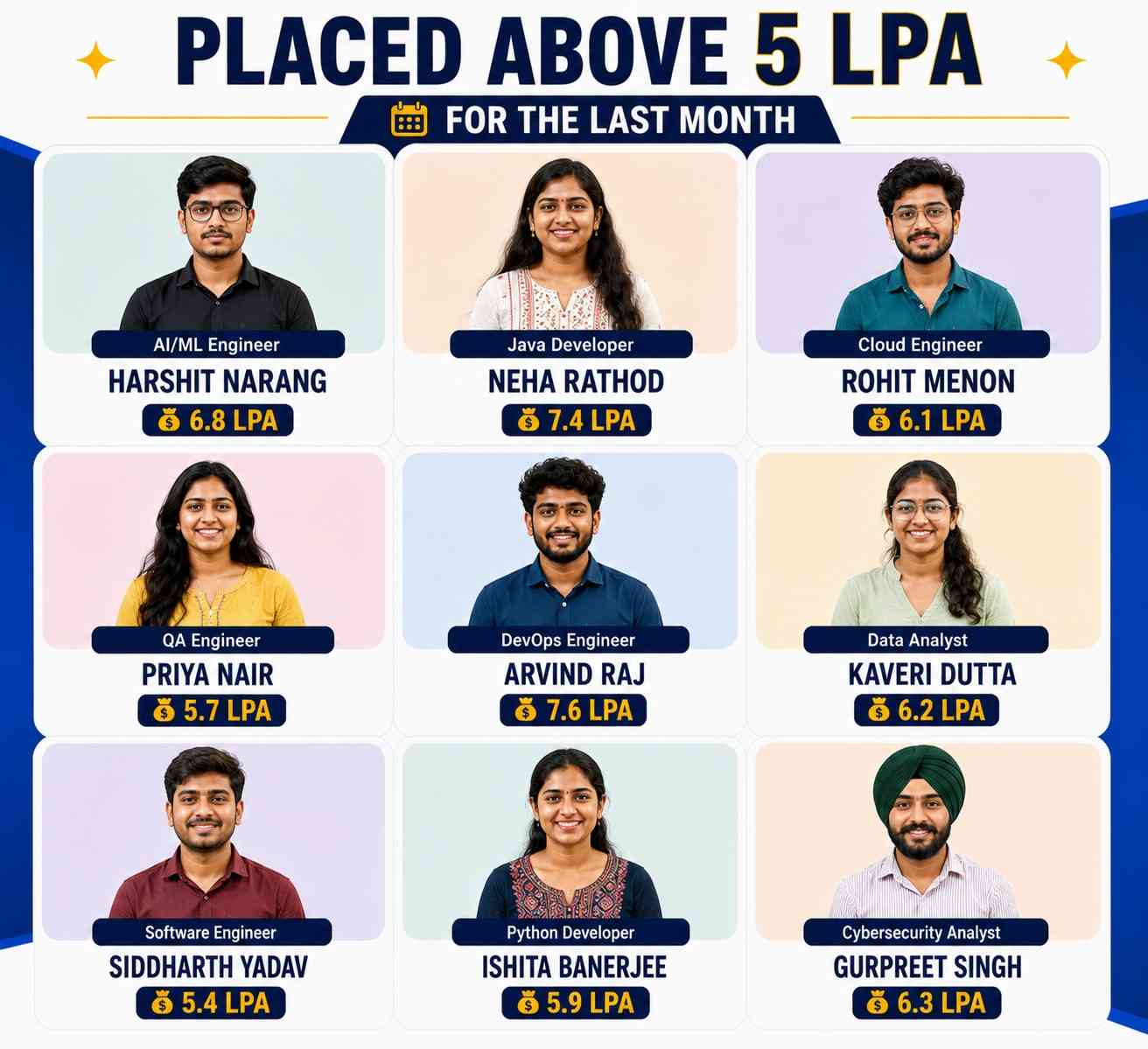
10251+

(Placed)
Freshers To IT

5212+

(Placed)
NON-IT To IT

7428+

(Placed)
Career Gap

4192+

(Placed)
Less Then 60%

Our Hiring Partners

Overview of PMP Course

Our PMP Course in BTM Layout is designed for freshers to learn project management easily. You will get practical exposure through PMP Internships and real-time case studies. The course covers all essential topics from the PMBOK Guide to help you succeed in your PMP Certification Course. We also provide guidance for interviews and career growth with PMP Placement support. You will learn important skills like planning, scheduling, risk management, and team management. By the end of the PMP Training in BTM Layout, you will be ready to earn your PMP certification and start a career in project management confidently.

What You'll Learn From PMP Certification Training

Master the core concepts of project management, including process groups, knowledge areas, and PMBOK principles.

Gain hands-on experience with real-time projects and PMP Course in BTM Layout case studies to apply learning practically.

Learn effective planning, scheduling, risk management, and resource allocation for successful project execution.

Understand agile and traditional project management methodologies for diverse industry applications.

Develop leadership, team management, and decision-making skills to handle real-world project challenges.

Prepare for the PMP Certification and get guidance for career growth, interview readiness, and placement opportunities.

Additional Info

Course Highlights

  • Master Project Management Skills by learning PMP fundamentals, process groups, knowledge areas, risk management, and real-time project execution.
  • Get dedicated career support with PMP Placement opportunities from top companies hiring certified project management professionals.
  • Join over 11,000 students trained and placed through our extensive network of 350+ hiring partners.
  • Learn from industry experts with over 10 years of experience in project management and PMP training.
  • Enjoy beginner-friendly lessons, practical case studies, and complete career guidance to support your learning journey.
  • Take advantage of flexible batches, affordable fees, and PMP Internships in BTM Layout, designed for freshers and professionals looking to upskill.
  • Boost your career with an industry-recognized PMP Certification Course that enhances your credibility and job prospects.

Benefits You Gain from an PMP Training

  • Career Growth : PMP certification opens doors to higher-level project management roles. It shows employers that you have the skills to manage projects successfully. Certified professionals are often preferred for promotions and leadership positions. It helps you stand out from other candidates in the job market. Overall, it boosts your career opportunities and earning potential.
  • Global Recognition : PMP is recognized worldwide as a standard for project management expertise. It demonstrates that you understand global best practices and standards. Employers across countries value PMP-certified professionals. It helps if you want to work in multinational companies or international projects. The certification adds credibility to your resume everywhere.
  • Better Salary : PMP-certified professionals usually earn higher salaries than non-certified peers. Companies value the expertise and reliability of PMP holders. It increases your chances of getting well-paid positions. Certified skills can also lead to performance bonuses and incentives. Overall, it is a great investment for long-term financial growth.
  • Improved Skills : PMP training teaches planning, scheduling, risk management, and team leadership. It enhances your ability to manage complex projects efficiently. You learn practical tools and techniques to solve real-world problems. The knowledge gained improves your decision-making and productivity. It helps you become a more effective and confident project manager.
  • Networking Opportunities : PMP certification connects you with a global community of project management professionals. You can join professional groups, forums, and events. Networking helps you learn from peers and gain career insights. It opens doors to mentorship and collaboration opportunities. This community support can help you grow professionally and personally.

Important Tools Covered in PMP Certification Course

  • Microsoft Project : Microsoft Project is a widely used project management tool for planning, scheduling, and tracking projects. It helps you create timelines, assign tasks, and monitor progress easily. You can visualize your project using Gantt charts and track deadlines efficiently. The tool also helps manage resources and budgets effectively. It is ideal for keeping projects organized and on schedule.
  • Trello : Trello is a simple, visual tool that uses boards and cards to manage tasks and projects. It allows teams to organize work, set deadlines, and track progress in one place. You can easily move tasks through different stages using drag-and-drop features. Trello also supports collaboration with team members and adds comments, attachments, and checklists. It’s beginner-friendly and great for small to medium projects.
  • Asana : Asana is a project management tool that helps teams plan, organize, and track work efficiently. You can create tasks, assign responsibilities, set priorities, and monitor project milestones. It also allows for collaboration through comments, files, and notifications. The tool helps in breaking large projects into smaller, manageable tasks. Asana is useful for improving team productivity and meeting deadlines.
  • JIRA : JIRA is mainly used for project tracking, especially in software development projects. It helps manage tasks, sprints, and project workflows in an agile environment. You can track issues, monitor progress, and generate reports for better decision-making. JIRA also supports collaboration between team members across different locations. It is widely used in IT and technology projects to improve efficiency.
  • Smartsheet : Smartsheet is a flexible platform for project planning, tracking, and reporting. It uses spreadsheets, calendars, and Gantt charts to visualize project tasks and timelines. You can manage resources, track budgets, and automate workflows easily. The tool also supports team collaboration with file sharing and discussion threads. It is suitable for both small and large projects in any industry.

Top Frameworks Every PMP Should Know

  • Waterfall Framework : The Waterfall framework is a traditional project management approach where tasks are completed in a sequential order. Each phase must be finished before the next one starts, like planning, execution, and closure. It works well for projects with clear requirements and minimal changes. It is easy to manage and track progress because everything is structured. Waterfall is widely used in construction, manufacturing, and other structured industries.
  • Agile Framework : Agile is a flexible framework that focuses on iterative development and continuous improvement. Projects are divided into small cycles called sprints, with frequent reviews and feedback. It allows teams to adapt quickly to changes in requirements. Agile emphasizes collaboration, communication, and delivering value to customers fast. This framework is popular in software development and dynamic business environments.
  • Scrum Framework : Scrum is a type of Agile framework that organizes work into small, manageable sprints. Teams hold daily stand-up meetings to discuss progress, challenges, and next steps. It includes defined roles like Scrum Master, Product Owner, and Development Team. Scrum encourages transparency, teamwork, and regular feedback. It helps deliver projects faster while maintaining high quality and adaptability.
  • Lean Framework : Lean framework focuses on eliminating waste and improving efficiency in project processes. It ensures that every activity adds value and reduces unnecessary costs or delays. Lean promotes continuous improvement through small, incremental changes. Teams using Lean prioritize resources and time effectively. It is widely used in manufacturing, product development, and service-based industries.
  • Kanban Framework : Kanban is a visual project management framework that uses boards and cards to track tasks and workflows. It helps teams see the status of each task at a glance and identify bottlenecks. Work is pulled into the system as capacity allows, promoting smooth flow and efficiency. Kanban encourages continuous delivery and collaboration without overloading the team. It is popular for both IT and non-IT projects.

Essential Skills You’ll Learn in a PMP Course

  • Project Planning Skills : In a PMP course, you learn how to plan projects effectively from start to finish. This includes defining goals, creating timelines, and allocating resources. You also learn to break complex projects into manageable tasks. Strong planning skills help ensure projects are completed on time and within budget. This skill is essential for organizing and executing successful projects.
  • Risk Management Skills : PMP training teaches you how to identify potential risks that could affect a project. You learn to analyze, prioritize, and create strategies to reduce or prevent these risks. This skill helps you handle uncertainties and challenges confidently. It ensures that projects run smoothly even when unexpected problems arise. Risk management is key to delivering projects successfully.
  • Leadership and Team Management Skills : You gain the ability to lead project teams, motivate members, and manage conflicts effectively. PMP training teaches techniques for clear communication and collaboration. You learn how to assign tasks based on strengths and ensure accountability. Strong leadership skills help keep the team focused on project goals. This skill is vital for managing people and achieving results.
  • Time and Resource Management Skills : A PMP course helps you manage both time and resources efficiently. You learn to create schedules, set priorities, and allocate materials or manpower wisely. This skill ensures that tasks are completed on time without wasting resources. It also helps in balancing multiple projects simultaneously. Effective time and resource management leads to higher productivity and success.
  • Problem-Solving and Decision-Making Skills : You develop the ability to analyze situations, identify problems, and make informed decisions quickly. PMP training teaches practical techniques to solve project challenges effectively. This skill helps in overcoming obstacles and keeping projects on track. It also improves your confidence in making important project-related choices. Strong problem-solving and decision-making are crucial for any project manager.

Key Roles and Responsibilities of PMP Profession

  • Project Manager : A Project Manager is responsible for planning, executing, and closing projects successfully. They create project schedules, assign tasks, and manage resources efficiently. Monitoring progress and ensuring deadlines are met is a key part of the role. They also communicate with stakeholders and manage expectations. The Project Manager ensures projects are delivered on time, within scope, and budget.
  • Risk Manager : A Risk Manager identifies potential risks that could impact a project and develops strategies to mitigate them. They analyze project processes to find vulnerabilities and prepare contingency plans. Continuous monitoring of risks throughout the project is essential. Collaboration with the team ensures that issues are addressed quickly. Effective risk management helps prevent project delays and failures.
  • Project Coordinator : A Project Coordinator supports the Project Manager in planning and organizing tasks. They track project progress, maintain documentation, and coordinate team activities. Communication between departments and reporting updates to stakeholders are key responsibilities. They help resolve minor issues that may arise during the project. This role ensures smooth daily operations and keeps the project on track.
  • Resource Manager : A Resource Manager ensures that the project has the right resources, including personnel, equipment, and materials. They allocate resources efficiently and track their utilization. Adjusting resources based on project needs and priorities is part of the responsibility. Coordination with team leads ensures that tasks are properly staffed. Proper resource management improves productivity and prevents delays.
  • Quality Manager : A Quality Manager monitors project deliverables to ensure they meet defined standards and requirements. They establish quality control processes and conduct regular inspections. Identifying defects and suggesting improvements is a key part of the role. Collaboration with teams ensures continuous improvement in processes. This role guarantees that the final output meets client and organizational expectations

Why PMP is the Smart Choice for Freshers

  • High Demand for Project Managers : Project management skills are highly valued across industries like IT, construction, healthcare, and finance. Companies prefer hiring certified professionals who can manage projects efficiently. The demand for skilled project managers continues to grow globally. This opens up numerous job opportunities for freshers. Learning PMP helps start a stable and promising career.
  • Better Salary Opportunities : PMP-certified professionals often earn higher salaries than non-certified peers. Certification demonstrates expertise and reliability to employers. Companies are willing to pay more for trained project managers. Freshers with PMP can negotiate better starting salaries. It makes the course a strong investment for long-term financial growth.
  • Strong Career Growth : PMP certification opens doors to leadership and management roles in projects. It helps in getting promotions faster and taking on bigger responsibilities. Freshers gain credibility and confidence in their project management abilities. This skill set allows for continuous career advancement. Over time, it positions professionals as experts in the field.
  • Global Recognition : PMP is recognized worldwide as a standard for project management excellence. Certified professionals can work in multinational companies or international projects. It shows understanding of global best practices and industry standards. This recognition increases job mobility across countries. Freshers gain a credential that adds credibility everywhere.
  • Practical Skills for Real Projects : PMP training focuses on planning, scheduling, risk management, and team leadership. Knowledge is applied through case studies and real-time project simulations. Freshers gain hands-on experience to handle real-world challenges. These skills make professionals job-ready immediately. It builds confidence in managing projects successfully from day one.

Landing Remote Jobs with PMP Skills

  • Strong Project Planning : PMP skills teach structured project planning and task management. This helps organize work clearly even while working remotely. Proper planning ensures deadlines are met and projects run smoothly. It also allows teams to coordinate effectively across different locations. Strong planning skills make remote work more efficient and reliable.
  • Effective Communication : PMP training emphasizes clear communication with team members and stakeholders. This skill is crucial for remote jobs where face-to-face interaction is limited. It ensures instructions, updates, and feedback are shared accurately. Good communication reduces misunderstandings and keeps projects on track. It builds trust and smooth collaboration in a remote environment.
  • Risk Management Abilities : PMP teaches how to identify and handle risks before they become problems. Remote projects often face unexpected challenges like delays or technical issues. Skills in risk management help anticipate and address these efficiently. It ensures that projects continue without major disruptions. Strong risk management makes remote professionals more dependable.
  • Time Management Skills : PMP training focuses on scheduling tasks and managing resources efficiently. Remote work requires self-discipline to meet deadlines without direct supervision. Proper time management ensures priorities are handled effectively. It helps maintain productivity while balancing multiple tasks. This skill is highly valued by employers hiring remote professionals.
  • Leadership and Collaboration : PMP skills build the ability to lead teams and manage collaboration effectively. Remote projects often require virtual teamwork and coordination across time zones. Leadership skills help motivate teams and resolve conflicts quickly. It ensures that all team members stay aligned and productive. Strong leadership enhances performance in remote project environments.

What to Expect in Your First PMP Job

  • Learning the Project Lifecycle : The first PMP job involves understanding how projects are planned, executed, monitored, and closed. Exposure to each phase helps build practical knowledge. Hands-on experience with real projects teaches how theory applies in the workplace. Observing processes improves decision-making and efficiency. This foundation is essential for handling larger projects in the future.
  • Collaboration with Teams : Working closely with project teams is a key part of the first PMP job. It involves coordinating tasks, communicating updates, and supporting colleagues. Teamwork helps in learning different roles and responsibilities. It also builds problem-solving and conflict-resolution skills. Collaboration prepares freshers to manage diverse teams in future projects.
  • Exposure to Project Management Tools : The first job introduces popular tools like Microsoft Project, Trello, or Asana. Using these tools helps track tasks, timelines, and resources effectively. It makes managing projects easier and more organized. Hands-on experience with tools builds confidence in handling real-world tasks. Familiarity with tools is highly valued by employers.
  • Handling Small to Medium Projects : Freshers often start with smaller projects or specific modules of larger projects. This helps gain practical experience without overwhelming responsibility. Managing smaller tasks teaches prioritization and time management. It also allows learning from mistakes in a controlled environment. Gradually, it prepares professionals for bigger, more complex projects.
  • Learning from Mentors and Seniors : Guidance from experienced project managers is a major part of the first PMP job. Mentors provide tips, feedback, and insights on handling challenges. Observing their strategies helps improve problem-solving and decision-making. Freshers gain confidence by learning best practices in real scenarios. Mentorship accelerates growth and career development.

Leading Companies are Hiring for PMP Professionals

  • Tata Consultancy Services (TCS) : TCS is one of India’s largest IT services and consulting companies with a global presence in many industries like banking, retail, and technology. It frequently hires PMP‑certified professionals for leading and managing complex client projects. Working here gives exposure to international clients and diverse project types. The company encourages continuous learning and career growth through certifications and training. This makes it a strong choice for PMP professionals looking to build their career.
  • Infosys : Infosys is a major global IT and consulting firm known for delivering large‑scale digital solutions. PMP professionals here manage large transformation and technology projects across cloud computing, automation, and enterprise solutions. The company values strong project planning and leadership skills to meet client goals. Staff gain experience handling real business challenges with agile and traditional project methods. It offers solid opportunities for growth and skill development.
  • Accenture India : Accenture is a global consulting and professional services company that hires PMP professionals for strategic project roles. It focuses on digital transformation, data, AI, and cloud projects. Project managers at Accenture get to work with international teams and cutting‑edge technologies. The company’s diverse client base provides varied experience in many industries. It’s ideal for those who want to grow in both business strategy and technology.
  • Wipro Ltd. : Wipro is a global IT services and business solutions provider that employs PMP‑certified professionals to lead digital and technology projects. The company works in areas like AI, cybersecurity, and analytics, giving project managers a chance to handle modern tech initiatives. It encourages certification and continuing education for its employees. Working here helps build strong project leadership and execution skills. Wipro also supports career advancement across various domains.
  • IBM India : IBM is a leading global technology and consulting company that hires PMP professionals to manage complex IT and business transformation projects. Project managers at IBM coordinate teams across cloud, data, security, and enterprise solutions. The company’s focus on innovation provides opportunities to work with new technologies. PMP holders gain exposure to best practices in project management at scale. IBM’s broad portfolio also supports long‑term career growth.
Show More

Upcoming Batches For Classroom and Online

Weekdays
02 - Feb - 2026
08:00 AM & 10:00 AM
Weekdays
04 - Feb - 2026
08:00 AM & 10:00 AM
Weekends
07 - Feb - 2026
(10:00 AM - 01:30 PM)
Weekends
08 - Feb - 2026
(09:00 AM - 02:00 PM)
Can't find a batch you were looking for?
INR ₹16500
INR ₹36000

OFF Expires in

Who Should Take a PMP Certification Course

IT Professionals

Non-IT Career Switchers

Fresh Graduates

Working Professionals

Diploma Holders

Professionals from Other Fields

Salary Hike

Graduates with Less Than 60%

Show More

Job Roles For PMP Course in Offline

Project Manager

Program Manager

Portfolio Manager

Project Coordinator

Project Scheduler

Project Planner

PMO Analyst

Project Analyst

Show More

Tools Covered For PMP Certification Training

Microsoft Project Smartsheet Wrike Asana Jira Monday.com Trello Primavera P6

What’s included ?

Convenient learning format

📊 Free Aptitude and Technical Skills Training

  • Learn basic maths and logical thinking to solve problems easily.
  • Understand simple coding and technical concepts step by step.
  • Get ready for exams and interviews with regular practice.
Dedicated career services

🛠️ Hands-On Projects

  • Work on real-time projects to apply what you learn.
  • Build mini apps and tools daily to enhance your coding skills.
  • Gain practical experience just like in real jobs.
Learn from the best

🧠 AI Powered Self Interview Practice Portal

  • Practice interview questions with instant AI feedback.
  • Improve your answers by speaking and reviewing them.
  • Build confidence with real-time mock interview sessions.
Learn from the best

🎯 Interview Preparation For Freshers

  • Practice company-based interview questions.
  • Take online assessment tests to crack interviews
  • Practice confidently with real-world interview and project-based questions.
Learn from the best

🧪 LMS Online Learning Platform

  • Explore expert trainer videos and documents to boost your learning.
  • Study anytime with on-demand videos and detailed documents.
  • Quickly find topics with organized learning materials.

PMP course Syllabus

  • 🏫 Classroom Training
  • 💻 Online Training
  • 🚫 No Pre Request (Any Vertical)
  • 🏭 Industrial Expert

Our PMP Training in BTM Layout provides a comprehensive curriculum for beginners and aspiring project management professionals. Learn essential PMP concepts, process groups, knowledge areas, risk management, and project execution strategies. Gain practical experience through PMP Internships in BTM Layout and real-time projects to strengthen your hands-on skills. The course also includes planning, scheduling, team management, and project documentation techniques. Dedicated placement support helps with resume building, interview preparation, and career guidance for a successful start in project management.

  • Introduction to PMP Concepts – Start with the fundamentals of PMP, including process groups, knowledge areas, project planning, risk management.
  • Advanced Project Management Techniques – Enhance your skills with advanced topics such as agile and waterfall methodologies, resource allocation, scheduling.
  • Hands-On Project Experience – Apply learning through real-time projects like project scheduling, risk analysis, and workflow optimization.
  • Tools and Software for PMP – Learn to use essential project management tools and software for planning, tracking, and reporting projects effectively.
Project Management Fundamentals
Project Integration Management
Scope Management and Tools
Time Management and Scheduling Tools
Cost Management and Estimation Techniques
Risk Management Tools and Techniques
Communication and Stakeholder Management

Understand the basic concepts and framework of project management:

  • Project Management Overview – Learn what project management is and why its important
  • Project Life Cycle – Explore phases like Initiation, Planning, Execution, Monitoring and Closure
  • Key Terms – Understand scope, schedule, cost, quality and risk basics
  • Roles and Responsibilities – Overview of a project manager duties

Learn how to coordinate all parts of a project smoothly:

  • Project Charter – How to create a formal project start document
  • Project Management Plan – Understand components and development techniques
  • Change Control Tools – Techniques to handle the project changes effectively
  • Integrated Change Control – Managing changes across different project areas

Master defining and controlling what work is included:

  • Collect Requirements – Techniques like interviews and surveys
  • Work Breakdown Structure (WBS) – Learn to break project into manageable parts
  • Scope Validation – Methods to confirm scope with stakeholders
  • Scope Control – Tools to manage scope changes

Learn to plan and track project timelines efficiently:

  • Activity Definition and Sequencing – Identify and order project tasks
  • Critical Path Method (CPM) – Technique to find project’s longest path
  • Gantt Charts – Visualize schedules and progress
  • Schedule Compression – Techniques like fast tracking and crashing

Understand budgeting and controlling project costs:

  • Cost Estimation – Methods like analogous, parametric and bottom-up
  • Budgeting Tools – Creating cost baselines
  • Earned Value Management (EVM) – Technique to measure project performance
  • Cost Control – Methods to keep expenses within budget

Learn to identify and handle risks effectively:

  • Risk Identification – Tools such brainstorming and SWOT analysis
  • Qualitative Risk Analysis – Prioritizing risks based on impact and likelihood
  • Quantitative Risk Analysis – Using numerical methods for risk assessment
  • Risk Response Planning – Strategies including mitigation, avoidance and acceptance

Master effective communication and stakeholder engagement:

  • Communication Models – Understand flow of information
  • Stakeholder Analysis – Identify and prioritize stakeholders
  • Communication Planning – Tools to decide how and when to communicate
  • Performance Analyzer – Optimize your report speed
  • Reporting Tools – Use of status reports, dashboards and meetings

🎁 Free Addon Programs

Aptitude, Spoken English.

🎯 Our Placement Activities

Daily Task, Soft Skills, Projects, Group Discussions, Resume Preparation, Mock Interview.

Gain Hands-on Experience With PMP Projects

Placement Support Overview

Today's Top Job Openings for PMP Professionals

Junior Project Coordinator

Company Code: AGT323

Bengaluru, Karnataka

₹25,000 – ₹40,000 per month

BBA / MBA

Exp 0–1 year

  • We are Seeking a Junior Project Coordinator to assist in planning and tracking IT projects. Should understand project lifecycle, scheduling tools like MS Project or Gantt charts. Strong communication and basic Excel knowledge required.
  • Easy Apply

    Assistant Project Manager

    Company Code: NBI412

    Bengaluru, Karnataka

    ₹30,000 – ₹45,000 per month

    B.E (Civil/Mech) / MBA (PM)

    Exp 0-1 year

  • Open positions available for Support project delivery for construction and infrastructure projects. Knowledge of WBS, critical path method (CPM) and MS Excel needed. Must assist with documentation and client coordination.
  • Easy Apply

    Project Scheduler (Entry Level)

    Company Code: SGS245

    Bengaluru, Karnataka

    ₹28,000 – ₹42,000 per month

    Any Degree

    Exp 0–1 year

  • We are Looking for a fresher with knowledge of project scheduling and MS Project. Will be responsible for maintaining project timelines and updating Gantt charts. Good analytical and time management skills required.
  • Easy Apply

    Project Analyst (Fresher)

    Company Code: QDX243

    Bengaluru, Karnataka

    ₹27,000 – ₹40,000 per month

    BCA / BBA / MBA

    Exp 0–1 year

  • In this role you will assist in analyzing project data, generating reports and tracking KPIs using Excel and basic dashboard tools. Understanding of risk management and stakeholder communication is a plus.
  • Easy Apply

    PMO Associate

    Company Code: IBT865

    Bengaluru, Karnataka

    ₹30,000 – ₹50,000 per month

    B.E / MBA (Operations / PM)

    Exp 0–1 year

  • Join as a Project Management Office (PMO) team to support documentation, schedule updates and performance tracking. Knowledge of PMP concepts, Excel and report generation required.
  • Easy Apply

    Project Support Executive

    Company Code: MHT978

    Bengaluru, Karnataka

    ₹25,000 – ₹38,000 per month

    Any Degree

    Exp 0–1 year

  • Opportunities are now open for Project Support Executive to support in planning and monitoring healthcare IT projects. Basic knowledge of scope management, communication plans and risk logs required. Strong coordination and MS Office skills needed.
  • Easy Apply

    Project Delivery Assistant

    Company Code: BWS180

    Bengaluru, Karnataka

    ₹28,000 – ₹45,000 per month

    BBA / MBA / B.Tech

    Exp 0-2 yr

  • We have a opening for project managers in delivery of software and consulting projects. Use task tracking tools like Trello or JIRA. Knowledge of Agile or Waterfall methodology is preferred.
  • Easy Apply

    Operations & Project Management

    Company Code: EMT768

    Bengaluru, Karnataka

    ₹26,000 – ₹40,000 per month

    B.E / BBA / MBA

    Exp 0–1 year

  • Now accepting applications for operations and project teams to track deliverables and prepare project reports. Should have basic understanding of cost estimation, scheduling and documentation tools like MS Excel.
  • Easy Apply

    Highlights for PMP Internships in BTM Layout

    Real Time Projects

    • 1. Gain hands-on experience by working on live PMP-based applications.
    • 2. Understand real-world problem-solving through scenarios.
    Book Session

    Skill Development Workshops

    • 1. Participate in focused sessions on trending technologies and tools.
    • 2. Learn directly from industry experts through guided practical exercises.
    Book Session

    Employee Welfare

    • 1. Enjoy benefits like health coverage, flexible hours, and wellness programs.
    • 2. Companies prioritize mental well-being and work-life balance for all employees.
    Book Session

    Mentorship & Peer Learning

    • 1. Learn under experienced mentors who guide your technical and career growth.
    • 2. Collaborate with peers to enhance learning through code reviews and group projects.
    Book Session

    Soft Skills & Career Readiness

    • 1. Improve communication, teamwork, and time management skills.
    • 2. Prepare for interviews and workplace dynamics with mock sessions and guidance.
    Book Session

    Certification

    • 1. Earn recognized credentials to validate your PMP skills.
    • 2. Boost your resume with course or project completion certificates from reputed platforms.
    Book Session

    Sample Resume for PMP (Fresher)

    • 1. Simple and Neat Resume Format

      – Use a clean layout with clear sections like summary, skills, education, and projects.

    • 2. List of Technologies You Know

      – Mention skills like Project Planning, Scope & Risk Management, Stakeholder Communication, WBS, CPM, Gantt Charts, MS Project.

    • 3. Real-Time Projects and Achievements

      – Add 1–2 real-time projects with a short description and the tools used.

    Top PMP Interview Questions and Answers (2026)

    Ans:

    Project management is the process of planning, organizing, and executing projects to achieve specific goals within a defined scope, timeline, and budget. It plays a vital role in organizational success by ensuring optimal use of resources, maintaining schedules, and fostering teamwork. Additionally, it supports quality control, risk mitigation, and effective stakeholder engagement, helping organizations deliver consistent results and achieve strategic objectives.

    Ans:

    Project initiation begins with defining the project’s purpose, scope, and objectives while identifying key stakeholders. This stage often includes conducting feasibility studies to assess viability and risks. Creating a project charter that documents goals, deliverables, budget, and timelines ensures clarity. Effective initiation aligns all stakeholders on the project vision and sets the foundation for smooth planning and execution.

    Ans:

    Changes in project scope are managed through a structured change management process. This involves evaluating the impact of the change on cost, schedule, and resources. Communicating the proposed adjustments to stakeholders, obtaining approval, and updating project plans ensures alignment. Following a formalized approach helps maintain control, prevents misunderstandings, and keeps the project on track.

    Ans:

    A Work Breakdown Structure divides the project into smaller, manageable components, making it easier to plan, assign resources, and track progress. It provides a clear visualization of all tasks and their dependencies, helping teams understand responsibilities. By breaking down complex projects, WBS improves monitoring, coordination, and overall efficiency, ensuring every element of the project is well-organized and accounted for.

    Ans:

    Risk management involves identifying potential issues, analyzing their likelihood and impact, and planning strategies to address them. Maintaining a risk register, prioritizing risks, and developing mitigation plans are key steps. Proactive management helps reduce the chances of disruptions, ensures smoother execution, and allows teams to respond quickly to unforeseen challenges, keeping the project on schedule and within scope.

    Ans:

    The Critical Path represents the longest sequence of dependent tasks required to complete a project. It determines the minimum time needed for project completion and identifies tasks that cannot be delayed without affecting the schedule. Focusing on the critical path helps prioritize essential activities, manage dependencies, and ensure that resources are allocated to tasks that directly impact timely delivery.

    Ans:

    Effective team communication requires regular updates, clearly defined expectations, and open channels for feedback. Using collaboration tools, scheduling consistent meetings, and documenting communication plans ensures everyone stays informed. Addressing individual communication preferences and resolving misunderstandings quickly helps maintain a cohesive, motivated, and productive team environment throughout the project.

    Ans:

    Project success is measured by evaluating whether goals and objectives are achieved within the planned budget and timeline. It also considers the quality of deliverables, stakeholder satisfaction, and the team’s ability to adapt to changes. Conducting post-project reviews and lessons-learned sessions ensures continuous improvement and helps refine processes for future projects.

    Ans:

    Leadership in project management involves guiding, motivating, and supporting the team to achieve project objectives efficiently. A project manager demonstrates strong leadership by resolving conflicts, making informed decisions, and fostering collaboration. Effective leadership ensures that the team remains focused, communicates well, and delivers high-quality results while adapting to challenges along the way.

    Ans:

    Waterfall and Agile are two distinct project management approaches. Waterfall follows a sequential, step-by-step process where each phase must be completed before the next begins. Agile, on the other hand, is iterative and flexible, allowing regular feedback, continuous improvements, and adaptation to changing requirements. Waterfall is suitable for projects with clearly defined objectives, while Agile works well in dynamic environments requiring frequent adjustments.

    Company-Specific Interview Questions from Top MNCs

    1. How would you define a Digital Transformation strategy for a client?

    Ans:

    Developing a digital transformation strategy begins by understanding the client’s business goals and identifying areas where technology can enhance efficiency and innovation. Current systems are assessed to recommend scalable solutions, and a strategic roadmap is designed to align with these objectives. Continuous engagement with stakeholders ensures the strategy remains relevant and consistently delivers value over time.

    2. What KPIs and metrics are monitored during a project?

    Ans:

    Projects are tracked using key performance indicators such as team output, customer satisfaction, adherence to budget, and schedule compliance. These metrics provide insights into project health and progress, allowing project managers to make informed decisions. Regular monitoring ensures that the project stays aligned with its goals and delivers successful outcomes.

    3. What common challenges arise during project execution?

    Ans:

    Challenges during project execution often include scope creep, limited resources, and changes in project requirements. These issues are addressed through clear communication with stakeholders, adjusting timelines or resources when necessary, and keeping the team focused on priority tasks. Proactive management helps maintain momentum and ensures objectives are achieved efficiently.

    4. What is the approach to risk management?

    Ans:

    Risk management involves identifying potential issues early, evaluating their probability and impact, and developing strategies to mitigate them. Continuous monitoring and open communication with stakeholders allow teams to address risks before they escalate. Proactive risk management helps reduce surprises and ensures smoother project execution.

    5. How is velocity calculated in Agile projects?

    Ans:

    Velocity in Agile is measured by totaling the story points completed in a sprint and dividing them by the sprint duration. This calculation provides insights into the team’s capacity and helps forecast workload for upcoming sprints. It ensures that the team is working at a sustainable pace while maintaining project progress.

    6. What does RAID mean in project management?

    Ans:

    RAID stands for Risks, Assumptions, Issues, and Dependencies. It is a structured framework to identify, track, and manage these critical elements. Maintaining a RAID log and updating it regularly allows timely monitoring, risk mitigation, and ensures that project obstacles are addressed promptly to avoid delays.

    7. What is the approach to stakeholder management?

    Ans:

    Stakeholder management starts with identifying all key stakeholders and understanding their expectations. Regular communication and transparent reporting build trust and alignment. Engaging stakeholders early and consistently ensures smooth project execution and enables quick resolution of concerns or conflicts.

    8. How are critical resources managed in a project?

    Ans:

    Critical resources are identified in advance, and their availability is ensured to prevent project delays. Regular status checks and contingency plans are implemented to handle shortages or conflicts. This approach guarantees uninterrupted workflow and efficient utilization of essential resources throughout the project.

    9. How are project costs controlled and escalations handled?

    Ans:

    Project costs are continuously monitored against the budget to detect deviations early. When cost or scope escalations occur, they are analyzed promptly, stakeholders are informed, and corrective actions are taken to realign the project with financial and scheduling objectives. Timely intervention ensures projects remain on track.

    10. How are personal challenges managed alongside professional responsibilities?

    Ans:

    Maintaining clear boundaries and practicing effective time management helps balance personal and professional commitments. Prioritizing tasks and planning work ensures personal issues do not impact productivity. This approach promotes sustained focus, efficiency, and well-being even during demanding periods.

    1. What is the product lifecycle?

    Ans:

    The product lifecycle describes the stages a product experiences from its initial idea to eventual withdrawal from the market. It begins with the introduction phase where the product is launched, followed by growth as sales and market presence expand. The maturity stage represents peak market penetration and steady sales, while the decline stage occurs when sales decrease due to competition or changing trends. Companies often use extension strategies to refresh the product and prolong its market relevance.

    2. How is a Go-To-Market (GTM) strategy developed?

    Ans:

    A Go-To-Market strategy starts with detailed market analysis to identify customer requirements and market gaps. Next, the product’s unique selling points are defined to position it effectively. Pricing strategies are developed to balance competitiveness and profitability, while promotional plans include marketing campaigns and sales initiatives. Finally, the right distribution channels are chosen to ensure the product reaches the target audience efficiently and generates maximum impact.

    3. What challenges are commonly faced during product launches?

    Ans:

    Product launches often face challenges like ensuring market readiness, coordinating multiple teams, and efficiently using limited resources. Aligning stakeholder expectations and communicating the product’s value effectively to customers can also be difficult. Proper planning, strong collaboration, and proactive communication are key to addressing these challenges and ensuring a smooth launch process.

    4. How are features prioritized in a product roadmap?

    Ans:

    Feature prioritization involves assessing factors like customer impact, potential business value, and technical feasibility. Features are evaluated to align with market trends and competitive demands, ensuring the product meets evolving customer needs. This approach allows product teams to focus on high-value functionality and deliver features that maximize user satisfaction and business outcomes.

    5. How is product feedback handled?

    Ans:

    Product feedback is gathered from customers, support teams, and sales representatives. Insights are analyzed to identify recurring patterns and actionable improvements. Decisions are made to implement changes based on their impact and feasibility, which are then integrated into the product development cycle. This continuous feedback loop helps enhance product quality and user experience.

    6. What is your experience with Agile methodologies?

    Ans:

    Agile emphasizes iterative development, adaptability, and continuous improvement. It encourages collaboration with stakeholders and users to gather feedback throughout the project lifecycle. Agile allows rapid delivery of working features and the flexibility to adjust to evolving requirements, making it effective for dynamic projects where priorities may shift frequently.

    7. How is product success measured?

    Ans:

    Product success is evaluated using metrics such as customer satisfaction, Net Promoter Score, adoption rates, and usage patterns. Business indicators like revenue growth, market share, and retention rates also reflect product performance. These metrics provide a holistic view of how well the product meets customer expectations and achieves business objectives.

    8. How are situations handled when a product underperforms?

    Ans:

    When a product does not meet expectations, teams conduct root cause analysis to identify contributing factors. Stakeholders and customers are consulted to gather feedback and insights. Based on this information, corrective actions are taken, which may include product enhancements or strategy adjustments. Transparent communication ensures all parties remain informed throughout the improvement process.

    9. How is collaboration managed with cross-functional teams?

    Ans:

    Collaboration across teams requires clear communication of objectives, roles, and timelines. Regular status updates and meetings help monitor progress and address obstacles promptly. Shared project management and documentation tools promote transparency, while respecting each team member’s expertise fosters a productive and cooperative work environment.

    10. Why choose a role as a Product Manager?

    Ans:

    The Product Manager role allows professionals to influence product direction and create innovative solutions across diverse markets. It provides opportunities for professional growth, skill development, and continuous learning. Working in a culture that values customer-centricity and integrity motivates a strong commitment to delivering high-quality, impactful products.

    1. How do you prioritize tasks when everything feels urgent?

    Ans:

    When multiple tasks appear equally urgent, it is important to evaluate each task’s impact on the project’s overall goals and deadlines. Assessing resource availability and consulting with stakeholders helps determine which tasks should take priority. This method ensures critical work is completed on time without compromising quality or creating bottlenecks in the workflow.

    2. Describe a time you took a calculated risk in a project.

    Ans:

    A calculated risk was taken by recommending the use of a new tool that had the potential to improve project efficiency. After thorough analysis of possible challenges and benefits, the proposal was presented to stakeholders for approval. Successful adoption of the tool enhanced team performance and encouraged innovative approaches for future projects.

    3. How do you handle conflicts within your project team?

    Ans:

    Conflicts are managed by fostering transparent and respectful communication, allowing team members to express their perspectives openly. Guided discussions focused on shared objectives help resolve disagreements constructively. This approach promotes team cohesion, ensures alignment with project goals, and maintains a positive work environment.

    4. Describe a situation where you had to make a decision without complete information.

    Ans:

    When full information is unavailable, decisions are based on available data, expert advice, and previous experience. This allows balanced judgment while moving the project forward. Contingency plans and continuous monitoring ensure that any gaps in knowledge can be addressed in future decision-making steps.

    5. How do you ensure your projects meet customer requirements?

    Ans:

    Ensuring alignment with customer needs requires ongoing communication with stakeholders to understand expectations clearly. Their feedback is incorporated into planning and execution phases to deliver results that provide real value. Regular validation throughout the project helps guarantee that outcomes meet or exceed customer requirements.

    6. Describe a time you had to adapt to major changes during a project.

    Ans:

    When significant changes occur, the project plan is reassessed, and resources are reallocated as needed. Clear communication with the team about updates ensures everyone remains informed and focused. This flexibility allows the project to continue progressing effectively while accommodating evolving circumstances.

    7. How do you manage project risks?

    Ans:

    Risk management starts with early identification of potential challenges and careful evaluation of their impact. Mitigation plans are developed and implemented, and continuous monitoring ensures issues are addressed proactively. This systematic approach minimizes negative effects and keeps the project on track for success.

    8. How did you handle a project under tight deadlines?

    Ans:

    Managing a project with strict timelines involves streamlining processes, assigning tasks efficiently, and maintaining open communication with the team. Prioritizing collaboration and effective time management ensures that high-quality results are delivered within the required timeframe without compromising project objectives.

    9. How do you respond to stakeholder feedback?

    Ans:

    Stakeholder feedback is treated as an essential input for improving project outcomes. Engaging with stakeholders to understand concerns thoroughly enables informed adjustments to the project. This approach strengthens the relationship with stakeholders while enhancing the overall quality and success of the project.

    10. Why do you want to work as a Project Manager?

    Ans:

    The Project Manager role offers the opportunity to lead impactful projects and drive innovation while collaborating with diverse teams. It aligns with a passion for problem-solving and continuous improvement, providing a career path that supports professional growth and allows meaningful contributions to organizational success.

    1. How are features prioritized in a product roadmap?

    Ans:

    Features are prioritized based on their potential business impact, technical feasibility, and value to customers. Frameworks like RICE (Reach, Impact, Confidence, Effort) and MoSCoW (Must, Should, Could, Won’t) help structure decision-making. Regular stakeholder reviews ensure that the roadmap aligns with market trends and overall organizational goals, keeping the product focused on delivering maximum value.

    2. Can you describe a challenging project you managed and how obstacles were overcome?

    Ans:

    In a particularly complex project, unforeseen technical issues caused delays. To address this, daily check-ins were conducted to quickly identify blockers and resources were reassigned to critical tasks. This proactive and collaborative approach allowed the team to meet deadlines while maintaining product quality and keeping stakeholders informed and confident in progress.

    3. How is effective communication maintained among cross-functional teams?

    Ans:

    Communication is maintained through clear channels, including regular team meetings and collaborative platforms like Slack or Trello. Up-to-date project documentation is shared with all team members to ensure alignment and transparency. This approach fosters collaboration, reduces misunderstandings, and strengthens overall team cohesion while keeping everyone informed.

    4. What metrics are tracked to measure product success?

    Ans:

    Product success is measured using metrics such as customer satisfaction scores (CSAT), Net Promoter Score (NPS), user engagement statistics, and revenue growth. These indicators show how well the product meets customer needs and highlight areas for improvement. Continuous evaluation ensures that the product remains aligned with business objectives and market expectations.

    5. How are conflicting stakeholder requirements handled?

    Ans:

    Conflicting stakeholder needs are resolved by listening carefully and understanding each party’s core concerns. Transparent discussions and documentation of agreements help clarify priorities. When required, compromises or phased rollouts are implemented to balance differing expectations, ensuring that all stakeholders remain aligned while moving the project forward efficiently.

    6. Can you share an experience where a product strategy had to pivot?

    Ans:

    After receiving market feedback indicating that the original plan was not meeting expectations, a thorough review was conducted using data analysis and stakeholder input. A revised strategy was then developed and clearly communicated to the team. This pivot allowed the product to adapt to changing customer needs while maintaining relevance and value in the market.

    7. How is staying updated with industry trends approached?

    Ans:

    Staying current involves participating in professional communities, attending webinars, reading industry publications, and following thought leaders in the field. Continuous learning through certifications, courses, and online forums ensures knowledge of emerging technologies, market shifts, and best practices, which strengthens decision-making and product strategy.

    8. How is user feedback incorporated into product development?

    Ans:

    User feedback is collected through surveys, interviews, and usability testing to identify pain points and areas for improvement. The data is analyzed to make informed decisions about feature updates or enhancements. Incorporating this feedback helps ensure the product remains user-focused and continues to deliver high levels of satisfaction.

    9. What steps are taken to manage product launches?

    Ans:

    Successful launches require detailed planning and coordination across multiple teams. A comprehensive launch plan is created with clear timelines, responsibilities, and contingency measures to mitigate risks. Post-launch reviews assess performance and identify lessons learned, helping refine processes and improve future product releases.

    10. What motivates interest in this product management role?

    Ans:

    This role offers the chance to work on innovative solutions that solve real-world problems while enabling both personal and professional growth. It allows collaboration with diverse teams and the opportunity to make meaningful contributions to high-impact projects. The combination of creativity, accountability, and teamwork makes this position highly appealing.

    1. How are requirements gathered and prioritized from stakeholders?

    Ans:

    Requirements are collected through techniques like stakeholder interviews, surveys, workshops, observation, and reviewing existing documentation. Prioritization considers factors such as business value, urgency, feasibility, and overall impact on the project. Frameworks like MoSCoW or weighted scoring are often used to make the prioritization process systematic, transparent, and aligned with organizational goals.

    2. What distinguishes business requirements from functional requirements?

    Ans:

    Business requirements define the high-level objectives or goals an organization aims to achieve. Functional requirements, on the other hand, describe the specific features, behaviors, or actions a system must perform to meet those business objectives. Together, they ensure that the strategic vision is clearly linked to practical, implementable solutions.

    3. What is a Use Case and why is it important in requirements gathering?

    Ans:

    A Use Case is a detailed scenario that illustrates how users interact with a system to accomplish a particular task. It helps validate functional requirements and provides clarity on user-system interactions. By using Use Cases, teams can better understand what needs to be built to meet user expectations and avoid misunderstandings during development.

    4. How are conflicting requirements from different stakeholders managed?

    Ans:

    Conflicting requirements are addressed by facilitating open and constructive discussions to uncover the underlying reasons for disagreements. Active listening and empathy help identify shared objectives, and compromises or phased solutions are negotiated to ensure alignment with the project’s overall goals. This approach keeps stakeholders engaged while maintaining project focus.

    5. What is Gap Analysis and how is it conducted?

    Ans:

    Gap Analysis identifies the difference between the current state of a process, system, or business and its desired future state. It involves examining existing workflows, pinpointing deficiencies, and outlining actionable steps to close these gaps. Solutions often include process enhancements, technology upgrades, or restructuring initiatives to achieve the intended outcomes.

    6. How is the quality of business requirements ensured?

    Ans:

    High-quality requirements are ensured through thorough reviews with stakeholders and adherence to best practices. Each requirement is validated for clarity, specificity, measurability, feasibility, and alignment with project objectives. This reduces ambiguity, prevents misinterpretation, and ensures that requirements effectively guide project execution.

    7. What is User Acceptance Testing (UAT) and what role does it play?

    Ans:

    User Acceptance Testing is the phase where end users verify that a system meets their needs and is ready for deployment. It simulates real-world scenarios to identify issues, discrepancies, or missing functionality before release. UAT ensures that the delivered solution meets business expectations and provides the intended value to users.

    8. Which tools are commonly used for business analysis and why?

    Ans:

    Common business analysis tools include JIRA for tracking requirements and tasks, MS Visio for flowcharts and process diagrams, SQL for querying and analyzing data, and Tableau for visualization and reporting. These tools enhance communication, increase efficiency, and help teams make informed, data-driven decisions throughout the project lifecycle.

    9. How is scope creep handled during a project?

    Ans:

    Scope creep is controlled by clearly defining and documenting the project scope at the outset. Any additional requests are continuously monitored to evaluate their impact on timelines, budgets, and resources. Required changes are managed through a formal change control process, ensuring project stability and alignment with initial objectives.

    10. Can you provide an example of improving a business process?

    Ans:

    In a recent project, inefficiencies were identified in the customer support workflow. By analyzing the process and implementing automation tools, response times were reduced by 30%. This improvement led to fewer escalations, faster resolutions, and increased overall customer satisfaction, demonstrating measurable value from process enhancements.


    Disclaimer Note:

    The details mentioned here are for supportive purposes only. There are no tie-ups or links with the corresponding PGs.

    Ladies PG Accommodation

      Electronic City
    • 7 Hills PG for Ladies : 79752 78904
    • Sanjeeva PG for Ladies : 94937 94737
    • BTM Layout
    • GRACE Ladies Paying Guest : 99029 46624
    • The princess Luxury pg for ladies : 85534 06098
    • Marathahalli
    • Amaravate ladies pg : 81234 23355
    • Royal Luxury PG for Ladies : 97402 91555
    • Rajaji Nagar
    • Shree Kalika P.G For Ladies : 74061 02629
    • N M Ladies PG : 91084 46056
    • Jaya Nagar
    • Shreeniketana Luxurious Ladies P.G : 96202 49962
    • Aashirwad ladies pg : 77600 55115

    Mens PG Accommodation

      Electronic City
    • SRI SAI BALAJI PG : 77608 88889
    • VSL PG FOR GENTS : 93536 53275
    • BTM Layout
    • Atithi executive Pg for Gents : 97393 07626
    • Fine Stay PG for Gents : 74111 13997
    • Marathahalli
    • Sri Vasavi Kanyaka Pg : 90667 40874
    • GVS PG FOR GENTS : 88805 82244
    • Rajaji Nagar
    • Sri Guru P.G For Men : 70197 67606
    • Sri Siddaganga mens Pg : 99456 41316
    • Jaya Nagar
    • Sri Manjunatheshwara Men's Luxury PG : 93804 14376
    • Sri Lakshmi pg for men's : 91582 44933

    Top PMP Job Opportunities for Freshers

    • 1. PMP Jobs at Startups and IT Companies
    • 2. Campus Placements and IT Service Jobs
    • 3. Internship-to-Job Programs
    • 4. Apply Through Job Portals
    • 5. Skills That Help You Get Hired

    Getting Started With PMP Course in BTM Layout

    No Coding
    8 Lakhs+ CTC
    No Work Pressure
    WFH Jobs (Remote)

    Why PMP is the Ultimate Career Choice

    High Demand

    Companies prefer multi-skilled professionals who can handle entire project cycles.

    Global Opportunities

    Open doors to remote and international job markets.

    High Salary

    Enjoy competitive salaries and rapid career advancement.

    Flexible Career Path

    Explore roles such as developer, architect, freelancer, or entrepreneur.

    Future-Proof Career

    Stay relevant with skills that are consistently in demand in the evolving tech landscape.

    Versatility Across Industries

    Work in various domains like e-commerce, healthcare, finance, and more.

    Career Support

    Placement Assistance

    Exclusive access to ACTE Job portal

    Mock Interview Preparation

    1 on 1 Career Mentoring Sessions

    Career Oriented Sessions

    Resume & LinkedIn Profile Building

    Get Advanced PMP Certification

    You'll receive a certificate proving your industry readiness.Just complete your projects and pass the pre-placement assessment.This certification validates your skills and prepares you for real-world roles.

    Some of the popular PMP-related certifications you can pursue include:

    • Project Management Professional (PMP)
    • Certified Associate in Project Management (CAPM)
    • PMI Agile Certified Practitioner (PMI-ACP)
    • Program Management Professional (PgMP)
    • PMI Risk Management Professional (PMI-RMP)

    We provide dedicated placement support along with the PMP certification, which helps secure employment opportunities and boosts career growth. The PMP certificate validates your project management skills, enhances professional success, provides industry recognition, and significantly increases your chances of landing a role in top companies.

    The duration varies depending on experience and study habits. Beginners or newcomers to project management generally require about 3 to 6 months of consistent preparation. Experienced professionals familiar with project management concepts can often complete their preparation in 1 to 2 months. Regular study, practice exams, and a structured learning plan are essential for timely success.

    Key benefits of obtaining a PMP certification include:

    • Demonstrates project management expertise and practical skills to employers.
    • Opens up wider career opportunities across different industries and sectors.
    • Supports higher salary prospects and faster career advancement.
    • Strengthens professional reputation and credibility within the industry.
    • Provides in-depth knowledge of project management standards, principles, and best practices.

    Successful strategies for PMP exam preparation include:

    • Thoroughly reviewing the official PMP exam syllabus and content outline.
    • Practicing with mock tests and sample questions on a regular basis.
    • Gaining a solid understanding of key project management processes, formulas, and techniques.
    • Participating in PMP training courses or study groups for expert guidance and mentorship.
    • Taking timed practice exams to assess readiness and improve time management during the actual test.

    Complete Your Course

    A Downloadable Certificate in PDF Format, Immediately Available to You When You Complete Your Course.

    Get Certified

    A Physical Version of Your Officially Branded and Security-Marked Certificate.

    Get Certified

    Lowest PMP Course Fees in BTM Layout

    Affordable, Quality Training for Freshers to Launch IT Careers & Land Top Placements.

    Call Course Advisor

    How is ACTE's PMP Course in BTM Layout Different?

    Feature

    ACTE Technologies

    Other Institutes

    Affordable Fees

    Competitive Pricing With Flexible Payment Options.

    Higher PMP Fees With Limited Payment Options.

    Industry Experts

    Well Experienced Trainer From a Relevant Field With Practical PMP Training

    Theoretical Class With Limited Practical

    Updated Syllabus

    Updated and Industry-relevant PMP Course Curriculum With Hands-on Learning.

    Outdated Curriculum With Limited Practical Training.

    Hands-on projects

    Real-world PMP Projects With Live Case Studies and Collaboration With Companies.

    Basic Projects With Limited Real-world Application.

    Certification

    Industry-recognized PMP Certifications With Global Validity.

    Basic PMP Certifications With Limited Recognition.

    Placement Support

    Strong Placement Support With Tie-ups With Top Companies and Mock Interviews.

    Basic Placement Support

    Industry Partnerships

    Strong Ties With Top Tech Companies for Internships and Placements

    No Partnerships, Limited Opportunities

    Batch Size

    Small Batch Sizes for Personalized Attention.

    Large Batch Sizes With Limited Individual Focus.

    LMS Features

    Lifetime Access Course video Materials in LMS, Online Interview Practice, upload resumes in Placement Portal.

    No LMS Features or Perks.

    Training Support

    Dedicated Mentors, 24/7 Doubt Resolution, and Personalized Guidance.

    Limited Mentor Support and No After-hours Assistance.

    PMP Course FAQs

    1. What qualifications are needed to start a career as a PMP professional?

    To begin a career in project management, learners should have basic computer knowledge, analytical thinking, and problem-solving abilities. A strong interest in project planning, team coordination, and effective communication helps in grasping PMP concepts quickly. While prior experience in management or projects is helpful, the course is structured to take learners from foundational knowledge to advanced methodologies and real-world project handling.
    PMP-certified professionals are highly sought after across industries including IT, finance, healthcare, manufacturing, and consulting. Organizations depend on PMP experts to manage projects efficiently, ensure timely delivery, mitigate risks, and coordinate teams. This growing demand translates into excellent career opportunities, competitive salaries, and faster professional growth for certified individuals.
    The course covers core PMP concepts, project life cycle, process groups, knowledge areas, risk management, scheduling, cost and quality management, and stakeholder engagement. Participants also learn practical techniques using tools like MS Project, Primavera, and JIRA. Training balances theoretical knowledge with hands-on case studies, templates, and real-time project simulations.
    Yes, practical exercises are a key part of the program. Learners participate in simulated project planning, risk assessments, schedule creation, resource allocation, and project tracking exercises. These activities strengthen problem-solving, decision-making, and real-world project handling skills, preparing learners to confidently manage live projects.
    Absolutely. PMP training programs offer resume guidance, interview preparation, and assistance in showcasing projects and certifications to potential employers. Dedicated placement support improves employability, helps candidates stand out during recruitment, and increases the likelihood of securing project management roles in top organizations.
    Anyone interested in project management can join the course, including students, recent graduates, working professionals, or individuals from non-technical fields. The curriculum begins with foundational project management concepts and gradually advances to complex topics, making it accessible for beginners as well as professionals.
    No formal academic degree is required to start a PMP career. Success depends on understanding project management principles, completing the certification, and applying learned techniques. Many professionals enter project management roles through structured training and practical experience without holding an IT or management degree.
    Basic computer skills, logical reasoning, communication, and analytical thinking are sufficient. Curiosity about projects, attention to detail, and problem-solving abilities help learners quickly adapt to PMP methodologies and efficiently manage projects using standard frameworks and tools.
    Not at all. The training is designed to gradually introduce process groups, knowledge areas, project planning, and execution techniques. Beginners gain confidence in scheduling, monitoring, risk management, and stakeholder communication, enabling them to manage projects effectively.

    1. What kind of placement assistance is provided after PMP training?

    Placement support includes resume optimization, mock interviews, guidance for project portfolios, and referrals to companies hiring project management professionals. Institutes assist learners in connecting with top organizations, enabling a smooth transition into project management roles.

    2. Are hands-on projects included to boost employability?

    Yes. Learners work on real-world project simulations, risk mitigation exercises, schedule creation, resource allocation, and project tracking tasks. These projects enhance resumes and give learners confidence to discuss practical experience during interviews.

    3. Can graduates apply to top companies after completing PMP training?

    Absolutely. PMP-certified professionals with hands-on experience can apply to leading IT firms, MNCs, consulting companies, and other industries. Organizations value candidates capable of managing projects efficiently, ensuring timely delivery, and mitigating risks, making trained learners highly employable.

    4. Is placement support available for learners with no prior experience?

    Yes. Programs are designed to help beginners develop practical skills, gain confidence, and build professional resumes. Even without prior project management experience, learners can prepare effectively for entry-level project management roles.
    Yes. Participants are awarded a certificate upon successful completion of the program, validating their understanding of project management principles. This certificate serves as a foundation toward internationally recognized certifications like PMP, CAPM, and PMI-ACP.
    Definitely. PMP training opens access to lucrative career paths due to high demand for certified professionals. Certified individuals benefit from better salaries, career stability, opportunities in global organizations, and the ability to lead projects across diverse industries.
    No strict prerequisites are required. A basic understanding of computers and logical thinking is sufficient. Courses are suitable for beginners as well as professionals seeking to enhance their knowledge of project management frameworks and methodologies.
    Earning a PMP certification demonstrates expertise in project planning, execution, risk management, and team coordination. It increases employability, enhances earning potential, and opens doors to roles like Project Manager, Program Manager, or Portfolio Manager, supporting long-term career growth.
    Participants develop practical skills in scheduling, risk mitigation, stakeholder communication, resource management, and project execution. They gain proficiency with project management tools, hands-on experience with case studies, and confidence to manage complex projects successfully.

    1. Is job placement support included after training?

    Yes. Most PMP programs provide placement assistance including resume building, mock interviews, portfolio guidance, and access to partner companies, offering genuine employment opportunities.
    Fees depend on course content, teaching methodology, learning resources, and additional services like career support and hands-on projects. Programs offering extensive practical training, industry tools, and mentorship may cost slightly more.
    Yes. Many institutes offer cost-effective courses with flexible payment plans, EMIs, and discounts. Considering the career growth, salary benefits, and placement opportunities, PMP training provides excellent return on investment.
    In many cases, institutes maintain uniform pricing across cities and online classes to ensure equal access to quality training. However, some differences may exist based on in-person facility costs or added regionaYes. Course fees are generally standardized across major cities such as Bangalore, Chennai, and Hyderabad, ensuring learners receive consistent training quality and support regardless of location. l services.
    Learn PMP along with Jira, Trello, Confluence, Miro, Slack, Azure DevOps, and Rally for just ₹16,500/-
    Acte Technologies WhatsApp

    PMP Training for All Graduates, NON-IT, Diploma & Career Gaps — Starting From ₹16,500/- only.

    Download Brouchure