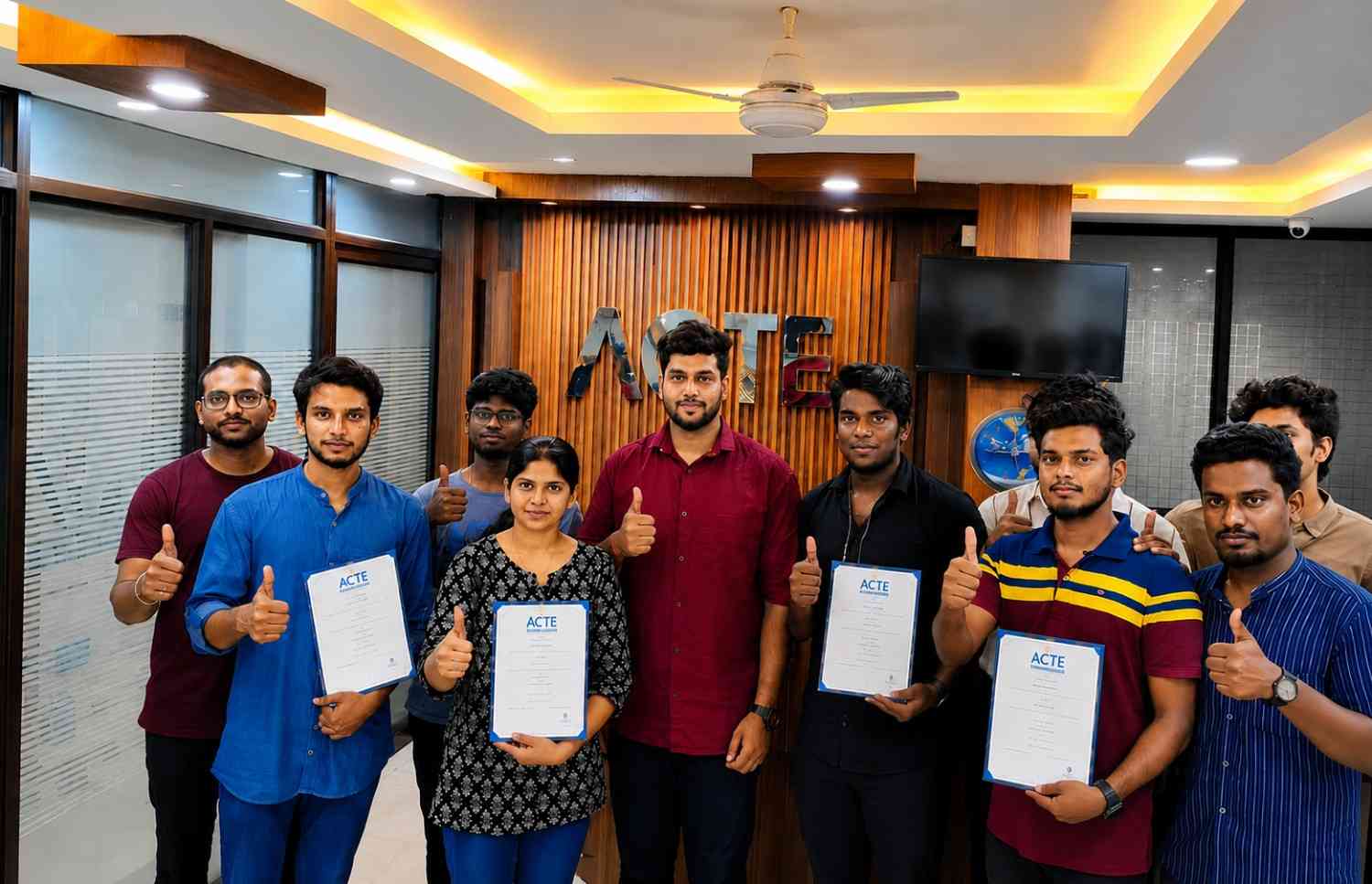
Overview of Cloud Computing Training in Noida
Our Cloud Computing training in Noida is designed to provide learners with a strong understanding of cloud technologies, infrastructure, services, and modern deployment practices through a structured and practical learning approach. The course introduces you to essential concepts such as cloud computing fundamentals, virtualization, networking, storage, databases, security, resource management, monitoring, automation, and application deployment. You will understand how organizations use cloud platforms to build scalable, flexible, secure, and cost-effective IT environments for modern business requirements. The training covers major cloud service models, deployment models, cloud architecture, virtual machines, storage solutions, networking components, identity and access management, cloud security, backup, monitoring, and resource optimization. Learners also gain an understanding of containerization, DevOps practices, infrastructure automation, cloud-native applications, and continuous deployment concepts. Practical demonstrations, guided exercises, assignments, and real-world scenarios help participants connect theoretical concepts with actual cloud implementation requirements. Cloud Computing training in Noida also emphasizes hands-on learning through practical projects and industry-oriented use cases. Participants get opportunities to configure cloud resources, deploy applications, manage virtual infrastructure, create secure networks, work with storage services, monitor cloud environments, and troubleshoot common technical challenges.
Additional Information
Key Roles and Responsibilities of Cloud Computing Professionals
- Cloud Engineer : Designs and manages cloud infrastructure, monitors resources, resolves issues, improves performance, and ensures reliable cloud operations.
- Cloud Consultant : Advises businesses on cloud adoption, migration, and optimization while recommending suitable solutions based on technical and business requirements.
- Cloud Developer : Develops cloud-based applications and integrates services, APIs, databases, and scalable components to support modern application requirements.
- Cloud Architect : Designs secure and scalable cloud solutions, selects suitable technologies, plans architecture, and ensures systems meet business requirements.
- Cloud Administrator : Manages cloud resources, user access, configurations, monitoring, and daily operations while maintaining security, availability, and performance.
- Cloud Security Specialist : Protects cloud systems and data by implementing access controls, security policies, monitoring, compliance, and risk management practices.
- DevOps Engineer : Automates cloud deployments, manages CI/CD pipelines, and improves application delivery, scalability, reliability, and operational efficiency.
Popular Tools Taught in Cloud Computing Training in Noida
- Cloud Management Console : Helps create, configure, monitor, and manage cloud resources while providing centralized control over infrastructure and service deployments.
- Linux and Command Line : Supports cloud administration through commands for server configuration, file management, resource monitoring, and infrastructure troubleshooting.
- Git : Provides version control for cloud projects and helps developers track changes, manage branches, maintain code versions, and collaborate efficiently.
- Docker : Packages applications into portable containers, simplifying deployment, improving consistency, and supporting efficient cloud-native application development.
- Kubernetes : Manages containerized applications by automating deployment, scaling, networking, availability, and efficient resource management across cloud environments.
- Monitoring Tools : Track cloud resources, application performance, system health, and metrics while supporting alerts, troubleshooting, and infrastructure optimization.
Essential Skills You’ll Learn in Cloud Computing Training Institute in Noida
- Cloud Fundamentals : Understand core cloud computing concepts, service models, deployment models, and infrastructure components. Gain clarity on how modern cloud environments operate.
- Cloud Infrastructure : Learn to configure and manage virtual machines, networks, storage, and computing resources. Understand best practices for scalable infrastructure deployment.
- Resource Management : Gain skills to organize, configure, monitor, and optimize cloud resources. Learn how to improve availability, performance, and efficient resource utilization.
- Cloud Security : Develop knowledge of identity management, access controls, network security, data protection, and monitoring. Understand methods for maintaining secure cloud environments.
- Deployment Skills : Learn to deploy applications and services across cloud environments. Gain practical experience with automation, configuration, containerization, and scalable application delivery.
- Analytical Thinking : Improve your ability to monitor systems, identify performance issues, and analyze cloud-related problems. Learn to evaluate resources and implement effective improvements.
- Problem-Solving : Build the ability to handle real-world cloud infrastructure challenges effectively. Gain confidence in troubleshooting deployment, connectivity, configuration, and performance issues.
- Communication Skills : Strengthen documentation and collaboration skills when working with technical teams and stakeholders. Learn to explain cloud solutions and technical requirements clearly.
Future Scope of Cloud Computing Certification Course
- High Demand Across Industries : Cloud professionals are needed across IT, finance, healthcare, retail, and other sectors as businesses adopt digital transformation and cloud solutions.
- Career Growth Opportunities : Professionals can advance into roles such as Senior Cloud Engineer, Cloud Architect, DevOps Lead, or Cloud Consultant with greater responsibilities.
- Growing Cloud Adoption : Businesses are moving applications, data, and infrastructure to cloud platforms, creating demand for professionals skilled in scalable and secure cloud solutions.
- Global Career Opportunities : Cloud expertise opens opportunities with multinational companies and international projects, allowing professionals to work across diverse technology environments.
- Cloud-Native Technologies : Growing adoption of containers, microservices, automation, and serverless platforms is increasing demand for professionals with modern cloud skills.
- Continuous Learning and Advancement : Learning new cloud platforms, automation tools, security methods, and architecture practices helps professionals maintain relevant skills and career growth.
- Diverse Career Paths : Cloud professionals can explore careers in engineering, administration, development, security, DevOps, architecture, consulting, and infrastructure management.
Show More

 LMS
LMS