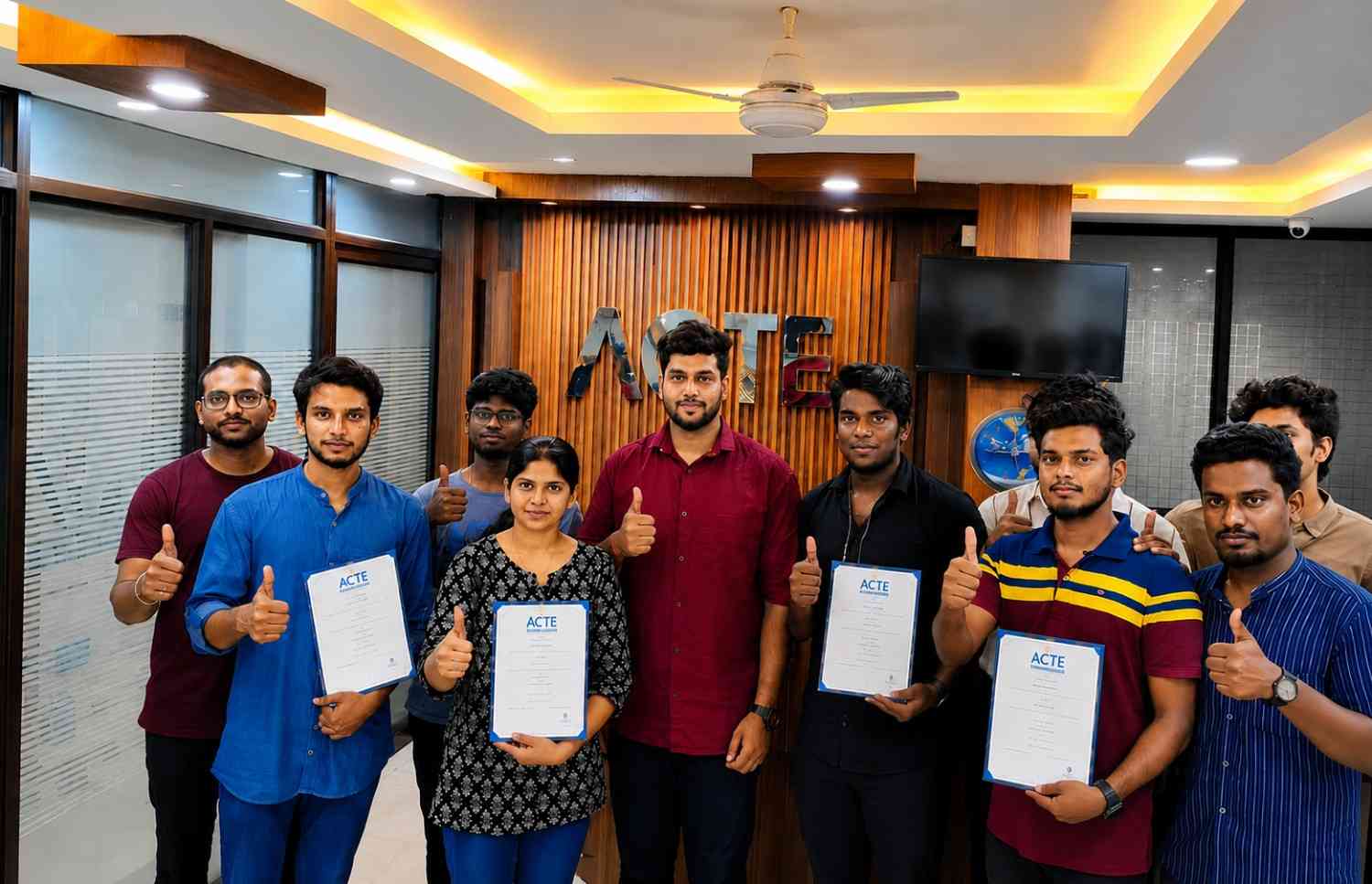
Overview of AEM Training in BTM Layout
Adobe Experience Manager (AEM) is an enterprise-level content management system that helps organizations build, manage, and deliver personalized digital experiences across websites, mobile applications, and multiple digital channels. Built on Java-based technologies such as Apache Sling, OSGi, and Java Content Repository (JCR), AEM enables developers to create scalable, secure, and high-performance web applications for enterprise businesses. AEM training in BTM Layout focuses on essential concepts including content authoring, component development, templates, workflows, digital asset management, and multi-site management. Learners also gain hands-on experience in developing reusable components, configuring templates, integrating backend services, and deploying enterprise-grade AEM applications through practical projects. AEM training in BTM Layout allows developers to create reusable components and templates that accelerate development, simplify website maintenance, and ensure a consistent user experience across digital platforms. The platform also supports automation of content approval, publishing, translation workflows, and asset management, improving collaboration, productivity, and operational efficiency among content authors, developers, and business teams. With Multi-Site Management (MSM), enterprises can efficiently manage multiple websites from a single platform while maintaining consistent branding, content synchronization, localization, and governance across global business operations.
Additional Info
AEM Professionals and Career Roles
- AEM Developer: Designs, develops, and manages enterprise web applications using Adobe Experience Manager by creating reusable components, templates, and workflows.
- AEM Architect: Designs secure, scalable, and high-performance AEM solutions by defining architecture standards, managing integrations, and ensuring optimized implementation.
- Front-End Developer: Creates responsive and interactive user interfaces integrated with AEM platforms using HTML, CSS, JavaScript, and HTL to deliver smooth experiences .
- AEM Administrator: Manages AEM environments including user permissions, workflows, deployments, monitoring, troubleshooting, and maintaining overall platform stability and performance.
- Digital Asset Manager: Handles digital assets including images, videos, documents, and media files within AEM Assets by managing metadata, organization, and efficient content delivery.
- AEM Consultant: Works with clients and stakeholders to design effective AEM solutions, analyze requirements, provide technical guidance, and ensure successful project implementation.
Widely Used Tools and Platforms in AEM Training in BTM Layout
- Adobe Experience Manager (AEM): The primary enterprise content management platform used for developing, managing, and delivering digital experiences with workflow management.
- Apache Sling: A web framework used in AEM for content-driven application development that simplifies request processing and supports scalable web application development.
- OSGi Framework: Helps manage application modules and services dynamically in AEM, enabling developers to build reusable, modular, and scalable enterprise applications efficiently.
- CRXDE Lite: A browser-based development environment used for creating and managing AEM components, templates, dialogs, repository structures, and debugging development tasks.
- Maven: A project management and build automation tool used in AEM development for dependency management, packaging, build processes, and streamlined deployments.
- Git: A version control system used to manage source code, track project changes, and support collaboration throughout the AEM development lifecycle.
Career Scope of AEM Training in BTM Layout
- Growing Demand: Increasing digital transformation and customer experience requirements are creating strong demand for skilled AEM professionals across enterprise website development.
- Versatility: AEM professionals can explore multiple career roles including AEM Developer, AEM Architect, Front-End Developer, Content Management Specialist, and AEM Administrator.
- Enterprise Application Development Skills: Organizations require AEM experts to build scalable, securing while managing content, workflows, and customer engagement solutions.
- Integration with Modern Technologies: AEM integrates with Adobe Analytics, Adobe Target, APIs, and front-end frameworks, creating opportunities to work on advanced digital solutions.
- Continuous Learning: Evolving digital experience technologies provide opportunities for certifications, practical projects, and continuous development of advanced AEM expertise.
- Remote Work Opportunities: Many AEM development and administration roles support remote work, allowing professionals to collaborate with international clients and global projects.
- Career Advancement: Experienced professionals can progress into roles such as AEM Architect, Technical Lead, and Enterprise Solutions Architect with better growth opportunities.
Future Scope of AEM Training in BTM Layout
- Industry Demand: AEM professionals are highly demanded across industries such as IT, e-commerce, healthcare, banking, media, and digital marketing due to increasing adoption.
- Career Growth Opportunities: Professionals can advance into roles such as AEM Developer, AEM Architect, AEM Administrator, Digital Experience Consultant, and Technical Lead.
- Digital Experience Growth: Growing investments in digital transformation and enterprise content management continue increasing the demand for AEM specialists and valuable skill.
- Global Job Opportunities: AEM experts can explore international career opportunities across various industries with possibilities to work on global projects and remote assignments.
- Integration Expertise: Professionals skilled in integrating AEM with APIs, cloud platforms, Adobe tools, and third-party applications gain strong career advantages.
- Continuous Learning & Certification: AEM certifications enhance professional credibility while staying updated with modern tools and practices supports long-term career development.
- Expanding Digital Ecosystem: Increasing adoption of digital marketing, cloud platforms, customer experience technologies, and enterprise content management.
Show More

 LMS
LMS