No.1 MicroSoft Advanced Excel Training in BTM Layout| MicroSoft Advanced Excel Course With Placement | Updated 2026
Join Our 100% Job Guaranteed

MicroSoft Advanced Excel Training in BTM Layout

  • Enroll In The Top Microsoft Advanced Excel Training Institute In BTM Layout And Elevate Your Data Analysis Skills With Confidence.
  • Our Microsoft Excel Course In BTM Layout Covers Formulas And Real-World Projects.
  • Gain Hands-On Experience With Expert-Led Sessions To Boost Your Excel Skills.
  • Earn Your Microsoft Advanced Excel Certification With Comprehensive Placement Support.
  • Receive Guidance For Portfolio Building, Interview Preparation, And Career Growth.
  • Choose A Schedule: Weekday, Weekend, Or Fast-Track Options Are Easily Available For You.

WANT IT JOB

Become a Excel Expert in 3 Months

Freshers Salary

3 LPA

To

8 LPA

Quality Training With Affordable Fees in BTM Layout!

⭐ Fees Starts From

INR 36,000
INR 16,500

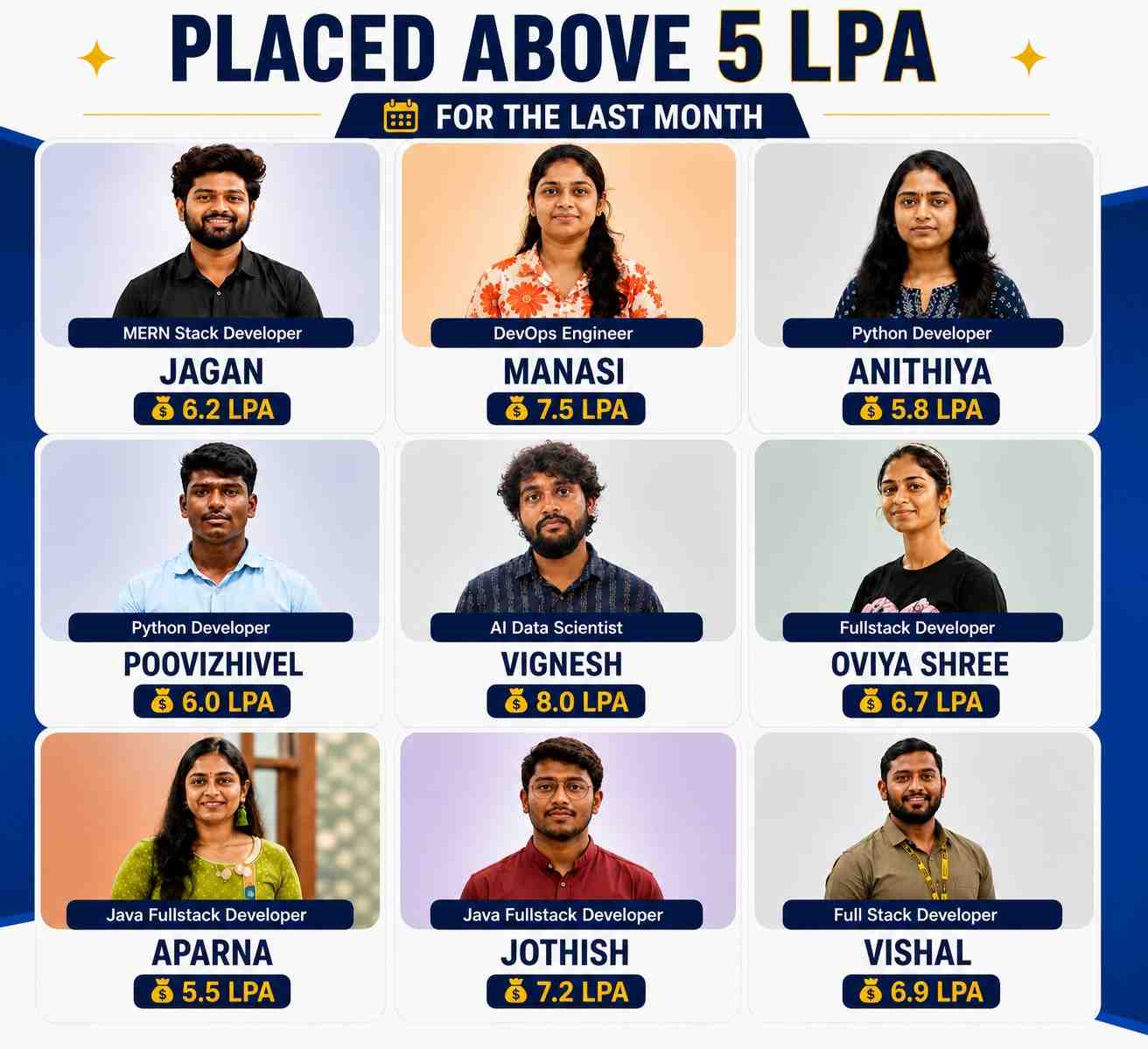
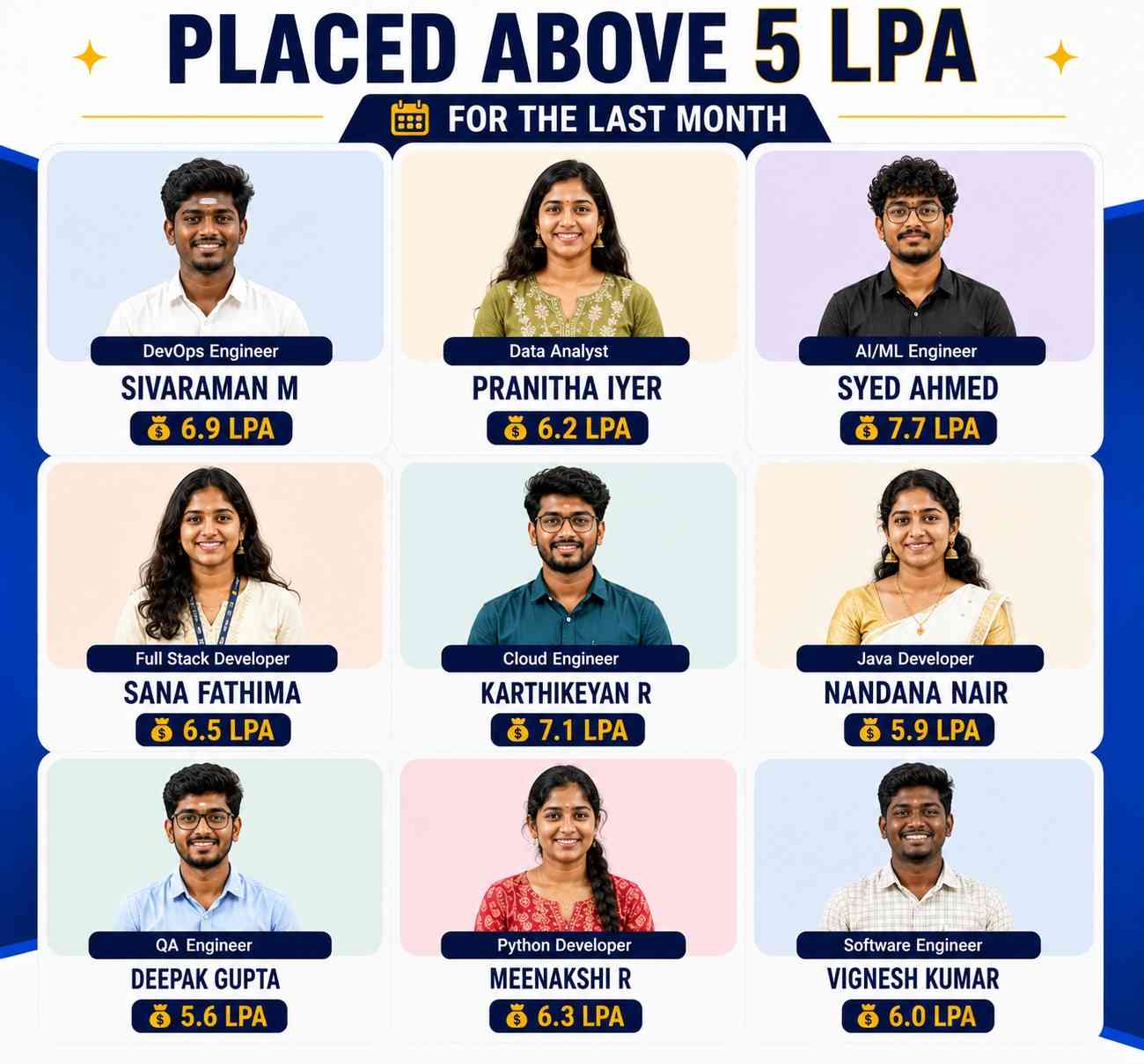
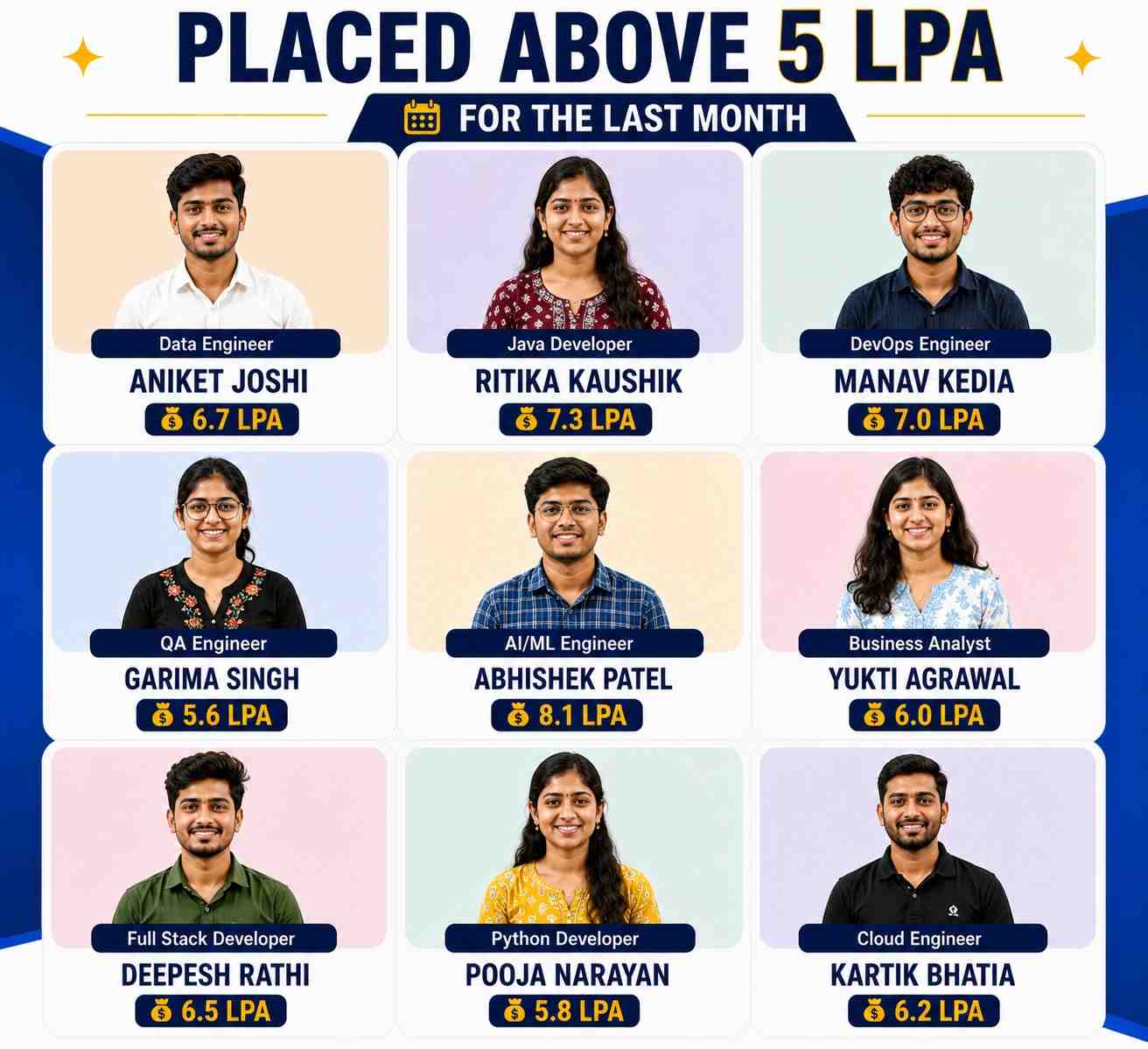
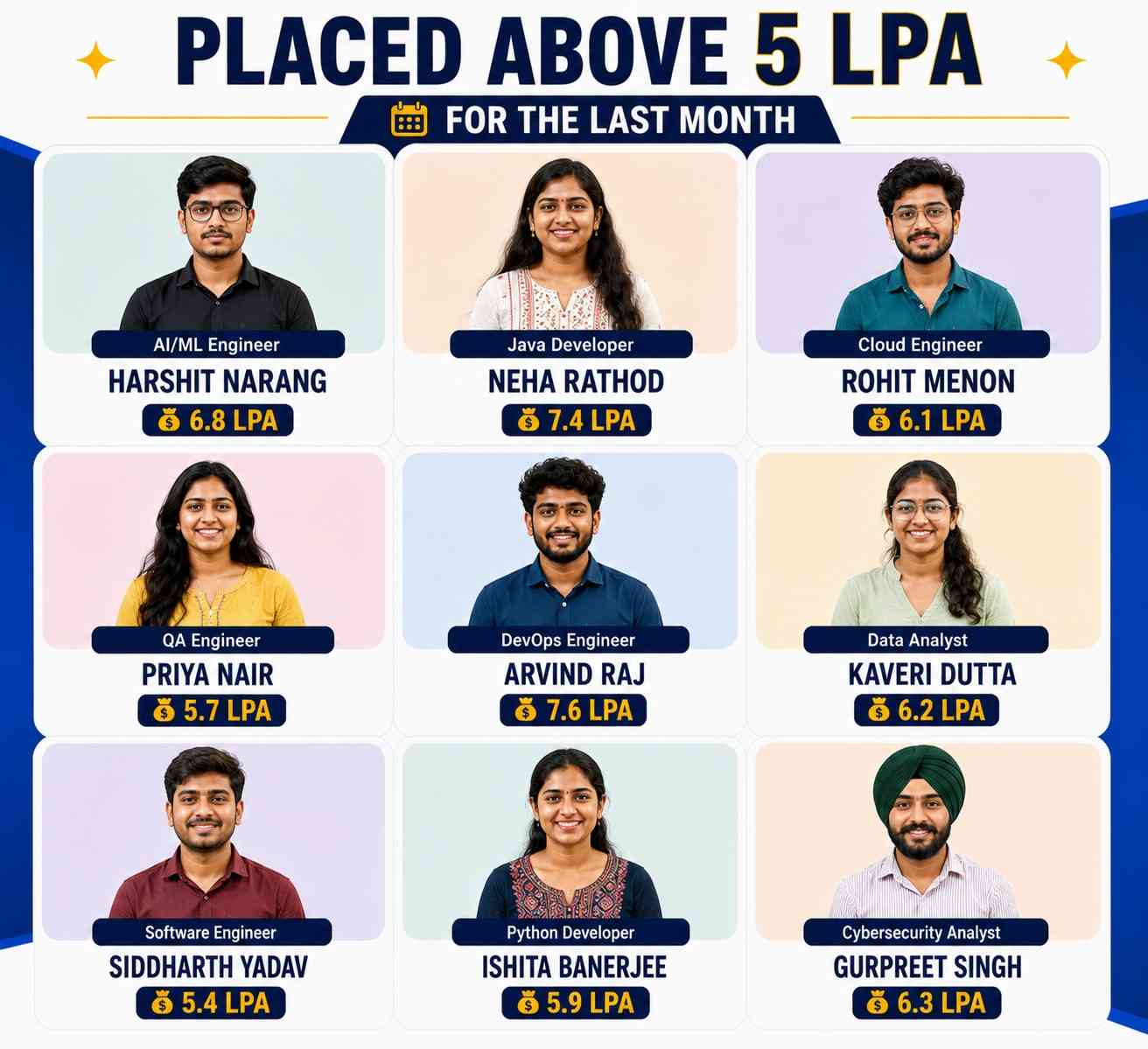
10975+

(Placed)
Freshers To IT

5799+

(Placed)
NON-IT To IT

8947+

(Placed)
Career Gap

4997+

(Placed)
Less Then 60%

Our Hiring Partners

Overview of Microsoft Advanced Excel Course

The Microsoft Advanced Excel Course in BTM Layout is an ideal starting point for freshers aiming to build strong Excel skills from the ground up. This program covers essential formulas, pivot tables, macros, and data analysis in a clear and practical way. Through hands-on projects, you’ll gain real-world experience and the confidence to tackle workplace tasks. Upon completion, you’ll earn a Microsoft Advanced Excel Certification in BTM Layout, enhancing your professional profile. With dedicated placement support, you’ll be fully prepared to kickstart your career. Enroll today to master advanced Excel techniques and unlock exciting job opportunities in BTM Layout.

What You'll Learn From Microsoft Advanced Excel Training

In this Microsoft Advanced Excel Course in BTM Layout, you’ll master advanced formulas, functions, tools, and data analysis techniques.

Learn to manage and organize large datasets effortlessly using PivotTables and Power Query for faster, more efficient data workflows.

Enhance your productivity by mastering Macros and VBA, transforming repetitive tasks into fast, seamless workflows.

Build your data visualization skills to design impactful charts and interactive dashboards that effectively convey insights.

Learn data validation and error-checking techniques to maintain accuracy and reliability in every spreadsheet you create.

Apply your knowledge through hands-on projects that equip you to tackle real-world business challenges with confidence.

Additional Info

Course Highlights

  • Kickstart your Excel journey in BTM Layout with a comprehensive course covering advanced formulas, PivotTables, Macros, VBA, and data analysis.
  • Stand out with dedicated job support and placement opportunities from top companies actively seeking Excel-proficient professionals.
  • Join a growing network of 10,000+ learners trained and placed through 300+ hiring partners.
  • Learn directly from experienced industry experts with over a decade of expertise in Excel and data management.
  • Enjoy beginner-friendly sessions, hands-on projects, and complete career guidance designed to accelerate your growth.
  • Take advantage of affordable fees, flexible batch options, and 100% placement assistance, ideal for freshers and career changers entering the corporate world.

Benefits You Gain from a Microsoft Advanced Excel Course in BTM Layout

  • Boosts Data Management - Efficiently manage and organize large datasets with Microsoft Advanced Excel. Quickly sort, filter, and group information to reduce errors, improve accuracy, and maintain professional, structured data for smarter decision-making.
  • Enhances Data Analysis - Master Excel formulas, PivotTables, and functions to analyze trends and patterns effectively. Convert raw datasets into actionable insights, create visually appealing reports, and empower faster, strategic business decisions.
  • Automates Repetitive Tasks - Streamline daily processes using Macros and VBA in Excel. Save time, reduce manual effort, and increase productivity while letting Excel handle repetitive tasks accurately, so you can focus on high-value work.
  • Improves Reporting Skills - Design dynamic reports and interactive dashboards with Excel charts, visuals, and advanced formatting. Present complex data clearly and effectively, making it easy for managers, clients, and stakeholders to interpret and act upon.
  • Increases Job Opportunities - Advanced Excel is a high-demand skill across industries. Earn your Microsoft Advanced Excel Certification in BTM Layout to unlock career opportunities in finance, data analysis, marketing, operations, and more, while boosting your efficiency and professional credibility.

Popular Tools Taught in Microsoft Advanced Excel Training in BTM Layout

  • PivotTables - Summarize, organize, and analyze large datasets effortlessly with Excel PivotTables. Generate detailed reports, calculate totals and averages, and uncover trends to gain clear, actionable insights for smarter business decisions.
  • Macros - Automate complex formatting, calculations, and routine tasks using Excel Macros. Record, replay, and customize actions to save time, reduce errors, and boost productivity for efficient data management.
  • VLOOKUP and HLOOKUP - Quickly find, match, and retrieve specific data with VLOOKUP and HLOOKUP. Merge, compare, and cross-reference information across sheets efficiently, ensuring accurate, error-free results for smarter decision-making.
  • Power Query - Collect, clean, and transform data from multiple sources using Excel Power Query. Import files, databases, or web data and prepare them for analysis with automated workflows that save time, reduce errors, and streamline insights.
  • Conditional Formatting - Highlight key values, trends, and patterns automatically with Excel’s conditional formatting. Track changes, visualize important data points, and simplify complex datasets for faster, more informed decisions.

Top Frameworks Every Microsoft Advanced Excel Professional Should Know

  • Data Analysis Framework - Organize, analyze, and interpret large datasets using advanced Excel formulas, filters, and PivotTables. Transform raw data into actionable insights to optimize strategies, drive performance, and support smarter business decisions.
  • Automation Framework - Automate repetitive tasks like reporting, formatting, and data processing using Macros and VBA. Increase accuracy, reduce manual work, and boost productivity, allowing focus on higher-value tasks and smarter decision-making.
  • Reporting Framework - Create impactful visual reports with Excel charts, interactive dashboards, and dynamic visuals. Communicate insights clearly to management, teams, and stakeholders, making complex data easy to understand and enabling faster business decisions.
  • Data Cleaning Framework - Use Power Query, advanced text functions, and filters to clean, organize, and transform datasets efficiently. Ensure accurate, reliable reports and improve overall data quality for faster and smarter analysis.
  • Lookup and Reference Framework - Integrate and combine data across multiple sheets using VLOOKUP, INDEX, and MATCH. Save time, ensure precise connections, eliminate errors, and streamline analysis for clearer insights and informed business decisions.

Essential Skills You’ll Learn in a Microsoft Advanced Excel Course

  • Advanced Formula Expertise - Master complex Excel formulas to perform accurate calculations efficiently. Automate data analysis, streamline workflows, and tackle business problems with precision, speed, and reliability for smarter decisions and enhanced productivity.
  • Data Visualization - Create compelling charts, graphs, and interactive dashboards to highlight trends, patterns, and key metrics clearly. Make reports professional, easy to interpret, and enable faster, well-informed business decisions.
  • Automation with Macros and VBA - Automate repetitive Excel tasks using Macros and VBA. Save time, reduce errors, and boost productivity, freeing you to focus on strategic analysis and higher-value work with greater accuracy.
  • Data Analysis Using PivotTables - Explore and summarize large datasets with PivotTables. Identify trends, patterns, and insights quickly, improving analytical capabilities and enabling faster, actionable business decisions.
  • Efficient Data Management - Clean, sort, and organize datasets using filters, conditional formatting, and Power Query. Ensure accurate, error-free results, streamline workflows, and produce professional, structured data for better analysis and decision-making.

Key Roles and Responsibilities of Microsoft Advanced Excel Course

  • Data Analyst - Collect, organize, and analyze data efficiently using Excel. Create reports, interactive dashboards, and visual summaries to monitor performance, uncover trends, identify growth opportunities, and support data-driven business decisions.
  • Financial Analyst - Develop budgets, forecasts, and financial reports with advanced formulas and PivotTables. Analyze performance, uncover trends, and generate accurate projections to make informed financial decisions that drive growth.
  • Business Analyst - Evaluate business data, create charts, and generate actionable insights. Use Excel to analyze key metrics, visualize trends, and present results clearly, enabling smarter business strategies and data-driven growth.
  • Operations Manager - Monitor performance, manage inventory, and track sales efficiently with Excel. Access real-time data to optimize workflows, improve efficiency, and make confident, data-driven operational decisions.
  • Project Coordinator - Plan, schedule, and track project progress with Excel. Manage timelines, budgets, and resources using automated reports and organized spreadsheets, ensuring projects are completed on time and within budget.

Why Microsoft Advanced Excel Is the Smart Choice for Freshers

  • High Demand in Job Market - Advanced Excel skills are highly valued across industries. Freshers who can efficiently manage, analyze, and present data stand out, opening up employment opportunities and making resumes more attractive to employers.
  • Boosts Productivity - Mastering advanced Excel helps complete tasks faster and with fewer errors. Automating routine work and organizing data intelligently saves time, increases efficiency, and impresses employers with your ability to deliver more in less time.
  • Versatile Skill Set - Excel is essential in finance, marketing, sales, and administration. Learning Microsoft Advanced Excel equips freshers with skills applicable across multiple industries, enhancing adaptability and opening doors to diverse career paths.
  • Foundation for Data-Driven Roles - Excel serves as a stepping stone for data-focused roles like data analysis and business intelligence. Advanced Excel training builds a strong foundation for learning other tools and technologies, preparing you for long-term career growth.
  • Cost-Effective Learning - Microsoft Advanced Excel training is affordable and widely accessible. Freshers can acquire valuable skills quickly without a heavy investment of time or money, making it a smart choice with excellent returns in career opportunities.

Landing Remote Jobs with Microsoft Advanced Excel Skills

  • Work from Anywhere - Advanced Excel skills let you handle data tasks and reports from home or any location. Many remote jobs require strong Excel knowledge, enabling you to complete projects online without being in an office.
  • Handle Data Independently - Excel proficiency allows you to manage, analyze, and present data on your own. Create reports and solve issues independently—remote employers highly value this self-sufficiency.
  • Efficient Communication through Reports - Use Excel to create clear, professional reports, charts, and dashboards that can be shared via email or cloud platforms. Presenting data effectively improves communication with teams and managers, even remotely.
  • Automate Tasks to Save Time - Excel Macros and VBA help automate repetitive tasks, boosting productivity and helping you meet deadlines while working from home. Efficient task management is essential for remote work success.
  • Work with Global Teams - Excel skills standardize data and reports, making collaboration with teams across countries smooth and error-free. Being proficient in Excel makes you a valuable contributor in any remote team.

What to Expect in Your First Microsoft Advanced Excel Job

  • Handling Large Data Sets - Manage and organize large datasets using Excel tools like sorting, filtering, and formulas. Efficient data handling helps your team make sense of complex information and is a key skill for any data-focused role.
  • Creating Reports and Dashboards - Prepare reports and visual dashboards with charts, PivotTables, and conditional formatting. Present data clearly to support quick, informed decisions by managers and stakeholders.
  • Automating Repetitive Tasks - Use Macros and VBA to automate routine tasks such as updating reports and formatting sheets. Automation reduces errors, saves time, and boosts work efficiency.
  • Collaborating with Team Members - Work closely with colleagues across departments by sharing Excel files and data reports. Clear communication and teamwork ensure smooth project completion and enhance your Excel skills.
  • Meeting Deadlines and Accuracy - Deliver accurate data and reports on time by balancing speed with precision. Attention to detail is critical, as errors can impact business decisions.

Top Companies of Microsoft Advanced Excel Professionals

  • Microsoft - As the creator of Excel, Microsoft values professionals skilled in advanced Excel for roles in product development, data analysis, and customer support. Proficiency in Excel can open multiple career opportunities within the organization.
  • Goldman Sachs - Excel is heavily used at Goldman Sachs for trading, risk analysis, and financial modeling. Experts with advanced Excel skills are sought for roles in quantitative analysis and finance to handle complex data and support decision-making.
  • Accenture - Accenture relies on Excel for client reporting, financial modeling, and data analysis. Professionals with strong Excel abilities are hired for consulting, analytics, and advisory roles to deliver data-driven insights and solutions to clients.
  • Walmart - Walmart uses Excel for inventory management, sales forecasting, and financial analysis. Advanced Excel skills are essential for optimizing supply chain operations and business analytics roles within the company.
  • Infosys - Infosys offers roles requiring advanced Excel skills for data analysis, reporting, and process automation. Proficiency in Excel supports business operations, client projects, and roles in finance, business analysis, and operations.
Show More

Upcoming Batches For Classroom and Online

Weekdays
23 - Mar - 2026
08:00 AM & 10:00 AM
Weekdays
25 - Mar - 2026
08:00 AM & 10:00 AM
Weekends
28 - Mar - 2026
(10:00 AM - 01:30 PM)
Weekends
29 - Mar - 2026
(09:00 AM - 02:00 PM)
Can't find a batch you were looking for?
INR ₹16500
INR ₹36000

OFF Expires in

Who Should Take a Microsoft Advanced Excel Course

IT Professionals

Non-IT Career Switchers

Fresh Graduates

Working Professionals

Diploma Holders

Professionals from Other Fields

Salary Hike

Graduates with Less Than 60%

Show More

Job Roles For Microsoft Advanced Excel Course in Offline

Data Analyst

Financial Analyst

Business Analyst

Excel Specialist

Reporting Analyst

Operations Analyst

MIS Executive

Data Manager

Show More

Tools Covered For Microsoft Advanced Excel Training

Qualys PivotTables Power Query Solver Power Pivot Macros (VBA) Data Analysis Toolpak What-If Analysis

What’s included ?

Convenient learning format

📊 Free Aptitude and Technical Skills Training

  • Learn basic maths and logical thinking to solve problems easily.
  • Understand simple coding and technical concepts step by step.
  • Get ready for exams and interviews with regular practice.
Dedicated career services

🛠️ Hands-On Projects

  • Work on real-time projects to apply what you learn.
  • Build mini apps and tools daily to enhance your coding skills.
  • Gain practical experience just like in real jobs.
Learn from the best

🧠 AI Powered Self Interview Practice Portal

  • Practice interview questions with instant AI feedback.
  • Improve your answers by speaking and reviewing them.
  • Build confidence with real-time mock interview sessions.
Learn from the best

🎯 Interview Preparation For Freshers

  • Practice company-based interview questions.
  • Take online assessment tests to crack interviews
  • Practice confidently with real-world interview and project-based questions.
Learn from the best

🧪 LMS Online Learning Platform

  • Explore expert trainer videos and documents to boost your learning.
  • Study anytime with on-demand videos and detailed documents.
  • Quickly find topics with organized learning materials.

Microsoft Advanced Excel course Syllabus

  • 🏫 Classroom Training
  • 💻 Online Training
  • 🚫 No Pre Request (Any Vertical)
  • 🏭 Industrial Expert

Our Microsoft Advanced Excel Training in BTM Layout is ideal for beginners and professionals looking to boost their Excel skills. Learn advanced formulas, PivotTables, Macros, VBA, and data analysis with ease. Master creating charts and interactive dashboards to visualize data effectively. Gain hands-on experience through real-time projects and Microsoft Advanced Excel Internships in BTM Layout. Plus, enjoy complete placement support, including resume building, interview practice, and career guidance to help you secure the right job.

  • Introduction to Excel – Start with the basics of Excel, including formulas, functions, formatting and data types to build a strong foundation.
  • Advanced Tools and Features – Learn advanced topics like PivotTables, Macros, VBA and data analysis techniques for professional use.
  • Hands-On Project Work – Practice with real-time projects like dashboards, reports and data automation to gain practical experience.
  • Excel Tools and Integration – Use tools like Power Query and Excel Add-ins and learn to integrate Excel with other platforms for smarter workflows.
Excel Basics and User Interface
Formulas and Functions
Data Management Techniques
Data Analysis with PivotTables and PivotCharts
Advanced Excel Functions
Data Visualization and Dashboarding
Automation with Macros and Introduction to VBA

Build a strong foundation in Microsoft Excel essentials:

  • Excel Environment – Learn the ribbon, toolbars, menus and navigation
  • Workbook and Worksheet Management – Creating, saving and organizing data
  • Data Entry Techniques – Efficient methods to enter and edit data
  • Cell Formatting – Use of fonts, colors, borders and conditional formatting

Learn how to compute, assess, and change data:

  • Basic Functions – SUM, AVERAGE, MIN, MAX, COUNT
  • Logical Functions – IF, AND, OR, NOT for decision-making logic
  • Text Functions – LEFT, RIGHT, MID, CONCATENATE, TEXTJOIN
  • Date and Time Functions – TODAY, NOW, DATEDIF, NETWORKDAYS

Learn to organize, clean and structure data efficiently:

  • Sorting and Filtering – Basic and advanced options
  • Data Validation – Create dropdowns, restrict inputs
  • Remove Duplicates – Clean datasets with built in tools
  • Flash Fill and AutoFill – Speed up repetitive data entry

Summarize and analyze large datasets with dynamic tools:

  • Creating PivotTables – Grouping, summarizing and filtering data
  • PivotChart Creation – Visualize PivotTable results
  • Slicers and Timelines – Add interactivity to PivotTables
  • Calculated Fields – Perform custom calculations inside PivotTables

Dive deeper into data analysis using complex formulas:

  • Lookup Functions – VLOOKUP, HLOOKUP, INDEX, MATCH
  • Nested Functions – Combine functions for advanced logic
  • Array Formulas – Use of dynamic and legacy array functions
  • Error Handling – IFERROR, ISERROR and other error-checking tools

Present data clearly using professional visual tools:

  • Chart Types – Line, Column, Bar, Pie, Combo and more
  • Dynamic Charts – Use of named ranges and drop-down filters
  • Conditional Formatting – Highlight trends, outliers and duplicates
  • Mini Charts & Sparklines – Show data trends in a single cell

Automate processes to cut down on human labor and save time:

  • Recording Macros – Automate repetitive actions without coding
  • Macro-enabled Workbooks – Saving and managing macro files
  • Intro to VBA – Basics of Visual Basic for Applications
  • Running & Editing Macros – Modify simple VBA scripts

🎁 Free Addon Programs

Aptitude, Spoken English.

🎯 Our Placement Activities

Daily Task, Soft Skills, Projects, Group Discussions, Resume Preparation, Mock Interview.

Real-Time Microsoft Advanced Excel Projects

Placement Support Overview

Today's Top Job Openings for Microsoft Advanced Excel Professionals

Excel VBA Developer

Company Code: MPV669

Bangalore, Karnataka

₹20,000 to ₹50,000 per month

BBA

Exp 0–2 years

  • We’re actively seeking freshers for the role of Excel VBA Developer. You will learn to create Macros, use VBA coding and work with PivotTables to automate daily business tasks and improve efficiency.
  • Easy Apply

    MIS Executive

    Company Code: SLT129

    Bangalore, Karnataka

    ₹25,000 - ₹55,000 per month

    Any Degree

    Exp 0-1 year

  • Opportunities are now open for freshers as MIS Executives. You will work with advanced Excel functions like formulas and charts to prepare regular reports that help business teams make decisions.
  • Easy Apply

    Customer Service Data Analyst

    Company Code: AAT980

    Bangalore, Karnataka

    ₹15,000 - ₹48,000 per month

    Any Degree

    Exp 0–1 year

  • We’re looking to add fresh talent for the role of Customer Service Data Analyst. This job involves using Excel formulas, VLOOKUP and PivotTables to organize customer data and create useful reports.
  • Easy Apply

    Business Performance Analyst

    Company Code: FST576

    Bangalore, Karnataka

    ₹18,000 - ₹46,000per month

    BCA / BBA / MBA

    Exp 0–1 year

  • Now accepting applications for Business Performance Analysts. Freshers will learn to build Excel dashboards, use charts and analyze data to support business growth and performance tracking.
  • Easy Apply

    Advanced Excel / Power BI Specialist

    Company Code: HST452

    Bangalore, Karnataka

    ₹15,000–₹35,000 per month

    BBA

    Exp 0–1 year

  • We’re expanding and hiring freshers for Advanced Excel & Power BI Specialist roles. You will get hands-on experience with Excel functions, Power Query and Power BI for data analysis and reporting.
  • Easy Apply

    Junior MIS Executive

    Company Code: STC286

    Bangalore, Karnataka

    ₹15,000 - ₹20,000 per month

    Any Degree

    Exp 0–1 year

  • We’re actively seeking freshers as Junior MIS Executives. This role focuses on learning to prepare reports using advanced Excel tools like dashboards and formulas to help management.
  • Easy Apply

    Business Data Analyst

    Company Code: PGT369

    Bangalore, Karnataka

    ₹20,000 to ₹50,000 per month

    BBA / MBA / B.com

    Exp 0-2 yr

  • Opportunities available for freshers as Business Data Analysts. You will work with Excel, SQL basics and data visualization tools to support data-driven decision-making.
  • Easy Apply

    Finance Assistant

    Company Code: HST765

    Bangalore, Karnataka

    ₹15,000 - ₹20,000 per month

    B.com/ M.com

    Exp 0–1 year

  • Now accepting applications for Finance Assistant roles. Freshers will assist in budgeting, financial data entry and reporting using Excel formulas, PivotTables and simple Macros.
  • Easy Apply

    Highlights for Microsoft Advanced Excel Internships in BTM Layout

    Real Time Projects

    • 1. Gain hands-on experience by working on live Microsoft Advanced Excel-based applications.
    • 2. Understand real-world problem-solving through scenarios.
    Book Session

    Skill Development Workshops

    • 1. Participate in focused sessions on trending technologies and tools.
    • 2. Learn directly from industry experts through guided practical exercises.
    Book Session

    Employee Welfare

    • 1. Enjoy benefits like health coverage, flexible hours, and wellness programs.
    • 2. Companies prioritize mental well-being and work-life balance for all employees.
    Book Session

    Mentorship & Peer Learning

    • 1. Learn under experienced mentors who guide your technical and career growth.
    • 2. Collaborate with peers to enhance learning through code reviews and group projects.
    Book Session

    Soft Skills & Career Readiness

    • 1. Improve communication, teamwork, and time management skills.
    • 2. Prepare for interviews and workplace dynamics with mock sessions and guidance.
    Book Session

    Certification

    • 1. Earn recognized credentials to validate your Microsoft Advanced Excel skills.
    • 2. Boost your resume with course or project completion certificates from reputed platforms.
    Book Session

    Sample Resume for Microsoft Advanced Excel (Fresher)

    • 1. Simple and Neat Resume Format

      – Use a clean layout with clear sections like summary, skills, education, and projects.

    • 2. List of Technologies You Know

      – Mention skills like Data Analysis, Advanced Formulas, Pivot Tables, VLOOKUP & INDEX-MATCH, Dashboard Creation, Charting, Power Query, MS Excel.

    • 3. Real-Time Projects and Achievements

      – Add 1–2 real-time projects with a short description and the tools used.

    Top Microsoft Advanced Excel Interview Questions and Answers (2026 Guide)

    Ans:

    Microsoft Excel is a spreadsheet program used for data management, analysis, and organization. It provides rows, columns, formulas, charts, graphs, and PivotTables to simplify calculations and gain insights.

    Ans:

    A cell is the smallest unit in Excel where a row and column intersect. Each cell has a unique address like "A1" and can store text, numbers, or formulas, forming the basic building block of a spreadsheet.

    Ans:

    A spreadsheet is a grid of rows and columns used to enter, calculate, and analyze data. Cells hold information, making it easy to organize, visualize, and manage budgets, reports, and other business data efficiently.

    Ans:

    A cell address identifies a cell’s location using a column letter and row number, like “B2.” It is used in formulas, references, and to quickly locate information across sheets.

    Ans:

    Yes, new cells can be added by right-clicking a row or column and selecting "Insert." Excel shifts existing cells to create space, allowing you to expand your worksheet as needed.

    Ans:

    Excel allows formatting cells with fonts, colors, alignment, number formats, and borders. Formatting improves readability, highlights important data, and makes reports visually appealing.

    Ans:

    Yes, comments can be added to any cell for notes or explanations. A small indicator appears, showing the comment on hover, which aids collaboration and clarifies data entries.

    Ans:

    Yes, you can insert additional rows or columns at any time to accommodate more data, keeping spreadsheets flexible, organized, and easy to manage.

    Ans:

    The Ribbon is the toolbar below the title bar containing tabs like Home, Insert, and Formulas. Each tab groups related Excel commands for quick and easy access.

    Ans:

    Select the cell below the row and to the right of the column you want frozen, then choose "Freeze Panes." This keeps rows or columns visible while scrolling, helping maintain context in large spreadsheets.

    Company-Specific Interview Questions from Top MNCs

    1. What does a Data Analyst do?

    Ans:

    A Data Analyst gathers, organizes, and examines data to support informed business decisions. Using Excel, they identify trends and patterns, enabling organizations to optimize strategies and improve operations efficiently.

    2. Which tools are commonly used by Data Analysts?

    Ans:

    Data Analysts commonly use Excel for data management, SQL for querying databases, Python or R for advanced analysis, and visualization tools like Power BI or Tableau to present insights clearly and effectively.

    3. How do you manage missing information in Excel datasets?

    Ans:

    Missing data can be handled by removing incomplete rows, filling gaps with average or median values, or flagging missing entries. This ensures the analysis remains accurate and meaningful.

    4. What distinguishes a data warehouse from a database?

    Ans:

    A database stores operational data for day-to-day use, while a data warehouse aggregates historical data from multiple sources to support reporting and analysis in Excel.

    5. Why is cleaning data important before analysis?

    Ans:

    Cleaning Excel data removes duplicates, corrects errors, and standardizes formats. This ensures data accuracy and reliability, leading to better insights and informed business decisions.

    6. What does data normalization mean in Excel?

    Ans:

    Normalization organizes data to reduce redundancy and improve clarity. Properly structured tables ensure consistency, making spreadsheets easier to manage and analyze effectively.

    7. How can you create a pivot table in Excel?

    Ans:

    Select your dataset, go to Insert → PivotTable, and arrange fields into rows, columns, values, and filters. PivotTables allow quick summarization and efficient analysis of large datasets.

    8. Can you explain the concept of joins and how Excel handles data merging?

    Ans:

    Joins combine multiple tables in databases. In Excel, functions like VLOOKUP, HLOOKUP, or XLOOKUP can merge and relate data across sheets, creating consolidated insights.

    9. What is data visualization and why is it useful in Excel?

    Ans:

    Data visualization uses charts and graphs to present trends and patterns clearly. Excel charts help communicate insights and simplify complex datasets for effective decision-making.

    10. How do you perform data validation in Excel?

    Ans:

    Data validation restricts cell input to specific values, ranges, or dropdown lists. This ensures accurate data entry and minimizes errors in analysis or reporting.

    1. What are the differences between Excel's absolute and relative cell references?

    Ans:

    Absolute references (like $A$1) remain fixed when copying formulas, while relative references (like A1) adjust based on the formula’s new position. Proper use ensures formulas behave as intended across the worksheet.

    2. How do you calculate accuracy metrics like precision or recall in Excel?

    Ans:

    You can calculate precision and recall using Excel formulas by counting True Positives, False Positives, and False Negatives. Functions like COUNTIF help tally results, which can then be used in simple formulas to compute these metrics.

    3. What techniques do you use to handle imbalanced datasets in Excel?

    Ans:

    Imbalanced datasets can be managed by filtering and sorting to isolate smaller groups, applying weights through helper columns, or duplicating entries manually or with formulas to simulate oversampling.

    4. How do you validate your Excel model to ensure reliability?

    Ans:

    Model validation involves splitting data into training and test sets, checking outputs on both, and using techniques like cross-validation by cycling through samples to confirm consistent performance.

    5. What is multicollinearity and how can you detect and resolve it in Excel?

    Ans:

    Multicollinearity occurs when variables are highly correlated, affecting analysis results. Detect it using the CORREL function, and reduce it by removing or combining correlated columns.

    6. How can you assess the quality of data grouping or clustering in Excel?

    Ans:

    Evaluate clusters by calculating distance metrics, using conditional formatting to visualize groupings, or plotting scatter plots to inspect how well groups are separated.

    7. Can you explain the Central Limit Theorem in relation to Excel?

    Ans:

    The Central Limit Theorem states that the averages of multiple samples from a dataset will approximate a normal distribution, regardless of the original data distribution, as sample size increases.

    8. What is A/B testing and how can you perform it using Excel?

    Ans:

    A/B testing compares two datasets (Group A vs. Group B). In Excel, organize data into columns, calculate summary statistics like mean and variance, and perform hypothesis tests such as t-tests using T.TEST.

    9. How does a decision tree concept translate into Excel?

    Ans:

    Decision trees can be simulated using nested IF statements or the IFS function to split data based on criteria, mimicking branching logic used in tree-based models.

    10. What is overfitting in Excel models and how can you avoid it?

    Ans:

    Overfitting occurs when a model fits sample data too closely, capturing noise rather than trends. Avoid it by simplifying formulas, testing on multiple data subsets, and avoiding overly complex nested functions.

    1. Who is a Data Analyst and what do they do using Excel?

    Ans:

    A Data Analyst collects, organizes, and analyzes data to extract valuable insights. Using Excel, they clean datasets, perform calculations, and create charts or reports that help businesses make informed decisions.

    2. What are the common tools for data analysis and how does Excel fit in?

    Ans:

    Data analysts commonly use Excel, SQL, Python, and visualization tools like Power BI or Tableau. Excel is essential for both basic and advanced data processing, leveraging formulas, pivot tables, and charts for clarity and insight.

    3. How do you deal with missing data in Excel?

    Ans:

    Missing data can be handled by filtering out blanks, imputing values with functions like AVERAGE or IF, or highlighting missing entries using conditional formatting to maintain dataset quality before analysis.

    4. What is the difference between labeled and unlabeled data in Excel terms?

    Ans:

    Labeled data contains categories or outcomes (e.g., “Yes” or “No”) that Excel can use for sorting or conditional formulas. Unlabeled data lacks such categories and may require exploratory analysis, like sorting or clustering, to detect patterns.

    5. How can you explain regression analysis using Excel?

    Ans:

    Regression analysis examines relationships between one or more independent variables and a dependent variable. Excel’s Data Analysis Toolpak enables linear regression, helping predict outcomes based on input data.

    6. What types of regression can you perform with Excel?

    Ans:

    Excel mainly supports linear regression via the Data Analysis Toolpak. More advanced regression techniques, like logistic regression or regularization (Ridge, Lasso), may require add-ins or external tools.

    7. How do you maintain data quality in Excel?

    Ans:

    Maintain data quality using validation rules to restrict input, removing duplicates, correcting errors, and auditing datasets regularly with filters and error-checking tools.

    8. What does data normalization mean in Excel and why is it useful?

    Ans:

    Data normalization scales values to a common range, often 0–1, ensuring no variable dominates calculations. This is helpful for comparison across units or preparing data for clustering and other analyses.

    9. What is a pivot table in Excel and why is it important?

    Ans:

    Pivot tables summarize, organize, and analyze large datasets quickly. They transform raw data into structured reports, enabling trend identification and comparison without complex calculations.

    10. What does the p-value indicate and can you calculate it in Excel?

    Ans:

    The p-value indicates the significance of statistical results. Using Excel functions like T.TEST, you can compute p-values to determine whether observed results are due to chance or reflect real effects.

    1. How can you identify patterns in data using Excel?

    Ans:

    Patterns can be identified using conditional formatting, sorting, filtering, and charts. Trendlines and functions like FORECAST, CORREL, and LINEST help detect relationships between data points.

    2. What is the importance of balancing data analysis complexity in Excel?

    Ans:

    Balancing complexity ensures insights are neither oversimplified nor overcomplicated. Using appropriate formulas, functions, and pivot tables maintains clarity while delivering accurate results.

    3. What is data validation in Excel and why is it important?

    Ans:

    Data validation ensures cell entries comply with predetermined rules, such as specific number ranges or text values. This keeps data clean, accurate, and error-free for analysis.

    4. What is a confusion matrix equivalent in Excel and how can you represent classification results?

    Ans:

    A confusion matrix can be created manually using COUNTIFS to compare predicted vs. actual outcomes. From there, metrics like Accuracy, Precision, Recall, and F1-Score can be calculated using Excel formulas.

    5. What is the purpose of using constraint-based formulas (like data caps) in Excel analysis?

    Ans:

    Constraints, such as maximum values or thresholds using MIN, MAX, or IF statements, control data behavior, reduce errors, and prevent overfitting to a single dataset, similar to regularization in machine learning.

    6. How can you use Excel for combining multiple models or forecasts?

    Ans:

    Excel can average multiple forecast outputs or scenarios using AVERAGE, WEIGHTED AVERAGE, or IF logic, combining results to improve overall accuracy, similar to bagging in machine learning.

    7. How does the concept of optimization apply in Excel?

    Ans:

    Optimization can be done with Excel tools like Solver, which identifies the best value for a formula under constraints, similar to gradient descent in minimizing or maximizing functions.

    8. What is the difference between combining data sets randomly vs. sequentially in Excel?

    Ans:

    Random combination (shuffling or sampling) mimics bagging, while sequential combination, where each step depends on the previous, is similar to boosting, improving results iteratively.

    9. How do you deal with blank or missing values in Excel?

    Ans:

    Use IF(ISBLANK()), filtering, or replace blanks with averages using IF and AVERAGE functions. Pivot tables can also efficiently summarize or disregard missing data.

    10. How can data be made simpler and what does Excel's dimensionality reduction mean?

    Ans:

    While Excel doesn’t have PCA, dimensions can be reduced by removing irrelevant columns, using correlation analysis to remove redundancy, or summarizing data with pivot tables, simplifying analysis and focusing on key variables.


    1. How can hidden factors affect Excel data analysis?

    Ans:

    Hidden or external factors can influence Excel analyses, similar to confounding variables. For instance, analyzing study hours vs. exam scores might be affected by untracked prior knowledge. Excel can explore these using filters, pivot tables, or regression, but won’t detect them automatically.

    2. How does Excel help you analyze a sample versus a population?

    Ans:

    Excel handles both full population datasets and samples. Use functions like AVERAGE(), STDEV.P() for populations, and STDEV.S() for samples to calculate summary statistics for accurate analysis.

    3. How might bias and variation impact your trends or forecasts in Excel?

    Ans:

    Bias can occur from oversimplified trendlines, while variance arises when models fit noise instead of trends. Comparing predicted vs. actual values and adjusting trendline types helps mitigate these effects in Excel forecasts.

    4. Can Excel replicate the concept of neural networks?

    Ans:

    Excel can simulate basic neural network logic using nested formulas, matrix multiplication, and conditional functions (IF(), MMULT()). For advanced models, add-ins or Python integration can be used.

    5. How is image pattern recognition like CNNs related to Excel?

    Ans:

    While CNNs are for image processing, Excel can handle structured image data like pixel matrices. Conditional formatting or matrix formulas can highlight patterns, though full CNN functionality is beyond Excel’s core features.

    6. How does Excel help with analyzing sequences, similar to RNNs?

    Ans:

    Time-series data can be analyzed in Excel using formulas, lags, and rolling averages. Functions like OFFSET() or INDEX() simulate memory-like behavior for sequence analysis, similar to RNNs.

    7. What is autocorrelation and can Excel show it?

    Ans:

    Autocorrelation measures whether past values in a time series relate to current ones. Create lagged series and use CORREL() to detect patterns or cycles in the data.

    8. How can Excel demonstrate the Law of Large Numbers?

    Ans:

    Simulate repeated trials with RAND() or RANDBETWEEN(), calculate running averages using AVERAGE(), and observe that averages converge to expected values as trial numbers increase.

    9. Can Excel be used in real-world analytics like machine learning models?

    Ans:

    Excel can deploy simplified ML reasoning. Coefficients from external models (Python, etc.) can be applied using formulas like SUMPRODUCT() to forecast results based on Excel inputs.

    10. Can Excel support recommendation-like systems, similar to collaborative filtering?

    Ans:

    Excel can approximate collaborative filtering by analyzing user preferences using pivot tables and similarity scores. CORREL() can calculate user/item correlations, suggesting items that similar users favor, forming a basic recommendation system.

    Disclaimer Note:

    The details mentioned here are for supportive purposes only. There are no tie-ups or links with the corresponding PGs.

    Ladies PG Accommodation

      Electronic City
    • 7 Hills PG for Ladies : 79752 78904
    • Sanjeeva PG for Ladies : 94937 94737
    • BTM Layout
    • GRACE Ladies Paying Guest : 99029 46624
    • The princess Luxury pg for ladies : 85534 06098
    • Marathahalli
    • Amaravate ladies pg : 81234 23355
    • Royal Luxury PG for Ladies : 97402 91555
    • Rajaji Nagar
    • Shree Kalika P.G For Ladies : 74061 02629
    • N M Ladies PG : 91084 46056
    • Jaya Nagar
    • Shreeniketana Luxurious Ladies P.G : 96202 49962
    • Aashirwad ladies pg : 77600 55115

    Mens PG Accommodation

      Electronic City
    • SRI SAI BALAJI PG : 77608 88889
    • VSL PG FOR GENTS : 93536 53275
    • BTM Layout
    • Atithi executive Pg for Gents : 97393 07626
    • Fine Stay PG for Gents : 74111 13997
    • Marathahalli
    • Sri Vasavi Kanyaka Pg : 90667 40874
    • GVS PG FOR GENTS : 88805 82244
    • Rajaji Nagar
    • Sri Guru P.G For Men : 70197 67606
    • Sri Siddaganga mens Pg : 99456 41316
    • Jaya Nagar
    • Sri Manjunatheshwara Men's Luxury PG : 93804 14376
    • Sri Lakshmi pg for men's : 91582 44933

    Top Microsoft Advanced Excel Job Opportunities for Freshers

    • 1. Microsoft Jobs at Startups and IT Companies
    • 2. Campus Placements and IT Service Jobs
    • 3. Internship-to-Job Programs
    • 4. Apply Through Job Portals
    • 5. Skills That Help You Get Hired

    Getting Started With Advanced Excel Course in BTM Layout

    No Coding
    8 Lakhs+ CTC
    No Work Pressure
    WFH Jobs (Remote)

    Why Microsoft Excel is the Ultimate Career Choice

    High Demand

    Companies prefer multi-skilled professionals who can handle entire project cycles.

    Global Opportunities

    Open doors to remote and international job markets.

    High Salary

    Enjoy competitive salaries and rapid career advancement.

    Flexible Career Path

    Explore roles such as developer, architect, freelancer, or entrepreneur.

    Future-Proof Career

    Stay relevant with skills that are consistently in demand in the evolving tech landscape.

    Versatility Across Industries

    Work in various domains like e-commerce, healthcare, finance, and more.

    Career Support

    Placement Assistance

    Exclusive access to ACTE Job portal

    Mock Interview Preparation

    1 on 1 Career Mentoring Sessions

    Career Oriented Sessions

    Resume & LinkedIn Profile Building

    Get Microsoft Advanced Excel Certification

    You'll receive a certificate proving your industry readiness.Just complete your projects and pass the pre-placement assessment.This certification validates your skills and prepares you for real-world roles.

    Popular Excel certifications you can pursue include:

    • Microsoft Office Specialist (MOS) Excel Expert
    • Microsoft Certified: Excel Associate
    • Microsoft Certified: Data Analyst Associate (using Excel and Power BI)
    • Microsoft Excel Specialist Certification

    Earning an Excel certification showcases your expertise in advanced formulas, data analysis, and reporting. Coupled with our 100% job guarantee and comprehensive placement support, you’ll achieve full job readiness, boost your confidence, and gain a competitive edge in today’s challenging job market.

    The amount of time it takes to become certified in Excel depends on your study habits and existing ability level. Beginners may need to practice and study consistently for one to three months. For users who are already familiar with the fundamentals of Excel, becoming ready might just take a few weeks. Understanding the exam objectives and practicing frequently with real datasets are important.

    • Validates your expertise in Excel and data management
    • Opens up more job opportunities in fields like finance, marketing and operations
    • Increases your earning potential and career growth prospects
    • Enhances your professional credibility and trustworthiness
    • Provides you with practical skills for efficient data analysis and reporting
    • Study the official exam topics and practice all key Excel features
    • Use sample tests and practice exams regularly to track progress
    • Focus on mastering formulas, pivot tables, charts and data tools
    • Join Excel training classes or online study groups for support
    • Take timed practice exams to mimic exam settings and develop time management skills.

    Complete Your Course

    A Downloadable Certificate in PDF Format, Immediately Available to You When You Complete Your Course.

    Get Certified

    A Physical Version of Your Officially Branded and Security-Marked Certificate.

    Get Certified

    Lowest Microsoft Excel Course Fees

    Affordable, Quality Training for Freshers to Launch IT Careers & Land Top Placements.

    Call Course Advisor

    How is ACTE's Microsoft Excel Course in BTM Layout Different?

    Feature

    ACTE Technologies

    Other Institutes

    Affordable Fees

    Competitive Pricing With Flexible Payment Options.

    Higher Microsoft Advanced Excel Fees With Limited Payment Options.

    Industry Experts

    Well Experienced Trainer From a Relevant Field With Practical Microsoft Advanced Excel Training

    Theoretical Class With Limited Practical

    Updated Syllabus

    Updated and Industry-relevant Microsoft Advanced Excel Course Curriculum With Hands-on Learning.

    Outdated Curriculum With Limited Practical Training.

    Hands-on projects

    Real-world Microsoft Advanced Excel Projects With Live Case Studies and Collaboration With Companies.

    Basic Projects With Limited Real-world Application.

    Certification

    Industry-recognized Microsoft Advanced Excel Certifications With Global Validity.

    Basic Microsoft Advanced Excel Certifications With Limited Recognition.

    Placement Support

    Strong Placement Support With Tie-ups With Top Companies and Mock Interviews.

    Basic Placement Support

    Industry Partnerships

    Strong Ties With Top Tech Companies for Internships and Placements

    No Partnerships, Limited Opportunities

    Batch Size

    Small Batch Sizes for Personalized Attention.

    Large Batch Sizes With Limited Individual Focus.

    LMS Features

    Lifetime Access Course video Materials in LMS, Online Interview Practice, upload resumes in Placement Portal.

    No LMS Features or Perks.

    Training Support

    Dedicated Mentors, 24/7 Doubt Resolution, and Personalized Guidance.

    Limited Mentor Support and No After-hours Assistance.

    Microsoft Advanced Excel Course FAQs

    1. What basic skills should I have before starting advanced Excel training?

    Having a strong grasp of Excel fundamentals, including formulas, formatting, and data entry, is recommended. Familiarity with Excel's interface makes adopting advanced features faster and easier.
    Expertise in advanced Excel is highly valued in fields like finance, marketing, operations, and data analytics. Professionals who can automate processes, manage large datasets, and create dynamic reports are in strong demand.
    Courses typically include advanced functions like VLOOKUP, INDEX-MATCH, conditional formulas, PivotTables, Power Query, Macros, VBA for automation, and data visualization with charts and dashboards.
    Yes, practical projects are provided to apply learned skills. Typical projects include building financial models, automated reporting, and interactive dashboards.
    Many courses guide participants in creating a portfolio showcasing completed projects, templates, and reports, enhancing credibility when applying for jobs.
    Anyone with a basic knowledge of Excel and an interest in improving data handling skills can join. Students, professionals, analysts, and managers from any sector are welcome.
    No formal qualifications are necessary. A good understanding of Excel basics is sufficient, and most courses include a brief refresher to ensure all participants are up to speed.
    While useful, previous professional experience is not mandatory. Courses generally cover core skills like formulas, formatting, and navigation for all learners.
    Yes, beginners can enroll after a short self-study or introductory Excel course. The program builds on foundational skills and introduces advanced Excel tools.

    1. What kind of job placement assistance is offered?

    The program provides resume reviews, interview guidance, and access to job boards. Some courses also connect learners with employers seeking Excel experts.

    2. Are course projects useful for job applications?

    Yes, projects highlight practical Excel capabilities and can be added to portfolios or resumes to showcase skills in reporting, automation, and data analysis.

    3. Can I apply to top companies after completing advanced Excel training?

    Yes, completing training enhances eligibility for reputed companies, particularly in finance, consulting, and IT, where advanced Excel expertise is highly valued.

    4. Is placement support available for freshers and career changers?

    Yes, many programs provide additional guidance for new graduates or professionals switching careers, including interview preparation and showcasing Excel skills effectively.
    Yes, learners receive a certificate that validates their advanced Excel skills, which can be showcased on resumes and LinkedIn profiles.
    Absolutely. Certification demonstrates proficiency in complex Excel tasks and can lead to better job opportunities, increased pay, and career progression.
    A basic understanding of Excel and an interest in improving data analysis and automation skills is sufficient. Prior work experience is helpful but not required.
    The course enables learners to analyze data, automate workflows, and present insights effectively, making them more competitive in roles requiring analytical skills.
    Learners gain advanced formula knowledge, PivotTables, charting, Macros and VBA automation, large dataset management, data visualization, and reporting for business decisions.

    1. Is job support included in the course fee?

    Yes, most courses include job assistance such as resume building, interview coaching, and career counseling to help learners secure Excel-related roles.
    Fees vary based on instructor expertise, course content, learning resources, and extra services like one-on-one coaching or lifetime access.
    Many institutes provide flexible payment options, early-bird discounts, or scholarships, making training accessible to learners at all levels.
    No, fees remain consistent across locations, ensuring equal access to quality training for learners in major cities and smaller towns alike.
    Learn (Advanced Formulas + PivotTables & Charts + Power Query + Dashboards + VBA & Macros + Data Analysis) Starting at a 16,500/- Only.
    Acte Technologies WhatsApp