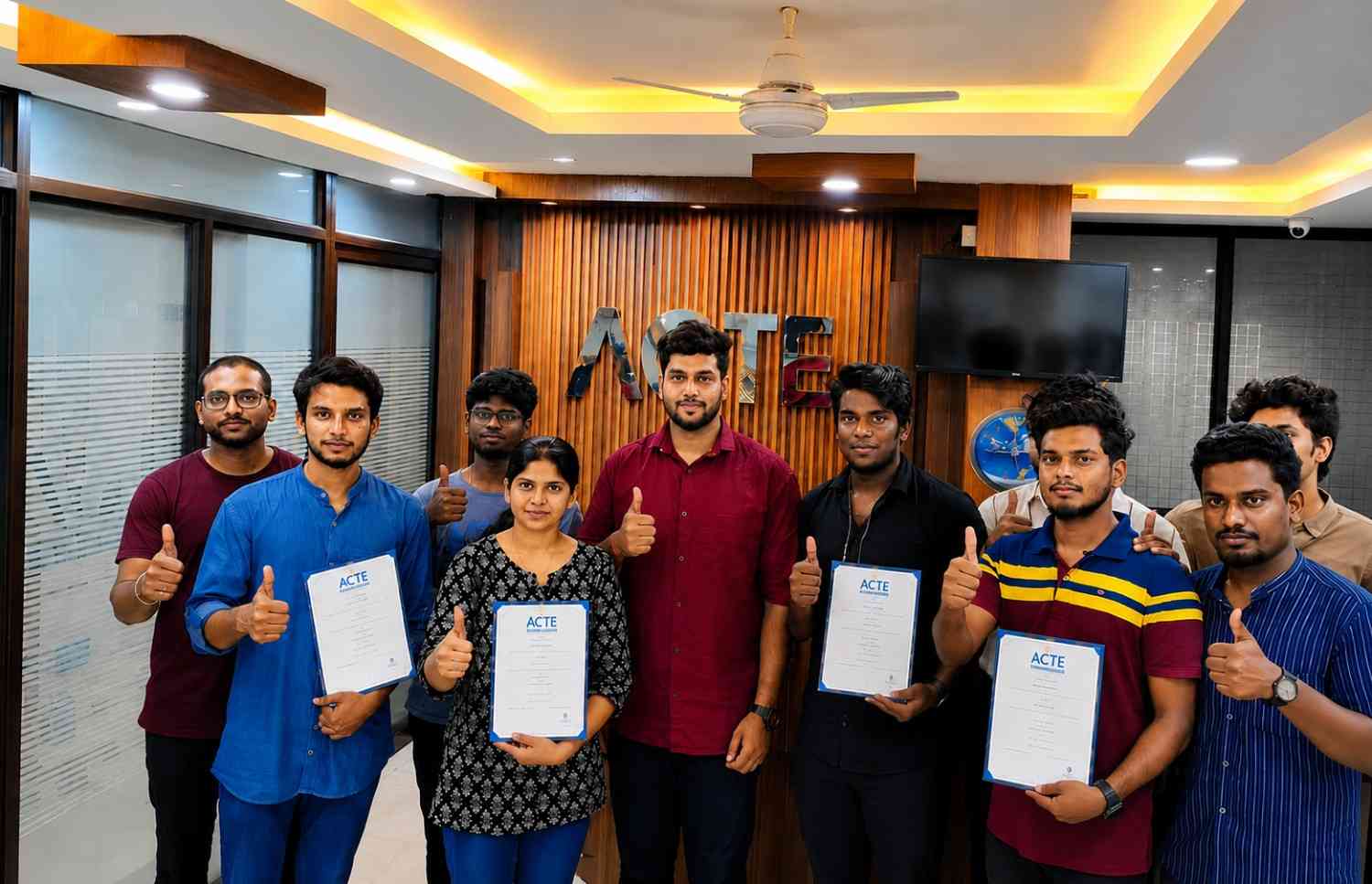
Overview of AEM Training in OMR
Adobe Experience Manager (AEM) is a leading enterprise content management solution developed by Adobe that helps organizations create, manage, and deliver personalized digital experiences across websites, mobile applications, and multiple digital channels. Built on a robust Java-based architecture using Apache Sling, OSGi, and Java Content Repository (JCR), AEM enables enterprises to efficiently manage large-scale digital platforms with high performance, scalability, and security. AEM training in OMR provides powerful tools for content authoring, digital asset management, workflow automation, and multi-site content delivery. Content authors can easily create and manage web pages using reusable templates and components without requiring extensive technical knowledge. This component-driven architecture allows developers to build modular and maintainable applications while enabling faster content updates and consistent branding across websites. AEM training in OMR also supports workflow automation for content approval, publishing, translation, and review processes. These automated workflows reduce manual intervention, improve collaboration between teams, and ensure compliance with organizational standards. Through Multi-Site Management (MSM), organizations can efficiently manage multiple regional or language-based websites from a centralized platform while maintaining content consistency.
Additional Info
Job Roles and Responsibilities for AEM Professionals
- AEM Developer: Develops scalable enterprise web applications using AEM components, templates, Sling Models, APIs, and integrations while ensuring reusable architecture and optimized performance.
- AEM Architect: Designs secure and scalable AEM solution architectures, defines development standards, manages integrations, and ensures enterprise-level digital experience implementation.
- Frontend Developer: Builds responsive and interactive user interfaces using HTML, CSS, JavaScript, HTL, and modern frontend frameworks for seamless cross-device experiences.
- AEM Administrator: Handles AEM server configurations, user permissions, deployments, package management, workflow administration, monitoring, and platform maintenance activities.
- Digital Asset Manager: Manages enterprise digital assets including images, videos, and documents using AEM DAM with metadata tagging, versioning, publishing, and asset organization.
- AEM Consultant: Collaborates with clients to gather business requirements, design AEM-based solutions, implement best practices, and support enterprise digital transformation initiatives.
Widely Used Tools and Platforms in AEM Course in OMR
- Adobe Experience Manager (AEM): Enterprise-grade content management platform used for website development, digital asset management, workflow automation, and personalized customer experiences.
- Apache Sling: Web framework used in AEM for resource-based request processing, content rendering, servlet handling, and scalable enterprise application development.
- OSGi Framework: Modular Java framework used for managing reusable services, configurations, bundles, and dynamic component deployment within AEM applications.
- CRXDE Lite: Browser-based development environment used for creating components, templates, dialogs, nodes, and managing repository structures in AEM.
- Maven: Build automation and dependency management tool used for compiling, packaging, testing, and deploying AEM applications efficiently across environments.
- Git: Distributed version control system used for source code management, team collaboration, branching strategies, and maintaining development history in AEM projects.
Career Scope of AEM Training Institute
- Growing Demand: AEM professionals are highly demanded across enterprises for managing digital experiences, content platforms, workflows, and scalable web applications.
- Career Opportunities: AEM training opens opportunities for roles such as AEM Developer, Architect, Consultant, Administrator, and Frontend Developer in IT industries.
- Enterprise Skills: Learners gain expertise in building secure, scalable, and reusable enterprise-level applications using modern AEM development practices.
- Integration Skills: AEM supports integration with REST APIs, cloud platforms, Adobe Experience Cloud, and third-party enterprise business applications.
- Continuous Learning: Regular AEM updates, cloud technologies, and new Adobe features provide continuous learning and long-term career development opportunities.
- Remote Opportunities: Many organizations provide remote and hybrid work opportunities for skilled AEM professionals working on global enterprise projects.
- Career Growth: With experience and technical expertise, professionals can advance into senior positions such as Technical Lead, Solution Architect, or Project Manager.
Future Scope of AEM Training in OMR
- Industry Demand: AEM is extensively used across industries including banking, healthcare, retail, media, government, and e-commerce for enterprise digital solutions.
- Career Growth: Professionals with strong AEM development and cloud expertise can secure high-paying jobs with excellent long-term career stability.
- Digital Transformation: Increasing focus on digital transformation and personalized customer experiences continues to drive demand for AEM professionals globally.
- Global Opportunities: Skilled AEM developers and architects can work on international projects, multinational client requirements, and remote enterprise engagements.
- Integration Expertise: Knowledge of APIs, Adobe Experience Cloud tools, cloud services, and headless CMS solutions increases professional career opportunities.
- Certification Value: Adobe AEM certifications improve professional credibility, validate technical expertise, and enhance placement opportunities in top organizations.
- Expanding Ecosystem: The growing adoption of cloud-native AEM solutions and enterprise digital platforms ensures strong future demand for skilled professionals.
Show More

 LMS
LMS