Explore Professional Mobile App Development Training in Montreal Canada
Mobile App Development is a career-oriented learning program designed to equip students with essential expertise in building, designing, programming, testing, and launching mobile applications. The Mobile App Development Training in Montreal Canada, introduces programming fundamentals, mobile interface creation, application structure, API integration, database operations, cross-platform technologies, error handling, and application optimization methods used in professional development environments. Participants develop practical knowledge through interactive coding sessions, instructor-led activities, and real-time application assignments. The syllabus includes screen navigation, adaptive layouts, platform-specific development, secure authentication, cloud connectivity, application validation, and deployment processes. The Mobile App Development Training in Montreal Canada, also familiarizes learners with contemporary programming environments, development frameworks, and software engineering standards. Through the Mobile App Development Internship Training, students can improve their coding proficiency by working on practical assignments and application-based projects. Other learning advantages include certification support, professional resume building, placement preparation, interview coaching, and career development guidance. Upon successful course completion, candidates can pursue professional roles such as Mobile Application Developers, Android App Developers, iOS Application Engineers, and Flutter Developers.
Explore Additional Training Information
Professional Job Positions and Key Duties After Mobile App Development Training
- Mobile Application Developer: Designs and develops smartphone applications, integrates web services, maintains application databases, resolves coding problems, and delivers reliable software solutions.
- Android Application Engineer: Programs applications for Android devices, connects server-side services, integrates smartphone capabilities, investigates software bugs, and optimizes application functionality.
- iOS Application Engineer: Creates applications for Apple platforms, connects third-party services, maintains application information, resolves technical challenges, and enhances software performance.
- Flutter Application Developer: Produces applications for different operating systems with Flutter, controls application states, and ensures consistent functionality across devices.
- React Native App Engineer: Develops Android and iOS applications using React Native, connects external services, identifies programming errors, and enhances overall application usability.
- Mobile Software Engineer: Implements mobile application features, conducts functionality assessments, investigates technical problems, and coordinates application maintenance, improvements, and deployment activities.
Leading Development Technologies and Software Included in Mobile App Development Training
- Flutter Framework: Enables developers to create applications across multiple operating systems, build customizable interface components, and develop flexible layouts for different screen dimensions.
- Apple Xcode: Provides an integrated environment for developing iOS applications with coding utilities, visual interface designing, debugging capabilities, and application distribution options.
- Kotlin Programming Language: Allows programmers to develop Android applications through concise coding structures, object-oriented functionality, and compatibility with Android development platforms.
- Swift Programming Language: Facilitates application creation for Apple devices using efficient programming approaches, interactive application features, and iOS-compatible software components.
- Google Firebase: Delivers cloud-based application services, including authentication management, online database connectivity, file storage, live data updates, and performance monitoring for mobile software.
- Android Studio IDE: Supplies comprehensive development features for Android software creation, source code editing, application simulation, error identification, performance evaluation, and release management.
Important Technical Competencies Gained Through Mobile App Development Training
- Mobile Interface Development: Create user-friendly application screens, implement flexible interface arrangements, and improve accessibility across different smartphone models and display resolutions.
- API Connectivity and Integration: Establish communication between mobile applications and remote platforms, interpret server responses, and connect applications with backend infrastructure.
- Application Database Administration: Store and organize application information through SQLite and Firebase while understanding database relationships, and data synchronization processes.
- Software Quality Testing and Troubleshooting: Identify coding defects correct programming mistakes, validate individual features, and maintain dependable application functionality.
- Mobile Software Optimization: Enhance application loading speed, improve interface responsiveness, reduce unnecessary processing, and implement techniques that deliver smoother user experiences.
- Mobile Software Programming: Develop interactive applications by applying coding fundamentals, reusable programming elements, and contemporary application development approaches for multiple operating systems.
Professional Growth and Employment Prospects After Mobile App Development Training
- Expanding Technology Sector: Financial services, medical organizations, and entertainment businesses increasingly depend on mobile software to deliver convenient digital experiences and customer services.
- Worldwide Employment Possibilities: Mobile application programming expertise allows qualified candidates to international assignments, and technology-related employment across different countries.
- Emerging Digital Innovations: Artificial intelligence, and connected technologies provide opportunities to develop intelligent applications with advanced capabilities and improved functionality.
- Industry-Relevant Skill Recognition: Mastering current programming frameworks, and completing application projects can improve professional credibility and support certification opportunities.
- Future Career Advancement: Experienced application developers can progress toward positions such as Software Technical Lead, Mobile Technology Consultant, and Project Development Manager.
- Rising Cross-Platform Opportunities: Development solutions such as Flutter and React Native increase the need for programmers capable of producing compatible applications for Android and Apple operating systems.
Show More

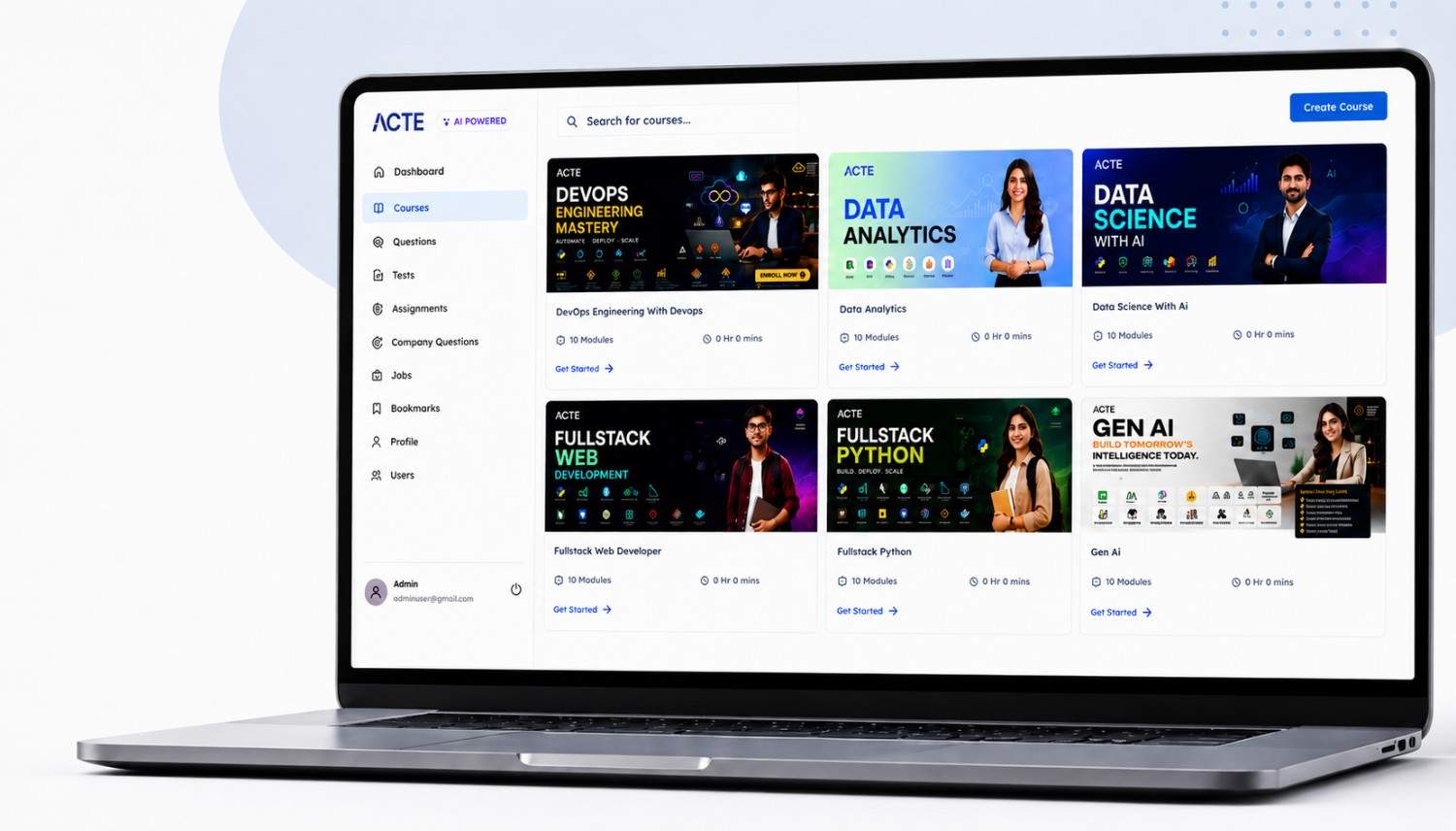
 LMS