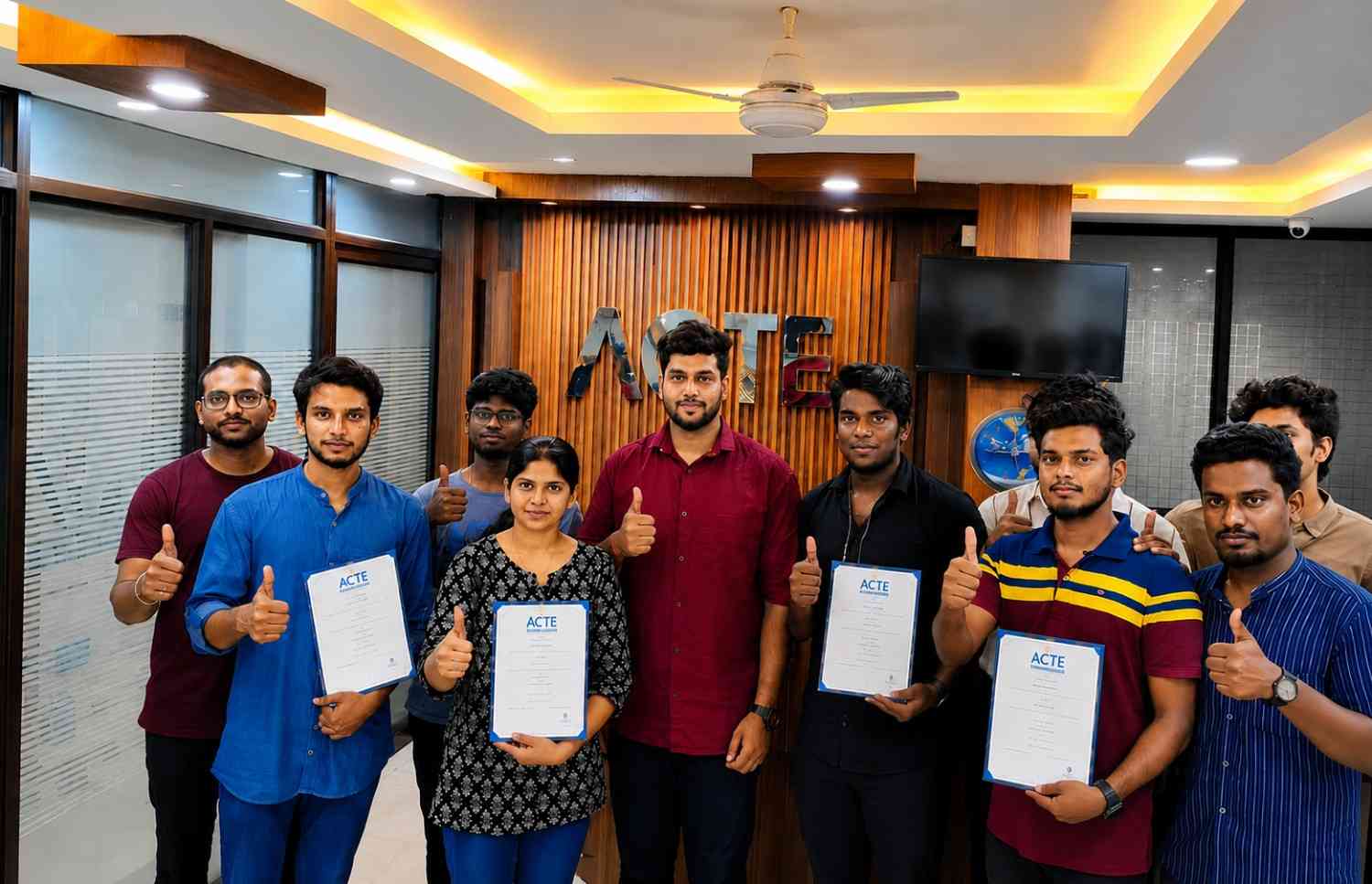
Comprehensive Overview of PMP Course in Ahmedabad
PMP Course in Ahmedabad offers structured learning in project leadership, planning, execution, stakeholder coordination, risk management, agile methodologies, hybrid practices, business alignment, and value-focused project delivery. The PMP Course in Ahmedabad advances from essential project management concepts to advanced scenario analysis, decision-making, and certification preparation. Participants gain practical exposure through trainer-led sessions, project simulations, business case studies, mock examinations, collaborative activities, planning exercises, risk evaluation, and leadership-based simulations. Experienced instructors demonstrate effective approaches for guiding teams, managing stakeholder expectations, addressing project risks, controlling timelines and costs, resolving conflicts, handling changes, and maintaining alignment with organizational goals. Learners also develop leadership, communication, analytical thinking, strategic planning, problem-solving, and professional decision-making skills.
Additional Course Information
Professional Positions and Responsibilities After PMP Training
- Project Manager:
Guides project teams, develops plans, coordinates stakeholders, monitors progress, manages risks, and ensures project goals are delivered within approved scope and requirements.
- Project Consultant:
Evaluates project challenges, suggests practical strategies,and assists organizations in strengthening project performance while achieving desired outcomes.
- PMO Professional:
Manages project governance, reporting, standards, documentation, performance evaluation, and portfolio coordination to support consistent and effective project management operations.
- Program Coordinator:
Manages connected projects, supports program planning, tracks dependencies, coordinates activities, and helps teams accomplish broader strategic program objectives.
- Project Lead:
Guides project teams, coordinates responsibilities, prioritizes activities, addresses issues, and keeps project execution aligned with business objectives and delivery requirements.
- Project Coordinator:
Supports schedules, documentation, meetings, resource planning, progress monitoring, and stakeholder communication to maintain organized and efficient project execution.
Essential Project Management Tools & Technologies
- Predictive Project Management:
Supports structured project planning and execution through defined scope, schedules, budgets, baselines, governance, monitoring, and controlled project delivery.
- Agile Project Management:
Supports iterative and adaptive project delivery through collaboration, continuous feedback, prioritization, and rapid response to changing requirements.
- Hybrid Project Management:
Combines predictive and adaptive practices to provide flexible project delivery approaches suited to complex organizational environments.
- Scrum:
Provides an Agile framework involving roles, events, artifacts, iterative delivery, product backlogs, sprint planning, reviews, and retrospectives.
- Kanban:
Uses visual workflow management, work-in-progress controls, continuous flow, and process optimization to improve delivery performance.
- Project Management Planning Tools:
Includes work breakdown structures, schedules, risk registers, stakeholder matrices,cost estimates, project baselines, and performance measurement techniques.
Core Skills Developed Through PMP Training in Ahmedabad
- Project Management:
Lead teams, organize activities, manage constraints, assess performance, solve challenges, and ensure project delivery remains connected with business objectives.
- PMO Management:
Manage governance, standardization, reporting, performance monitoring, documentation, and portfolio coordination to strengthen project visibility and management control.
- Agile Leadership:
Support adaptive delivery, guide cross-functional teams, manage shifting priorities, promote collaboration, and encourage continuous improvement throughout project activities.
- Program Management:
Coordinate related projects, handle dependencies, align resources, monitor progress, and contribute to strategic business objectives through effective program delivery.
- Project Consulting:
Assess project challenges, improve management practices, recommend effective methods, and help organizations achieve efficient and successful project delivery.
- Strategic Leadership:
Connect project activities with business strategy, manage organizational priorities, emphasize measurable outcomes, and maximize value through effective project leadership.
Future Career Opportunities for PMP Professionals
- Project Expertise:
Build advanced knowledge of project leadership, planning, execution, risk management, stakeholder coordination, agile practices, and business alignment for effective delivery.
- Scenario-Based Learning:
Strengthen confidence through realistic project situations, decision-making exercises, stakeholder challenges, risk scenarios, and practical project management activities.
- Professional Guidance:
Gain support from experienced professionals through expert training, examination preparation, application assistance, project mentoring, and practical career guidance.
- Flexible Training:
Select convenient learning schedules and training formats designed to support working professionals, project teams, and PMP certification aspirants.
- Certification Preparation:
Prepare for the PMP examination through structured lessons, practice questions, mock assessments, revision sessions, and focused strategies for stronger exam readiness.
- Career Assistance:
Improve your resume, interview skills, professional communication, leadership capabilities, and project management knowledge to pursue wider long-term career opportunities.
Show More

 LMS
LMS