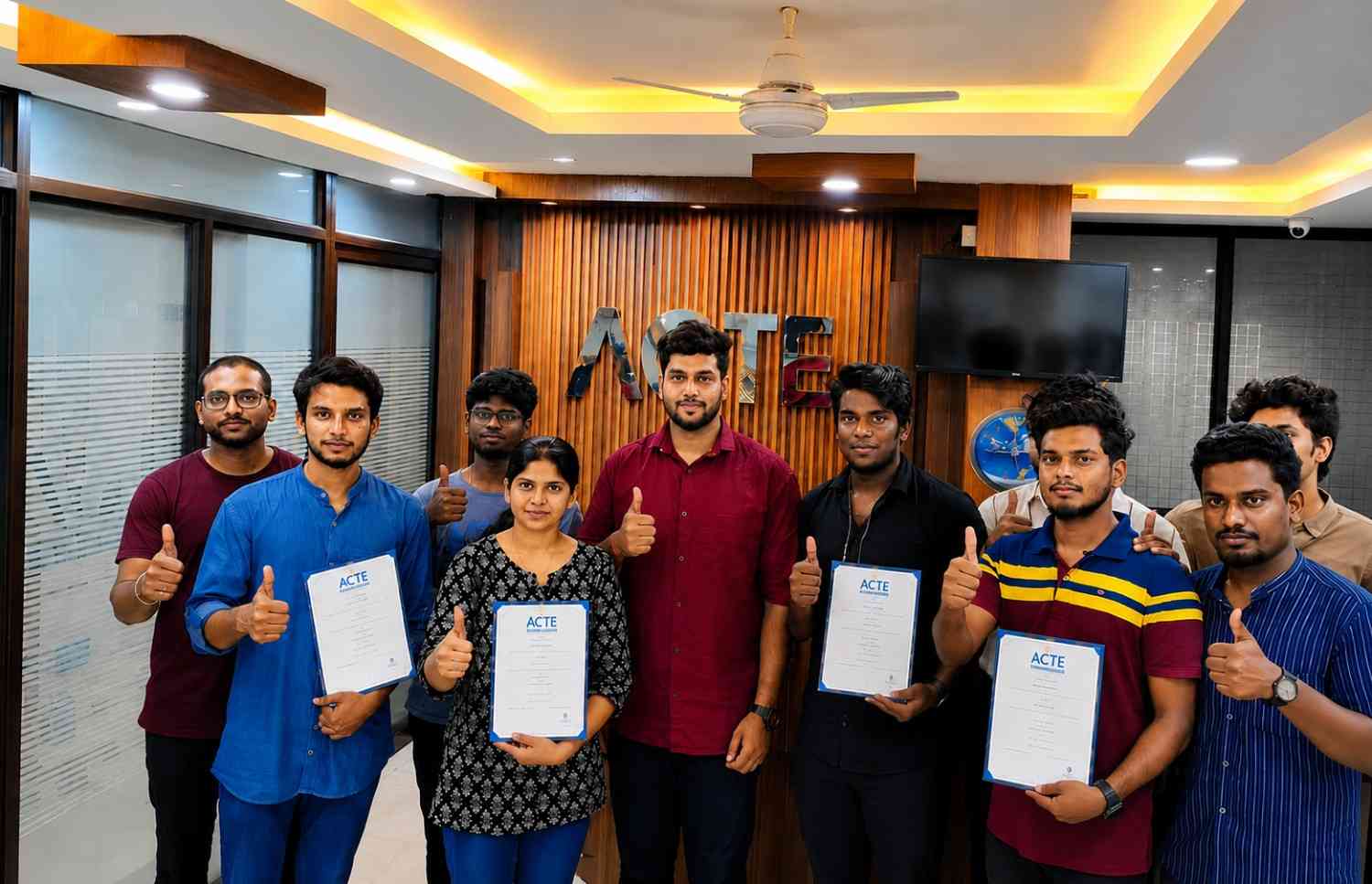
Overview of PMP Course in Mumbai
PMP Course in Mumbai offers learners structured knowledge of project planning, execution, monitoring, risk management, stakeholder engagement, resource coordination, and leadership practices. The program covers important areas including project scope, scheduling, cost control, quality management, risk analysis, team collaboration, and project performance evaluation. Project management enables organizations to achieve business goals through organized planning, efficient resource utilization, effective communication, and controlled project delivery. The PMP Course in Mumbai helps learners understand how professionals establish project goals, allocate resources, identify uncertainties, monitor progress, engage stakeholders, and contribute to successful project outcomes. The training introduces practical project management methodologies, frameworks, tools, and techniques applied across diverse industries. Learners explore predictive, Agile, and hybrid project environments while understanding how project managers select suitable approaches according to organizational needs. The program also emphasizes leadership, analytical thinking, problem-solving, and decision-making abilities required to coordinate project teams and manage business expectations successfully.
Additional Information
Job Roles and Responsibilities for PMP Placement Training
- Project Manager: Plans, delivers, monitors, and controls projects while coordinating teams, resources, schedules, budgets, risks, and stakeholder expectations.
- Project Coordinator: Assists project planning activities, monitors progress, facilitates team communication, maintains records, and supports project managers with routine responsibilities.
- Program Manager: Manages multiple connected projects, aligns activities with organizational goals, handles dependencies, and contributes to strategic business results.
- Implementation Manager: Manages implementation activities, coordinates schedules and resources, communicates with stakeholders, and supports successful solution deployment.
- Project Management Consultant: Offers guidance on project methodologies, planning practices, risk control, performance enhancement, and efficient project delivery approaches.
- Operations Manager: Oversees business operations, coordinates resources, improves processes, evaluates performance, and supports organizational goals through structured planning.
Current Tools and Methodologies Covered in PMP Internship Training
- Project Management Methodologies: Explore predictive, Agile, and hybrid approaches used to organize, execute, monitor, and complete projects across varied business environments.
- Project Planning Techniques: Learn approaches for defining scope, creating schedules, identifying resources, estimating activities, and organizing project deliverables effectively.
- Risk Management Practices: Develop capabilities to identify project risks, assess possible impacts, prepare responses, monitor changes, and support informed decisions.
- Stakeholder Management: Understand methods for identifying stakeholders, evaluating expectations, developing communication plans, and maintaining productive project relationships.
- Project Performance Monitoring: Learn how to track project progress, evaluate performance, address issues, monitor deliverables, and support successful project results.
- Project Reporting and Documentation: Build knowledge of project records, progress reporting, status communication, meeting coordination, and performance evaluation practices.
Essential Skills Required for PMP Certification Training
- Project Management Knowledge: Develop expertise in project planning, execution, resource coordination, stakeholder engagement, and effective project delivery practices.
- Risk and Problem-Solving Skills: Learn how to recognize project risks, assess challenges, create response strategies, resolve issues, and support sound decisions.
- Leadership and Team Management: Strengthen leadership capabilities for coordinating project teams, motivating professionals, and encouraging collaborative project environments.
- Stakeholder Communication: Improve communication abilities needed for working with project teams, clients, business leaders, sponsors, and other stakeholders effectively.
- Planning and Organizational Skills: Learn to structure project activities, manage schedules, coordinate resources, prioritize tasks, and maintain project records efficiently.
- Performance Monitoring Skills: Build the ability to monitor project progress, evaluate performance measures, control changes, and support ongoing project improvement.
Future Scope of PMP Course in Mumbai
- Growing Industry Demand: Qualified project management professionals are needed across technology, construction, manufacturing, finance, consulting, and other project-oriented sectors.
- Global Career Opportunities: Project management expertise can create opportunities with multinational companies and involvement in international projects and business initiatives.
- Increasing Agile Adoption: Businesses increasingly implement Agile and hybrid methods, creating opportunities for professionals who can manage projects within changing environments.
- Digital Transformation Projects: Rising technology and digital transformation investments increase demand for professionals who coordinate teams, resources, stakeholders, and project activities.
- Continuous Professional Development: Changing methodologies and business expectations encourage professionals to continually enhance leadership and project management capabilities.
- Leadership Career Opportunities: Experienced project professionals can progress toward positions such as Senior Project Manager, Program Manager, and organizational leadership roles.
Show More

 LMS
LMS