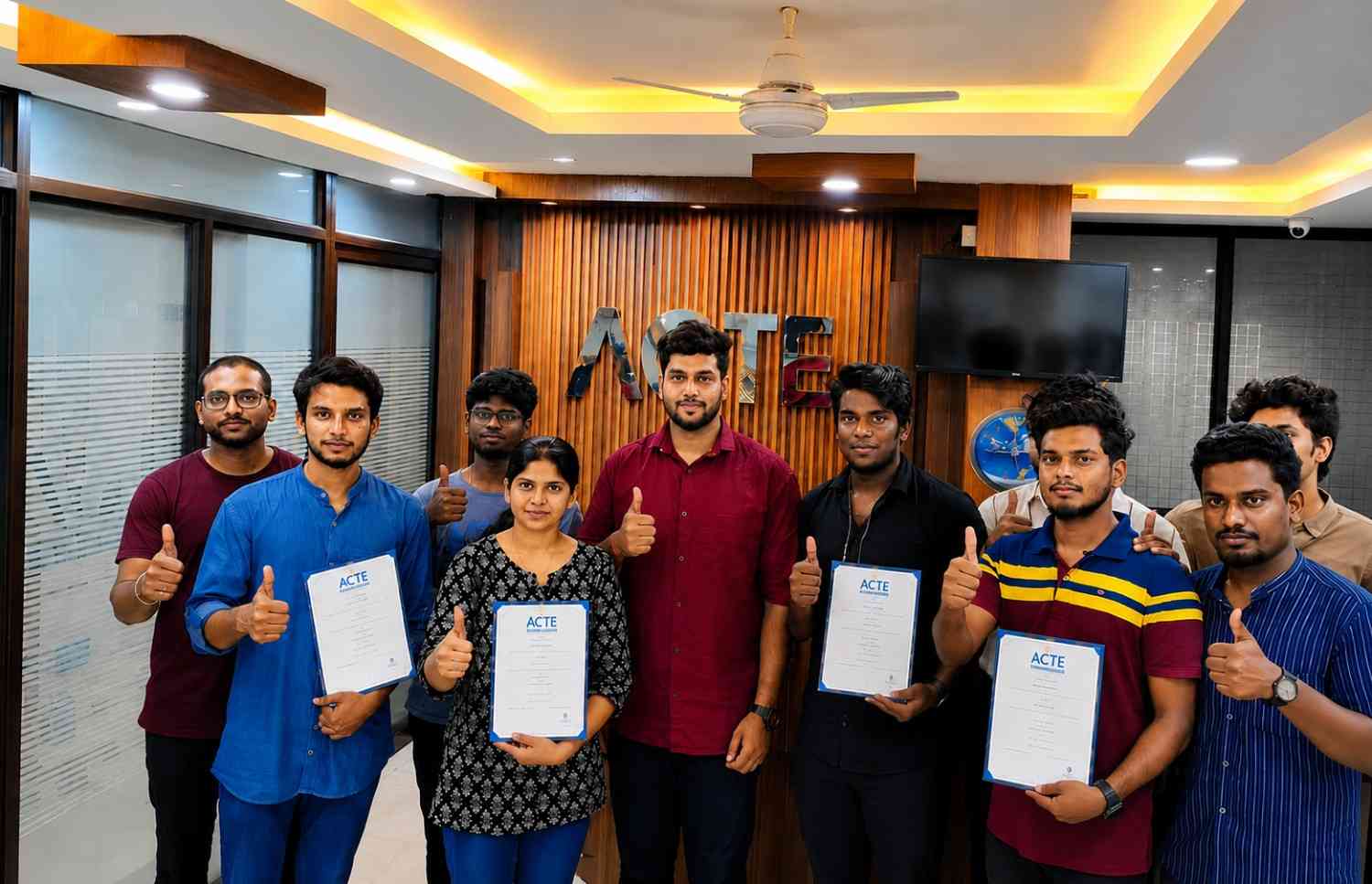
Overview For Software Testing Course in Tiruchirappalli
The Software Testing Course in Tiruchirappalli is designed to help learners build hands-on abilities in manual testing, automation testing, test case design, defect management, functional testing, regression testing, API testing, performance testing, and quality assurance using modern testing practices. The Software Testing Course in Tiruchirappalli allowing participants to work with test scenarios, automation frameworks, testing tools, defect management systems, and realistic software application requirements. Skilled trainers conduct engaging sessions featuring live demonstrations, practical testing activities, guided workshops, troubleshooting exercises, testing methodologies, and project-based assignments. These learning methods help participants strengthen technical understanding, logical reasoning, analytical skills, problem-solving capabilities, and confidence while handling real-time software testing requirements. The program also covers test documentation, quality standards, defect reporting, test management, and software validation practices adopted by modern technology organizations. Practical assignments and industry-focused projects let learners gain experience preparing test cases, running test scenarios, spotting software defects, and validating application functionality across varied environments. Certification preparation, resume building, interview training, career counseling, and placement assistance provide added support for professional growth and job readiness. Interactive practical sessions encourage analytical thinking, quality improvement, systematic testing, troubleshooting, and effective software validation through realistic testing exercises. Software Testing helps learners contribute to software quality initiatives and explore career opportunities such as Software Tester, QA Analyst, Automation Tester, Test Engineer, and Quality Assurance Specialist across diverse technology sectors.
Additional Details About Software Testing Program
Job Roles and Main Duties Following Software Testing Training
- Software Tester: Carry out test cases, spot application defects, verify software functionality, note testing results, and ensure applications meet defined quality requirements.
- Quality Assurance Analyst: Design testing approaches, validate applications, examine defects, maintain test documentation, and help organizations ship stable and dependable software products.
- Automation Tester: Write automated test scripts, run repetitive testing activities, maintain automation frameworks, uncover application issues, and raise overall testing efficiency.
- Test Engineer: Draft testing procedures, execute functional and regression tests, investigate software defects, evaluate system performance, and assist with successful application deployments.
- QA Automation Engineer: Build automation solutions, manage testing frameworks, run automated test scenarios, review test results, and improve software quality through efficient testing methods.
- Test Analyst: Review business requirements, design test scenarios, perform validation activities, report defects, and confirm that software applications meet functional and business expectations.
Discover Modern Software Testing Technologies
- Manual Testing: Covers test planning, test case creation, functional verification, regression testing, exploratory testing, defect detection, and application quality assessment.
- Automation Testing: Enables automated test execution, script creation, regression verification, test framework maintenance, repetitive task automation, and improved testing efficiency.
- Test Case Design: Supports building organized test scenarios, test conditions, validation steps, expected outcomes, and detailed software testing documentation.
- API Testing: Allows validation of application interfaces, analysis of request and response data, API defect detection, and reliable communication between software components.
- Performance Testing: Measures application speed, stability, scalability, responsiveness, load handling, and system behavior under different performance conditions.
- Defect Management: Provides structured defect detection, bug documentation, priority setting, issue monitoring, resolution verification, and continuous improvement of application quality.
Build Professional Careers in Software Testing
- Software Quality Analyst: Professional application testing, quality requirements, record defects, refine testing procedures, and help organizations deliver reliable software solutions.
- Automation Test Engineer: Write automated testing scripts, manage automation frameworks, run test suites, review results, and boost the efficiency of software validation activities.
- Quality Assurance Specialist: Apply testing procedures, monitor software quality, coordinate validation tasks, raise testing standards, and support continuous quality improvement.
- Manual Testing Specialist: Develop test cases, execute functional scenarios, identify defects, run regression testing, and verify application behavior against business requirements.
- Test Automation Consultant: Professional with strategies, configure testing frameworks, reusable scripts, optimize test execution, and support successful software testing implementations.
- Software Testing Consultant: Organize testing activities, strengthen quality assurance processes, refine testing procedures, and deliver practical testing solutions for business applications.
Key Benefits of Software Testing Course
- Industry-Oriented Curriculum: Gain knowledge of manual testing, automation, quality assurance, defect management, test planning, and technical skills aligned with current software industry needs.
- Hands-On Testing Experience: Build practical abilities through real-world projects, test case assignments, automation exercises, workshops, and software testing implementation activities.
- Certification Preparation: Receive expert guidance, assessment preparation, testing practice, technical assistance, and career-focused support for relevant software testing certifications.
- Career Development Support: Improve employment readiness through technical skill enhancement, resume preparation, interview practice, placement guidance, and ongoing career mentoring.
- Training from Experienced: Learn practical testing methodologies, automation practices, quality assurance techniques, and software validation processes from skilled industry trainers.
- Placement Assistance: Access support with resume building, mock interview sessions, recruiter interaction, career guidance, and dedicated placement assistance for development.
Show More

 LMS
LMS