Best SAP HR / HCM Training In Jayanagar ⭐ SAP HR / HCM Course In Jayanagar | Updated 2026
Join Our 100% Job Guaranteed

Best SAP HR / HCM Training in Jayanagar

  • Strengthen Your HR Expertise With Our Top SAP HR / HCM Training Institute In Jayanagar.
  • Learn Employee Administration And Organisational Structure Through SAP HCM Sessions.
  • Complete Relevant Exercises To Understand Human Resource Management Activities.
  • Complete Your Training With A Certificate And Dedicated Career Development Support.
  • Attend Weekday, Weekend, Or Classroom Sessions That Fit Your Learning Schedule.
  • Improve Job Readiness Through Resume Development, Mock Interviews, And Support.

Explore Active Opportunities on by ACTE

Live 1000+ Jobs and Internships
Quality Training With Affordable Fees in Jayanagar!

⭐ Fees Starts From

INR 36,000
INR 16,500

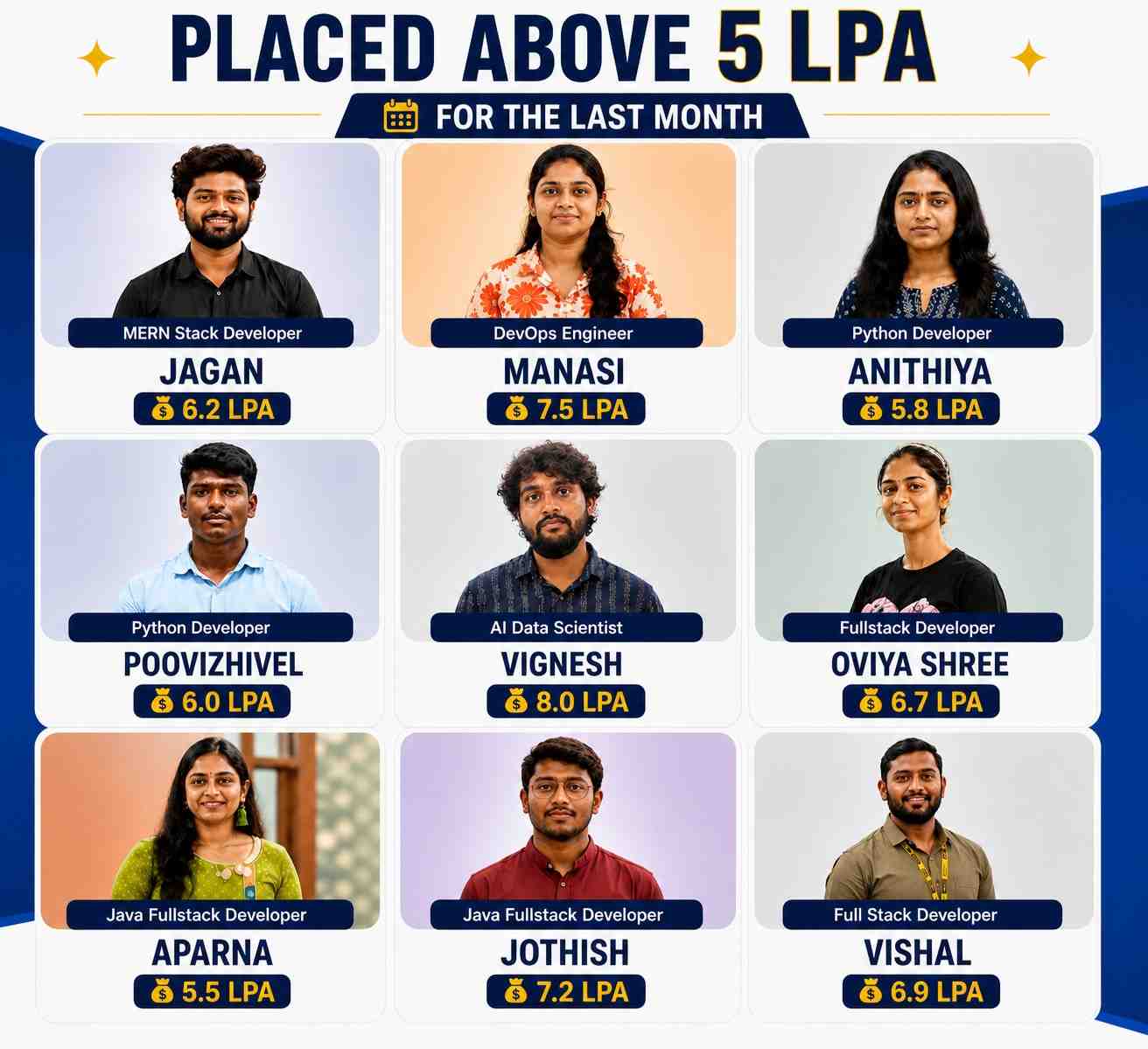
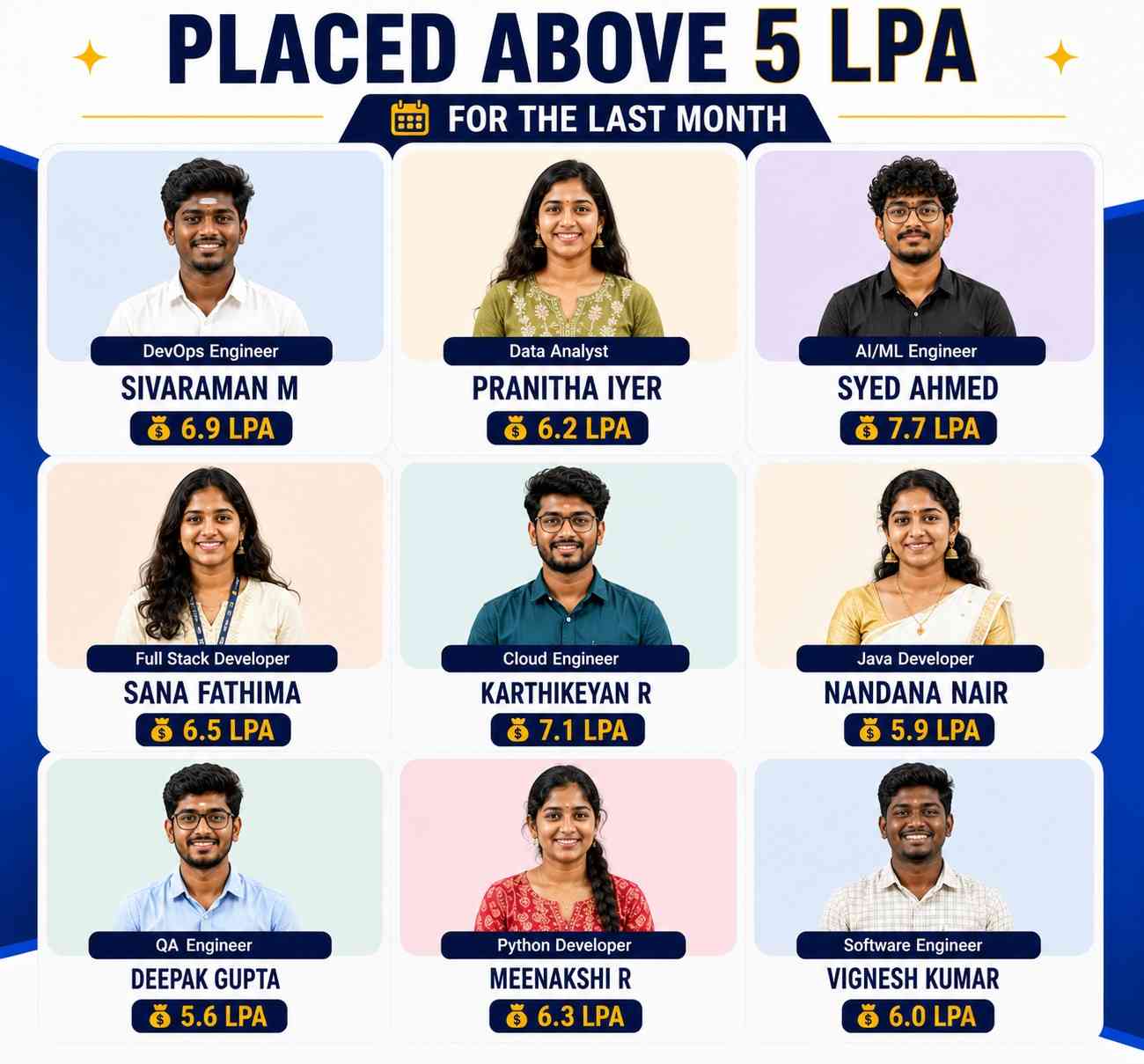
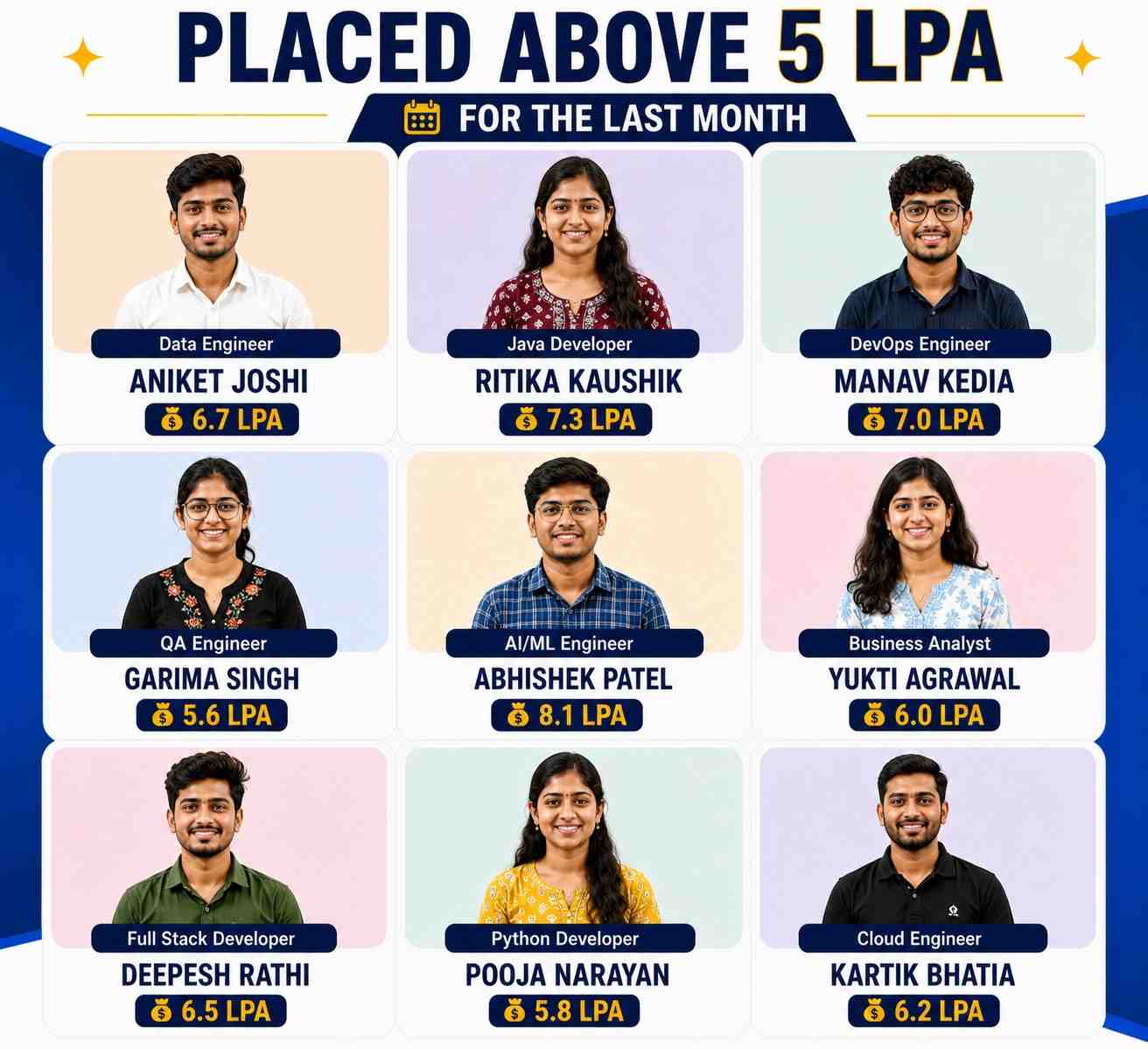
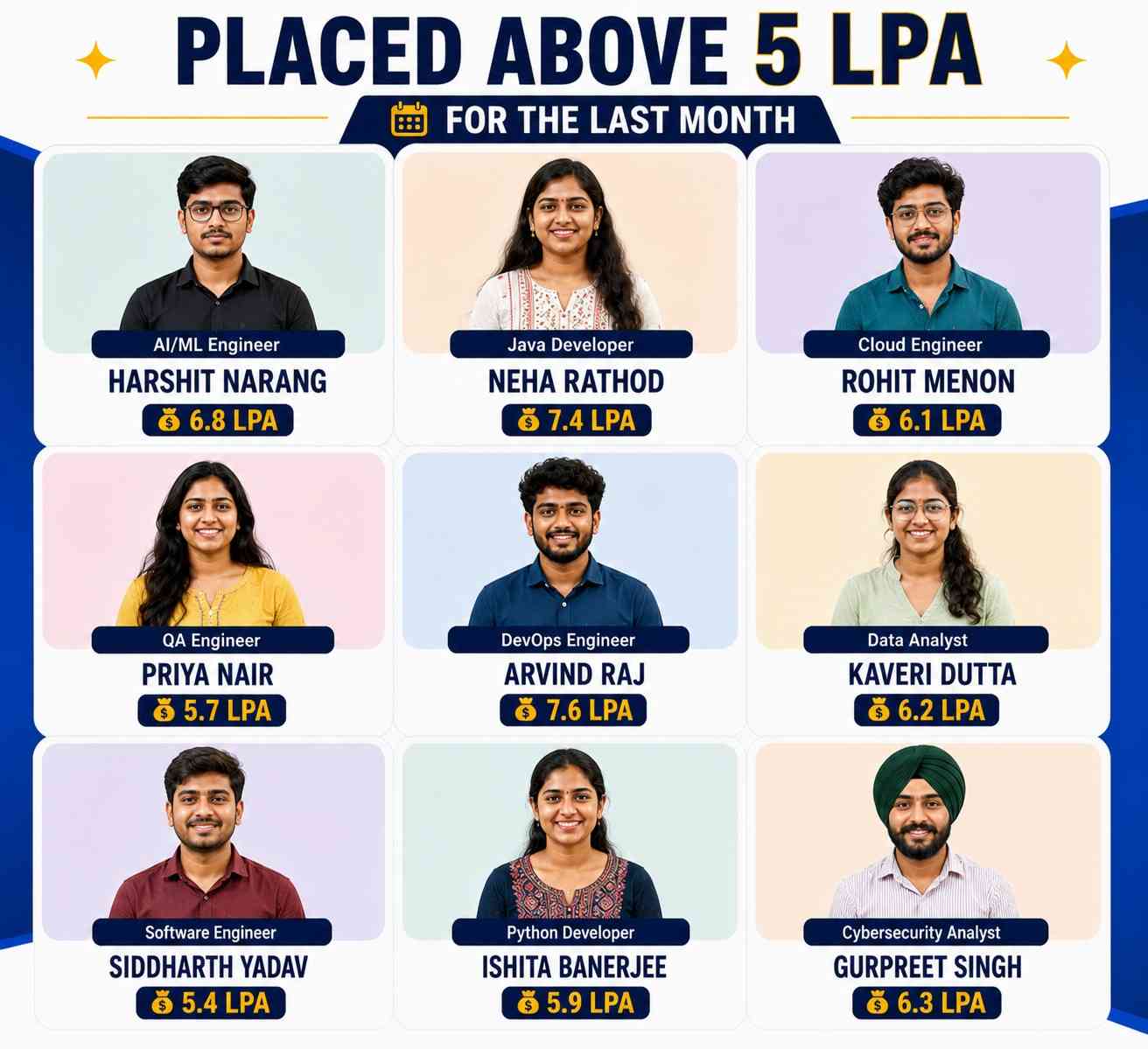
10569+

(Placed)
Freshers To IT

5556+

(Placed)
NON-IT to IT

7894+

(Placed)
Career Gap

4220+

(Placed)
Less Then 60%

Our Hiring Partners

Discover SAP HR / HCM Training in Jayanagar

Our SAP HR / HCM Training in Jayanagar provides a structured learning experience that introduces candidates to essential human resource concepts and progresses towards advanced SAP HCM functions and configuration. With instructor-led explanations, practical exercises, and workplace-based examples, learners explore Personnel Administration, Organizational Management, Time Management, Payroll Processing, Recruitment, Personnel Development, and Employee Self-Service. The program explains how SAP supports everyday HR activities, including maintaining employee information, organizing workforce structures, handling payroll operations, setting up system configurations, and reviewing employee data. It is suitable for individuals aiming to pursue opportunities as SAP HCM Consultants, SAP HR Executives, Payroll Specialists, HR Functional Analysts, and other professionals in HR technology. Practical learning helps candidates demonstrate their understanding of SAP HCM functions and build a stronger professional foundation.

What You Can Achieve Through SAP HR / HCM Course in Jayanagar

The SAP HR / HCM program is designed for graduates, beginners, and employed professionals who wish to learn HR operations, improve their understanding of employee administration, and practise SAP-based human resource activities through structured training sessions.

Participants explore essential SAP HCM areas such as Personnel Administration, Organizational Management, Time Management, Payroll, Recruitment, Employee Self-Service, and Personnel Development through guided demonstrations and hands-on exercises.

Build an understanding of SAP HCM functions, including employee administration, organizational structures, payroll operations, and time evaluation. Learn how to update personnel information and handle workforce-related records within the system.

Training brings together classroom instruction, HR assignments, practical tasks, and workplace scenarios to explain how SAP HCM is used to manage regular human resource activities across different organizations.

By the end of the program, learners can improve their ability to handle basic SAP HCM transactions, understand employee administration procedures, and use HR concepts in practical business situations.

This employment-oriented SAP HR / HCM course introduces learners to career paths in personnel administration, payroll operations, HR coordination, SAP functional consulting, and enterprise workforce management.

Program Details

What Makes Our SAP HR / HCM Training Worth Considering

  • Understand SAP HCM fundamentals through practical lessons covering Personnel Administration, Organizational Management, and Payroll Processing.
  • Receive career direction and placement assistance to explore opportunities in SAP HCM, payroll administration, and HR operations after training.
  • Connect with a network of over 11,000 students and explore career opportunities with 350+ hiring partners while sharing knowledge with other learners.
  • Learn from instructors who bring over 10 years of practical exposure to SAP HCM implementation, configuration, and enterprise HR operations.
  • Progress through a structured curriculum featuring clear explanations, assignments, hands-on activities, and continuous guidance from trainers.
  • Choose suitable training schedules with budget-friendly course options and career support for graduates, freshers, and working professionals.
  • Build workplace confidence through HR-focused assignments and practical exercises related to SAP consulting and human resource administration.

Benefits of Choosing Instructor-Led SAP HR / HCM Classes

  • Structured Learning for Beginners: SAP HCM is organized into functional areas that make employee management activities easier to understand step by step. Trainer explanations, demonstrations, and guided practice help learners follow HR workflows and prepare for more advanced SAP HCM concepts.
  • Applications Across Multiple Industries: SAP HCM knowledge is relevant to sectors such as information technology, banking, healthcare, manufacturing, retail, consulting, and business services. Learners can use their functional understanding to explore positions such as SAP HCM Consultants, HR Analysts, and human resource operations professionals.
  • Helpful Study Resources: Classroom learning can be supported with SAP reference materials, online resources, HR process documentation, and business-oriented examples. Using these resources alongside practical sessions helps candidates strengthen their functional understanding and become familiar with enterprise HR applications.
  • Scope for Career Advancement: Organizations require professionals who can update personnel records, review attendance details, organize employee information, and assist with workforce administration. Practical SAP HCM knowledge can help candidates pursue relevant roles and develop further expertise through workplace experience.
  • Organized HR Operations: SAP HCM brings together employee administration, organizational information, time management, payroll, and personnel development. Understanding these functions helps professionals maintain HR records, reduce repeated administrative activities, and support organized workforce operations.

SAP HR / HCM Technologies and Functional Areas Covered in Jayanagar

  • Core SAP HCM Modules: Become familiar with major HR functions such as Personnel Administration, Time Management, Payroll, and Personnel Development. Understand how these areas work together to maintain employee details, organize workforce structures, and handle regular personnel activities.
  • System Customization and Configuration: Learn about the SAP Implementation Guide (IMG) and configuration tasks used to align HR system settings with business requirements. Explore how configuration supports personnel actions, employee groups, organizational structures, and time management activities.
  • Employee Reports and Workforce Analysis: Understand reporting concepts associated with SAP HCM, SAP Fiori, and workforce information. Learn how employee records can be collected, arranged, examined, and presented through reports that support HR teams and management in making informed decisions.
  • Connections With Other SAP Modules: Explore how SAP HCM works with enterprise functions such as FI/CO (Finance and Controlling), SAP MM (Materials Management), and other business applications. Understand how integrated processes allow departments to exchange information and coordinate related business activities.
  • Hands-On HR Tasks and Project Work: Practise simulated business activities involving employee master records, organizational structures, personnel actions, attendance details, payroll operations, and employee administration. Project exercises help learners apply SAP HCM concepts to practical HR workflows.

SAP HR / HCM Internship Training Concepts That Build Functional Expertise

  • Introduction to SAP HCM: Study the basic principles of Personnel Administration, Organizational Management, Time Management, Payroll, and Personnel Development. Understand how these functional areas connect to maintain employee information and address an organization's HR requirements.
  • Comprehensive Human Resource Functions: Explore employee lifecycle activities, personnel actions, time evaluation, payroll operations, recruitment, and employee development. Learn how these functions contribute to workforce administration, accurate employee records, and consistent HR procedures.
  • SAP HCM System Settings: Gain an understanding of enterprise structure, personnel structure, employee groups, personnel areas, infotypes, payroll settings, and connections with related SAP modules. Discover how configuration options help organizations implement their HR policies and administrative processes.
  • Personnel Administration and Workflow Activities: Learn about employee recruitment, transfers, promotions, organizational assignments, attendance tracking, leave records, payroll tasks, and employee information updates. Understand how consistent workflows and reliable HR data contribute to effective workforce administration.
  • Workforce Reporting and Information Review: Explore how SAP HCM reporting can be used to examine personnel records, check payroll details, review attendance, study workforce information, and monitor HR activities. Understand how reports provide useful information for operational and management decisions.

Professional Abilities You Can Develop With SAP HR / HCM Course in Jayanagar

  • Comprehensive SAP HCM Understanding: Develop functional knowledge of Personnel Administration, Organizational Management, Time Management, Payroll, Recruitment, and Personnel Development. Learn how these components contribute to employee administration, workforce coordination, and organized HR operations.
  • Managing Everyday HR Activities: Practise maintaining employee data, processing personnel actions, tracking attendance, managing leave details, handling payroll activities, and updating organizational assignments. Understand how to arrange employee-related tasks and maintain accurate workforce information.
  • Applying SAP HCM in Business Scenarios: Use SAP HCM concepts in exercises involving employee records, organizational assignments, payroll operations, time evaluation, and personnel administration. These activities introduce learners to tasks commonly performed in human resource departments.
  • Employee Reporting and Record Maintenance: Learn to prepare, examine, and understand employee reports, payroll summaries, attendance details, and workforce records. Build the ability to present SAP information in a useful format for HR planning and administrative review.
  • Enterprise Integration and Team Coordination: Understand how SAP HCM connects with other business modules and how information moves between departments. Develop coordination skills for communicating with HR teams, payroll staff, finance professionals, managers, and other business stakeholders.

Career Paths and Responsibilities After SAP HR / HCM Training Institute

  • SAP HCM Functional Consultant: Contribute to SAP HCM configuration, implementation, requirement analysis, testing, and HR process enhancement. Coordinate with business users to understand their needs and assist in creating SAP-based solutions for human resource management.
  • HR Executive / HR Operations Professional: Maintain employee information, coordinate recruitment activities, update personnel records, and assist with routine HR administration using SAP HCM. Support HR departments by keeping employee details and workforce documentation accurate.
  • Payroll Operations Specialist: Assist with salary processing, verify employee compensation details, update payroll records, and support payroll activities through SAP. Work with HR and finance teams to maintain reliable salary information and coordinate timely payroll operations.
  • SAP HR Application Support Analyst: Assist users with SAP HCM transactions, update employee-related data, examine functional issues, and support routine HR activities. Provide system information, explain common procedures, investigate application concerns, and help resolve basic HR system issues.
  • HR Information Systems Analyst: Examine HR workflows, review personnel information, identify opportunities for process improvement, and coordinate with business teams using enterprise applications. Help organizations understand how SAP supports employee administration and workforce operations.

Reasons Freshers May Choose SAP HR / HCM as a Career Option

  • Learning With Practical Guidance: Fresh graduates can study SAP HCM through planned modules, instructor demonstrations, assignments, and simulated HR activities. This learning method connects academic concepts with enterprise HR procedures and gradually builds confidence in SAP-based employee administration.
  • Career Scope in Various Sectors: SAP HCM knowledge can be useful in IT, banking, healthcare, manufacturing, retail, consulting, and service organizations. Graduates may consider different HR administration and ERP-related career paths depending on their abilities, interests, and career plans.
  • Scope for Ongoing Learning: SAP offers documentation, educational resources, tutorials, webinars, professional communities, and other learning materials. Graduates can use these resources to improve their functional knowledge and follow changes in enterprise HR systems and technologies.
  • Understanding Integrated Business Applications: SAP HCM demonstrates how employee administration connects with payroll, organizational management, finance, and other business activities. Learning these connections helps graduates understand how different departments work together within an enterprise environment.
  • Remote and Consulting Possibilities: Candidates with SAP HCM skills and relevant professional experience may explore remote application support, project-based assignments, and consulting work. Exposure to different projects can help them understand varied HR processes and business requirements.

Remote Work Possibilities for SAP HR / HCM Professionals

  • Supporting Distributed HR Teams: SAP HCM enables several digital HR activities, giving professionals opportunities to assist with employee administration, payroll support, workforce reporting, configuration, and process coordination while working with teams in different locations.
  • Project-Based and Consulting Assignments: Professionals with SAP HCM expertise and work experience can consider project assignments through consulting networks and professional platforms. Knowledge of personnel administration, payroll, and time management can help them communicate their functional capabilities to clients.
  • Virtual Coordination With HR Departments: SAP workflows, centralized personnel records, digital approvals, and reporting functions help HR departments communicate with other business teams. Professionals can coordinate with stakeholders, follow assigned tasks, and assist with employee management processes remotely.
  • Improving Administrative Workflows: SAP HCM helps businesses organize regular personnel activities and maintain employee information. Professionals who understand these functions can contribute to reducing manual work, maintaining data accuracy, limiting administrative mistakes, and supporting smoother HR operations.
  • Expanding Professional Connections: Virtual SAP communities, webinars, discussion groups, online events, and professional networks allow learners to connect with HR technology specialists from different locations. These interactions can improve awareness of remote vacancies, international projects, and consulting assignments.

Responsibilities You May Handle in Your First SAP HR / HCM Role

  • Basic Personnel Administration Activities: Beginners may start by updating employee master records, maintaining organizational assignments, reviewing attendance information, checking payroll details, and organizing HR documents. With experience, they can handle more advanced SAP HCM tasks and business requirements.
  • Using SAP HR Applications: Based on the organization and position, employees may work with SAP GUI, SAP Fiori applications, SAP HCM functions, workforce reports, and other HR-related tools. This exposure helps them understand how enterprise applications support employee administration and business operations.
  • Learning From Senior Professionals: Experienced consultants, HR managers, payroll specialists, and team leaders may guide new employees on system usage, personnel workflows, documentation, and issue resolution. Their feedback helps beginners improve functional knowledge, work accuracy, and professional performance.
  • Collaborating With Business Departments: SAP HCM professionals may communicate with HR executives, payroll teams, finance staff, department managers, business analysts, and technical consultants. These interactions help develop communication, requirement understanding, teamwork, and problem-solving abilities.
  • Progressing Toward Advanced Responsibilities: New SAP HCM employees often begin with basic employee administration and application support tasks. As they gain practical experience, they may move into payroll operations, HR systems analysis, functional configuration, and SAP consulting responsibilities.

Companies With Career Opportunities for SAP HR / HCM Placement Course Professionals

  • Accenture: Accenture delivers SAP consulting, enterprise implementation, and business transformation services to organizations in different sectors. Professionals with SAP HCM knowledge may explore work involving HR technology projects, personnel process improvement, functional configuration, application support, and enterprise consulting activities.
  • Infosys: Infosys supports businesses through SAP consulting, implementation services, application management, and digital transformation projects. SAP HCM professionals may contribute to system configuration, HR workflow improvements, payroll support, reporting, integration, testing, and enterprise application maintenance.
  • Tata Consultancy Services (TCS): TCS provides SAP consulting and enterprise transformation services to clients across international markets. SAP HCM specialists may find opportunities in employee management workflows, payroll operations, HR administration, application support, implementation projects, and integrated business solutions.
  • Capgemini: Capgemini offers SAP consulting, technology services, and enterprise transformation solutions across multiple industries. Candidates with SAP HCM expertise may consider roles related to HR system implementation, personnel administration, functional analysis, payroll management, and application support.
  • IBM: IBM provides enterprise consulting, SAP-related services, and technology solutions for organizations across different business sectors. SAP HCM professionals may explore suitable responsibilities in HR application support, workforce management transformation, payroll administration, functional analysis, and enterprise technology projects.
Show More

Upcoming Batches For Classroom and Online

Weekdays
16 - Nov - 2026
08:00 AM & 10:00 AM
Weekdays
18 - Nov - 2026
08:00 AM & 10:00 AM
Weekends
21 - Nov - 2026
(10:00 AM - 01:30 PM)
Weekends
22 - Nov - 2026
(09:00 AM - 02:00 PM)
Can't find a batch you were looking for?
INR ₹16500
INR ₹36000

OFF Expires in

Who Should Take an SAP HR / HCM Certification Course

IT Professionals

Non-IT Career Switchers

Fresh Graduates

Working Professionals

Diploma Holders

Professionals from Other Fields

Salary Hike

Graduates with Less Than 60%

Show More

Job Roles For SAP HR / HCM Certification Training

SAP HCM Consultant

HR Analyst / HR Executive

SAP End-User

HR Coordinator

Compliance & Audit Specialist

Payroll Specialist

Time Management Specialist

Talent Management Consultant

Show More

What’s included ?

Convenient learning format

📊 Free Aptitude and Technical Skills Training

  • Learn basic maths and logical thinking to solve problems easily.
  • Understand simple coding and technical concepts step by step.
  • Get ready for exams and interviews with regular practice.
Dedicated career services

🛠️ Hands-On Projects

  • Work on real-time projects to apply what you learn.
  • Build mini apps and tools daily to enhance your coding skills.
  • Gain practical experience just like in real jobs.
Learn from the best

🧠 Launch Your Career in Top MNC Companies

  • Master technical and HR interview rounds.
  • Gain confidence with expert mock interview practice.
  • Improve your chances of getting hired faster.
Learn from the best

🎯 Interview Preparation For Freshers

  • Practice company-based interview questions.
  • Take online assessment tests to crack interviews
  • Practice confidently with real-world interview and project-based questions.
Learn from the best

🧪 LMS Self Learning Platform

  • Explore expert trainer videos and documents to boost your learning.
  • Study anytime with on-demand videos and detailed documents.
  • Top MNC interview questions & self coding practice.

SAP HR / HCM Course Syllabus

  • 🏫 Classroom Training
  • 💻 Online Training
  • 🚫 No Pre Request (Any Vertical)
  • 🏭 Industrial Expert

Enrolling in SAP HR / HCM Course in Jayanagar allows participants to build applied skills in SAP-driven human resource management and prepare for suitable opportunities in HR and ERP fields. The course explains key HR functions through practical activities involving Personnel Administration, Organizational Management, Time Management, Payroll Processing, Recruitment, Employee Self-Service, and Personnel Development. Learners explore how SAP HCM stores employee data, organizes workforce structures, processes salary information, and supports day-to-day HR administration. With guided practice and adaptable learning sessions, participants can strengthen the functional skills needed to work with current HR processes and SAP HCM systems for HR teams.

  • SAP HCM Key Concepts: Learn the fundamentals of human capital management, enterprise HR practices, organizational structures, and essential SAP HCM processes.
  • SAP HCM Module Administration & Management: Understand employee master data, HCM configuration settings, and HR workflow administration.
  • SAP HCM Process Execution & Implementation: Gain practical understanding of personnel administration, benefits, and employee lifecycle processes.
  • SAP HCM Tools & Analytics: Explore SAP Fiori, S/4HANA capabilities and HR analytics tools for managing workforce information and supporting business decisions.
Introduction to SAP HCM
Core SAP HCM Modules
SAP HCM Administration & Configuration
SAP HCM Process Execution
Integration & Automation in HCM
HCM Reporting & Analytics
SAP HCM Strategy & Real-Time Projects

This module introduces SAP HCM fundamentals and their role in modern HR management:

  • Role of SAP HCM: Understand how SAP HCM helps organizations manage employee information, HR operations and workforce-related activities.
  • Fundamental Components: Get familiar with Organizational Management (OM), Personnel Administration (PA), Benefits, and Employee Self-Service (ESS).
  • SAP Platforms: Learn about SAP S/4HANA and SAP ECC and understand how these environments support HR processes and enterprise workforce management.
  • Career Opportunities: Explore potential roles such as SAP HCM Consultant, HR Analyst, HR Executive, HR Coordinator and Compliance & Audit Specialist.

This module covers key SAP HCM functional areas and their role in HR operations:

  • Functional Configuration: Understand the configuration requirements associated with Organizational Management, Payroll, Benefits, and ESS.
  • Employee Data Management: Learn how employee master records, positions, and HR infotypes are maintained for accurate workforce administration.
  • HR Workflow Processes: Explore workflow concepts for activities such as employee onboarding, leave requests, approvals and benefits administration.
  • Reporting & Monitoring: Understand how HR reports and analytical information can be used to monitor operations and support management decisions.

Learn SAP HCM configuration, administration, security, and system maintenance:

  • Administration Interface: Work with SAP S/4HANA, SAP Fiori, SAP IMG, and interfaces used to administer HR functions and configure workforce processes.
  • Configuration & Automation: Understand how templates and workflows can simplify recurring HR activities and standardize business processes.
  • Security & Authorizations: Learn the basics of role-based access, user permissions, and practices used to safeguard employee information.
  • Process Monitoring: Review HR transactions, employee data, and workforce indicators to identify issues and support effective HR administration.

This module covers practical SAP HCM transactions and HR processes:

  • Employee Administration: Practice maintaining employee records, organizational assignments, attendance details, and other routine HR transactions.
  • Time & Payroll Activities: Gain practical exposure to time-related processes, payroll inputs, payroll processing concepts, and benefits-related activities.
  • HR Workflow Execution: Understand how employee requests, approvals, onboarding activities and other HR workflows are handled within SAP HCM.
  • Testing & Verification: Validate configurations, HR transactions, workflows, and reports to ensure that business processes function as expected.

Understand SAP HCM integration and automation for efficient HR processes:

  • Module Integration: Learn about SAP HCM integration with FI, CO, MM, and other SAP components to support connected HR and enterprise business processes.
  • Automated HR Activities: Explore ways to streamline recurring activities such as employee updates, payroll-related processes and HR notifications.
  • External System Connectivity: Understand the importance of integrating SAP HCM with external HR applications and enterprise systems.
  • Workflow Administration: Learn how standard workflows, templates, and approval processes can improve employee lifecycle management.

Analyze HR data, create reports, and monitor workforce performance:

  • HR Dashboards: Explore SAP Fiori dashboards and other reporting interfaces used to review employee information, HR activities, and workforce performance.
  • Workforce Analysis: Analyze attendance records, payroll information, employee data, and HR processes to identify improvement opportunities.
  • HR KPIs & Indicators: Understand useful metrics related to employee data accuracy, attendance, leave usage and HR process effectiveness.
  • Data Administration: Learn how to maintain employee master data, HR infotypes, and other workforce information required for accurate reporting.

Apply SAP HCM knowledge through practical projects and real-world HR scenarios:

  • Project Preparation: Analyze HR requirements, identify project objectives, plan implementation activities, and organize suitable timelines for SAP HCM projects.
  • Practical Projects: Work through realistic SAP HCM scenarios covering personnel administration, time management, benefits, and employee workflows.
  • Process Assessment: Examine HR reports, workforce information and operational indicators to identify process gaps and recommend improvements.
  • Capstone Project: Create an end-to-end SAP HCM project that combines configuration and process improvement based on a practical organizational requirement.

🎁 Free Addon Programs

Aptitude, Spoken English

🎯 Our Placement Activities

Daily Task, Soft Skills, Projects, Group Discussions, Resume Preparation, Mock Interview

Hands-On SAP HR / HCM Training Projects in Jayanagar

Placement Support Overview

Discover Career Paths for SAP HR / HCM Learners

SAP HCM Payroll Configuration Specialist

Company: Example Enterprise Employer

Jayanagar, Bangalore, Karnataka

Salary: Not disclosed

Relevant Degree

Exp As per employer requirements

  • Configure payroll components, maintain wage types, review employee compensation records, and assist with payroll processing activities to support accurate salary administration through SAP HCM.
  • Explore Role

    SAP HCM Personnel Administration Analyst

    Company: Example IT Services Employer

    Jayanagar, Bangalore, Karnataka

    Salary: Not disclosed

    Relevant Degree

    Exp As per employer requirements

  • Maintain employee master records, update personnel information, manage organizational assignments, and support routine HR transactions while ensuring employee data remains accurate.
  • Explore Role

    SAP SuccessFactors Employee Central Consultant

    Company: Example Technology Employer

    Jayanagar, Bangalore, Karnataka

    Salary: Not disclosed

    Relevant Degree

    Exp 2+ yrs

  • Support Employee Central configuration, maintain employee lifecycle data, review HR requirements, and assist with system enhancements and implementation activities across SuccessFactors environments.
  • Explore Role

    SAP HCM Time Management Consultant

    Company: Example Consulting Employer

    Jayanagar, Bangalore, Karnataka

    Salary: Not disclosed

    Relevant Degree

    Exp As per employer requirements

  • Manage attendance configurations, work schedules, leave information, and time evaluation activities while helping organizations maintain consistent employee time management processes.
  • Explore Role

    SAP HCM Organizational Management Analyst

    Company: Example Business Solutions Employer

    Jayanagar, Bangalore, Karnataka

    Salary: Not disclosed

    Relevant Degree

    Exp As per employer requirements

  • Maintain organizational units, job positions, reporting structures, and employee assignments while supporting workforce planning and organizational data management through SAP HCM.
  • Explore Role

    SAP HRIS Reporting & Data Analyst

    Company: Example Corporate Employer

    Jayanagar, Bangalore, Karnataka

    Salary: Not disclosed

    Relevant Degree

    Exp 1-3 yrs

  • Prepare workforce reports, examine employee information, monitor HR metrics, and maintain reporting data to help HR teams evaluate workforce trends and operational performance.
  • Explore Role

    SAP HCM Application Support Analyst

    Company: Example Software Services Employer

    Jayanagar, Bangalore, Karnataka

    Salary: Not disclosed

    Relevant Degree

    Exp As per employer requirements

  • Investigate SAP HCM application issues, assist users with HR transactions, document technical incidents, and coordinate with functional teams to maintain reliable HR system operations.
  • Explore Role

    SAP HCM Functional Implementation Consultant

    Company: Example ERP Consulting Employer

    Jayanagar, Bangalore, Karnataka

    Salary: Not disclosed

    Relevant Degree

    Exp 4+ yrs

  • Gather HR business requirements, assist with SAP HCM implementation, document functional specifications, coordinate testing, and support system improvements based on organizational needs.
  • Explore Role

    Advantages of Enrolling in SAP HR / HCM Training in Jayanagar

    Real-Time SAP HCM Practical Learning Exposure

    • 1. Gain hands-on familiarity with SAP HCM functions, including personnel administration, organizational structures, and employee scheduling.
    • 2. Work on HR-based exercises covering employee information, attendance records, payroll activities, and everyday workforce management operations.
    Book Session

    Structured SAP HCM Knowledge Development

    • 1. Explore SAP HCM modules, employee administration procedures, system functions, and important human resource management practices.
    • 2. Strengthen functional understanding with instructor-guided exercises involving payroll operations, personnel data, and employee attendance processes.
    Book Session

    Workplace HR Knowledge & Employee Support

    • 1. Understand employee engagement practices, workplace support initiatives, and methods for building positive professional relationships.
    • 2. Learn how organizational HR policies and employee welfare activities influence workplace experiences and business development.
    Book Session

    Mentor Assistance & Collaborative Learning

    • 1. Learn from experienced trainers who guide participants through SAP HCM functions, practical exercises, and professional HR procedures.
    • 2. Participate in collaborative assignments and workplace-based case studies to develop problem-solving, teamwork, and HR functional knowledge.
    Book Session

    Career Readiness & Workplace Skill Building

    • 1. Improve communication, coordination, analytical thinking, and decision-making skills required for SAP HR and HCM-related job responsibilities.
    • 2. Prepare for employment opportunities through resume improvement assistance and interview sessions based on practical SAP HCM topics.
    Book Session

    Training Achievement & Skill Certification

    • 1. Obtain a course completion certificate that represents your training participation and practical knowledge of SAP HCM modules and HR operations.
    • 2. Mention your course certification and acquired skills in your resume to demonstrate your learning experience when applying for relevant professional positions.
    Book Session

    Sample Resume for SAP HR / HCM (Fresher)

    • 1. Simple and Clean Resume Layout

      – Use a professional format with clearly defined sections such as career summary, SAP HCM skills, certifications, education, and project experience.

    • 2. List of SAP HCM Skills You Possess

      – Highlight skills like Personnel Administration (PA), Organizational Management (OM), Payroll, Time Management, Recruitment, Employee Lifecycle Management, Reporting, and HCM Workflow Automation.

    • 3. Real-Time Projects and Achievements

      – Include 1–2 SAP HCM projects with concise descriptions, modules used, and measurable outcomes such as improved payroll accuracy, streamlined HR processes, or enhanced employee data management.

    Top SAP HR / HCM Interview Questions and Answers in Jayanagar

    Ans:

    An Infogroup is a collection of infotypes arranged in a specific sequence for processing an HR activity. It determines which employee information screens appear during a personnel action. Infogroups can be configured based on personnel action types and user requirements. They help HR teams enter relevant employee details systematically during activities such as hiring, transfers, and organizational changes.

    Ans:

    • Organizational Units represent departments or business divisions within an organization.
    • Jobs describe general roles and responsibilities performed within the company.
    • Positions represent specific roles assigned to employees within the organizational structure.
    • Persons represent individual employees connected to positions and organizational units.

    Ans:

    Personnel Subareas are subdivisions of a Personnel Area used to manage employee administration at a more detailed organizational level. They help determine settings related to work schedules, employee groupings, payroll, and other HR processes. A Personnel Subarea is assigned to a Personnel Area and supports the application of specific personnel administration rules within an organization.

    Ans:

    • A Payroll Area groups employees who follow the same payroll schedule.
    • It determines the payroll period and frequency used for processing employee salaries.
    • Employees assigned to a payroll area are generally processed together during the payroll run.
    • Payroll control records help manage the processing status and periods for each payroll area.

    Ans:

    A Job represents a general classification of work and describes the responsibilities associated with a particular role. A Position refers to a specific place within an organization's structure that can be occupied by an employee. For example, HR Manager can be a Job, while the HR Manager position in a particular department is an individual organizational assignment. Jobs can be linked to multiple positions in SAP HCM.

    Ans:

    • A Payroll Schema defines the sequence of operations performed during payroll processing.
    • Personnel Calculation Rules (PCRs) contain specific instructions used to process payroll information.
    • Schemas call calculation rules to perform activities such as wage type processing and payroll calculations.
    • Both components work together to apply configured payroll logic and calculate employee compensation.

    Ans:

    The Payroll Control Record manages the payroll processing status and period for a particular payroll area. It controls the stages of payroll processing, such as releasing payroll, checking results, and completing the payroll run. It also helps prevent changes to payroll-relevant employee master data during restricted processing stages, supporting consistent payroll administration.

    Ans:

    Features are configuration tools in SAP HCM that help determine system values and processing defaults based on employee or organizational attributes. They use decision structures to return appropriate values for HR processes. For example, features can support default values for employee administration, payroll, and organizational assignments. Their configuration helps standardize HR operations and reduce repetitive manual entries.

    Ans:

    • HR users can access employee records through transactions such as PA30 to maintain personnel information.
    • Relevant infotypes are selected to update details such as addresses, organizational assignments, and compensation information.
    • Validity dates help maintain a history of employee information changes over time.
    • Configured authorization checks control which employee records users can view or modify.

    Ans:

    Employee Self-Service (ESS) and Manager Self-Service (MSS) are functions that allow employees and managers to complete selected HR activities through self-service interfaces. ESS can enable employees to view personal information, submit leave requests, and access relevant HR services. MSS provides managers with tools to review team information, approve requests, and support workforce-related activities. These functions can reduce routine administrative work and improve HR service accessibility.

    SAP HR / HCM Interview Practice: MNC Questions and Answers in Jayanagar

    1. How does SAP HCM manage an employee's journey within an organization?

    Ans:

    SAP HCM manages workforce activities from hiring and onboarding through internal movements and eventual exit. Personnel Administration stores employee details, while Organizational Management maintains departments, jobs, and positions. Time Management records attendance and leave, and Payroll calculates employee payments. Together, these areas help HR teams maintain connected information throughout an employee's period of service.

    2. Which employee information is maintained through Personnel Administration?

    Ans:

    Personnel Administration is used to maintain an employee's personal and employment records in SAP HCM. Information can include personal details, organizational placement, pay data, and other employment-related particulars stored in infotypes. HR users maintain these records to support routine personnel activities and keep workforce information complete and reliable.

    3. What procedure would you follow to add a new employee to SAP HCM?

    Ans:

    • Start the configured hiring action for the new employee.
    • Provide the employee's personal and employment details.
    • Enter the appropriate personnel and organizational assignments.
    • Complete the required infotypes, including personal data and basic pay.
    • Check the entered information and save the employee record.

    4. How are Job and Position objects different in Organizational Management?

    Ans:

    A Job describes a broad role or type of work that may exist in different parts of a business. A Position is a particular place in the organizational structure that can be occupied by an employee. Several positions may use the same job classification. These objects help represent duties, reporting lines, and employee placement in SAP Organizational Management.

    5. Which details are recorded in SAP HCM Infotype 0001?

    Ans:

    Infotype 0001 contains an employee's organizational assignment data. Typical fields include company code, personnel area, personnel subarea, employee group, employee subgroup, and organizational assignment. SAP uses these details to establish where an employee belongs and to support related personnel administration and HR processing activities.

    6. How would you process an employee's move to another department or unit?

    Ans:

    • Open the employee record that needs an internal transfer.
    • Choose the relevant transfer action configured in the system.
    • Enter the revised organizational assignment details.
    • Confirm that the effective date and record validity are correct.
    • Save the action and check the employee's updated assignment.

    7. How does the employee subgroup affect HR administration?

    Ans:

    An employee subgroup divides an employee group into more specific employment categories. It can influence personnel administration settings, work schedules, payroll-related processing, and other configured HR rules. Assigning the correct subgroup enables the organization to apply suitable procedures and conditions to each category of employee.

    8. Which checks help you find incomplete employee master records?

    Ans:

    I would examine the employee's relevant infotypes and run the available personnel reports to locate missing entries. I would verify required fields, record validity periods, and organizational data. Data checks and consistency reviews can reveal incomplete information early, allowing corrections before the records affect payroll or other HR operations.

    9. How are employee exit details updated through Personnel Actions?

    Ans:

    A separation action records the employment changes required when an employee leaves the organization. Depending on the configuration, the process updates the leaving date, employment status, and associated personnel information through the relevant infotypes. Completing the action correctly ensures that the employee's record shows the appropriate status for later HR processes.

    10. What would you inspect when an employee is linked to the wrong organizational unit?

    Ans:

    I would check Infotype 0001 for the personnel area, personnel subarea, employee group, employee subgroup, and organizational assignment. I would also review the related Organizational Management objects and their validity dates. Once the incorrect field or relationship is identified, I would make the correction through the authorized procedure and confirm the revised assignment.

    1. Which activities are normally completed during an SAP HCM payroll cycle?

    Ans:

    A typical payroll cycle begins with checks on employee master data and relevant time information. The payroll run then evaluates the configured rules and calculates employee payments. Payroll users review the results, investigate exceptions, and complete the required follow-up activities. The exact sequence depends on the organization's payroll setup and applicable country requirements.

    2. How does a Payroll Schema control payroll calculation?

    Ans:

    A Payroll Schema defines the processing sequence used during a payroll run. It contains functions and operations that determine how employee data and wage types are evaluated. The schema brings together the steps needed to calculate earnings, deductions, and other payroll values in line with the organization's configured payroll requirements.

    3. In what way does a PCR differ from a Payroll Schema?

    Ans:

    • The schema sets the broad order of activities performed during payroll.
    • A Personnel Calculation Rule (PCR) contains a particular evaluation or calculation instruction.
    • The schema can call PCRs at the relevant stage of processing.
    • Both components combine to apply the required payroll logic.

    4. Which SAP HCM settings influence an employee's overtime amount?

    Ans:

    Overtime valuation is based on recorded time, the employee's work schedule, configured overtime conditions, and the wage types used for payment. Time Management identifies the eligible hours, and Payroll processes the related amounts. The final calculation may differ according to employee grouping, organizational rules, and the company's overtime policy.

    5. Why is a Work Schedule Rule assigned to an employee?

    Ans:

    A Work Schedule Rule specifies the employee's expected working pattern. It can include daily hours, weekly workdays, breaks, and relevant periods of work. SAP Time Management refers to this schedule when evaluating attendance, absences, overtime, and other time data recorded for the employee.

    6. What configuration and employee data are needed to manage leave quotas?

    Ans:

    • Set up the absence quota types and related rules.
    • Specify entitlement calculations and quota validity dates.
    • Maintain the applicable quota details for each employee.
    • Record approved leave and other relevant absence usage.
    • Check the employee's available balance in the time records.

    7. How would you explain the difference between scheduled hours and recorded hours?

    Ans:

    Scheduled hours are the working hours an employee is expected to complete under the assigned work schedule. Recorded hours reflect the time captured through attendance or time-entry processes. Reviewing the two values together helps HR identify overtime, missed attendance, absences, and differences that may need attention.

    8. How would you trace an unexpected change in an employee's payroll result?

    Ans:

    I would compare the payroll results for the periods concerned and check any changes to employee master data, wage types, attendance, and absence records. I would also inspect retroactive accounting and the payroll log. This comparison helps establish whether the difference was caused by a personnel update, time entry, or payroll rule.

    9. How does the Payroll Control Record regulate a payroll period?

    Ans:

    The Payroll Control Record manages the processing status and payroll period for a payroll area. It governs stages such as releasing payroll for execution and completing the payroll run. It also restricts certain employee data changes during controlled stages, helping protect the consistency of payroll processing.

    10. What would you investigate if approved overtime is absent from an employee's payslip?

    Ans:

    I would confirm that the employee's attendance entries contain the approved overtime hours. I would then review the assigned work schedule, overtime valuation, wage type settings, and payroll result. Finally, I would examine the payroll log and arrange any required correction through the established payroll support process.

    1. How are employee records connected with the company structure in SAP HCM?

    Ans:

    Personnel Administration stores information specific to each employee, whereas Organizational Management represents departments, jobs, and positions. Their integration links an employee to the appropriate unit and position in the company structure. This connection keeps personnel assignments aligned with organizational data and supports HR reporting and administration.

    2. Why are Features used when configuring SAP HCM?

    Ans:

    A Feature is a configuration object that derives a value or processing choice by evaluating defined decision criteria. It can use employee or organizational attributes to determine an appropriate default. Features are used in different HR configuration areas to support consistent data entry and apply the required system behavior.

    3. How do Personnel Areas and Personnel Subareas contribute to HR setup?

    Ans:

    • A Personnel Area identifies a principal unit used for personnel administration.
    • A Personnel Subarea represents a more specific division within that area.
    • Both provide organizational groupings for employee records and HR settings.
    • They can affect work schedules and other personnel administration rules.

    4. How does an Infogroup support a personnel action?

    Ans:

    An Infogroup specifies which infotype screens appear and the order in which they are presented during a personnel action. It guides HR users through the information required for a particular employee process. The Infogroup is linked to the relevant action and can be configured to include the data screens needed for that activity.

    5. What employee and manager activities can be supported by ESS and MSS?

    Ans:

    Employee Self-Service gives employees access to permitted tasks such as viewing or updating selected personal details and submitting leave requests. Manager Self-Service offers managers access to approved team activities, including employee information and workflow approvals. These services make common HR tasks easier to access and can reduce manual administration.

    6. What should be defined before an HR workflow is configured?

    Ans:

    • Clarify the HR activity that needs a workflow.
    • Map the process steps, decision points, and approval sequence.
    • Assign the users or organizational roles responsible for each step.
    • Set up the required alerts, messages, and approval tasks.
    • Test the complete flow with representative employee scenarios.

    7. Which approaches can be used to move employee data across SAP HCM landscapes?

    Ans:

    Data movement between SAP HCM environments can be performed through suitable migration or integration approaches. Depending on the architecture, a project may use standard interfaces, IDocs, migration utilities, or configured integration services. The team should map source and target fields, validate transferred values, and reconcile records after each transfer.

    8. How do authorization objects help secure personnel information?

    Ans:

    Authorization objects determine which employee information and HR transactions a user is allowed to access. They protect confidential records by applying permissions based on factors such as organizational scope, infotype, and permitted activity. Correct authorization design helps ensure that users can perform their duties without receiving unnecessary access to personnel data.

    9. How would you confirm that employee records were migrated correctly?

    Ans:

    I would compare records in the source and destination systems, focusing on key infotypes, organizational assignments, validity periods, and payroll-relevant fields. I would also reconcile record totals and check mandatory information and data consistency. I would document any gaps or mismatches and arrange corrections before signing off the migration results.

    10. What is your process for moving an HCM configuration transport to another system?

    Ans:

    I would first identify the required configuration objects and test the changes in the development system. I would place the approved objects in the appropriate transport request and follow the release process. After import into the target environment, I would verify the settings and test the HR activities affected by the change.

    1. How would you diagnose a personnel record that fails during saving?

    Ans:

    I would read the system message to identify the field or infotype responsible for the failure. I would then validate mandatory entries, date ranges, entered values, and the user's authorization. After correcting the issue identified, I would save the record again and confirm that the updated employee information is available.

    2. What checks would you perform when an employee cannot open the HR self-service portal?

    Ans:

    • Confirm that the employee's account is active and can sign in.
    • Review the roles and permissions assigned to the user.
    • Check the link between the user account and employee record.
    • Inspect application messages and verify that the service is available.
    • Escalate to the technical team if the issue needs further analysis.

    3. How would you find the cause of an incorrect employee leave balance?

    Ans:

    I would inspect the employee's quota records, entitlement configuration, and recorded absence history. I would also verify quota generation, validity dates, and any adjustments made to the balance. These checks help determine whether the difference comes from employee data, quota rules, or the way leave has been processed.

    4. What could cause an employee's revised salary details not to appear in SAP HCM?

    Ans:

    I would review the employee's basic pay infotype, the change's effective date, the wage types, and the relevant payroll settings. I would confirm that the salary update was entered for the correct validity period and saved successfully. I would then examine the payroll result to check whether the revised amount has been taken into account.

    5. How would you analyze a personnel action that stops before completion?

    Ans:

    I would check the action configuration, its assigned Infogroup, and the exact message displayed by the system. I would verify that the required infotypes are included and that the employee data satisfies the configured checks. Once the cause is clear, I would correct the data or request an approved configuration change as appropriate.

    6. What would you examine when an employee's attendance entries are unavailable?

    Ans:

    • Review the employee's time data and assigned work schedule.
    • Confirm whether attendance entries were submitted or interfaced.
    • Inspect the applicable time infotypes and processing messages.
    • Check time evaluation output when the process uses time evaluation.
    • Work with the time administration team to restore or correct the entries.

    7. How would you investigate employee records rejected by an HR interface?

    Ans:

    I would examine interface monitoring, rejection messages, and the records included in the transfer. I would validate field mappings, required values, employee keys, and connectivity between the systems. After finding the cause, I would coordinate the correction, reprocess the affected data where appropriate, and confirm successful receipt.

    8. What would you verify if SAP displays the wrong line manager for an employee?

    Ans:

    I would review the employee's organizational assignment and the reporting relationships maintained in Organizational Management. I would check the assigned position, its relationship to the manager's position, and the validity dates. Once the incorrect link is identified, I would arrange an authorized update and verify the manager shown afterward.

    9. How do you decide which SAP HCM support incidents should be handled first?

    Ans:

    I would rank incidents by their business effect, urgency, number of employees impacted, and dependency on the affected process. Issues that interrupt payroll or prevent a large group from completing essential HR activities would receive priority. I would work within the agreed service levels, keep stakeholders informed, and record the outcome of each ticket.

    10. What information belongs in a support record for a repeated SAP HCM error?

    Ans:

    I would document the symptoms, affected HR process, relevant employee or transaction references, system messages, investigation performed, and resolution. I would also record the underlying cause and any steps that could prevent recurrence. Clear incident notes give support teams a useful reference when similar problems arise again.


    1. How can SAP HCM exchange employee information with SuccessFactors Employee Central?

    Ans:

    SAP HCM can be connected with SuccessFactors Employee Central to share selected employee and organizational data between on-premise and cloud systems. The integration design may use configured replication mechanisms and integration services to move the required records. This helps maintain aligned HR information across the connected applications.

    2. What needs to be considered when replicating employee data between HR platforms?

    Ans:

    Employee data replication transfers selected personnel information from one connected HR application to another. Depending on the integration scope, it may include personal details, employment data, and organizational assignments. The process requires suitable field mapping, compatible formats, validation rules, and monitoring so that transfer errors can be identified and corrected.

    3. Which controls should be applied to keep employee information confidential?

    Ans:

    • Assign role-based permissions according to each user's responsibilities.
    • Apply suitable organizational and infotype-level access restrictions.
    • Protect sensitive personal and payroll information from unnecessary access.
    • Review user roles and authorization assignments at regular intervals.
    • Follow the company's privacy, audit, and information security procedures.

    4. In which business situations is concurrent employment useful in SAP HCM?

    Ans:

    Concurrent employment is useful when one individual has more than one employment relationship within an organization or its connected structure. The system can manage the separate assignments while retaining their association with the same person. This capability can support complex workforce arrangements where an individual holds multiple roles or employment contracts.

    5. How can SAP HCM information be used for workforce analysis?

    Ans:

    SAP HCM holds personnel, organizational, time, and payroll data that can support HR reports and analysis. Configured reporting tools can help teams review headcount, employee movement, absence trends, and personnel expenditure. HR leaders can use these findings to understand workforce patterns and make better-informed staffing and planning decisions.

    6. What preparation is required before moving personnel records into a replacement HR platform?

    Ans:

    • Confirm which employee records and infotypes are within migration scope.
    • Prepare a mapping between the existing and destination data fields.
    • Check employee identifiers, organizational details, and effective dates.
    • Run trial loads and reconcile the information transferred.
    • Track data issues and obtain business approval before final migration.

    7. How would you resolve conflicting employee details across SAP HCM and SuccessFactors?

    Ans:

    I would compare the employee information in both applications and list the fields that do not match. I would then inspect replication monitoring, field mappings, effective dates, and any unsuccessful messages. After tracing the source of the mismatch, I would coordinate the required correction and confirm that both systems contain the expected values.

    8. Why is maintaining an accurate organizational hierarchy important for workforce planning?

    Ans:

    The organizational hierarchy represents the company's departments, reporting links, positions, and job structures. SAP Organizational Management stores these relationships and connects employees to their positions. Reliable structure data supports headcount reviews, vacancy tracking, organizational reports, and decisions about future workforce requirements.

    9. How would you test existing HR functions after changing SAP HCM configuration?

    Ans:

    I would identify the processes that could be affected and prepare test cases for personnel administration, organizational assignments, time management, and payroll where relevant. I would run the scenarios, compare actual outcomes with expected results, and record any defects. I would also confirm that important functions outside the immediate change continue to operate correctly.

    10. How would you coordinate the resolution of an HCM incident that threatens a payroll deadline?

    Ans:

    I would determine how many employees are affected and assess the risk to the payroll timetable. I would review payroll logs, personnel records, time entries, and recent system changes to isolate the cause. I would work with payroll and technical specialists on an approved fix, validate the corrected results, and provide timely updates to the relevant business teams.

    Accommodation Details for Students:

    The following PG and hostel listings are provided as a helpful guide for students pursuing SAP HR / HCM Training in Jayanagar and individuals looking for accommodation in nearby localities. Each property is independently managed, and no formal affiliation, partnership, or business relationship is maintained with these accommodation providers. Please speak with the respective management before making a booking and personally confirm room availability, rental fees, available amenities, security measures, and applicable stay conditions.

    Ladies PG and Hostel Facilities

      BTM 1st Stage
    • Happy Homes PG for Ladies : 81235 15988
    • GRACE Ladies Paying Guest : 94803 79803
    • BTM 2nd Stage
    • The Princess Luxury PG for Ladies : 85534 06098
    • SS Comforts Ladies PG : 72594 63978
    • NS Palya
    • New Butterfly Luxury Ladies PG : 90353 19874
    • Sri Lakshmi PG for Ladies : 78297 47313
    • Mico Layout
    • SVNS PG for Ladies : Please contact the PG management for updated information
    • Padma Reddy Ladies PG : Please contact the PG management for updated information
    • Maruti Nagar
    • Ganesh Retreat PG for Ladies : 95053 59138
    • Sri Varasiddi Vinayaka PG for Girls : 84990 61248

    Gents PG and Hostel Facilities

      BTM 1st Stage
    • Perfect Luxury PG for Gents : 98952 57299
    • Calvin PG for Gents : 89718 55214
    • BTM 2nd Stage
    • Atithi Executive PG for Gents : 97393 07626
    • Sri Sai Srinivasa PG for Gents : Please contact the PG management for updated information
    • NS Palya
    • D Elite Stays Boys PG : 72596 81288
    • Sri Lakshmi Venkateshwara PG for Gents : 98454 97255
    • Tavarekere
    • Saarangi PG for Gents : 89701 17799
    • Atithi Executive PG for Gents : 97393 07626
    • Maruti Nagar
    • SLV PG for Gents : 93915 23508
    • Sri Lakshmi Venkateshwara PG for Gents : 98454 97255

    Discover Growing SAP HR / HCM Job Roles for Freshers in Jayanagar

    • 1. Explore Entry-Level Opportunities as an SAP HCM Associate Consultant and HRIS Analyst
    • 2. Find Fresher Openings for SAP Payroll Executives and HR Technology Support Analysts
    • 3. Discover Career Options in SAP SuccessFactors, Employee Central, and HR Operations
    • 4. Search for Junior SAP HCM Functional Testers and HR Software Implementation Associates
    • 5. Identify Junior HR Systems Analyst Roles and Build a Career in Enterprise HR Solutions

    Getting Started With SAP HR / HCM Course in Bangalore

    No Coding
    8 Lakhs+ CTC
    No Work Pressure
    WFH Jobs (Remote)

    Why SAP HR / HCM is the Ultimate Career Choice

    High Demand

    Companies prefer multi-skilled professionals can handle entire project cycles.

    Global Opportunities

    Open doors to remote and international job markets.

    High Salary

    Enjoy competitive salaries and rapid career advancement.

    Flexible Career Path

    Explore roles such as developer, architect, freelancer, or entrepreneur.

    Future-Proof Career

    Stay relevant with skills that are consistently in demand in the evolving tech landscape.

    Versatility Across Industries

    Work in various domains like e-commerce, healthcare, finance, and more.

    Career Support

    Placement Assistance

    Exclusive access to ACTE Job portal

    Mock Interview Preparation

    1 on 1 Career Mentoring Sessions

    Career Oriented Sessions

    Resume & LinkedIn Profile Building

    Build Your Professional Credentials with SAP HR / HCM Certification

    Improve your professional qualifications with SAP HR / HCM certification training that reflects your knowledge of enterprise human resource management and business processes. With instructor-led sessions, practical exercises, knowledge assessments, and real-time projects, participants develop skills in employee data management, payroll processing, organizational management, time tracking, and HR administration. These competencies can support your career goals in Jayanagar and across Bangalore.

    SAP HR HCM Certification Course in Jayanagar
    • SAP HCM Functional Skills and Process Knowledge Certification
    • SAP HR System Configuration and Project Implementation Certification
    • SAP Payroll Processing and Workforce Time Administration Certification
    • Professional SAP HCM Business Functions and Advanced Concepts Certification

    Completing SAP HCM training provides evidence of your familiarity with business-focused HR software and enterprise personnel processes. Combined with practical system exercises, functional understanding, workplace communication, and interview preparation, this learning experience can prepare you to explore opportunities in SAP HR administration, functional support, payroll operations, and related technology services.

    The overall preparation time depends on your previous experience in human resources, understanding of SAP applications, and the number of hours dedicated to learning. Basic concepts can be introduced over several weeks, while detailed SAP HCM functional training, configuration practice, and project-based learning may take a few months to complete.

    • Reflects your familiarity with SAP-based human resource management systems
    • Supports applications for roles in payroll, HR operations, HRIS, and SAP administration
    • Adds relevant technical training credentials to your professional resume
    • Helps you explain SAP HCM concepts and practical knowledge during interviews
    • Create a consistent study schedule covering the core SAP HCM functional areas
    • Work through practical scenarios involving personnel records, payroll, time management, and organizational management
    • Understand how SAP HCM system settings support regular HR department operations
    • Practice module-based exercises and assignments based on realistic business requirements

    Complete Your Course

    A downloadable certificate in PDF format will be available immediately after completing your SAP HR / HCM course.

    Get Certified

    Receive a physical copy of your officially branded and secure SAP HR / HCM certificate.

    Get Certified

    Lowest SAP HR / HCM Training Fees in Bangalore

    Affordable, Quality Training for Freshers to Launch IT Careers & Land Top Placements.

    Call Course Advisor

    How is ACTE's SAP HR / HCM Training in Bangalore Different?

    Feature

    ACTE Technologies

    Other Institutes

    Affordable Fees

    Competitive Pricing With Flexible Payment Options.

    Higher SAP HCM Fees With Limited Payment Options.

    Industry Experts

    Experienced Trainers From SAP HCM Projects With Hands-on Learning.

    Mainly Theoretical Classes With Minimal Practical Exposure.

    Updated Syllabus

    Up-to-date SAP HCM Curriculum Covering Payroll, Personnel Administration, Organizational Management and Time Management.

    Outdated Curriculum With Limited SAP HCM Practical Exercises.

    Hands-on Projects

    Real SAP HCM Projects Including Payroll Processing, Employee Data Management, Time Tracking, and Integration with FI Modules.

    Simple Assignments With Minimal Real-world HR Relevance.

    Certification

    Globally Recognized SAP HCM Certification With Career Advantages.

    Basic Certification With Limited Industry Value.

    Placement Support

    Strong Placement Support With Mock Interviews and Industry Tie-ups.

    Limited Placement Assistance With Fewer Opportunities.

    Industry Partnerships

    Collaborations With Top Corporate Organizations for Internships and SAP HCM Projects.

    No Industry Connections, Minimal Internship Opportunities.

    Batch Size

    Small Batches Ensuring Personalized Learning.

    Large Batches With Limited Individual Attention.

    LMS Features

    Lifetime Access to SAP HCM Videos, Practice Exercises, and Resume Support in Portal.

    No LMS Support or Additional Learning Perks.

    Training Support

    Dedicated Mentors, 24/7 Doubt Resolution, and Personalized Guidance.

    Limited Mentor Support and No After-hours Assistance.

    FAQ

    1. What Key Topics Are Included in SAP HR / HCM Training in Jayanagar?

    • Personnel Administration and employee data maintenance
    • Organizational Management and workforce structures
    • Payroll configuration and employee time management
    • HR operations, reporting, and personnel processes
    Learn employee onboarding, transfers, promotions, attendance, payroll, leave administration, and exit procedures using SAP HCM.
    • Creating and maintaining organizational units
    • Defining employee positions and job classifications
    • Establishing reporting relationships and management levels
    • Managing organizational assignments and workforce planning
    Practice wage types, salary structures, payroll calculations, employee deductions, processing cycles, and payroll reports.
    • Maintaining employee master data
    • Preparing attendance and leave summaries
    • Reviewing salary and payroll statements
    • Generating workforce reports
    Yes. Beginners can learn SAP HCM fundamentals, employee administration, payroll, and organizational management through guided lessons and practical exercises.
    • Maintaining employee payroll information
    • Understanding wage types and salary components
    • Managing attendance and working-time records
    • Practicing payroll processing and reporting
    Basic HR knowledge, computer skills, logical thinking, and familiarity with employee records or payroll can support effective learning.
    • B.Com and business administration graduates
    • MBA and HR management graduates
    • Finance and accounting students
    • Professionals interested in HR technology
    • HR administration and workflow knowledge
    • Communication and requirement analysis
    • SAP navigation and configuration basics
    • Problem-solving and documentation skills

    1. What Job Positions Can I Target After Completing SAP HR / HCM Training Institute?

    • SAP HCM Associate Consultant
    • HRIS Analyst and SAP HR Executive
    • SAP Payroll Support Analyst
    • Junior SAP HCM Functional Support Consultant

    2. How Do SAP HCM Practical Assignments Help Develop Industry-Ready Skills?

    Practical assignments build SAP knowledge, improve problem-solving, and help learners understand real-world HR workflows and interview scenarios.

    3. Which SAP HCM Functional Areas Should I Revise Before Attending Job Interviews?

    • Personnel Administration and employee records
    • Organizational Management and positions
    • Payroll and time administration
    • HR reporting and system integration

    4. Can SAP HR / HCM Training Help Me Enter the Enterprise HR Technology Sector?

    Yes. SAP HCM knowledge supports career paths in HRIS, payroll systems, workforce administration, and enterprise application support.

    5. What Should Freshers Mention on Their Resume After SAP HR / HCM Course?

    • SAP HR / HCM module knowledge
    • Payroll and employee lifecycle understanding
    • Practical projects and assignments
    • Course credentials and HR reporting skills
    • SAP HCM topic revision
    • Practice tests and sample questions
    • Module-wise assessments
    • Certification preparation guidance
    Support depends on the selected training program.
    SAP HCM training strengthens your understanding of HR systems and supports applications for HRIS, payroll, and SAP support roles.
    • Employee master data and Personnel Administration
    • Organizational structures and positions
    • Payroll and time management
    • HR reporting and integration basics
    Yes. Experienced HR professionals can combine their business knowledge with SAP skills to explore HR systems, payroll technology, and functional support roles.
    • Relevant SAP HCM credentials
    • Completed functional modules
    • Practical projects and assignments
    • Related HR knowledge and technical skills

    1. What Determines the SAP HR / HCM Training Fees in Jayanagar?

    • Course duration and syllabus
    • Trainer experience and learning format
    • SAP practice and project sessions
    • Assessment and career guidance

    2. Do SAP HR / HCM Advanced Training Programs Have Different Fee Structures?

    Yes. Advanced programs may cost more due to additional modules, configuration practice, projects, assessments, and trainer support.

    3. Can I Select Weekend or Evening Batches for SAP HR / HCM Training?

    Available schedules may include:
    • Weekday classes
    • Weekend sessions
    • Evening batches
    • Online and classroom training

    4. What Training Resources and Facilities Can Support SAP HCM Learning?

    • Structured SAP HCM modules
    • Practical exercises and projects
    • Trainer guidance and study materials
    • Interview and certification preparation

    5. What Should I Evaluate Before Enrolling in an SAP HR / HCM Training Institute in Jayanagar?

    • Course syllabus and trainer expertise
    • Practical sessions and project work
    • Fees, duration, and batch schedules
    • Certification and placement assistance
    Acte Technologies WhatsApp