Best SAP CRM Training In T. Nagar ⭐ SAP CRM Course In T. Nagar | Updated 2026
Join Our 100% Job Guaranteed

Best SAP CRM Training in T. Nagar

  • Join The Best SAP CRM Training Institute In T. Nagar To Enhance Your CRM Expertise.
  • Our SAP CRM Course Covers Essential Sales And Marketing Concepts For Career Growth.
  • Develop Hands-On Skills By Working On SAP CRM Projects Under The Guidance Of Trainers.
  • Earn An Industry-Recognized SAP CRM Certification Along With Placement Assistance.
  • Receive Expert Support To Build An Impressive Resume And Prepare For Interviews.
  • Choose Flexible Training Schedules With Weekday, Weekend, And Fast-Track Options.

Explore Active Opportunities on by ACTE

Live 1000+ Jobs and Internships
Quality Training With Affordable Fees in T. Nagar!

⭐ Fees Starts From

INR 36,000
INR 16,500

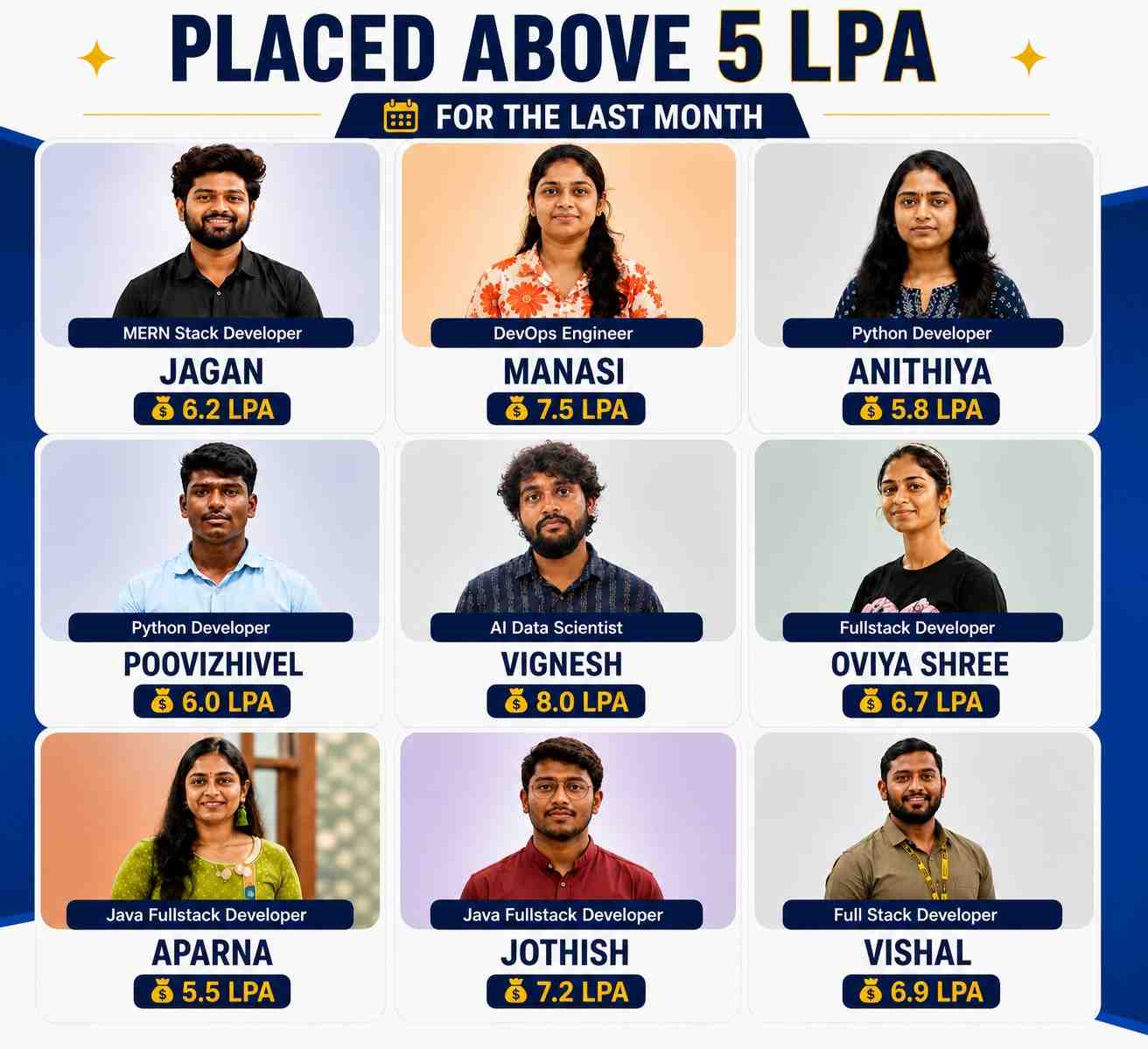
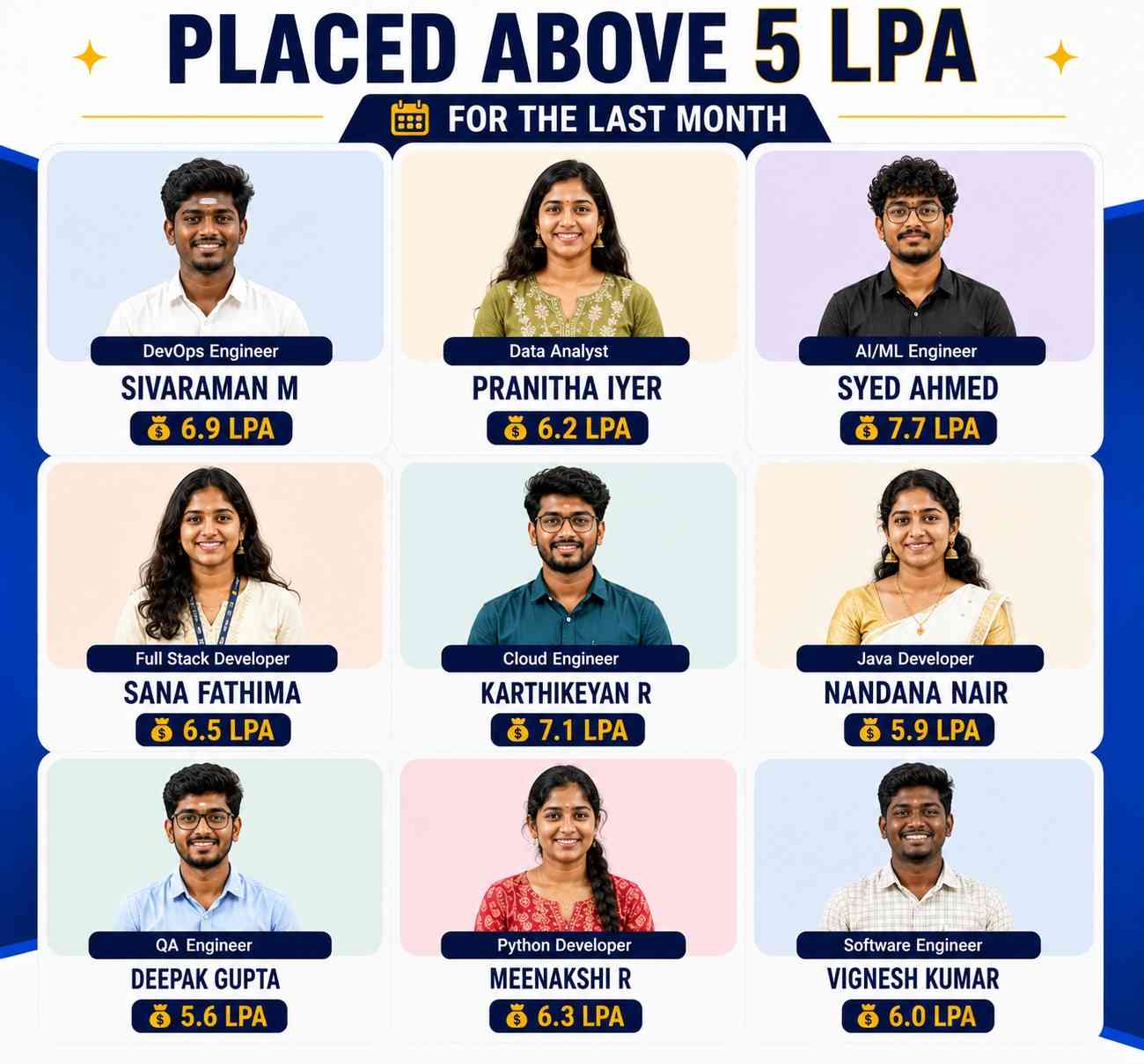
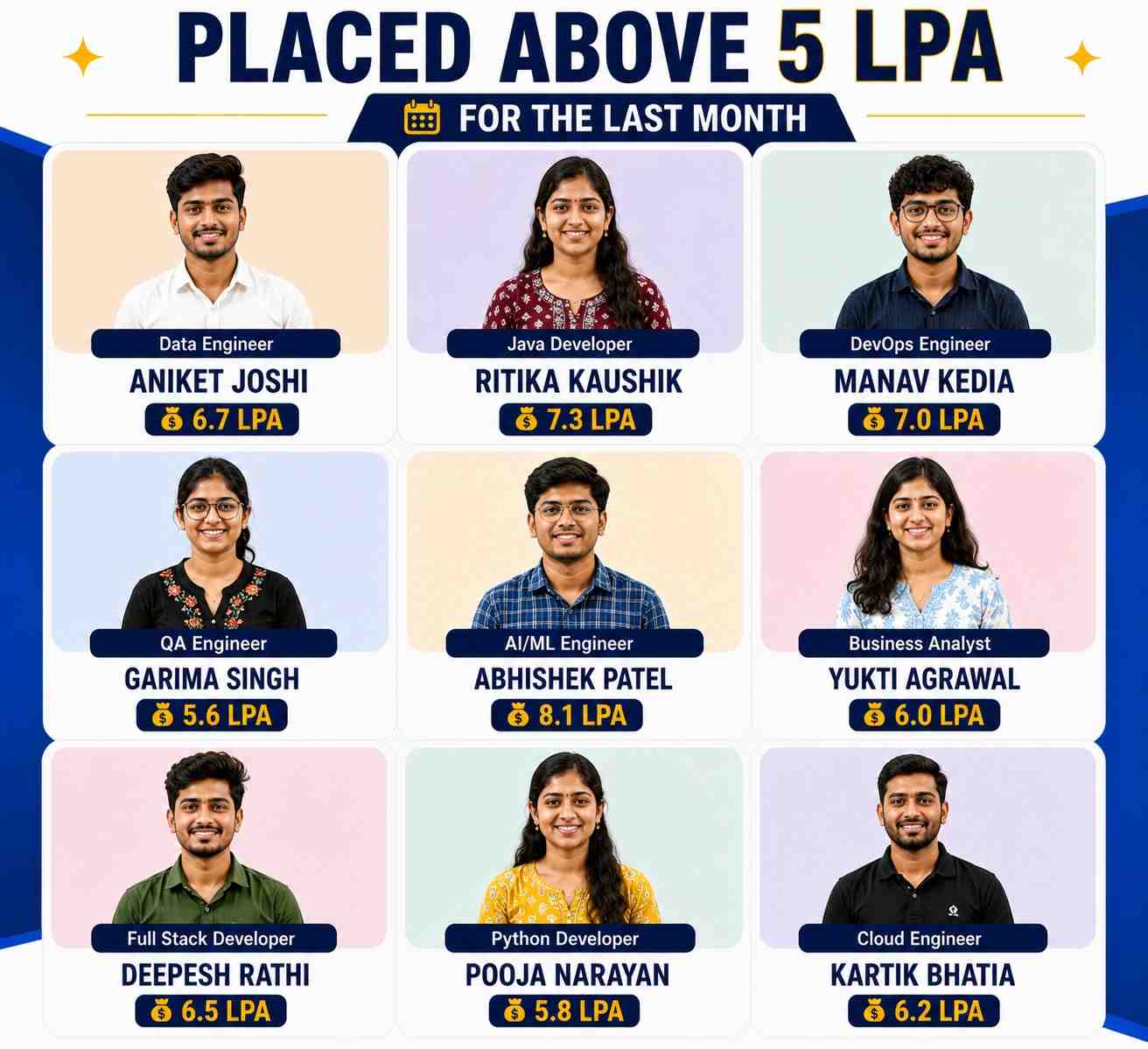
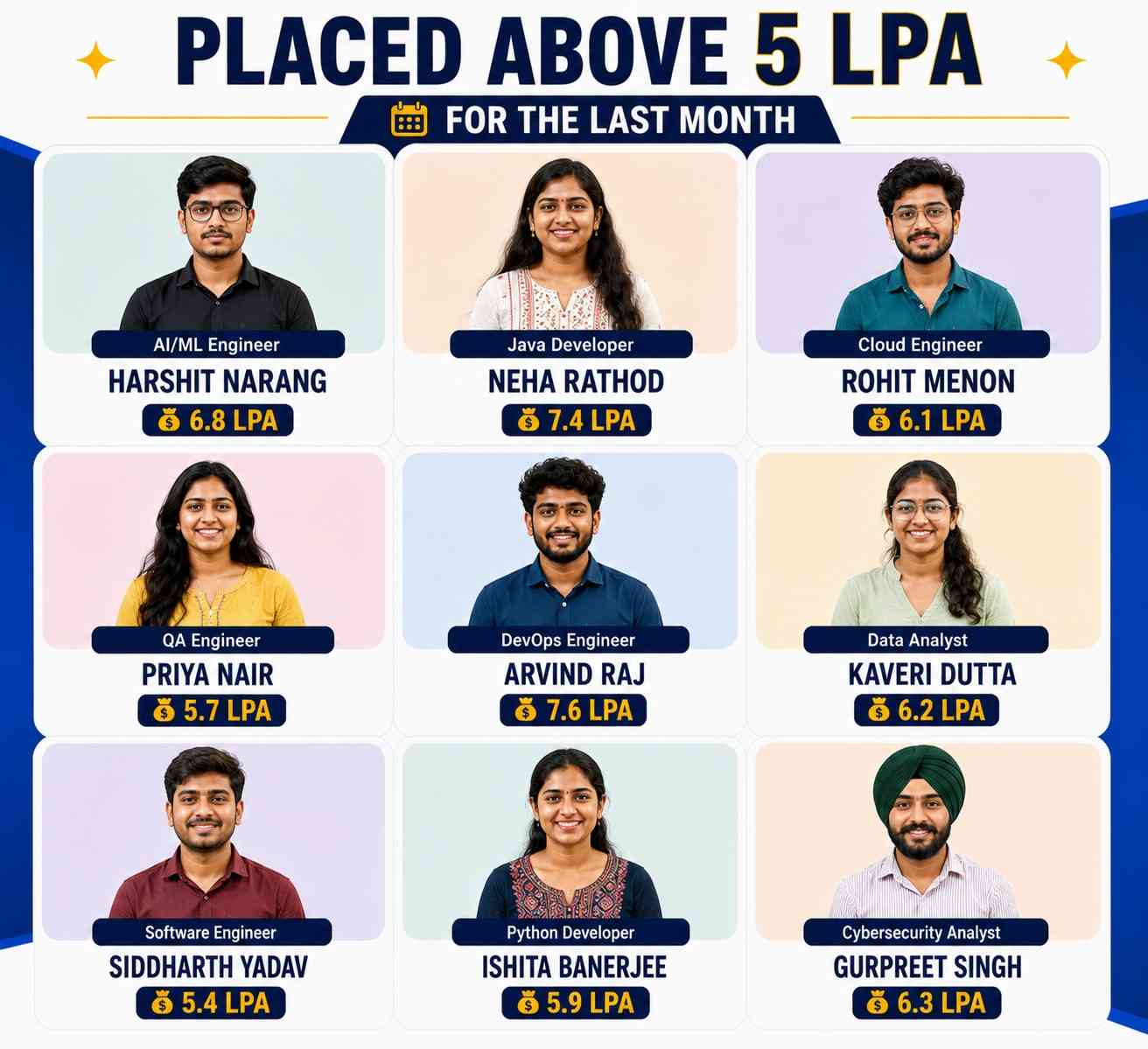
10569+

(Placed)
Freshers To IT

5556+

(Placed)
NON-IT to IT

7894+

(Placed)
Career Gap

4220+

(Placed)
Less Then 60%

Our Hiring Partners

Overview of SAP CRM Course

Our SAP CRM Training in T. Nagar offers a structured learning journey that introduces participants to customer relationship management fundamentals before progressing into important SAP CRM functionalities. Through practical exercises and business-driven examples, learners gain exposure to Sales, Service, Marketing, Web UI, Middleware and CRM transactions. The training helps participants understand how SAP CRM environments are configured, adapted, supported, and maintained to meet business requirements. Learners explore how CRM platforms assist organizations in managing customer interactions, improving sales activities, coordinating service operations, and maintaining valuable customer information. After completing the course, participants can explore career opportunities such as SAP CRM Consultant, CRM Support Professional, or Business Process Analyst. Hands-on activities and industry-relevant guidance help learners develop practical knowledge applicable to SAP-related consulting and support environments.

What You'll Learn From SAP CRM Training

SAP CRM Course introduces learners to essential customer management concepts and SAP business processes, making the program suitable for freshers as well as professionals looking to expand their enterprise application knowledge.

Participants explore important SAP CRM components including Sales, Service, Marketing, Web UI, Middleware, Business Partners, and transaction processing through instructor-guided activities and practical examples.

Learn how SAP CRM processes operate while gaining practical awareness of configuration, functional adjustments, transaction analysis, troubleshooting, and process improvement using realistic business situations.

The training includes workshops, implementation-based activities, assignments, and CRM project scenarios that give learners an opportunity to apply concepts associated with real-world customer management requirements.

By completing the program, learners can develop an understanding of basic CRM configuration, customer process handling, application support, transaction management, and methods used to investigate common functional issues.

The course creates a foundation for exploring professional roles in SAP CRM consulting, functional support, business analysis, customer service applications, CRM implementation, and enterprise application operations.

Additional Info

Course Highlights

  • Gain practical exposure to SAP CRM Sales, Service, Marketing, Web UI, Business Partners, and customer transaction management processes.
  • Receive career guidance and placement assistance to explore suitable opportunities related to SAP CRM consulting and functional support roles.
  • Practice classroom concepts through assignments and realistic business scenarios based on common enterprise customer relationship management needs.
  • Learn from experienced trainers covering CRM configuration, functional processes, integration concepts, testing, troubleshooting, and application support.
  • Follow structured sessions with guided exercises, project activities, practical tasks, and continuous trainer support throughout the SAP CRM training program.
  • Choose flexible learning options and convenient training schedules designed for graduates, working professionals, job seekers, and aspiring SAP learners.
  • Strengthen SAP CRM knowledge through practical learning that supports consulting, functional analysis, application support, and implementation opportunities.

Exploring the Benefits of SAP CRM Training in Offline

  • Face-to-Face Learning Environment: Offline classes provide learners with direct access to trainers for demonstrations, discussions, clarification, and guided practical activities. This approach can make it easier to understand CRM architecture, business processes, application navigation, and configuration-related concepts.
  • Application Across Multiple Industries: CRM systems are useful in areas such as banking, retail, healthcare, manufacturing, technology, and other customer-focused sectors. Training helps participants understand how sales, service, marketing, and customer interaction processes can be managed within different business environments.
  • Access to Learning Materials: Learners can make use of SAP documentation, educational references, technical communities, training materials, and knowledge resources to reinforce classroom concepts. Continued reference to these materials can support independent learning and professional development.
  • Opportunities in SAP Functional Roles: SAP CRM knowledge introduces learners to areas such as Business Partner management, sales processing, service operations, marketing activities, integration, and application support. These skills can be useful when pursuing positions related to consulting, functional analysis, implementation, and CRM support.
  • Better Understanding of Customer Processes: SAP CRM helps organizations manage customer information, sales activities, service requirements, and interactions in a structured manner. Learning these processes can help professionals understand how enterprise applications contribute to customer satisfaction and operational efficiency.

Essential Tools for SAP CRM Training in T. Nagar

  • SAP CRM Web UI: Gain practical exposure to SAP CRM Web UI for working with customer records, service requests, sales activities, business transactions, and related functions. Learn about navigation, work areas, business roles, personalization, and transaction handling through practical exercises.
  • CRM Configuration Components: Understand the configuration areas used to tailor SAP CRM Sales, Service, and Marketing processes according to organizational requirements. Explore organizational structures, transaction types, partner determination, business roles, workflow-related settings, and other functional configuration elements.
  • Middleware and Integration Features: Learn how SAP CRM exchanges information with connected SAP systems and other applications through middleware components. Study replication, synchronization, queues, monitoring activities, data exchange, and basic approaches for investigating integration-related problems.
  • Reporting and Analytical Capabilities: Understand how CRM information can be reviewed through reports and analytical functions covering customer activities, sales performance, service operations, and business trends. Learn how reporting information can help teams evaluate processes and make informed operational decisions.
  • Practical Implementation Projects: Participate in project-based exercises covering customer information, sales operations, service scenarios, marketing activities, transaction handling, and integration requirements. These activities allow learners to connect SAP CRM theory with practical implementation and support situations.

Top Modules Every SAP CRM Professional Should Know

  • SAP CRM Fundamentals: Understand the basic building blocks of SAP CRM, including Business Partners, customer master information, organizational structures, transactions, and customer-centric processes. Develop a conceptual foundation for working with SAP CRM applications.
  • Sales and Marketing Management: Explore CRM capabilities related to leads, opportunities, sales activities, campaigns, customer interactions, and marketing processes. Learn how organizations can structure customer engagement activities and manage sales-related information through SAP CRM.
  • Service Operations: Study important service processes such as service requests, complaints, service orders, agreements, and customer interactions. Understand how service teams can record requirements, organize activities, and monitor customer support processes.
  • CRM Integration and Middleware: Learn the fundamentals of integrating SAP CRM with SAP and external systems. Understand data replication, synchronization, queue monitoring, connectivity, and basic troubleshooting techniques used in integrated enterprise environments.
  • Web UI and Business Reporting: Explore SAP CRM Web UI functions used for day-to-day customer and business transactions along with reporting features for reviewing sales, service, and customer-related information. Understand how reports can support operational monitoring and business analysis.

Must-Have Skills You Will Gain in SAP CRM Course in T. Nagar

  • SAP CRM Functional Foundation: Develop knowledge of Business Partners, customer information, organizational structures, CRM transactions, and customer-oriented workflows. Gain confidence in understanding how standard CRM activities are performed within SAP environments.
  • CRM Configuration Awareness: Learn how Sales, Service, and Marketing processes can be adapted to suit organizational requirements. Study transaction settings, business rules, partner functions, organizational data, and other functional elements used when tailoring CRM applications.
  • Hands-On Project Exposure: Work with practical scenarios involving customer records, sales activities, service requests, marketing functions, integration processes, and functional issue investigation. Project exercises help connect classroom concepts with tasks encountered during CRM implementation and support.
  • Problem Analysis and Troubleshooting: Develop the ability to examine business requirements, review transactions, identify functional inconsistencies, investigate application issues, and suggest suitable corrective approaches. This analytical foundation can support effective CRM application management.
  • Cross-Team Collaboration: Understand how SAP CRM functional professionals coordinate with ABAP developers, BASIS administrators, technical consultants, business analysts, testers, and end users. Strengthen communication, documentation, testing, and coordination skills required during CRM projects.

Roles and Responsibilities After SAP CRM Training

  • SAP CRM Consultant: Support SAP CRM Sales, Service, Marketing, and customer management functions by participating in configuration, requirement analysis, testing, implementation, and application maintenance. Work with business stakeholders to understand needs and assist in delivering suitable CRM solutions.
  • Functional Consultant: Analyse organizational requirements and translate them into functional specifications for SAP CRM. Participate in configuration, test preparation, documentation, deployment activities, and user assistance while working alongside technical teams.
  • SAP CRM Application Support Professional: Assist users in resolving CRM application concerns by reviewing incidents, examining transactions, analysing process-related problems, and coordinating appropriate solutions. Maintain issue documentation and follow support procedures to promote reliable CRM operations.
  • CRM Integration Specialist: Support data communication between SAP CRM and connected applications by monitoring integration activities, reviewing synchronization issues, investigating data-transfer errors, and coordinating with technical professionals responsible for integrated systems.
  • Business Process Analyst: Examine customer-facing workflows and identify opportunities to improve process efficiency. Gather requirements from stakeholders, evaluate existing procedures, recommend suitable changes, and assist organizations in making effective use of SAP CRM functionality.

The Benefits of SAP CRM for Recent Graduates as a Career Option

  • Valuable Enterprise Application Exposure: SAP CRM introduces graduates to customer management, sales, service, marketing, enterprise workflows, and business application processes. Practical assignments can help freshers understand how organizations use technology to manage customer-related operations.
  • Knowledge Applicable to Different Sectors: CRM capabilities are relevant to industries such as banking, retail, healthcare, manufacturing, logistics, telecommunications, and information technology. Graduates can gain exposure to different customer-oriented business scenarios while building enterprise application knowledge.
  • Continuous Career Development: SAP professionals can gradually expand their expertise into areas such as SAP Customer Experience, analytics, integration, cloud technologies, and modern SAP business applications. Continued learning can help graduates broaden their career options as their experience develops.
  • Broader Business Process Awareness: SAP CRM covers customer records, sales activities, service processes, marketing functions, reporting, integration, and transaction management. This exposure can help new professionals understand how functional teams and technical systems work together within enterprise environments.
  • Scope for Working With Global Teams: SAP projects frequently involve professionals, clients, and support teams located across different regions. With suitable skills and experience, CRM professionals can participate in distributed implementation, application support, and customer management assignments.

How SAP CRM Skills Help You Get Remote Jobs

  • Online CRM Support Activities: Many application support responsibilities can be completed through authorized enterprise systems, service desks, remote access environments, and collaboration tools. SAP CRM professionals can assist with transactions, functional incidents, and process-related analysis from distributed work environments.
  • Working on International Assignments: SAP CRM professionals may contribute to projects involving clients and delivery teams located in different countries. Knowledge of sales, service, customer processes, integration, and functional support can help professionals participate in geographically distributed SAP engagements.
  • Virtual Project Collaboration: CRM implementation and support activities often involve communication between consultants, developers, BASIS teams, testers, and business users. Strong written communication, documentation, meeting participation, and collaboration skills are valuable when handling assignments remotely.
  • Remote Monitoring and Analysis: With suitable authorization and enterprise access, professionals can review application transactions, examine CRM information, investigate incidents, and coordinate corrective actions without being physically present at the client location.
  • Online SAP Learning and Networking: Professionals can continue developing their CRM expertise through online technical communities, webinars, virtual events, knowledge portals, training programs, and professional networks. These resources can help learners stay informed about evolving SAP practices and technologies.

What to Expect in Your First SAP CRM Job

  • Entry-Level CRM Activities: Initial responsibilities may include Business Partner maintenance, customer data handling, sales transactions, service processes, documentation, and basic functional issue analysis. As experience grows, professionals generally become more comfortable with standard CRM procedures.
  • Exposure to CRM Applications: Gain practical familiarity with SAP CRM Web UI, business transactions, configuration areas, integration components, and customer-oriented workflows. Learn how support teams examine incidents, review transaction information, record findings, and follow defined resolution procedures.
  • Guidance From Senior Professionals: Project leads and experienced consultants may review configuration tasks, functional analysis, testing results, documentation, and proposed solutions. Their feedback can help new professionals improve accuracy, troubleshooting methods, project discipline, and overall CRM knowledge.
  • Coordination With Different Teams: Work alongside CRM consultants, ABAP developers, BASIS specialists, infrastructure teams, database professionals, testers, and business users. Effective coordination is important when validating changes, investigating incidents, testing functionality, and supporting CRM implementations.
  • Progressive Career Advancement: Professionals can begin with fundamental CRM support and gradually develop knowledge in integration, optimization, analytics, customer experience, migration, upgrades, and SAP S/4HANA-related solutions. Broader project exposure can contribute to long-term professional growth.

Top Companies Hiring SAP CRM Professionals

  • Accenture: Accenture works on SAP consulting, enterprise transformation, implementation, and application management engagements across various industries. SAP CRM professionals can contribute to customer management solutions, functional consulting, integration activities, CRM support, testing, and enterprise transformation projects.
  • Infosys: Infosys provides SAP consulting, implementation, managed services, and digital transformation solutions to enterprise customers. CRM professionals may work on customer processes, sales and service functionality, system integration, configuration, testing, maintenance, and application support activities.
  • Tata Consultancy Services (TCS): TCS delivers SAP consulting, transformation, implementation, and managed application services. SAP CRM specialists can participate in customer-focused projects involving functional configuration, testing, application support, integration, business process analysis, and SAP transformation initiatives.
  • Wipro: Wipro provides SAP consulting, enterprise transformation, application management, and managed service capabilities. SAP CRM professionals may handle activities involving sales, service, customer processes, functional configuration, integration, incident management, testing, and process enhancement.
  • Capgemini: Capgemini supports organizations through SAP consulting, implementation, transformation, and application management services. SAP CRM professionals can collaborate with business and technical teams on CRM configuration, customer workflows, integration, testing, functional support, and process optimization initiatives.
Show More

Upcoming Batches For Classroom and Online

Weekdays
05 - Oct - 2026
08:00 AM & 10:00 AM
Weekdays
07 - Oct - 2026
08:00 AM & 10:00 AM
Weekends
10 - Oct- 2026
(10:00 AM - 01:30 PM)
Weekends
11 - Oct- 2026
(09:00 AM - 02:00 PM)
Can't find a batch you were looking for?
INR ₹16500
INR ₹36000

OFF Expires in

Who Should Take a SAP CRM Certification Course

IT Professionals

Non-IT Career Switchers

Fresh Graduates

Working Professionals

Diploma Holders

Professionals from Other Fields

Salary Hike

Graduates with Less Than 60%

Show More

Job Roles For SAP CRM Certification Training

SAP CRM Consultant

CRM Functional Consultant

SAP CRM Analyst

CRM Integration Specialist

Customer Experience Analyst

SAP CRM Support Consultant

CRM Business Analyst

SAP CRM Functional Lead

Show More

What’s included ?

Convenient learning format

📊 Free Aptitude and Technical Skills Training

  • Learn basic maths and logical thinking to solve problems easily.
  • Understand simple coding and technical concepts step by step.
  • Get ready for exams and interviews with regular practice.
Dedicated career services

🛠️ Hands-On Projects

  • Work on real-time projects to apply what you learn.
  • Build mini apps and tools daily to enhance your coding skills.
  • Gain practical experience just like in real jobs.
Learn from the best

🧠 Launch Your Career in Top MNC Companies

  • Master technical and HR interview rounds.
  • Gain confidence with expert mock interview practice.
  • Improve your chances of getting hired faster.
Learn from the best

🎯 Interview Preparation For Freshers

  • Practice company-based interview questions.
  • Take online assessment tests to crack interviews
  • Practice confidently with real-world interview and project-based questions.
Learn from the best

🧪 LMS Self Learning Platform

  • Explore expert trainer videos and documents to boost your learning.
  • Study anytime with on-demand videos and detailed documents.
  • Top MNC interview questions & self coding practice.

SAP CRM Course Syllabus

  • 🏫 Classroom Training
  • 💻 Online Training
  • 🚫 No Pre Request (Any Vertical)
  • 🏭 Industrial Expert

Enrolling in SAP CRM Training in T. Nagar helps learners develop practical knowledge and functional skills relevant to careers in customer relationship management and SAP consulting. The program familiarizes participants with real-world business scenarios, enterprise processes, and contemporary SAP CRM practices used across different industries and global projects. With adaptable learning options, learners can build their understanding of key areas including Sales, Service, Marketing, Web UI, and Middleware while gaining insight into configuring, adapting, supporting, and improving SAP CRM solutions to strengthen customer interactions and streamline business processes.

  • SAP CRM Key Concepts: Learn core CRM fundamentals, customer lifecycle management, and essential SAP CRM functional concepts.
  • SAP CRM Configuration & Management: Configure CRM modules, manage business partners, and maintain efficient customer relationship processes.
  • SAP CRM Implementation & Processes: Work with Sales, Service, and Marketing processes to support and optimize real-time business operations within SAP CRM.
  • SAP CRM Tools & Integration: Use CRM Web UI, Middleware, and integration tools to manage workflows, data exchange, and system optimization effectively.
Introduction to SAP CRM
Core SAP CRM Concepts
SAP CRM Configuration Training
SAP CRM Implementation & Processes
Integration & Middleware in SAP CRM
SAP CRM Web UI & Reporting
SAP CRM Projects & Real-Time Scenarios

This module provides foundational knowledge of SAP CRM:

  • Importance of SAP CRM: Benefits, industry adoption, and business impact of customer relationship management solutions.
  • Core Concepts: Business Partners, Organizational Structure, Sales, Service, Marketing, and CRM Processes.
  • Key Platforms: Overview of SAP S/4HANA, SAP CRM Web UI, and integration with SAP ERP systems.
  • Career Paths: Roles such as SAP CRM Consultant, Functional Consultant, CRM Analyst, and Support Analyst.

This module covers essential SAP CRM concepts and functionalities:

  • Business Process Configuration: Configuring sales, service, and marketing processes to support real-time business operations.
  • Business Partner Management: Managing customer master data, roles, and relationships for effective CRM operations.
  • CRM Customization: Customizing transaction types, organizational structures, and workflows to meet business needs.
  • Reporting & Analysis: Generating reports, analyzing customer data, and using CRM tools for performance improvement.

Learn to configure and manage SAP CRM environments effectively:

  • CRM Interface Navigation: Explore SAP CRM Web UI, navigation features, and key configuration tools for managing customer processes.
  • Process Automation: Implement workflows, business transactions, and automation techniques to improve efficiency in CRM operations.
  • Security & Access: Manage user roles, authorizations, and data security within SAP CRM systems.
  • Performance Monitoring: Track system performance, resolve issues, and optimize CRM processes for better efficiency.

This module provides hands-on learning for SAP CRM implementation and processes:

  • Business Process Implementation: Configuring sales, service, and marketing processes to meet real-time business requirements.
  • Web UI & Application Components: Working with SAP CRM Web UI, business roles, and transaction interfaces for efficient customer management.
  • Process Execution: Managing customer interactions, business transactions, and workflows within SAP CRM systems.
  • Testing & Deployment: Validating configurations, testing CRM processes, and ensuring accurate and efficient system performance.

Learn to integrate and enhance SAP CRM solutions:

  • Integration Modules: Connecting SAP CRM with ERP modules like SD and MM for seamless business operations.
  • Middleware Configuration: Managing data replication, synchronization, and communication between CRM and other systems.
  • Cross-System Integration: Linking SAP CRM with external systems using APIs, web services, and integration frameworks.
  • Process Optimization: Enhancing workflows, improving customer interactions, and ensuring efficient CRM operations.

Understand how to track performance and optimize SAP CRM processes:

  • Dashboards & Monitoring: Use SAP CRM tools and Web UI dashboards to monitor customer interactions, system activities, and business transactions.
  • Performance Analytics: Analyze CRM processes, identify bottlenecks, and optimize workflows to improve efficiency and customer experience.
  • KPIs & Metrics: Track key metrics such as customer satisfaction, response time, service efficiency, and sales performance.
  • Data Management Tools: Manage customer master data, business partners, and transaction data effectively for accurate and structured CRM operations.

Apply SAP CRM skills to real-world business scenarios:

  • Project Planning: Define business requirements, CRM strategies, and implementation timelines for SAP CRM projects.
  • Live Projects: Work on real SAP CRM projects including sales cycles, service management, and marketing campaigns.
  • Performance Review: Analyze process efficiency, customer interactions, and key performance metrics for continuous improvement.
  • Capstone Project: Build end-to-end SAP CRM solutions including configuration, integration, and process optimization.

🎁 Free Addon Programs

Aptitude, Spoken English

🎯 Our Placement Activities

Daily Task, Soft Skills, Projects, Group Discussions, Resume Preparation, Mock Interview

Build Practical Skills Through Live SAP CRM Project Training

Placement Support Overview

Today's Top Job Openings for SAP CRM

SAP CRM Functional Consultant

Company Code : CFC614

T. Nagar, Tamilnadu

₹25,000 – ₹41,000 a month

Any Degree

Exp 0-2 yrs

  • We’re hiring an SAP CRM Functional Consultant to assist with business requirements, CRM configuration, transaction processes, and customer management activities.
  • Easy Apply

    SAP CRM Support Analyst

    Company Code : CSA693

    T. Nagar, Tamilnadu

    ₹21,000 – ₹37,000 a month

    B.Tech / Any Degree

    Exp 0-3 yrs

  • Join as an SAP CRM Support Analyst to handle user queries, investigate functional issues, review transactions, resolve common application concerns, and assist with day-to-day CRM application support activities.
  • Easy Apply

    SAP CRM Middleware Executive

    Company Code : CME827

    T. Nagar, Tamilnadu

    ₹27,000 – ₹45,000 a month

    Any Degree

    Exp 1-4 yrs

  • We’re seeking an SAP CRM Middleware Executive to monitor data replication, review integration queues, and support information exchange between connected business systems.
  • Easy Apply

    SAP CRM Business Analyst

    Company Code : CBA915

    T. Nagar, Tamilnadu

    ₹24,000 – ₹43,000 a month

    Any Degree

    Exp 1-3 yrs

  • We’re looking for an SAP CRM Business Analyst to gather requirements, review customer processes, prepare documentation, and support CRM improvements.
  • Easy Apply

    SAP CRM Web UI Specialist

    Company Code : CWS638

    T. Nagar, Tamilnadu

    ₹26,000 – ₹46,000 a month

    B.E. / B.Tech

    Exp 1-4 yrs

  • Join as an SAP CRM Web UI Specialist to manage business roles, navigation settings, work areas, and user interface components supporting CRM operations.
  • Easy Apply

    SAP CRM Process Executive

    Company Code : CPE742

    T. Nagar, Tamilnadu

    ₹20,000 – ₹39,000 a month

    Any Degree

    Exp 0-3 yrs

  • We’re seeking an SAP CRM Process Executive to assist with workflow documentation, customer processes, testing activities, and coordination of functional CRM assignments.
  • Easy Apply

    SAP CRM Quality Analyst

    Company Code : CQA856

    T. Nagar, Tamilnadu

    ₹23,000 – ₹40,000 a month

    Any Degree

    Exp 0-3 yrs

  • We’re hiring an SAP CRM Quality Analyst to design test cases, validate business workflows, identify defects, and verify CRM functionality before production release.
  • Easy Apply

    SAP CRM Data Executive

    Company Code : CCD971

    T. Nagar, Tamilnadu

    ₹22,000 – ₹38,000 a month

    Any Degree

    Exp 0-3 yrs

  • We’re looking for an SAP CRM Customer Data Executive to maintain customer records, update Business Partner details, and support data quality processes.
  • Easy Apply

    SAP CRM Training Highlights in T. Nagar

    Live Project-Based Learning

    • 1. Work on practical SAP CRM projects covering customer interactions, sales processes, service activities, and marketing scenarios.
    • 2. Build problem-solving skills by handling realistic CRM assignments involving integration, workflow improvements, and customer-focused business processes.
    Book Session

    Hands-On SAP CRM Workshops

    • 1. Attend guided sessions covering SAP CRM configuration, Web UI features, business transactions, and essential functional components.
    • 2. Learn through trainer-supported exercises focusing on CRM modules, Middleware integration, system processes, and practical workflows.
    Book Session

    Adaptable Learning Assistance

    • 1. Benefit from convenient schedules, trainer guidance, and a supportive environment designed to encourage consistent SAP CRM learning.
    • 2. Engage in classroom discussions and group activities that encourage participation, knowledge sharing, and continuous skill development.
    Book Session

    Trainer Guidance & Teamwork

    • 1. Receive support from experienced SAP CRM mentors to strengthen functional knowledge and approach practical implementation requirements.
    • 2. Work alongside fellow participants through collaborative exercises and practical project tasks designed to develop effective teamwork skills.
    Book Session

    Career Preparation & Communication

    • 1. Improve communication, presentation, collaboration, and professional skills useful for SAP CRM consulting and application support roles.
    • 2. Get interview preparation through mock discussions, practical questions, project explanations, and career development guidance.
    Book Session

    SAP CRM Course Certification

    • 1. Receive a course certificate recognizing your learning and practical exposure to SAP CRM concepts, applications, and business processes.
    • 2. Add your training and project credentials to your resume to demonstrate SAP CRM knowledge, practical involvement, and job-ready capabilities.
    Book Session

    Sample Resume for SAP CRM (Fresher)

    • 1. Clean and Professional Resume Format

      – Use a well-structured layout with sections like summary, SAP CRM functional skills, certifications, education, and project experience.

    • 2. Highlight Your SAP CRM Skills

      – Showcase skills such as Sales, Service, Marketing, Business Partner Management, Web UI, Middleware, and CRM Configuration.

    • 3. Projects and Practical Experience

      – Include 1–2 SAP CRM projects with brief descriptions, modules used, and key outcomes like process optimization or customer management improvements.

    Top SAP CRM Interview Questions and Answers (2026 Guide)

    Ans:

    • Organizational Management represents the structure of an organization within SAP CRM and helps define units, positions, and responsibilities.
    • It supports the assignment of employees, business roles, sales areas, and other organizational information to relevant CRM processes.
    • A well-defined organizational structure helps ensure that transactions and responsibilities are processed according to business requirements.

    Ans:

    • Partner Determination identifies the business partners involved in a CRM transaction according to configured rules.
    • It can determine roles such as sold-to party, contact person, employee responsible, or service representative.
    • Proper partner determination helps maintain consistent partner assignments throughout customer-related business processes.

    Ans:

    Action Management allows SAP CRM to trigger predefined activities based on specific conditions within business transactions. Actions can support tasks such as notifications, follow-up activities, document creation, or automated processing according to configured rules.

    Ans:

    • The One Order Framework provides a common technical foundation for processing different SAP CRM business transactions.
    • It supports documents such as activities, opportunities, quotations, orders, and service-related transactions.
    • The framework helps maintain consistent transaction processing and integration across various CRM business scenarios.

    Ans:

    Account Management provides a structured way to maintain and analyze information about customers and business organizations. It helps users review customer relationships, interactions, activities, sales information, and other relevant account details.

    Ans:

    • Opportunity Management helps sales teams record and manage potential revenue-generating business opportunities.
    • Users can maintain information about prospects, expected sales values, activities, competitors, and opportunity stages.
    • Tracking opportunities helps sales teams evaluate potential deals and plan appropriate follow-up activities.

    Ans:

    SAP CRM supports marketing activities by helping organizations plan campaigns, define target groups, coordinate marketing activities, and monitor campaign results. This functionality allows businesses to organize customer engagement initiatives based on specific marketing objectives.

    Ans:

    • SAP CRM Pricing determines prices, discounts, surcharges, and other pricing conditions for relevant business transactions.
    • Pricing can consider factors such as products, customers, quantities, validity periods, and configured business rules.
    • Accurate pricing configuration helps ensure that quotations and other CRM transactions contain appropriate commercial values.

    Ans:

    Installed Base Management helps organizations maintain information about products, equipment, or assets associated with customers. It can support service teams by providing visibility into installed products, their relationships, and relevant service history.

    Ans:

    • Activity Management helps users record and organize customer-related interactions such as meetings, calls, tasks, and appointments.
    • Activities can be linked with customers, employees, transactions, or other relevant business objects.
    • It provides better visibility into customer interactions and supports organized follow-up across sales and service processes.

    Latest SAP CRM Company-Specific Interview Questions for T. Nagar (2026)

    1. What is Business Partner Master Data in SAP CRM certification course?

    Ans:

    Business Partner Master Data stores important information about customers, contacts, organizations, and other parties participating in CRM processes. It includes addresses, roles, relationships, identification details, and other configured attributes.

    2. How does Partner Determination work in SAP CRM training institute?

    Ans:

    Partner Determination identifies relevant business partners within a CRM transaction using predefined rules. It can assign roles such as customer, contact person, employee responsible, or service representative based on business requirements.

    3. What is the purpose of Business Transaction Events in CRM?

    Ans:

    Business Transaction Events can support additional processing during specific CRM business activities. They provide opportunities to extend standard processing according to configured technical and business requirements.

    4. What is Organizational Data Determination?

    Ans:

    Organizational Data Determination identifies relevant organizational units for CRM transactions using configured rules, master data, and transaction information. It helps ensure that activities are assigned to appropriate business structures.

    5. How would you troubleshoot incorrect business partner data?

    Ans:

    Review the business partner master record, assigned roles, relationships, addresses, identification details, organizational assignments, and relevant configuration to locate the source of the incorrect information.

    6. What is an Activity in SAP CRM?

    Ans:

    An activity records customer-related interactions such as calls, meetings, tasks, appointments, and other business contacts. Activities help users maintain a structured history of communication and follow-up actions.

    7. What is the purpose of Partner Functions?

    Ans:

    Partner Functions identify the roles performed by business partners in CRM transactions. They help determine who is involved in a business document and support consistent customer and organizational processing.

    8. What is Follow-Up Processing in SAP CRM placement course?

    Ans:

    Follow-Up Processing allows users to create subsequent business transactions from existing documents. It helps maintain continuity between related activities, quotations, orders, service requests, and other CRM processes.

    9. How can you analyse a CRM transaction processing error?

    Ans:

    Reproduce the issue, review application messages, inspect transaction data, check master data and determination rules, verify configuration settings, and test the relevant process to identify the underlying cause.

    10. Why is Transaction Monitoring important in SAP CRM training institute?

    Ans:

    Transaction monitoring helps users track business documents, identify processing problems, review statuses, and understand whether customer-related transactions are progressing according to expected business workflows.

    1. What is Lead Management in SAP CRM course in T. Nagar?

    Ans:

    Lead Management helps organisations capture and evaluate potential customer opportunities. Leads can be qualified, assigned, followed up, and converted into appropriate sales activities or opportunities.

    2. What is Opportunity Management used for?

    Ans:

    Opportunity Management helps sales teams manage potential business deals by maintaining information about prospects, expected revenue, sales stages, activities, competitors, and planned follow-up actions.

    3. What is a Sales Cycle in SAP CRM Certification Training?

    Ans:

    A Sales Cycle represents the sequence of activities involved in progressing a potential customer interaction toward a completed sales transaction. CRM can support different stages through configured business processes.

    4. How does SAP CRM support Account Management?

    Ans:

    Account Management provides a central view of customer and organization information. Users can review relationships, activities, sales information, interactions, and other details relevant to managing customer accounts.

    5. How would you troubleshoot an opportunity that cannot be advanced?

    Ans:

    Check the opportunity status, mandatory fields, partner information, sales organization, configured process rules, authorizations, and application messages to identify restrictions affecting the next processing stage.

    6. What is Sales Forecasting in CRM?

    Ans:

    Sales Forecasting helps organisations estimate potential sales outcomes using opportunity information, expected values, sales stages, dates, and other configured business data.

    7. What is a Sales Organization in SAP CRM Certification Course?

    Ans:

    A Sales Organization represents an organizational unit responsible for sales activities. It can provide structure for customer assignments, transaction processing, reporting, and sales-related configuration.

    8. What is Activity Management used for in Sales?

    Ans:

    Activity Management enables sales users to document calls, meetings, tasks, appointments, and follow-up actions associated with customers, prospects, opportunities, or transactions.

    9. Why is sales pipeline tracking important?

    Ans:

    Sales pipeline tracking provides visibility into potential opportunities, their current stages, expected values, and planned activities, helping sales teams prioritise follow-ups and manage business prospects effectively.

    10. How can sales performance be analysed in SAP CRM training in T. Nagar?

    Ans:

    Sales performance can be reviewed using opportunity data, transaction information, activity records, revenue-related values, sales stages, and configured CRM reporting capabilities.


    1. What is Service Request Processing in SAP CRM?

    Ans:

    Service Request Processing allows organisations to capture customer issues and service requirements. Users can record details, assign responsible teams, track statuses, and manage follow-up activities.

    2. What is Complaint Management in SAP CRM placement training?

    Ans:

    Complaint Management supports the recording and processing of customer complaints. It helps capture reported issues, assign responsibility, monitor progress, and document actions taken toward resolution.

    3. What is Service Ticket Management?

    Ans:

    Service Ticket Management provides a structured method for recording customer support requests and tracking their processing through different stages until the required service activity is completed.

    4. What is an Installed Base used for?

    Ans:

    An Installed Base maintains information about products, equipment, or assets associated with customers. Service teams can use this information to understand customer installations and related service requirements.

    5. How would you investigate a delayed service request?

    Ans:

    Review the transaction status, assigned service team, partner information, dates, mandatory fields, action processing, service data, and application messages to determine what is preventing the request from progressing.

    6. What is Service Confirmation in SAP CRM?

    Ans:

    Service Confirmation records information about work completed or services delivered to customers. It supports documentation of performed activities and related service transaction processing.

    7. What is Service Level Management?

    Ans:

    Service Level Management helps organisations monitor agreed service expectations and manage service processes according to defined response, resolution, or delivery requirements.

    8. Why is Service History important?

    Ans:

    Service History provides visibility into earlier requests, complaints, activities, and resolutions associated with a customer. This information helps support teams understand previous service interactions.

    9. What is Resource Planning in CRM Service?

    Ans:

    Resource Planning helps coordinate service personnel, schedules, assignments, and available resources required to complete customer service activities effectively.

    10. How can service process efficiency be improved?

    Ans:

    Service efficiency can be improved by reviewing workflow stages, reducing unnecessary manual activities, maintaining accurate master data, monitoring service performance, and optimising configured business processes.

    1. What is SAP CRM Middleware?

    Ans:

    SAP CRM Middleware supports data exchange and communication between SAP CRM and connected systems. It can facilitate replication, synchronization, message processing, and integration activities.

    2. What is Data Replication in SAP CRM?

    Ans:

    Data Replication transfers relevant information between connected systems according to configured rules. It helps keep master data and business information aligned across an integrated CRM landscape.

    3. What is Queue Monitoring in CRM Middleware?

    Ans:

    Queue Monitoring helps administrators and support teams review messages waiting for processing, identify failures, and investigate synchronization problems affecting CRM integration.

    4. What is CRM Web UI Configuration?

    Ans:

    CRM Web UI Configuration involves adapting the browser-based CRM interface, including business roles, navigation areas, work centers, views, and user-specific application components.

    5. How would you troubleshoot failed data replication?

    Ans:

    Check replication settings, middleware queues, filters, master data, integration configuration, error messages, system connectivity, and the relevant source and target system processing.

    6. What are Business Roles in SAP CRM Web UI?

    Ans:

    Business Roles define the functions and navigation available to users based on their responsibilities. They can provide access to appropriate work centers, views, and CRM applications.

    7. What is Middleware Monitoring used for?

    Ans:

    Middleware Monitoring helps technical teams observe integration activities, identify failed messages, analyse synchronization problems, and verify communication between connected applications.

    8. What is CRM System Integration?

    Ans:

    CRM System Integration connects SAP CRM with other SAP or external applications so that relevant customer, product, transaction, and business information can be exchanged between systems.

    9. Why is data consistency important across integrated systems?

    Ans:

    Consistent data helps connected applications process customer and business information accurately. It reduces discrepancies and supports reliable transactions across the integrated enterprise environment.

    10. How can CRM integration issues be analysed?

    Ans:

    Analyse the affected interface, replication configuration, middleware queues, source data, target processing, system logs, error messages, and connectivity to identify and resolve integration failures.

    1. What is Pricing Procedure in SAP CRM?

    Ans:

    A Pricing Procedure defines the sequence and processing logic used to determine prices, discounts, surcharges, and other relevant pricing conditions within supported CRM business transactions.

    2. What are Condition Records in SAP CRM Pricing?

    Ans:

    Condition Records store specific pricing information used by the condition technique. They can contain values based on configured combinations such as customer, product, quantity, or validity period.

    3. What is Access Sequence in Pricing?

    Ans:

    An Access Sequence determines the order in which the system searches for relevant condition records. It helps the pricing process locate appropriate values according to configured search criteria.

    4. What is Condition Technique?

    Ans:

    Condition Technique provides a configurable method for determining values such as prices, discounts, and surcharges based on business conditions maintained within the CRM environment.

    5. How would you troubleshoot incorrect pricing?

    Ans:

    Review the pricing procedure, condition types, access sequences, condition records, customer and product data, validity dates, transaction details, and configuration to determine why the expected price was not applied.

    6. What is Action Profile in SAP CRM?

    Ans:

    An Action Profile contains configured actions that can be triggered during CRM business transaction processing. These actions may support notifications, follow-up activities, document creation, or automated tasks.

    7. What is Status Profile used for?

    Ans:

    A Status Profile defines relevant statuses and controls transaction progression. It can determine permitted activities and provide users with visibility into the current processing stage.

    8. What is Transaction Type Configuration?

    Ans:

    Transaction Type Configuration defines how a particular CRM business transaction behaves. It can influence item processing, partner determination, status management, actions, and other business controls.

    9. What is Item Category Determination?

    Ans:

    Item Category Determination selects the appropriate category for individual transaction items based on configured rules. The selected category controls how the item is processed within the CRM document.

    10. How would you approach a CRM configuration requirement?

    Ans:

    First understand the business requirement, identify the affected CRM process, review standard configuration options, implement the required settings, test different scenarios, document the changes, and validate the solution with relevant users.

    Important Accommodation Disclaimer:

    The accommodation choices listed below are provided only for general guidance to students attending SAP CRM Training in T. Nagar. These PGs and hostels are independently managed, and the training institute has no official partnership, affiliation, endorsement, or accommodation tie-up with any of the mentioned providers.

    Ladies PG Accommodation

      T. Nagar
    • Women's PG Stay : Contact the accommodation provider to confirm availability
    • Ladies Hostel Stay : Contact the accommodation provider to confirm availability
    • West Mambalam
    • Girls PG Accommodation : Contact the accommodation provider to confirm availability
    • Women's Hostel Accommodation : Contact the accommodation provider to confirm availability
    • Thyagaraya Nagar
    • Ladies PG Accommodation : Contact the accommodation provider to confirm availability
    • Girls Hostel Stay : Contact the accommodation provider to confirm availability
    • Vadapalani
    • Women's PG Stay : Contact the accommodation provider to confirm availability
    • Ladies Hostel Accommodation : Contact the accommodation provider to confirm availability
    • Adyar
    • Girls PG Accommodation : Contact the accommodation provider to confirm availability
    • Women's Hostel : Contact the accommodation provider to confirm availability

    Mens PG Accommodation

      T. Nagar
    • Men's PG Stay : Contact the accommodation provider to confirm availability
    • Boys Hostel Accommodation : Contact the accommodation provider to confirm availability
    • West Mambalam
    • Men's PG Accommodation : Contact the accommodation provider to confirm availability
    • Boys Hostel Stay : Contact the accommodation provider to confirm availability
    • Thyagaraya Nagar
    • Men's PG Accommodation : Contact the accommodation provider to confirm availability
    • Gents Hostel Accommodation : Contact the accommodation provider to confirm availability
    • Vadapalani
    • Men's PG Stay : Contact the accommodation provider to confirm availability
    • Boys Hostel Accommodation : Contact the accommodation provider to confirm availability
    • Adyar
    • Men's PG Accommodation : Contact the accommodation provider to confirm availability
    • Gents Hostel Stay : Contact the accommodation provider to confirm availability

    Latest SAP CRM Career Opportunities for Freshers in T. Nagar

    • 1. Find Entry-Level SAP CRM Business Analyst and Customer Relationship Executive Opportunities
    • 2. Explore Junior SAP Sales Cloud, Service Management, and CRM Application Support Positions
    • 3. Discover Fresher Roles in SAP CRM Master Data, Customer Data Management, and Process Support
    • 4. Apply for Junior SAP CRM Functional Consultant, Application Support, and Business Operations Roles
    • 5. Start Your SAP CRM Career in Application Testing, Data Migration, Customer Support, and Process Administration

    Getting Started With SAP CRM Course in Chennai

    No Coding
    8 Lakhs+ CTC
    No Work Pressure
    WFH Jobs (Remote)

    Why SAP CRM is the Ultimate Career Choice

    High Demand

    Companies prefer multi-skilled professionals can handle entire project cycles.

    Global Opportunities

    Open doors to remote and international job markets.

    High Salary

    Enjoy competitive salaries and rapid career advancement.

    Flexible Career Path

    Explore roles such as developer, architect, freelancer, or entrepreneur.

    Future-Proof Career

    Stay relevant with skills that are consistently in demand in the evolving tech landscape.

    Versatility Across Industries

    Work in various domains like e-commerce, healthcare, finance, and more.

    Career Support

    Placement Assistance

    Exclusive access to ACTE Job portal

    Mock Interview Preparation

    1 on 1 Career Mentoring Sessions

    Career Oriented Sessions

    Resume & LinkedIn Profile Building

    Build Your Career with SAP CRM Certification in T. Nagar

    Strengthen your professional profile with SAP CRM certification that highlights your knowledge of customer relationship management solutions and business processes. Through SAP CRM Training in T. Nagar, learners can develop practical skills using guided exercises, business scenarios, and project-based activities. Completing an appropriate assessment can help demonstrate familiarity with SAP CRM sales, service, business partner management, customer information, configuration, WebClient UI, and integration concepts for relevant functional and technical career paths.

    SAP CRM Training Certification in T. Nagar
    • SAP CRM Functional Consultant Certification
    • SAP CRM Technical and Integration Certification
    • SAP CRM Sales and Service Process Certification
    • SAP CRM WebClient UI and Middleware Certification
    • Advanced SAP CRM Configuration and Implementation Certification

    SAP CRM certification can validate structured learning, but it does not by itself guarantee employment. Combining a certification with hands-on project exposure, communication skills, problem-solving abilities, and a strong understanding of CRM business processes can help candidates develop a stronger profile for relevant job opportunities.

    Training duration depends on the learner's existing SAP knowledge, selected modules, practice requirements, learning schedule, and assessment preparation. A structured SAP CRM Training program in T. Nagar may take several weeks or a few months, while the actual duration can differ based on individual learning progress and study plans.

    • Shows structured understanding of SAP CRM concepts and functional capabilities
    • Supports applications for relevant SAP CRM and customer experience roles
    • Helps enhance your resume and professional career profile
    • Adds a relevant SAP CRM training credential to your portfolio
    • Gives you an opportunity to demonstrate practical CRM process knowledge
    • Complete a structured SAP CRM Training curriculum in T. Nagar
    • Practice important CRM configuration concepts and business scenarios consistently
    • Refer to relevant SAP learning resources and certification study materials
    • Complete hands-on exercises and simulated CRM implementation projects
    • Review core concepts using mock assessments and practice questions

    Complete Your Course

    A downloadable certificate in PDF format will be available immediately after you complete your SAP CRM course.

    Get Certified

    Receive a physical copy of your officially branded and security-certified SAP CRM certificate.

    Get Certified

    Lowest SAP CRM Training Fees in Chennai

    Affordable, Quality Training for Freshers to Launch IT Careers & Land Top Placements.

    Call Course Advisor

    How is ACTE's SAP CRM Training in Chennai Different?

    Feature

    ACTE Technologies

    Other Institutes

    Affordable Fees

    Cost-Effective Fees With Flexible Payment Plans.

    Expensive Courses With Limited Payment Flexibility.

    Expert Trainers

    Certified Experts With Real-Time SAP CRM Implementation Experience.

    Primarily Theory-Based Training With Limited Practical Exposure.

    Updated Curriculum

    Industry-Relevant SAP CRM Syllabus Covering Sales, Service, and Marketing Modules.

    Outdated Content With Minimal Focus on Real-Time CRM Scenarios.

    Hands-on Projects

    Practical SAP CRM Projects Including Customer Lifecycle, Service Management, and Integrations.

    Basic Projects With Limited Real-World Application.

    Certification

    Industry-Valued SAP CRM Certification Recognized by Top Employers.

    Certifications With Low Industry Recognition.

    Placement Support

    Dedicated Placement Support With Mock Interviews and Strong Company Tie-ups.

    Limited Placement Assistance With Fewer Opportunities.

    Industry Connections

    Strong Network With IT Companies for Internships and Job Placements.

    Weak or No Industry Partnerships.

    Batch Size

    Small Batch Sizes for Better Interaction and Personalized Learning.

    Large Batches With Limited Individual Attention.

    LMS Access

    Lifetime Access to Study Materials, Session Recordings, and Interview Preparation Resources.

    Restricted or No Access to Learning Platforms.

    Training Support

    24/7 Mentor Support, Doubt Resolution, and Career Guidance.

    Limited Support Outside Training Hours.

    FAQ

    1. What is the role of Organizational Management in SAP CRM?

    Organizational Management defines the business structure used within CRM and helps associate employees, organizational units, positions, and responsibilities with relevant customer-facing processes.
    A Transaction Type determines how a particular CRM business document behaves. It influences functions such as status processing, partner determination, actions, item handling, and other configured controls.
    The One Order Framework provides a common technical foundation for different CRM transactions and supports consistent handling of document data, partners, items, statuses, and related business information.
    Status Management defines the stages through which a CRM document can move and can control which activities or subsequent processing steps are permitted at each stage.
    Action Management enables predefined activities to be triggered automatically or manually when specific conditions are met. It can support notifications, follow-up documents, tasks, and other automated processing.
    Pricing determination evaluates configured pricing rules and condition records to calculate relevant prices, discounts, surcharges, and other commercial values for CRM transactions.
    Pricing can be influenced by information such as business partner, product, quantity, sales organisation, validity period, currency, and configured condition rules.
    A Condition Type represents a specific pricing element such as a base price, discount, surcharge, freight value, or another configured commercial condition.
    Copy Control determines how information is transferred when creating a subsequent CRM document from an existing transaction. It helps maintain relationships and appropriate data flow between connected documents.
    Document Flow allows users to follow relationships between related CRM documents and understand the sequence of transactions from an initial business interaction through subsequent processing.

    1. What is Campaign Management in SAP CRM course in T. Nagar?

    Campaign Management supports the planning and execution of marketing initiatives by helping organisations define target audiences, activities, communication processes, and campaign-related information.

    2. What is Customer Segmentation in SAP CRM internship training?

    Customer Segmentation divides business partners into groups based on selected characteristics and criteria. These groups can be used for targeted marketing and customer engagement activities.

    3. What is a Target Group in CRM Marketing?

    A Target Group is a collection of business partners selected according to defined criteria for a specific marketing activity, campaign, communication, or promotional initiative.

    4. How are Marketing Attributes useful in SAP CRM placement course?

    Marketing Attributes provide additional characteristics for business partners and can support customer classification, segmentation, target-group selection, and personalised marketing activities.

    5. How can a CRM marketing campaign be evaluated?

    Campaign effectiveness can be assessed using configured response information, customer participation, campaign outcomes, interaction data, and available reporting capabilities.
    SAP CRM Middleware facilitates data exchange between CRM and connected systems. It can support replication, synchronization, message processing, and integration-related activities.
    Master Data Replication transfers selected information between connected systems according to configured filters, mappings, rules, and integration settings.
    Middleware Queues contain messages or data waiting to be processed between integrated systems. Monitoring these queues can help identify delayed or failed synchronization activities.
    Review middleware queues, replication filters, integration settings, source data, target-system processing, application errors, connectivity, and relevant system logs to identify the cause.
    Integration enables CRM to exchange relevant customer, product, organisational, and transaction information with other applications, helping maintain connected and consistent business processes.

    1. Who can consider SAP CRM Training in T. Nagar?

    SAP CRM can be studied by graduates, working professionals, business users, SAP learners, functional consultants, and technical professionals interested in customer relationship management solutions.

    2. What topics should beginners learn first in SAP CRM certification training?

    Beginners can start with CRM fundamentals, Business Partner Management, organizational structures, product data, sales processes, service processes, transaction concepts, and basic CRM integration before moving into advanced configuration.

    3. Does SAP CRM Training include practical exercises?

    Practical training can include Business Partner creation, product maintenance, sales transactions, service scenarios, pricing configuration, status management, action processing, WebClient UI activities, and integration-related exercises.

    4. Can SAP CRM learners work on project-based scenarios?

    Project-based learning can provide exposure to business situations such as customer onboarding, lead-to-opportunity processing, service request handling, pricing issues, master-data replication, and CRM transaction troubleshooting.

    5. Which career areas can SAP CRM skills support?

    Depending on experience and employer requirements, SAP CRM skills can support career paths such as CRM Functional Consultant, CRM Application Support Analyst, Business Analyst, CRM Tester, Customer Service Application Specialist, Master Data Analyst, WebClient UI Specialist, and CRM Integration Support professional.
    Acte Technologies WhatsApp