Best SAP HR / HCM Training In Siruseri ⭐ SAP HR / HCM Course In Siruseri | Updated 2026
Join Our 100% Job Guaranteed

Best SAP HR / HCM Training in Siruseri

  • Join A Leading SAP HR/HCM Training Institute In Siruseri To Enhance Your Career Skills.
  • Our SAP HR/HCM Course In Siruseri Covers Essential And Advanced HCM Concepts.
  • Gain Practical Knowledge Through SAP HR/HCM Projects With Expert Industry Guidance.
  • Achieve SAP HR/HCM Certification With Dedicated Placement Assistance.
  • Choose Flexible Weekday, Weekend, Or Fast-Track Batches For Convenient Learning.
  • Get Expert Support For Resume Building And Interview Preparation.

Explore Active Opportunities on by ACTE

Live 1000+ Jobs and Internships
Quality Training With Affordable Fees in Siruseri!

⭐ Fees Starts From

INR 36,000
INR 16,500

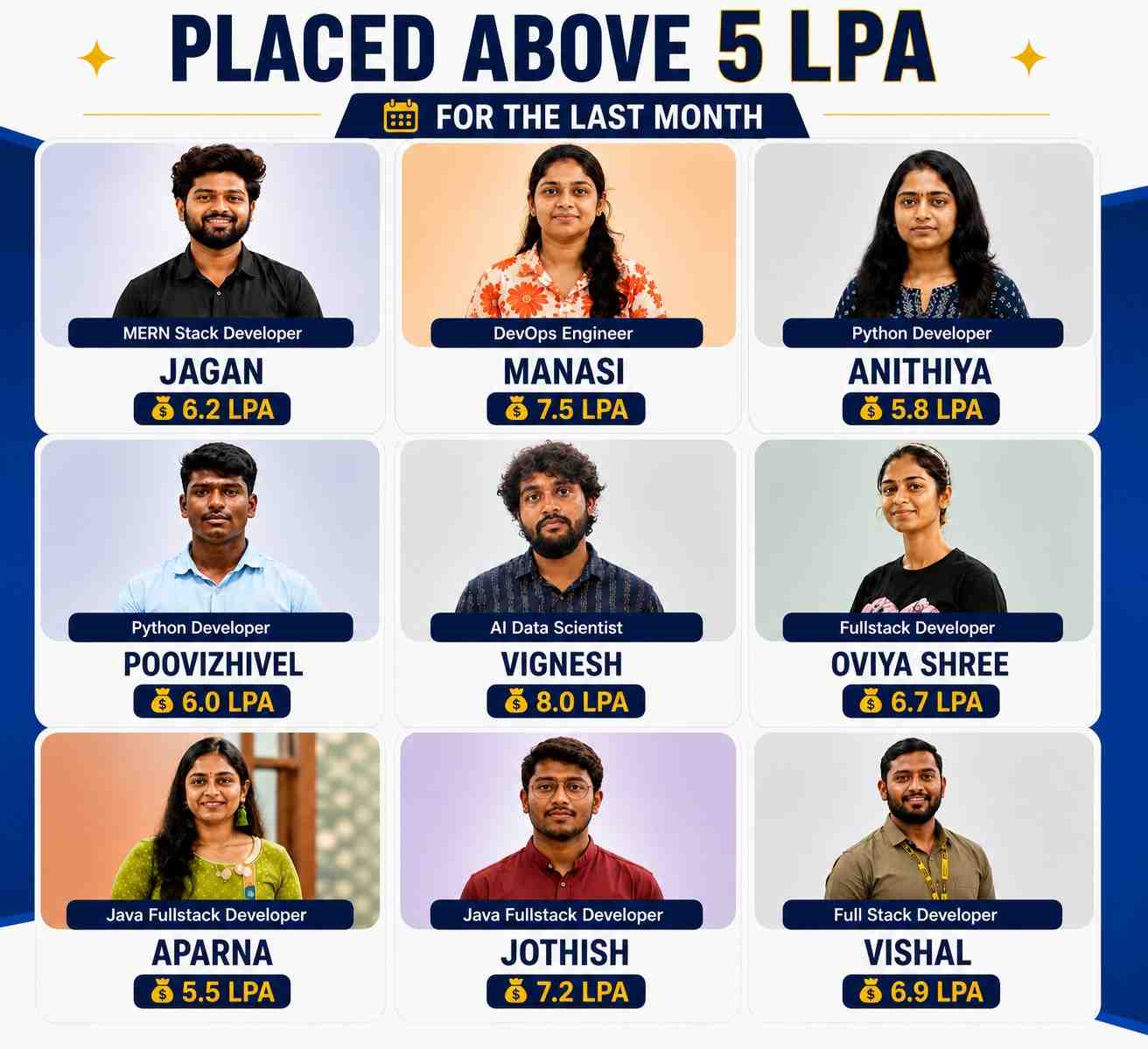
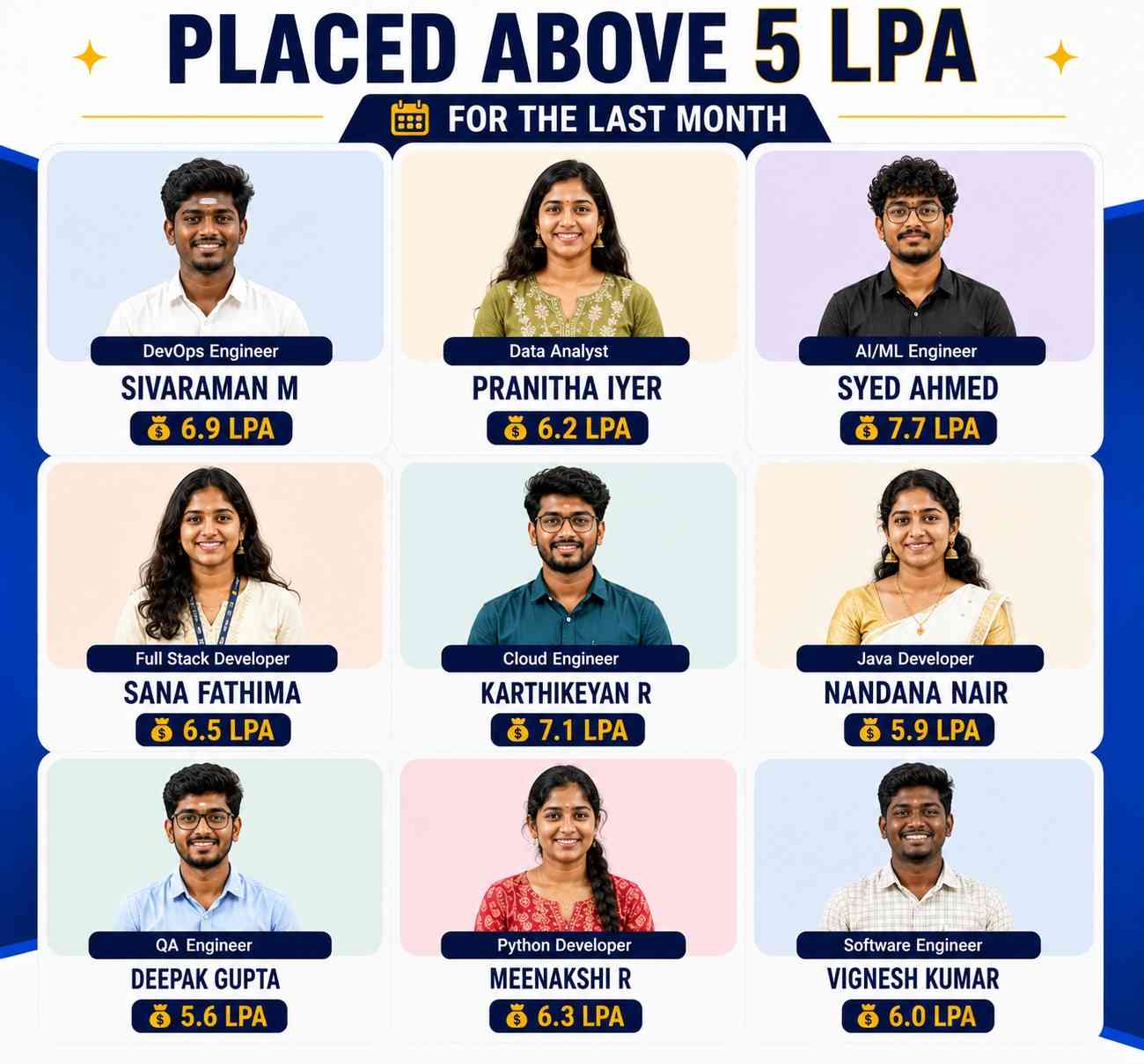
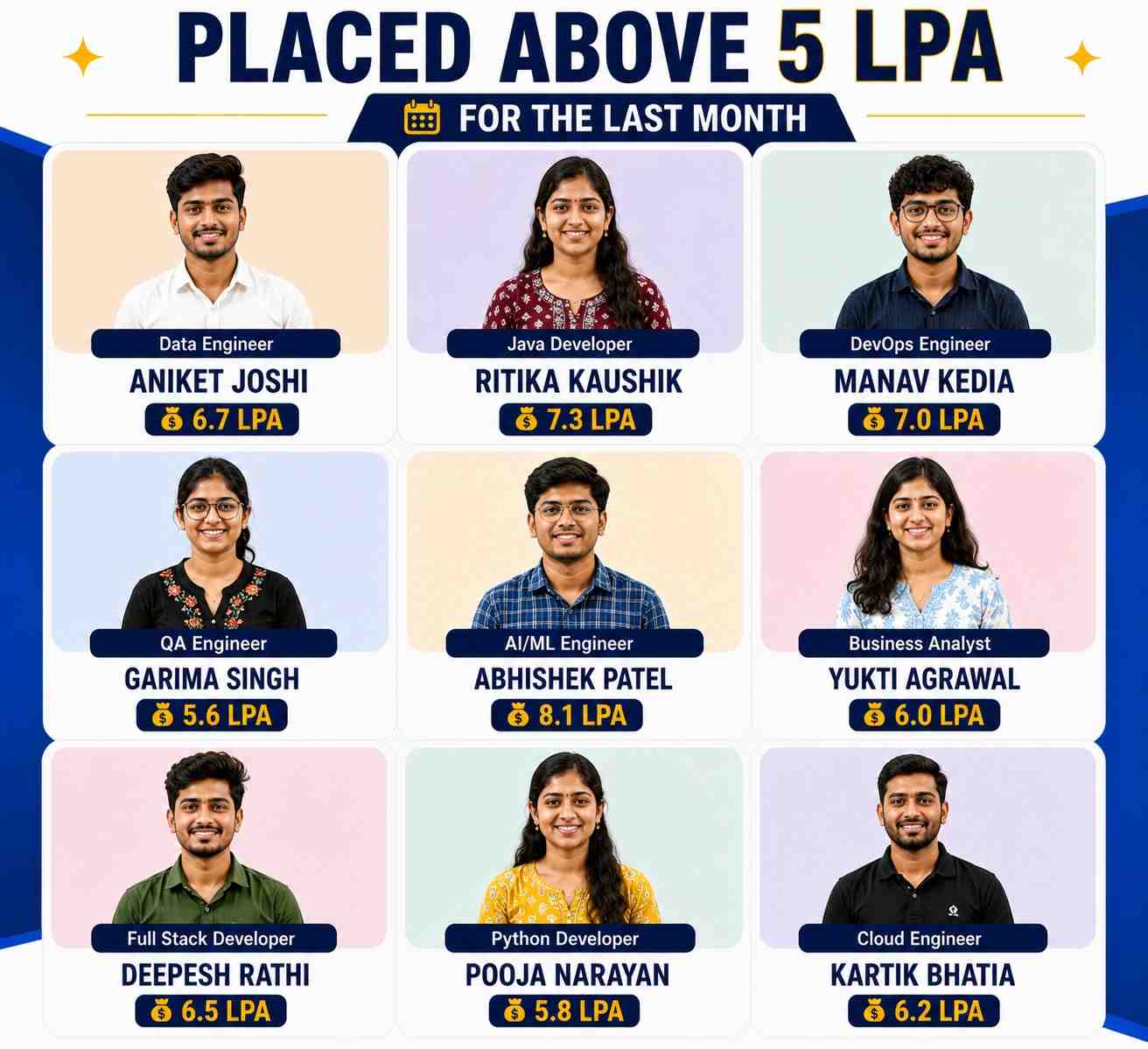
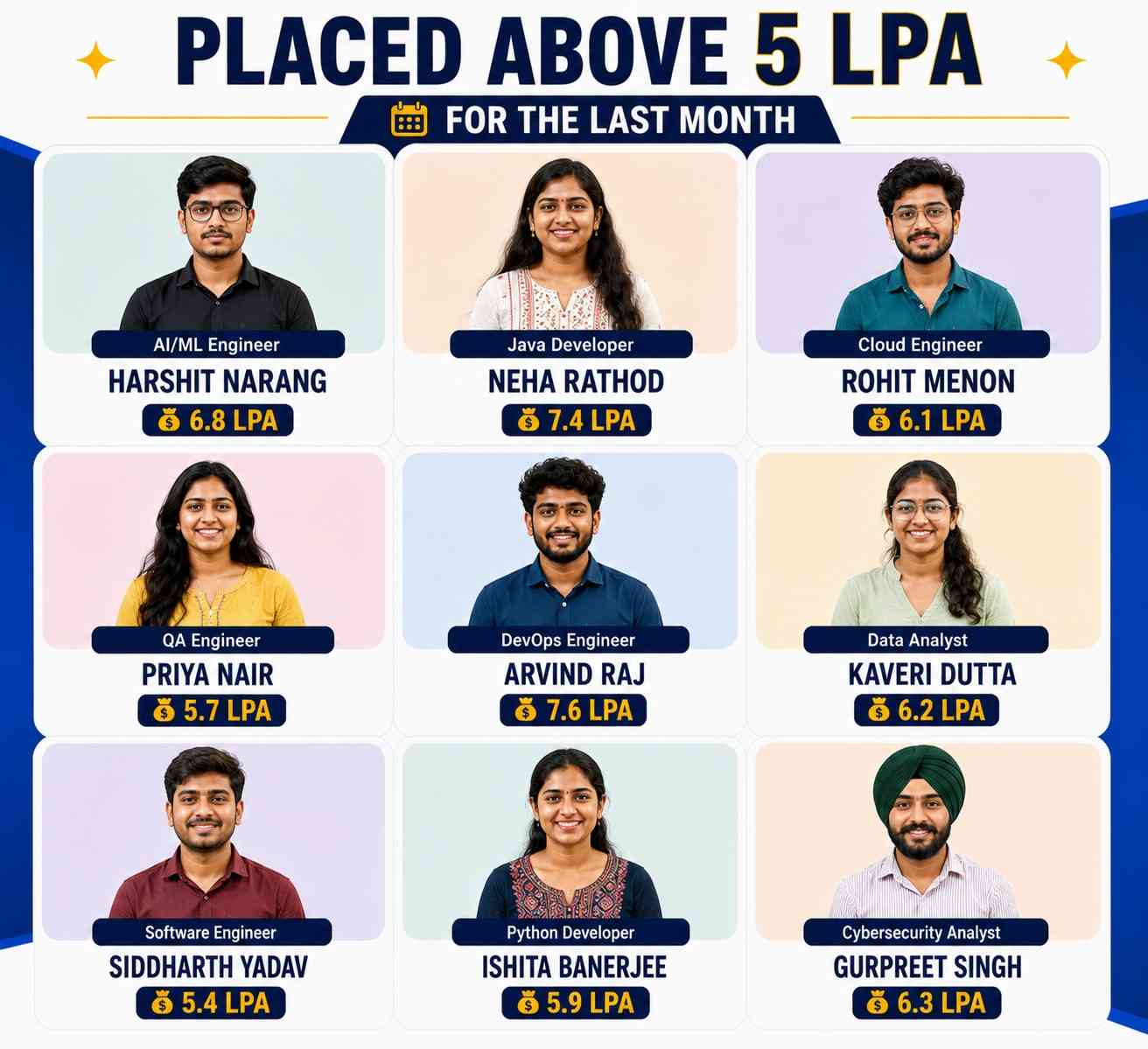
10569+

(Placed)
Freshers To IT

5556+

(Placed)
NON-IT to IT

7894+

(Placed)
Career Gap

4220+

(Placed)
Less Then 60%

Our Hiring Partners

Overview of SAP HR / HCM Course in Siruseri

SAP HR / HCM Training in Siruseri helps learners understand how SAP-based enterprise solutions can be used to manage employee information, organizational structures, workforce processes, and HR operations. The course begins with fundamental HR concepts and gradually covers key SAP HCM areas such as Personnel Administration, Organizational Management, Time Management, Payroll, Benefits, and Employee Self-Service (ESS). With instructor-led learning, system demonstrations, practical exercises, business scenarios, assignments, and project-oriented activities, participants can gain an understanding of how HR information is maintained, employee processes are managed, organizational data is structured, and workforce reports are generated. The program can be useful for graduates, HR professionals, payroll teams, working employees, and individuals planning to build a career in SAP functional consulting or HR technology.

What You'll Learn From SAP HR / HCM Training in Siruseri

Learn the core concepts of SAP-enabled HR management and understand how enterprise HR applications can organize employee information, personnel activities, and workforce-related processes within modern business environments.

Explore essential SAP HCM components such as Personnel Administration, Time Management, Payroll, Benefits, and Employee Self-Service with guided explanations, examples, and practical demonstrations.

Understand employee master data, organizational units, positions, personnel structures, HR transactions, workflows, and functional settings used to administer and maintain workforce information in SAP HCM.

Apply theoretical concepts through practical assignments, simulated HR situations, project activities, and business exercises that demonstrate how SAP HCM can be used to manage common organizational workforce requirements.

Develop the ability to understand HR requirements, follow SAP-based process flows, interpret workforce information, and recognize how different HCM functions contribute to everyday personnel management.

Build foundational knowledge for career opportunities in SAP HCM consulting, HRIS operations, payroll applications, HR system support, SAP end-user roles, and technology-driven human resource administration.

Additional Info

Course Highlights

  • Get familiar with important SAP HCM areas such as Personnel Administration, Organizational Management, Payroll, Benefits, and Employee Self-Service.
  • Understand potential career paths associated with SAP HCM implementation, HRIS operations, payroll systems and technology-enabled HR processes.
  • Use practical learning materials, assignments, and career-oriented activities to complement existing academic knowledge and professional HR experience.
  • Learn through trainers who understand HR processes, SAP HCM functionality, enterprise applications and functional implementation practices.
  • Progress through a structured curriculum that combines HR fundamentals, SAP concepts, demonstrations, practical exercises and project-based learning.
  • Explore training methods designed to support graduates, HR executives, working candidates, and individuals interested in moving into SAP HR technology.
  • Improve job readiness by practicing employee-data management, HR reporting situations, system-based workflows, and common SAP HCM end-user activities.

Exploring the Benefits of SAP HR / HCM Training in Offline Mode

  • Face-to-Face Trainer Support: Offline SAP HCM classes provide learners with opportunities to interact directly with trainers, ask questions, observe live demonstrations, and discuss practical HR situations. Immediate clarification can make functional concepts easier to understand.
  • Relevance Across Business Sectors: Organizations operating in IT, manufacturing, healthcare, banking, retail, logistics, consulting, and other industries require organized workforce processes. SAP HCM knowledge can therefore be useful across a variety of enterprise HR environments.
  • Access to Supporting Learning Materials: Classroom learning can be supplemented with SAP documentation, reference materials, tutorials, webinars, case studies, professional communities, and other resources. Combining different learning sources can support better practice and revision.
  • Practical Understanding of HR Activities: HR departments handle employee records, attendance, payroll information, organizational data, benefits, and reporting on a regular basis. SAP HCM exercises can help learners understand how these activities are managed within an enterprise application.
  • Integrated HR Workflows: SAP HCM brings multiple workforce functions together within an integrated environment. Learning these connections can help professionals understand standardized HR workflows, improve data handling, minimize repetitive manual processes, and support consistent operations.

Essential Tools for SAP HR / HCM Training in Siruseri

  • Key SAP HCM Functions: Study Personnel Administration, Organizational Management, Time Management, Payroll, Benefits, and Employee Self-Service. Understand the role of each component and how they work together to support workforce administration.
  • SAP IMG and Functional Settings: Gain an introduction to the SAP Implementation Guide and understand its importance in functional configuration. Learn how structures, rules, parameters, workflows, and related settings can be configured according to business requirements.
  • HR Reporting and Workforce Analysis: Understand common HR reporting requirements and gain exposure to technologies such as SAP Fiori, SAP S/4HANA, and SAP BW/BI for accessing, presenting, and analyzing workforce-related information.
  • Integration With Enterprise Functions: Learn how SAP HCM can connect with other business areas, including Finance (FI) and Materials Management (MM), to understand the role of HR information within broader enterprise processes.
  • Hands-on HCM Activities: Practice simulated tasks such as creating organizational structures, maintaining employee information, reviewing attendance scenarios, examining benefits-related situations, and exploring Employee Self-Service processes.

Top Modules Every SAP HR / HCM Professional Should Know

  • Essential HCM Areas: Gain an understanding of Personnel Administration, Organizational Management, Time Management, Payroll, Benefits, and Employee Self-Service and learn how these components contribute to organized workforce and employee lifecycle management.
  • Extended HR Processes: Explore areas such as payroll processing, time evaluation, employee lifecycle activities, personnel cost-related processes, and selected talent management functions to gain a broader understanding of enterprise HR requirements.
  • HCM Configuration Fundamentals: Learn about employee master data, enterprise structures, personnel structures, basic configuration concepts, and integration principles. Understand how system settings can be aligned with organizational policies and HR business needs.
  • Access Control and Compliance: Develop awareness of authorization concepts, user access, approval mechanisms, documentation, audit requirements, and compliance practices. Proper access management and reliable employee information are important for secure HR operations.
  • Workforce Reporting: Understand reporting requirements related to employee records, organizational structures, attendance, payroll, and other HR activities. Learn how workforce reports can support monitoring, analysis, planning, and routine management decisions.

Must-Have Skills You Will Gain in SAP HR / HCM Training in Siruseri

  • HCM Functional Knowledge: Develop a working understanding of Personnel Administration, Organizational Management, Time Management, Payroll, Benefits, and ESS while recognizing how these areas contribute to structured employee administration.
  • Employee Lifecycle Processes: Understand SAP-supported activities related to employee onboarding, personnel changes, attendance, payroll inputs, benefits, transfers, organizational updates, and other events throughout the employee lifecycle.
  • HR Business Scenario Handling: Work with practical situations involving employee administration, attendance, payroll, benefits, and HR application support. Scenario-based learning helps connect SAP functionality with real organizational requirements.
  • Workforce Information Analysis: Learn how to examine employee records, HR summaries, attendance information, reports, dashboards, and other workforce data that may be required for regular HR monitoring and reporting.
  • Cross-Functional Communication: Understand the relationship between HCM and other enterprise functions while developing communication skills for interacting with HR teams, payroll departments, finance users, managers, employees, consultants, and project stakeholders.

Roles and Responsibilities After SAP HR / HCM Training

  • SAP HCM Functional Consultant: Assist with requirements gathering, functional configuration, testing, documentation, implementation activities, issue analysis, and application support while coordinating with HR users and project teams to address business requirements.
  • HR Systems Analyst: Work with employee information, HR reports, attendance data, payroll inputs, benefits information, and workforce system processes while helping HR teams resolve routine system-related requirements and maintain accurate information.
  • SAP HR Application User: Carry out authorized activities involving employee records, organizational updates, time entries, payroll information, and other HR transactions according to organizational procedures, data standards, and access controls.
  • HR Operations Specialist: Support employee documentation, HR records, attendance coordination, payroll inputs, HR communications, and cross-functional activities while helping maintain accurate information and smooth day-to-day personnel operations.
  • HR Compliance and Controls Associate: Assist in reviewing HR records, user access, documentation, process controls, audit requirements, and data inconsistencies while supporting corrective actions and maintaining dependable HR processes.

The Benefits of SAP HR / HCM for Recent Graduates as a Career Option

  • Practical Enterprise Technology Skills: Graduates from HR, commerce, management, business administration, and related disciplines can complement their academic background with SAP HCM knowledge and an understanding of technology-driven workforce processes.
  • Opportunities Across Industries: SAP HCM-related skills can be applicable in IT services, manufacturing, healthcare, banking, retail, logistics, consulting, and other enterprise sectors. Graduates can explore roles according to their interests in HR and technology.
  • Scope for Ongoing Learning: SAP documentation, tutorials, webinars, professional communities, online resources, and industry discussions provide opportunities for graduates to continue expanding their skills as enterprise HR technology evolves.
  • Enterprise Process Awareness: SAP HCM helps learners understand how HR activities can connect with other business functions within an ERP environment. This exposure can provide graduates with a broader perspective of how organizations manage integrated business operations.
  • Entry Into HR Technology Careers: Knowledge of SAP HCM can support career exploration in HRIS operations, SAP application support, HR technology, functional consulting, enterprise workforce systems, and related technology-oriented HR positions.

How SAP HR / HCM Skills Help You Get Remote Jobs

  • Technology-Based HR Operations: SAP HCM enables organizations to manage many workforce activities digitally. Skilled professionals may support employee administration, HR reporting, application maintenance, process monitoring, and other system-based activities in distributed work environments.
  • Participation in Distributed Projects: Depending on the employer and project, SAP HCM professionals may work on implementation programs, testing assignments, application maintenance, consulting activities, and support projects involving teams located in different regions.
  • Digital Collaboration: Employee databases, workflows, reporting systems, collaboration platforms, and communication tools allow HCM professionals to coordinate with HR teams, managers, consultants, and project stakeholders across different locations.
  • Standardized HR Processes: SAP HCM can support repeatable and structured workforce processes. Professionals who understand these workflows can contribute to process consistency, improved data accuracy, monitoring, and reduced dependence on manual HR activities.
  • Online Professional Connections: SAP communities, virtual events, webinars, online discussion forums, and professional networks can help HCM professionals exchange knowledge, follow industry developments, and identify potential career and project opportunities.

What to Expect in Your First SAP HR / HCM Job

  • Basic HR System Responsibilities: Beginners may initially work with employee information, organizational records, attendance data, payroll inputs, benefits information, ESS transactions, reporting activities, and routine HR application support.
  • Exposure to Enterprise Technologies: Based on the employer and project, entry-level professionals may encounter SAP Fiori, SAP S/4HANA, reporting applications, workflows, integrations, and related enterprise platforms while learning how HR technology supports wider business operations.
  • Learning From Senior Professionals: New employees may work alongside senior consultants, HR specialists, business analysts, project managers, and functional teams. This collaboration can help improve process knowledge, documentation practices, troubleshooting skills, and professional communication.
  • Interaction With Multiple Departments: SAP HCM responsibilities can involve coordination with HR managers, payroll professionals, employees, business analysts, technical teams, and project stakeholders, helping beginners strengthen communication and requirements-understanding skills.
  • Gradual Career Progression: Professionals may start with standard transactions and support activities and later move into configuration, testing, payroll, time management, implementation, application support, or specialized SAP HCM consulting responsibilities.

Top Companies Hiring SAP HR / HCM Professionals

  • IBM: Technology and consulting organizations such as IBM work across enterprise applications, business transformation, and digital solutions. SAP HCM professionals may explore roles related to HR technology, application support, consulting, and enterprise transformation initiatives.
  • Capgemini: Capgemini provides technology consulting, SAP services, transformation programs, and application management. SAP HCM professionals may contribute to implementation projects, testing, application support, process analysis, and HR technology initiatives.
  • Wipro: Wipro operates across IT services, consulting, SAP solutions, and enterprise application support. HCM professionals may work on HR transformation, functional support, SAP application maintenance, testing, reporting, and business process improvement activities.
  • HCLTech: HCLTech provides enterprise technology, consulting, application services, and digital transformation solutions. SAP HCM professionals can explore responsibilities involving implementation support, functional operations, testing, integration coordination, and HR system management.
  • Cognizant: Cognizant works in consulting, enterprise applications, business technology, and digital transformation. SAP HCM professionals may participate in HR technology projects involving implementation, application support, testing, process enhancement, and functional consulting.
Show More

Upcoming Batches For Classroom and Online

Weekdays
14 - Sep - 2026
08:00 AM & 10:00 AM
Weekdays
16 - Sep- 2026
08:00 AM & 10:00 AM
Weekends
19 - Sep - 2026
(10:00 AM - 01:30 PM)
Weekends
20 - Sep - 2026
(09:00 AM - 02:00 PM)
Can't find a batch you were looking for?
INR ₹16500
INR ₹36000

OFF Expires in

Who Should Take an SAP HR / HCM Certification Course

IT Professionals

Non-IT Career Switchers

Fresh Graduates

Working Professionals

Diploma Holders

Professionals from Other Fields

Salary Hike

Graduates with Less Than 60%

Show More

Job Roles For SAP HR / HCM Certification Training

SAP HCM Consultant

HR Analyst / HR Executive

SAP End-User

HR Coordinator

Compliance & Audit Specialist

Payroll Specialist

Time Management Specialist

Talent Management Consultant

Show More

What’s included ?

Convenient learning format

📊 Free Aptitude and Technical Skills Training

  • Learn basic maths and logical thinking to solve problems easily.
  • Understand simple coding and technical concepts step by step.
  • Get ready for exams and interviews with regular practice.
Dedicated career services

🛠️ Hands-On Projects

  • Work on real-time projects to apply what you learn.
  • Build mini apps and tools daily to enhance your coding skills.
  • Gain practical experience just like in real jobs.
Learn from the best

🧠 Launch Your Career in Top MNC Companies

  • Master technical and HR interview rounds.
  • Gain confidence with expert mock interview practice.
  • Improve your chances of getting hired faster.
Learn from the best

🎯 Interview Preparation For Freshers

  • Practice company-based interview questions.
  • Take online assessment tests to crack interviews
  • Practice confidently with real-world interview and project-based questions.
Learn from the best

🧪 LMS Self Learning Platform

  • Explore expert trainer videos and documents to boost your learning.
  • Study anytime with on-demand videos and detailed documents.
  • Top MNC interview questions & self coding practice.

SAP HR / HCM Course Syllabus

  • 🏫 Classroom Training
  • 💻 Online Training
  • 🚫 No Pre Request (Any Vertical)
  • 🏭 Industrial Expert

Choosing SAP HR / HCM Training in Siruseri can provide learners with a structured introduction to enterprise-level human resource technology and the processes used to manage employees through SAP solutions. The training covers the fundamentals of HR management and gradually introduces important HCM areas including Personnel Administration (PA), Organizational Management (OM), Time Management, Payroll, Benefits, and Employee Self-Service (ESS). Instructor-led explanations, application demonstrations, practical assignments and project activities can help learners connect SAP HCM concepts with workplace requirements and prepare for roles associated with HR systems and SAP functional operations.

  • HCM Concepts & Enterprise HR: Understand how SAP HCM supports personnel administration, employee lifecycle activities, and HR operations.
  • Configuration & Personnel Data: Learn the fundamentals of maintaining employee information, managing system settings, and supporting HCM administration.
  • Functional HR Operations: Explore major HCM processes including Personnel Administration, Time Management, Payroll, Benefits, and Employee Self-Service.
  • Reporting & SAP Platforms: Gain awareness of SAP Fiori, S/4HANA, HR reporting capabilities, and digital solutions used to access and manage workforce information.
SAP HCM Fundamentals & Enterprise HR Overview
Core SAP HCM Modules & Personnel Processes
HCM Configuration, Security & Administration
SAP HCM Transactions & Workforce Activities
HCM Integration & Automated HR Workflows
SAP HCM Reporting & HR Data Insights
Practical SAP HCM Projects & Business Use Cases

Discover How SAP HCM Supports Modern Human Resource and Workforce Management:

  • Understanding SAP HCM: Learn the purpose of SAP HCM and how it supports employee information, personnel activities, and common HR processes.
  • HCM Functional Landscape: Explore major HCM areas such as personnel administration, organizational management, payroll, benefits, and employee services.
  • SAP System Environment: Understand SAP ECC and S/4HANA and learn how these platforms support integrated HR and enterprise business operations.
  • Career Direction: Explore career opportunities such as SAP HCM Consultant, HRIS Analyst, HR Executive, SAP HR Support Professional, and HCM End User.

Learn How Different SAP HCM Modules Work Together to Manage the Employee Lifecycle:

  • Organizational Structure Management: Learn how departments, jobs, positions, organizational units, and reporting relationships are structured in SAP HCM.
  • Personnel Administration: Understand how employee master data, personal details, employment information, and organizational assignments are maintained.
  • Attendance, Time & Payroll: Explore work schedules, attendance records, leave management, payroll inputs and employee compensation processes.
  • Benefits & Employee Services: Learn how benefits and ESS support employee information, service requests, HR activities, and approval-based processes.

Understand HCM Configuration, Security, and Administration:

  • HCM Configuration Environment: Explore SAP IMG, Fiori applications, S/4HANA interfaces, and key tools used to manage HCM functionality.
  • Business-Oriented Configuration: Learn how organizational structures, HR rules, and system options can be aligned with business requirements.
  • Authorization & Data Protection: Understand user permissions, authorization settings and security practices for protecting employee information.
  • System Checks & Administration: Learn how to review configurations, validate employee data, check process results, and support reliable HCM operations.

Practice Common SAP HCM Activities Involved in Day-to-Day Employee and HR Administration:

  • Personnel Record Handling: Understand how employee details, organizational assignments, and HR records are managed within the system.
  • Time & Compensation Activities: Work with examples involving attendance, work schedules, leave information, payroll inputs and personnel data.
  • Employee Lifecycle Services: Explore processes connected with employee onboarding, leave applications, HR requests, and Employee Self-Service.
  • Transaction Testing: Practice executing HCM transactions, reviewing results and following basic approaches to functional issue resolution.

Understand HCM Integration and Automated HR Processes:

  • Cross-Module Connectivity: Learn the basic principles of integration between HCM and enterprise areas such as Finance (FI) and other relevant SAP functions.
  • Workflow-Driven Processes: Explore how workflow mechanisms can route tasks, trigger actions, and reduce manual effort in recurring HR processes.
  • Integration With External Applications: Gain an overview of data exchange between SAP HCM and external HR, payroll, workforce, or enterprise applications.
  • HR Approval Automation: Understand how workflow-based approvals can be applied to employee changes, leave processes and other personnel transactions.

Build the Ability to Work With HR Reports and Interpret Workforce Information for Needs:

  • HCM Reporting Interfaces: Learn how SAP Fiori and reporting tools provide access to employee, organizational, attendance, and HR data.
  • Workforce Information Review: Examine personnel and organizational data for routine HR administration and management needs.
  • HR Metrics & Monitoring: Explore workforce indicators related to employee movements, attendance, payroll, records, and HR performance.
  • Data Quality & Reporting: Understand the importance of accurate employee records, infotypes, organizational data, and reliable HR reporting.

Strengthen SAP HCM Skills Through Projects and Practical Scenarios:

  • Business Requirement Mapping: Learn to understand HR requirements, identify relevant HCM functions, and organize business needs.
  • Scenario-Based Learning: Practice HR cases involving organizational structures, employee administration, payroll, benefits, and employee services.
  • HCM Process Analysis: Review transactions, employee records, reports, and process results to identify gaps and improvement areas.
  • Integrated HCM Project: Complete a practical project covering HCM functions, configuration basics, employee processes, reporting, and HR requirements.

🎁 Free Addon Programs

Aptitude, Spoken English

🎯 Our Placement Activities

Daily Task, Soft Skills, Projects, Group Discussions, Resume Preparation, Mock Interview

SAP HCM Practical Projects and Real-World HR Applications

Placement Support Overview

Current Career Opportunities for SAP HR / HCM Professionals

SAP HCM Implementation Consultant

Company: Deloitte

Siruseri, Chennai, Tamil Nadu

Salary: Not disclosed

Relevant Degree

Exp 2-6 yrs

  • Assist with SAP HCM implementation projects, understand HR requirements, support configuration activities, participate in testing, and coordinate with functional teams.
  • Easy Apply

    SAP HCM Payroll Consultant

    Company: Accenture

    Siruseri, Chennai, Tamil Nadu

    Salary: Not disclosed

    Relevant Degree

    Exp 2-5 yrs

  • Support payroll configuration and processing, review payroll requirements, validate employee compensation data, troubleshoot functional issues, and assist HR teams with payroll operations.
  • Easy Apply

    SAP SuccessFactors HR Consultant

    Company: Infosys

    Siruseri, Chennai, Tamil Nadu

    Salary: Not disclosed

    Relevant Degree

    Exp 2-5 yrs

  • Work with SuccessFactors HR processes, analyze business requirements, support system configuration and contribute to employee lifecycle management solutions.
  • Easy Apply

    HR Technology Business Analyst

    Company: TCS

    Siruseri, Chennai, Tamil Nadu

    Salary: Not disclosed

    Relevant Degree

    Exp 2-6 yrs

  • Analyze HR technology requirements, document business processes, coordinate with SAP teams and support improvements across workforce management processes.
  • Easy Apply

    SAP HCM Application Support

    Company: CGI

    Siruseri, Chennai, Tamil Nadu

    Salary: Not disclosed

    Relevant Degree

    Exp 1-5 yrs

  • Handle SAP HCM application issues, investigate user-reported problems, support incident resolution and maintain dependable HR system operations.
  • Easy Apply

    SAP HCM Functional Analyst

    Company: Mphasis

    Siruseri, Chennai, Tamil Nadu

    Salary: Not disclosed

    Relevant Degree

    Exp 2-5 yrs

  • Analyze HR processes, support functional requirements, prepare documentation, participate in testing, and work with business users to improve SAP HCM operations.
  • Easy Apply

    SAP HCM Time Management Analyst

    Company: DXC Technology

    Siruseri, Chennai, Tamil Nadu

    Salary: Not disclosed

    Relevant Degree

    Exp 1-5 yrs

  • Support time management activities and leave information validate time-related data, and assist with HR process issues.
  • Easy Apply

    SAP HCM Quality Analyst

    Company: Virtusa

    Siruseri, Chennai, Tamil Nadu

    Salary: Not disclosed

    Relevant Degree

    Exp 1-4 yrs

  • Prepare HCM test cases, execute functional testing, verify employee and payroll processes, document defects, and support quality checks for SAP HR applications.
  • Easy Apply

    Key Benefits of SAP HR / HCM Internship in Siruseri

    Practical SAP HCM Project Experience

    • 1. Work on practical activities covering Personnel Administration, Organizational Management, Payroll, and Time Management.
    • 2. Apply HCM concepts to simulated HR scenarios involving employee information, attendance, leave, and payroll activities.
    Book Session

    Industry-Oriented SAP HCM Training

    • 1. Gain practical exposure to HCM functions, HR workflows, employee administration, and workforce management activities.
    • 2. Perform guided exercises involving employee records, attendance details, and routine HCM transactions.
    Book Session

    HR Interaction & Engagement

    • 1. Understand approaches for employee communication, engagement activities, and maintaining effective workplace relationships.
    • 2. Explore how HR initiatives can support employee participation, productivity, and a positive organizational culture.
    Book Session

    Expert Guidance & Team-Based Learning

    • 1. Get mentor support to strengthen SAP HCM understanding, HR process knowledge, and career planning skills.
    • 2. Participate in collaborative exercises and scenarios that develop communication and problem-solving abilities.
    Book Session

    SAP HCM Career Readiness

    • 1. Develop workplace abilities such as professional communication, analytical thinking and HR process knowledge.
    • 2. Prepare for SAP HR opportunities through resume support, interview preparation, and practical HCM-based discussions.
    Book Session

    SAP HCM Internship Certification

    • 1. Earn an internship certificate recognizing practical exposure to SAP HCM concepts, HR processes, and project-based activities.
    • 2. Highlight the internship credential on your resume to demonstrate hands-on learning and career preparation in SAP HR.
    Book Session

    Sample Resume for SAP HR / HCM (Fresher)

    • 1. Simple and Clean Resume Layout

      – Use a professional format with clearly defined sections such as career summary, SAP HCM skills, certifications, education, and project experience.

    • 2. List of SAP HCM Skills You Possess

      – Highlight skills like Personnel Administration (PA), Organizational Management (OM), Payroll, Time Management, Recruitment, Employee Lifecycle Management, Reporting, and HCM Workflow Automation.

    • 3. Real-Time Projects and Achievements

      – Include 1–2 SAP HCM projects with concise descriptions, modules used, and measurable outcomes such as improved payroll accuracy, streamlined HR processes, or enhanced employee data management.

    Latest SAP HR / HCM Interview Questions and Answers for Siruseri (2026)

    Ans:

    SAP HCM includes functional areas such as Personnel Administration, Organizational Management, Time Management, Payroll, Benefits, and Employee Self-Service. These components help organizations manage employee information, workforce structures, time-related activities, compensation, and routine HR processes.

    Ans:

    • Personnel Administration is used to maintain important employee information within SAP HCM.
    • It covers personal details, employment information, organizational assignments, and related HR records.
    • Employee information is maintained through relevant personnel data and infotypes.
    • Accurate personnel data supports dependable HR administration and reporting.

    Ans:

    Organizational Management represents the structure of an organization using objects such as organizational units, jobs, positions, and reporting relationships. It helps HR teams maintain workforce structures and understand how employees are connected within different areas of the organization.

    Ans:

    SAP HCM Time Management helps organizations record and manage employee working-time information. It can support areas such as work schedules, attendance, absences, leave, overtime, and time balances. The information can also be relevant to payroll processing.

    Ans:

    A wage type represents a payroll-related payment, deduction, or calculation element. Examples can include basic pay, allowances, overtime, bonuses, and deductions. Wage types are processed according to payroll rules and help determine accurate employee payroll results.

    Ans:

    Employee Self-Service allows employees to access selected HR information and perform supported HR activities through self-service interfaces. Depending on the implementation, employees may be able to update information, submit leave requests, view relevant details, and participate in approval-based processes.

    Ans:

    First, identify which employee information is incorrect and review the relevant personnel records and infotypes. Check organizational assignments, effective dates, and related master data. After identifying the cause, correct the information, validate the updated record, and verify whether connected HR processes are producing the expected results.

    Ans:

    SAP HCM can exchange relevant information with other SAP business areas to support connected enterprise processes. For example, payroll results can be transferred for financial processing, while organizational and personnel information can support related business activities. Integration helps reduce duplicate data handling and improve process coordination.

    Ans:

    SAP Fiori provides role-based applications and user experiences that can simplify access to business and HR functions. In HCM environments, Fiori applications can support employee information, approvals, HR tasks, reporting, and other workforce-related activities through more user-friendly interfaces.

    Ans:

    Begin by reviewing the employee's relevant master data, payroll inputs, wage types, attendance information, and applicable deductions. Then examine the payroll processing results and logs to locate the source of the discrepancy. After identifying the issue, verify the relevant data or configuration, make the required correction, and rerun or retest the affected process.

    Company-Specific SAP HR / HCM Interview Questions – Siruseri

    1. How is Personnel Area defined in SAP HCM?

    Ans:

    A Personnel Area is an organizational unit in SAP HCM that represents a specific business location or organizational division. It supports employee administration, reporting, and the configuration of various HR processes.

    2. Why is Personnel Subarea used in SAP HCM?

    Ans:

    A Personnel Subarea is a further subdivision of a Personnel Area used to classify employees more precisely. It can influence settings related to work schedules, payroll processing, employee administration, and other HR activities.

    3. What do you mean by Infotypes in SAP HCM?

    Ans:

    Infotypes are predefined data structures used to maintain employee information in SAP HCM. Each Infotype stores a particular type of HR data, such as personal details, organizational assignments, time information, or payroll-related information.

    4. How are Employee Groups used in SAP HCM?

    Ans:

    Employee Groups are used to classify employees into broad categories based on their employment status or organizational requirements. These classifications can affect HR administration, reporting, payroll processing, and other personnel processes.

    5. What is the role of an Employee Subgroup?

    Ans:

    An Employee Subgroup provides a more detailed classification within an Employee Group. It enables organizations to apply specific rules for areas such as payroll, working time, benefits, and personnel administration.

    6. What steps would you follow to correct inaccurate employee master data?

    Ans:

    I would identify the incorrect information, verify the correct details using an authorized source, check the applicable effective date and related records, update the relevant Infotype, and validate the change to ensure the employee data is accurate.

    7. Why is the Personnel Number important in SAP HCM?

    Ans:

    The Personnel Number is a unique identifier assigned to an employee in SAP HCM. It is used to access, maintain, and track the employee's HR information throughout the employment lifecycle.

    8. In what ways does SAP HCM manage the employee lifecycle?

    Ans:

    SAP HCM supports key employee lifecycle activities such as recruitment and hiring, organizational changes, transfers, promotions, leave management, payroll processing, and employee separation.

    9. What is the purpose of Organizational Management in SAP HCM?

    Ans:

    Organizational Management is used to model an organization's structure through objects such as organizational units, jobs, positions, and relationships. It helps maintain reporting structures and define how employees are assigned within the organization.

    10. How would you resolve an SAP HCM issue raised by an HR user?

    Ans:

    I would first understand the issue and identify the affected employee or business process. I would then reproduce the problem where possible, review the relevant master data and configuration, identify the root cause, implement the appropriate solution, and validate the resolution with the user.

    1. What is meant by an Action in SAP HCM?

    Ans:

    An Action represents a business event or personnel-related activity performed for an employee. Common examples include hiring, promotion, transfer, organizational reassignment, and termination.

    2. What does Personnel Action Configuration control?

    Ans:

    Personnel Action Configuration controls how a particular employee action is processed, including the sequence and behavior of the relevant Infotypes. It helps ensure that employee lifecycle transactions follow a consistent process.

    3. What is an Infogroup in SAP HCM?

    Ans:

    An Infogroup specifies the Infotypes that need to be processed and the sequence in which they appear during a personnel action. It helps users enter the required employee information in the correct order.

    4. How would you perform an employee transfer in SAP HCM?

    Ans:

    I would determine the required organizational changes, confirm the effective date, select the appropriate personnel action, update the necessary employee records, and verify the impact on organizational assignment and payroll processing.

    5. Why is effective dating important in SAP HCM?

    Ans:

    Effective dating ensures that employee and organizational information becomes valid from the appropriate date. It also allows SAP HCM to retain historical records while supporting changes that take effect in the future.

    6. What is Retroactive Accounting in SAP Payroll?

    Ans:

    Retroactive Accounting enables the system to recalculate earlier payroll periods when relevant employee information is changed with a past effective date. The resulting differences are then considered in subsequent payroll processing.

    7. What are Wage Types used for in SAP Payroll?

    Ans:

    Wage Types represent individual payroll components used to process employee earnings and deductions. They can cover items such as salaries, allowances, benefits, reimbursements, deductions, and other payroll amounts.

    8. How would you analyze a difference in an employee's payroll between two months?

    Ans:

    I would compare the employee's master data, wage types, attendance and absence records, deductions, payroll results, and any retroactive changes between the two periods. This comparison would help identify the reason for the payroll variance.

    9. What is the function of a Payroll Control Record?

    Ans:

    The Payroll Control Record manages the processing status of a payroll area. It controls payroll periods and helps prevent unauthorized or inappropriate changes to payroll-related employee data during important processing stages.

    10. How would you test and validate a newly created payroll Wage Type?

    Ans:

    I would understand the business requirement, configure the Wage Type according to the required rules, test it using relevant employee scenarios, verify the payroll calculation, compare the results with the expected outcome, and obtain business confirmation.

    1. What is Employee Central in SAP SuccessFactors?

    Ans:

    Employee Central is a core HR solution within SAP SuccessFactors that enables organizations to manage employee and organizational information through a centralized platform.

    2. What is the purpose of Role-Based Permission in SuccessFactors?

    Ans:

    Role-Based Permission determines the information users can view and the actions they are authorized to perform in SuccessFactors. It helps organizations maintain appropriate access controls and protect HR data.

    3. Why is the Succession Data Model used?

    Ans:

    The Succession Data Model defines employee-related fields and data structures in Employee Central. It helps configure how HR information is represented, maintained, and managed within the system.

    4. What are Business Rules in SAP SuccessFactors?

    Ans:

    Business Rules provide configurable logic that can automate or control supported HR processes. They can be used for validations, defaulting values, updating fields, and implementing specific business requirements.

    5. How would you troubleshoot a Role-Based Permission issue in Employee Central?

    Ans:

    I would identify the affected user and transaction, review the user's assigned permission roles, check permission groups and target populations, verify the required object permissions, and retest the process after making the necessary corrections.

    6. What is the difference between Job Information and Personal Information?

    Ans:

    Personal Information contains employee-related personal and contact details, whereas Job Information contains employment-related data such as position, department, manager, and organizational assignments.

    7. How are workflows implemented in Employee Central?

    Ans:

    Workflows are used to route specific employee-data changes through predefined approval processes. They help ensure that important HR transactions are reviewed and approved by the appropriate stakeholders.

    8. What is a Picklist in SAP SuccessFactors?

    Ans:

    A Picklist provides users with a predefined set of values from which they can select an appropriate option for supported fields. It promotes consistent and standardized employee data entry.

    9. How would you test a configuration change in Employee Central?

    Ans:

    I would identify the impacted process, create appropriate positive and negative test cases, validate the configuration in the relevant environment, check associated workflows and permissions, and confirm that the results meet the approved requirements.

    10. Why are effective-dated records important in Employee Central?

    Ans:

    Effective-dated records allow organizations to maintain employee changes based on specific dates while preserving historical information. They are particularly useful for events such as promotions, transfers, and organizational changes.

    1. What does Time Management cover in SAP HCM?

    Ans:

    SAP HCM Time Management manages employee working-time information, including attendance, absences, work schedules, overtime, and related time evaluation activities.

    2. What is a Work Schedule Rule in SAP HCM?

    Ans:

    A Work Schedule Rule defines the planned working pattern for an employee. It can specify planned working days, working hours, breaks, and other information required for time-management processing.

    3. How does Time Evaluation work in SAP HCM?

    Ans:

    Time Evaluation processes recorded employee time data based on configured rules. It can calculate time balances, overtime, absences, and other results that may be used by subsequent HR or payroll processes.

    4. How are employee leave requests managed in SAP HCM?

    Ans:

    Employee leave can be recorded and processed using configured absence types, eligibility conditions, quotas, and approval workflows. The resulting leave information may also affect payroll and HR reporting.

    5. What is a Holiday Calendar in SAP HCM?

    Ans:

    A Holiday Calendar defines public holidays applicable to a particular region or organizational requirement. It supports accurate working-day and schedule calculations within Time Management.

    6. What would you check if an employee's leave balance is incorrect?

    Ans:

    I would review the employee's absence records, leave quota configuration, entitlement generation, validity periods, deduction rules, and relevant time-processing results. I would then compare the calculated balance with the organization's approved leave policy.

    7. What is a Time Evaluation Schema?

    Ans:

    A Time Evaluation Schema contains the processing logic used to evaluate employee time information. It defines how recorded time data is processed according to the organization's configured business rules.

    8. How can overtime results be integrated with payroll?

    Ans:

    Once employee time data has been evaluated, relevant overtime results can be transferred or made available to Payroll through the configured integration between Time Management and Payroll.

    9. What is the difference between Attendance and Absence?

    Ans:

    Attendance generally records time during which an employee is working or performing an approved activity, whereas Absence records periods when an employee is unavailable for planned work due to a defined reason.

    10. How would you test a newly introduced leave policy in SAP HCM?

    Ans:

    I would review the policy requirements, configure the required absence and quota settings, create different employee test scenarios, verify entitlement and deduction calculations, test approval processes, and validate the final results with the relevant business stakeholders.

    1. What is involved in an SAP HCM Implementation Project?

    Ans:

    An SAP HCM implementation project involves analyzing business requirements, configuring the required SAP HR functionality, testing the solution, migrating relevant data, and deploying the system to support an organization's HR processes.

    2. What is Fit-Gap Analysis in SAP HCM?

    Ans:

    Fit-Gap Analysis compares business requirements with the standard capabilities of SAP HCM. It helps determine which requirements can be fulfilled through standard functionality and which may require additional configuration, enhancement, or development.

    3. What is the purpose of a Business Blueprint?

    Ans:

    A Business Blueprint documents the agreed business requirements and processes that the SAP solution needs to support. It serves as an important reference for configuration, development, testing, and implementation activities.

    4. What is a Cutover Plan in an SAP HCM project?

    Ans:

    A Cutover Plan outlines the activities required to transition from an existing HR system or process to the new SAP solution. It may include data migration, validation, configuration checks, user preparation, final testing, and go-live activities.

    5. How would you approach employee data migration in SAP HCM?

    Ans:

    I would identify the required employee data, analyze the source information, cleanse and map the data to the target structure, perform trial migrations, validate the migrated records, resolve discrepancies, and complete final reconciliation before go-live.

    6. What is meant by End-to-End Testing in SAP HCM?

    Ans:

    End-to-End Testing validates a complete business process across the relevant SAP HCM components and integrated systems. It ensures that information flows correctly from the initial transaction through to the expected business outcome.

    7. How would you handle a requirement that cannot be fulfilled using standard SAP?

    Ans:

    I would first confirm the requirement and explore available standard SAP alternatives. If standard functionality is insufficient, I would evaluate suitable configuration extensions or approved development options while considering maintainability, cost, complexity, and long-term system impact.

    8. What is User Acceptance Testing in an SAP HCM project?

    Ans:

    User Acceptance Testing allows business users to execute realistic business scenarios and verify that the SAP HCM solution meets their approved requirements. Successful UAT provides business validation before the solution is moved to production.

    9. How would you handle a defect identified during UAT?

    Ans:

    I would document the defect with sufficient details, assess its severity and business impact, investigate the root cause, coordinate the required fix, retest the affected scenario, perform regression testing where necessary, and obtain business confirmation before closure.

    10. What are the key factors behind a successful SAP HCM implementation?

    Ans:

    A successful SAP HCM implementation depends on well-defined requirements, appropriate system configuration, accurate data migration, comprehensive testing, effective stakeholder communication, user training, controlled deployment, and strong post-go-live support.


    Important Accommodation Disclaimer:

    The PG and hostel information listed below is provided solely as a general reference for students and visitors attending our Siruseri training location. We are not affiliated with, associated with, partnered with, or responsible for any accommodation provider listed here. Students are advised to contact the respective providers directly and independently verify the latest room availability, rental rates, food options, amenities, safety measures, house rules, security deposit or advance requirements, cancellation policies, and all other applicable terms before making any booking or payment.

    Ladies PG Accommodation

      Siruseri
    • Ladies PG Accommodation : Students should directly contact the accommodation provider to confirm current room availability, rental charges, and applicable policies
    • Women's Stay Facility : Independently check with the provider regarding available rooms, amenities, safety arrangements, and accommodation terms
    • Navalur
    • Comfort Ladies PG : Contact the accommodation provider directly to obtain updated information about room availability, pricing, and rental conditions
    • Green Women's Stay : Students are advised to verify room options, facilities, food arrangements, and applicable accommodation rules with the provider
    • Kelambakkam
    • Safe Stay Women's PG : Check directly with the provider for current availability, rental rates, security arrangements, and available facilities
    • Women's Home Stay : Confirm the latest details regarding rent, food, amenities, safety, and other accommodation requirements before booking
    • Sholinganallur
    • Ladies Hostel & PG : Students should contact the provider directly to verify available rooms, charges, facilities, and accommodation policies
    • Comfort Women's Hostel : Independently confirm current availability, amenities, security provisions, payment requirements, and house rules
    • Thoraipakkam
    • Women's PG Accommodation : Contact the respective provider to verify the latest room availability, rent, food facilities, and other applicable conditions
    • Safe Homes Ladies Hostel : Students should independently check accommodation options, amenities, security arrangements, and payment terms before making a reservation

    Mens PG Accommodation

      Siruseri
    • Men's PG Accommodation : Students are advised to contact the provider directly to confirm current availability, rental charges, food options, and accommodation conditions
    • Comfort Men's Hostel : Verify the latest information regarding room facilities, food arrangements, security measures, and applicable house rules
    • Navalur
    • Royal Men's PG : Contact the accommodation provider directly to check available rooms, current rental rates, and booking requirements
    • Urban Men's Stay : Independently confirm amenities, food facilities, security arrangements, deposit requirements, and other accommodation policies
    • Kelambakkam
    • City Comfort Men's PG : Students should directly contact the provider for updated information about room availability, pricing, and facilities
    • Budget Men's Hostel : Verify current availability, amenities, security provisions, deposit or advance requirements, and other applicable terms before booking
    • Sholinganallur
    • Men's Hostel & PG : Contact the provider directly to confirm available accommodation options, rental charges, facilities, and payment conditions
    • Comfort Boys Hostel : Check with the accommodation provider for the latest information regarding food, amenities, security, room availability, and house rules
    • Thoraipakkam
    • Men's PG Facility : Students are encouraged to independently verify current room availability, rental rates, food facilities, and accommodation policies
    • Friends Men's Hostel : Contact the provider directly to confirm available rooms, amenities, security arrangements, payment terms, and other requirements

    Latest, Current & Trending SAP HR / HCM Job Opportunities for Freshers – Siruseri

    • 1. Discover current and newly posted SAP HR / HCM job openings in Siruseri, Chennai, and the surrounding IT and technology employment hubs
    • 2. Explore trending fresher and junior-level roles in SAP SuccessFactors, Employee Central, HRIS, and cloud-based human resources technologies
    • 3. Search for new SAP HCM opportunities in application support, HR systems administration, testing, and implementation projects
    • 4. Find trending SAP SuccessFactors roles covering Employee Central, Recruiting, HR integrations, support, and HR technology operations
    • 5. Track the latest SAP HR / HCM vacancies to identify in-demand skills, modules, tools, and technologies preferred by Chennai-area employers

    Getting Started With SAP HR / HCM Course in Chennai

    No Coding
    8 Lakhs+ CTC
    No Work Pressure
    WFH Jobs (Remote)

    Why SAP HR / HCM is the Ultimate Career Choice

    High Demand

    Companies prefer multi-skilled professionals can handle entire project cycles.

    Global Opportunities

    Open doors to remote and international job markets.

    High Salary

    Enjoy competitive salaries and rapid career advancement.

    Flexible Career Path

    Explore roles such as developer, architect, freelancer, or entrepreneur.

    Future-Proof Career

    Stay relevant with skills that are consistently in demand in the evolving tech landscape.

    Versatility Across Industries

    Work in various domains like e-commerce, healthcare, finance, and more.

    Career Support

    Placement Assistance

    Exclusive access to ACTE Job portal

    Mock Interview Preparation

    1 on 1 Career Mentoring Sessions

    Career Oriented Sessions

    Resume & LinkedIn Profile Building

    Get Certified in SAP HR / HCM Training in Siruseri

    Advance your career profile with SAP HR / HCM certification training designed to develop practical knowledge of modern human resource management systems and enterprise HR operations. With guided learning, hands-on activities, assessments, and business-oriented examples, learners can strengthen their understanding of personnel administration, organizational structures, payroll, time management, HR reporting, and SAP HCM functionality for career opportunities in Siruseri, Chennai, and the surrounding IT and business corridors.

    SAP HR HCM Certification Training in Siruseri
    • SAP HCM Functional Fundamentals Certification
    • SAP HR Configuration and Deployment Skills Certification
    • SAP Payroll Processing and Time Management Certification
    • SAP HRIS Administration and Application Support Certification
    • Professional SAP HCM Functional Consultant Certification

    SAP HCM certification can provide evidence of your familiarity with SAP-driven HR operations and add structure to your professional profile. When supported by practical experience, HR process knowledge, communication abilities, and interview preparation, it can help candidates target careers in SAP HR, payroll, HRIS, functional support, consulting, and enterprise HR systems.

    The time needed for certification preparation varies according to your previous HR experience, SAP knowledge, study routine, course depth, and practical exposure. Candidates learning the fundamentals may prepare within several weeks, whereas programs covering configuration, business scenarios, hands-on assignments, and project-based activities can require a longer preparation period.

    • Shows an organized understanding of SAP HCM concepts and HR-related processes
    • Can support applications for SAP HR, HRIS, payroll, and HR technology positions
    • Helps position SAP HR as a focused area of professional specialization
    • Provides additional preparation for handling technical and functional interview discussions
    • Allows learners to highlight practical assignments, case studies, and SAP-based project work
    • Can strengthen an existing profile alongside HR qualifications, work experience, and relevant professional credentials
    • Create a consistent learning plan that covers the major SAP HCM functional topics
    • Practice business scenarios related to employee administration, organizational structures, payroll, and time processes
    • Connect SAP configuration principles with actual HR requirements and workplace processes
    • Participate in hands-on activities, assignments, and project exercises to improve practical knowledge
    • Attempt practice tests and SAP HCM interview exercises to identify areas that need further revision
    • Regularly review key topics and refer to reliable SAP documentation and learning materials for deeper understanding

    Complete Your Course

    A downloadable certificate in PDF format will be available immediately after completing your SAP HR / HCM course.

    Get Certified

    Receive a physical copy of your officially branded and secure SAP HR / HCM certificate.

    Get Certified

    Lowest SAP HR / HCM Training Fees in Chennai

    Affordable, Quality Training for Freshers to Launch IT Careers & Land Top Placements.

    Call Course Advisor

    How is ACTE's SAP HR / HCM Training in Chennai Different?

    Feature

    ACTE Technologies

    Other Institutes

    Affordable Fees

    Competitive Pricing With Flexible Payment Options.

    Higher SAP HCM Fees With Limited Payment Options.

    Industry Experts

    Experienced Trainers From SAP HCM Projects With Hands-on Learning.

    Mainly Theoretical Classes With Minimal Practical Exposure.

    Updated Syllabus

    Up-to-date SAP HCM Curriculum Covering Payroll, Personnel Administration, Organizational Management and Time Management.

    Outdated Curriculum With Limited SAP HCM Practical Exercises.

    Hands-on Projects

    Real SAP HCM Projects Including Payroll Processing, Employee Data Management, Time Tracking, and Integration with FI Modules.

    Simple Assignments With Minimal Real-world HR Relevance.

    Certification

    Globally Recognized SAP HCM Certification With Career Advantages.

    Basic Certification With Limited Industry Value.

    Placement Support

    Strong Placement Support With Mock Interviews and Industry Tie-ups.

    Limited Placement Assistance With Fewer Opportunities.

    Industry Partnerships

    Collaborations With Top Corporate Organizations for Internships and SAP HCM Projects.

    No Industry Connections, Minimal Internship Opportunities.

    Batch Size

    Small Batches Ensuring Personalized Learning.

    Large Batches With Limited Individual Attention.

    LMS Features

    Lifetime Access to SAP HCM Videos, Practice Exercises, and Resume Support in Portal.

    No LMS Support or Additional Learning Perks.

    Training Support

    Dedicated Mentors, 24/7 Doubt Resolution, and Personalized Guidance.

    Limited Mentor Support and No After-hours Assistance.

    FAQ

    1. What Is the Main Objective of SAP HR / HCM Course in Siruseri?

    SAP HR / HCM training aims to help learners understand how enterprise systems support human resource activities. The learning process can cover employee administration, organizational structures, personnel processes, time management, payroll fundamentals, reporting, and other important HCM functions.
    Practical learning may include employee master data exercises, organizational assignments, personnel actions, time-related activities, payroll scenarios, reporting tasks, testing exercises, and functional troubleshooting based on representative HR requirements.
    Yes. SAP HCM functional training can introduce organizational management concepts such as organizational units, jobs, positions, reporting relationships, and employee assignments. These concepts help learners understand how an organization's structure is represented in SAP.
    Beginners can gradually learn configuration concepts when the course starts with SAP and HR fundamentals. Training may introduce organizational settings, employee-related configurations, personnel processes, and other functional settings through structured examples and exercises.
    Learners can practice identifying the source of common functional issues by checking employee data, configuration settings, effective dates, organizational assignments, and process results. This approach helps develop a structured method for analyzing SAP HCM problems.
    Students with commerce or business-related education can consider SAP HCM because the functional area involves understanding business processes, employee administration, payroll concepts, organizational structures, and HR operations.
    Yes. HR professionals can use SAP HCM training to complement their existing knowledge of personnel processes and understand how HR activities are managed through enterprise software. This can be useful when moving toward HRIS or HR technology-oriented responsibilities.
    Basic computer knowledge, logical thinking, data-handling ability, documentation skills, and familiarity with business applications can be helpful. Advanced programming knowledge is not essential for learning the core functional concepts of SAP HCM.
    Previous payroll experience is not mandatory for beginning an SAP HCM course. Learners can first understand payroll terminology and HR concepts before studying how employee information, wage-related data, and time results can contribute to payroll processing.
    Attention to detail, analytical thinking, communication, problem-solving, documentation, and a willingness to understand business processes can help learners progress effectively in SAP HCM functional training.

    1. Which Entry-Level Career Areas Are Related to SAP HR / HCM Certification Course?

    Depending on their qualifications and practical skills, freshers can explore areas such as SAP HCM support, HRIS operations, payroll application support, SAP testing, HR technology operations, functional assistance, and junior consulting opportunities.

    2. What Skills Do Employers Commonly Look for in Junior SAP HCM Candidates?

    Employers may look for knowledge of SAP HCM fundamentals, HR processes, employee data, organizational management, time and payroll concepts, testing, documentation, communication, and basic problem-solving skills. Requirements can differ between organizations and job roles.

    3. How Can Freshers Build an SAP HCM Portfolio Without Prior Employment?

    Freshers can build a portfolio by documenting training projects, practical assignments, sample business scenarios, testing activities, process documentation, and configuration exercises completed during their learning. These examples can provide useful discussion points during interviews.

    4. Can SAP HCM Training Be Useful for HRIS Career Paths?

    SAP HCM training can provide foundational knowledge of how employee information and HR processes are managed within enterprise systems. This understanding can be relevant for learners considering HRIS, application support, HR technology, and functional operations careers.

    5. How Should I Prepare for an SAP HCM Functional Interview?

    Prepare by revising SAP HCM fundamentals, understanding HR business processes, practicing scenario-based questions, reviewing employee data and organizational concepts, and being ready to explain practical exercises or projects completed during training.
    Training focuses on developing knowledge and practical skills through instruction and exercises, while certification generally involves an assessment or credential that validates specific knowledge or skills. Learners should check the exact certification provider and credential requirements before enrolling.
    Practical training can be beneficial because it helps learners connect theoretical concepts with business processes and system activities. The preparation required ultimately depends on the certification's syllabus, eligibility criteria, and assessment format.
    Review the certification's official syllabus, target audience, prerequisites, assessment structure, and relationship to the SAP HCM area you want to pursue. It is also useful to compare the credential with the skills requested in relevant job descriptions.
    A career-focused training program may include interview preparation alongside certification study. Practice can cover functional concepts, scenario-based questions, project discussions, troubleshooting situations, and explanations of HR business processes.
    Continue learning through updated SAP documentation, product information, practical exercises, relevant professional communities, business scenarios, and continuous exposure to HR technology developments. Regular practice can help maintain and expand functional knowledge.

    1. What Factors Can Influence SAP HR / HCM Training Fees in Siruseri?

    Training fees can vary based on course duration, delivery format, syllabus depth, practical system access, trainer experience, project support, learning materials, assessments, certification-related services, and additional career support. Students should confirm the current fee structure directly with the training provider.

    2. Are Online and Classroom SAP HCM Training Options Available in Siruseri?

    Depending on the training provider and available batches, learners may find classroom, live online, weekend, evening, or blended learning options. Students should confirm the current schedule and delivery mode before registration.

    3. What Questions Should I Ask Before Enrolling in an SAP HCM Course?

    Ask about the complete syllabus, training duration, practical system access, trainer background, batch size, project activities, assessments, certification details, class recordings if applicable, support after classes, and the terms included in the course fee.

    4. Can Working Professionals Choose Flexible SAP HR / HCM Classes?

    Flexible schedules may be available depending on the institute. Professionals can enquire about evening or weekend batches, online sessions, and blended formats that fit around their working hours. Availability should be confirmed before joining.

    5. How Can I Select a Suitable SAP HCM Course in the Siruseri IT Corridor?

    Evaluate the curriculum, practical exposure, trainer expertise, learning format, course duration, project coverage, assessment approach, system access, certification information, and career support. Selecting a course that matches your current experience and career objective can make the learning process more effective.
    Acte Technologies WhatsApp